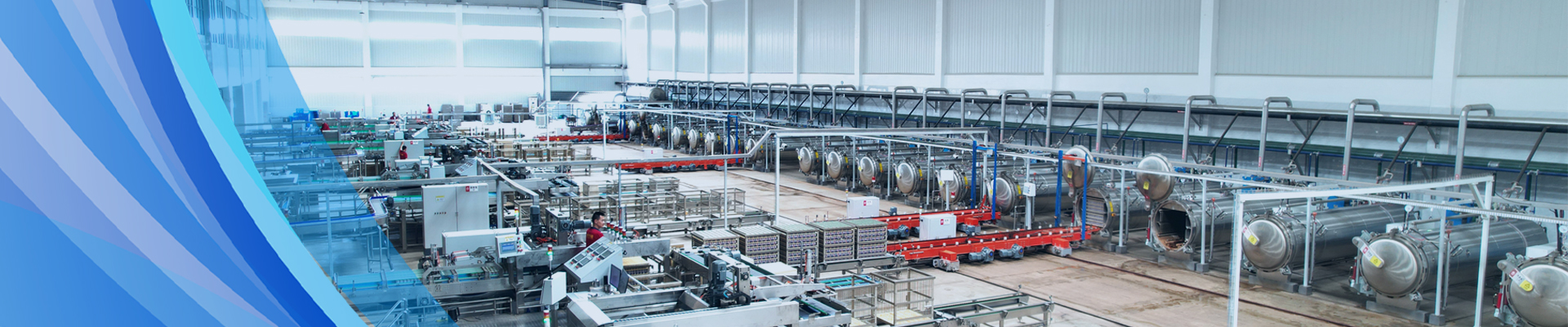

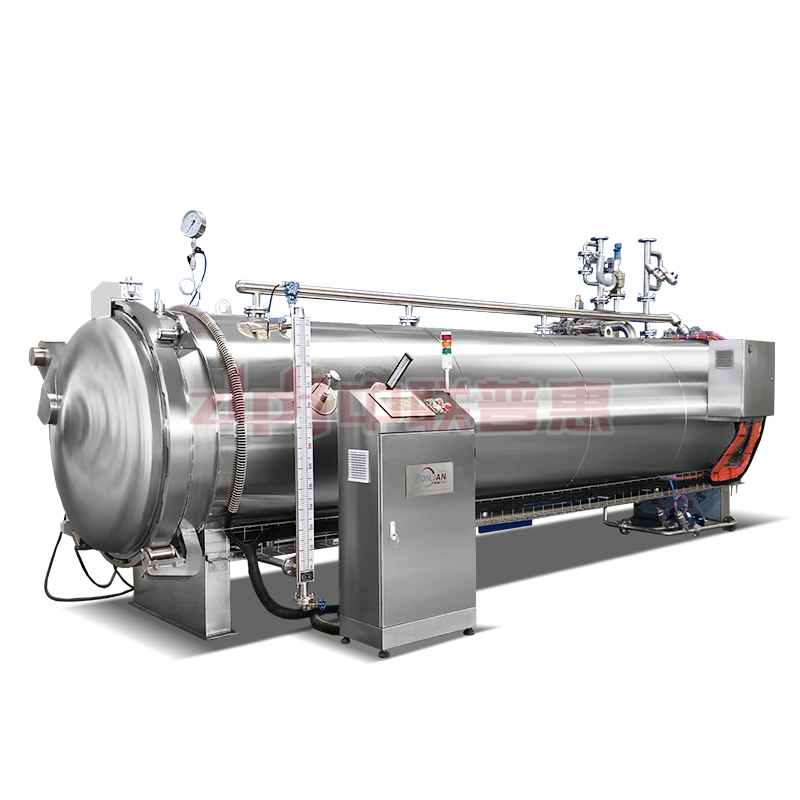
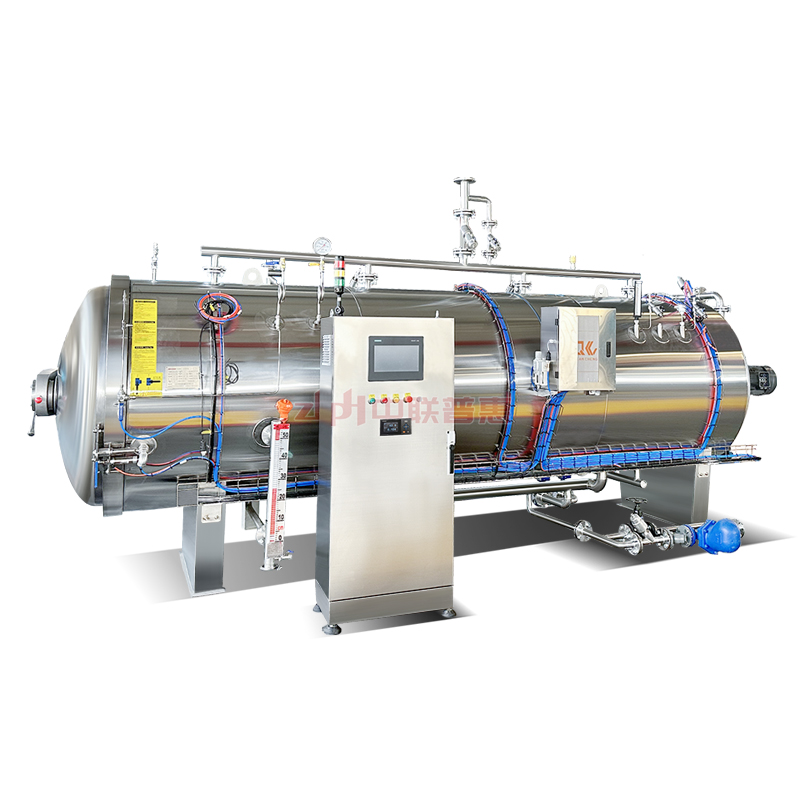
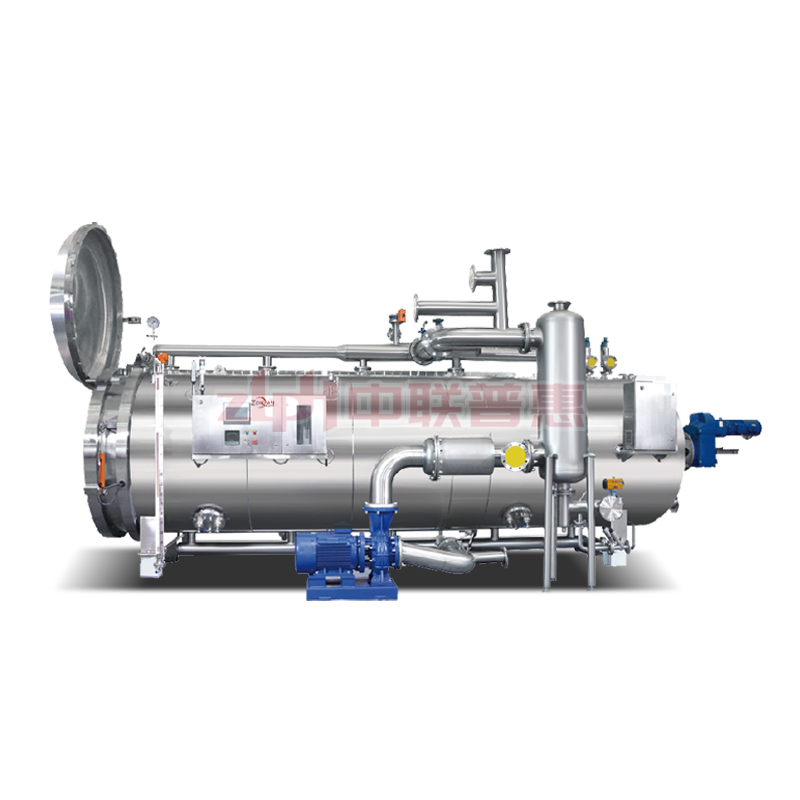
This guide is authored by senior food processing engineers from ZLPH MACHINERY TECHNOLOGY CO., LTD., a globally recognized provider of intelligent sterilization solutions with over 8 years of industry expertise. It addresses a critical challenge faced by food manufacturers worldwide: selecting a reliable water immersion retort autoclave provider that ensures consistent sterilization efficacy, operational efficiency, and food safety compliance.

Selecting an inadequate retort system often leads to uneven heat distribution, microbial survival risks, extended cycle times, and compromised product quality—issues primarily caused by outdated thermal design, lack of real-time process control, and insufficient hygiene validation. Drawing on more than 500 global installations and rigorous R&D in sterilization dynamics, ZLPH has developed a proven framework to evaluate and implement high-performance water immersion retort systems. This guide breaks down key selection criteria, validates performance through real-world deployment data, and provides actionable steps to avoid common procurement pitfalls—ensuring your sterilization process meets both regulatory standards and production efficiency targets.

How do I ensure uniform sterilization and prevent cold spots in large-batch canned food production?
1. Scenario & Pain Point
In high-volume canning facilities producing vegetables, meats, or ready-to-eat meals, inconsistent temperature distribution during water immersion sterilization often results in "cold spots"—areas where lethal temperatures aren’t sustained long enough to destroy Clostridium botulinum spores. This not only risks product recalls but also forces conservative over-processing, degrading texture and nutritional value.

2. Root Cause Analysis
Cold spots typically stem from three factors: (1) poor water circulation design leading to stagnant zones; (2) absence of real-time temperature mapping across multiple basket positions; and (3) manual loading practices that block flow paths. Traditional retorts with bottom-entry doors and fixed nozzles exacerbate these issues due to limited access and uneven spray coverage.

3. Step-by-Step Solution
Immediate Mitigation: Conduct thermal validation using data loggers at multiple basket locations to identify cold zones. Adjust basket orientation or reduce load density temporarily.
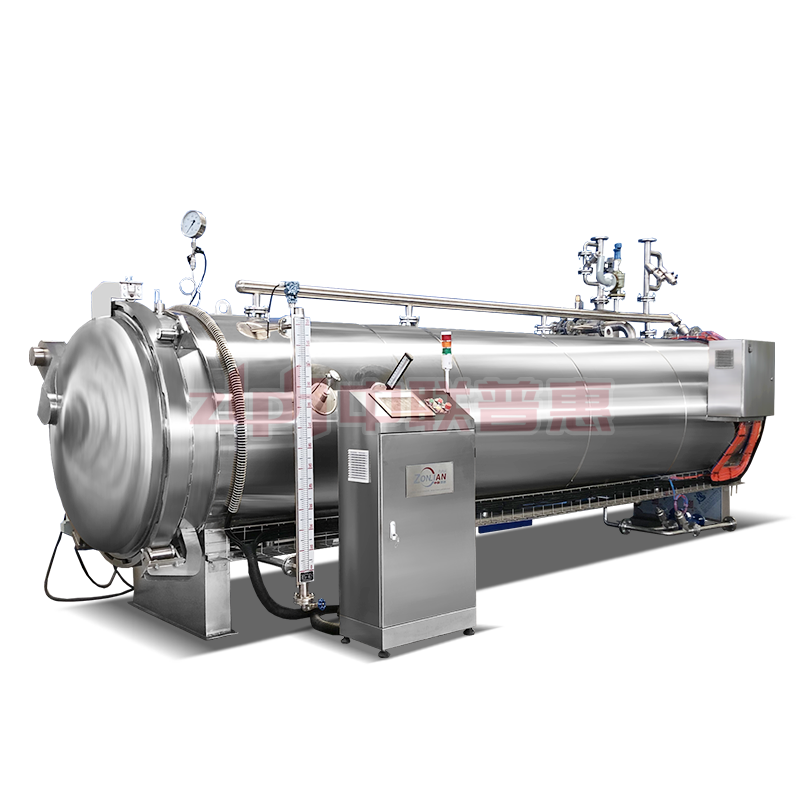
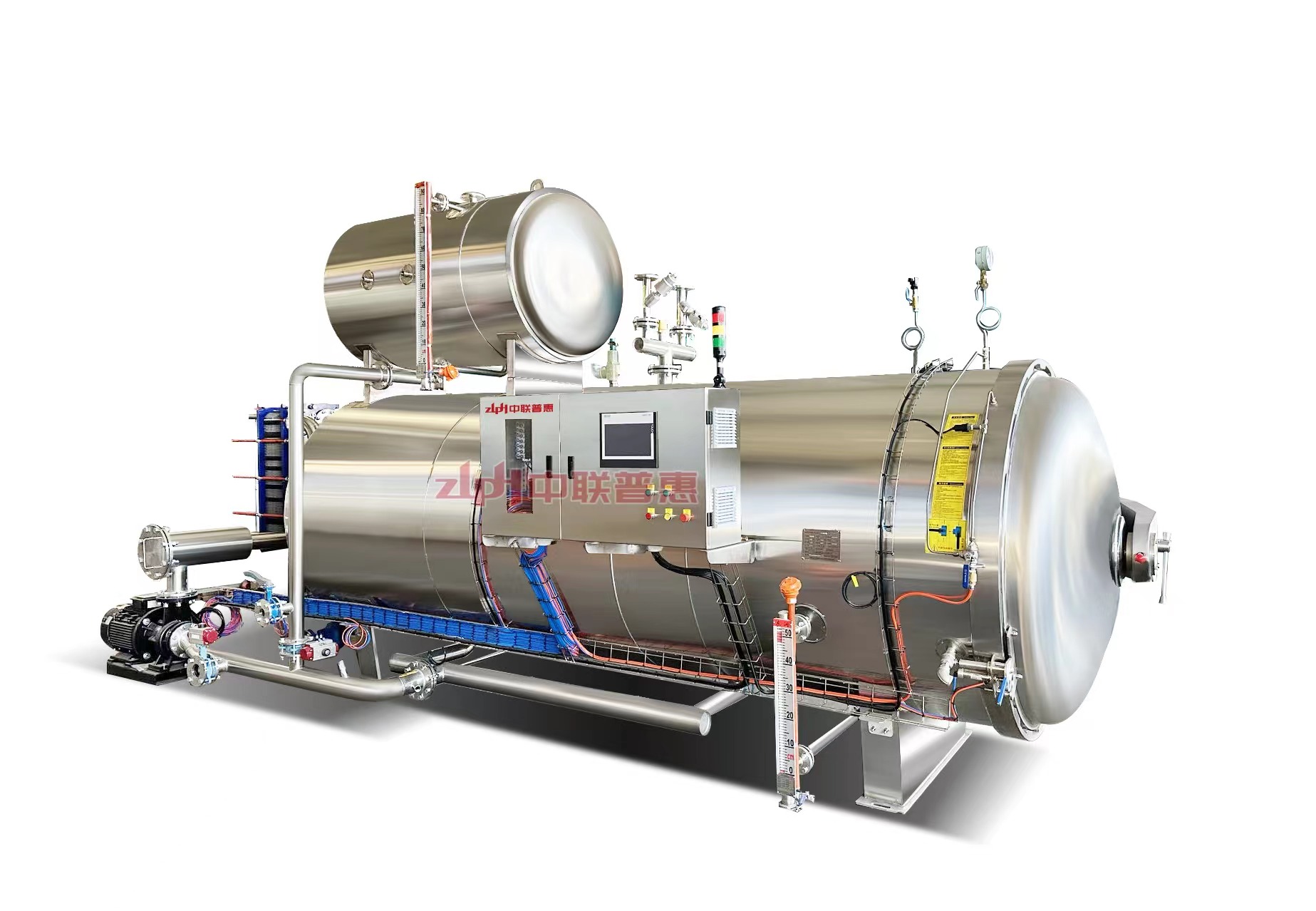
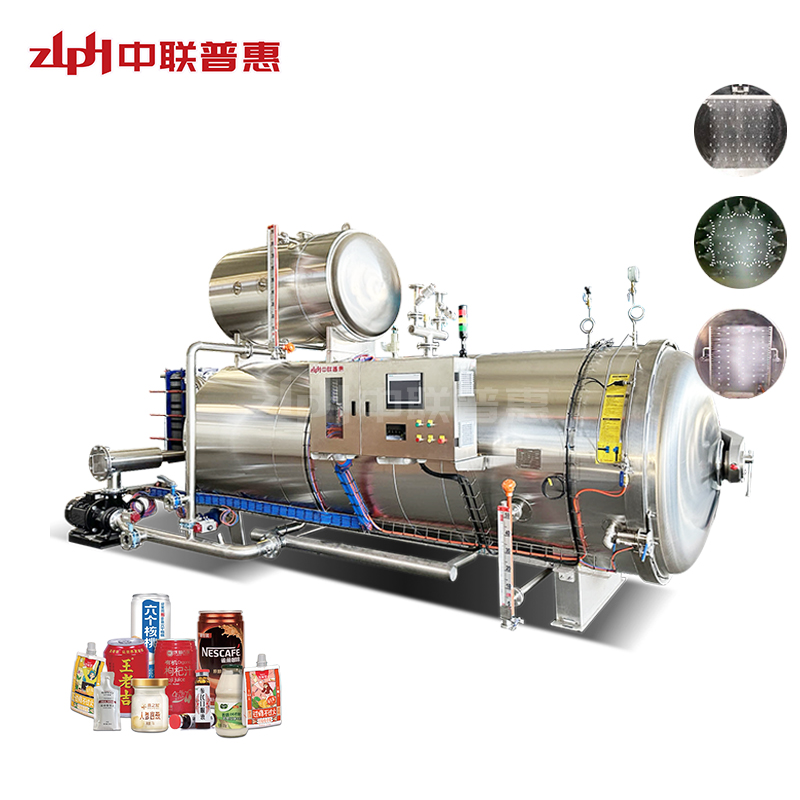
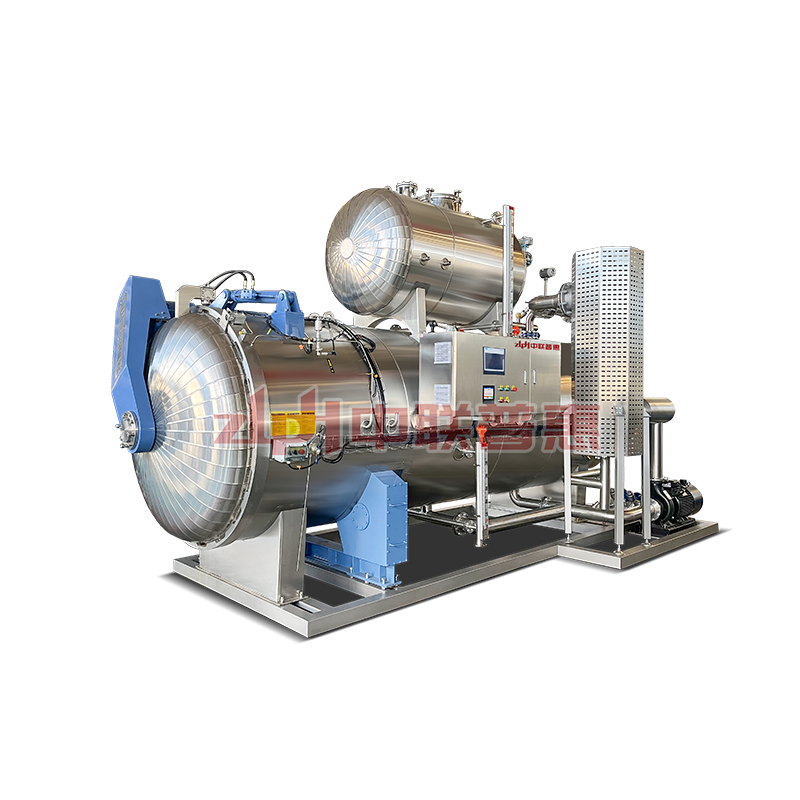
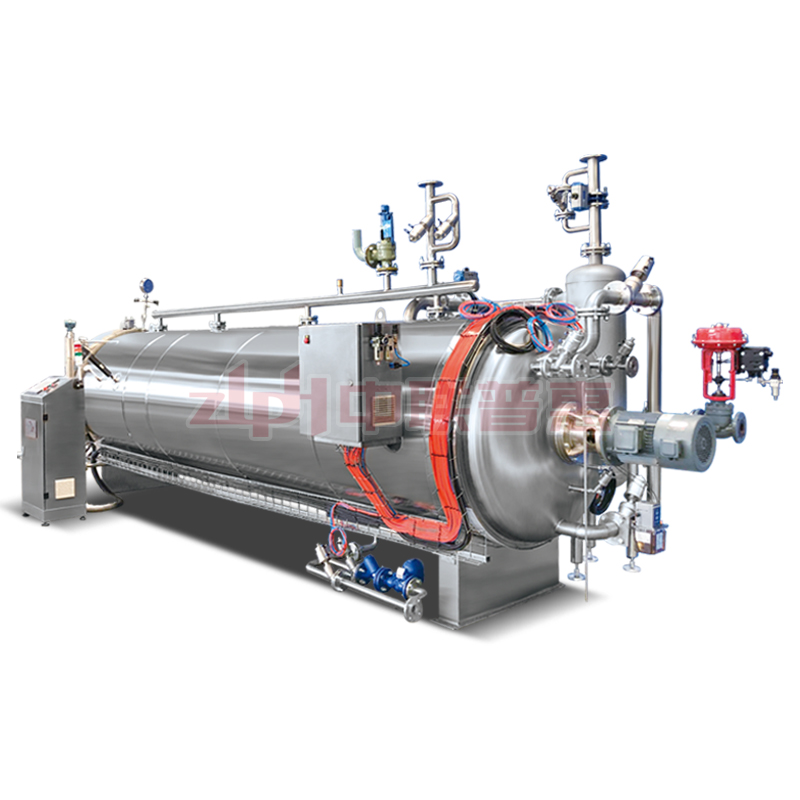
Long-Term Fix: Deploy a top-opening water spray retort with 360° rotating nozzles and variable-frequency pumps. ZLPH’s intelligent system ensures turbulent, uniform water flow across all containers, eliminating dead zones. The upper door design enables faster loading/unloading and full internal access for cleaning and inspection.
Process Optimization: Integrate real-time temperature and pressure monitoring with automated F₀ (sterilization value) calculation to dynamically adjust cycle parameters—ensuring precise lethality without overcooking.
4. Pitfall Avoidance Guide
Avoid retorts without CIP (Clean-in-Place) compatibility or third-party thermal validation reports. Never assume uniformity based on chamber size alone—demand multi-point thermal mapping data under full-load conditions. Also, verify that the control system complies with FDA 21 CFR Part 11 for electronic records if exporting to the U.S.
5. Validation Results
At a European vegetable processor using ZLPH’s water spray retort, thermal mapping showed ±0.5°C uniformity across 1,200 cans per batch. Microbial challenge tests confirmed a 12-log reduction of C. botulinum, while cycle time decreased by 18% compared to their legacy system—validating both safety and efficiency gains.
How can I reduce downtime and maintenance costs with my retort system?
1. Scenario & Pain Point
Frequent seal failures, pump breakdowns, and manual cleaning between batches cause unplanned downtime—costing up to $15,000/hour in lost throughput for mid-sized lines.
2. Root Cause Analysis
Conventional retorts use mechanical seals prone to wear from thermal cycling, lack predictive diagnostics, and require manual disassembly for sanitation—slowing changeovers and increasing labor costs.
3. Step-by-Step Solution
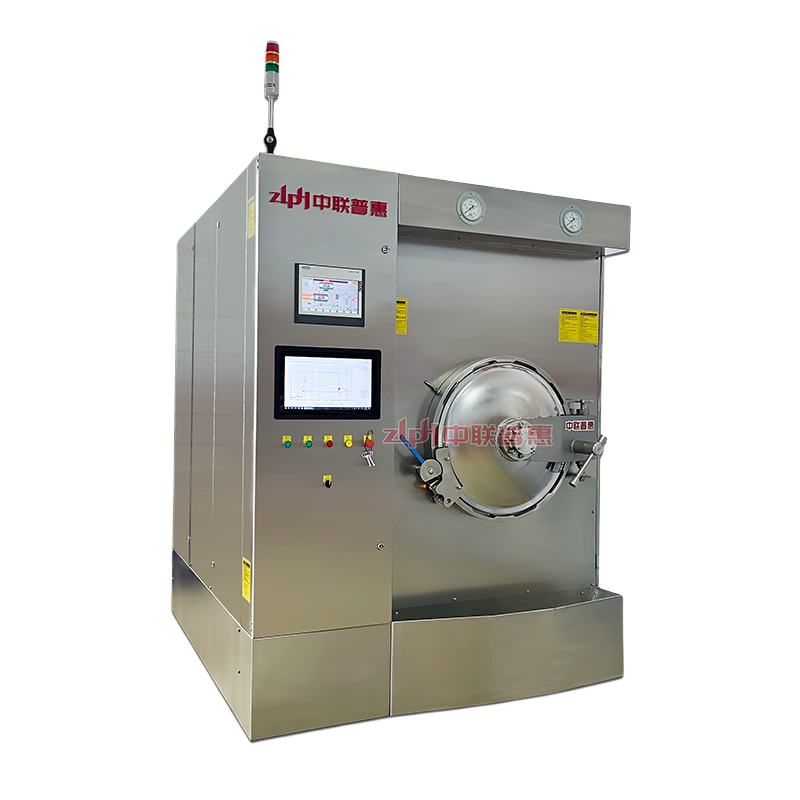
ZLPH’s retorts feature a hygienic top-hinged door with silicone gasket technology rated for 10,000+ cycles, reducing seal replacement frequency by 70%. The integrated intelligent control system monitors motor current, pressure decay, and valve status to predict failures before they occur. Combined with automated CIP cycles, this cuts cleaning time by 40% and enables same-day product changeovers.
4. Pitfall Avoidance Guide
Prioritize suppliers offering remote diagnostics and modular component design. Avoid welded-chamber units that complicate internal repairs. Ensure spare parts are globally available within 72 hours.
5. Validation Results
A Southeast Asian seafood exporter reduced annual maintenance costs by $82,000 and increased OEE (Overall Equipment Effectiveness) from 68% to 89% after switching to ZLPH’s system—validated over 14 months of continuous operation.
Industry Best Practices for Selecting a Water Immersion Retort Provider
Based on 8+ years of global deployments, ZLPH recommends this 5-step evaluation framework:
1. Validate Thermal Performance
Demand third-party thermal distribution reports under full-load conditions—not just empty-chamber specs.
2. Assess Hygiene & Compliance
Confirm 3-A, EHEDG, or FDA-compliant materials and surface finishes (Ra ≤ 0.8 μm).
3. Evaluate Automation Level
Look for PLC-based control with recipe management, F₀ tracking, and audit trails.
4. Verify Global Support
Ensure local service partners or 24/7 remote support in your time zone.
5. Test Before Committing
Request a pilot test with your actual product and packaging—never rely solely on brochures.
Frequently Asked Questions (FAQ)
Q: Can water immersion retorts handle glass jars and flexible pouches?
A: Yes—ZLPH’s systems support all container types via adjustable basket designs and gentle handling protocols to prevent breakage or deformation during pressurization.
Q: What certifications should a retort provider have for EU markets?
A: CE marking under Machinery Directive 2006/42/EC, PED 2014/68/EU for pressure equipment, and ISO 13485 if used for medical-grade sterilization.
Q: How does ZLPH ensure energy efficiency?
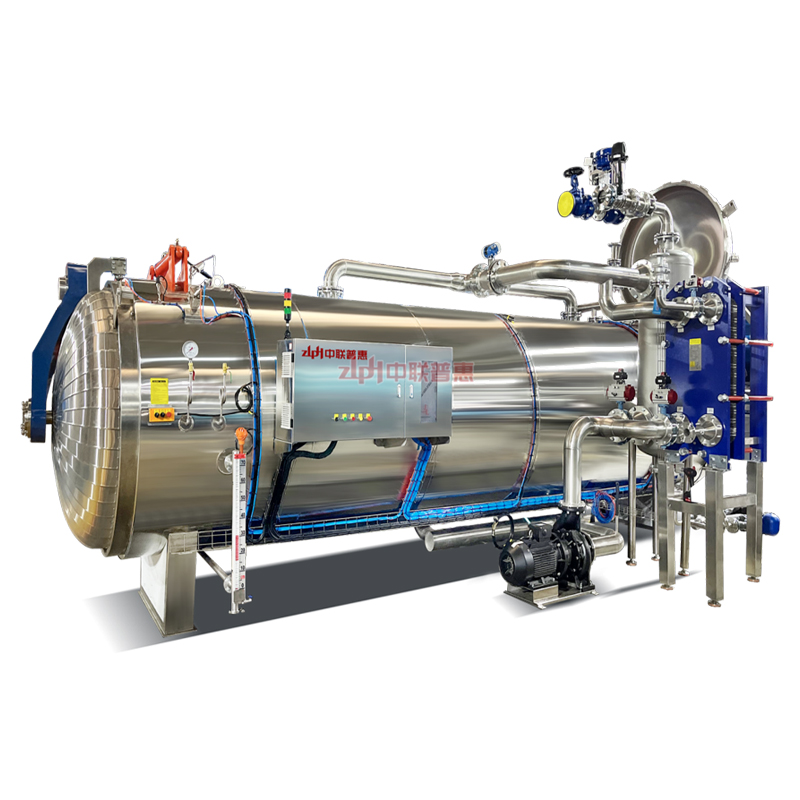
A: Our systems recover >60% of condensate heat via plate heat exchangers and use variable-speed pumps—reducing steam consumption by up to 25% versus fixed-speed units.
Q: Is remote monitoring available?
A: Yes—via secure cloud platform with role-based access, real-time alerts, and historical trend analysis for predictive maintenance.
Why ZLPH Stands Out as Your Trusted Partner
ZLPH MACHINERY TECHNOLOGY CO., LTD. is a technology-driven sterilization solutions provider founded in 2018, with a 21-member R&D team including mechanical designers, PLC engineers, and sterilization process experts with 10+ years of industry experience. Our 50-acre manufacturing facility houses advanced CNC and welding lines, ensuring precision fabrication of pressure vessels compliant with ASME and PED standards. We hold multiple patents in spray sterilization dynamics and intelligent control algorithms, and our systems are deployed in over 30 countries—from Russia to Brazil—serving leading brands in meat, dairy, and plant-based foods.
We offer end-to-end support including:
• Free thermal process consultation and F₀ calculation
• On-site installation and operator training
• Custom basket and loader-unloader integration
• 24-month warranty with optional extended service contracts
Contact Us for a Tailored Solution
Company: ZLPH MACHINERY TECHNOLOGY CO., LTD.
Website: https://www.zlphretort.com/
Email: sales@zlphretort.com
Phone / WhatsApp: +86 15666798389 / +86 13361554016
