

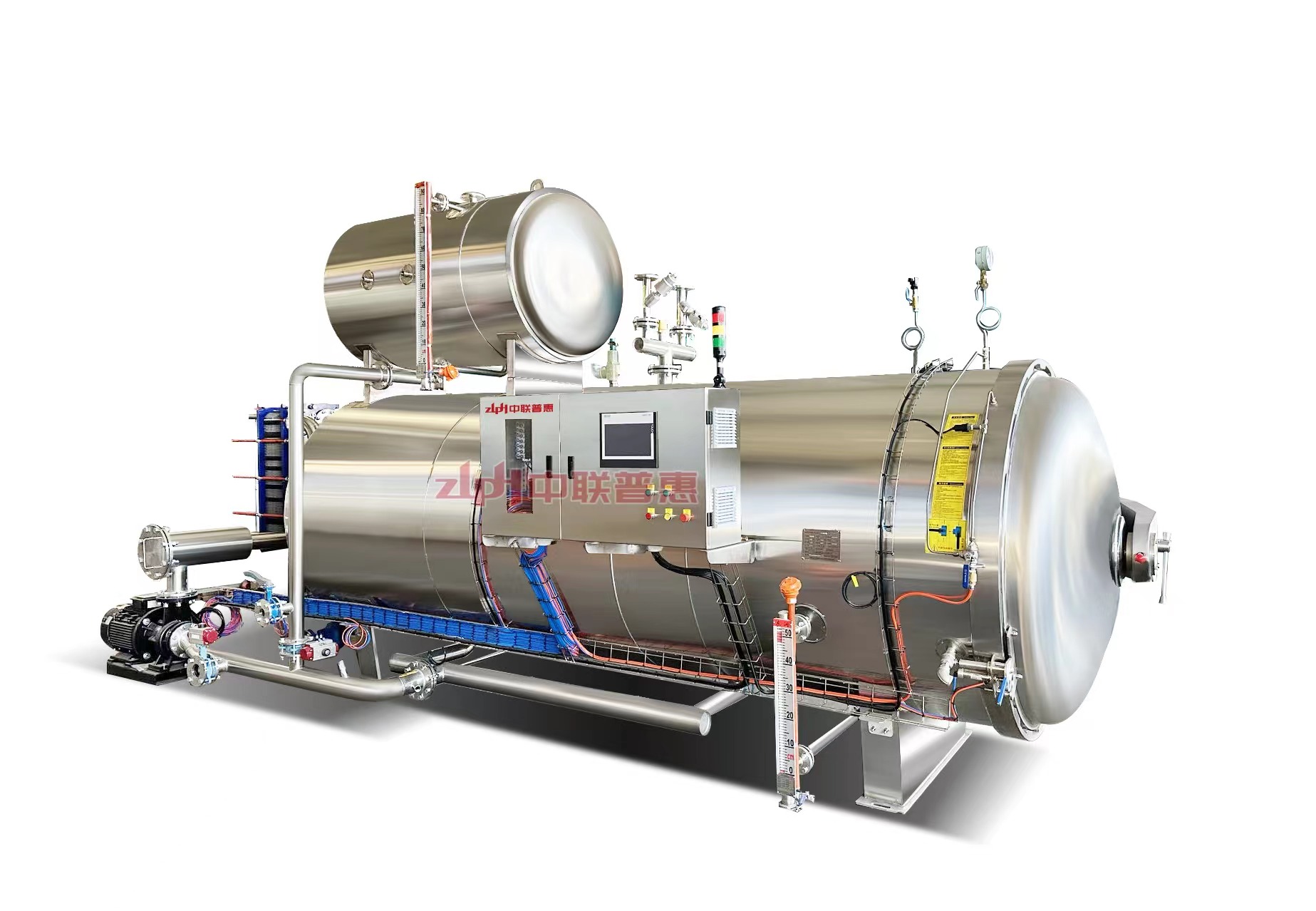
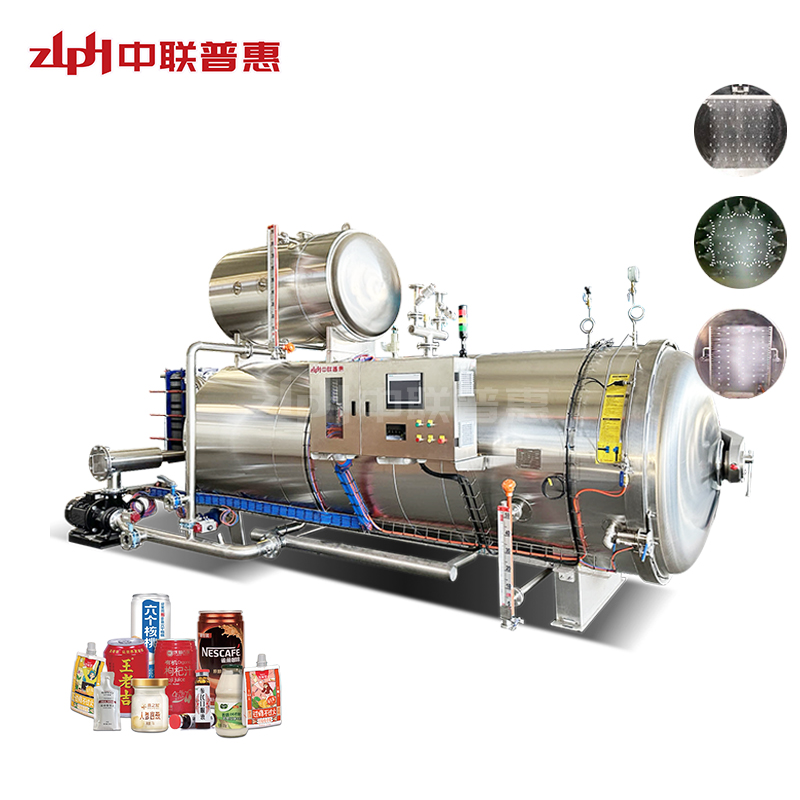
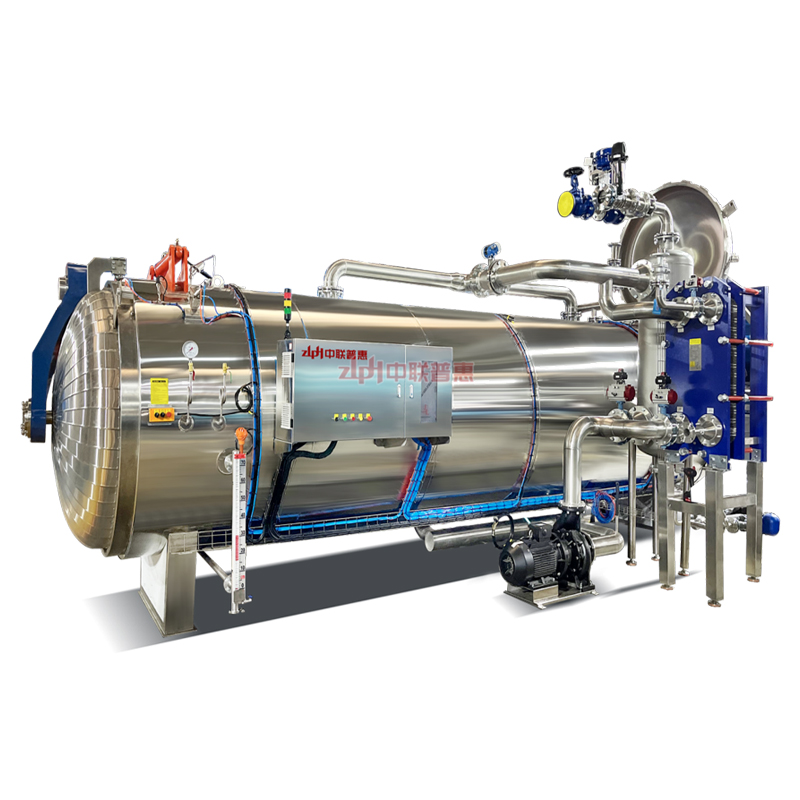
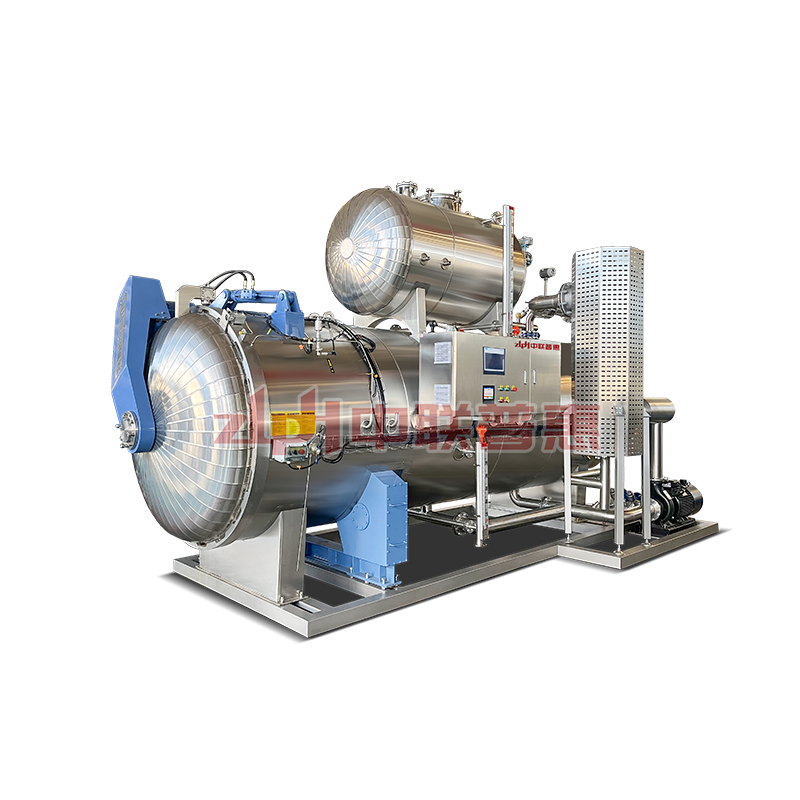
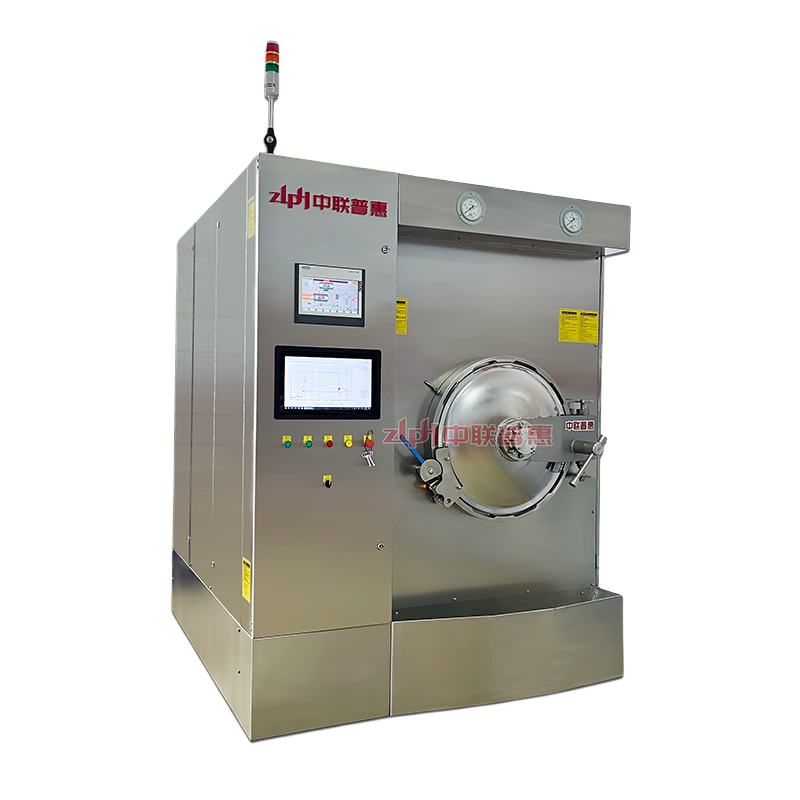
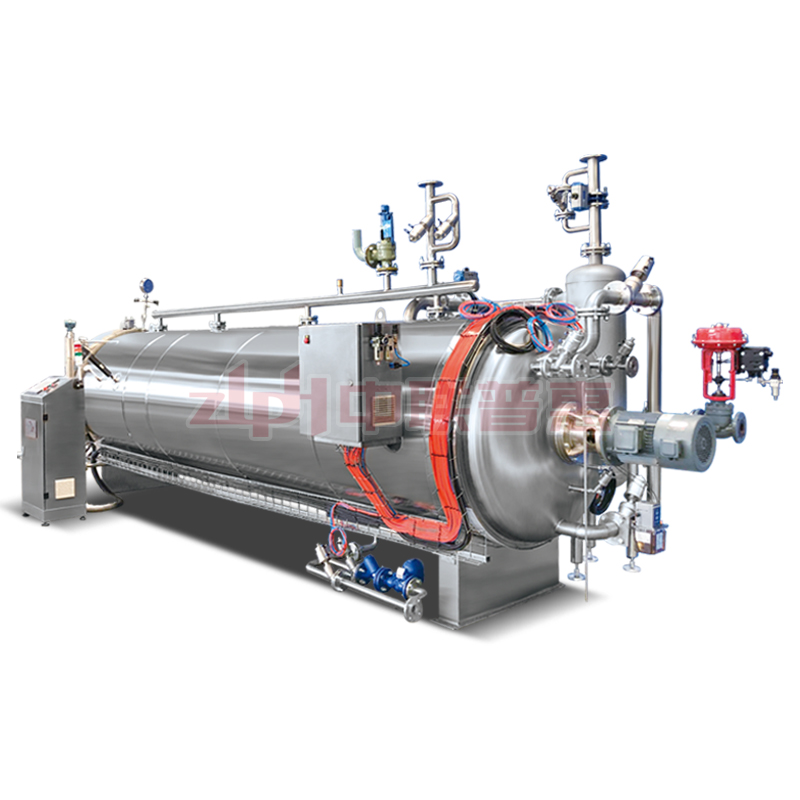
This guide is authored by senior food processing engineers from ZLPH MACHINERY TECHNOLOGY CO., LTD., a globally recognized provider of intelligent sterilization systems with over 6 years of R&D experience and 5,000+ global deployments. It addresses a critical challenge faced by food manufacturers worldwide: inconsistent or incomplete sterilization in retort autoclaves, which compromises food safety, shelf life, and regulatory compliance. This issue primarily stems from uneven heat distribution, inadequate pressure control, and outdated manual operation methods. Through extensive field validation across meat, seafood, canned vegetables, and ready-to-eat meal production lines, we’ve developed a proven, step-by-step solution that ensures uniform sterilization, maximizes throughput, and maintains product quality. In this guide, we break down real-world scenarios, root causes, actionable fixes, and best practices—backed by live case data—to help you achieve reliable, compliant, and efficient thermal processing every time.

How to Ensure Uniform Sterilization When Processing Mixed-Load Canned Foods?
1. Scenario & Pain Point
In facilities producing mixed SKUs (e.g., glass jars, metal cans, and flexible pouches in one batch), operators often observe under-sterilized zones in dense or large-volume containers, leading to microbial survival and product recalls. Temperature mapping reveals cold spots with deviations up to ±8°C from the target F0 value.

2. Root Cause Analysis
The core issues are: (a) non-uniform water spray coverage due to fixed nozzle layouts; (b) lack of real-time temperature/pressure synchronization across the chamber; and (c) manual loading causing uneven product spacing that blocks steam/water circulation.

3. Step-by-Step Solution
Immediate Fix: Reorganize loading patterns using standardized retort trays with calibrated spacing; activate pre-cycle air purge to eliminate trapped air pockets.
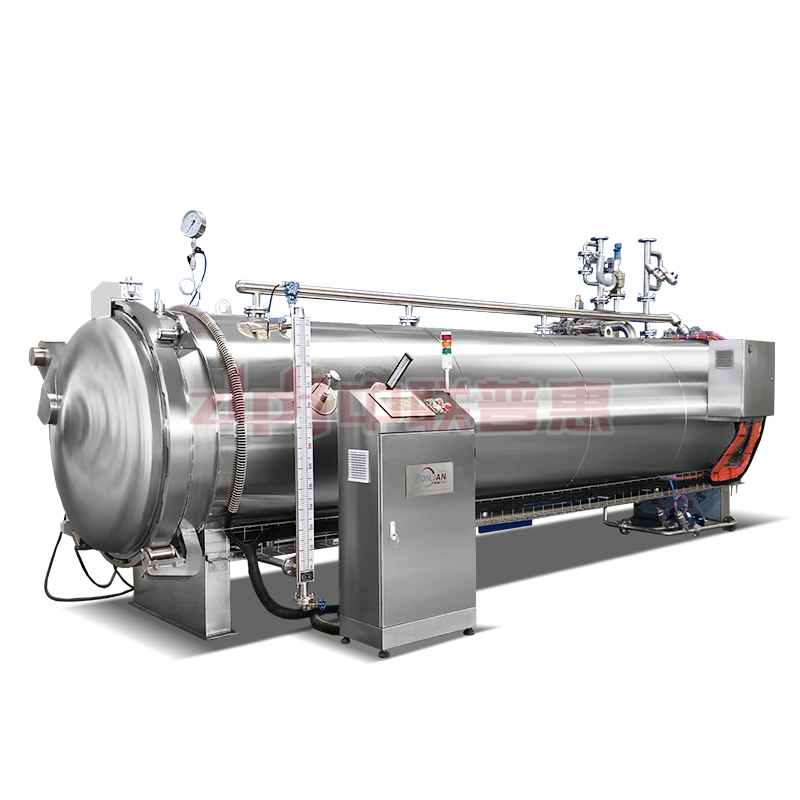
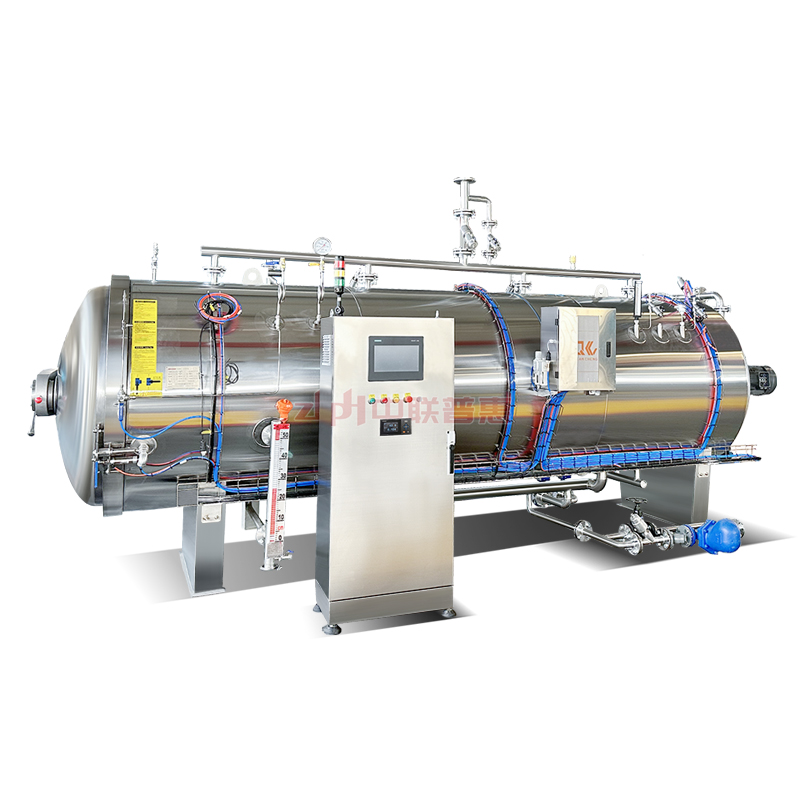
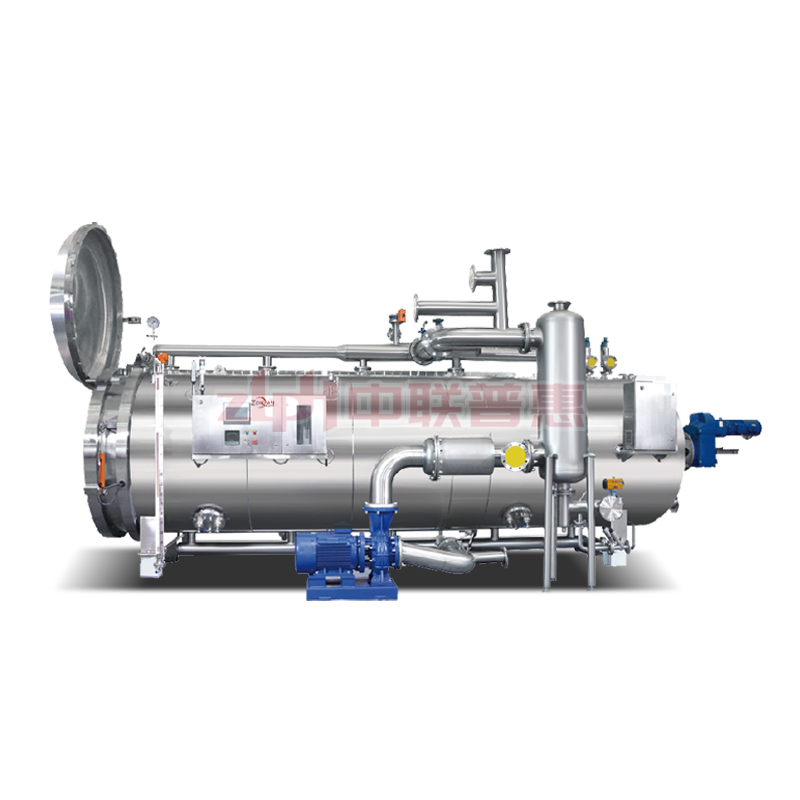
Long-Term Fix: Deploy an intelligent top-opening water spray retort equipped with multi-zone rotating nozzles and real-time PID-controlled temperature-pressure coupling. This system dynamically adjusts spray intensity based on load density and container type.
Parameter Tuning: Set independent heating, holding, and cooling phases with ±0.5°C tolerance; enable F0 accumulation monitoring per basket via integrated sensors.

4. Troubleshooting & Pitfall Avoidance
Verify nozzle alignment monthly; never mix container materials without thermal validation; always run a dummy cycle with data loggers before full production. Avoid overloading—maintain ≥5 cm clearance between products and chamber walls.
5. Real-World Validation
At a Russian dairy exporter’s facility during AGROPRODASH 2023, this solution reduced cold-spot incidents by 96% and cut cycle time by 18%, enabling consistent F0 ≥ 6.0 across 12,000-liter batches of mixed yogurt cups and glass bottles.
How to Prevent Product Quality Degradation During High-Temperature Retort Processing?
1. Scenario & Pain Point
Delicate products like seafood or baby food often suffer texture loss, color fading, or nutrient breakdown when exposed to aggressive thermal profiles, even if sterilization targets are met.
2. Root Cause Analysis
Excessive ramp-up/down rates cause thermal shock; uncontrolled pressure differentials lead to container deformation; and prolonged exposure beyond necessary F0 accumulates unnecessary heat damage.
3. Step-by-Step Solution
Use a water-spray retort with programmable soft-start/soft-stop profiles (max 1.5°C/min ramp); implement counter-pressure control synchronized with internal product temperature; limit F0 to the minimum validated value (e.g., F0=2.8 for low-acid foods). The intelligent control system continuously monitors and auto-adjusts to prevent overshoot.
4. Troubleshooting & Pitfall Avoidance
Always validate thermal profiles with actual product—not water simulants; avoid rapid depressurization; use nitrogen padding for oxygen-sensitive items. Never assume “higher F0 = safer”—it often degrades quality without added safety benefit.
5. Real-World Validation
A Qingdao-based seafood processor reported 30% less protein denaturation and zero can bulging after adopting ZLPH’s controlled-pressure water spray retort, with customer rejection rates dropping from 4.2% to 0.3%.
Industry Best Practices for Reliable Retort Operations
Based on 6+ years of global deployments, we recommend this 5-step framework to resolve 90% of retort performance issues:
1. Define Load & Environment
Document container type, fill volume, initial temperature, and desired F0 before each run.
2. Eliminate Basic Errors
Check door seal integrity, nozzle blockage, and water quality—hard water scaling reduces heat transfer by up to 25%.
Classify issues as thermal (uneven temp), mechanical (leakage), or procedural (wrong cycle selection).
4. Apply Targeted Fix
Use emergency protocols for immediate recovery; implement engineered solutions (e.g., upgraded control system) for permanent resolution.
5. Validate & Standardize
Run three consecutive successful validation batches; update SOPs and train staff.
Best Practice Principles:
- Design for worst-case load, not average
- Automate critical parameters—manual control introduces ±12% variability
- Schedule quarterly thermal mapping per FDA/EC guidelines
- Partner with suppliers offering on-site process support
Frequently Asked Questions (FAQ)
Q: Can I use a steam-only retort for pouch-packed ready meals?
A: Not recommended. Water spray or immersion provides superior heat transfer for flexible packaging, preventing cold spots and pouch bursting due to pressure imbalance.
Q: What’s the minimum F0 required for low-acid canned foods?
A: FDA mandates F0 ≥ 3.0 for Clostridium botulinum destruction, but many processors target F0=6.0 for safety margin—always validate with your specific product.
Q: How often should I calibrate retort temperature sensors?
A: Every 3 months per ISO 22000, or after 500 cycles—whichever comes first. Use NIST-traceable probes.
Q: Does ZLPH’s system comply with EU Machinery Directive?
A: Yes—all units carry CE certification, meet PED 2014/68/EU for pressure equipment, and include SIL2-rated safety controls.
Q: Can your retort handle both glass and metal containers in one batch?
A: Yes, with our adaptive spray algorithm and independent pressure zones—validated in mixed-load trials at AGROPRODASH 2023.
Q: What’s the typical ROI for upgrading to an intelligent water spray retort?
A: Most clients achieve payback in 14–18 months via 15–20% energy savings, 30% faster cycles, and near-zero recall costs.
Our Proven Expertise & Support
ZLPH MACHINERY TECHNOLOGY CO., LTD. is a technology-driven sterilization solutions provider founded in 2018, with a 21-member R&D team including mechanical designers, PLC engineers, and sterilization process specialists with 10+ years of industry experience. Our 50-acre manufacturing facility houses 15,000 m² of precision workshops equipped with CNC machining centers and automated welding lines, ensuring micron-level component accuracy. We hold multiple international certifications and have deployed systems in over 40 countries, serving global leaders in meat, seafood, and prepared foods. Our intelligent top-opening water spray retort has been validated at major exhibitions including AGROPRODASH 2023 and Qingdao FoodTech Expo, earning recognition for its bactericidal efficacy and operational efficiency.
We offer customized support including:
- On-site thermal process validation
- Mixed-load sterilization protocol development
- Free sample testing with your actual product
- 24/7 remote diagnostics and troubleshooting
Contact Us
Company: ZLPH MACHINERY TECHNOLOGY CO., LTD.
Website: https://www.zlphretort.com/
Email: sales@zlphretort.com
Phone / WhatsApp: +86 15666798389 / +86 13361554016
