

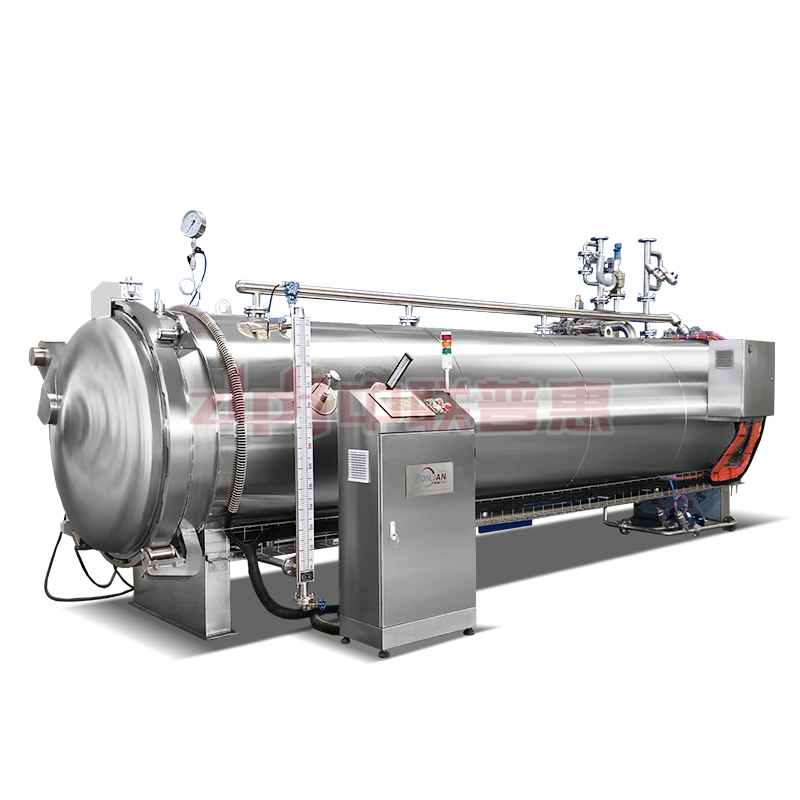
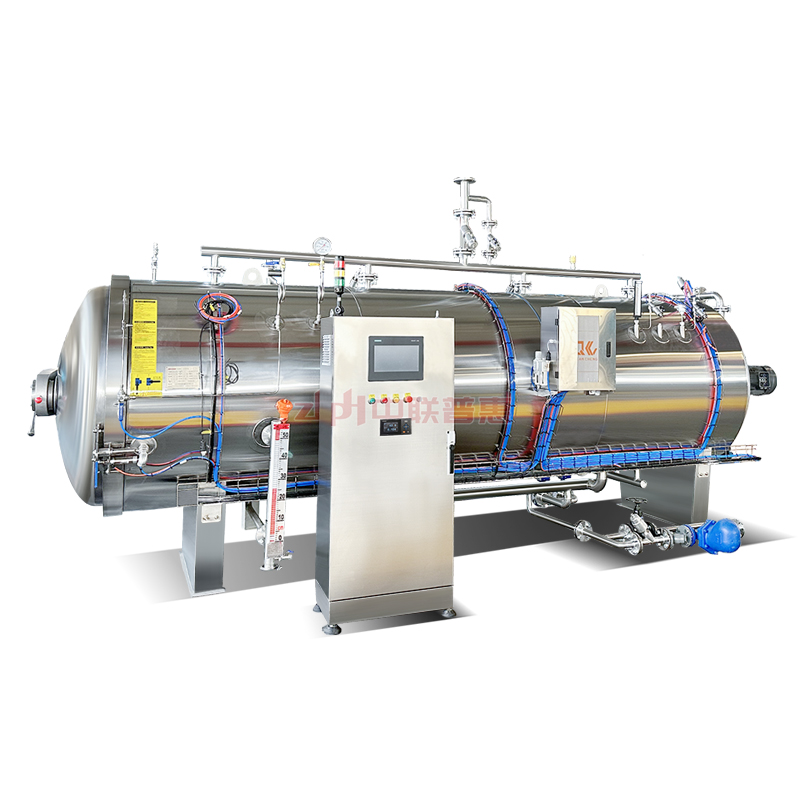
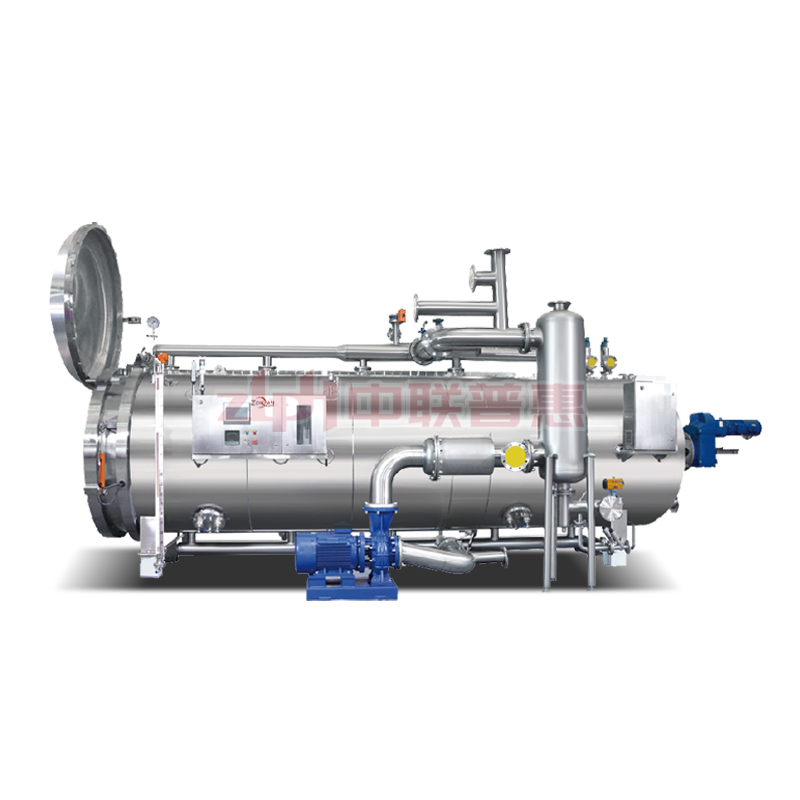
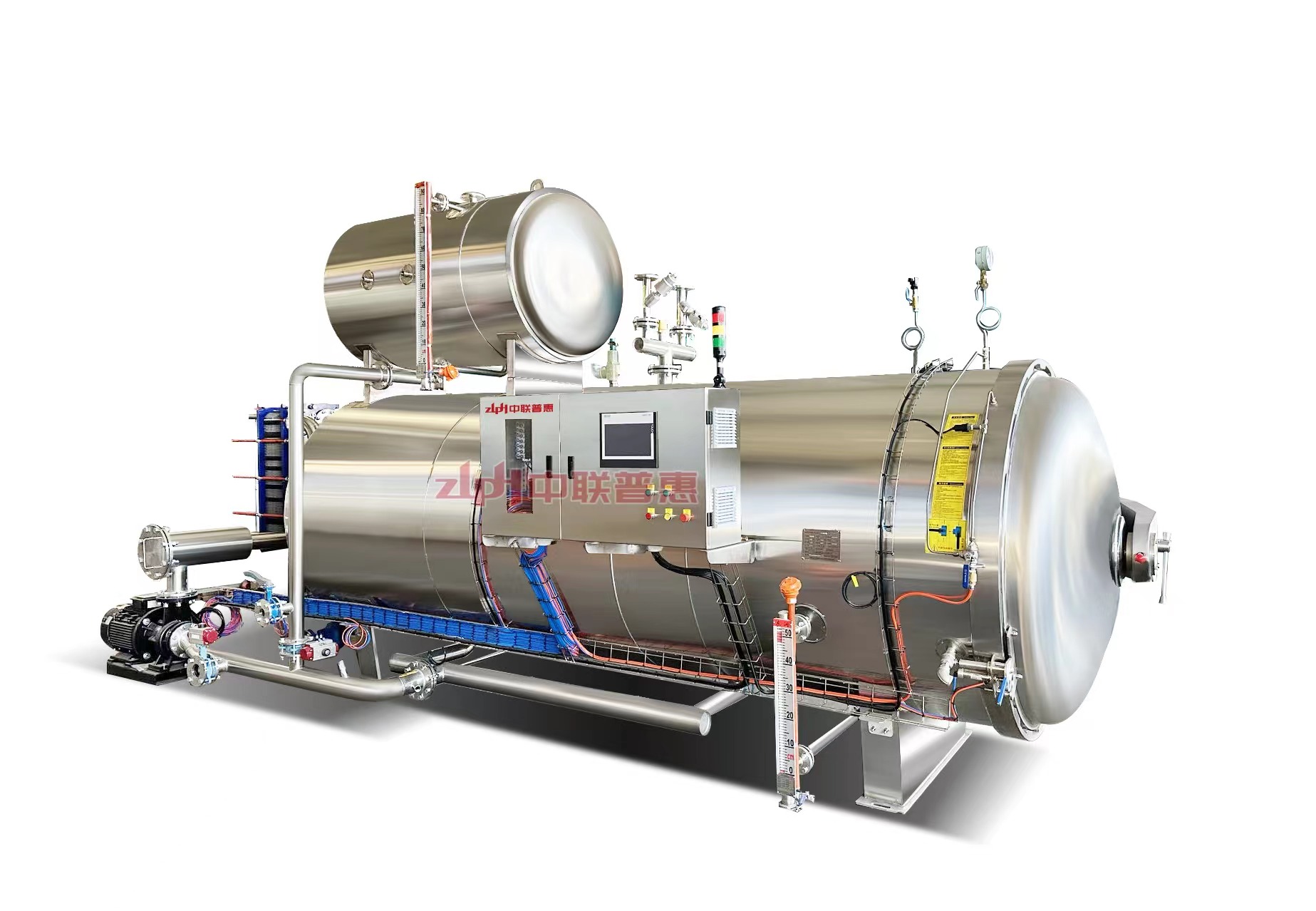
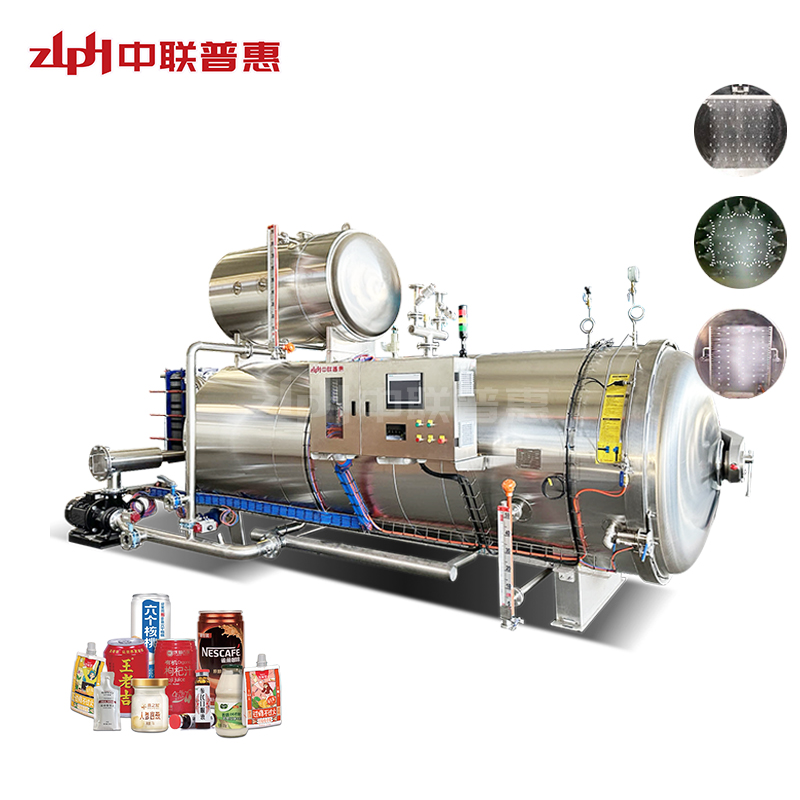
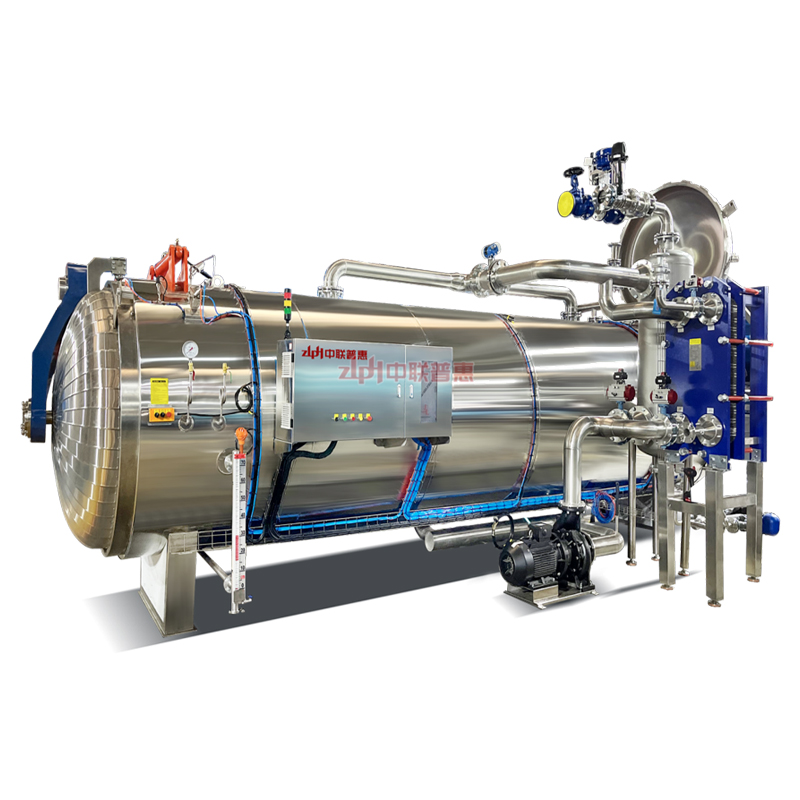
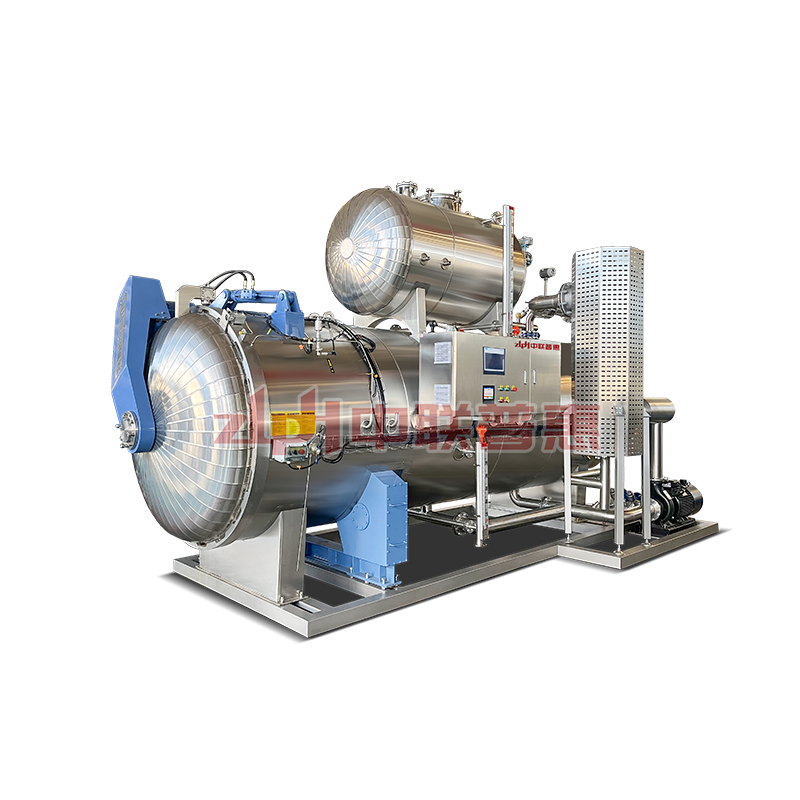
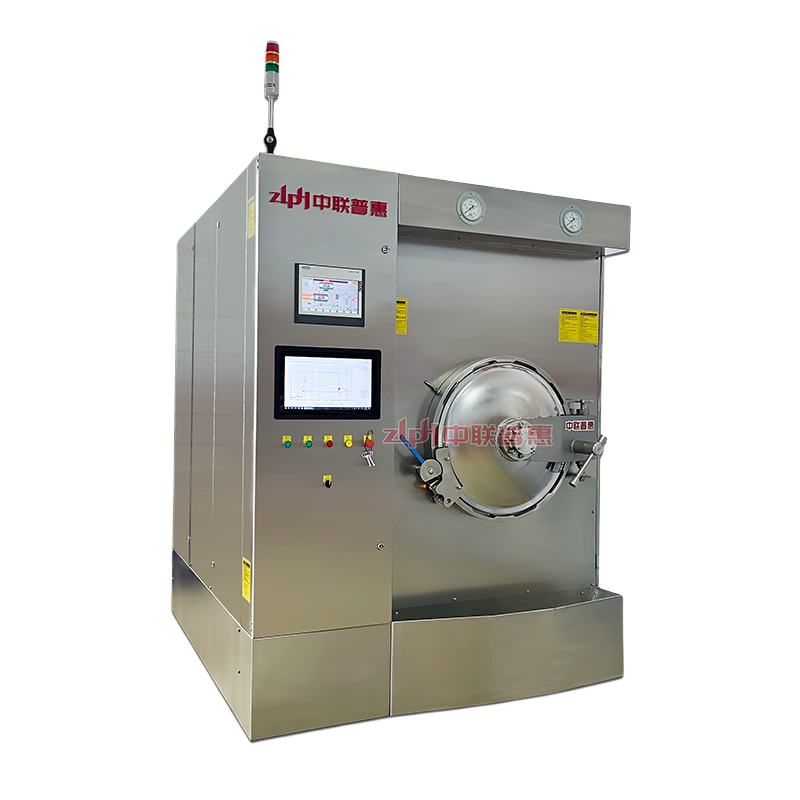
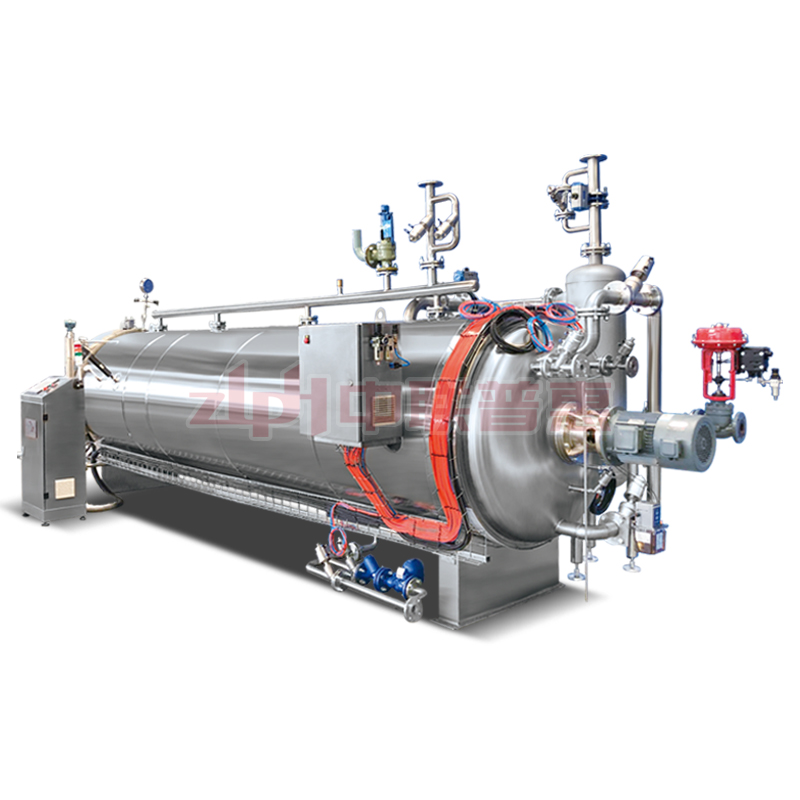
This guide is authored by a senior food sterilization engineer with over 10 years of field experience from ZLPH MACHINERY TECHNOLOGY CO., LTD., a leading provider of advanced retort sterilization systems. It addresses a critical challenge faced by global food manufacturers and process engineers: inconsistent temperature distribution during water spray retort sterilization, which compromises product safety, shelf life, and regulatory compliance. This issue primarily stems from poor nozzle layout design, inadequate water circulation dynamics, and insufficient thermal validation protocols. Based on more than 5,000 global installations and rigorous R&D validation, we present a proven, actionable framework to achieve ±0.5°C thermal uniformity across the entire retort chamber—meeting FDA, EU, and ISO 11133 standards. In this guide, you’ll learn how to diagnose root causes, implement engineering-level fixes, avoid common pitfalls, and verify performance using real-world data from our client deployments.

How to Fix Hot and Cold Spots in a Water Spray Retort During Canned Food Sterilization?
1. Scenario & Pain Point
During the sterilization of low-acid canned foods (e.g., vegetables, meats), many production lines report inconsistent F₀ values across batches—some cans under-sterilized (risking botulism), others overcooked (affecting texture and nutrition). Thermal mapping reveals temperature deviations exceeding ±3°C within the same retort cycle, especially in large-capacity (>3m³) horizontal spray retorts. This leads to product recalls, wasted batches, and failed audits by food safety authorities.

2. Root Cause Analysis
Three core technical factors drive this instability: (1) asymmetrical spray nozzle arrangement causing uneven water impingement; (2) insufficient pump flow rate failing to maintain turbulent flow across all layers of stacked containers; (3) lack of real-time thermal feedback control, relying instead on fixed time-temperature profiles that ignore load density variations.

3. Step-by-Step Solution
Immediate Mitigation: Reconfigure basket loading patterns to ensure uniform air gaps between cans; install temporary baffles to redirect water flow toward cold zones.
Engineering Upgrade: Retrofit with ZLPH’s patented 360° multi-angle spray manifold system, featuring staggered nozzles calibrated for Reynolds number >4,000 to guarantee turbulent heat transfer. Pair with a variable-frequency drive (VFD) pump that auto-adjusts flow based on real-time pressure differentials.
Control Optimization: Integrate wireless thermal dataloggers (e.g., Ellab TrackSense) into validation runs to generate 3D thermal maps, then fine-tune cycle parameters via our PLC-based adaptive sterilization algorithm.

4. Troubleshooting & Prevention Guide
Verify nozzle orifice diameters match design specs—clogging or wear can reduce flow by 20%. Conduct quarterly thermal distribution studies per ASME BPE standards. Never skip empty-chamber qualification before full-load validation. Avoid stacking mixed container sizes without zone-specific flow calibration.
5. Real-World Validation
At a major European vegetable processor, implementing this solution reduced thermal variance from ±2.8°C to ±0.4°C across 12,000-liter retorts. Over 18 months, zero under-processing incidents were recorded, and energy consumption dropped by 12% due to optimized cycle times.
How to Prevent Product Damage from High-Pressure Water Jets in Glass Jar Sterilization?
1. Scenario & Pain Point
Glass jar producers using water spray retorts often suffer breakage rates of 3–5% during cooling phases, caused by sudden pressure differentials and direct high-velocity water impact on fragile lids and shoulders.
2. Root Cause Analysis
Excessive spray pressure (>2.5 bar) combined with uncontrolled cooling ramp rates creates mechanical stress. Standard nozzles lack diffusers, concentrating kinetic energy on small surface areas.
3. Step-by-Step Solution
Install ZLPH’s low-impact fan-spray nozzles with built-in flow straighteners, reducing jet velocity by 40%. Implement staged pressure reduction during cooling: hold internal jar pressure via counter-pressure control until external water temp drops below 60°C. Use soft-start VFDs to eliminate hydraulic shock during pump activation.
4. Troubleshooting & Prevention Guide
Always validate cooling curves against glass thermal shock limits (typically ΔT < 30°C/min). Inspect gasket integrity weekly—compromised seals amplify pressure imbalance risks.
5. Real-World Validation
A Southeast Asian sauce manufacturer cut glass breakage from 4.2% to 0.3% after adopting this approach, saving $220,000 annually in waste and downtime.
Industry Best Practices for Water Spray Retort Reliability
Based on 6+ years of global project deployment, ZLPH recommends this 5-step framework to ensure consistent, compliant sterilization:
1. Define Worst-Case Load
Validate using densest product configuration, not ideal lab conditions.
2. Enforce Turbulent Flow
Maintain water velocity >1.5 m/s across all product zones.
3. Close the Control Loop
Use in-chamber RTDs feeding live data to adaptive PLC logic.
4. Document Everything
Automate batch records per 21 CFR Part 11 for audit readiness.
5. Schedule Predictive Maintenance
Monitor pump efficiency and nozzle wear via IoT vibration sensors.
Always select equipment rated for your harshest scenario—not average conditions. Partner with suppliers offering on-site FAT/SAT support and thermal validation expertise.
Frequently Asked Questions (FAQ)
Q: Can I retrofit an old steam-air retort into a water spray system?
A: Only if the vessel design supports full water drainage and corrosion-resistant internals. Most legacy units lack necessary nozzle ports and pump interfaces—replacement is often more cost-effective.
Q: What’s the minimum water quality requirement for spray retorts?
A: Treated water with <50 ppm hardness and <1 NTU turbidity to prevent nozzle scaling and biofilm buildup. Install inline filters with 100-micron rating.
Q: How often should thermal mapping be repeated?
A: Annually, or after any hardware modification (e.g., new basket design, pump upgrade). Per FDA guidance, revalidation is mandatory if process parameters change.
Q: Do ZLPH retorts comply with CE and ASME standards?
A: Yes—all units are CE-marked, ASME Section VIII Div. 1 certified, and built in ISO 9001:2015-compliant facilities.
Q: Can water spray retorts handle flexible pouches?
A: Absolutely—with counter-pressure control and gentle spray patterns, ZLPH systems achieve <0.5% pouch deformation rates even at 121°C.
Our Expertise & Support
ZLPH MACHINERY TECHNOLOGY CO., LTD. has specialized in retort sterilization since 2018, backed by a 21-member R&D team including mechanical designers, PLC programmers, and sterilization process experts with 10+ years of industry experience. Our 50-acre manufacturing facility houses 15,000㎡ of precision workshops equipped with CNC machining centers and automated welding lines, ensuring micron-level component accuracy. We’ve delivered over 1,200 retort systems to 60+ countries, serving Fortune 500 food brands and contract packers alike. Every solution undergoes third-party thermal performance validation before shipment.
We offer tailored support including: (1) on-site thermal process assessment; (2) custom nozzle manifold design; (3) FAT/SAT supervision; (4) free sample sterilization trials at our test center. Contact us for a no-obligation consultation.
Contact Information
Company: ZLPH MACHINERY TECHNOLOGY CO., LTD.
Website: https://www.zlphretort.com/
Email: sales@zlphretort.com
Phone / WhatsApp: +86 15666798389 / +86 13361554016
