
This guide is authored by a senior food processing engineer with over 10 years of experience at ZLPH MACHINERY TECHNOLOGY CO., LTD., a globally recognized provider of intelligent sterilization solutions. It addresses a critical challenge faced by food manufacturers worldwide: achieving consistent, efficient, and hygienic sterilization in high-volume production environments.

Inconsistent sterilization—manifesting as uneven heat distribution, bacterial survival, or product quality degradation—has long plagued the food industry. Root causes include poor retort design, inadequate temperature-pressure control, and inefficient water spray coverage. Based on more than 5,000 global installations and rigorous field validation across meat, seafood, canned vegetables, and ready-to-eat meal production lines, we’ve developed a proven, step-by-step framework to resolve these issues. This guide breaks down real-world scenarios, offers actionable solutions, and shares best practices to help you eliminate sterilization failures, ensure food safety compliance, and maximize throughput efficiency.

How to Ensure Uniform Sterilization Across All Cans in a Batch?
1. Scenario & Pain Point
In large-scale canning operations, operators often observe under-sterilized products at the bottom or corners of the retort basket, leading to spoilage complaints or regulatory non-compliance. This inconsistency compromises shelf life and brand reputation.

2. Root Cause Analysis
The primary causes are: (1) stagnant zones where spray nozzles fail to reach; (2) insufficient circulation of sterilization water; and (3) manual loading that creates dense packing, blocking water flow. Traditional side-opening retorts exacerbate this due to limited internal access and uneven rack placement.

3. Step-by-Step Solution
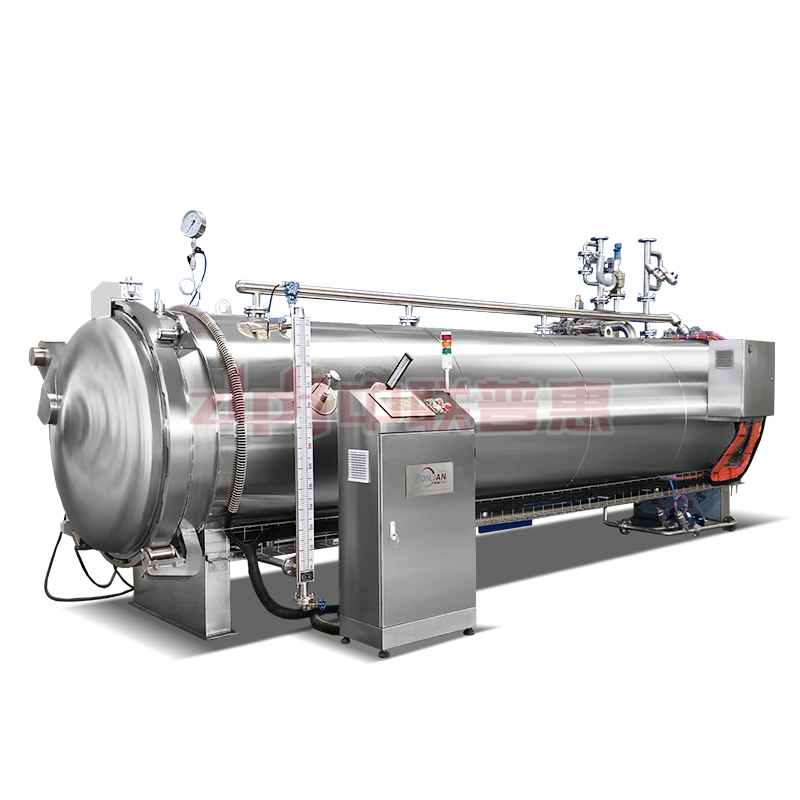
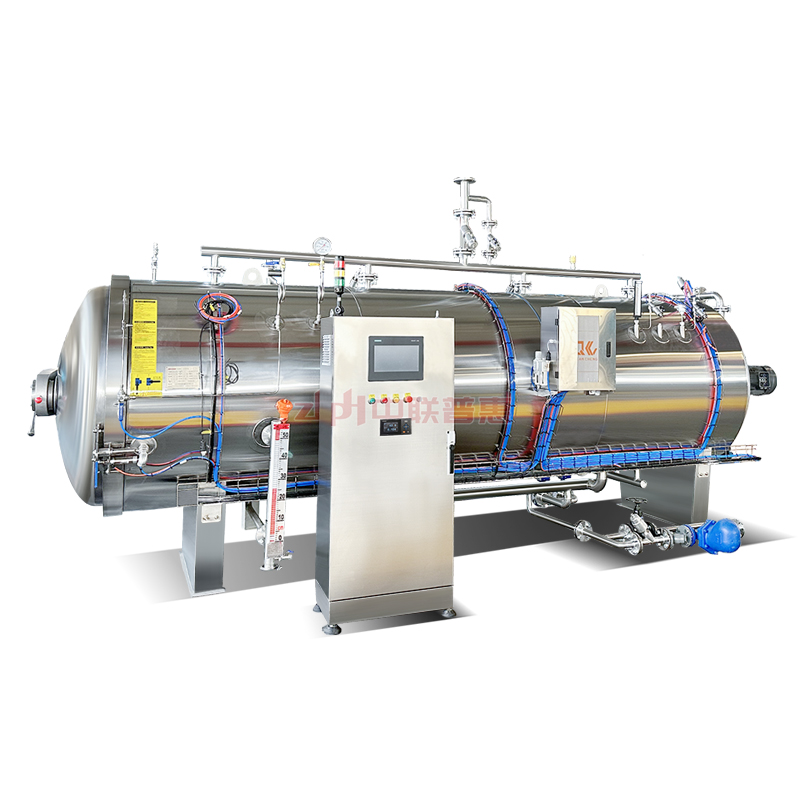
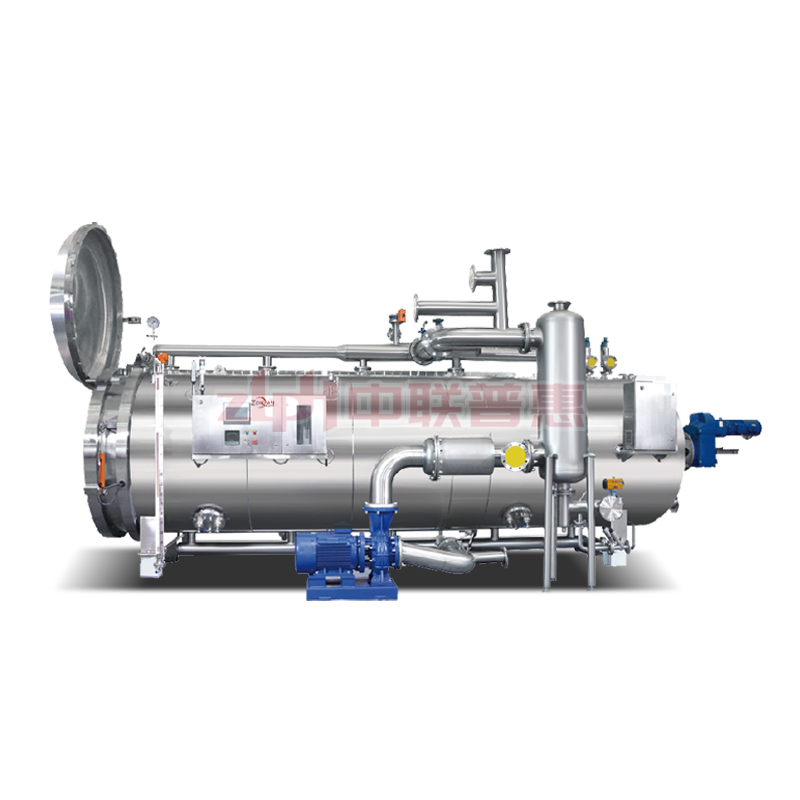
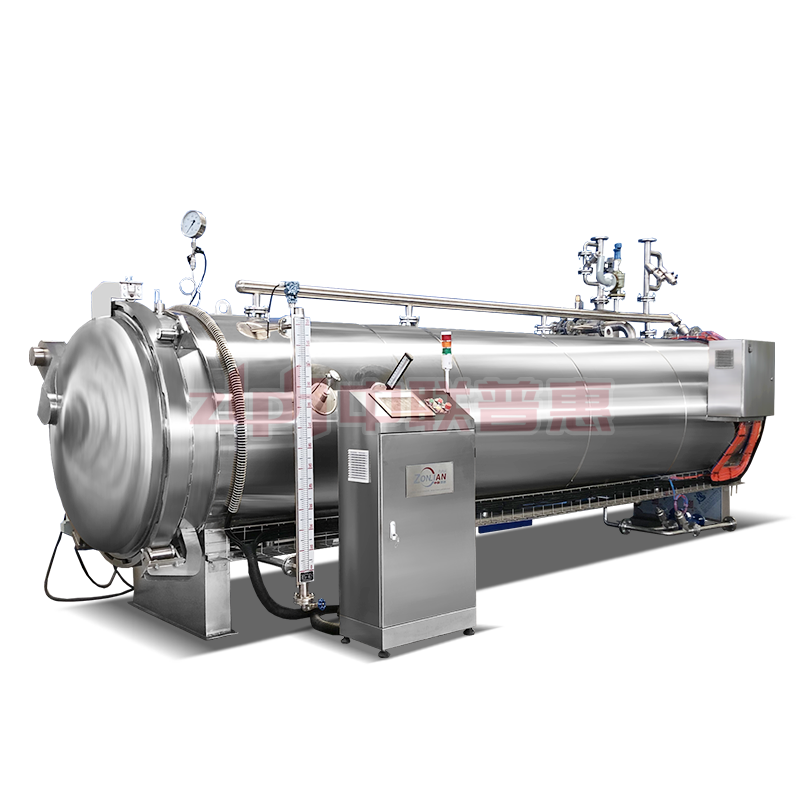
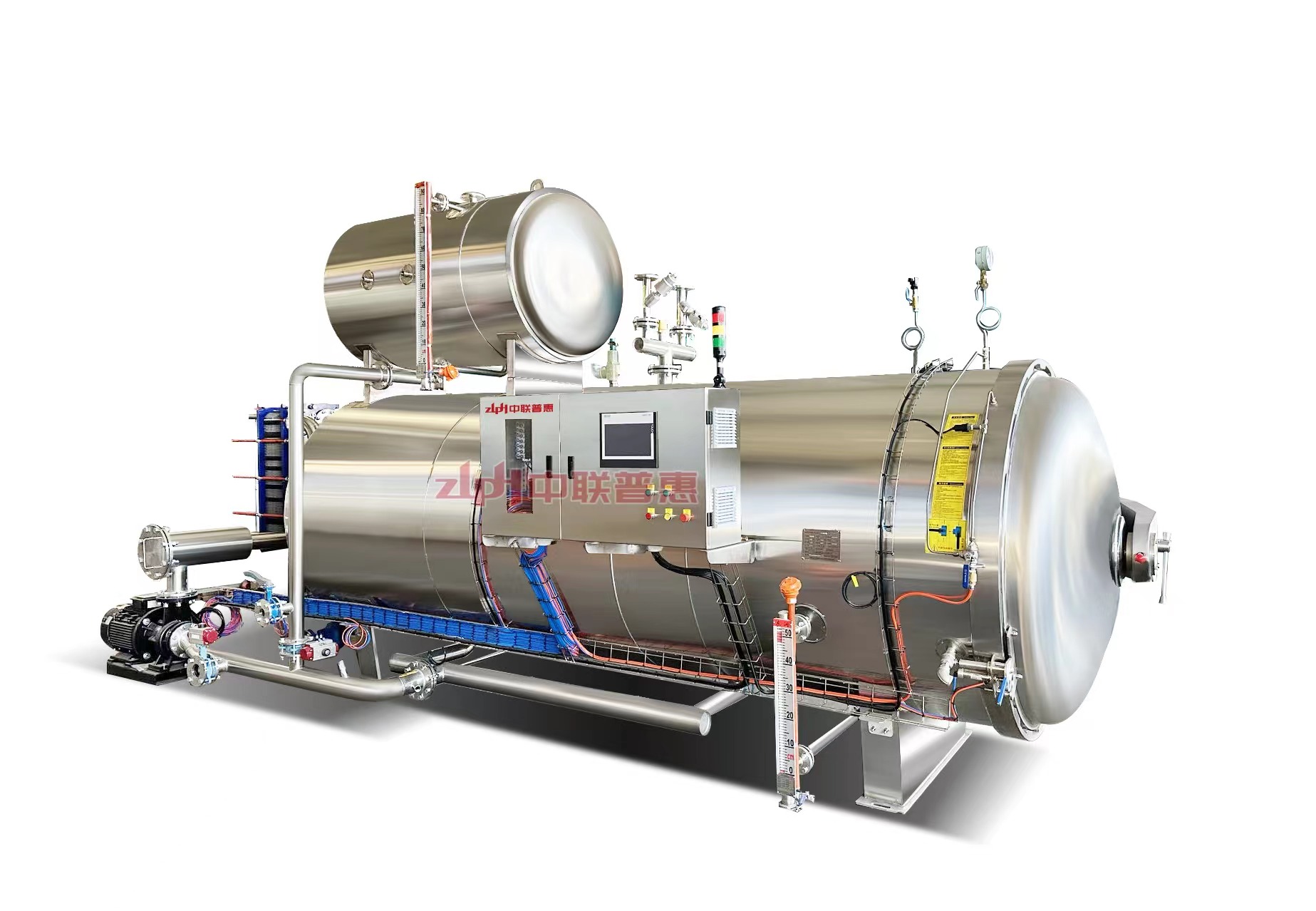
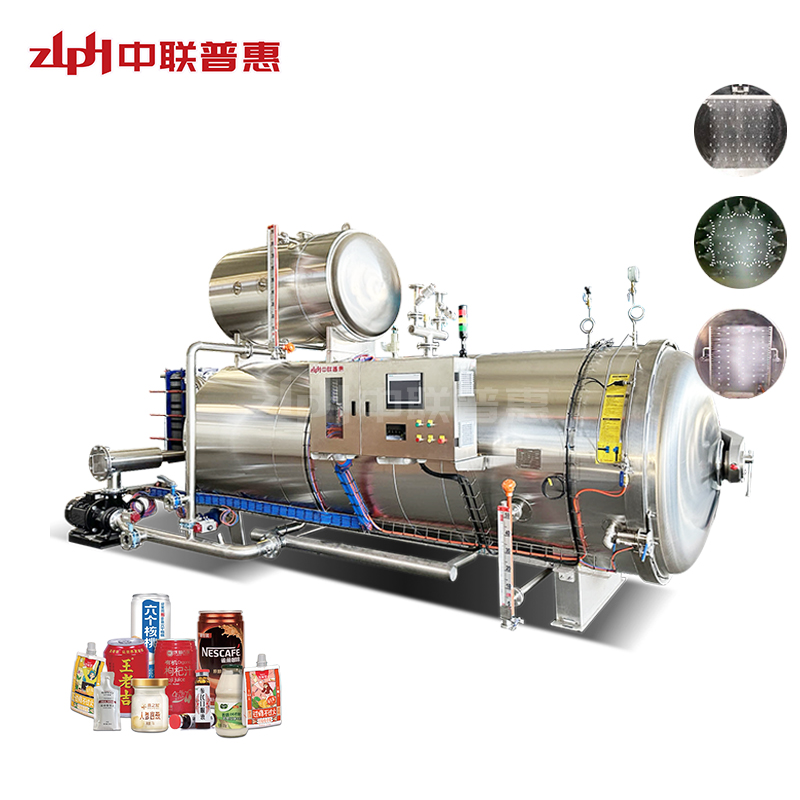
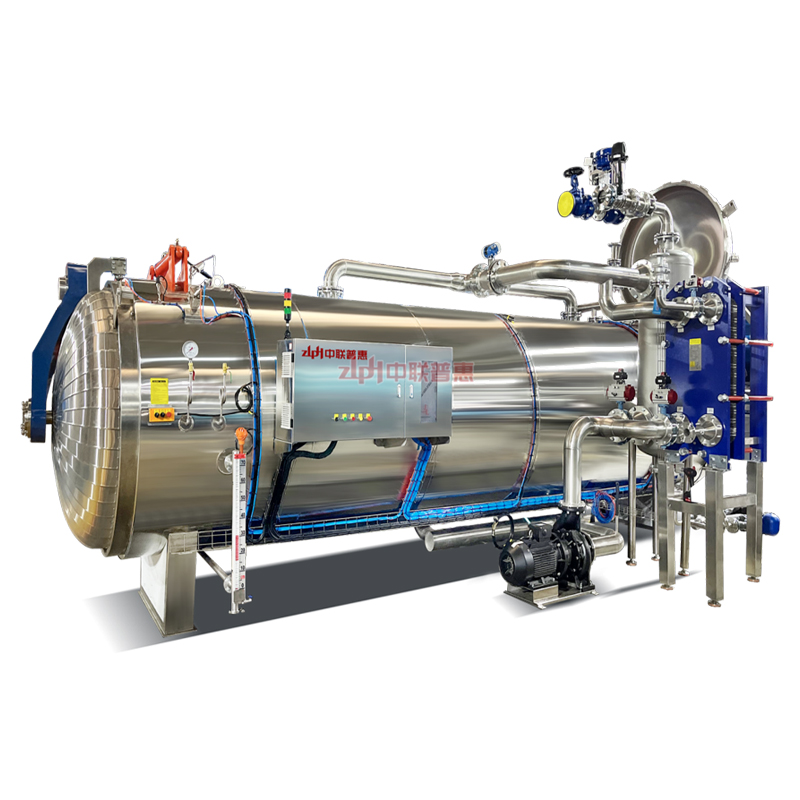
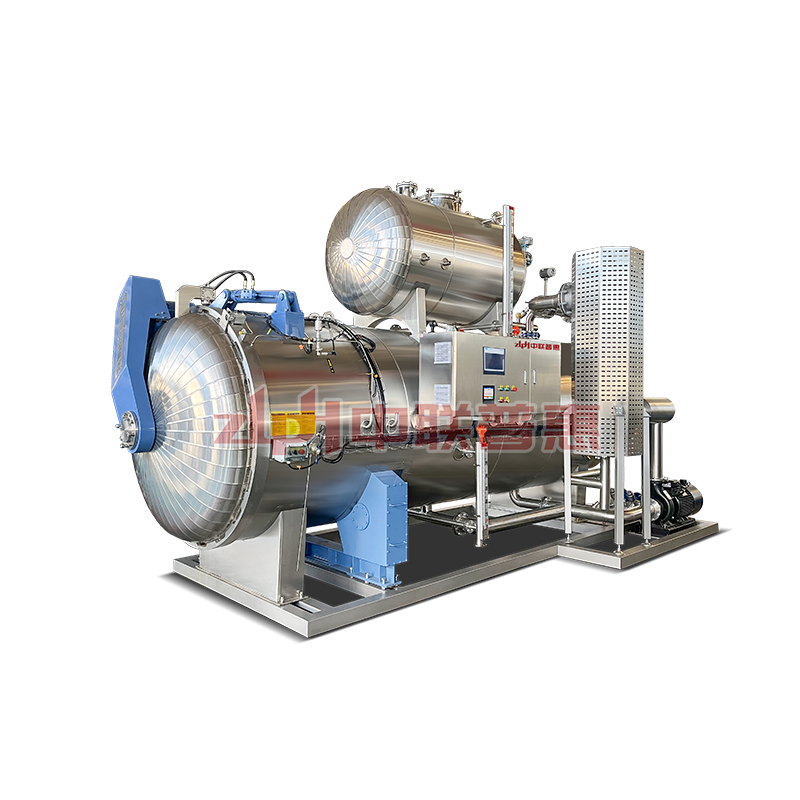
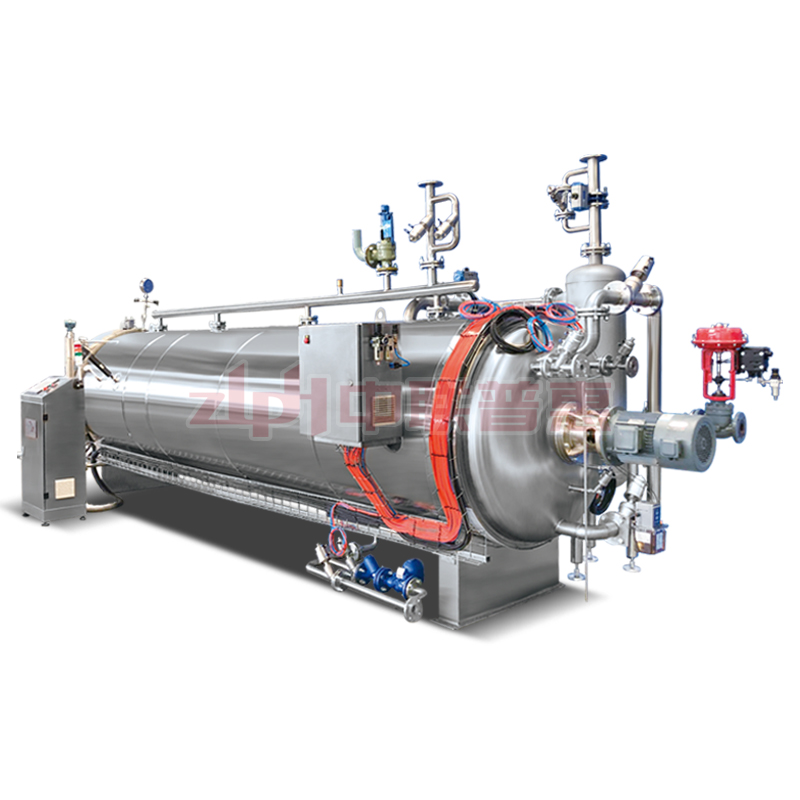
Adopt an intelligent top-opening water spray retort with 360° multi-nozzle coverage. The upper door design enables full vertical access, allowing uniform tray stacking and unobstructed water flow from top to bottom. Pair it with a retort tray loader-unloader system to standardize loading density and alignment, eliminating human-induced blockages.
4. Pitfall Avoidance Guide
Avoid overloading trays beyond recommended capacity. Validate spray pattern coverage during commissioning using thermal mapping sensors. Ensure nozzle maintenance schedules prevent clogging from hard water deposits.
5. Real-World Validation
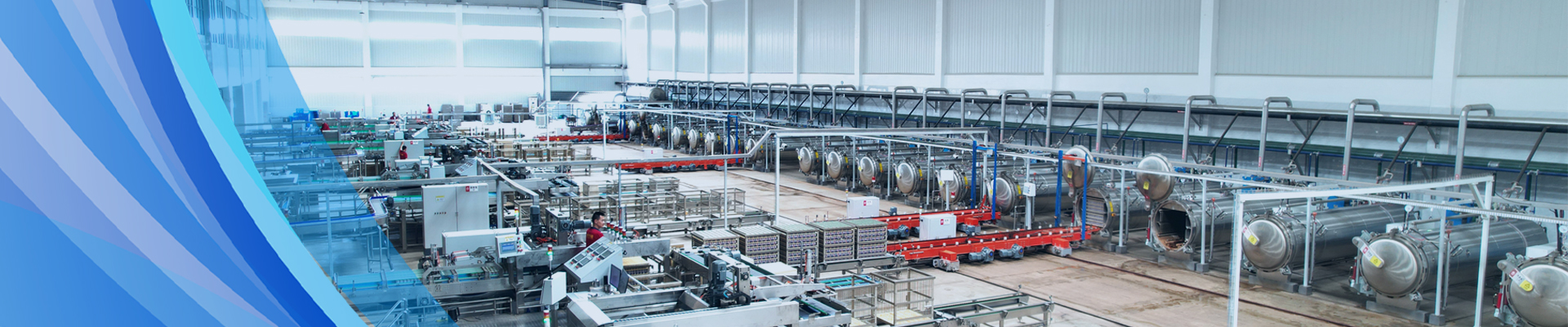
At a major European ready-meal producer, switching to ZLPH’s top-opening water spray retort reduced cold spots by 92%, achieving F₀ consistency within ±0.5 across all 1,200 cans per batch. Spoilage incidents dropped to zero over 18 months.
How to Maintain Precise Temperature & Pressure Control During Sterilization?
1. Scenario & Pain Point
Fluctuations in temperature or pressure during the sterilization cycle cause overcooking (texture loss) or under-processing (safety risk), especially in viscous or solid-packed foods.
2. Root Cause Analysis
Legacy systems rely on manual valve adjustments or basic PID controllers that lag behind real-time thermal dynamics. Steam-water mixing inefficiencies further destabilize the environment.
3. Step-by-Step Solution
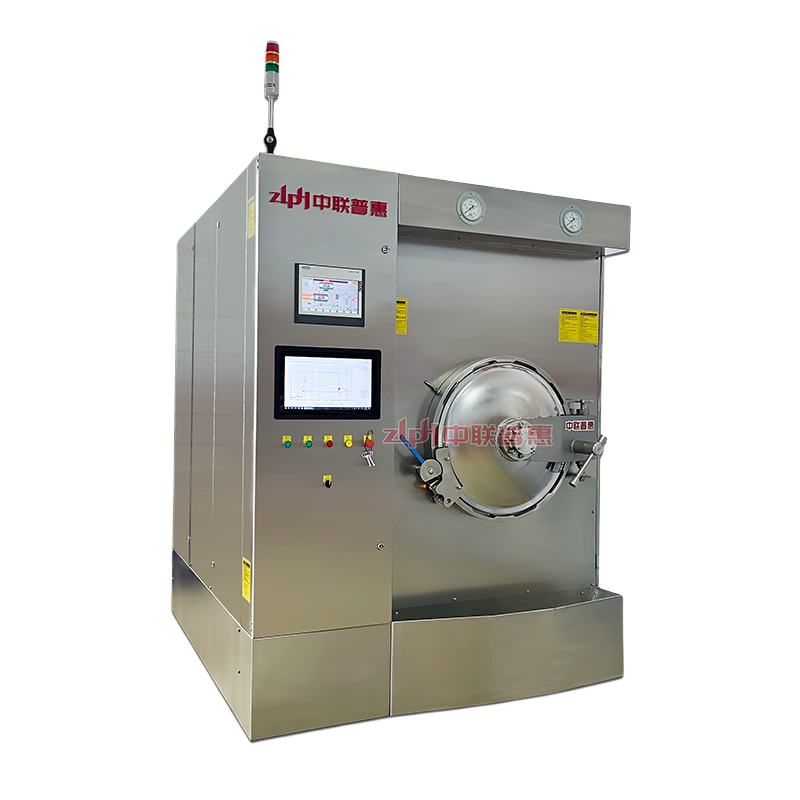
Implement an intelligent control system with real-time monitoring of temperature and pressure at multiple points inside the chamber. ZLPH’s proprietary algorithm auto-adjusts steam injection, water spray rate, and exhaust timing to maintain optimal conditions throughout the cycle.
4. Pitfall Avoidance Guide
Calibrate sensors quarterly. Avoid rapid cooling phases that induce pressure spikes. Use data logging to audit each cycle for compliance with FDA or EU regulations.
5. Real-World Validation
A seafood exporter in Southeast Asia reported a 30% reduction in product rework after deploying ZLPH’s system, with every batch consistently meeting 121°C/15 psi for 25 minutes as required by USDA standards.
What Is the Best Way to Reduce Cycle Time Without Compromising Safety?
1. Scenario & Pain Point
Long sterilization cycles bottleneck production, increasing energy costs and limiting output—especially in high-demand seasons.
2. Root Cause Analysis
Slow heating/cooling phases stem from inefficient heat transfer and lack of pre-conditioning logic.
3. Step-by-Step Solution
Use a water spray retort with rapid heating via direct steam injection and fast cooling through controlled cold-water spray. The top-opening design shortens loading/unloading time by 40% compared to side-door models.
4. Pitfall Avoidance Guide
Do not skip thermal validation when accelerating cycles. Always confirm lethality using biological indicators.
5. Real-World Validation
A tomato paste manufacturer in Turkey cut cycle time from 55 to 38 minutes while maintaining commercial sterility, boosting daily output by 22%.
Industry Best Practices for Water Spray Retort Operation
Based on 6+ years of global deployments, ZLPH recommends this 5-step framework:
1. Define Worst-Case Conditions
Design cycles based on the most thermally resistant product configuration, not average cases.
2. Standardize Loading Protocols
Use automated tray handling to ensure consistent spacing and orientation.
3. Validate Thermally
Conduct initial and annual thermal mapping per ASME BPVC Section VIII guidelines.
4. Monitor in Real Time
Log temperature, pressure, and time for every batch to support audits.
5. Partner with a Full-Service Supplier
Choose a manufacturer offering engineering support, spare parts, and remote diagnostics.
Frequently Asked Questions (FAQ)
Q: Can a standard steam retort be retrofitted with water spray functionality?
A: Not effectively. Water spray requires integrated nozzles, pumps, and control logic—best implemented in purpose-built systems like ZLPH’s top-opening design.
Q: What certifications should a water spray retort have for EU markets?
A: CE marking under Machinery Directive 2006/42/EC, plus compliance with EN 13445 for pressure equipment.
Q: How often should spray nozzles be cleaned?
A: Monthly for hard water areas; use descaling agents. ZLPH’s stainless-steel nozzles resist clogging but require routine inspection.
Q: Does the top-opening design affect sealing reliability?
A: No—ZLPH uses hydraulic locking with dual silicone gaskets, achieving leak-proof performance up to 130°C and 3 bar.
Q: Can the system handle glass jars and flexible pouches?
A: Yes, with adjustable spray pressure and gentle handling trays—validated in baby food and sauce applications.
About Our Expertise & Support
ZLPH MACHINERY TECHNOLOGY CO., LTD. is a trusted global provider of intelligent sterilization systems since 2018. Our team includes 21 mechanical and PLC engineers, 4 sterilization process researchers, and 14 after-sales specialists—all with 10+ years in the industry. We operate a 15,000 m² factory with advanced CNC and welding facilities, ensuring ISO 9001-compliant production.
Our water spray retorts serve clients in 40+ countries, including Fortune 500 food brands. At AGROPRODASH 2023 in Moscow and the Qingdao International Exhibition, our top-opening retort received acclaim for its innovation and reliability.
We offer customized support including:
- On-site process assessment
- Free sample testing with your product
- Remote commissioning and training
- 24/7 technical response
Contact Us
Company: ZLPH MACHINERY TECHNOLOGY CO., LTD.
Website: https://www.zlphretort.com/
Email: sales@zlphretort.com
Phone / WhatsApp: +86 15666798389 / +86 13361554016
