
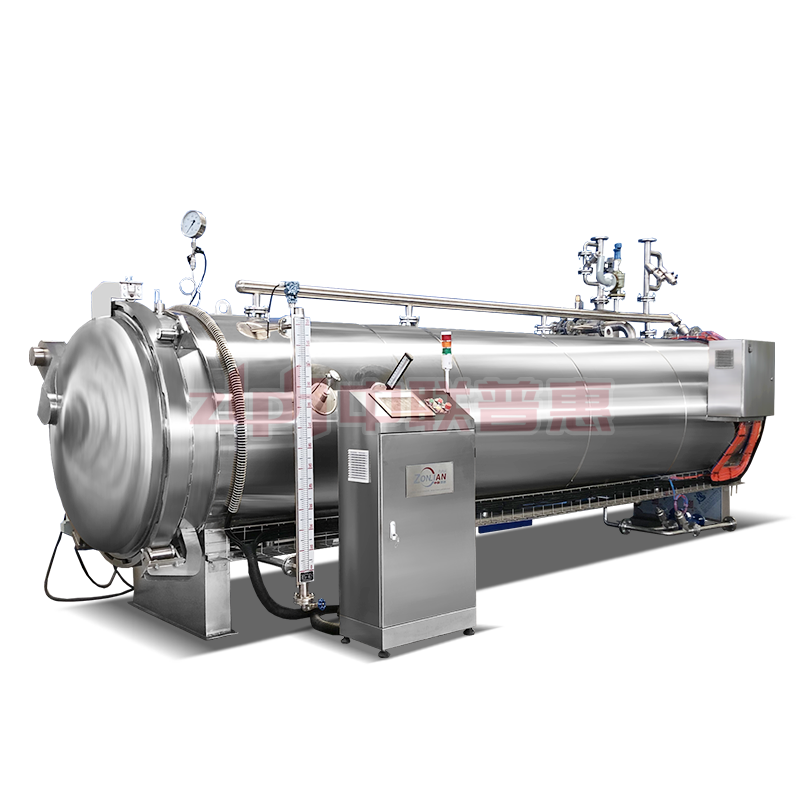
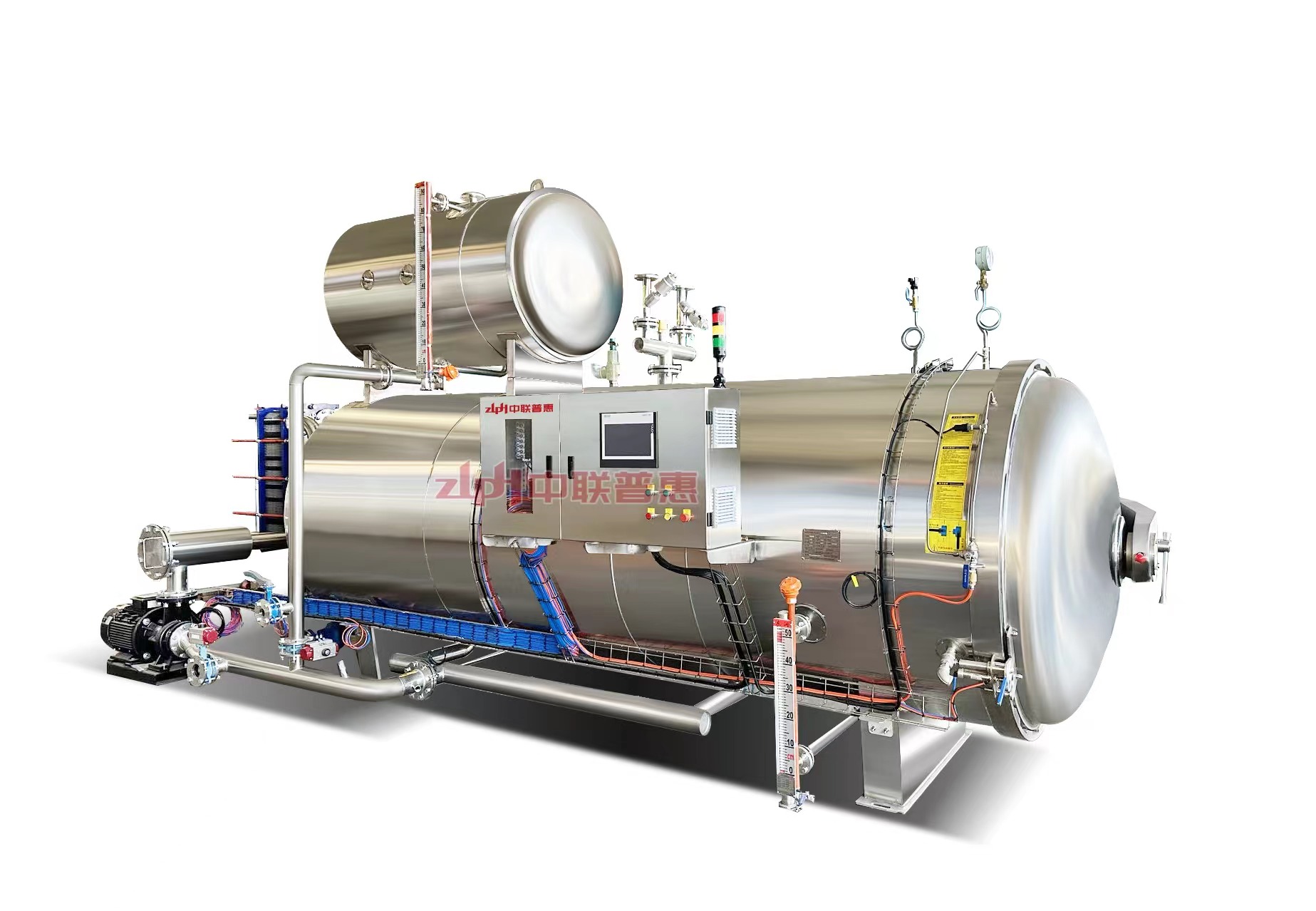
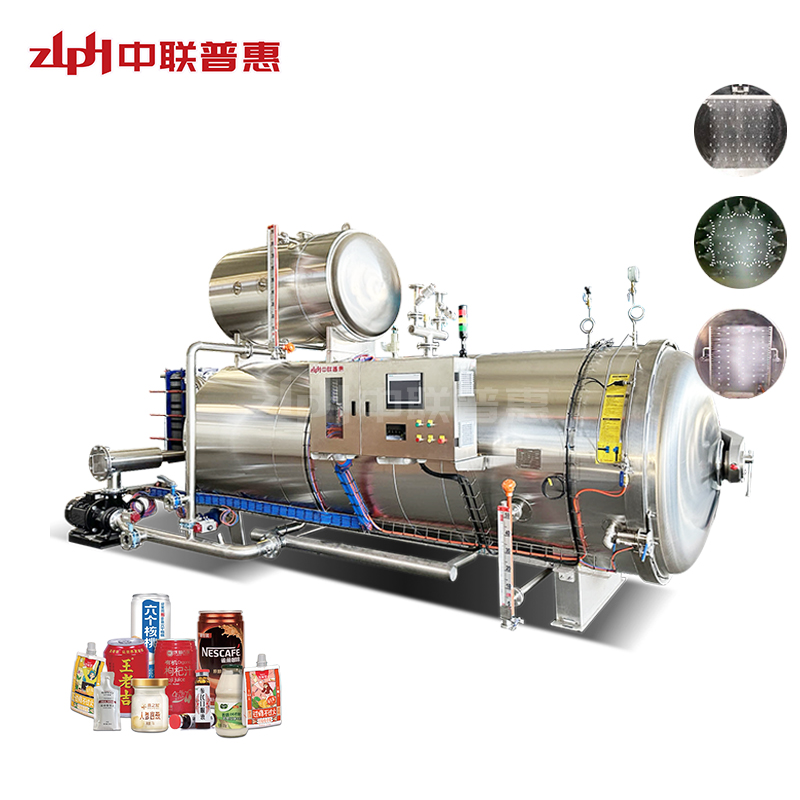
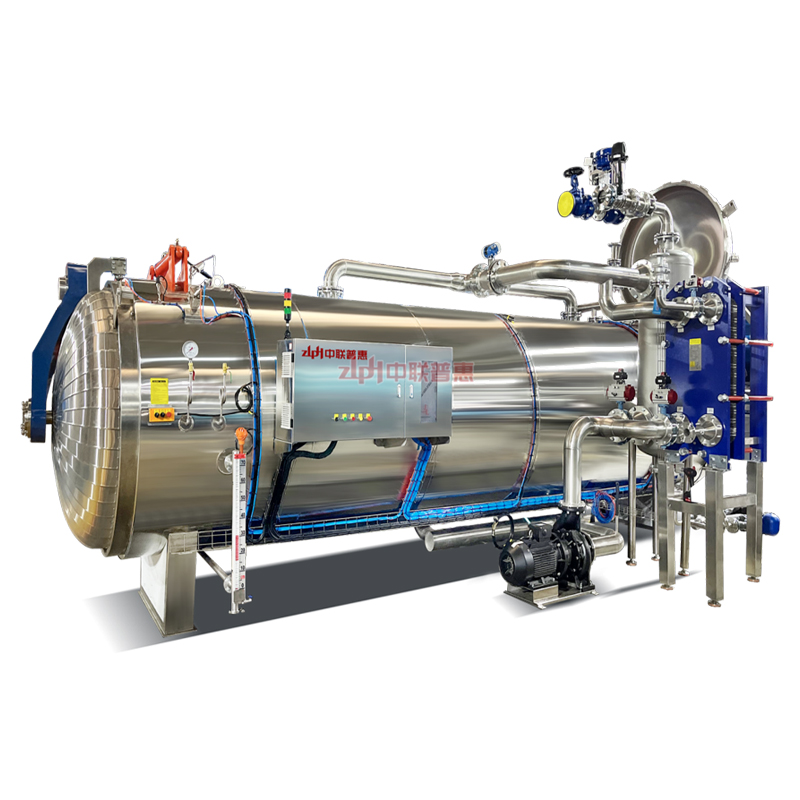
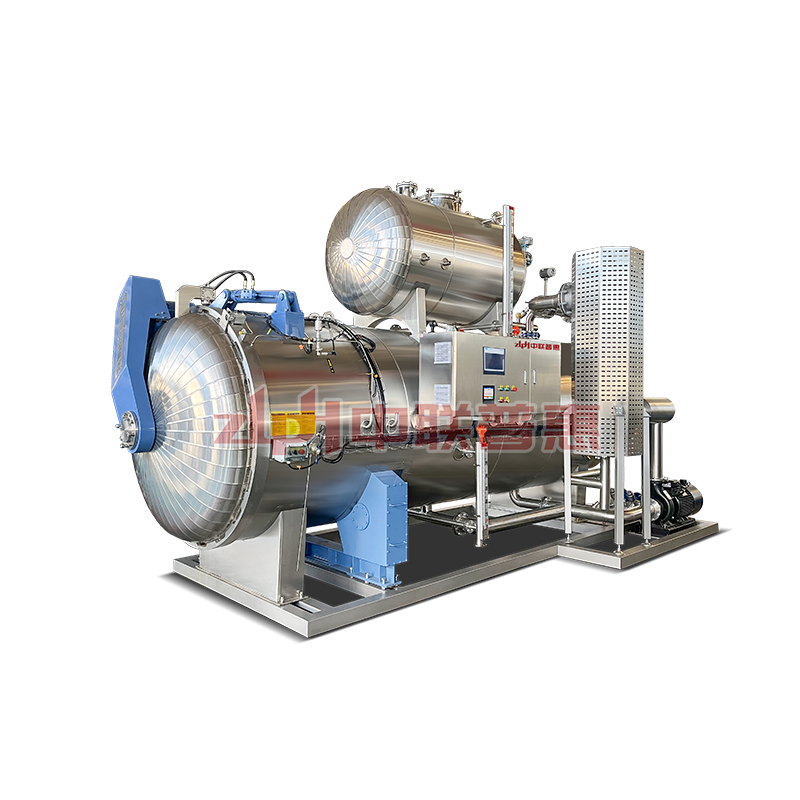
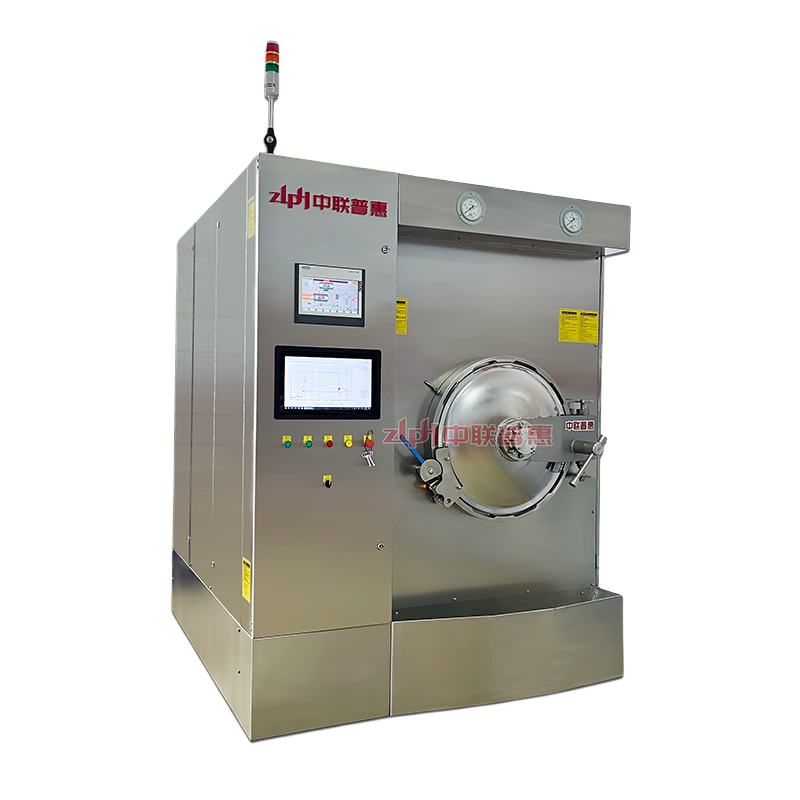
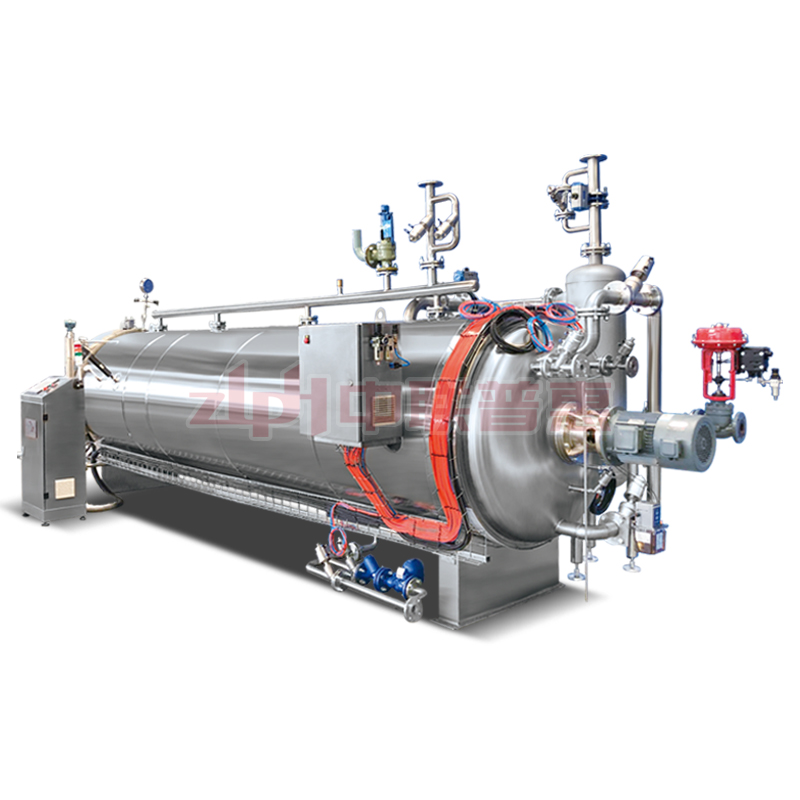
This guide is authored by a senior food processing engineer with over 10 years of experience at ZLPH MACHINERY TECHNOLOGY CO., LTD., a globally recognized provider of intelligent sterilization solutions. It addresses a critical challenge faced by food manufacturers worldwide: selecting a reliable water spray autoclave supplier that ensures consistent sterilization efficacy, operational efficiency, and food safety compliance. The core issue stems from three primary factors: inconsistent temperature distribution during sterilization, inadequate bacterial kill rates due to poor spray design, and lack of real-time process control leading to product quality fluctuations. Based on more than 5,000 global installations and extensive field validation across meat, seafood, canned vegetables, and ready-to-eat meal production lines, we have developed a proven, actionable framework to help you identify a supplier capable of delivering stable, efficient, and compliant sterilization performance. In this guide, we break down real-world scenarios, root causes, step-by-step selection criteria, and validated outcomes to ensure your investment delivers long-term value and minimizes production risk.

How to Ensure Uniform Sterilization and Prevent Under-Processing in High-Volume Canned Food Lines?
1. Scenario & Pain Point
In large-scale canning facilities producing soups or sauces, uneven heat distribution inside traditional retorts often results in under-processed units at the bottom or corners of the basket. This leads to failed microbial tests, product recalls, and regulatory non-compliance—posing serious food safety risks and financial losses.

2. Root Cause Analysis
The primary causes include: (1) insufficient water spray coverage due to fixed nozzles that fail to reach all product zones; (2) lack of real-time monitoring of internal basket temperature; and (3) manual loading causing inconsistent product spacing, which blocks water circulation.

3. Step-by-Step Solution
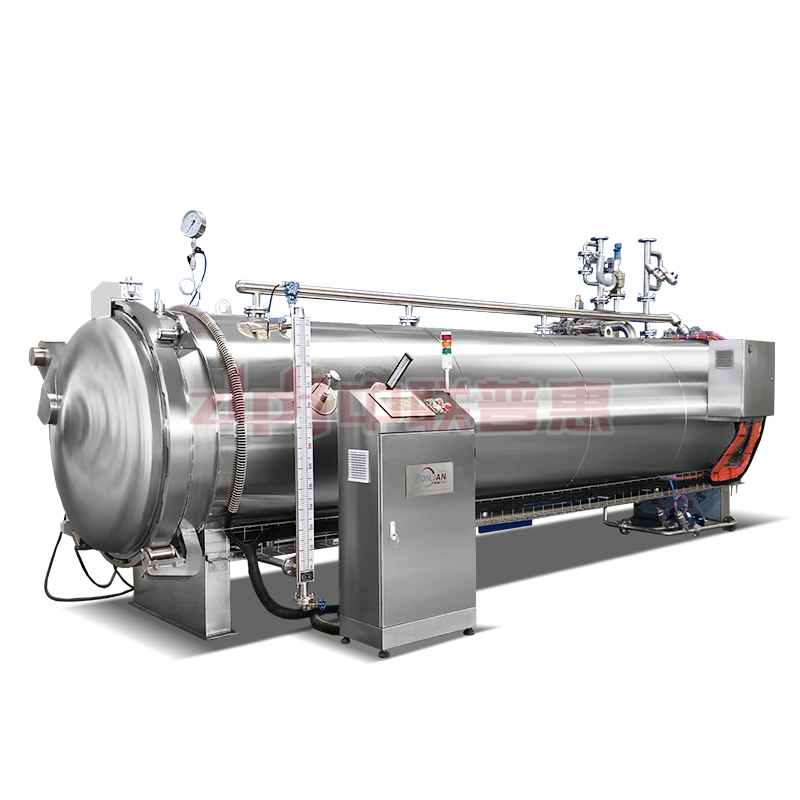
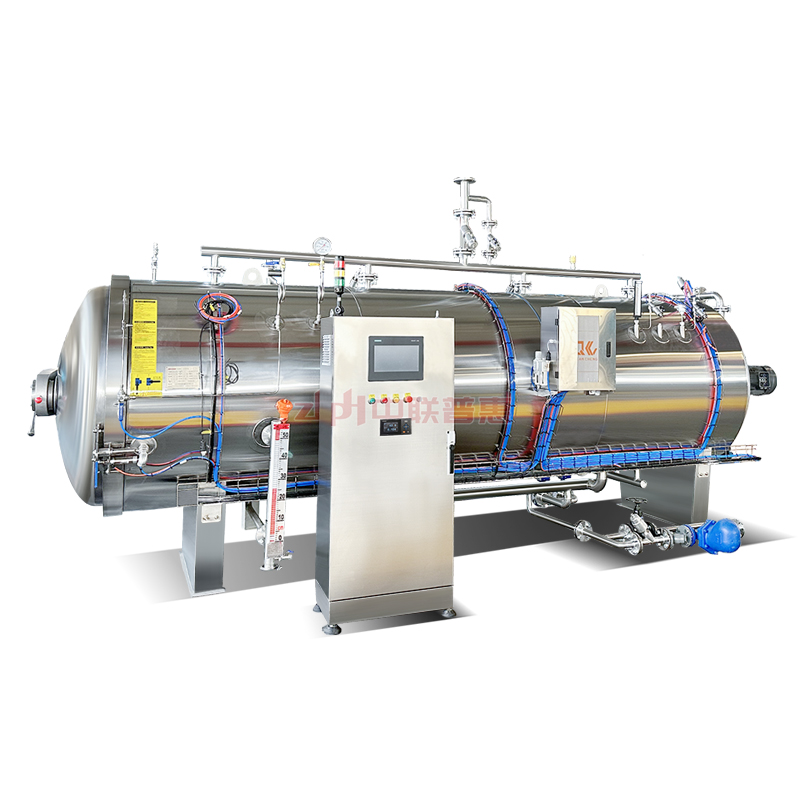
Adopt an intelligent top-opening water spray sterilization retort equipped with 360° rotating spray arms and multi-zone pressure-balanced nozzles to ensure even water distribution. Integrate real-time temperature and pressure sensors at multiple basket locations to validate thermal uniformity per FDA and EU standards. Automate loading/unloading with a retort tray loader-unloader system to maintain consistent product arrangement and eliminate human error.

4. Pitfall Avoidance Guide
Avoid suppliers who only provide single-point temperature data. Demand full thermal mapping reports during factory acceptance testing (FAT). Never skip basket validation—even minor gaps in product placement can create cold spots. Always verify that the spray system meets ASME BPE or equivalent hygienic design standards.
5. Verified Performance
At a European ready-meal producer using ZLPH’s system, thermal mapping confirmed ±0.5°C uniformity across 1,200 cans per batch. Microbial failure rates dropped from 1.2% to 0.02%, and throughput increased by 18% due to faster cycle times enabled by precise control.
How to Reduce Downtime Caused by Manual Loading and Door Operation in Retort Systems?
1. Scenario & Pain Point
Manual door opening and basket handling in legacy retorts cause bottlenecks, operator fatigue, and safety hazards—especially in 24/7 operations. Average changeover time exceeds 15 minutes per cycle, limiting daily batch capacity.
2. Root Cause Analysis
Traditional side-hinged doors require significant physical effort and space. Manual basket transfer increases cycle variability and risk of product damage or misalignment.
3. Step-by-Step Solution
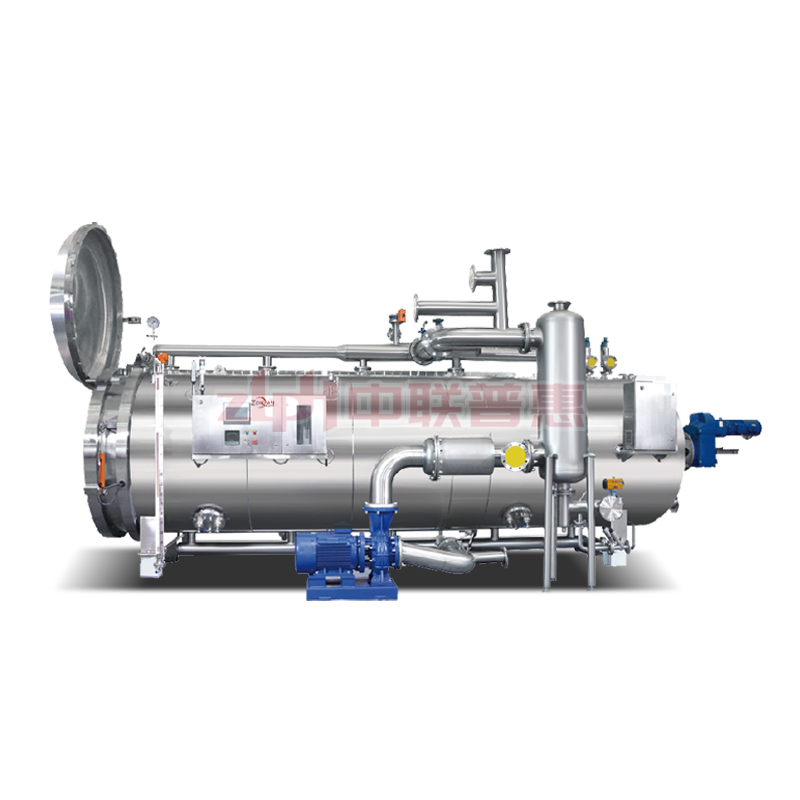
Implement an upper-door design with hydraulic-assisted opening, reducing door operation to under 30 seconds. Pair it with an automated tray loader-unloader that synchronizes with the retort cycle, enabling seamless basket exchange without human intervention.
4. Pitfall Avoidance Guide
Ensure the automation system includes safety interlocks and emergency stop protocols compliant with ISO 13849. Validate integration compatibility with existing conveyor lines before purchase.
5. Verified Performance
A U.S. pet food manufacturer reduced cycle time by 22% and eliminated loading-related injuries after deploying ZLPH’s integrated system, achieving ROI within 14 months.
Industry Best Practices for Selecting a Water Spray Autoclave Supplier
Based on 6+ years of global project execution, ZLPH recommends this 5-step evaluation framework:
1. Define Worst-Case Conditions
Specify your most challenging product (e.g., dense meat stews), highest viscosity, and largest container size—not average conditions.
2. Demand Thermal Validation Data
Require third-party or in-house thermal mapping showing F₀ consistency across all basket positions.
3. Verify Control System Capabilities
The PLC must log temperature, pressure, and spray flow in real time, with audit trails compliant with 21 CFR Part 11 if exporting to the U.S.
4. Assess After-Sales Support
Confirm local or remote technical support availability, spare parts inventory, and response time SLAs.
5. Test Before Committing
Insist on a pilot test with your actual product in the supplier’s demo center.
Frequently Asked Questions (FAQ)
Q: Can a standard steam retort be retrofitted with a water spray system?
A: Not effectively. Water spray sterilization requires precise nozzle placement, pump capacity, and drainage design integrated from the ground up—retrofits rarely achieve uniformity.
Q: What certifications should a water spray autoclave supplier have?
A: Look for CE, ISO 9001, and compliance with ASME PVHO-1 or PED 2014/68/EU for pressure equipment. Food-contact surfaces should meet FDA 21 CFR 177 or EU 10/2011.
Q: How does water spray compare to steam-air mix sterilization?
A: Water spray provides superior heat transfer for conductive products (e.g., glass jars, pouches), while steam-air is better for rigid metal cans requiring overpressure control.
Q: Is real-time monitoring mandatory for export markets?
A: Yes—U.S., EU, and Japan require continuous recording of critical control points (CCPs) for low-acid canned foods under HACCP plans.
Q: Can the system handle both cans and flexible pouches?
A: Only if designed with interchangeable baskets and adjustable spray pressure—ZLPH’s modular systems support mixed formats without hardware changes.
Our Proven Capability & Global Support
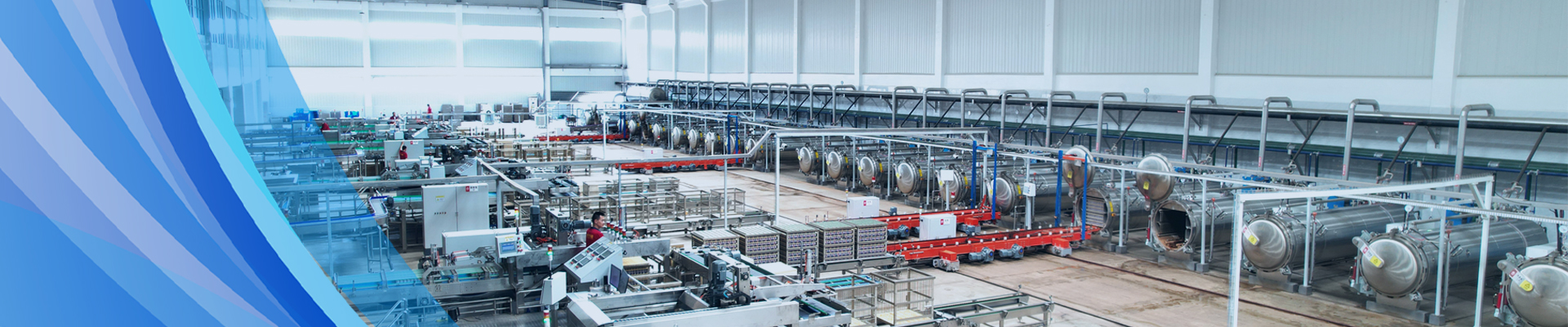
ZLPH MACHINERY TECHNOLOGY CO., LTD. is a technology-driven sterilization solutions provider founded in 2018, with 21 mechanical and PLC engineers, 4 sterilization process experts, and 14 global after-sales engineers—all with 10+ years of industry experience. Our 50-acre manufacturing facility houses advanced CNC and welding equipment to ensure precision fabrication of pressure vessels. We hold full compliance with international safety and quality standards and have deployed systems in over 30 countries, including partnerships with multinational food producers in Europe, North America, and Southeast Asia. At AGROPRODASH 2023 in Moscow and the Qingdao International Exhibition, our intelligent water spray retorts received acclaim for innovation and reliability.
We offer customized support including: (1) on-site process assessment, (2) thermal validation protocol development, (3) automation integration design, and (4) free sample testing with your product at our demo center.
Contact Information
Company: ZLPH MACHINERY TECHNOLOGY CO., LTD.
Website: https://www.zlphretort.com/
Email: sales@zlphretort.com
Phone / WhatsApp: +86 15666798389 / +86 13361554016
