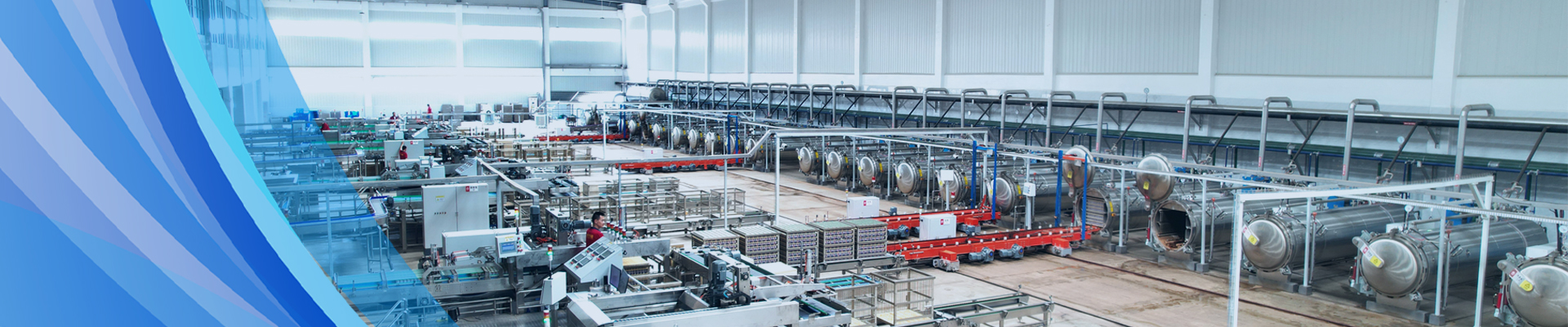

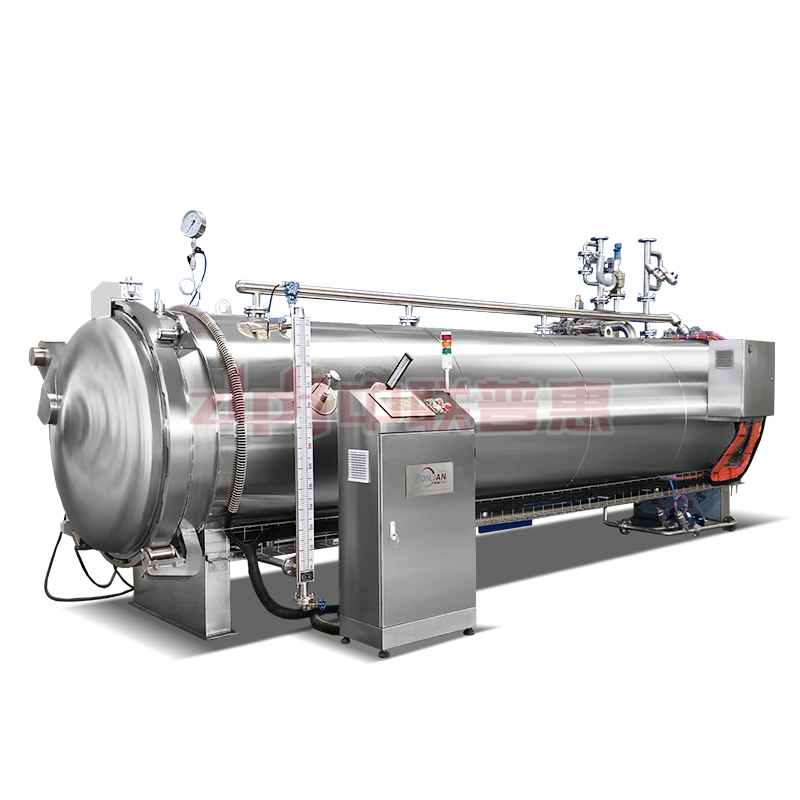
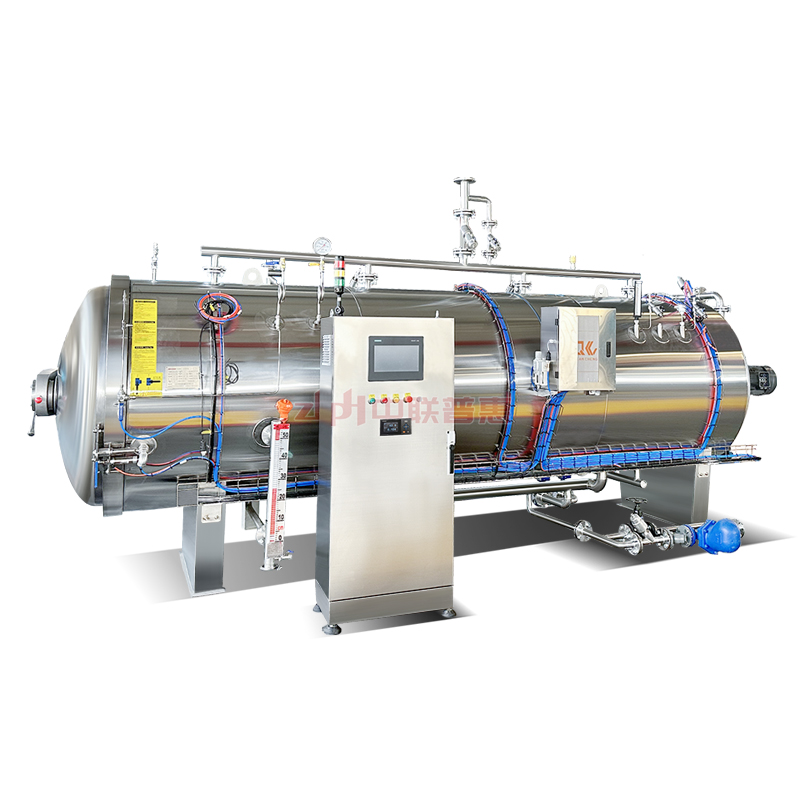
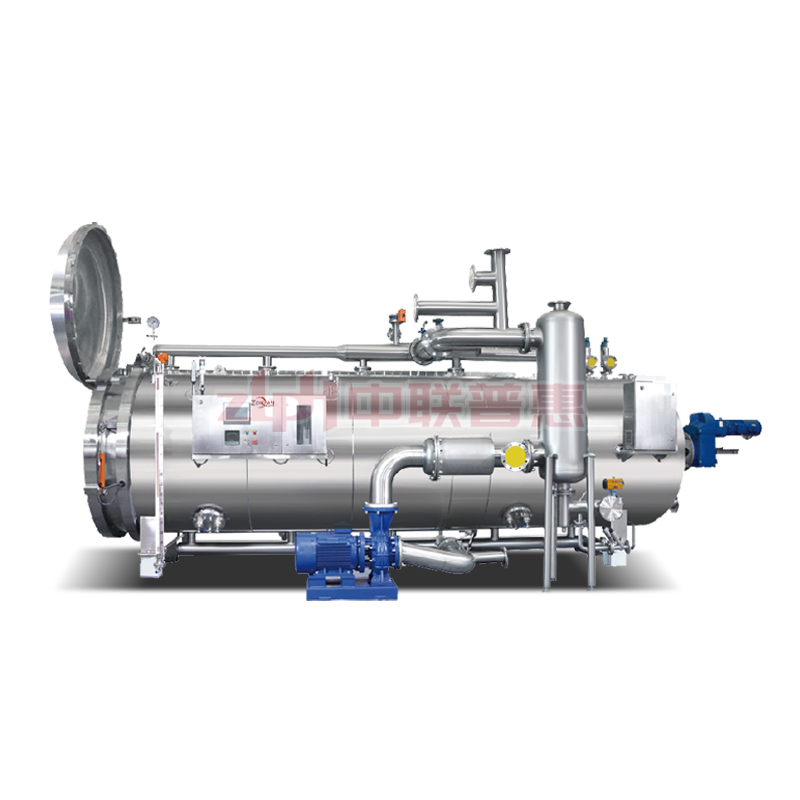
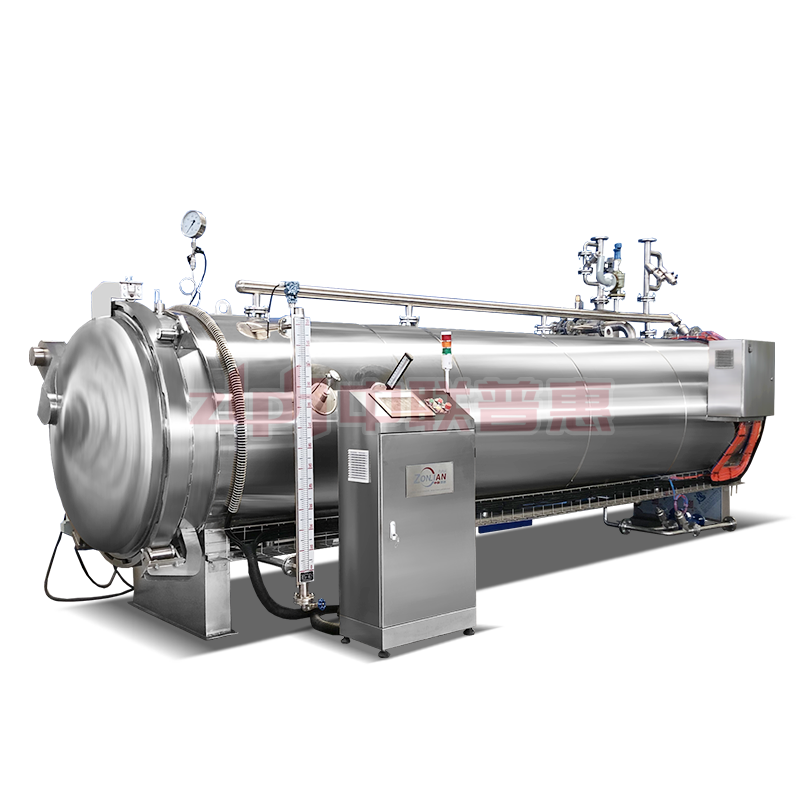
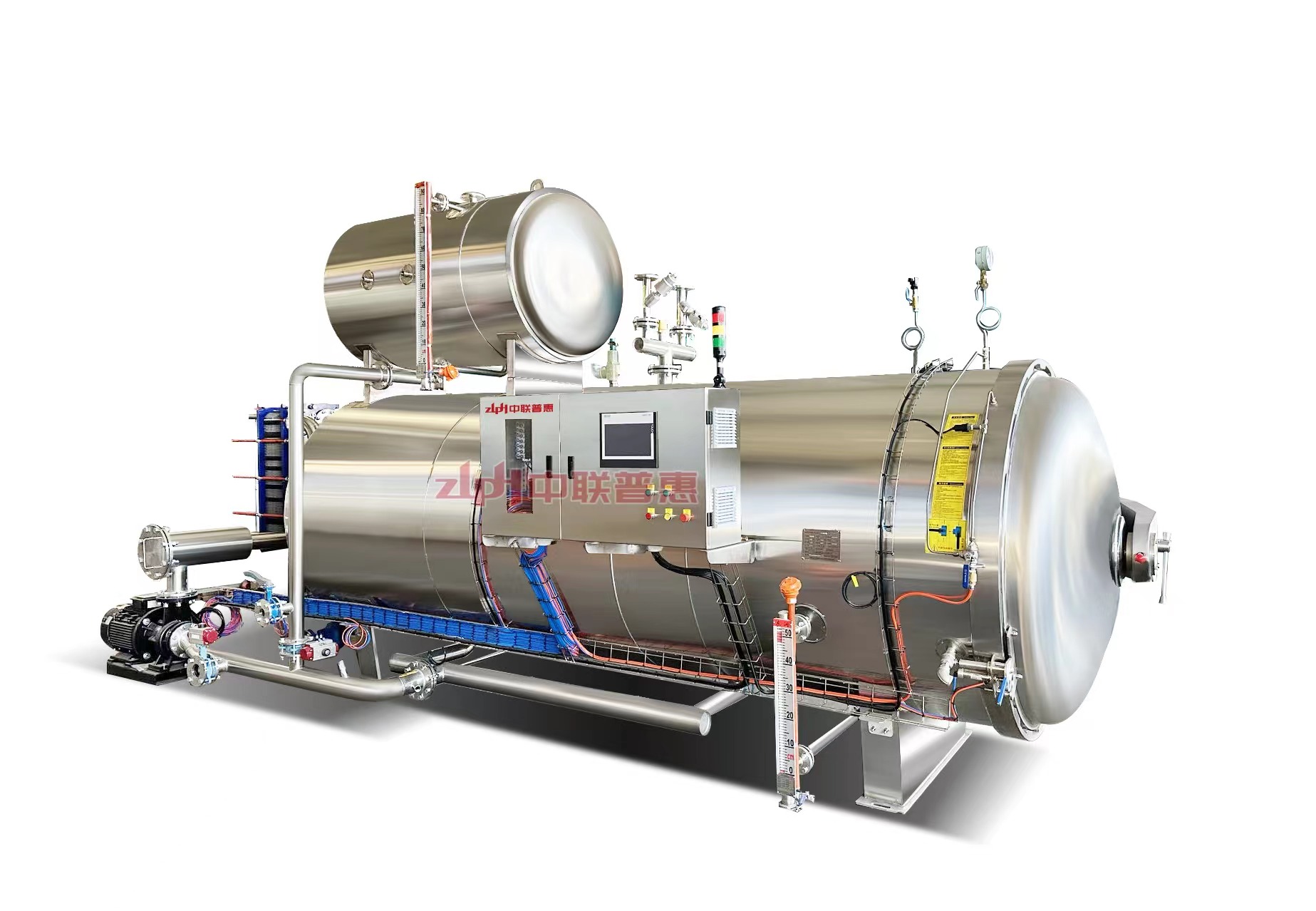
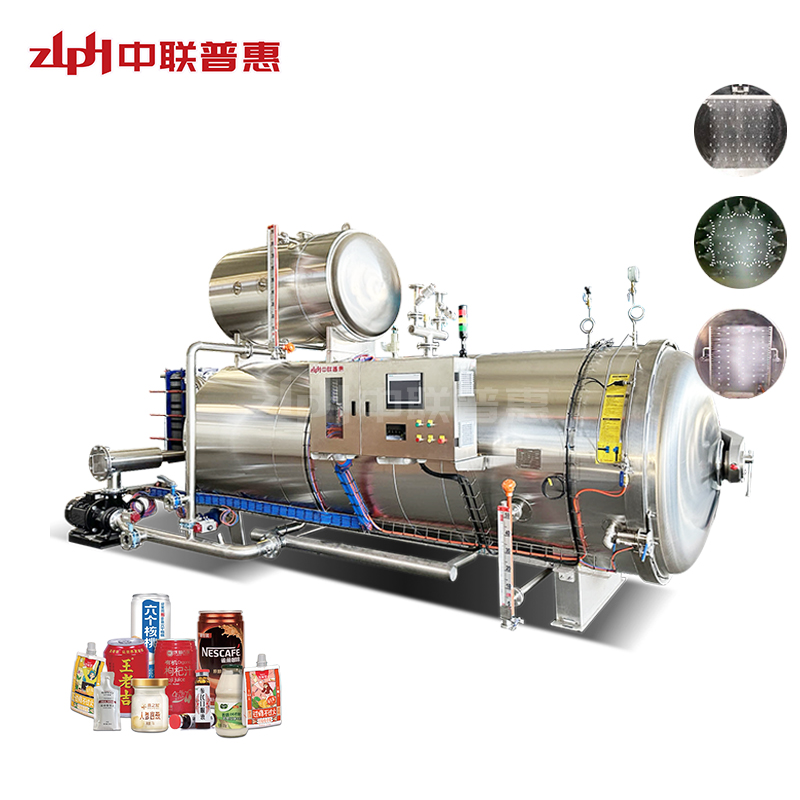
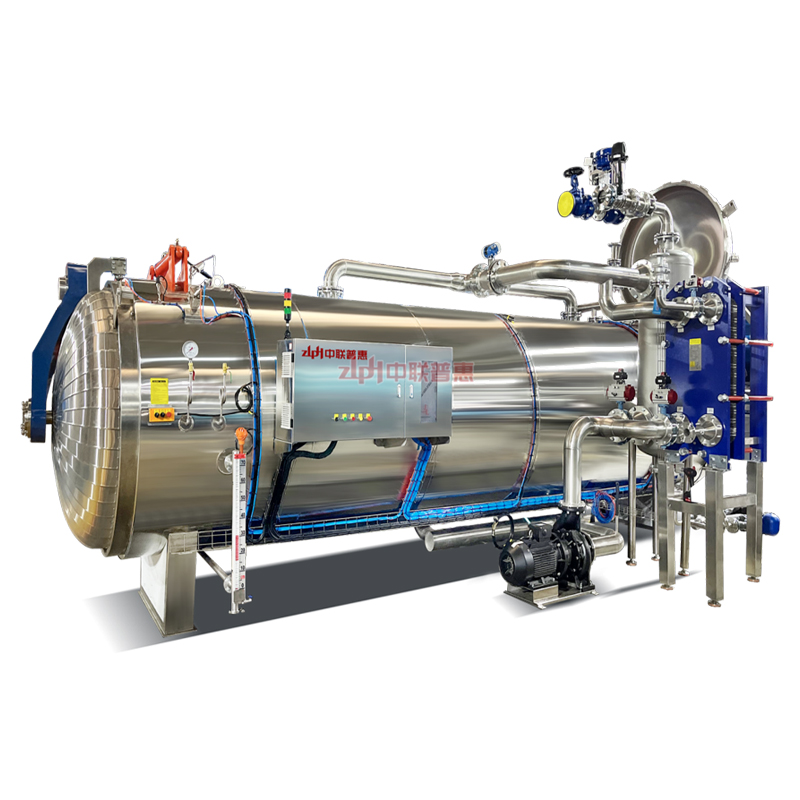
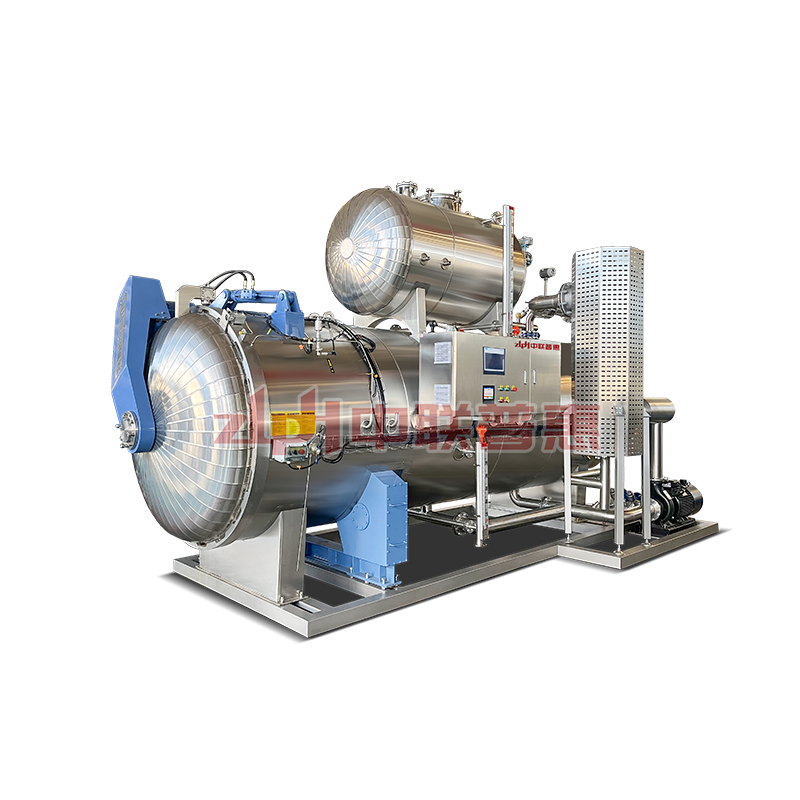
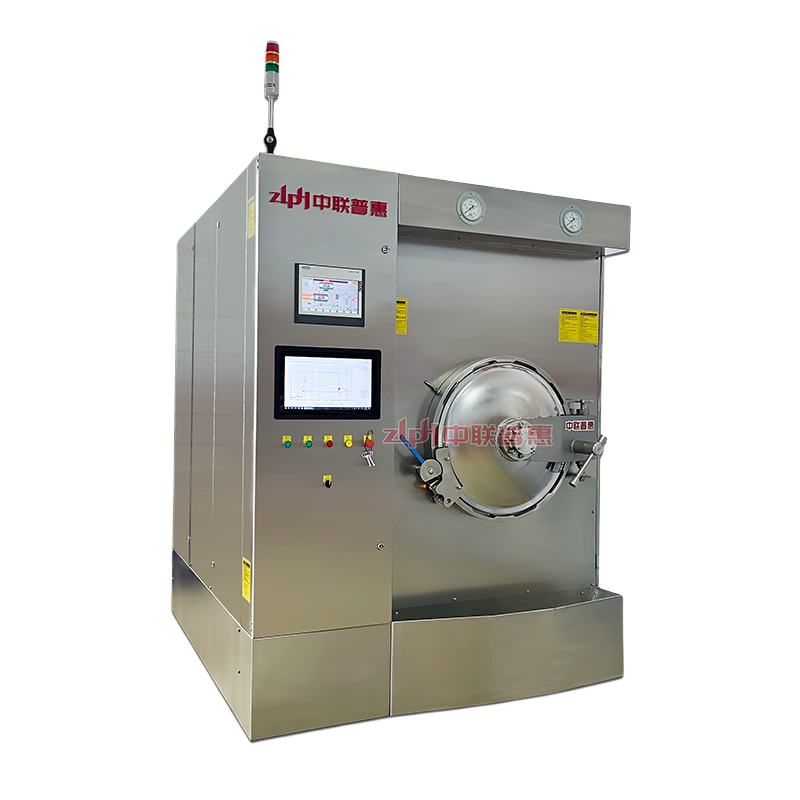
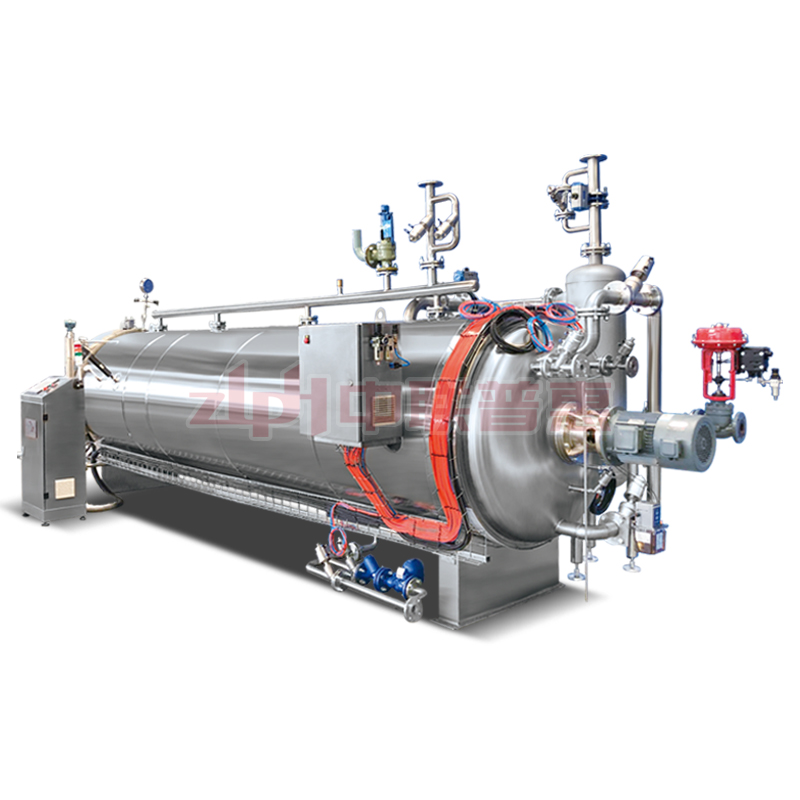
This guide is authored by a senior food processing engineer with over 10 years of experience at ZLPH MACHINERY TECHNOLOGY CO., LTD., a direct-sales manufacturer specializing in advanced sterilization systems. It addresses a critical challenge faced by global food producers and packaging engineers: inconsistent thermal distribution during water spray retort autoclave operations. Uneven sterilization—manifesting as under-processed zones or product texture degradation—is primarily caused by poor spray nozzle layout, inadequate water circulation design, and unoptimized process parameters. Drawing from more than 5,000 global installations and rigorous validation across diverse food matrices (including ready-to-eat meals, canned vegetables, and pet food), we present a field-proven, step-by-step methodology to achieve uniform F₀ values and eliminate cold spots. In this guide, we dissect root causes by production scenario, deliver actionable fixes, share real-world validation data, and provide industry best practices to ensure consistent, compliant, and efficient sterilization outcomes.

How to Fix Cold Spots in Large-Batch Water Spray Retort Autoclaves for Ready-to-Eat Meals?
1. Scenario & Pain Point
In high-volume RTE meal production using large-chamber water spray retorts (e.g., 3+ pallets per cycle), operators frequently observe inconsistent lethality—some trays register F₀ < 4.0 while others exceed F₀ > 8.0—leading to safety risks or overcooking. This variability triggers batch rejections, regulatory non-compliance, and wasted energy.

2. Root Cause Analysis
Three core issues drive this problem: (1) asymmetric spray nozzle arrangement causing uneven water impingement; (2) insufficient pump flow rate failing to maintain turbulent flow across all layers; (3) static product loading without rotation, creating thermal shadow zones behind dense packaging stacks.

3. Step-by-Step Solution
Immediate Mitigation: Rotate product trays 180° mid-cycle and stagger cart placement to disrupt thermal barriers.
Engineering Fix: Upgrade to ZLPH’s 360° multi-angle spray system with variable-frequency pumps, ensuring ≥3 m/s water velocity at every product surface.
Process Optimization: Implement dynamic F₀ mapping via wireless dataloggers to calibrate spray pressure and cycle time per load configuration.

4. Troubleshooting & Prevention
Validate nozzle alignment quarterly using laser-guided templates; confirm pump output meets ISO 22000 hydraulic standards; avoid stacking identical tray orientations vertically. Always conduct heat distribution studies per FDA 21 CFR Part 113 before full-scale runs.
5. Validation Results
At a European RTE facility using ZLPH’s upgraded system, F₀ deviation dropped from ±2.5 to ±0.3 across 48-tray batches. Product recall incidents fell by 92%, and energy use decreased by 18% due to shorter cycles.
How to Prevent Package Deformation During High-Pressure Water Spray Sterilization of Flexible Pouches?
1. Scenario & Pain Point
Flexible pouches (e.g., stand-up bags for sauces or baby food) often bulge, leak, or burst during pressurized water spray cycles, especially above 121°C, causing line stoppages and contamination risks.
2. Root Cause Analysis
Primary factors include rapid pressure ramping without counter-pressure balancing, inadequate support frames during agitation, and suboptimal venting of air pockets trapped in pouch headspace.
3. Step-by-Step Solution
Hardware Adjustment: Install ZLPH’s dual-pressure control system that synchronizes chamber pressure with internal pouch expansion via real-time feedback.
Loading Protocol: Use perforated stainless-steel cages that immobilize pouches while allowing full water penetration.
Cycle Tuning: Apply gradual pressure ramping (≤0.5 bar/min) during heating/cooling phases and maintain ΔP < 0.3 bar between chamber and pouch interior.
4. Troubleshooting & Prevention
Pre-test pouch seal integrity at 130°C; verify cage mesh size matches pouch dimensions; never exceed 1.2 bar differential pressure during cooling. Conduct burst tests per ASTM F1140 before scale-up.
5. Validation Results
A U.S. baby food producer reduced pouch failure rates from 7.4% to 0.2% after implementing these measures, achieving zero customer complaints over 18 months.
Industry Best Practices for Reliable Water Spray Retort Operations
Based on 6+ years of global deployments, ZLPH recommends this 5-step framework to preempt 90% of sterilization inconsistencies:
1. Define Worst-Case Conditions
Design cycles for the most thermally resistant product variant, not average loads.
2. Validate Hydraulic Performance
Ensure Reynolds number > 4,000 in spray headers to guarantee turbulent flow—critical for heat transfer.
3. Standardize Load Patterns
Use fixed cart configurations with documented spacing; never mix product types in one batch.
4. Monitor in Real Time
Deploy wireless temperature/pressure sensors in every third layer for live F₀ calculation.
5. Maintain Proactively
Clean nozzles weekly with citric acid solution; inspect pump seals monthly; recalibrate pressure transducers quarterly.
Frequently Asked Questions (FAQ)
Q: Can I retrofit an old steam-air retort into a water spray system?
A: Only if the vessel supports full water immersion and has corrosion-resistant internals. Most legacy units lack adequate drainage and pump integration—ZLPH offers feasibility assessments.
Q: What’s the minimum water purity required for spray retorts?
A: ≤50 ppm hardness and <1 NTU turbidity to prevent nozzle clogging and scaling. We recommend inline filtration with 5μm cartridges.
Q: How often should I perform heat distribution studies?
A: Annually, or after any hardware/process change. ZLPH provides certified mapping services compliant with EN 13409.
Q: Are ZLPH retorts compatible with acidic foods like tomato sauce?
A: Yes—all wetted parts use SS316L with electropolished surfaces (Ra ≤0.8μm), validated for pH 3.0–4.5 products.
Q: What certifications do your retorts carry for EU markets?
A: CE (PED 2014/68/EU), ISO 13485 (for medical variants), and compliance with EC 1935/2004 for food contact materials.
Our Expertise & Support
ZLPH MACHINERY TECHNOLOGY CO., LTD. is a direct-sales manufacturer of water spray retort autoclaves since 2018, serving 500+ clients across 40+ countries. Our R&D team includes 21 mechanical designers, 4 sterilization process experts, and 14 field engineers—all with 10+ years in thermal processing. We operate a 15,000m² ISO 9001-certified factory equipped with CNC machining centers and automated welding lines, ensuring precision-built chambers with ±0.5mm tolerance. Our solutions are validated in demanding applications—from military MREs to premium pet food—with documented F₀ consistency (CV < 5%). For complex requirements, we offer free sample testing, custom nozzle mapping, and on-site FAT/SAT support.
Contact Us
Company: ZLPH MACHINERY TECHNOLOGY CO., LTD.
Website: https://www.zlphretort.com/
Email: sales@zlphretort.com
Phone / WhatsApp: +86 15666798389 / +86 13361554016
