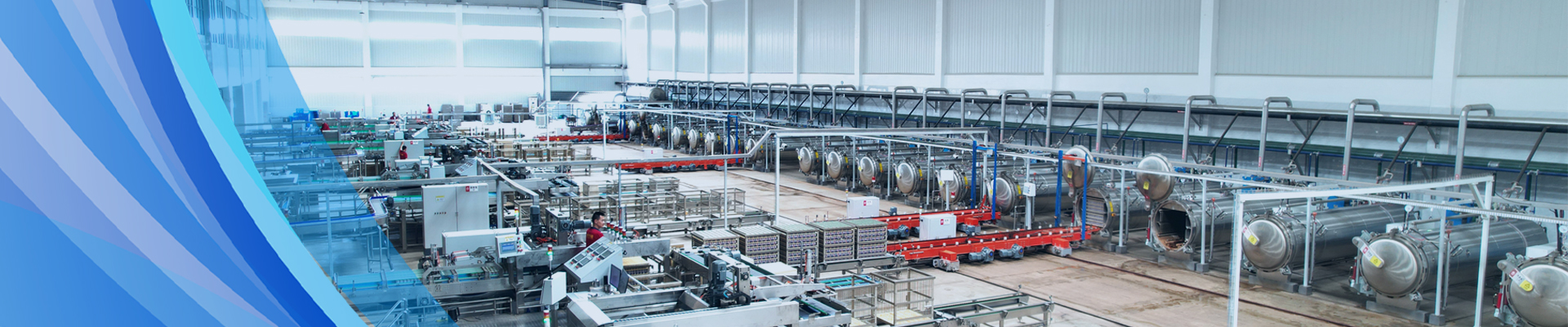

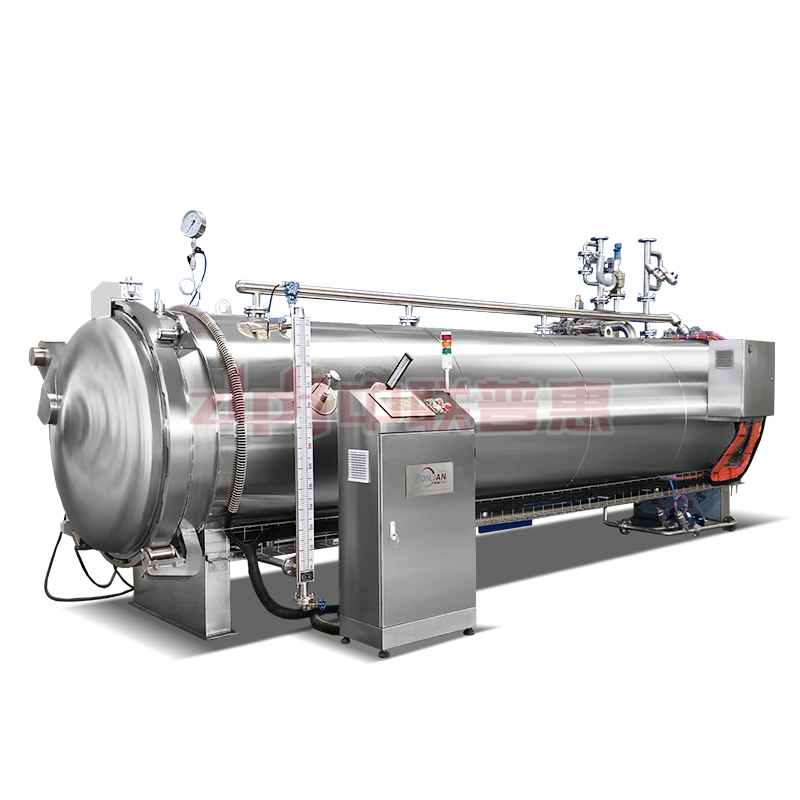
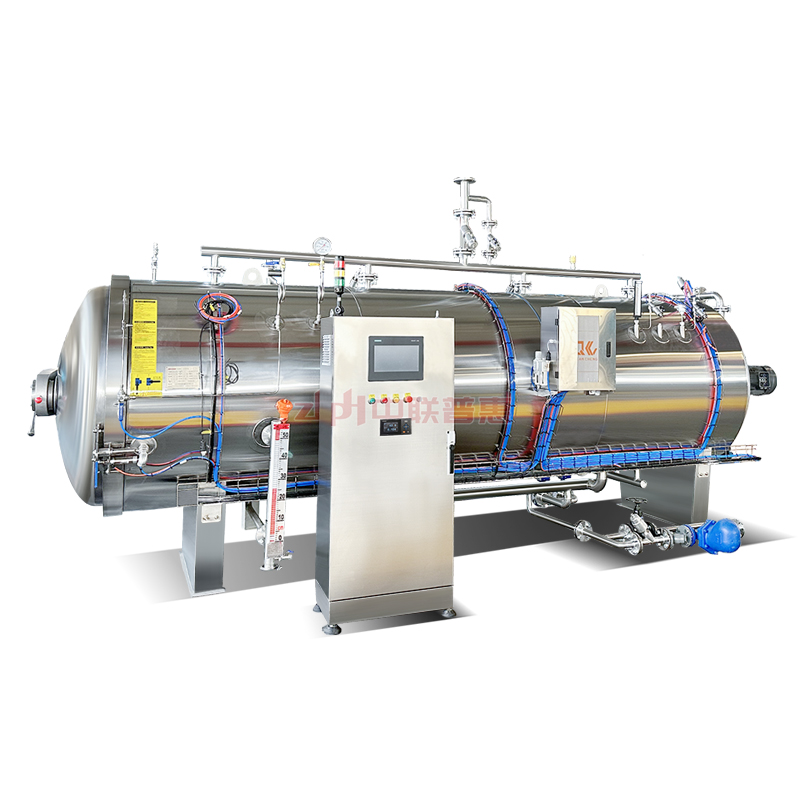
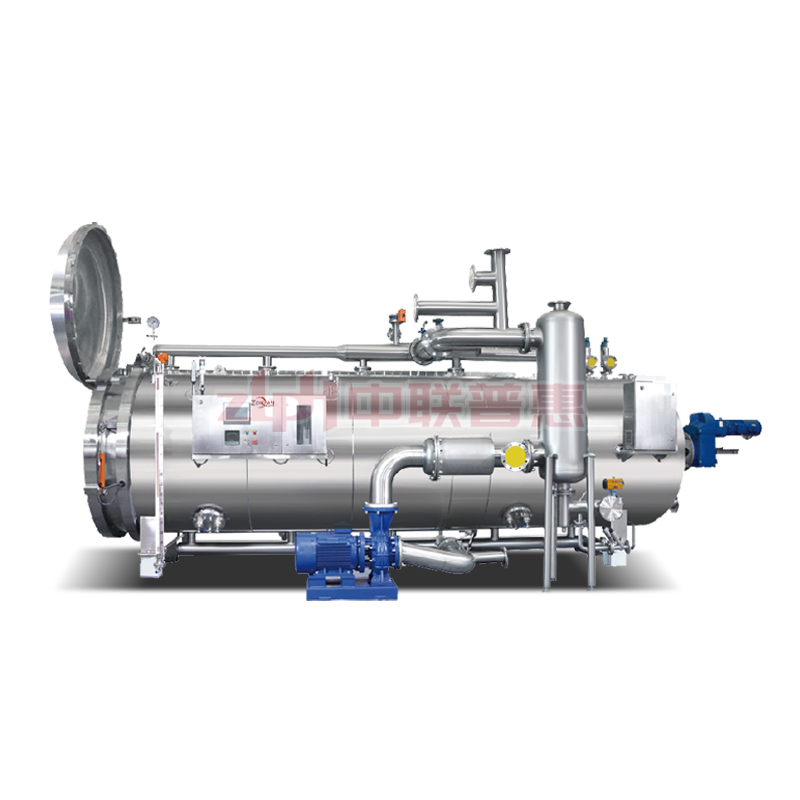
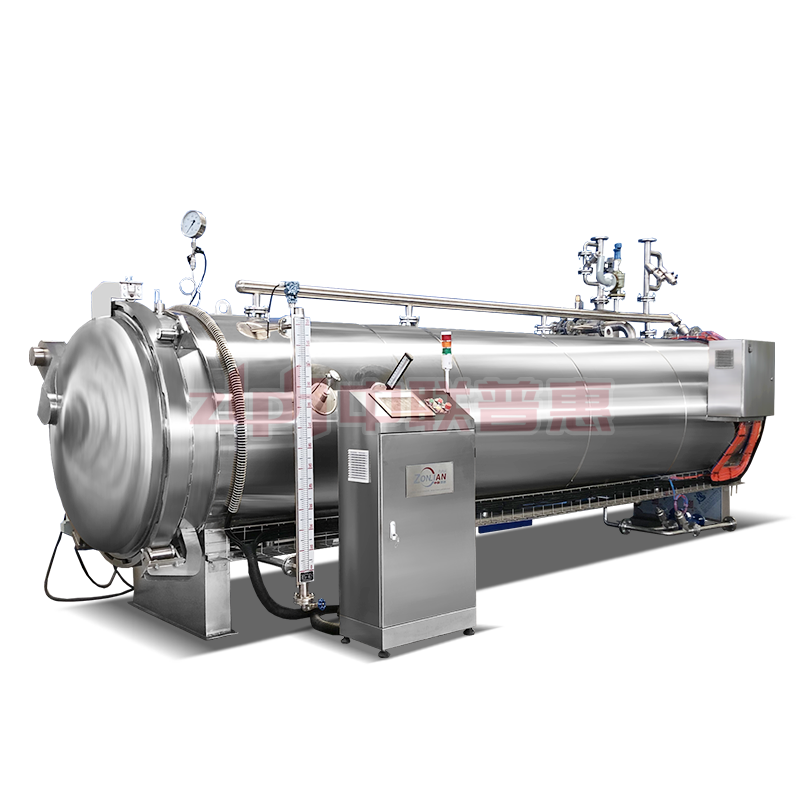
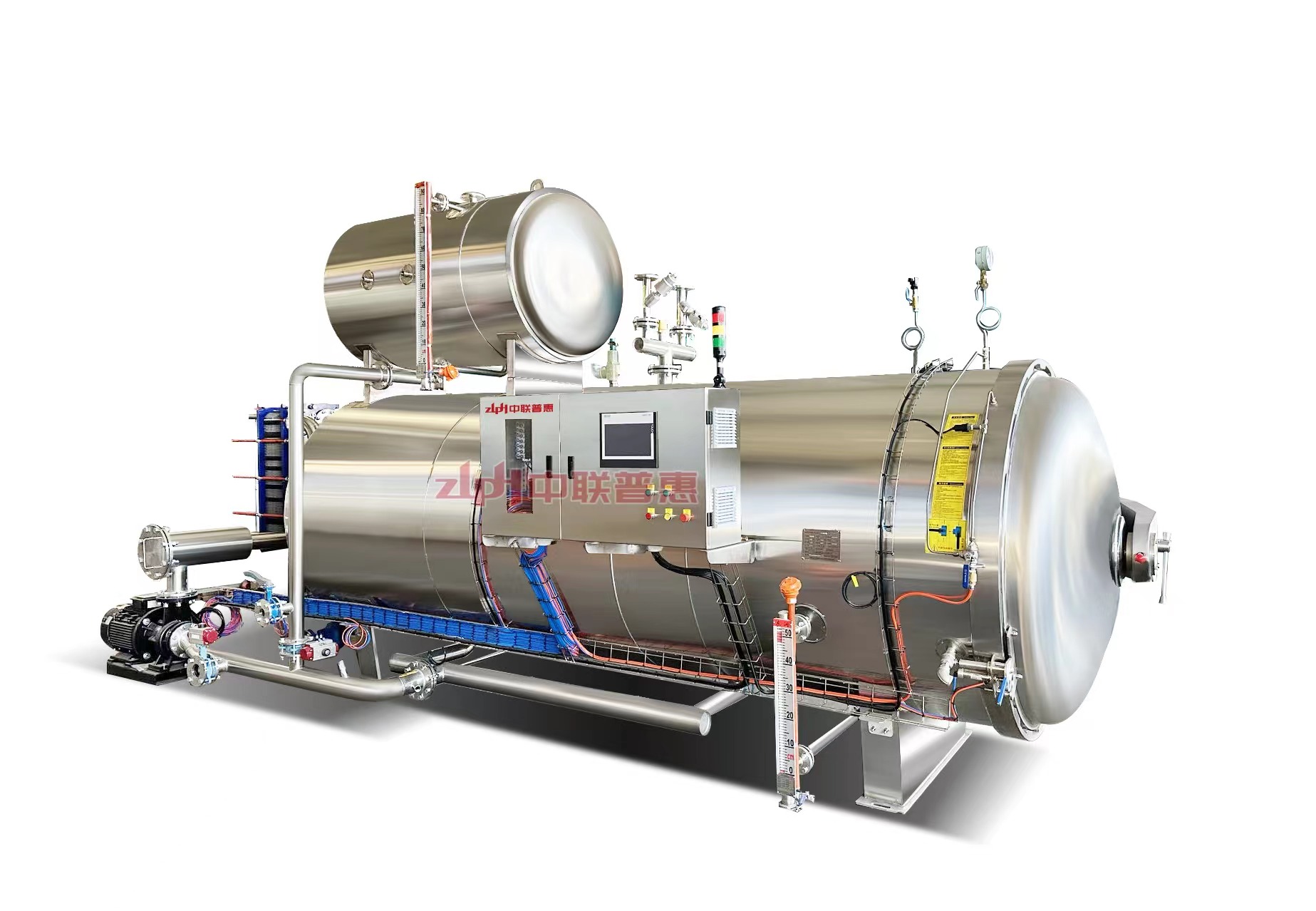
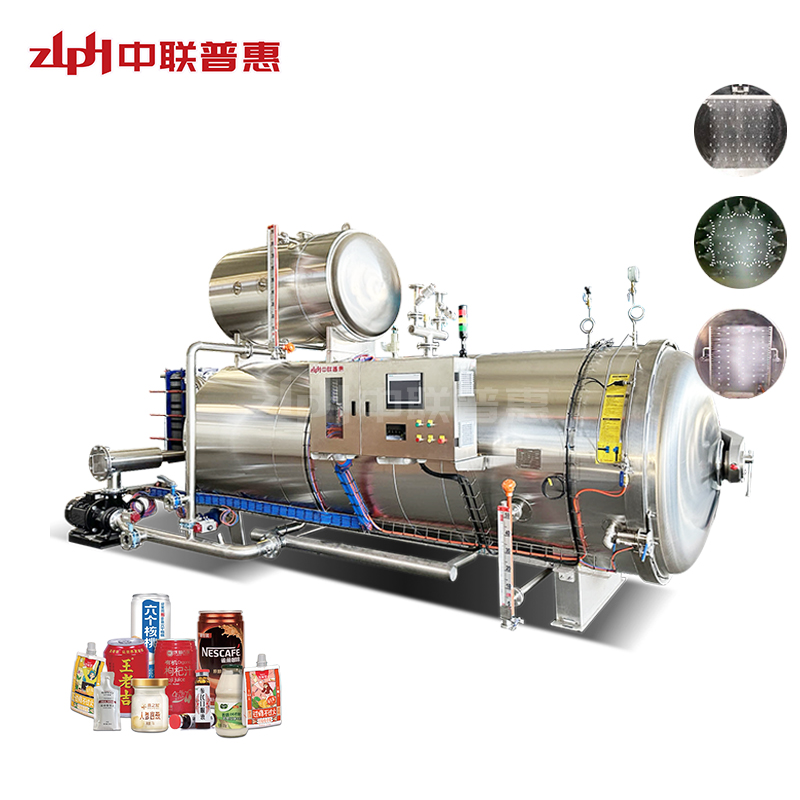
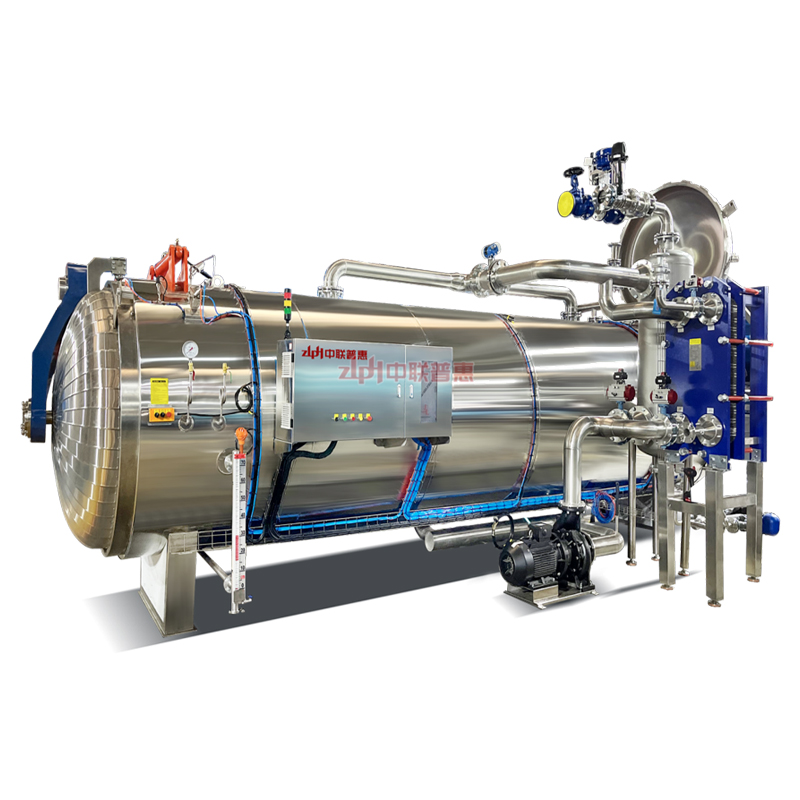
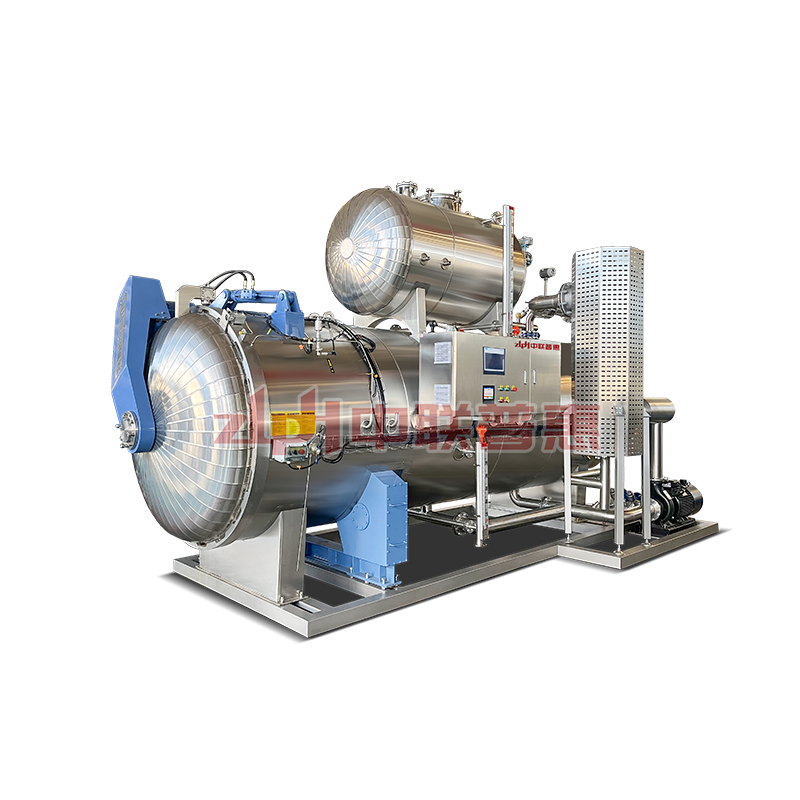
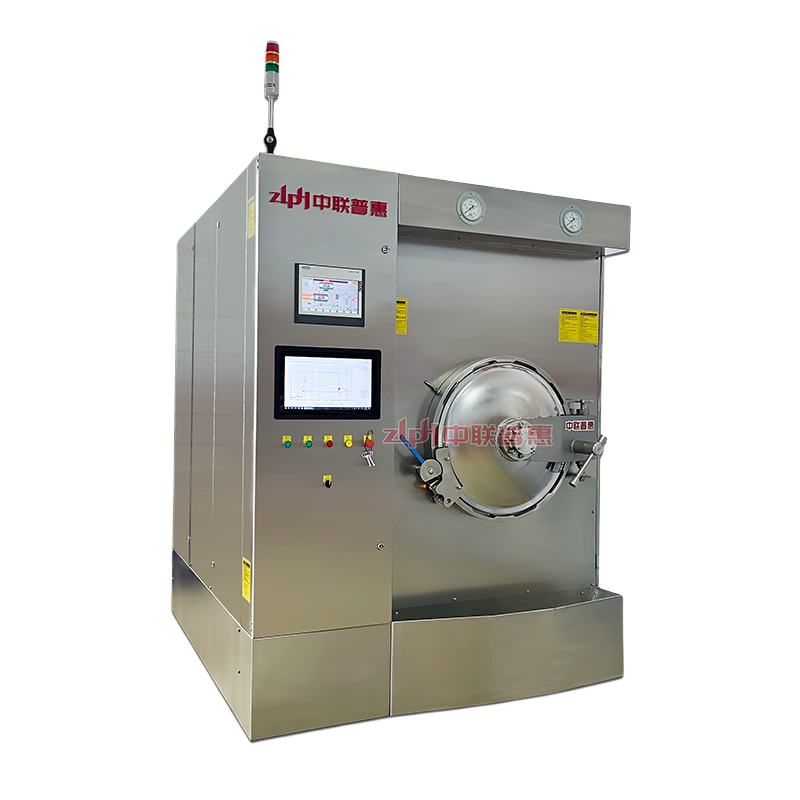
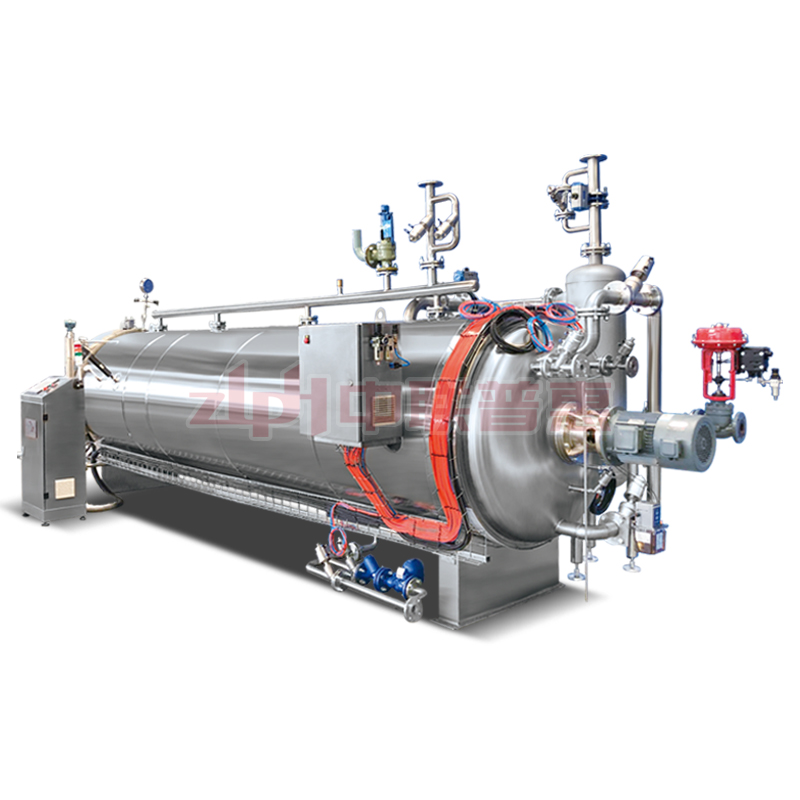
This guide is authored by a senior food processing engineer with over 10 years of experience at ZLPH MACHINERY TECHNOLOGY CO., LTD., a leading Water Spray Retort Autoclave Manufacturing Enterprise. It addresses a critical challenge faced by global food manufacturers and production engineers: inconsistent sterilization results in canned or retort-packaged foods. Uneven heat distribution, bacterial survival, and product quality degradation are commonly caused by outdated retort design, poor water spray coverage, and lack of real-time process control. Based on more than 5,000 global installations and field validations across pet food, ready-to-eat meals, and beverage sectors, we present a proven, step-by-step methodology to eliminate cold spots, ensure microbial safety, and maintain product texture and flavor. This guide dives into root causes across key production scenarios, delivers actionable solutions, shares troubleshooting best practices, and validates outcomes with real-world performance data—all tailored for industrial-scale operations under stringent food safety standards.

How to Ensure Uniform Sterilization in Large-Batch Retort Processing?
1. Scenario and Pain Point
In high-volume canning facilities, operators often observe inconsistent sterilization outcomes—some batches pass microbiological tests while others fail, despite identical time-temperature settings. This leads to costly recalls, wasted inventory, and compliance risks under FDA or EU food safety regulations.

2. Root Cause Analysis
The primary causes include: (1) non-uniform water spray distribution due to fixed nozzles or low-pressure pumps; (2) inadequate air removal during venting, creating steam pockets that block heat transfer; and (3) absence of real-time monitoring, preventing dynamic adjustment of temperature and pressure during the cycle.

3. Step-by-Step Solution
Immediate Fix: Optimize loading patterns to allow water circulation between trays; verify venting sequence duration.
Long-Term Fix: Deploy an intelligent top-opening water spray retort with multi-angle rotating nozzles and variable-frequency pumps to ensure even water coverage across all layers. Integrate a real-time control system that auto-adjusts based on in-chamber sensor feedback.
Process Tuning: Implement F₀ (sterilization value) tracking to validate lethality across every container position, not just average chamber temperature.

4. Troubleshooting & Pitfall Avoidance
Always map thermal profiles using data loggers placed in cold-spot zones (e.g., center of bottom tray). Avoid overloading trays beyond recommended density. Never skip pre-cycle vacuum or venting steps—even minor air entrapment reduces heat transfer efficiency by up to 30%.
5. Real-World Validation
At a major European ready-meal producer, switching to ZLPH’s intelligent water spray retort reduced microbial failure rates from 2.1% to 0.03% within three months. Thermal mapping confirmed ±0.5°C uniformity across 1,200 containers per batch, meeting ISO 11133 and HACCP requirements.
How to Prevent Product Quality Degradation During Retort Sterilization?
1. Scenario and Pain Point
Delicate products like seafood or fruit purees often suffer texture breakdown, color loss, or nutrient degradation when exposed to aggressive sterilization cycles—forcing manufacturers to choose between safety and quality.
2. Root Cause Analysis
Excessive temperature overshoot, slow ramp-up/cool-down phases, and uncontrolled pressure differentials cause container deformation and internal product stress.
3. Step-by-Step Solution
Use a retort with precise PID-controlled heating and staged cooling. ZLPH’s system maintains pressure equilibrium during heating/cooling via synchronized air-over-pressure and water spray, preventing pouch swelling or can buckling. The intelligent control system ensures smooth thermal transitions, preserving sensory attributes.
4. Troubleshooting & Pitfall Avoidance
Avoid rapid cooling without counter-pressure—this is the #1 cause of package failure. Always validate cooling curves against product-specific fragility thresholds.
5. Real-World Validation
A premium pet food brand reported 40% reduction in gravy separation and 95% customer satisfaction improvement after adopting ZLPH’s controlled-cooling water spray retort, with zero package leakage incidents over 18 months.
Industry Best Practices for Reliable Retort Operations
Based on 6+ years of global deployments, ZLPH recommends this 5-step framework to ensure consistent, compliant, and efficient sterilization:
1. Define Worst-Case Conditions
Design cycles for the most heat-resistant pathogen in your product matrix—not average conditions.
2. Validate Thermal Uniformity
Conduct annual thermal mapping with ≥12 data loggers per load configuration.
3. Automate Process Control
Replace manual timers with programmable logic controllers (PLCs) that enforce validated recipes and prevent operator deviation.
4. Maintain Equipment Rigorously
Inspect spray nozzles, seals, and sensors quarterly; calibrate temperature/pressure transmitters biannually.
5. Partner with a Technically Capable Supplier
Choose a manufacturer with in-house process R&D—like ZLPH’s team of 4 sterilization scientists—to co-develop optimal cycles.
Frequently Asked Questions (FAQ)
Q: Can traditional steam retorts achieve the same uniformity as water spray systems?
A: No. Steam-only retorts struggle with dense or layered loads due to poor heat penetration. Water spray systems provide superior convection, especially for conductive packaging like metal cans or thick pouches.
Q: How often should I perform thermal validation?
A: Annually for stable products; immediately after any change in packaging, formulation, or loading pattern—per FDA 21 CFR Part 113 guidelines.
Q: Does ZLPH support integration with existing factory automation?
A: Yes. Our retorts feature Modbus TCP, Profinet, and OPC UA interfaces for seamless MES/SCADA integration.
Q: What certifications do your retorts carry?
A: All units comply with CE, ISO 9001, and ASME BPVC Section VIII, with optional 3-A and EHEDG documentation for dairy and pharma-grade applications.
Our Expertise and Support
ZLPH MACHINERY TECHNOLOGY CO., LTD. is a globally recognized Water Spray Retort Autoclave Manufacturing Enterprise founded in 2018. We operate a 50-acre facility with 15,000㎡ of advanced manufacturing space and a dedicated R&D team of 21 mechanical designers, PLC engineers, and sterilization process experts. Our intelligent retorts have been deployed in over 30 countries, serving leaders in human food, pet nutrition, and beverage industries. Exhibitions like AGROPRODASH 2023 and Petfair Asia 2023 have validated our technology’s reliability and innovation.
We offer customized support including:
• On-site thermal process assessment
• Pilot-scale cycle development
• Free sample testing with your actual product
• 24/7 remote diagnostics and after-sales engineering
Contact Us
Company: ZLPH MACHINERY TECHNOLOGY CO., LTD.
Website: https://www.zlphretort.com/
Email: sales@zlphretort.com
Phone / WhatsApp: +86 15666798389 / +86 13361554016
