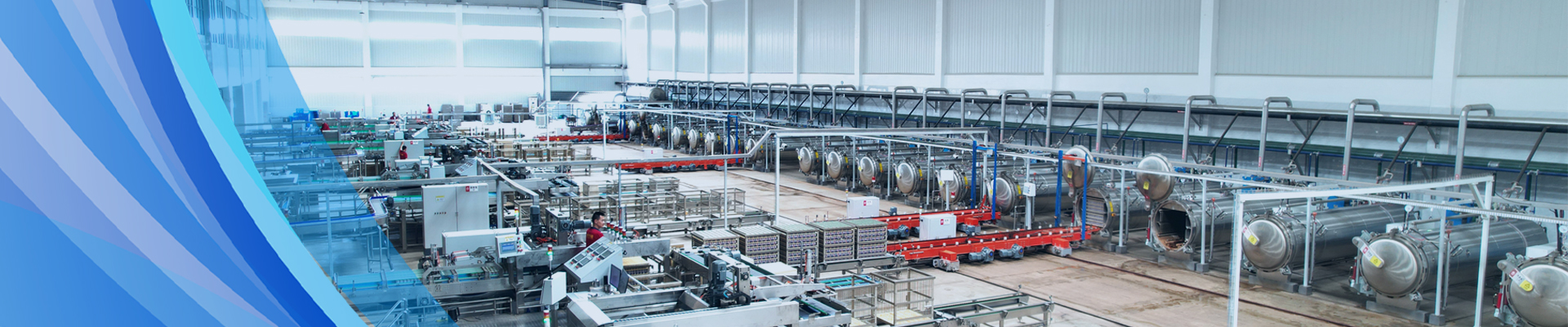

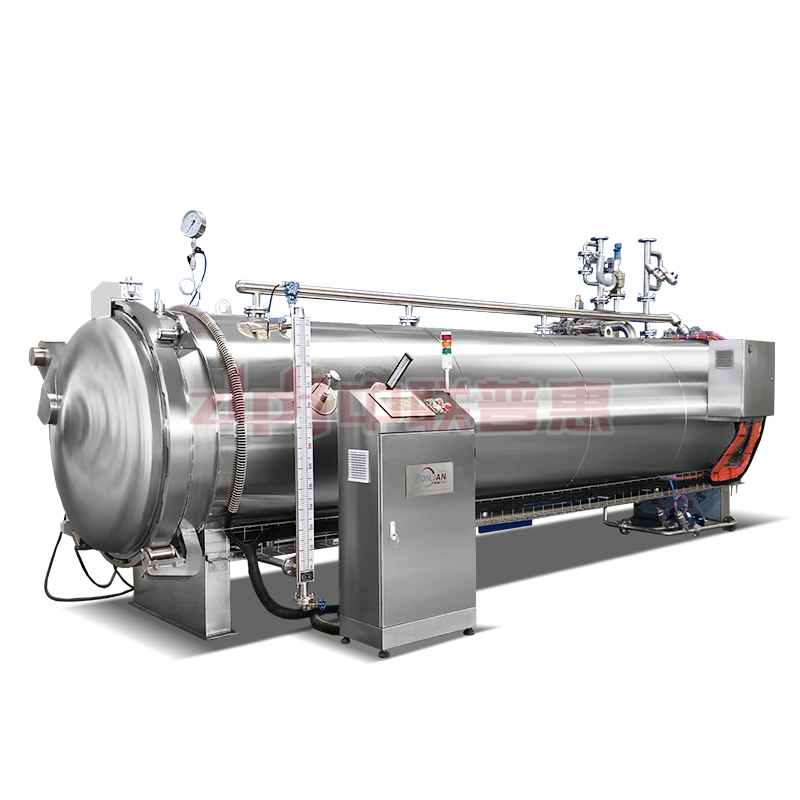
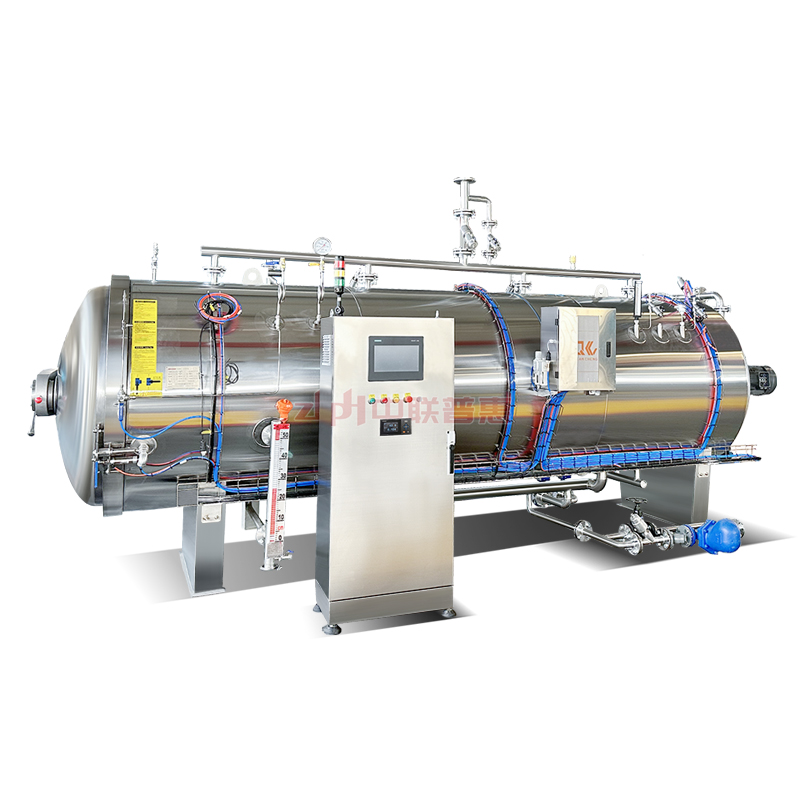
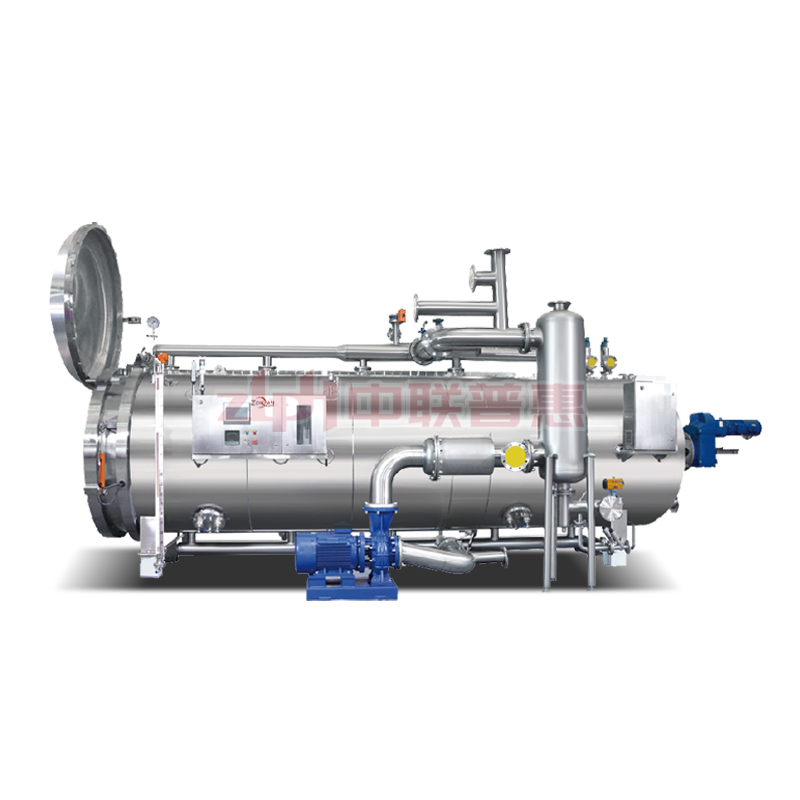
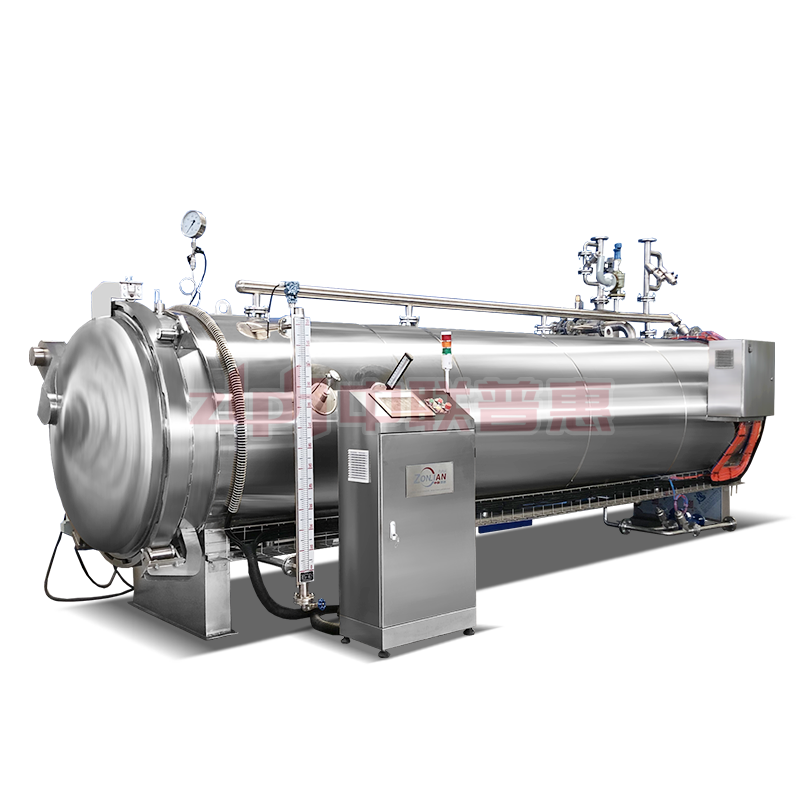
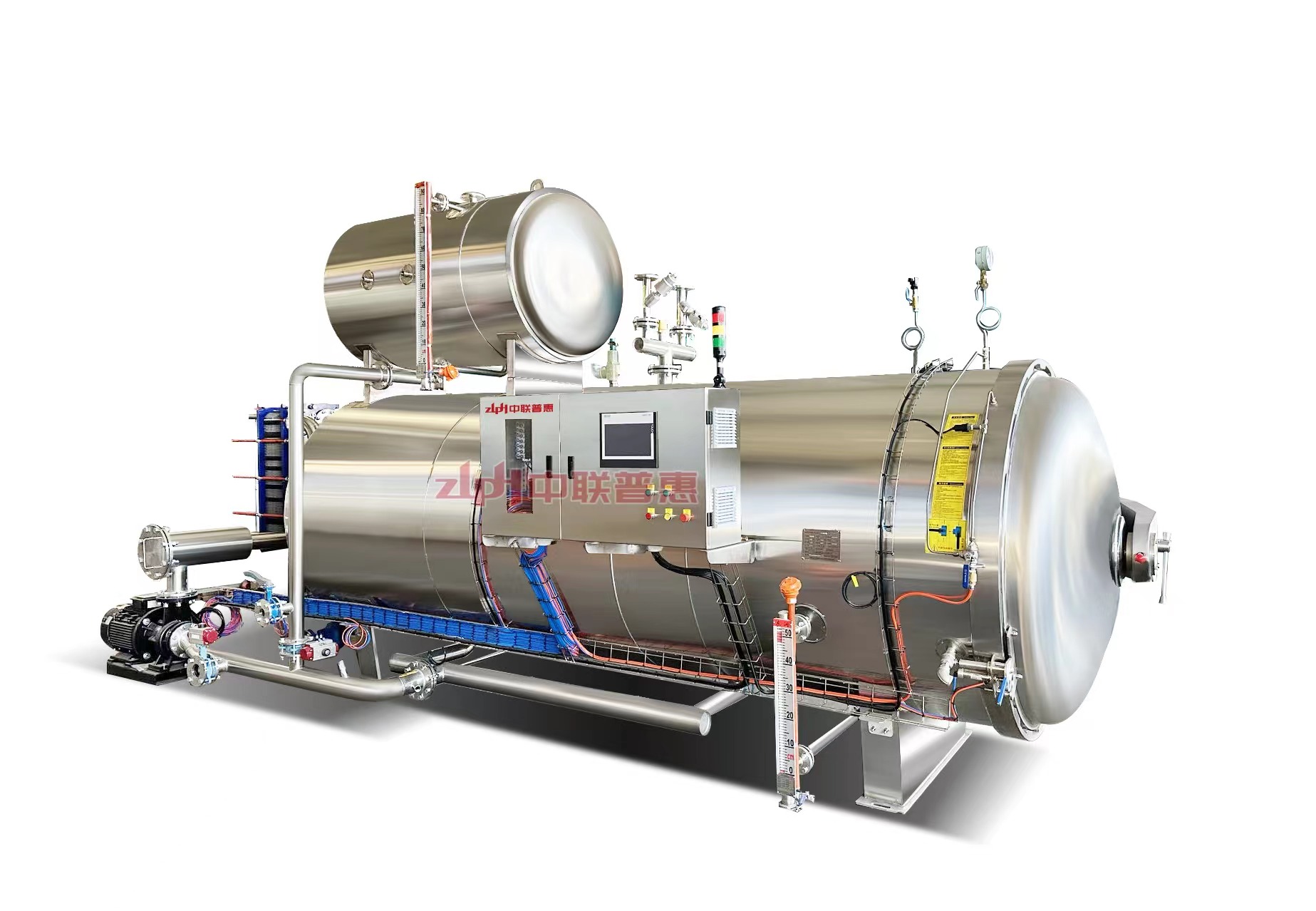
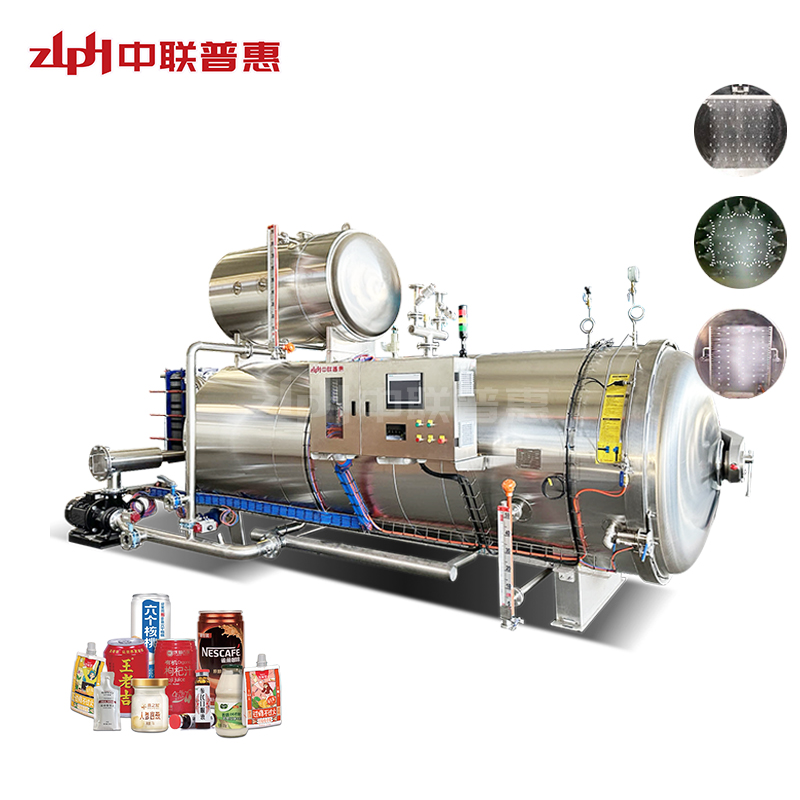
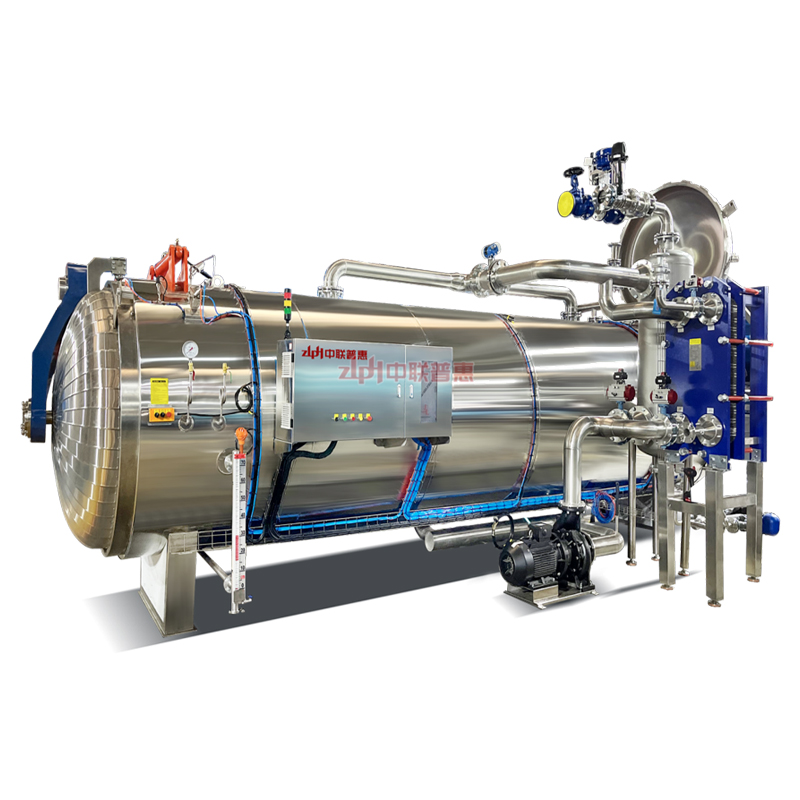
This guide is authored by a senior food processing engineer with over 10 years of experience at ZLPH MACHINERY TECHNOLOGY CO., LTD., a leading provider of advanced sterilization solutions. It addresses a critical challenge faced by global food manufacturers and procurement teams: inconsistent thermal processing in high-throughput production lines. Inconsistent sterilization—manifested as under-processing (safety risks) or over-processing (quality degradation)—is primarily caused by uneven heat distribution, poor temperature-pressure synchronization, and inadequate automation in continuous retort systems. Drawing on more than 5,000 global installations and rigorous field validation, we present a proven, step-by-step framework to ensure uniform lethality, regulatory compliance, and product integrity. This guide breaks down root causes by real-world scenario, delivers actionable mitigation strategies, shares validated performance data, and outlines industry best practices for selecting a high-quality Continuous Retort Autoclave that delivers reliability at scale.

How to Ensure Uniform Sterilization in Continuous Retort Systems for Canned Vegetables?
1. Scenario & Pain Point
In large-scale canned vegetable facilities, operators often observe inconsistent texture and color across batches—some cans are overcooked while others fail microbial tests. This inconsistency leads to product recalls, wasted raw materials, and non-compliance with FDA or EU food safety regulations.

2. Root Cause Analysis
The core issues stem from: (a) non-uniform water spray coverage in the retort chamber, causing cold spots; (b) delayed response in pressure-temperature control during product entry/exit; and (c) lack of real-time monitoring for each basket’s thermal history.

3. Step-by-Step Solution
Immediate Fix: Calibrate spray nozzles and verify pump flow rates to ensure even water distribution.
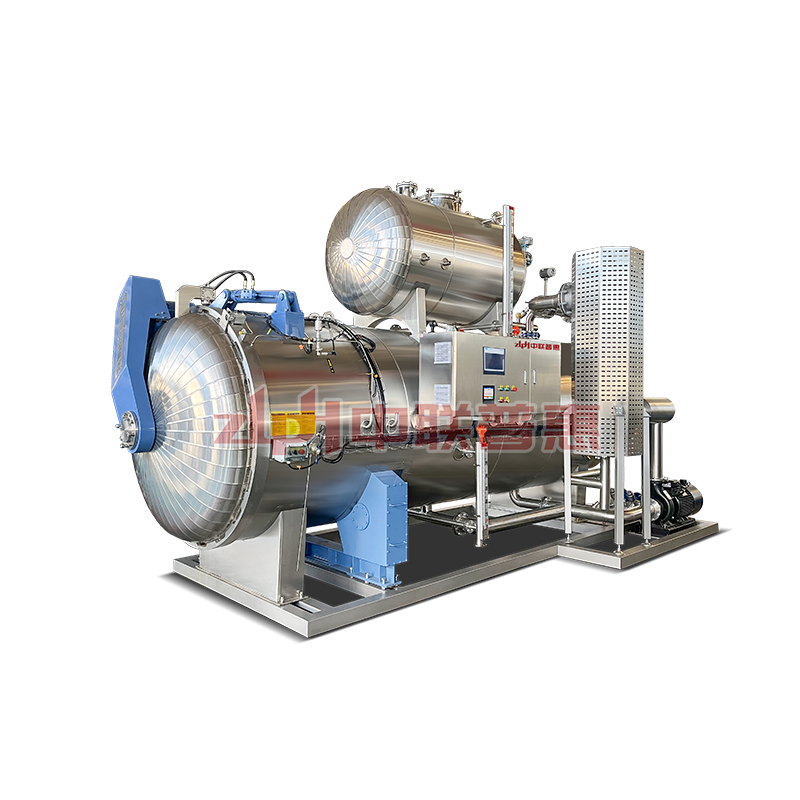
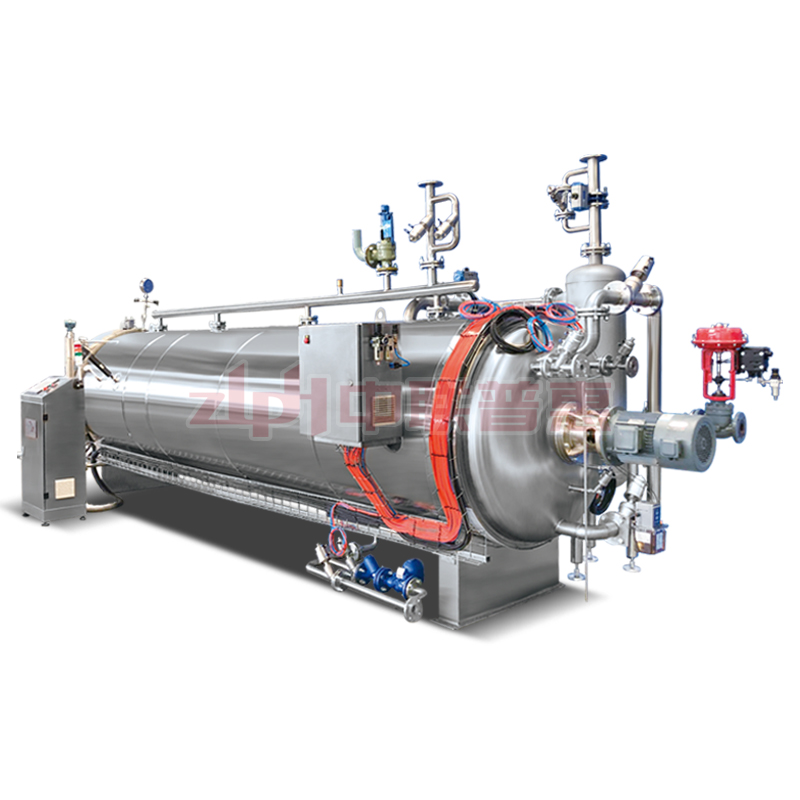
Long-Term Solution: Deploy an intelligent top-opening water spray sterilization retort with multi-zone spray arrays and PID-controlled steam/water injection. Such systems dynamically adjust based on real-time basket position and product load.
Process Optimization: Integrate a data-logging control system that records Fo (sterilization value) per batch, enabling traceability and compliance reporting.

4. Pitfall Avoidance Guide
Avoid retrofitting batch retorts for continuous use—they lack the hydraulic design for steady-state flow. Always validate thermal uniformity using biological indicators (e.g., Geobacillus stearothermophilus spores) across all rack positions before full-scale production.
5. Validation Results
At a Qingdao-based client producing canned corn, implementation of ZLPH’s continuous retort reduced Fo variance from ±8% to ±1.2%, eliminated under-processed batches, and cut energy consumption by 15% through optimized cycle timing.
How to Prevent Seal Failure in Retort Pouches During High-Speed Continuous Processing?
1. Scenario & Pain Point
Flexible retort pouch producers face seal delamination or leakage when running at speeds above 1,200 pouches/hour, especially with high-acid products like tomato sauce.
2. Root Cause Analysis
Rapid pressure changes during venting cause mechanical stress on seals. Additionally, inconsistent cooling rates lead to condensation-induced weakening of adhesive layers.
3. Step-by-Step Solution
Use a continuous retort with staged pressure ramping (controlled depressurization) and counter-current cooling zones. ZLPH’s system maintains ΔP < 0.3 bar/min during cooling, minimizing seal stress.
4. Pitfall Avoidance Guide
Never skip material compatibility testing—verify pouch film and adhesive performance under actual retort profiles. Monitor cooling water quality to prevent mineral deposits that accelerate seal degradation.
5. Validation Results
A Russian client using ZLPH’s AGROPRODASH 2023-introduced system achieved zero seal failures over 6 months of 24/7 operation, passing EAC certification for flexible packaging sterilization.
Industry Best Practices for Selecting a Reliable Continuous Retort Autoclave
Based on 6 years of global deployments and 500+ food processing clients, we recommend this 5-step selection framework:
1. Define Worst-Case Conditions
Design for peak throughput, highest viscosity product, and ambient extremes—not average conditions.
2. Verify Thermal Performance Data
Demand third-party thermal mapping reports showing ≤±0.5°C spatial variation at full load.
3. Prioritize Automation Integration
Ensure compatibility with MES/SCADA via Modbus TCP or OPC UA for real-time Fo tracking.
4. Confirm Global Compliance
Require ASME, CE, and EAC certifications as baseline—critical for export markets.
5. Evaluate After-Sales Support
Choose suppliers with local service engineers or <48-hour remote diagnostics capability.
Frequently Asked Questions (FAQ)
Q: Can a batch retort be upgraded to continuous operation?
A: Not effectively. Continuous retorts require specialized conveyor hydraulics, zoning, and control logic absent in batch designs—retrofitting compromises safety and efficiency.
Q: What certifications should a Continuous Retort Autoclave have for EU markets?
A: Mandatory CE marking under PED 2014/68/EU, plus compliance with Machinery Directive 2006/42/EC. ZLPH units hold both, along with EAC for Eurasian markets.
Q: How does ZLPH ensure temperature uniformity in long retort chambers?
A: Through multi-point water spray manifolds with independent zone control and real-time IR thermal profiling during commissioning.
Q: Is manual loading feasible for continuous retorts?
A: Only at very low volumes (<200 cans/hour). For scale, integrate with ZLPH’s automated tray loader/unloader to maintain consistent dwell time.
Q: What’s the typical ROI for upgrading to an intelligent continuous retort?
A: Most clients achieve payback in 14–18 months via reduced labor, lower spoilage (<0.5%), and 20% faster cycle times.
Our Proven Capability in Continuous Sterilization Solutions
ZLPH MACHINERY TECHNOLOGY CO., LTD. is a globally recognized provider of advanced retort systems, founded in 2018 with a core focus on R&D-driven sterilization innovation. Our team includes 21 mechanical and PLC engineers, 4 sterilization process specialists, and 14 after-sales technicians—all with 10+ years in food automation. We operate a 15,000 m² ISO-certified factory equipped with precision machining centers ensuring component accuracy within ±0.02mm. Our solutions comply with ASME, CE, EAC, and Malaysia DOSH standards, backed by AAA credit and integrity certifications. Over 500 clients across Asia, Europe, and Russia rely on our continuous retorts for safe, efficient, and scalable production.
Customized Support for Your Unique Application
We offer tailored engineering services including:
• On-site thermal process validation and retort mapping
• Custom chamber sizing for non-standard packaging formats
• Integration with existing filling and labeling lines
• Free pilot testing with your actual product at our Qingdao demo center
If you’re evaluating Continuous Retort Autoclave suppliers, contact our technical team for a no-obligation consultation. We respond within 24 hours with a preliminary solution aligned to your throughput, product type, and compliance needs.
Company: ZLPH MACHINERY TECHNOLOGY CO., LTD.
Website: https://www.zlphretort.com/
Email: sales@zlphretort.com
Phone / WhatsApp: +86 15666798389 / +86 13361554016
