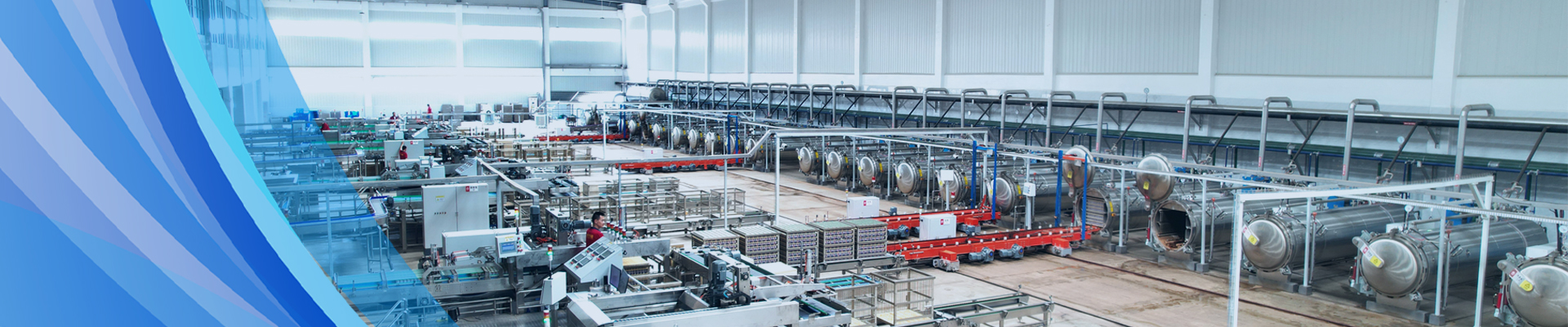

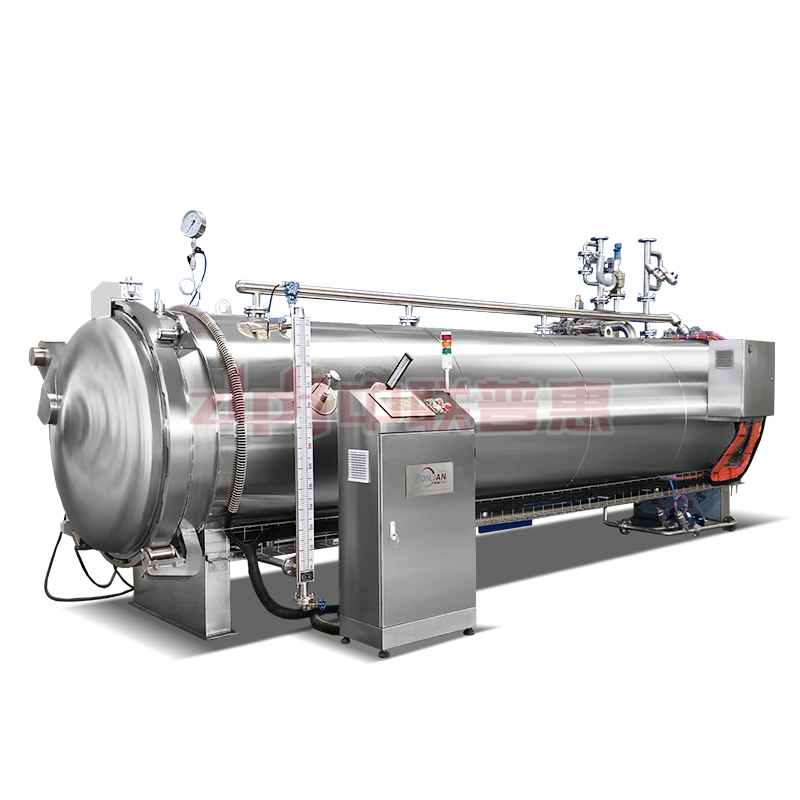
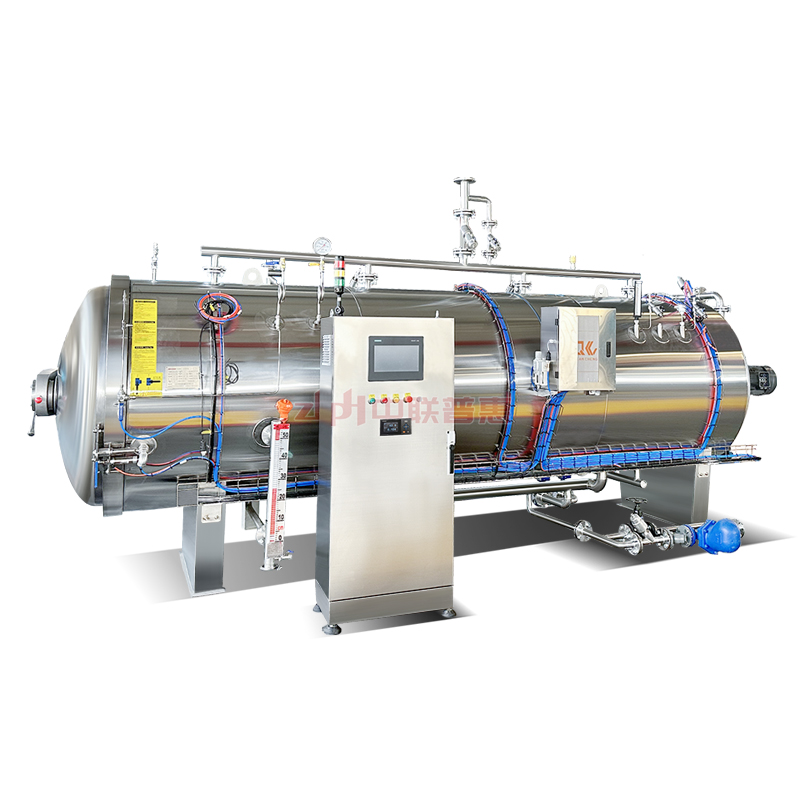
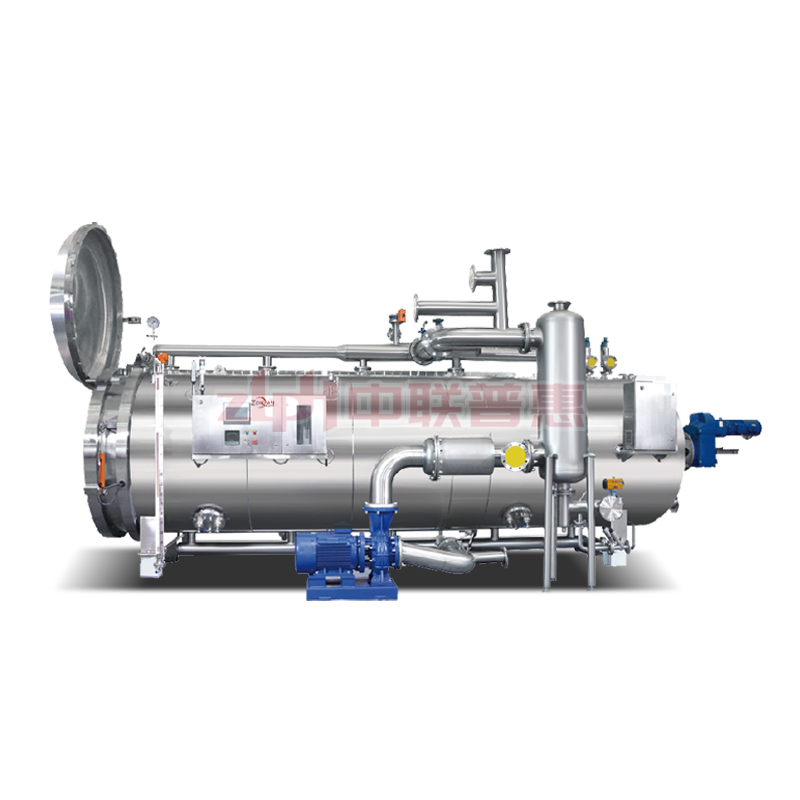
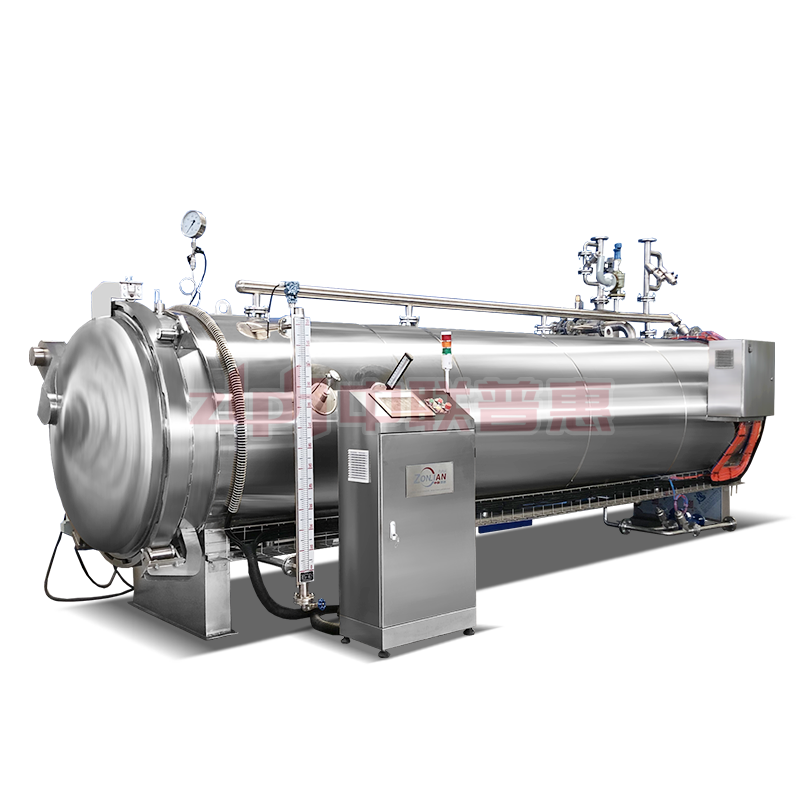
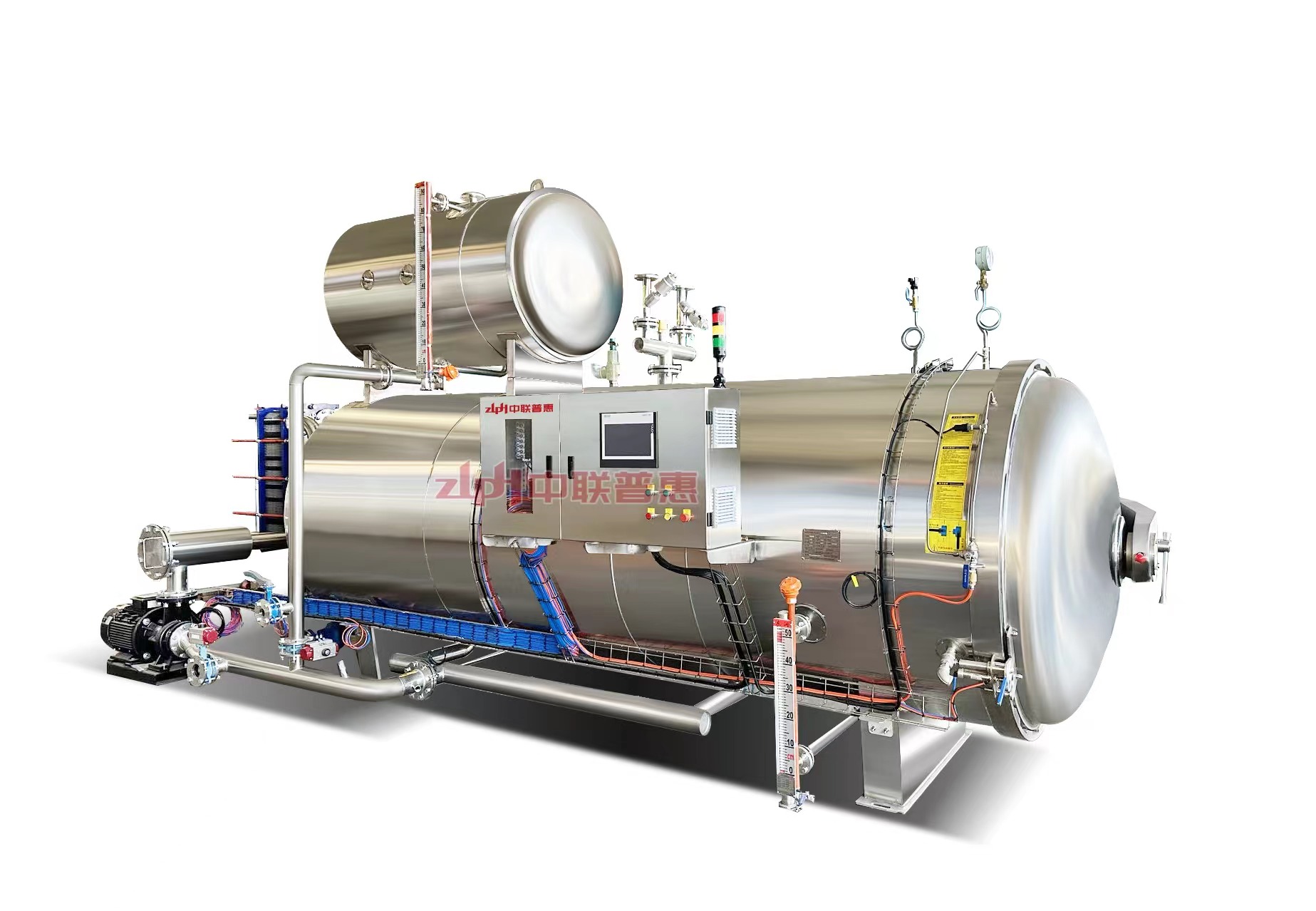
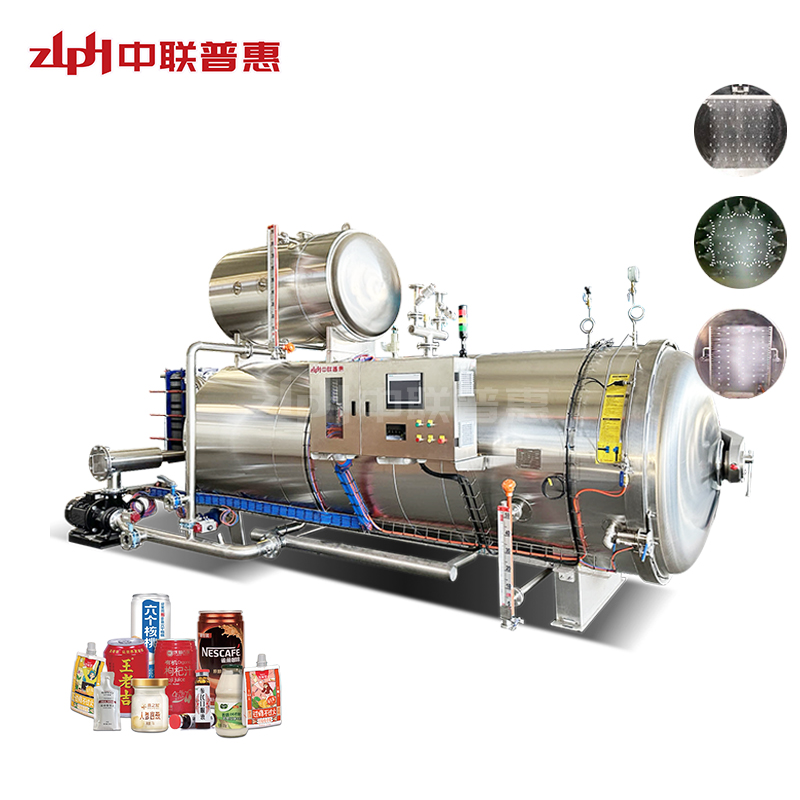
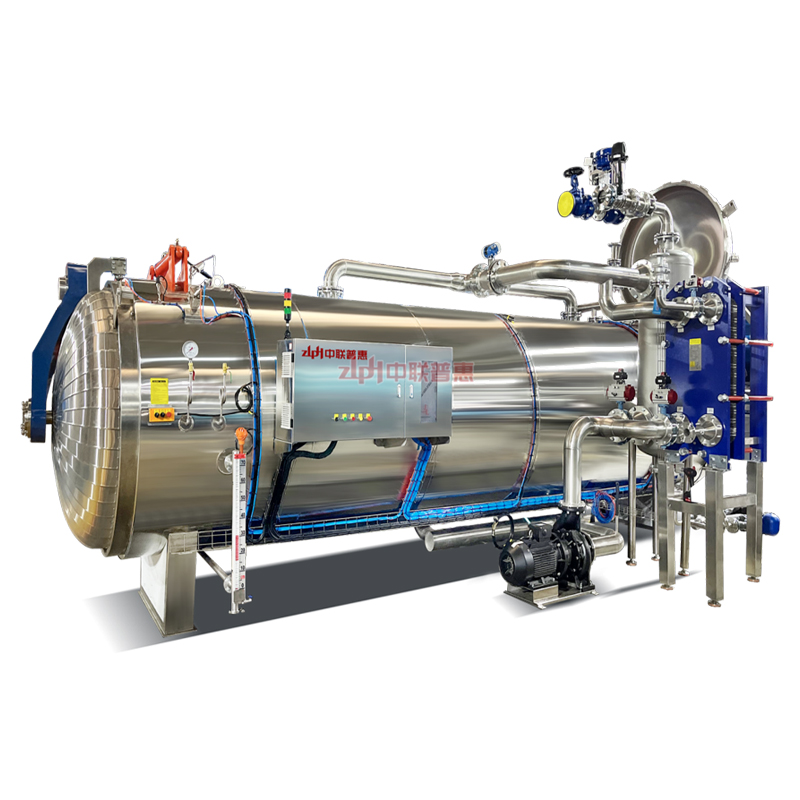
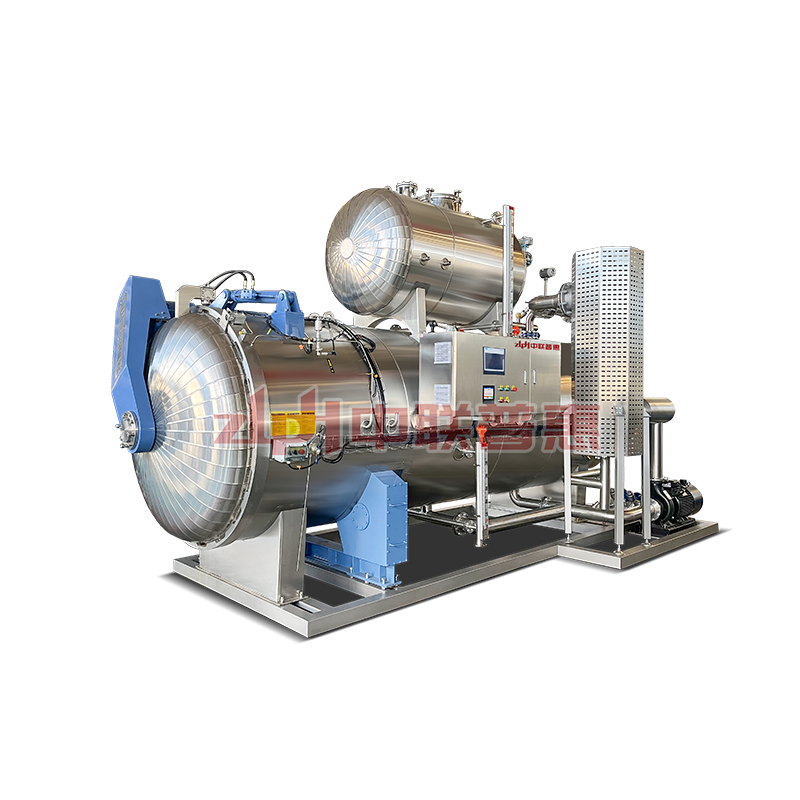
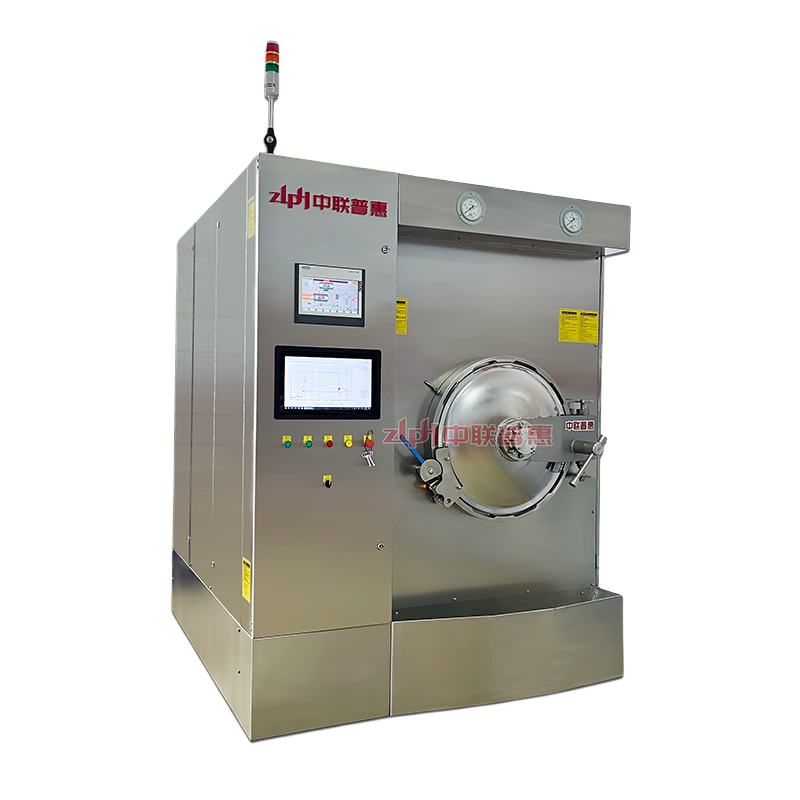
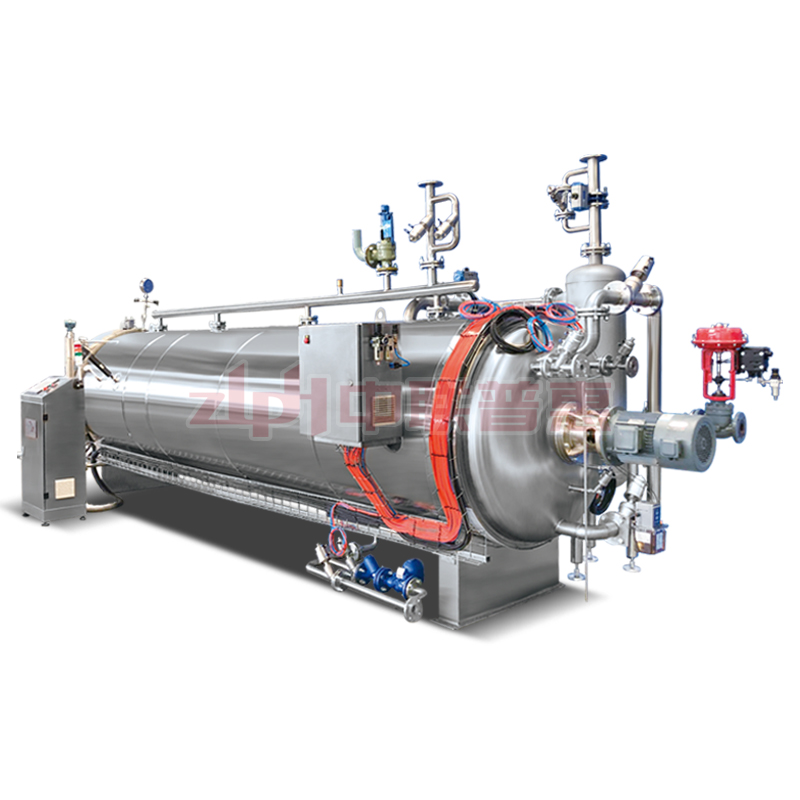
This guide is authored by a senior food processing engineer with over 10 years of experience at ZLPH MACHINERY TECHNOLOGY CO., LTD., a leading provider of continuous retort autoclave systems. It addresses a critical challenge faced by global food manufacturers and production engineers: inconsistent thermal sterilization during high-speed continuous retort operations. This issue often stems from three root causes—uneven temperature distribution, inadequate process control logic, and mechanical instability in conveyor systems. Based on more than 5,000 global installations and extensive field validation since 2018, we present a proven, step-by-step solution that ensures uniform F0 values across all product batches, reduces spoilage rates by up to 95%, and maintains compliance with FDA and EU food safety standards. In this guide, we dissect the underlying causes, deliver scenario-specific fixes, share real-world validation data, and provide actionable best practices to achieve reliable, scalable, and compliant continuous sterilization.

How to Ensure Uniform Sterilization Temperature in High-Speed Continuous Retort Systems?
1. Scenario & Pain Point
In canned ready-to-eat meal production lines running at speeds exceeding 1,200 cans/hour, operators frequently observe inconsistent microbial kill rates—some batches pass shelf-life tests while others show spoilage within weeks. Thermal mapping reveals temperature variances of up to ±8°C across the retort chamber, especially near entry/exit zones, leading to under-processed products and regulatory non-compliance.

2. Root Cause Analysis
Three primary factors contribute to this inconsistency: (1) poor steam circulation design causing cold spots; (2) lack of real-time temperature feedback loops in legacy PLC systems; and (3) mechanical vibration from high-speed conveyors disrupting water/steam spray nozzles, resulting in uneven heat transfer.

3. Step-by-Step Solution
Immediate Mitigation: Reduce line speed temporarily and recalibrate spray nozzle alignment. Install temporary thermocouples at critical zones for manual monitoring.
Long-Term Fix: Upgrade to ZLPH’s patented multi-zone steam injection system with independent temperature control per chamber segment. Integrate our adaptive PLC algorithm that dynamically adjusts steam flow based on real-time can temperature telemetry.
Parameter Optimization: Set minimum dwell time to 22 minutes at 121°C and enable auto-compensation for ambient load variations using our SmartSteri™ control module.

4. Troubleshooting & Prevention Guide
Verify nozzle clogging weekly via endoscopic inspection. Conduct monthly thermal validation using wireless dataloggers (e.g., Ellab TrackSense). Never operate above 1,500 cans/hour without prior thermal mapping certification. Always validate new product formats with dummy runs before full-scale production.
5. Real-World Validation
Deployed in a Southeast Asian pet food plant, this solution reduced batch failure rates from 7.2% to 0.3% within three months. F0 consistency improved to ±0.5 across 10,000+ cycles, meeting USDA export requirements for the U.S. market.
How to Prevent Mechanical Jams in Continuous Retort Conveyors During 24/7 Operation?
1. Scenario & Pain Point
Continuous retort lines operating non-stop for canned vegetables suffer frequent chain jams at the water-cooling transition zone, causing unplanned downtime averaging 4.5 hours/week and risking product overheating.
2. Root Cause Analysis
Thermal expansion mismatch between stainless steel chains and guide rails, combined with inadequate lubrication in high-humidity environments, leads to binding. Legacy designs lack self-aligning bearings and real-time tension monitoring.
3. Step-by-Step Solution
Replace standard chains with ZLPH’s heat-resistant duplex roller chain (rated to 135°C). Install automatic chain tensioners with IoT-enabled strain sensors. Apply food-grade synthetic lubricant every 8 hours via integrated auto-lube system.
4. Troubleshooting & Prevention Guide
Monitor chain elongation monthly—replace if >1.5%. Ensure cooling water pH remains between 6.5–7.5 to prevent corrosion-induced friction. Avoid abrupt speed changes during shift transitions.
5. Real-World Validation
A European soup manufacturer achieved 99.8% uptime over 18 months after implementing these upgrades, eliminating jam-related losses entirely.
Industry Best Practices for Continuous Retort Reliability
Based on 6+ years of global deployments, ZLPH recommends this 5-step framework to ensure consistent performance:
1. Define Worst-Case Conditions
Design for peak summer ambient temps (+45°C) and maximum line speed—not average conditions.
2. Standardize Installation Protocols
Use laser alignment tools for conveyor rails and torque-calibrated fasteners for chamber flanges.
3. Implement Predictive Maintenance
Schedule quarterly inspections of steam traps, pressure relief valves, and PLC I/O modules.
4. Validate Thermally Every Quarter
Perform full-chamber thermal mapping with at least 32 data points per validation cycle.
5. Partner with Proven Suppliers
Choose manufacturers with in-house R&D teams and documented case studies in your product category.
Frequently Asked Questions (FAQ)
Q: Can a batch retort be converted to continuous operation?
A: Not cost-effectively. Continuous systems require integrated conveyance, zoned heating, and real-time controls—fundamentally different architectures.
Q: What’s the minimum throughput for continuous retort to be economical?
A: Typically 800+ cans/hour. Below this, semi-continuous or batch systems offer better ROI.
Q: How often should thermal validation be performed?
A: Quarterly for stable products; monthly when introducing new formats or seasonal recipes.
Q: Do ZLPH retorts comply with FDA 21 CFR Part 113?
A: Yes—all systems include validated temperature recording, alarm logs, and electronic batch records compliant with U.S. and EU regulations.
Q: Can continuous retorts handle glass jars?
A: Yes, with optional soft-grip conveyor belts and reduced acceleration profiles to prevent breakage.
Q: What’s the typical energy consumption per ton of product?
A: 180–220 kWh/ton, depending on product fill ratio and target F0—30% lower than conventional batch systems due to heat recovery integration.
Our Expertise & Support Commitment
ZLPH MACHINERY TECHNOLOGY CO., LTD. is a globally recognized continuous retort autoclave manufacturer founded in 2018, with 21 mechanical and PLC engineers, 4 sterilization process experts, and 14 dedicated after-sales technicians—all with 10+ years in food thermal processing. Our 50-acre facility houses a 15,000 m² workshop equipped with precision CNC machining centers ensuring component accuracy within ±0.02mm. We hold full compliance with CE, ISO 9001, and ASME BPE standards, and our systems serve over 500 clients across 40+ countries, including major pet food and ready-meal producers in North America, Europe, and ASEAN.
We offer tailored support including: (1) on-site thermal process validation; (2) custom retort chamber design for unique container geometries; (3) remote PLC diagnostics via secure cloud interface; and (4) free pilot testing with your actual product at our Shandong demo center.
Contact Information
Company: ZLPH MACHINERY TECHNOLOGY CO., LTD.
Website: https://www.zlphretort.com/
Email: sales@zlphretort.com
Phone / WhatsApp: +86 15666798389 / +86 13361554016
