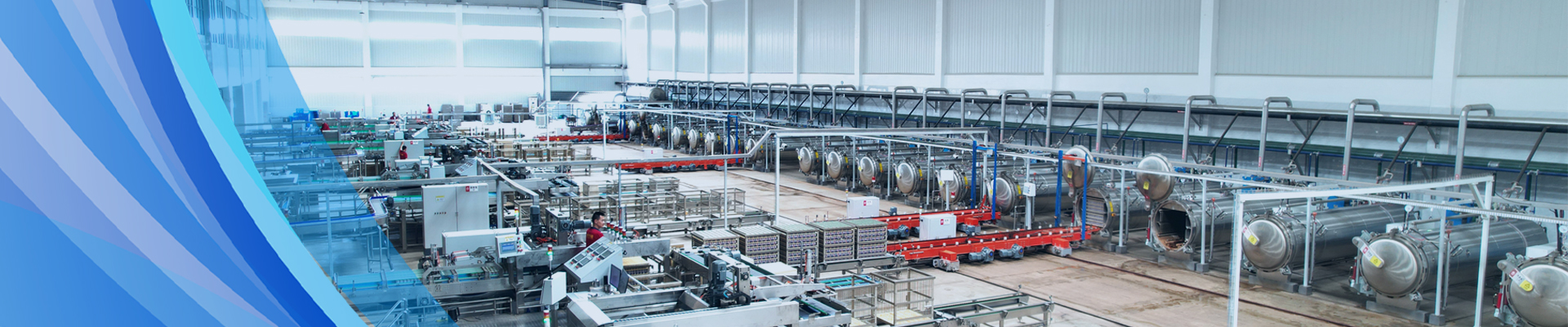

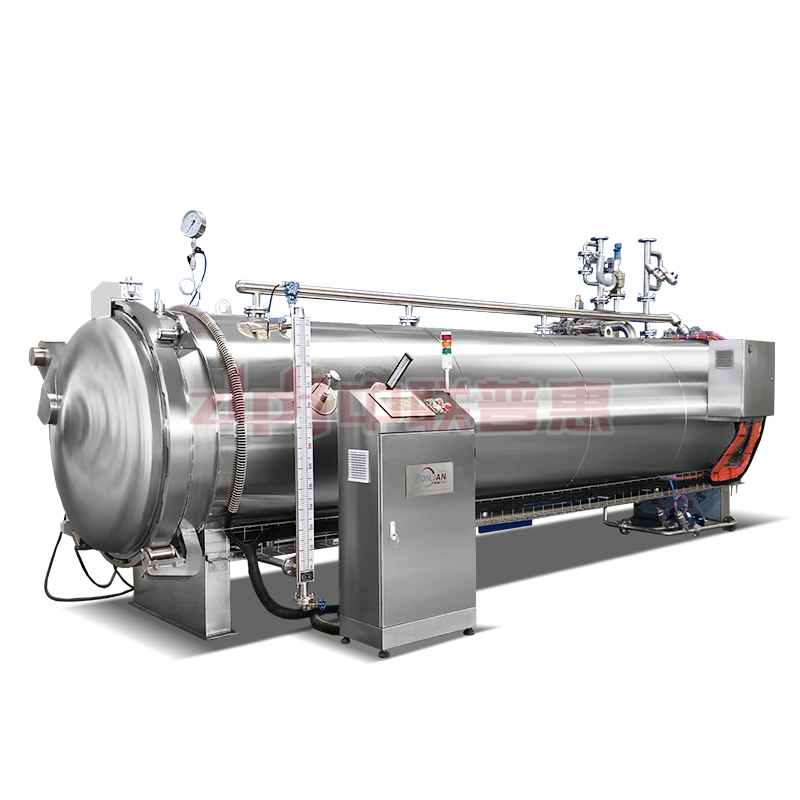
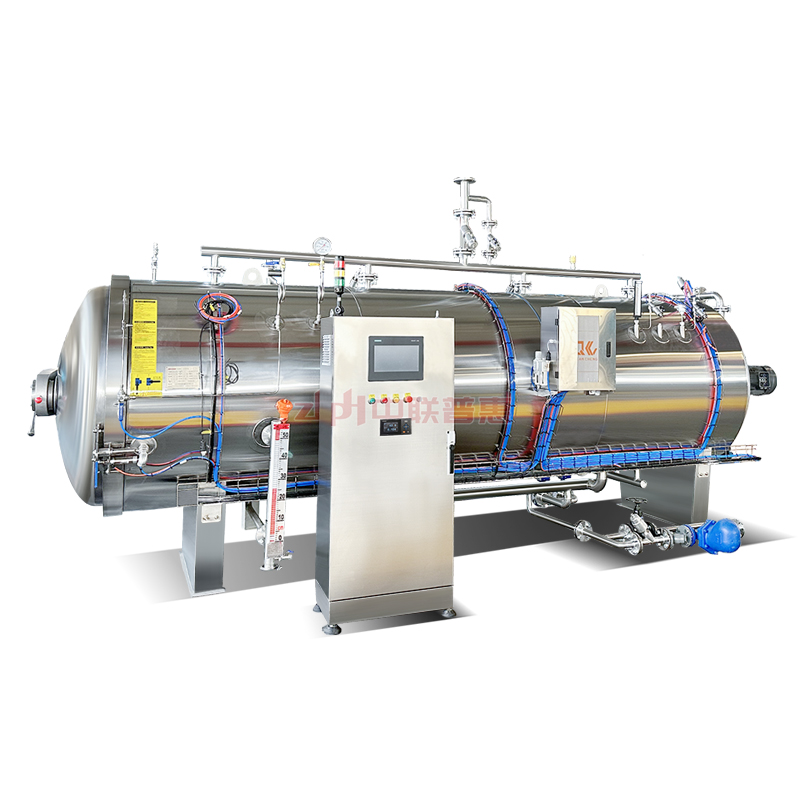
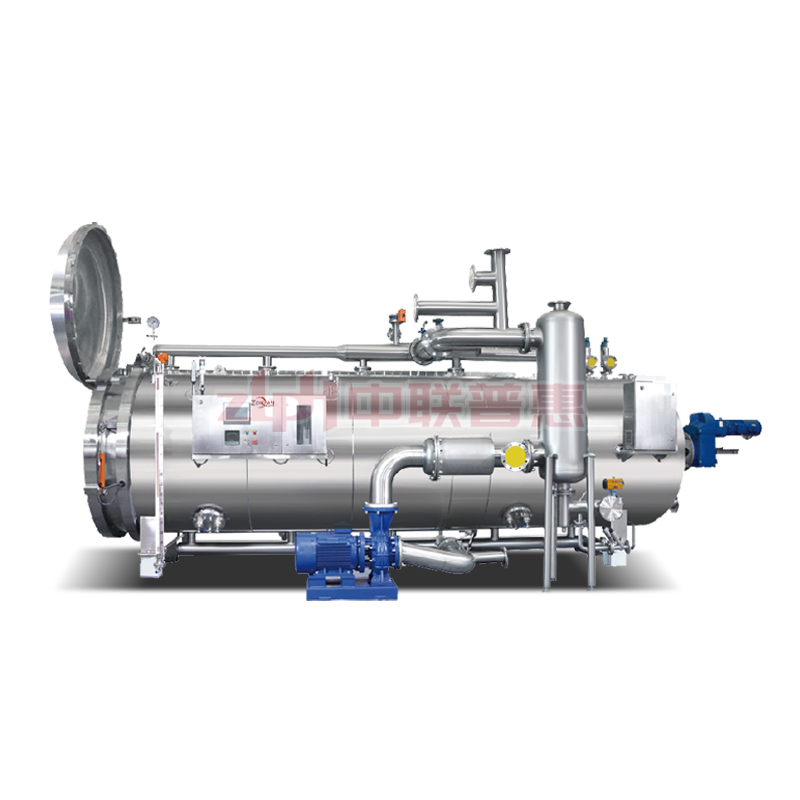
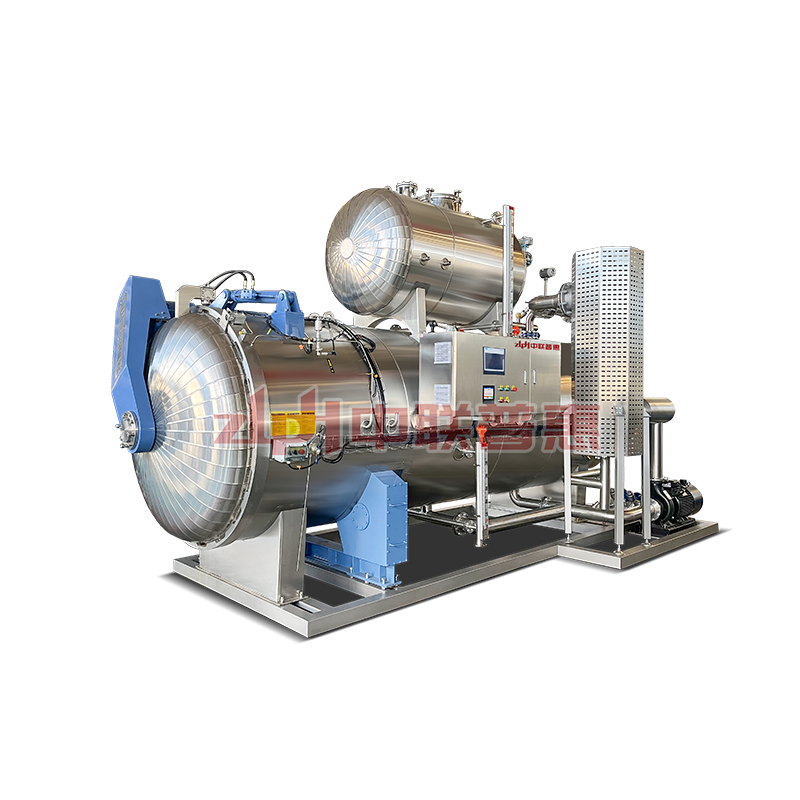
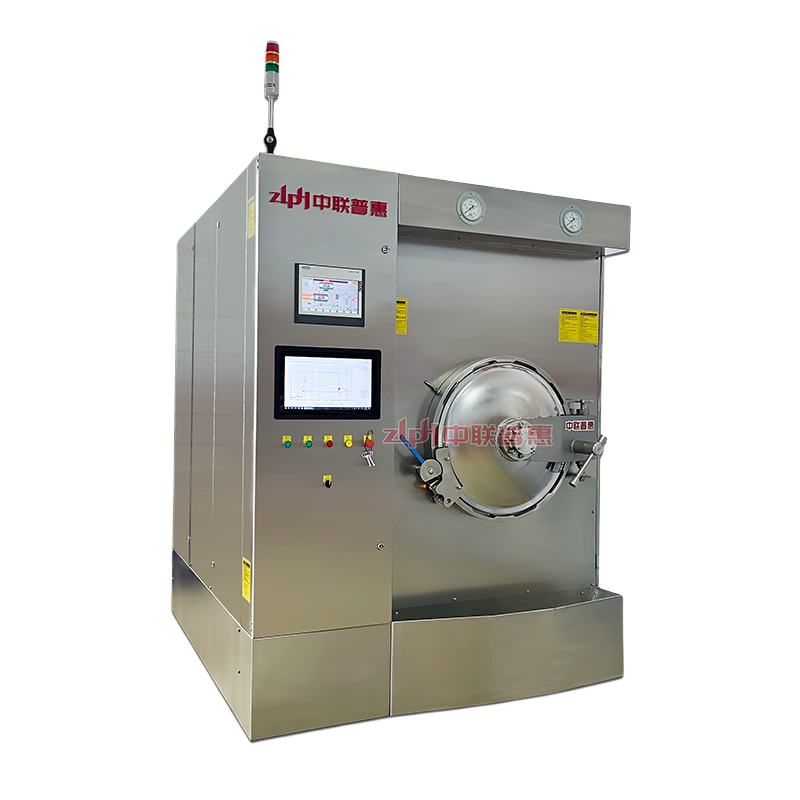
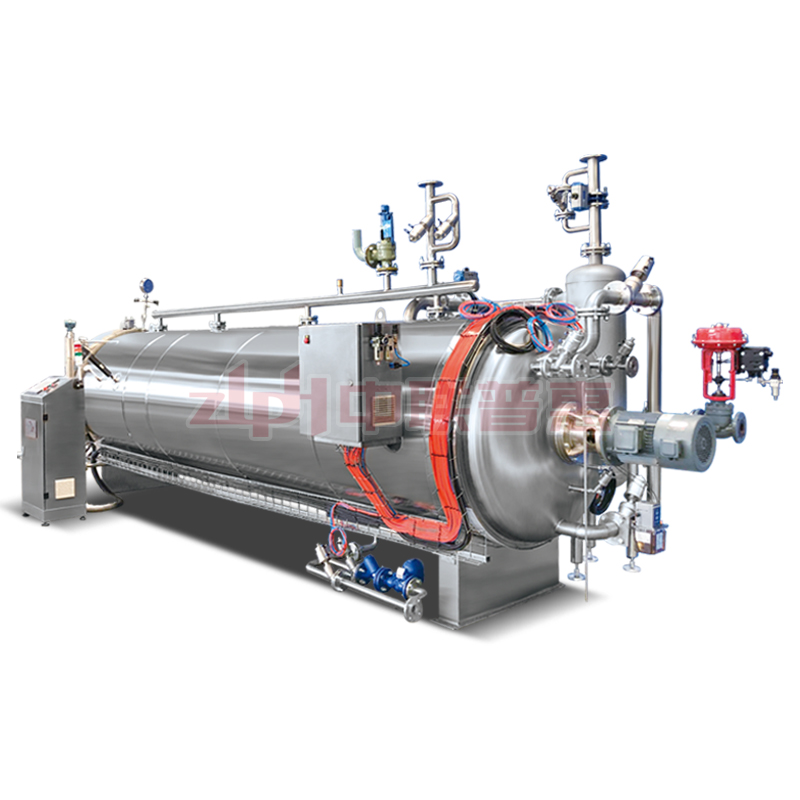
This guide is authored by a senior food processing automation engineer with over 10 years of field experience from ZLPH MACHINERY TECHNOLOGY CO., LTD., a leading provider of continuous retort autoclave systems. It addresses a critical challenge faced by global food manufacturers and production engineers: inconsistent thermal sterilization in high-throughput canned or pouch food lines. This issue—manifesting as under-processing, texture degradation, or batch rejection—is primarily caused by uneven temperature distribution, inadequate dwell time control, and poor system integration with upstream/downstream automation. Drawing on more than 5,000 global installations and rigorous validation across diverse food matrices (from low-acid vegetables to protein-rich ready meals), we present a proven, actionable framework to achieve uniform F0 values, maintain product quality, and ensure compliance with FDA and EU food safety standards. The following sections dissect root causes by real-world scenario, deliver step-by-step mitigation strategies, share field-tested troubleshooting protocols, and validate outcomes with measurable performance data.

How to Ensure Uniform Sterilization Temperature in Continuous Retort Systems Processing Mixed Product Loads?
1. Scenario & Pain Point
In facilities handling mixed SKUs (e.g., glass jars, aluminum cans, and flexible pouches) on the same line, operators often observe inconsistent lethality—some batches fail microbial tests while others suffer overcooking. This leads to costly recalls, yield loss, and compliance risks, especially when switching between products with different thermal masses.

2. Root Cause Analysis
Three core factors drive this inconsistency: (1) Fixed-zone temperature profiles that don’t adapt to varying product heat penetration rates; (2) Lack of real-time F0 monitoring per carrier basket; (3) Inadequate water circulation design causing cold spots in high-density loading configurations.

3. Step-by-Step Solution
Immediate Adjustment: Implement dynamic zone temperature mapping based on product type—use PLC logic to auto-adjust steam injection per zone when SKU changes are detected via barcode scan.
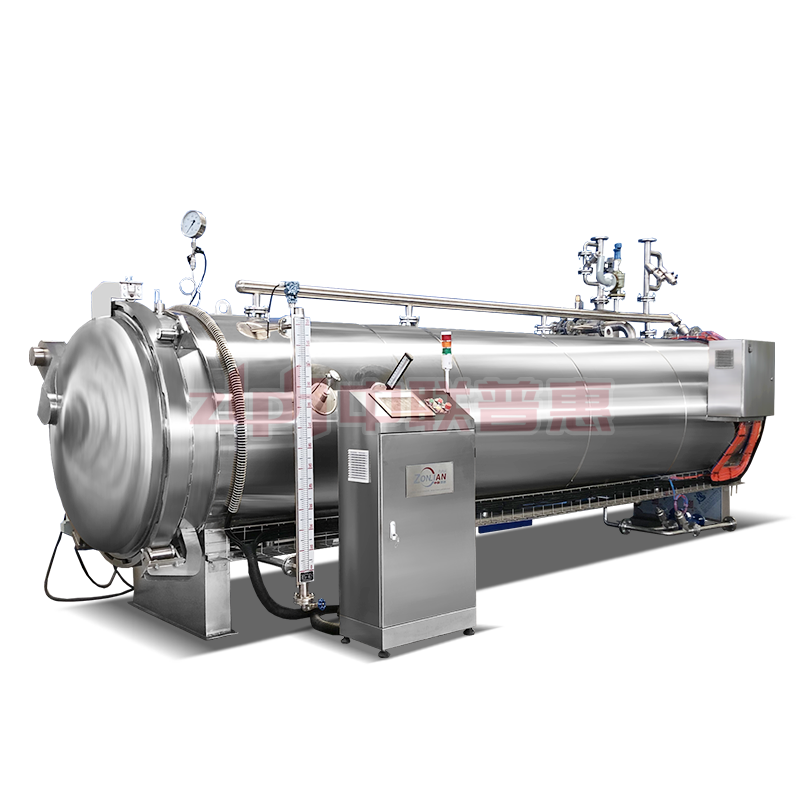
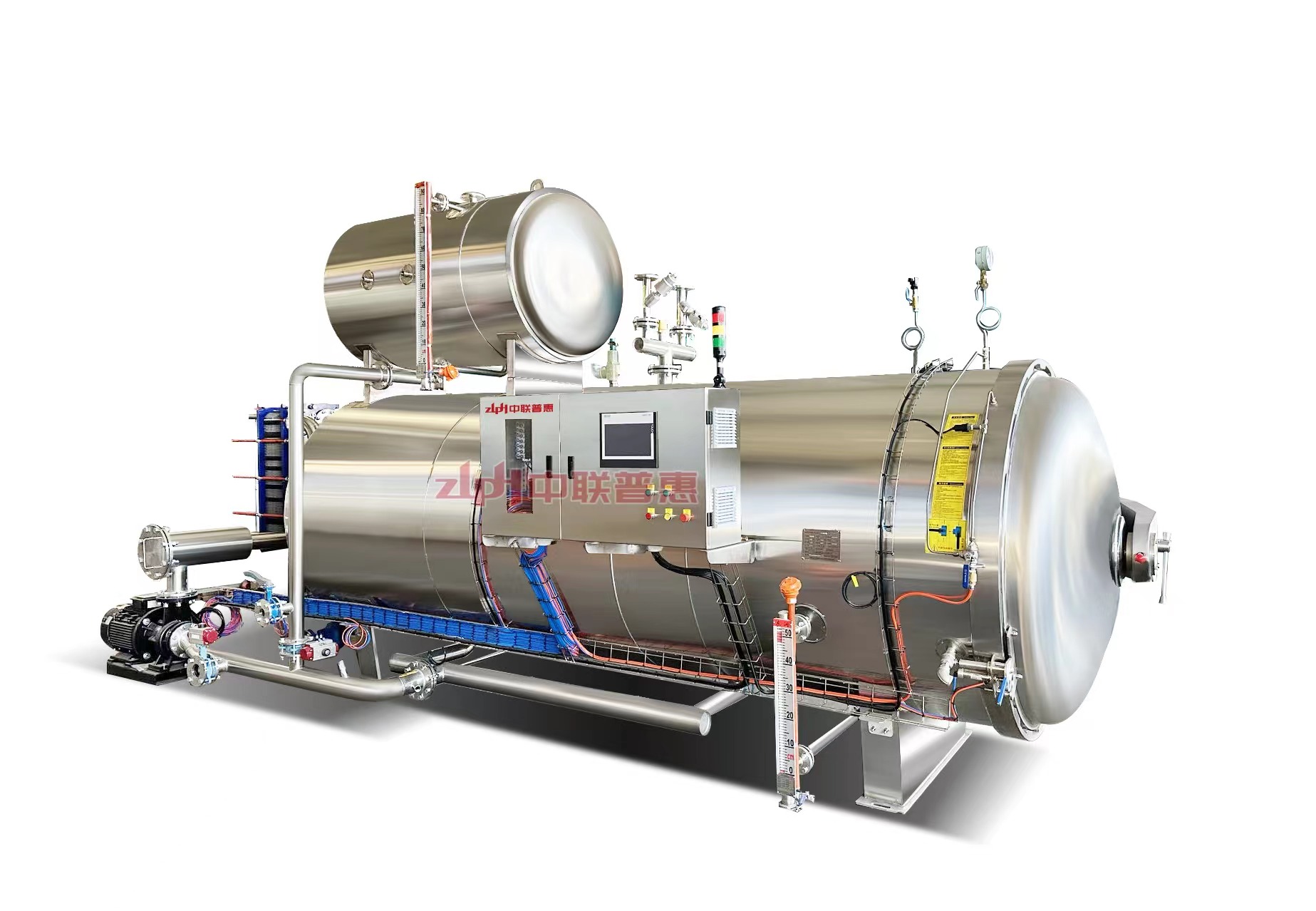
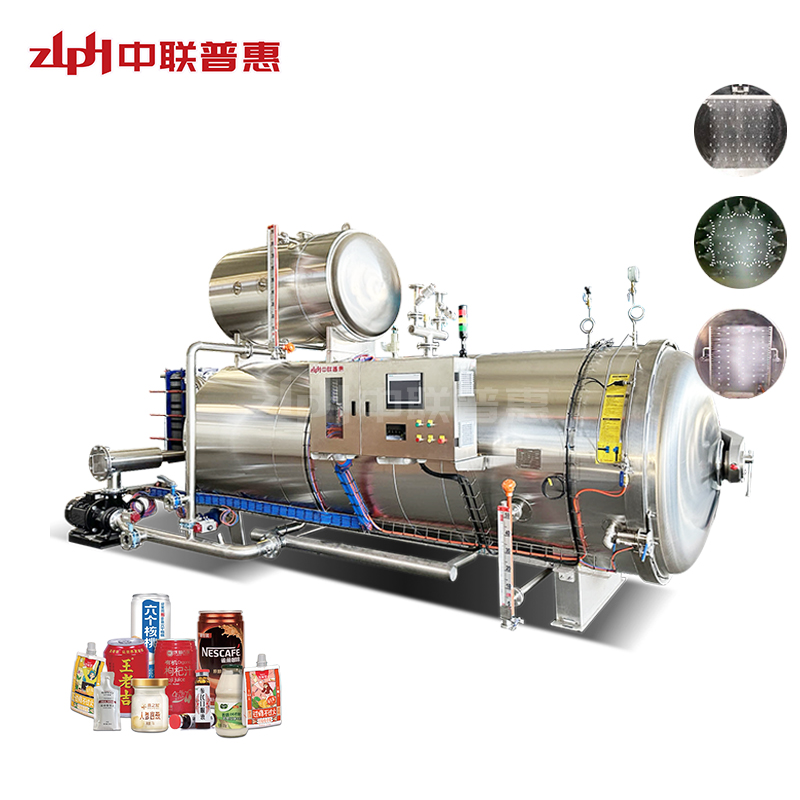
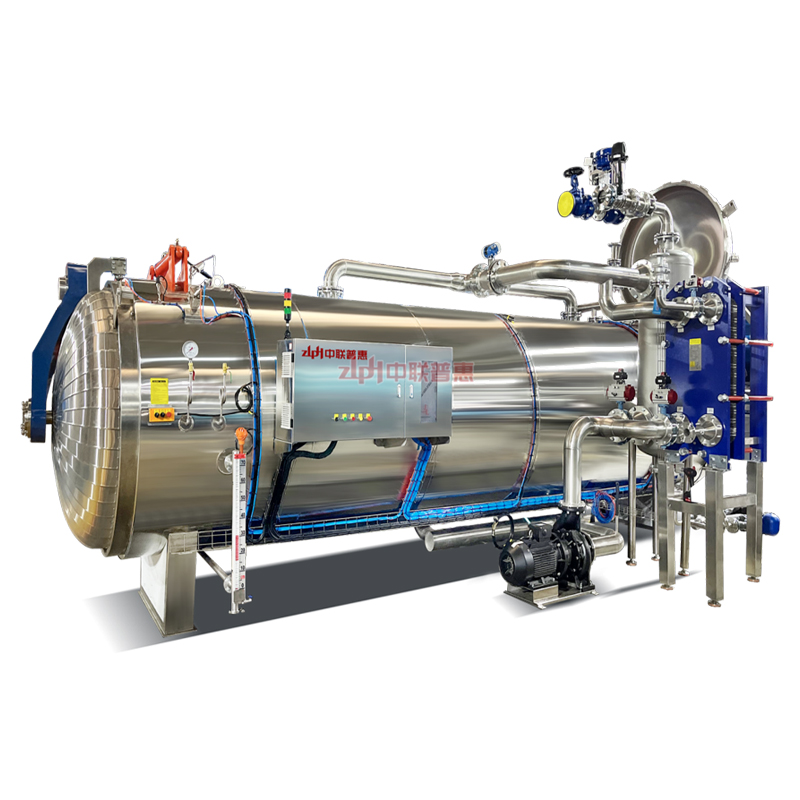
Long-Term Fix: Deploy ZLPH’s multi-zone continuous retort with independent PID-controlled heating/cooling zones and integrated wireless F0 dataloggers per basket. This enables real-time lethality tracking and automatic dwell time compensation.
Process Calibration: Conduct thermal mapping studies using 32-point probe arrays for each product format and load pattern, then store validated profiles in the system database for one-click recall.

4. Troubleshooting & Prevention Guide
Verify circulation pump flow rate meets ≥3 m/s velocity in the retort chamber; inspect spray nozzle alignment quarterly; never exceed 85% basket fill density for mixed loads. During validation, always test worst-case scenarios (e.g., largest container at highest line speed).
5. Field Validation
At a Southeast Asian ready-meal plant processing 12 SKUs hourly, implementing this approach reduced F0 deviation from ±8.5 to ±0.7, eliminated batch rejections, and cut energy use by 14% through optimized steam modulation.
How to Prevent Pouch Deformation During High-Speed Continuous Retort Processing?
1. Scenario & Pain Point
Flexible retort pouches (especially stand-up types) frequently bulge, leak, or burst during rapid pressurization/depressurization cycles in continuous systems running above 80 packs/minute, causing line stoppages and contamination risks.
2. Root Cause Analysis
Primary causes include: (1) Pressure ramp rates exceeding pouch material tolerance (typically >0.3 bar/sec); (2) Insufficient counter-pressure during cooling; (3) Poor carrier design causing pouch stacking stress.
3. Step-by-Step Solution
Hardware Upgrade: Use ZLPH’s servo-controlled pressure regulation system with programmable ramp profiles (as slow as 0.1 bar/sec).
Carrier Optimization: Switch to ventilated, single-layer carriers with individual pouch cradles to eliminate contact stress.
Cooling Protocol: Maintain 1.2–1.5 bar counter-pressure during the entire cooling phase until product core drops below 90°C.
4. Troubleshooting & Prevention Guide
Always validate pouch burst strength with your supplier under simulated retort conditions. Never skip pre-production pressure cycle testing. Monitor seal integrity weekly via dye penetration tests.
5. Field Validation
A European pet food producer reduced pouch failure rates from 3.2% to 0.08% after adopting these measures, achieving 99.95% line uptime over 18 months.
Industry Best Practices for Continuous Retort Reliability
Based on 6+ years of global deployments, ZLPH recommends this 5-step framework for robust continuous sterilization:
1. Define Worst-Case Conditions
Design validation around the most thermally resistant product at maximum line speed—not average conditions.
2. Automate Process Control
Integrate retort with MES for automatic recipe selection, eliminating manual errors during SKU changeovers.
3. Validate Thermally, Not Just Temporally
Use actual F0 data—not just time/temperature logs—to confirm lethality.
4. Maintain Circulation Integrity
Schedule monthly CIP with conductivity sensors to verify cleaning efficacy and prevent biofilm buildup in spray manifolds.
5. Partner with Full-Service Suppliers
Choose vendors offering on-site process validation support, not just equipment delivery.
Frequently Asked Questions (FAQ)
Q: Can I retrofit an existing batch retort line to continuous processing?
A: Only if your facility has sufficient floor space and utility capacity. ZLPH offers feasibility assessments including ROI analysis based on your current throughput and labor costs.
Q: What’s the minimum line speed for continuous retort to be cost-effective?
A: Typically ≥3,000 units/hour. Below this, batch systems often have lower TCO.
Q: How often should I recalibrate temperature sensors in a continuous retort?
A: Every 6 months per ISO 22000, or after any major maintenance. ZLPH systems include auto-diagnostic alerts for sensor drift.
Q: Do continuous retorts require different validation protocols than batch systems?
A: Yes—FDA’s LACF guidelines require continuous monitoring of F0 per carrier, not per batch. Our systems generate compliant audit trails automatically.
Q: Can continuous retorts handle glass jars safely?
A: Yes, with specialized carriers and controlled pressure ramps. ZLPH has validated systems for 250ml–1L glass formats.
Our Expertise & Support
ZLPH MACHINERY TECHNOLOGY CO., LTD. is a globally recognized continuous retort autoclave manufacturer founded in 2018, with 21 mechanical designers, 4 sterilization process researchers, and 14 after-sales engineers—all averaging 10+ years in food thermal processing. Our R&D team holds multiple patents in pressure-temperature synchronization and real-time F0 control. We’ve delivered over 500 continuous retort systems across 40+ countries, serving leaders in ready meals, pet food, and infant nutrition. All systems comply with CE, FDA 21 CFR Part 113, and ISO 9001 standards.
Custom Solution Support Includes:
- On-site thermal process validation & F0 mapping
- SKU-specific carrier design and testing
- Integration with existing packaging lines (fillers, labelers, palletizers)
- Free pilot testing with your actual product at our demo center
Contact Us
Company: ZLPH MACHINERY TECHNOLOGY CO., LTD.
Website: https://www.zlphretort.com/
Email: sales@zlphretort.com
Phone / WhatsApp: +86 15666798389 / +86 13361554016
