

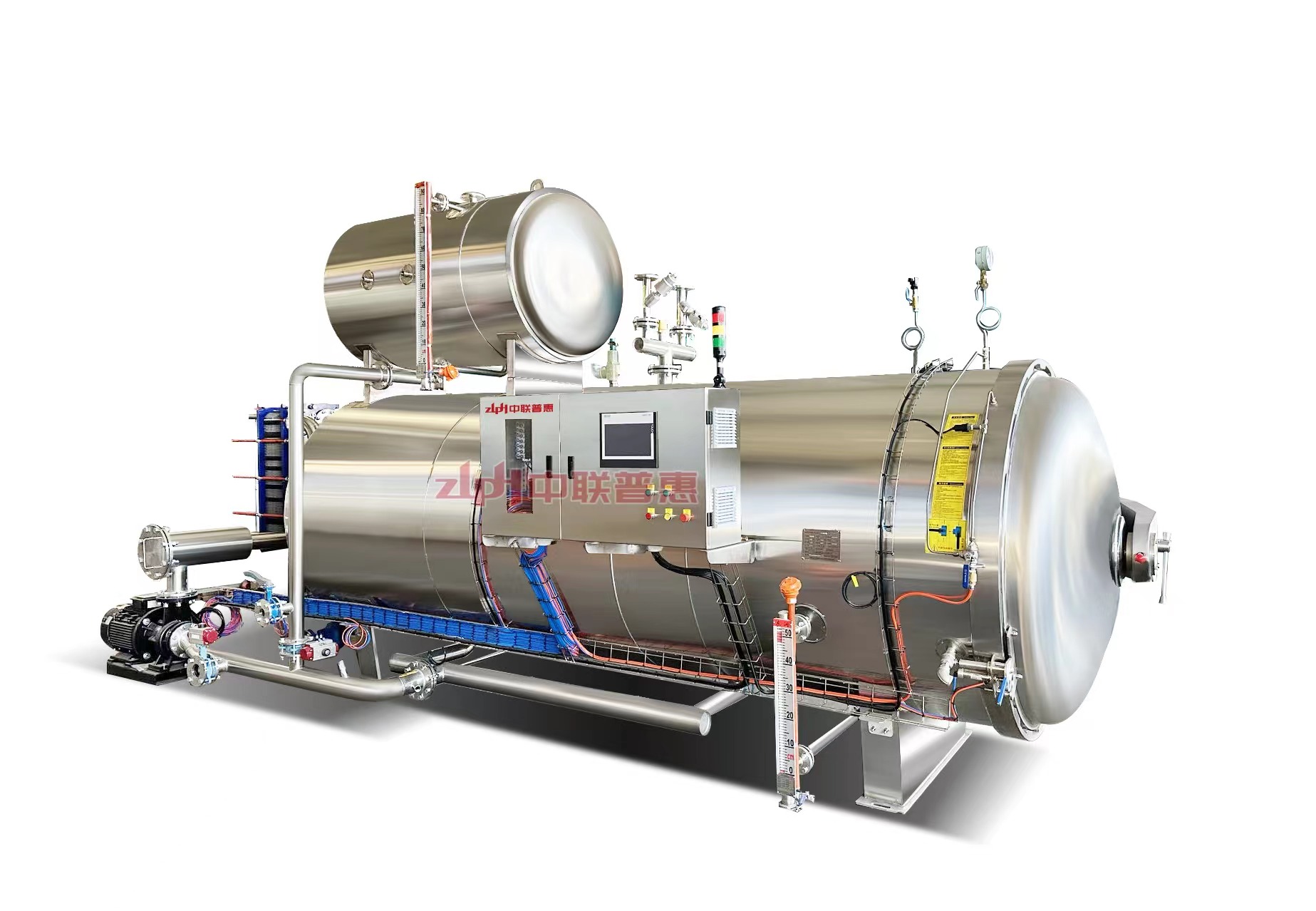
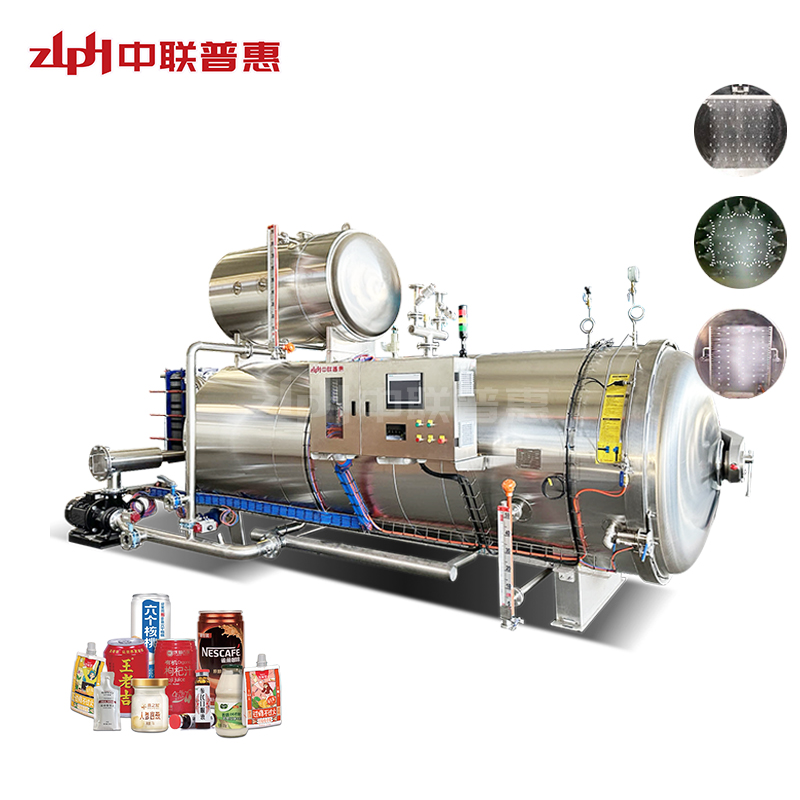
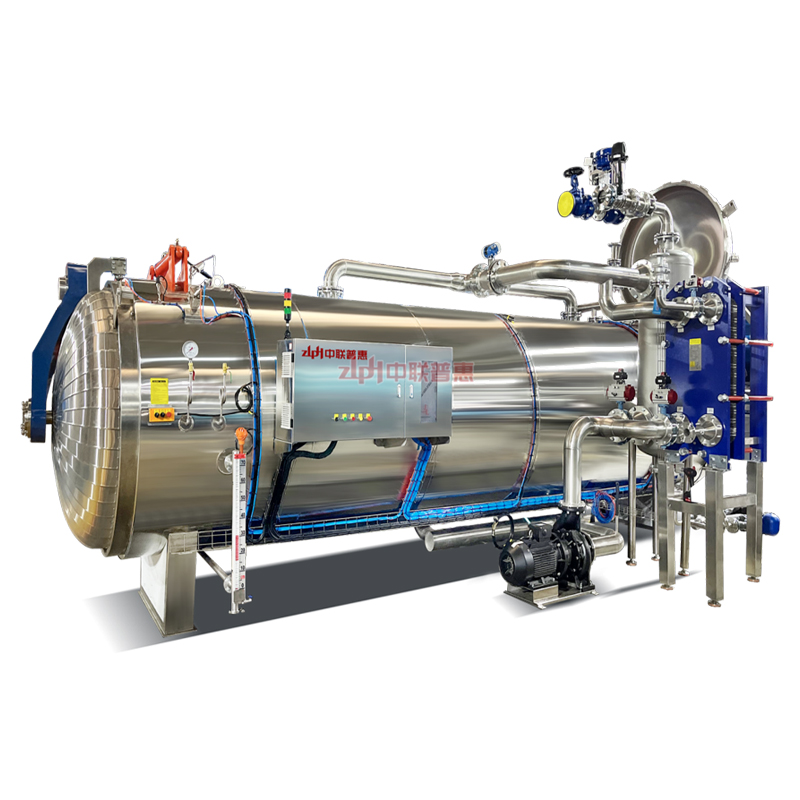
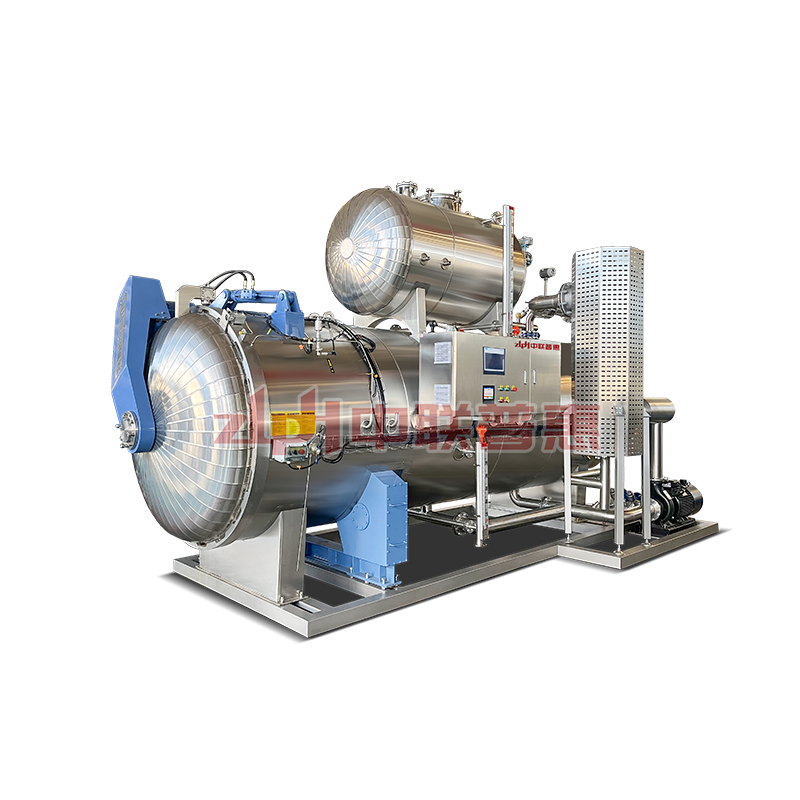
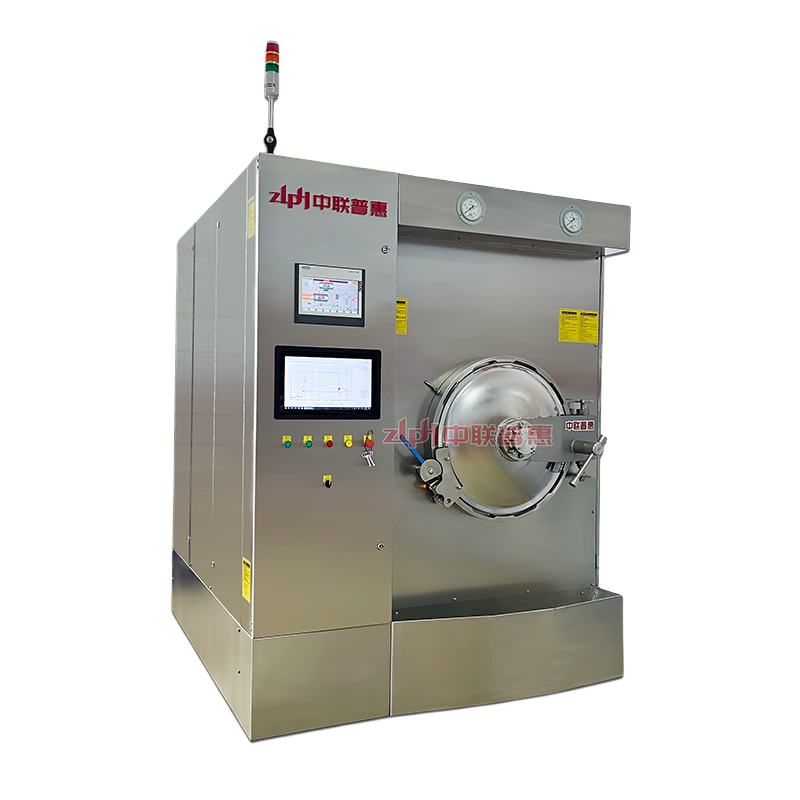
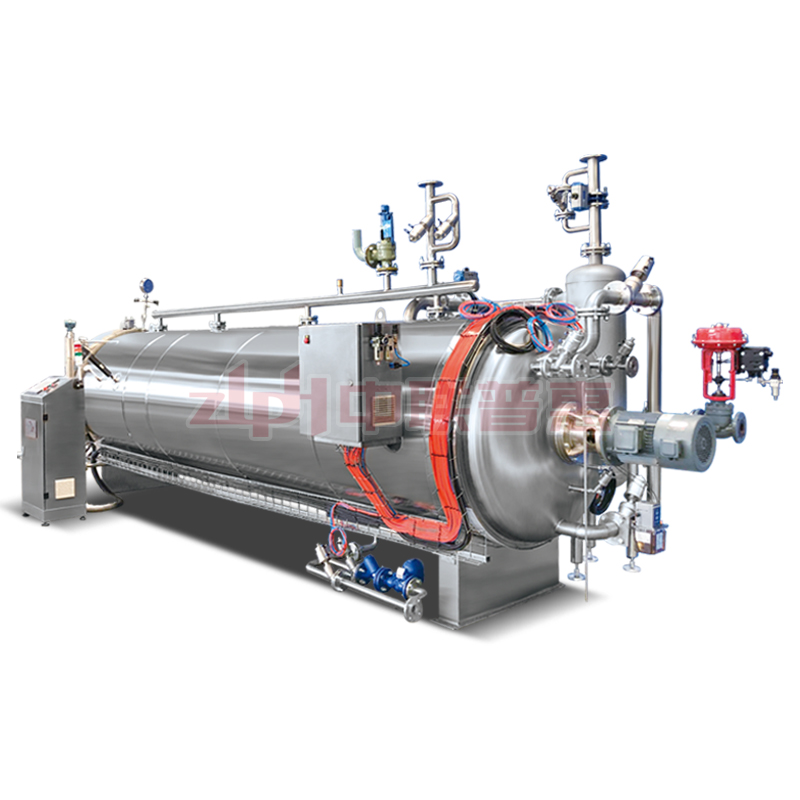
This guide is authored by a senior food processing engineer with over 10 years of experience at ZLPH MACHINERY TECHNOLOGY CO., LTD., a leading provider of intelligent sterilization solutions. It addresses a critical challenge faced by global food producers and pet food manufacturers: inconsistent or incomplete sterilization in rotary retort autoclaves, which compromises product safety, shelf life, and regulatory compliance. This issue commonly stems from uneven heat distribution, poor process control, or inadequate equipment design. Drawing on more than 5,000 global installations and extensive R&D in thermal processing, we present a proven, step-by-step methodology to ensure uniform, reliable, and efficient sterilization—critical for meeting FDA, EU, and EAC standards. The guide covers root cause analysis across key production scenarios, actionable fixes, validation protocols, and real-world performance data from our intelligent top-opening water spray rotary retorts.

How to Ensure Uniform Sterilization in High-Viscosity Canned Foods Using a Rotary Retort?
1. Scenario & Pain Point
In meat, sauce, or pet food production, high-viscosity products (e.g., stews, pâtés) often suffer from cold spots during static retort processing, leading to under-sterilization and spoilage risks. Even with rotation, inconsistent drum speed or poor water circulation can leave core temperatures below lethal levels for pathogens like Clostridium botulinum.

2. Root Cause Analysis
Three primary factors contribute: (1) insufficient rotational speed fails to induce adequate convection inside the can; (2) non-uniform spray nozzles create temperature gradients in the chamber; (3) lack of real-time temperature monitoring prevents dynamic adjustment of cycle parameters.

3. Step-by-Step Solution
Immediate Adjustment: Optimize rotation speed (typically 8–12 RPM) based on product viscosity and can size to ensure internal fluid movement.
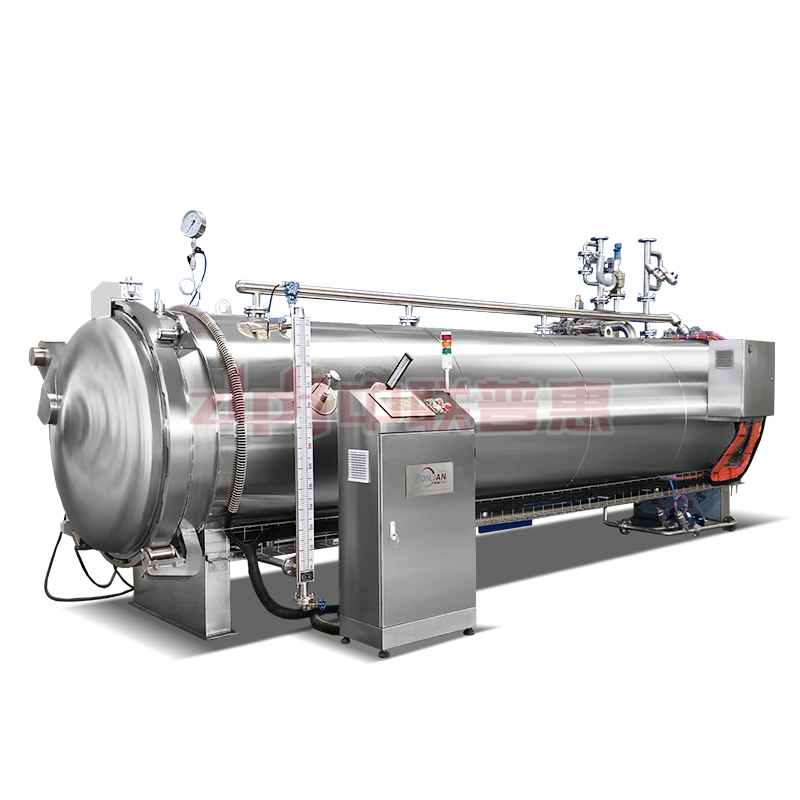
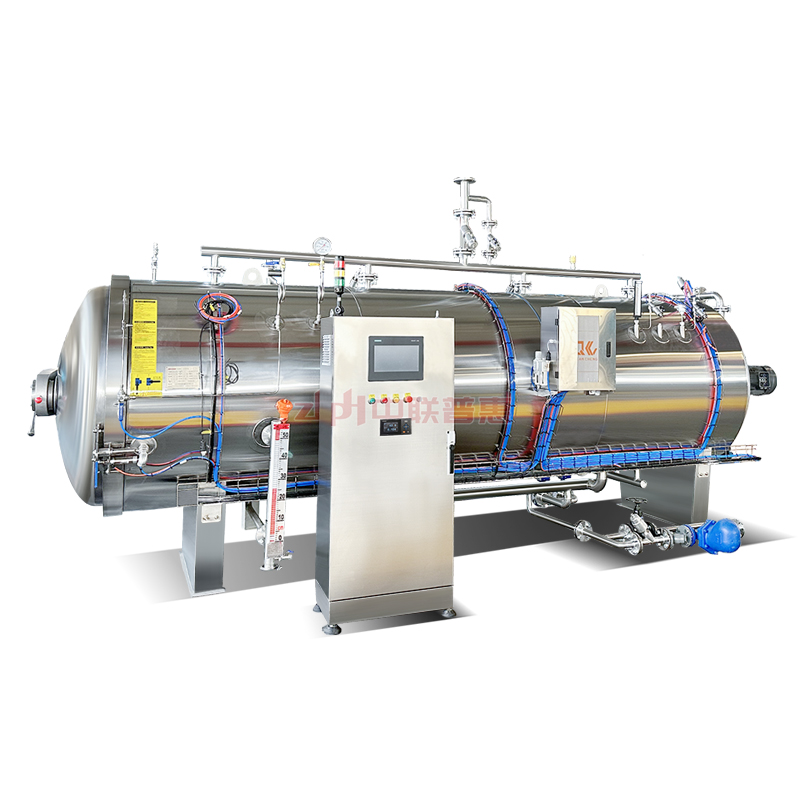
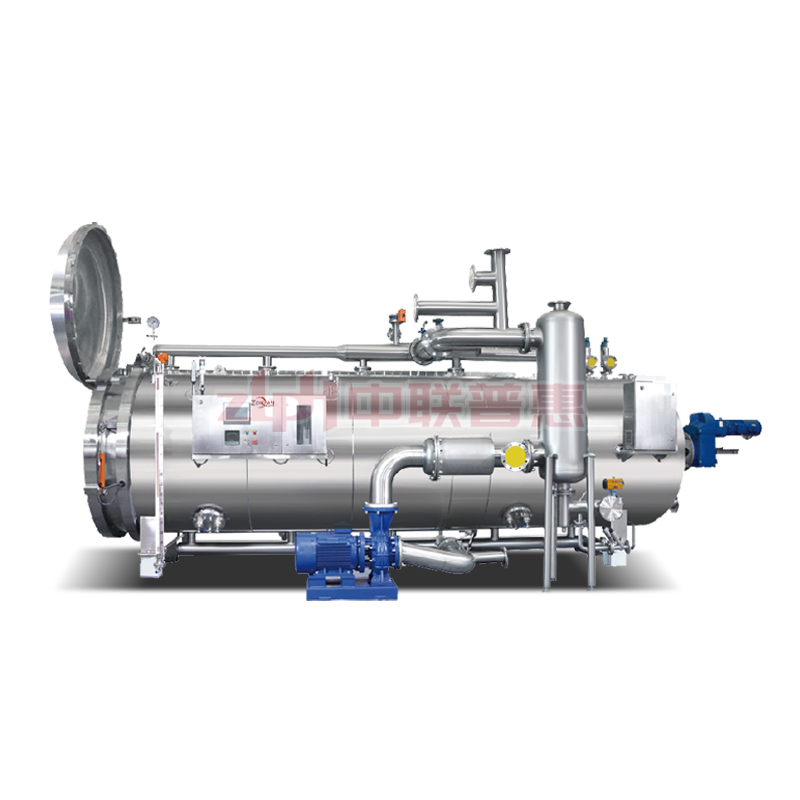
System Upgrade: Deploy ZLPH’s intelligent top-opening water spray rotary retort, featuring 360° full-coverage nozzles and variable-frequency drive for precise drum control.
Process Control: Integrate multi-point temperature sensors with PLC-based feedback loops to auto-adjust steam/water injection, maintaining ±0.5°C uniformity across all zones.

4. Pitfall Avoidance Guide
Avoid fixed-speed rotation regardless of product type. Always validate thermal distribution using dummy cans with data loggers before full production. Never rely solely on chamber temperature—core product temperature is the true indicator.
5. Validation Results
At a major European pet food facility, switching to ZLPH’s system reduced F₀ deviation from ±8 minutes to ±1.2 minutes across 10,000+ cycles, achieving 100% compliance in third-party audits and extending shelf life by 30%.
How to Prevent Container Damage During Rotary Retort Processing of Glass Jars?
1. Scenario & Pain Point
Glass jar breakage during rotation causes production halts, contamination risks, and yield loss—especially with delicate gourmet or baby food products.
2. Root Cause Analysis
Main causes include mechanical shock from abrupt starts/stops, uneven load balancing, and thermal stress from rapid heating/cooling without pressure compensation.
3. Step-by-Step Solution
Use soft-start/soft-stop motor control to eliminate jerk forces. Implement automatic tray loading/unloading systems to ensure symmetrical basket arrangement. Apply counter-pressure control during cooling to match internal product pressure, preventing implosion.
4. Pitfall Avoidance Guide
Never overload baskets asymmetrically. Always preheat glass containers gradually. Use ZLPH’s integrated pressure-temperature synchronization algorithm to maintain ΔP < 0.3 bar throughout the cycle.
5. Validation Results
A Russian baby food producer reduced glass breakage from 4.7% to 0.2% after adopting ZLPH’s rotary retort with synchronized pressure control, validated over 6 months of continuous operation.
Industry Best Practices: 5-Step Framework for Reliable Rotary Retort Operation
Based on 6+ years of global project deployment, ZLPH recommends this universal troubleshooting framework:
- Define Environment & Symptoms: Record product type, container material, cycle parameters, and failure mode (e.g., swelling, leakage, microbial test failure).
- Eliminate External Factors: Check basket alignment, nozzle blockage, steam quality, and water conductivity—60% of issues originate here.
- Diagnose Core Cause: Classify as thermal (uneven heating), mechanical (rotation instability), or control-related (sensor drift).
- Apply Targeted Fix: Combine hardware optimization (e.g., nozzle upgrade) with software tuning (PID parameter adjustment).
- Validate & Prevent Recurrence: Conduct 3 consecutive successful validation runs and implement monthly preventive maintenance.
Best Practice Principles:
- Design for Worst Case: Size your retort for peak load and most challenging product, not average conditions.
- Certification First: Ensure equipment holds ASME, CE, and EAC certifications for seamless market access.
- Partner with Full-Service Suppliers: Choose vendors offering on-site commissioning and 24/7 remote diagnostics.
Frequently Asked Questions (FAQ)
Q: Can standard static retorts be retrofitted for rotation?
A: Not safely or effectively. Rotary retorts require reinforced vessels, precision bearings, and dynamic sealing—only purpose-built systems like ZLPH’s ensure reliability and certification compliance.
Q: What certifications are required for rotary retorts in Europe and Russia?
A: CE marking (EU Machinery Directive) and EAC certification (Eurasian Customs Union) are mandatory. ZLPH holds both, plus ASME U2 stamp for pressure vessel integrity.
Q: How to validate sterilization uniformity without disrupting production?
A: Use wireless temperature dataloggers in dummy cans during routine batches. ZLPH’s systems support real-time F₀ calculation and automated report generation for audit readiness.
Q: Is water spray better than steam-air for viscous products?
A: Yes. Water spray provides faster, more uniform heat transfer due to higher thermal conductivity—critical for thick products. ZLPH’s top-opening design ensures full spray coverage without dead zones.
Q: What’s the minimum batch size for economic rotary retort use?
A: Modern systems like ZLPH’s are scalable down to 1-basket units (≈200L), making them viable even for SMEs producing premium canned goods.
About Our Expertise & Support
ZLPH MACHINERY TECHNOLOGY CO., LTD. is a globally recognized innovator in intelligent sterilization systems since 2018. Our team includes 21 mechanical and PLC engineers, 4 sterilization process specialists, and 14 after-sales technicians—all with 10+ years in thermal processing. We operate a 15,000m² smart factory with advanced CNC and welding lines, ensuring micron-level precision in retort fabrication. Our solutions are certified under ASME, CE, EAC, Malaysia DOSH, and China Special Equipment License, enabling seamless deployment across 30+ countries.
Custom Solution Support Includes:
- On-site thermal process validation & cycle optimization
- Custom basket/tray design for unique container geometries
- Integration with existing MES or SCADA systems
- Free pilot testing with your actual product samples
Contact Us
Company: ZLPH MACHINERY TECHNOLOGY CO., LTD.
Website: https://www.zlphretort.com/
Email: sales@zlphretort.com
Phone / WhatsApp: +86 13361554016
