

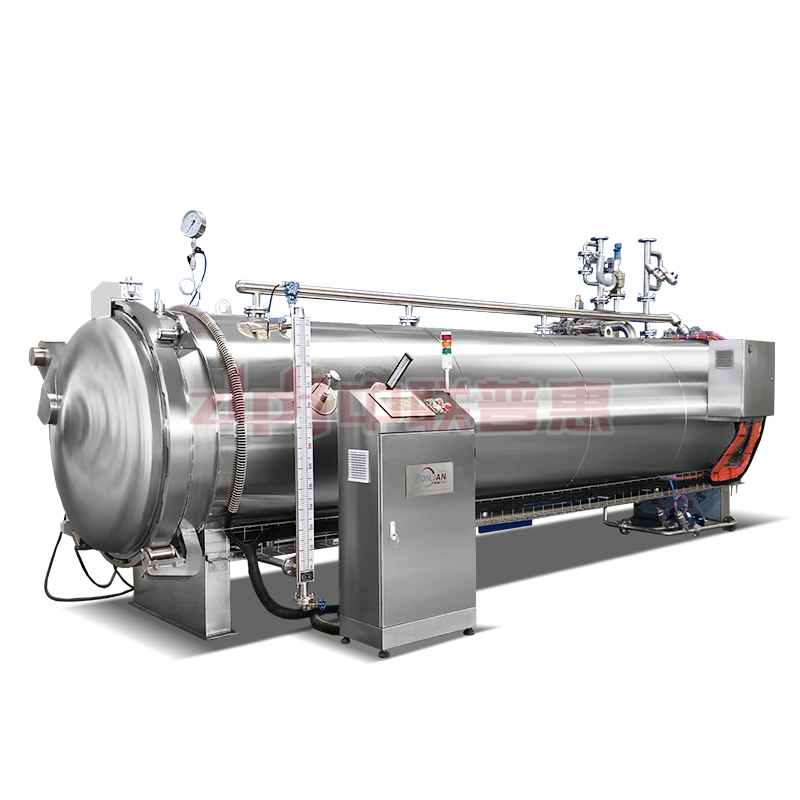
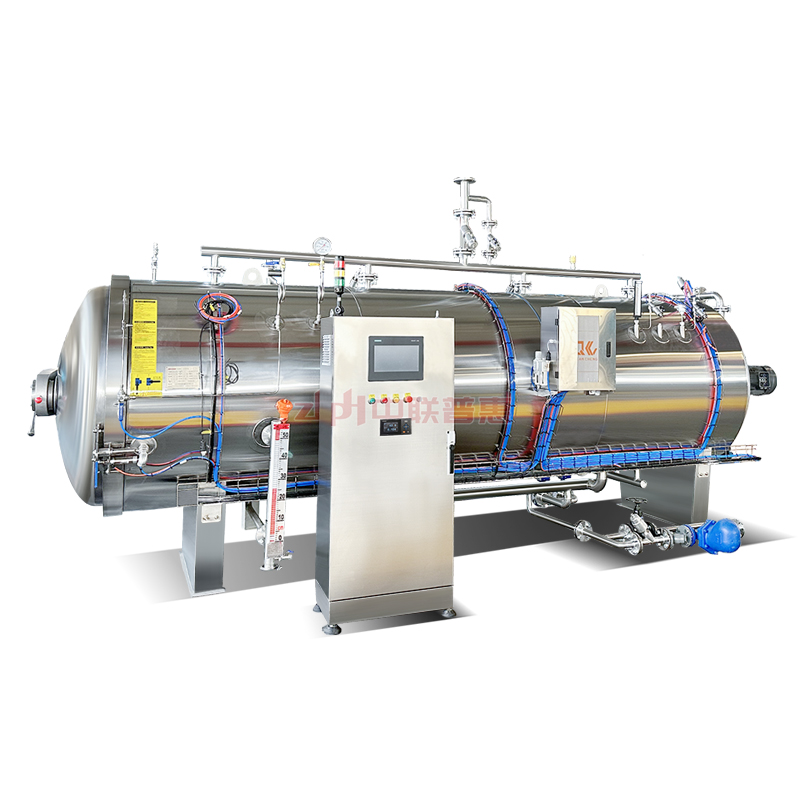
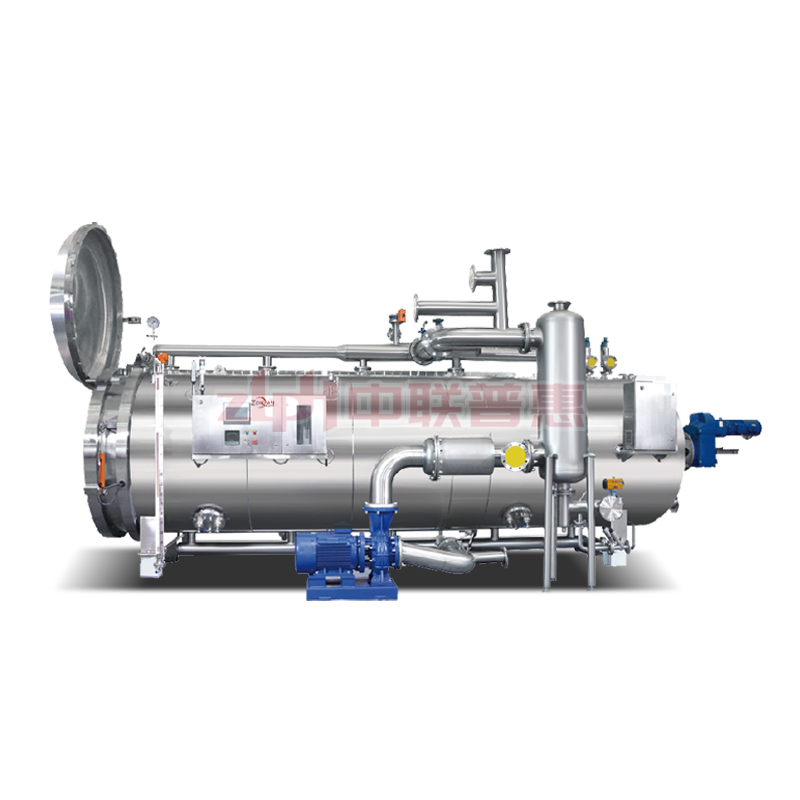
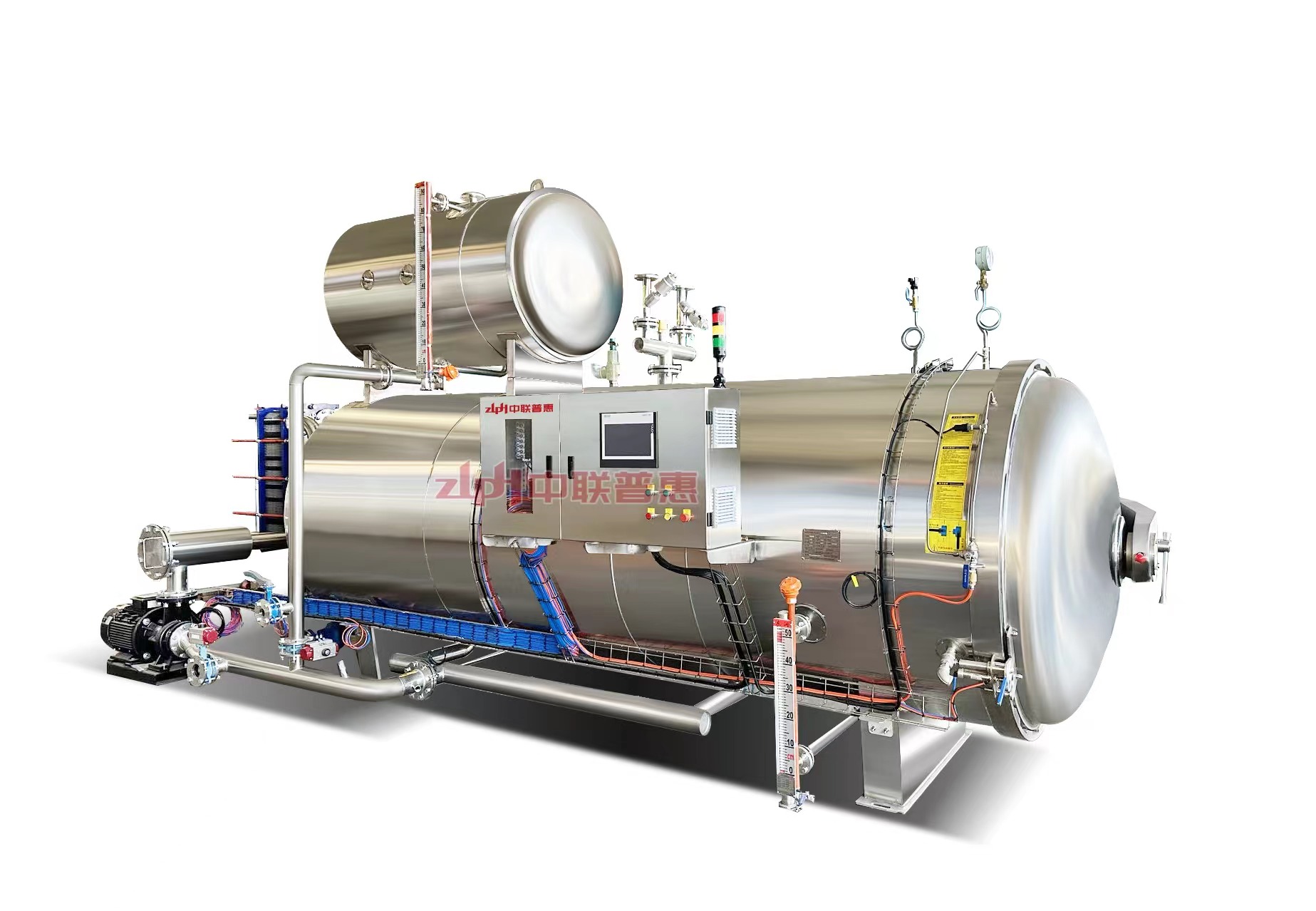
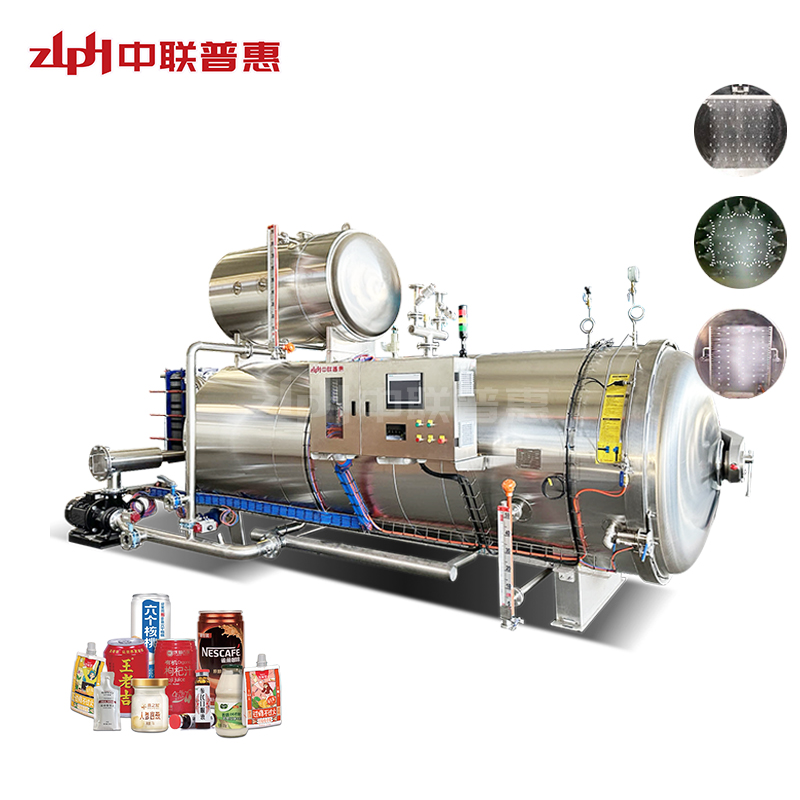
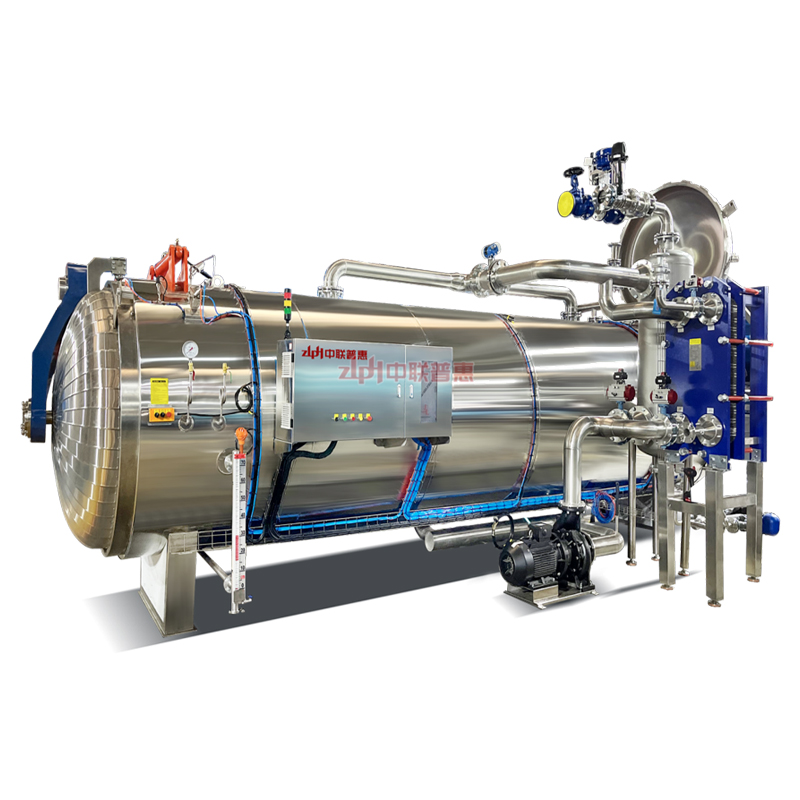
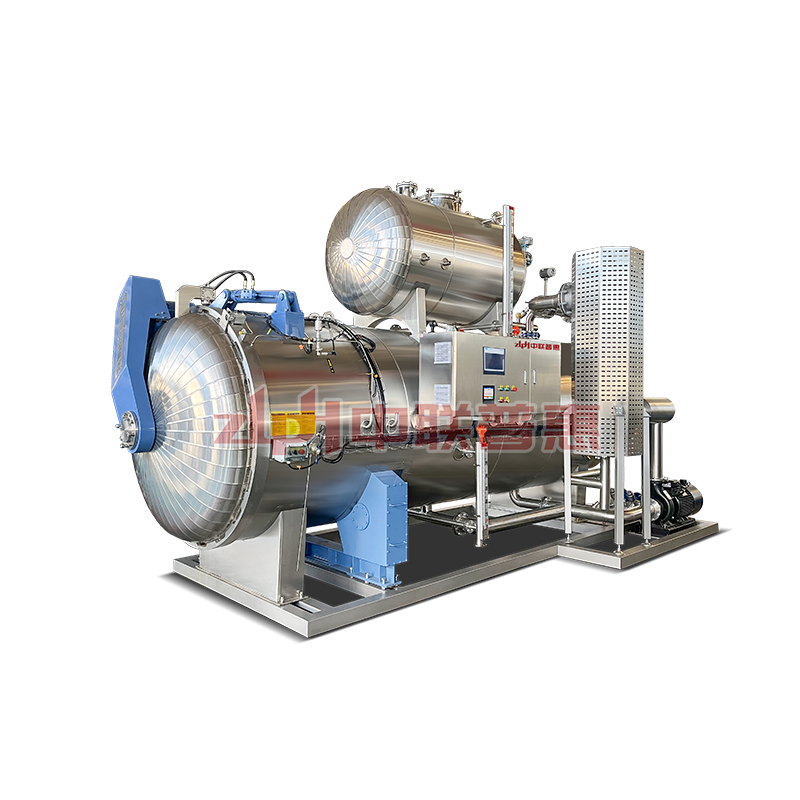
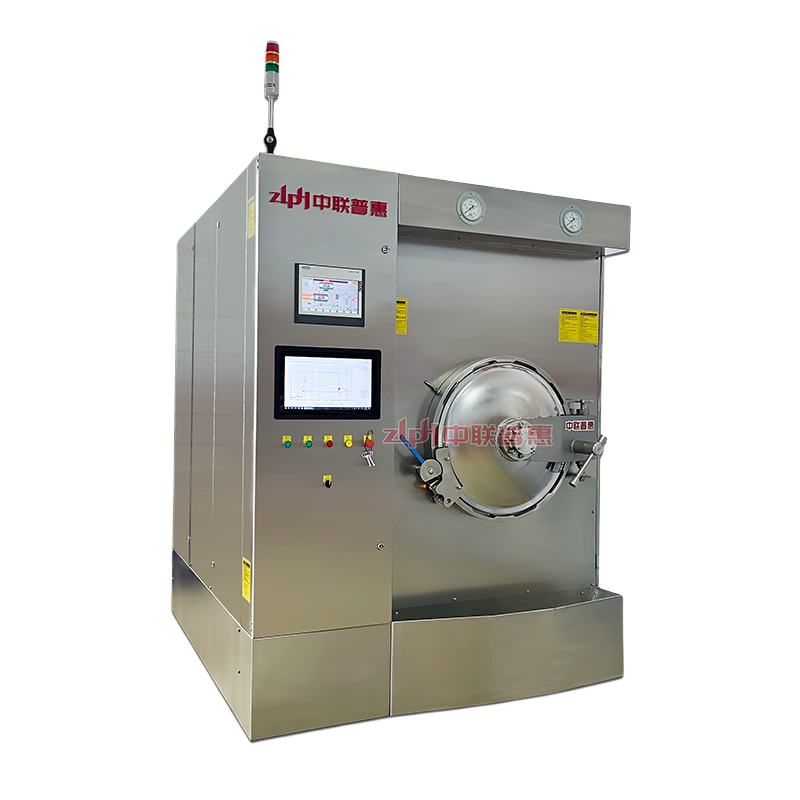
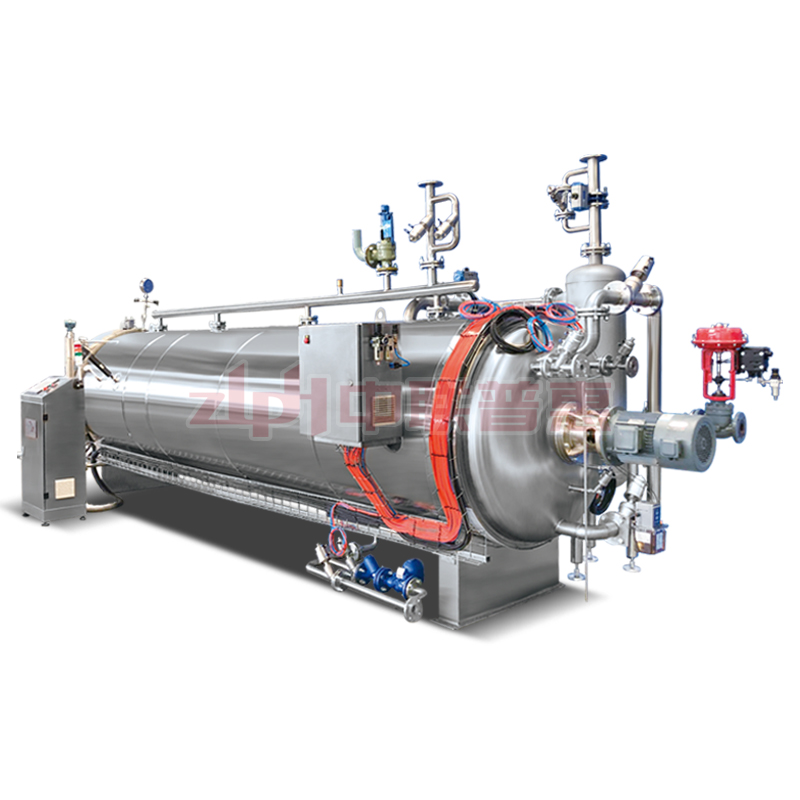
This guide is authored by a senior food processing automation engineer with over 10 years of experience at ZLPH MACHINERY TECHNOLOGY CO., LTD., a leading Chinese supplier of rotary retort autoclaves. It addresses a critical challenge faced by global food and pet food producers: inconsistent sterilization results during batch processing in rotary retorts. This issue often stems from uneven heat distribution, improper loading patterns, or inadequate process control—leading to under-sterilized products (safety risks) or overcooked batches (quality loss and waste). Based on more than 500 global installations and rigorous validation across diverse product types—from canned vegetables to premium pet meals—we’ve developed a proven, step-by-step methodology to ensure uniform thermal lethality, regulatory compliance, and optimal product quality. In this guide, we break down real-world scenarios, root causes, actionable fixes, and field-validated best practices to help you achieve reliable, repeatable sterilization outcomes every cycle.

How to Ensure Uniform Heat Distribution in a Rotary Retort During Canned Soup Processing?
1. Scenario & Pain Point
In a mid-sized soup cannery, operators observed inconsistent texture and microbial test failures in identical cans processed in the same batch. Some cans near the center of the retort basket showed insufficient F₀ values (<2.5), while edge units were overcooked, causing nutrient degradation and package swelling.

2. Root Cause Analysis
Three primary factors contributed: (1) non-uniform tray loading causing dead zones with poor water circulation; (2) lack of real-time temperature monitoring at multiple basket positions; (3) fixed rotation speed not optimized for viscous soup products, limiting internal convection.

3. Step-by-Step Solution
Immediate Fix: Reconfigure basket loading using ZLPH’s staggered tray pattern to maximize water flow between cans. Install wireless dataloggers at core, edge, and bottom positions to map thermal profiles.
Long-Term Fix: Deploy ZLPH’s intelligent rotary retort with variable-speed drive (0–12 RPM) and multi-zone spray nozzles. The system dynamically adjusts rotation based on product viscosity and fill level.
Process Tuning: Use ZLPH’s proprietary sterilization algorithm to calculate optimal come-up time (CUT) and hold duration, validated against FDA’s Lethality Guidelines.

4. Pitfall Avoidance Guide
Never load trays flush against retort walls—maintain ≥5 cm clearance. Avoid mixing can sizes in one batch. Always validate thermal uniformity after changing product formulations. Conduct quarterly calibration of pressure/temperature sensors per ASME BPVC Section VIII standards.
5. Field Validation
After implementing ZLPH’s solution at a Southeast Asian soup plant, F₀ variation dropped from ±1.8 to ±0.3 across 1,200 cans/batch. Microbial rejection rates fell to 0%, and energy consumption decreased by 12% due to precise cycle control.
How to Prevent Package Deformation in Pet Food Bowl Sterilization Using Rotary Autoclaves?
1. Scenario & Pain Point
A premium pet food brand using aluminum bowls experienced lid detachment and bowl warping during rotary sterilization, causing leakage and customer complaints. Traditional static retorts couldn’t handle the bowl geometry.
2. Root Cause Analysis
Excessive internal pressure buildup during rapid heating, combined with uncontrolled rotation torque, stressed the bowl-lid seal. Standard water-spray systems created localized hot spots on thin-gauge aluminum.
3. Step-by-Step Solution
Hardware Upgrade: Use ZLPH’s top-opening rotary retort with gentle-start rotation (ramp-up over 90 sec) and full-perimeter mist nozzles for even cooling.
Process Control: Implement staged pressure ramping—match internal product pressure via ZLPH’s auto-compensating backpressure system (0–3 bar adjustable).
Tray Design: Utilize custom cradles that secure bowls without constraining thermal expansion.
4. Pitfall Avoidance Guide
Never exceed 1.5 bar differential pressure during heating phase for aluminum packaging. Pre-test seal integrity at 121°C before full-scale runs. Monitor cooling rate—quenching below 40°C/min induces stress fractures.
5. Field Validation
At Petfair Asia 2023, ZLPH demonstrated this solution achieving zero deformation across 5,000+ bowls/hour. Clients reported 99.98% package integrity and 30% faster cycle times versus legacy systems.
Industry Best Practices for Rotary Retort Reliability
Based on 6+ years of global deployments, ZLPH recommends this 5-step framework for consistent sterilization:
1. Define Worst-Case Conditions
Validate cycles at maximum product load, lowest thermal conductivity formulation, and peak ambient temperature—not ideal lab conditions.
2. Enforce Loading SOPs
Use laser-guided tray alignment and weight sensors to prevent human error in basket configuration.
3. Monitor in Real Time
Deploy ≥3 independent temperature probes per basket zone with cloud-based anomaly alerts.
4. Certify Compliance
Ensure equipment holds ASME, CE, and EAC certifications—critical for EU, Russian, and North American market access.
5. Schedule Predictive Maintenance
Replace gaskets every 500 cycles; recalibrate pressure transducers quarterly; inspect spray nozzles monthly for clogging.
Frequently Asked Questions (FAQ)
Q: Can standard static retorts be upgraded to rotary functionality?
A: No—rotary systems require integrated drive mechanisms, reinforced vessels, and dynamic sealing. Retrofitting compromises safety and voids certifications.
Q: What’s the minimum batch size for cost-effective rotary retort use?
A: ZLPH’s compact models (e.g., RR-500) handle batches as small as 200 liters, ideal for specialty food startups.
Q: How to validate sterilization for low-acid foods (pH >4.6)?
A: Conduct thermal death time studies per FDA 21 CFR 113, using Clostridium botulinum surrogate organisms in worst-case product locations.
Q: Are ZLPH retorts compatible with IoT factory systems?
A: Yes—all models feature OPC-UA and Modbus TCP interfaces for seamless integration with MES/SCADA platforms.
Q: What maintenance reduces downtime most effectively?
A: Weekly inspection of rotary shaft seals and automatic lubrication system checks cut unplanned stops by 70%.
Our Technical Authority & Support
ZLPH MACHINERY TECHNOLOGY CO., LTD. has delivered over 500 rotary retort systems since 2018, backed by 21 mechanical/PLC engineers and 4 sterilization process experts with 10+ years’ field experience. Our 15,000m² Qingdao facility holds ASME “U” Stamp authorization, EU CE, Russian EAC, and Malaysia DOSH certifications—ensuring global regulatory compliance. We offer:
- On-site thermal process validation per AAMI ST79 standards
- Custom tray loader/unloader integration for fully automated lines
- Free sample sterilization trials at our application lab
- 24/7 remote diagnostics via secure cloud portal
Contact Us
Company: ZLPH MACHINERY TECHNOLOGY CO., LTD.
Website: https://www.zlphretort.com/
Email: sales@zlphretort.com
Phone / WhatsApp: +86 15666798389 / +86 13361554016
