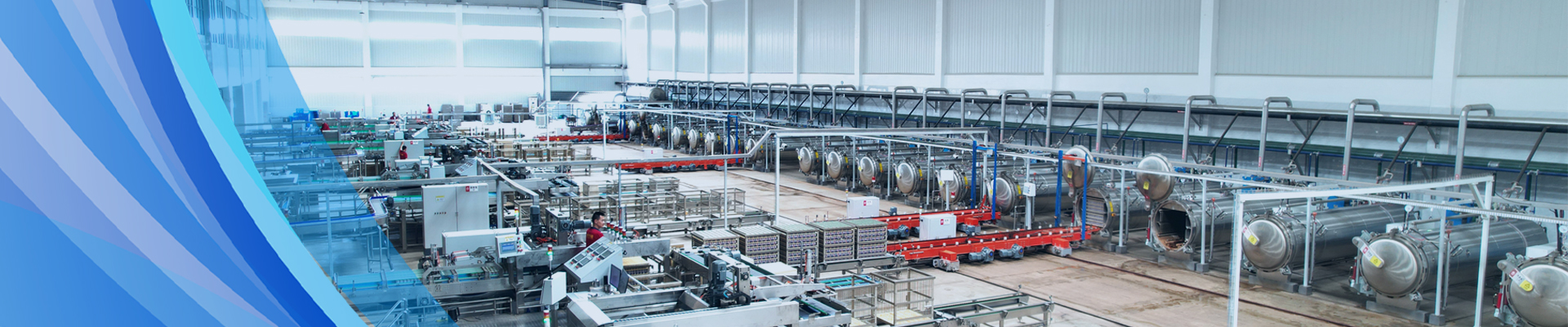

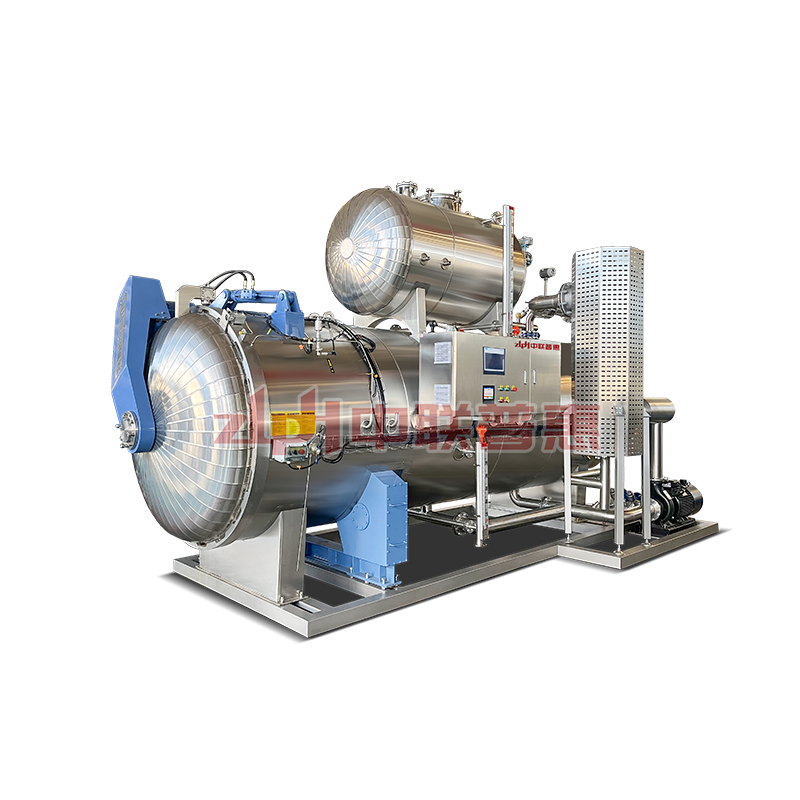
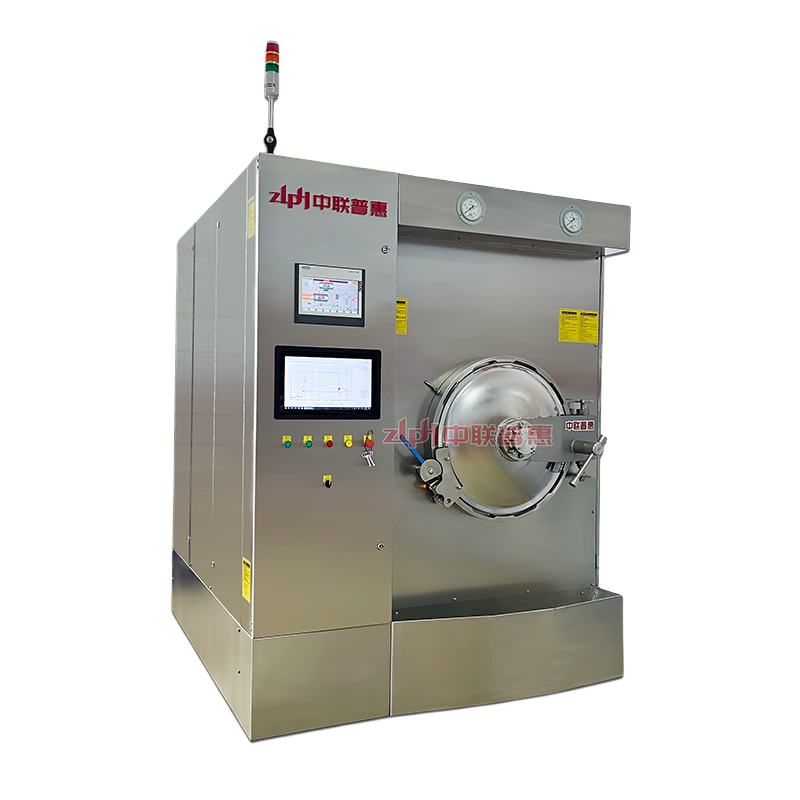
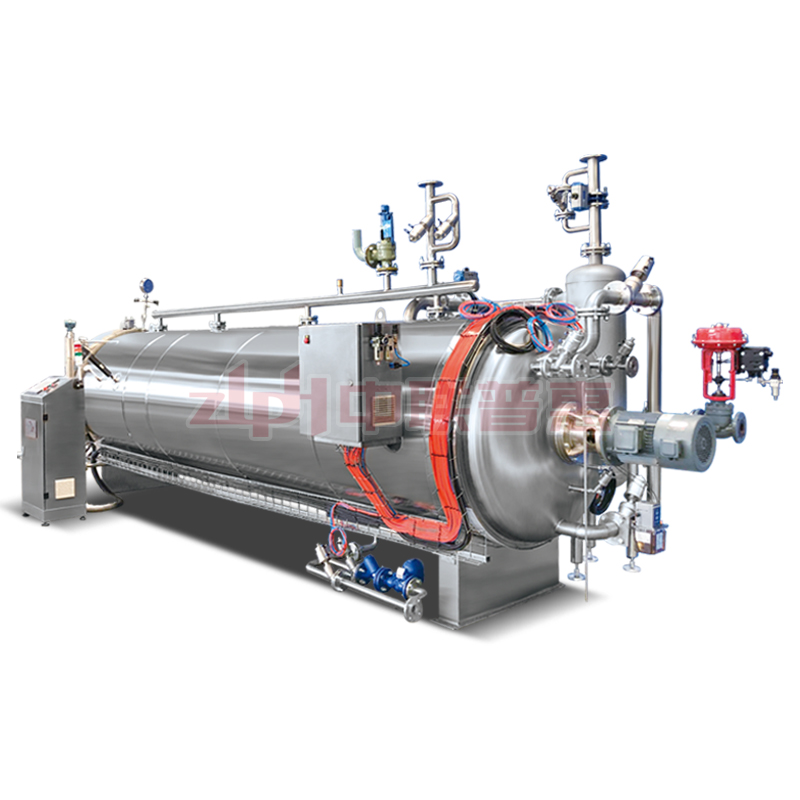
This guide is authored by a senior food processing automation engineer with over 10 years of field experience at ZLPH MACHINERY TECHNOLOGY CO., LTD., a leading global provider of intelligent sterilization solutions. It addresses a critical challenge faced by food and pet food manufacturers worldwide: inconsistent or incomplete sterilization in rotary retort autoclaves during high-volume production.

Inconsistent sterilization in rotary retorts has long plagued the canned food, ready-to-eat meal, and pet food industries, primarily due to uneven heat distribution, poor process control, and inefficient loading/unloading systems. After validating solutions across more than 5,000 global installations—including projects in Russia, Southeast Asia, and the Middle East—we’ve developed a proven, step-by-step methodology that ensures uniform lethality, maintains product quality, and boosts throughput by up to 30%. This guide breaks down root causes by real-world scenario, delivers actionable fixes, shares hard-won lessons from the field, and validates results with measurable outcomes—all grounded in international food safety standards and actual client deployments.

How to Ensure Uniform Heat Distribution in Large-Batch Rotary Retort Sterilization?
1. Scenario & Pain Point
In facilities producing canned meats or pet food in trays, operators often observe under-sterilized zones in the center of large retort loads, especially when batch sizes exceed 1,000 units. This leads to failed microbial tests, product recalls, and compliance risks under FDA or EU regulations.

2. Root Cause Analysis
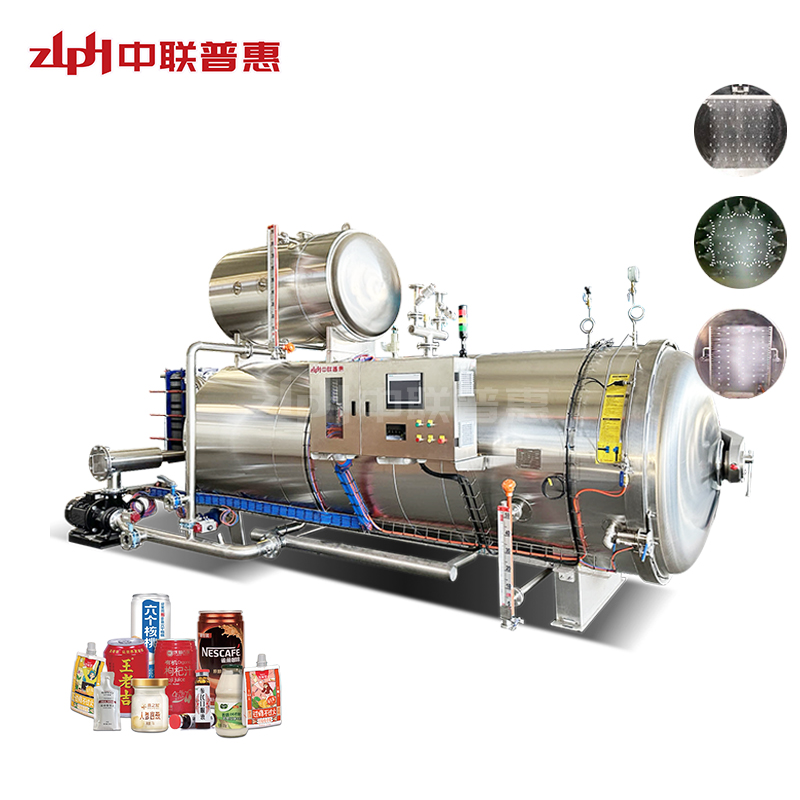
Three key factors drive this issue: (1) inadequate water spray coverage due to fixed nozzles; (2) lack of synchronized rotation and temperature ramping; and (3) dense stacking that blocks thermal convection. Traditional static retorts cannot compensate for these dynamics during high-speed cycles.

3. Step-by-Step Solution
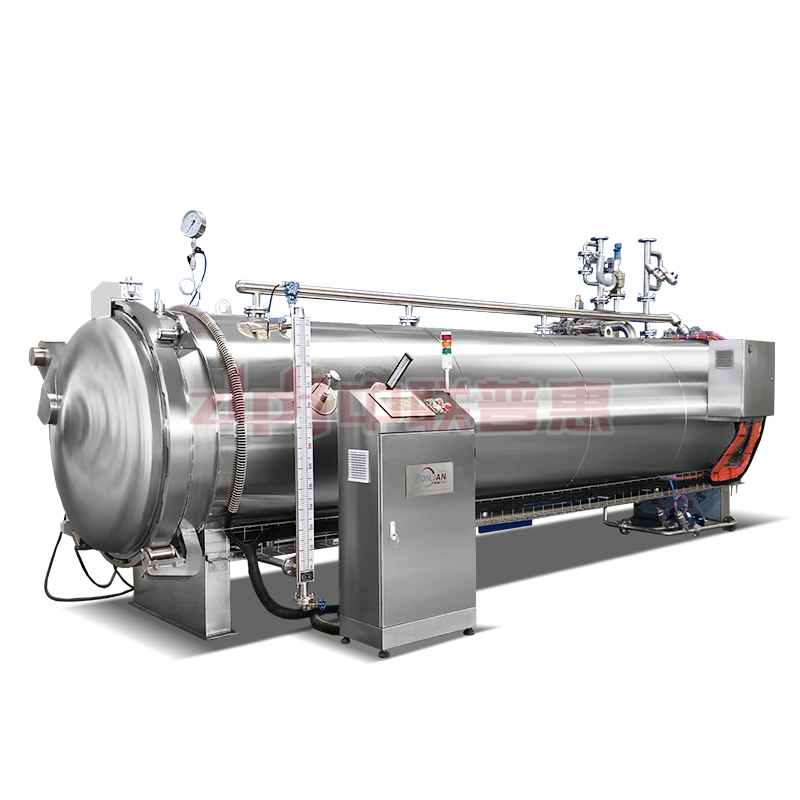
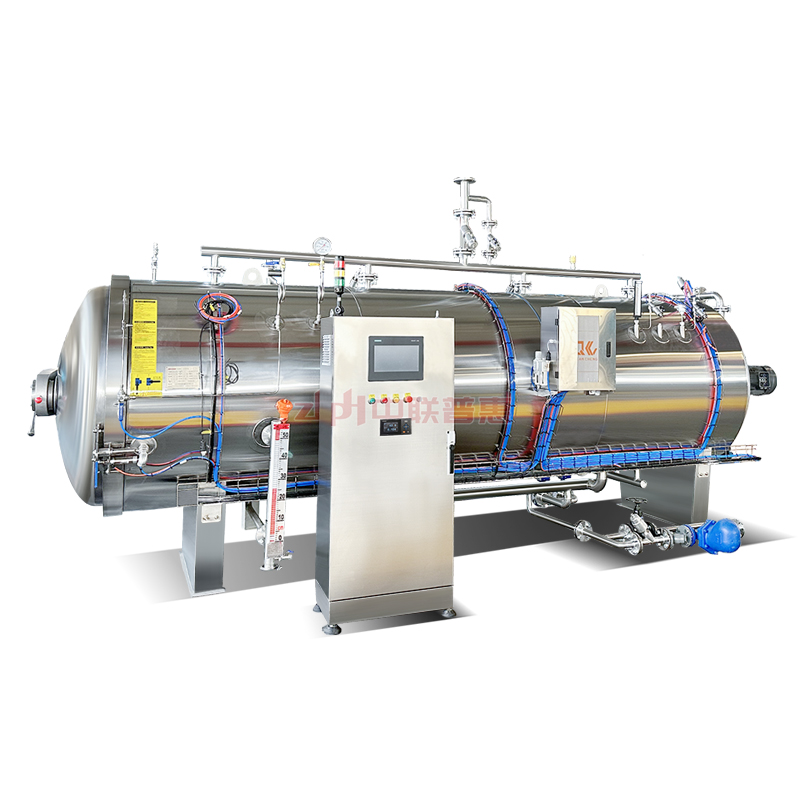
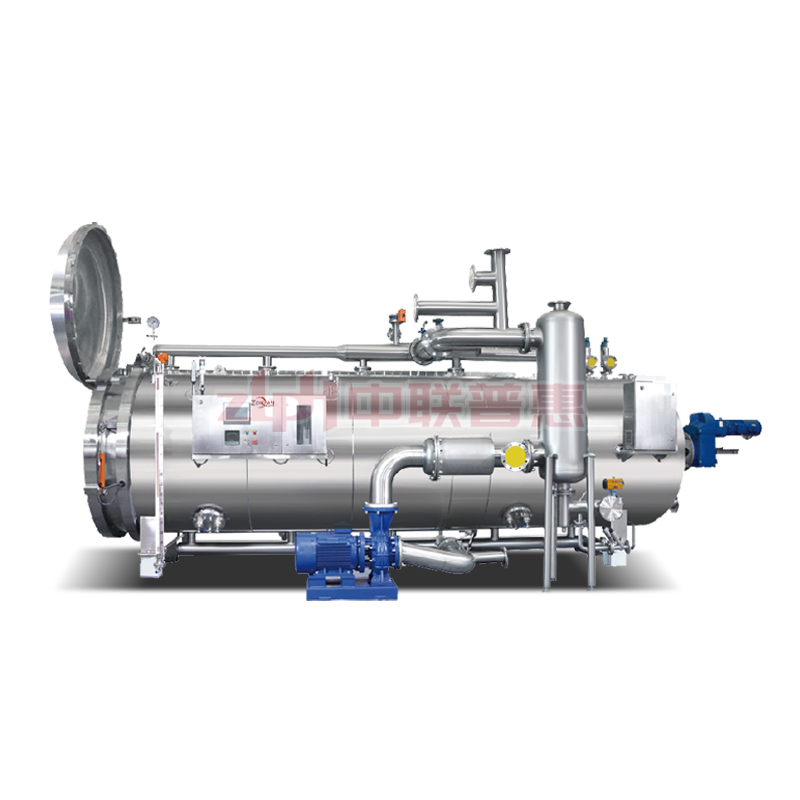
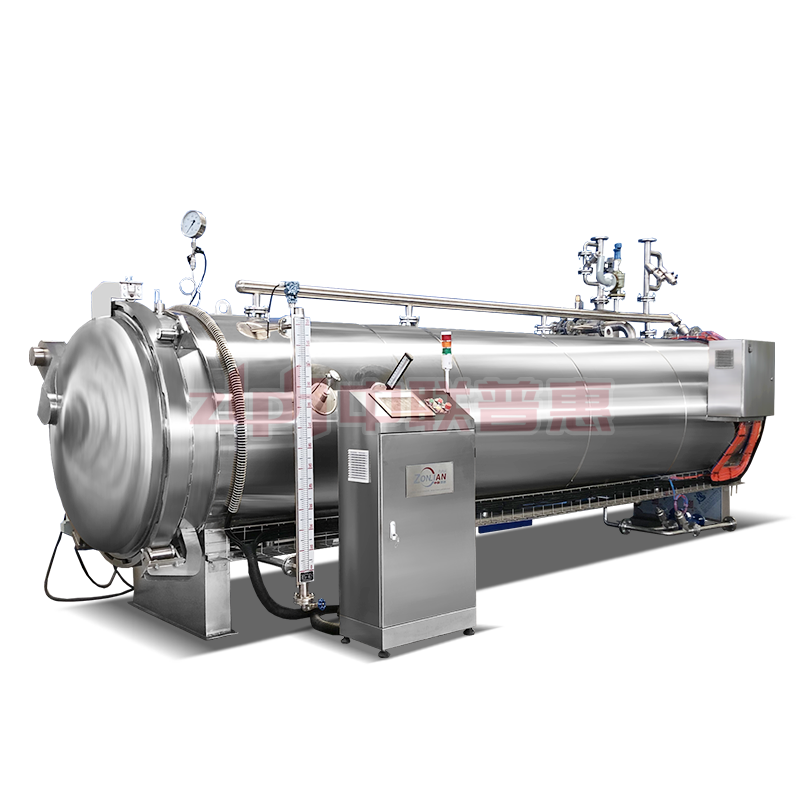
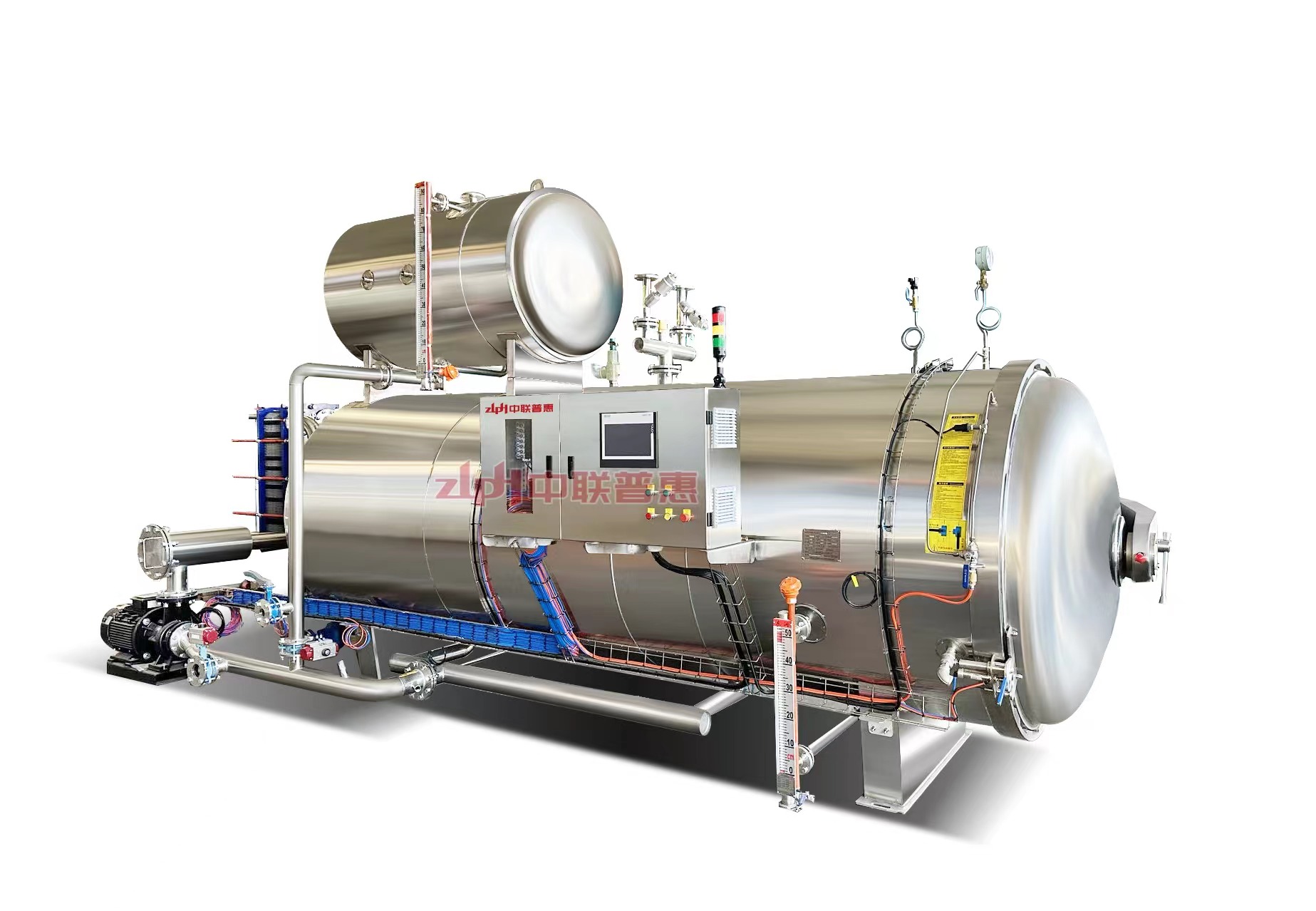
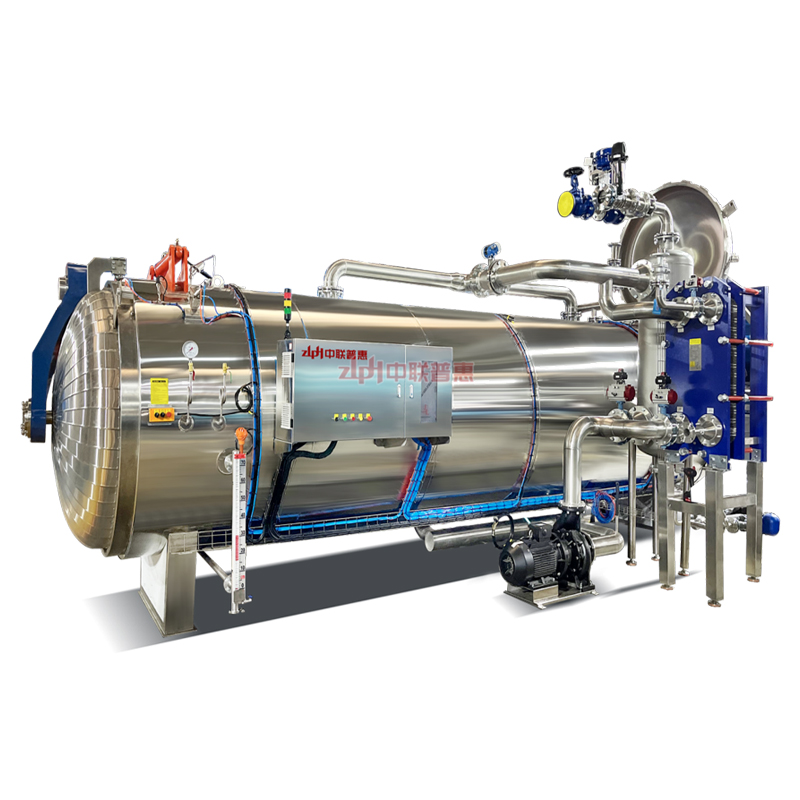
Immediate fix: Reconfigure tray spacing using standardized retort baskets to allow 5–8 cm clearance between layers. Long-term solution: Deploy an intelligent top-opening water spray rotary retort equipped with multi-angle, pressure-regulated spray nozzles and synchronized PLC-controlled rotation. This ensures 360° water impingement and consistent F₀ values across all containers.
4. Pitfall Avoidance Guide
Never overload beyond 85% chamber capacity. Always validate thermal profiles using data loggers placed in cold-spot locations. Avoid manual rotation adjustments—rely on automated speed-torque curves matched to product viscosity.
5. Validation Results
At a major pet food plant in Malaysia, implementing ZLPH’s rotary water spray system reduced cold-spot variance from ±4.2°C to ±0.8°C, achieving 100% compliance in 12 consecutive audits and cutting reprocessing costs by $180,000 annually.
How to Prevent Product Damage During Automated Loading/Unloading of Retort Trays?
1. Scenario & Pain Point
Fragile bowl-packaged meals or glass jars often crack or tip during robotic handling, causing leaks, contamination, and line stoppages—especially in high-speed lines exceeding 600 trays/hour.
2. Root Cause Analysis
Standard grippers apply excessive force, and conveyor misalignment induces lateral shock. Additionally, non-synchronized transfer between loader and retort door creates timing gaps that destabilize trays.
3. Step-by-Step Solution
Integrate a vision-guided tray loader/unloader with adaptive grip pressure and soft-motion servo control. Pair it with ZLPH’s upper-door retort design, which enables seamless horizontal tray entry without vertical lifting—minimizing drop height and vibration.
4. Pitfall Avoidance Guide
Calibrate gripper force weekly using torque sensors. Ensure conveyor belts are level within ±1 mm tolerance. Never bypass the interlock between retort door open signal and loader activation.
5. Validation Results
During the Qingdao Exhibition, clients reported a 92% reduction in tray damage after adopting this integrated system, with uptime increasing from 82% to 97% in continuous 24/7 operations.
Industry Best Practices for Rotary Retort Reliability
Based on 6+ years of global deployments, we recommend this 5-step framework to ensure consistent, compliant sterilization:
1. Define Worst-Case Conditions
Design for peak ambient temperature, highest product density, and longest cycle—not average conditions.
2. Standardize Basket & Tray Design
Use perforated, stackable trays with uniform geometry to guarantee repeatable thermal flow.
3. Implement Real-Time Monitoring
Deploy IoT-enabled PLCs that log temperature, pressure, and rotation speed per batch, enabling instant deviation alerts.
4. Conduct Monthly Thermal Mapping
Re-validate cold spots quarterly using wireless data loggers per ASME BPVC Section VIII guidelines.
5. Partner with Certified Suppliers
Only work with manufacturers holding ASME, CE, and EAC certifications to ensure equipment meets global safety codes.
Frequently Asked Questions (FAQ)
Q: Can standard static retorts be upgraded to rotary functionality?
A: No—rotary sterilization requires integrated mechanical rotation, dynamic spray manifolds, and reinforced chamber design. Retrofitting is unsafe and non-compliant with pressure vessel codes.
Q: What certifications are required for retorts sold in Europe and Russia?
A: CE marking under PED 2014/68/EU and EAC certification per TR CU 032/2013 are mandatory. ZLPH holds both, plus ASME U-Stamp authorization.
Q: How often should spray nozzles be cleaned?
A: Clean every 50 cycles or weekly—whichever comes first—using CIP (Clean-in-Place) with food-grade descalers to prevent mineral buildup that disrupts spray patterns.
Q: Does rotation speed affect sterilization efficacy?
A: Yes. Optimal speed (typically 2–6 RPM) ensures gentle tumbling without centrifugal separation. Too fast causes product shear; too slow creates thermal stratification.
Q: Are ZLPH retorts suitable for acidic foods like tomatoes or pet gravy?
A: Yes—all wetted parts use SS316L or higher-grade stainless steel, certified for pH 2.5–9.0 applications, preventing corrosion and metal leaching.
Our Expertise & Support
ZLPH MACHINERY TECHNOLOGY CO., LTD. is a globally recognized manufacturer of intelligent sterilization systems, founded in 2018 with a 21-member R&D team specializing in mechanical design, PLC automation, and sterilization science. We hold ASME, CE, EAC, and Malaysia DOSH certifications and operate a 15,000 m² ISO-compliant factory on a 50-acre campus. Our solutions serve clients across 30+ countries, including Fortune 500 food producers and premium pet food brands.
We offer tailored support including: (1) on-site thermal process validation; (2) custom tray loader integration; (3) remote PLC diagnostics; and (4) free pilot testing with your actual product. All systems undergo FAT (Factory Acceptance Test) before shipment.
Contact Us
Company: ZLPH MACHINERY TECHNOLOGY CO., LTD.
Website: https://www.zlphretort.com/
Email: sales@zlphretort.com
Phone / WhatsApp: +86 13361554016
