

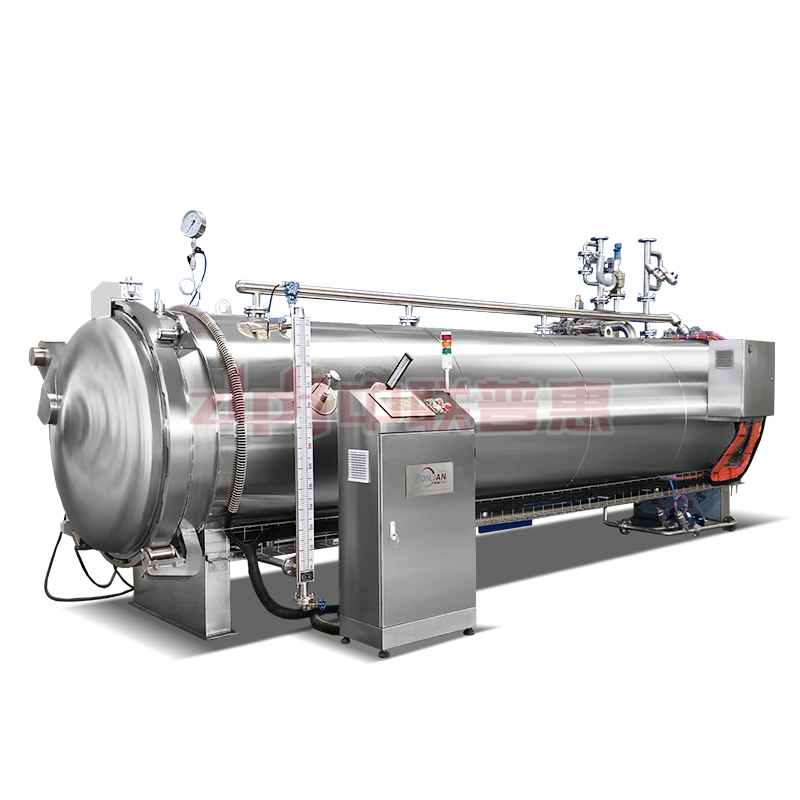
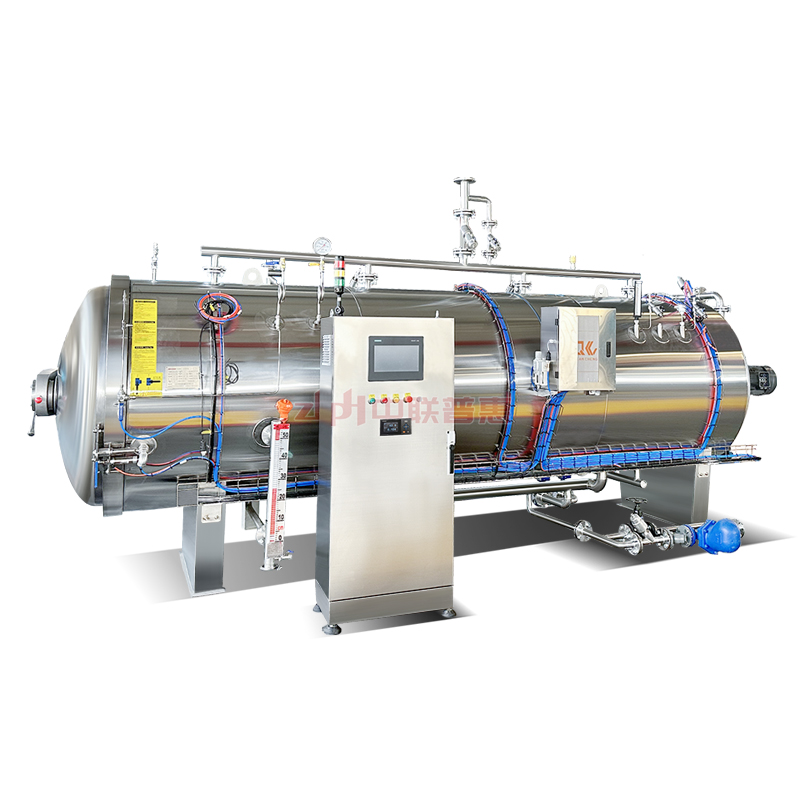
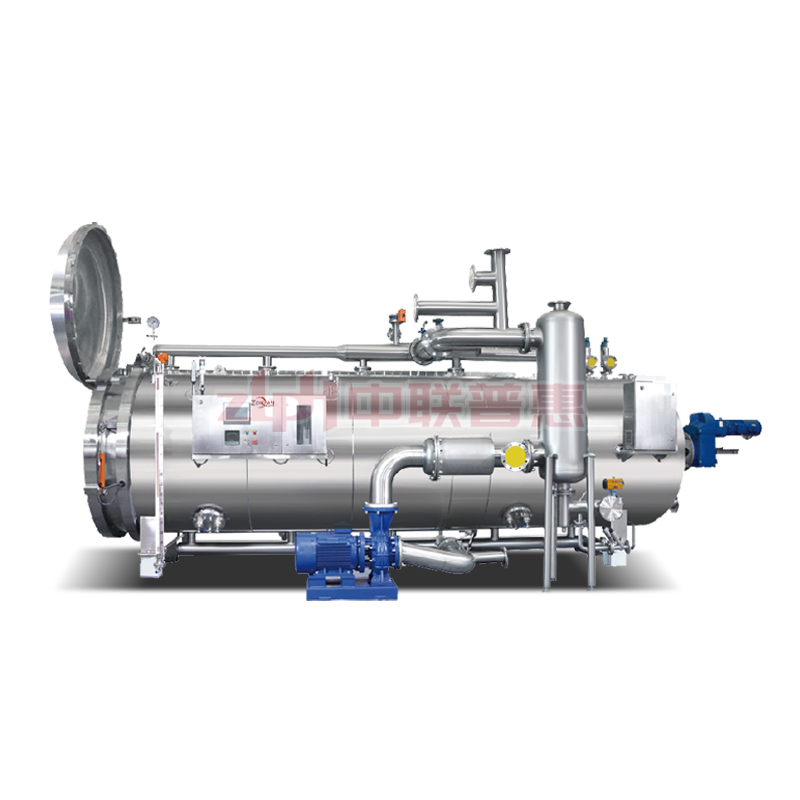
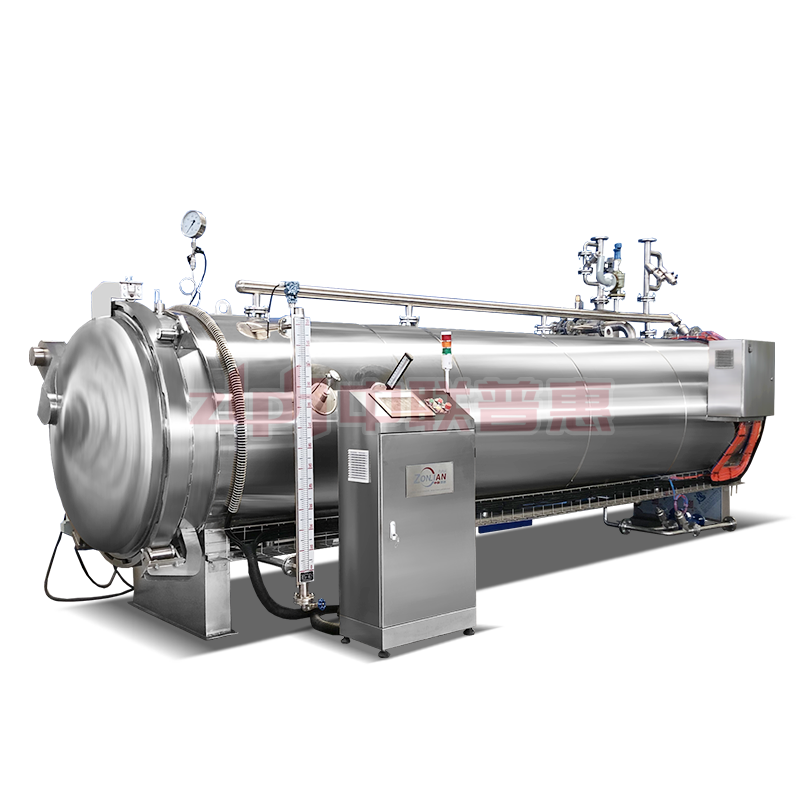
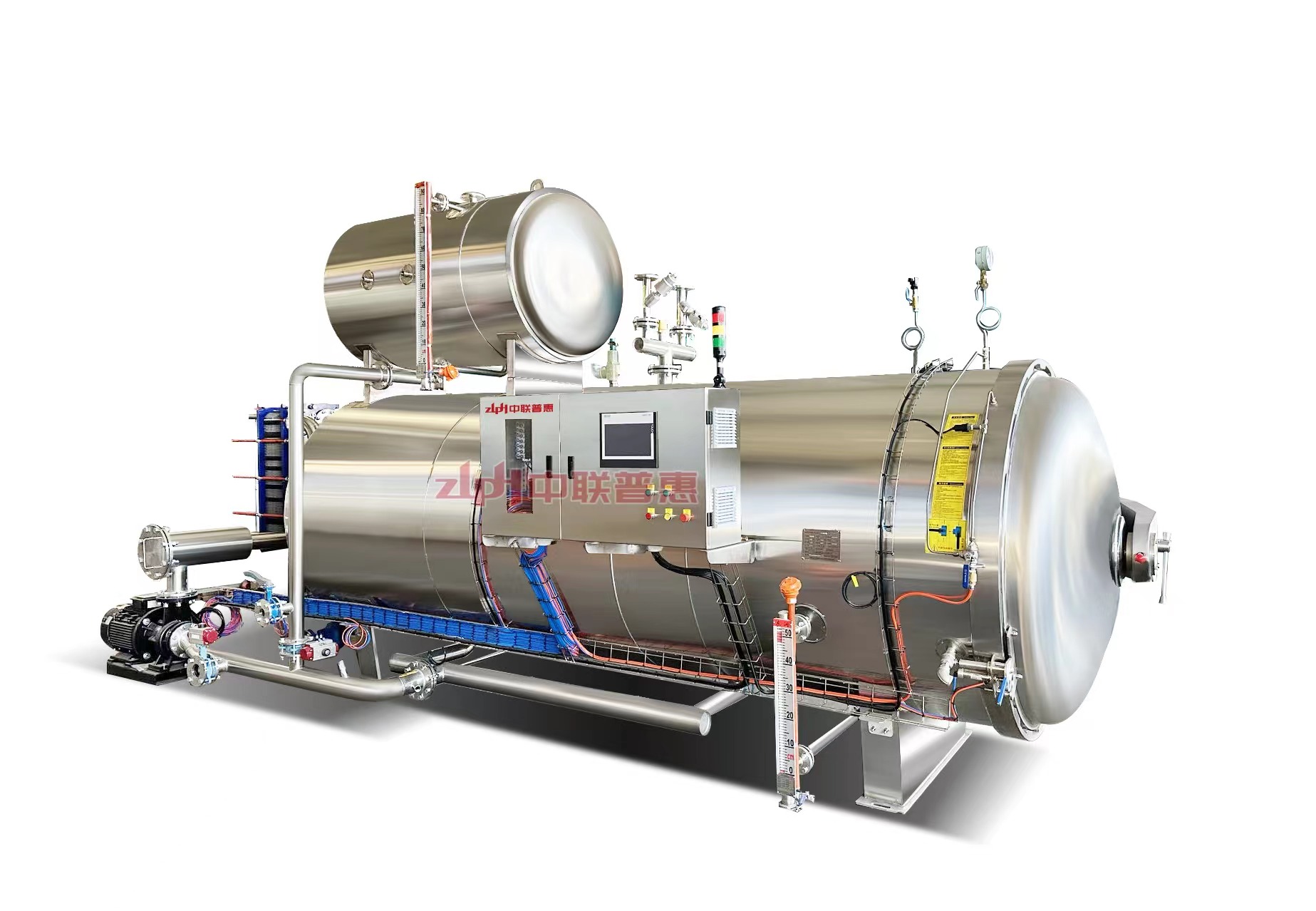
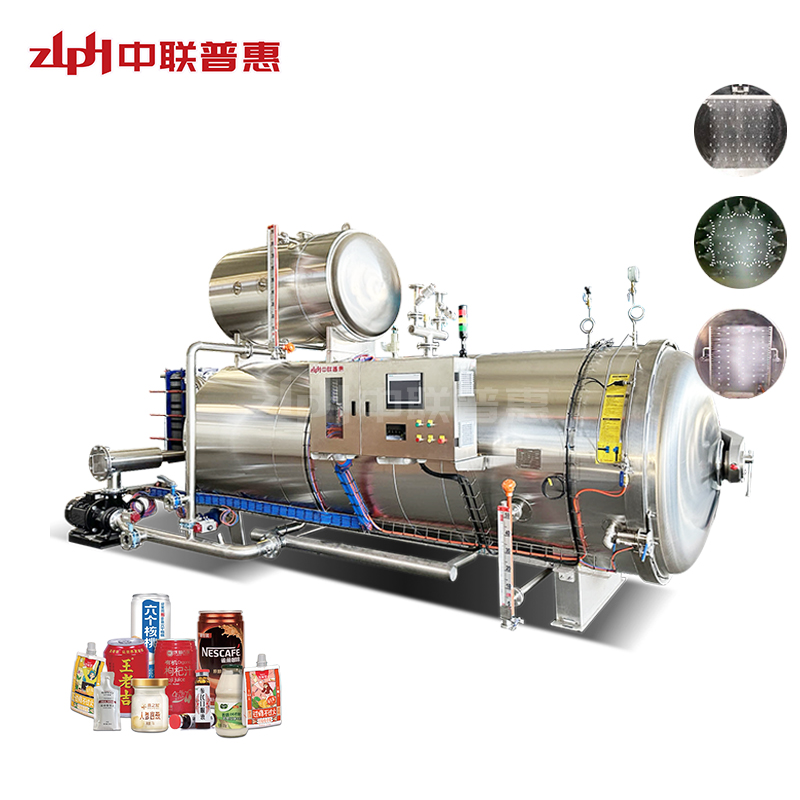
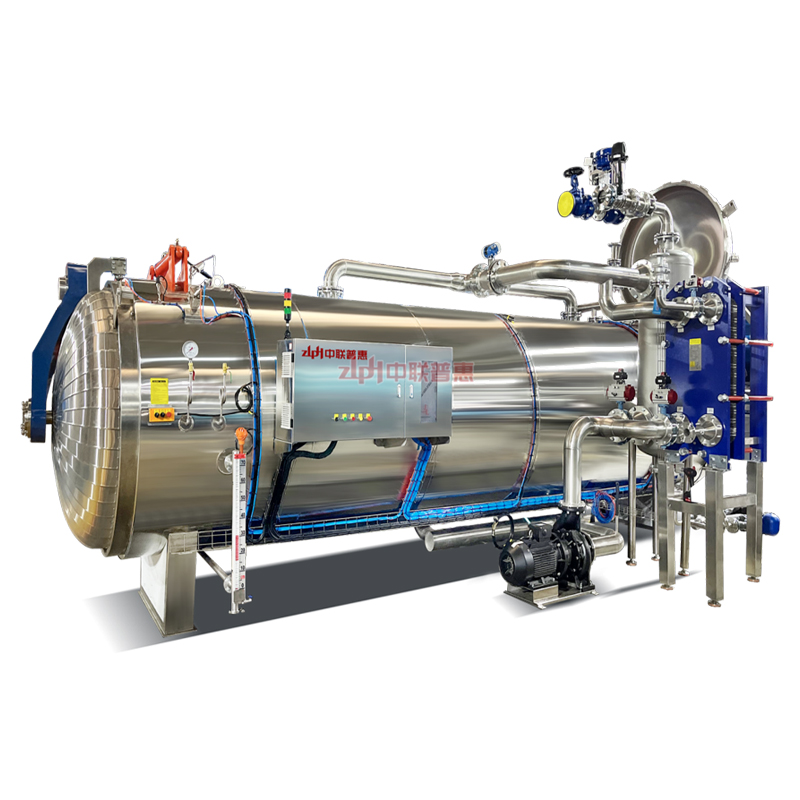
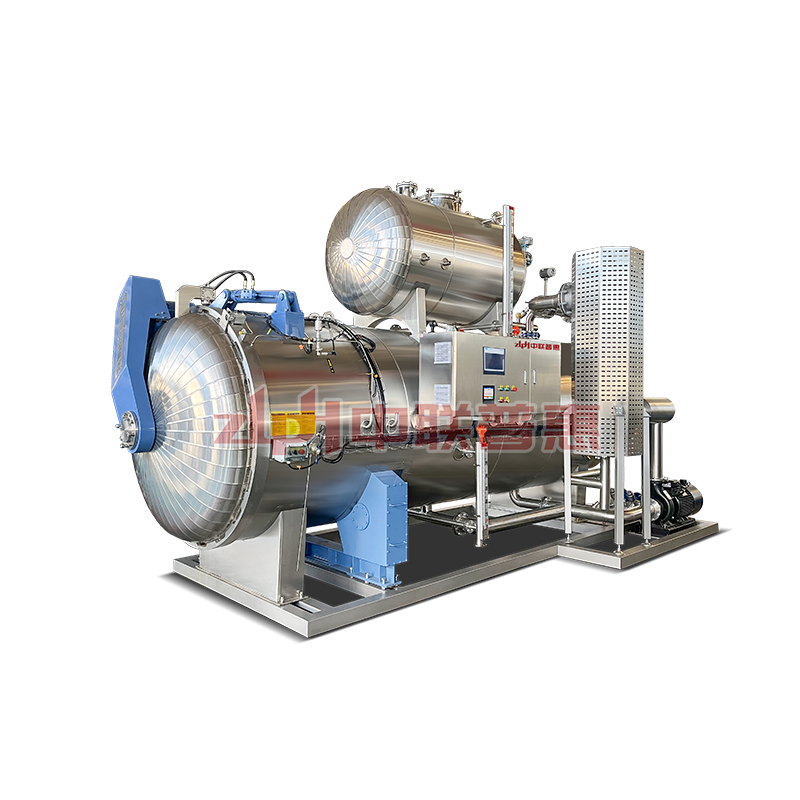
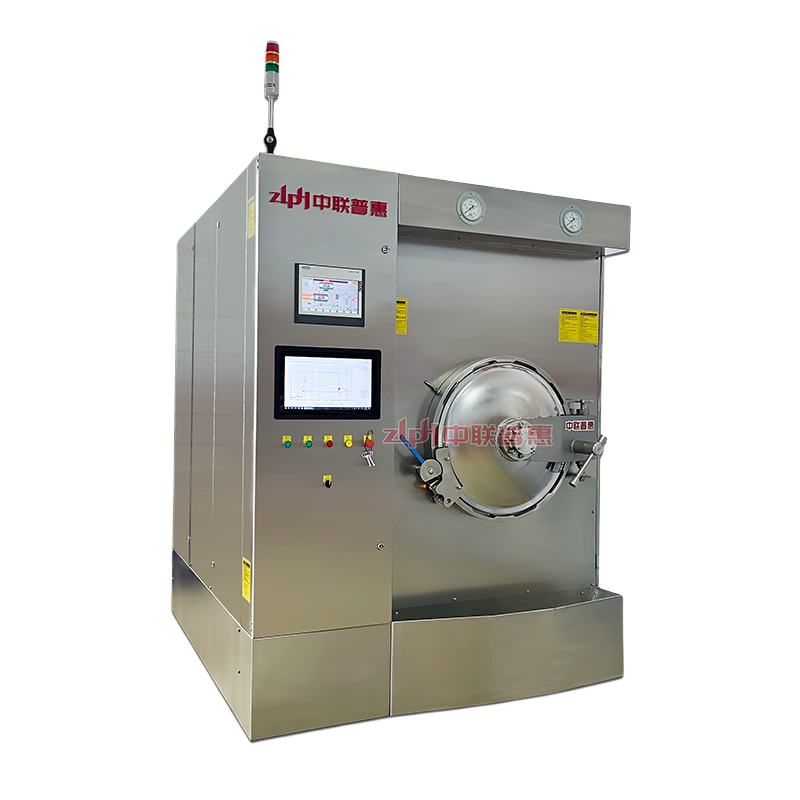
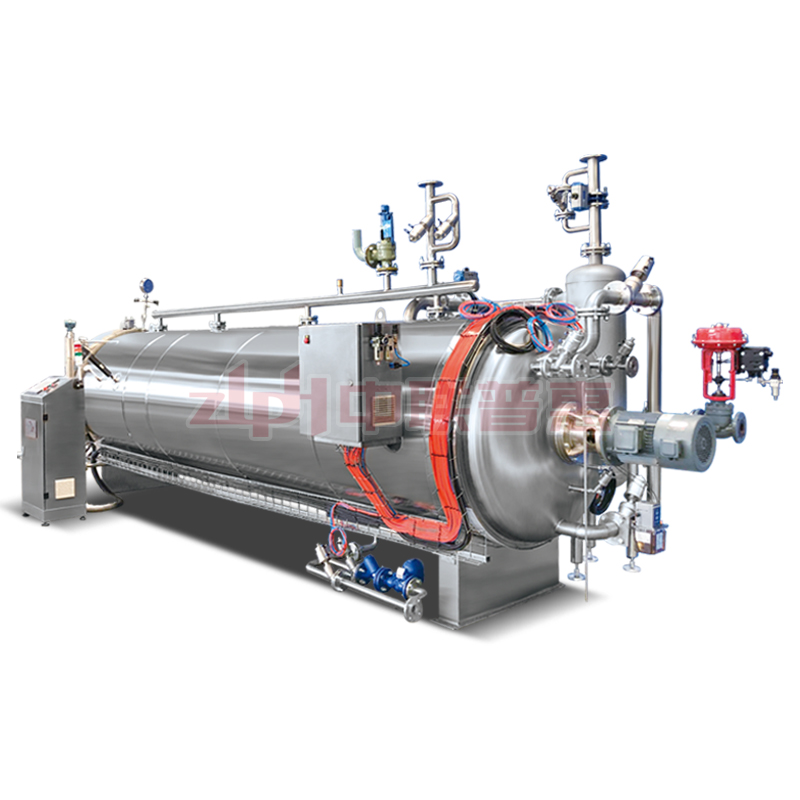
This guide is authored by a senior food processing automation engineer with over 10 years of field experience at ZLPH MACHINERY TECHNOLOGY CO., LTD., a leading provider of advanced sterilization solutions. It addresses a critical challenge faced by global food and pet food manufacturers: inconsistent thermal processing in rotary retort autoclaves, which compromises product safety, shelf life, and regulatory compliance. This issue primarily stems from uneven heat distribution, inadequate process control, and suboptimal loading practices. Drawing on more than 5,000 global installations and extensive R&D validation, we present a proven, actionable framework to achieve uniform sterilization, reduce batch rejection rates, and ensure consistent product quality. The guide details root cause analysis across key production scenarios, offers step-by-step mitigation strategies, shares real-world validation data, and includes industry best practices for reliable rotary retort operation.

How to Ensure Uniform Heat Distribution in a Rotary Retort During Canned Food Sterilization?
1. Scenario & Pain Point
In canned vegetable or meat processing lines, operators often observe under-sterilized zones (cold spots) in certain cans—especially those near the center of the retort basket—leading to microbial survival risks and failed commercial sterility tests. This inconsistency forces costly reprocessing or batch destruction, disrupting supply chains and damaging brand reputation.

2. Root Cause Analysis
The core issues are: (a) poor water spray coverage due to fixed nozzle layouts that fail to reach all basket areas; (b) insufficient rotation speed or direction changes, causing stagnant zones; and (c) dense or irregular product loading that blocks thermal circulation.

3. Step-by-Step Solution
Immediate Adjustment: Optimize basket loading patterns using standardized retort trays to maintain consistent spacing between cans. Ensure rotation parameters (speed: 2–6 RPM, bidirectional switching every 5–10 minutes) are activated.
System Upgrade: Deploy an intelligent water spray sterilization system with multi-angle nozzles and variable pressure control. This ensures even hot water distribution across all product surfaces during rotation.
Process Validation: Conduct thermal mapping studies using data loggers to identify cold spots and fine-tune spray intensity and rotation profiles.

4. Pitfall Avoidance Guide
Never overload baskets beyond 85% capacity. Always validate new product formats with pilot runs before full-scale production. Avoid using non-standard tray designs that disrupt water flow. Regularly inspect and clean spray nozzles to prevent clogging from mineral deposits.
5. Real-World Validation
At a major European vegetable processor, implementing ZLPH’s rotary retort with intelligent spray control reduced F₀ value deviation from ±15% to ±3%, eliminating cold spots. Batch rejection rates dropped by 92%, and throughput increased by 18% due to shorter cycle stabilization times.
How to Prevent Seal Failure in Pet Food Pouches During Rotary Retort Processing?
1. Scenario & Pain Point
Pet food manufacturers using stand-up pouches frequently encounter seal delamination or leakage after retort sterilization, especially with high-fat or acidic formulations. This leads to product recalls and consumer safety concerns.
2. Root Cause Analysis
Primary causes include excessive internal pouch pressure during heating (due to trapped air or volatile compounds), rapid pressure transitions during cooling, and inadequate counter-pressure control in the retort chamber.
3. Step-by-Step Solution
Pre-Processing: Implement vacuum sealing with precise residual gas control (<5% headspace). Use laminated films rated for retort conditions (≥121°C, 30+ psi).
Retort Control: Utilize a fully automated pressure-balancing system that synchronizes internal chamber pressure with pouch internal pressure throughout heating and cooling phases. ZLPH’s systems feature real-time PID-controlled air/water pressure modulation to maintain ΔP < 0.5 bar.
Cooling Protocol: Apply gradual, staged cooling with continuous counter-pressure until product core temperature drops below 40°C.
4. Pitfall Avoidance Guide
Do not skip pouch material compatibility testing. Avoid abrupt pressure releases. Monitor seal integrity via pre-production burst tests. Ensure cooling water is filtered to prevent nozzle blockage that disrupts pressure balance.
5. Real-World Validation
A U.S.-based pet food brand using ZLPH’s automated rotary retort line reported zero seal failures across 12 million pouches over six months, compared to a 0.8% failure rate with their legacy system. The solution was showcased at Petfair Asia 2023, where it drew strong interest from global buyers.
Industry Best Practices for Reliable Rotary Retort Operation
Based on 6+ years of global project deployment and 500+ rotary retort installations, ZLPH recommends this 5-step framework to ensure consistent sterilization performance:
1. Define Worst-Case Conditions
Design processes around the most challenging product (largest can, lowest thermal conductivity, highest fill level), not average cases.
2. Standardize Loading & Trays
Use certified retort trays with uniform geometry. Automate loading/unloading to eliminate human variability.
3. Validate Thermally
Perform quarterly thermal mapping with wireless data loggers to verify F₀ uniformity across all basket positions.
4. Maintain Proactively
Schedule monthly inspections of spray nozzles, door seals, pressure sensors, and rotation drives.
5. Partner with Certified Experts
Choose suppliers with ASME, CE, and EAC certifications who offer on-site process validation support.
Frequently Asked Questions (FAQ)
Q: Can I use a standard static retort for viscous products like pet food gravy?
A: Not recommended. Viscous or particulate products require rotary agitation to ensure even heat penetration. Static retorts create significant cold spots in such applications.
Q: What certifications should a rotary retort have for EU market access?
A: Mandatory CE marking under PED 2014/68/EU, plus compliance with Machinery Directive 2006/42/EC. ZLPH units hold both CE and ASME certifications.
Q: How often should I recalibrate temperature and pressure sensors?
A: Every 6 months under normal use, or after any mechanical shock. ZLPH systems include self-diagnostic alerts for sensor drift.
Q: Does rotation speed affect sterilization efficacy?
A: Yes. Too slow (<2 RPM) causes poor mixing; too fast (>8 RPM) may damage packaging. Optimal range is 3–5 RPM with periodic direction reversal.
Q: Can your system handle both metal cans and flexible pouches?
A: Yes. ZLPH rotary retorts support multi-format production with quick-change tray systems and adaptive pressure/temperature profiles.
About Our Expertise & Support
ZLPH MACHINERY TECHNOLOGY CO., LTD. is a globally recognized sterilization technology provider founded in 2018. Our team includes 21 mechanical and PLC engineers, 4 sterilization process specialists, and 14 after-sales engineers—all with 10+ years of industry experience. We hold ASME, CE, EAC, Malaysia DOSH, and Chinese Special Equipment Manufacturing Licenses, ensuring global compliance. Our solutions operate in over 30 countries, serving leading food and pet food brands with validated rotary retort systems that guarantee safety, efficiency, and scalability.
We offer tailored support including: on-site process audits, custom tray design, free sample testing, and remote troubleshooting. Our Qingdao factory spans 50 acres with 15,000 m² of advanced manufacturing space, enabling rapid prototyping and delivery.
Contact Us
Company: ZLPH MACHINERY TECHNOLOGY CO., LTD.
Website: https://www.zlphretort.com/
Email: sales@zlphretort.com
Phone / WhatsApp: +86 15666798389 / +86 13361554016
