

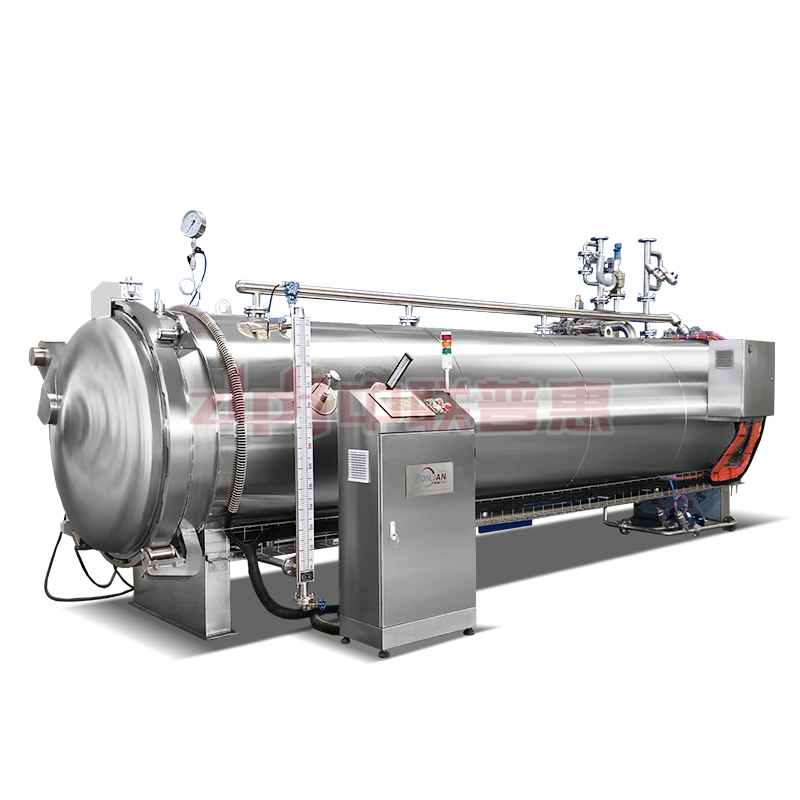
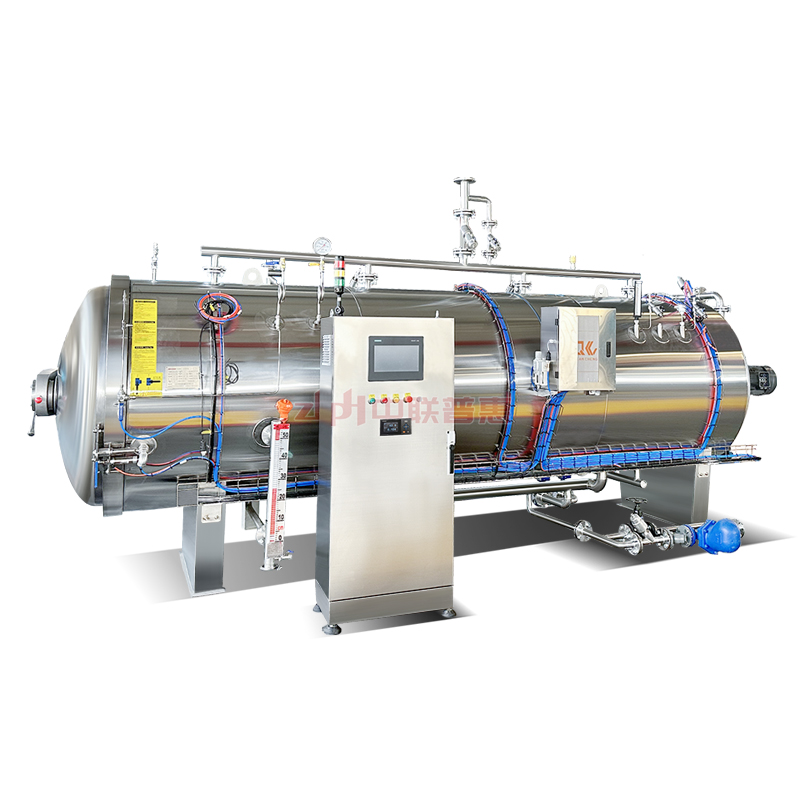
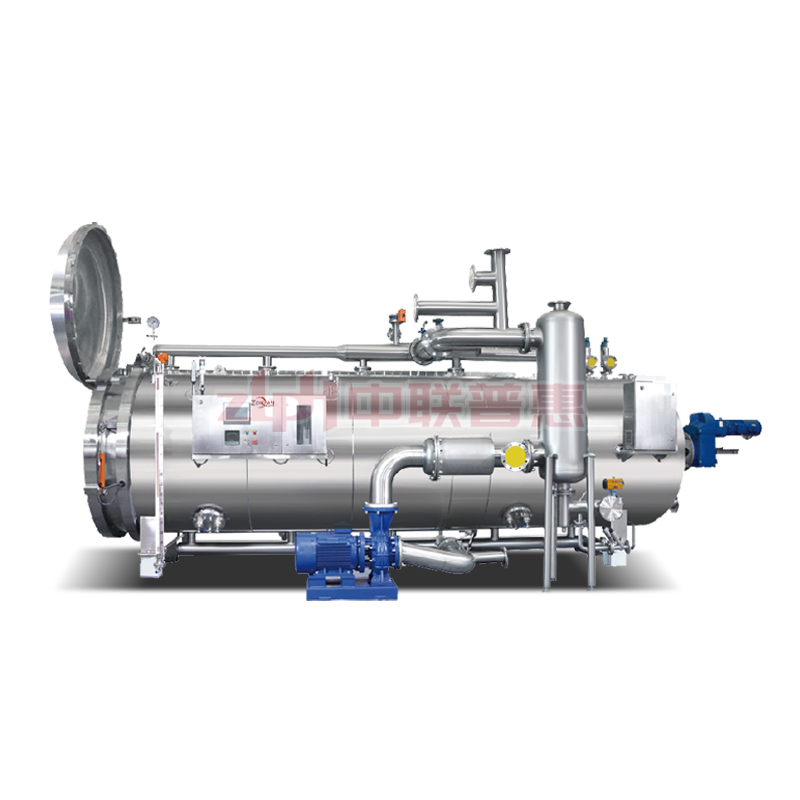
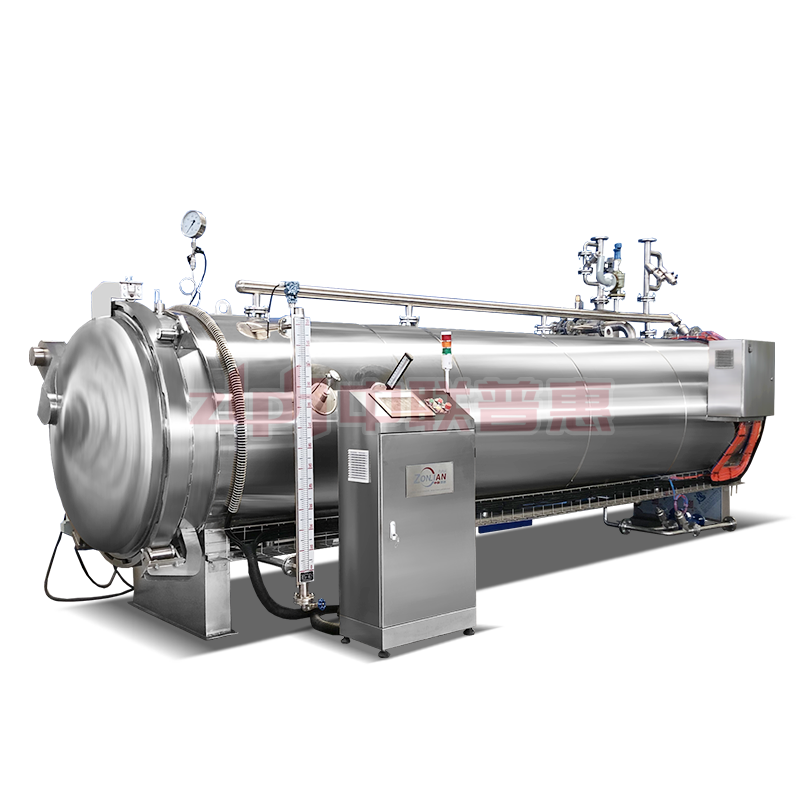
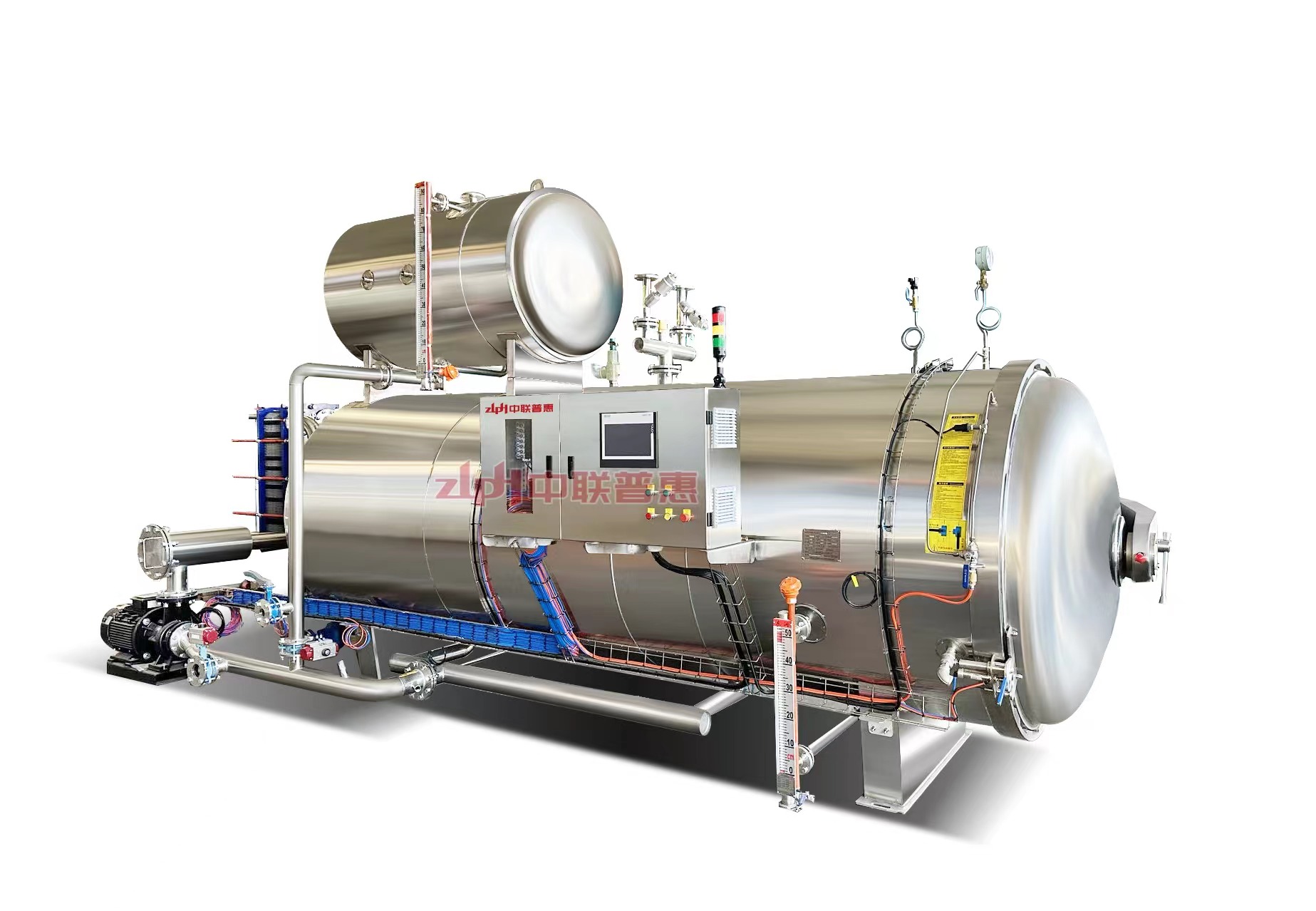
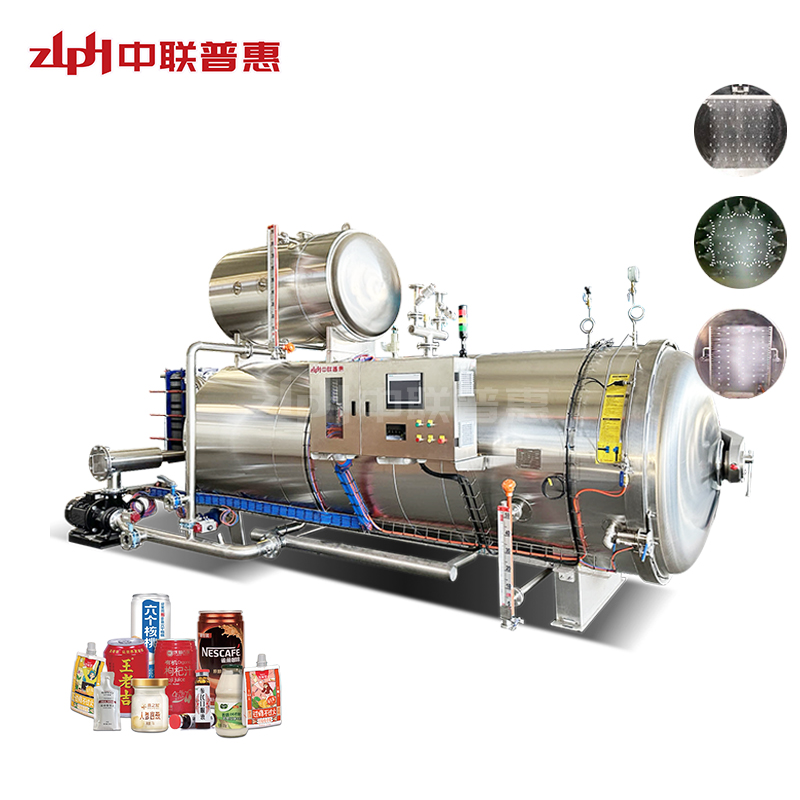
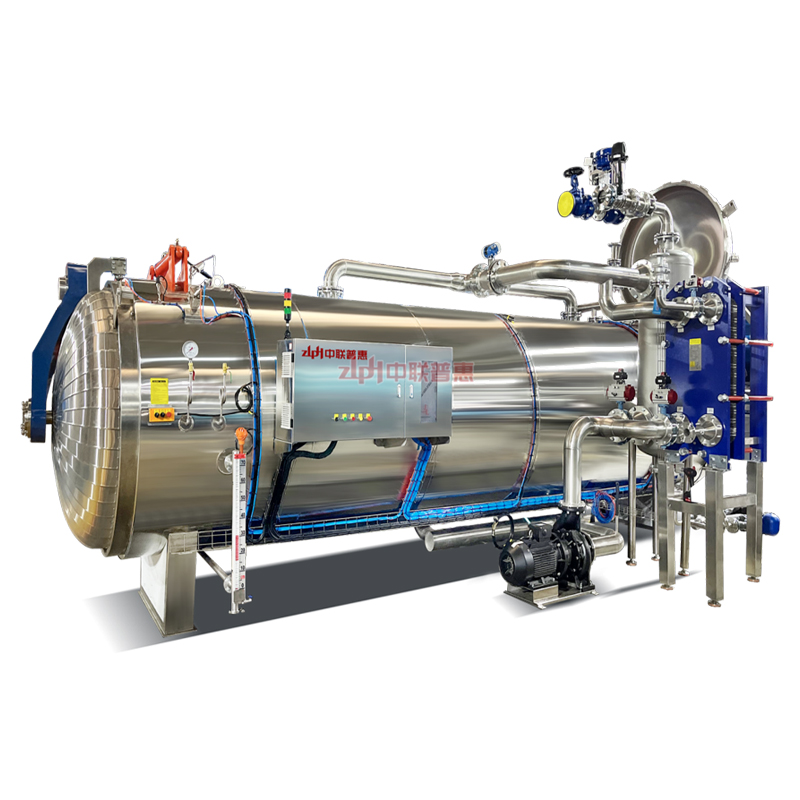
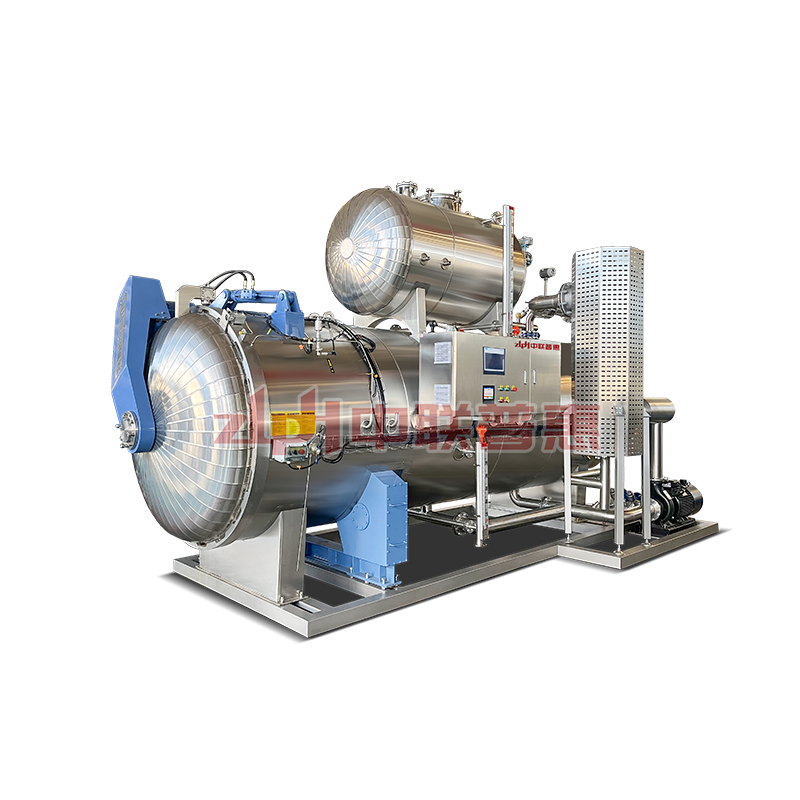
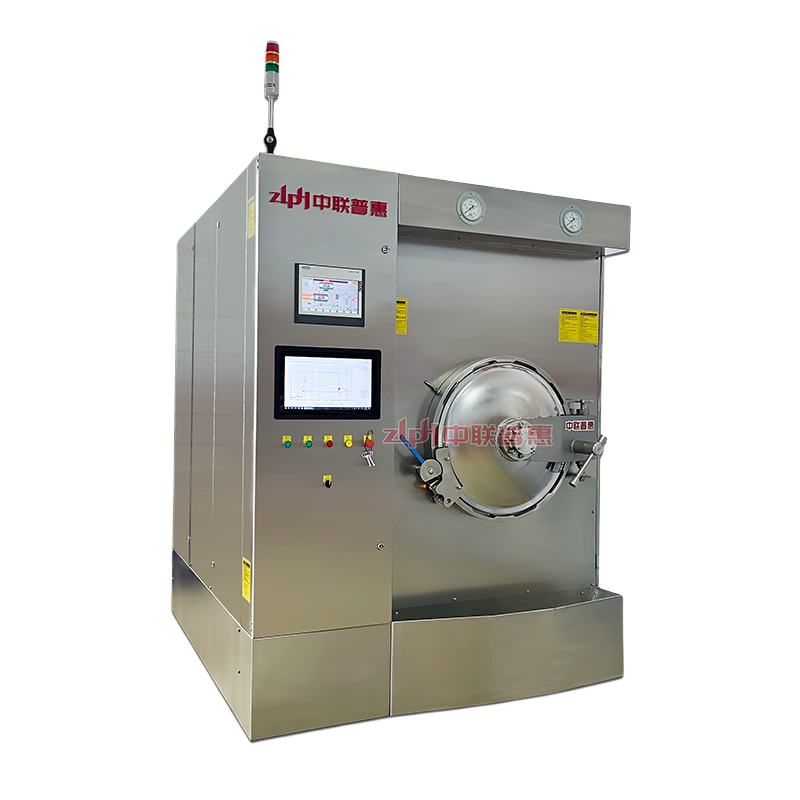
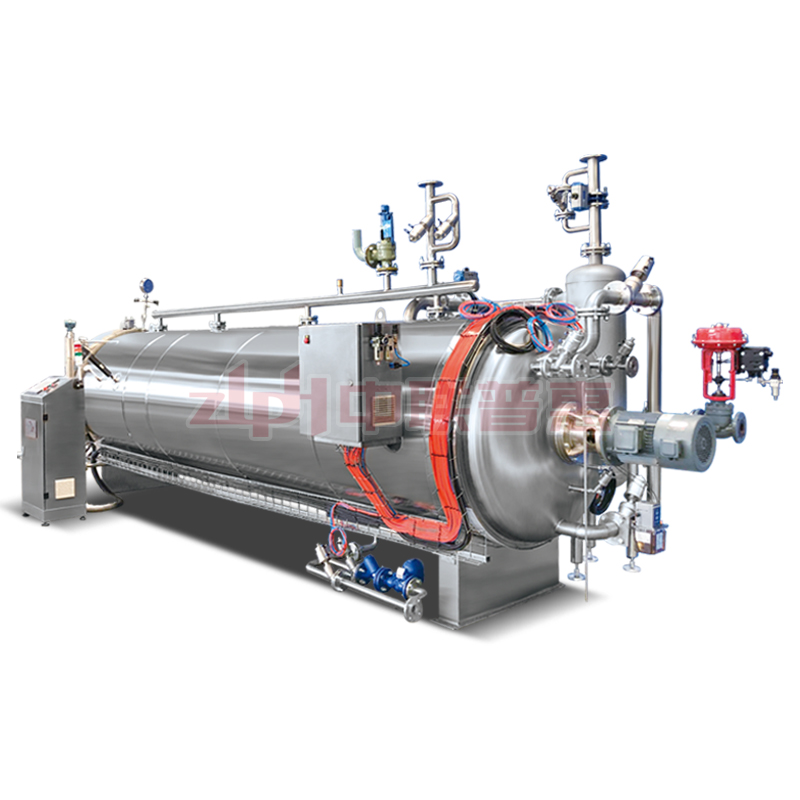
This guide is authored by a senior food processing engineer with over 12 years of experience at Zhonglian Puhui Machinery Technology Co., Ltd., a globally recognized provider of advanced sterilization solutions. It addresses a critical challenge faced by food manufacturers worldwide: inconsistent thermal processing in rotary retort autoclaves, which compromises product safety, shelf life, and regulatory compliance. This issue primarily stems from uneven heat distribution, inadequate process control, and suboptimal equipment design. Drawing on more than 5,000 global installations and rigorous field validation, we present a proven, step-by-step methodology to achieve uniform sterilization, enhance throughput, and ensure compliance with international food safety standards. In this guide, we dissect the root causes across key production scenarios, deliver actionable solutions tailored to real-world conditions, and share industry best practices validated in high-stakes environments—from seafood canning in Southeast Asia to ready-meal production in Europe.

How to Ensure Uniform Heat Distribution in Large-Batch Rotary Retort Processing?
1. Scenario & Pain Point
In high-volume facilities producing canned vegetables or ready-to-eat meals, operators often observe inconsistent F0 values across batches—some cans under-sterilized (risking microbial survival), others overcooked (degrading texture and nutrition). This inconsistency leads to product recalls, wasted inventory, and failed audits by food safety authorities.

2. Root Cause Analysis
The core issues are: (a) poor water spray coverage due to fixed nozzles that fail to adapt to varying load densities; (b) inadequate rotation speed control, causing stagnant zones in viscous products; and (c) lack of real-time temperature mapping inside the retort chamber, preventing dynamic adjustment during cycles.

3. Step-by-Step Solution
Immediate Adjustment: Optimize basket loading patterns to ensure even spacing and avoid overpacking. Calibrate rotation speed based on product viscosity—typically 2–6 RPM for sauces, 4–8 RPM for solid foods.
Long-Term Fix: Deploy rotary retorts equipped with multi-zone water spray systems and variable-frequency drive (VFD) motors. Zhonglian Puhui’s intelligent top-opening rotary retorts feature 360° rotating spray arms and AI-driven thermal profiling, ensuring uniform heat transfer regardless of batch size or container type.
Process Validation: Conduct heat distribution studies using data loggers placed at cold spots (e.g., center of the basket, bottom layer) to validate F0 consistency across all positions.

4. Troubleshooting & Pitfall Avoidance
Verify that spray nozzles are unclogged and aligned correctly before each run. Never assume uniformity—always validate with thermal mapping during initial setup and after any process change. Avoid using legacy retorts without real-time pressure-temperature synchronization, as they cannot compensate for steam condensation fluctuations.
5. Real-World Validation
At a major European ready-meal producer, implementing Zhonglian Puhui’s VFD-controlled rotary retort reduced F0 deviation from ±8% to ±1.2%, eliminating under-processing incidents and cutting energy use by 18% through optimized cycle times.
How to Prevent Container Damage During High-Speed Rotary Sterilization?
1. Scenario & Pain Point
Glass jars and thin-walled metal cans often crack or deform during rapid heating/cooling phases in rotary retorts, especially when processing acidic foods like tomatoes or fruits. This results in leakage, contamination risks, and costly line stoppages.
2. Root Cause Analysis
Primary causes include: (a) excessive pressure differentials between the retort chamber and container headspace; (b) abrupt temperature transitions during cooling; and (c) mechanical stress from unbalanced rotation or improper tray support.
3. Step-by-Step Solution
Pressure Balancing: Use counter-pressure control systems that maintain internal can pressure close to retort pressure throughout the cycle.
Controlled Cooling: Implement staged cooling with compressed air backpressure to prevent vacuum collapse in glass containers.
Tray Optimization: Utilize Zhonglian Puhui’s automated loader-unloader system with precision-guided trays that minimize vibration and ensure even weight distribution, reducing mechanical shock.
4. Troubleshooting & Pitfall Avoidance
Always pre-test new container types with slow ramp rates. Monitor headspace gas composition—oxygen presence accelerates corrosion under heat. Never skip pressure calibration checks on safety valves.
5. Real-World Validation
A Southeast Asian fruit processor reduced jar breakage from 4.7% to 0.3% after adopting Zhonglian Puhui’s pressure-balanced rotary retort with integrated cooling control, saving over $220,000 annually in waste reduction.
Industry Best Practices for Rotary Retort Reliability
Based on 12+ years of global deployments, we recommend this 5-step framework to maximize sterilization consistency and equipment uptime:
1. Define Worst-Case Conditions
Design processes for the most challenging product (e.g., dense stew in large cans), not average loads.
2. Validate Thermally Before Full Scale
Conduct heat penetration tests per FDA 21 CFR Part 113 or EN 13408 standards using worst-case configurations.
3. Automate Critical Controls
Use PLC-based systems with real-time F0 calculation and automatic cycle adjustment—manual overrides increase human error risk.
4. Maintain Proactively
Schedule monthly inspections of seals, spray manifolds, and rotation bearings. Replace gaskets every 500 cycles.
5. Partner with Certified Suppliers
Choose manufacturers holding ASME, CE, and EAC certifications to ensure mechanical and safety compliance across global markets.
Frequently Asked Questions (FAQ)
Q: Can standard static retorts be upgraded to rotary functionality?
A: No—rotary systems require integrated drive mechanisms, balanced chamber design, and specialized controls. Retrofitting is unsafe and ineffective. Always select purpose-built rotary retorts.
Q: What certifications are required for rotary retorts in the EU and Russia?
A: CE marking under PED 2014/68/EU and EAC certification per TR CU 032/2013 are mandatory. Zhonglian Puhui holds both, plus ASME U2 stamp for North America.
Q: How often should thermal validation be repeated?
A: Annually, or after any change in product formulation, packaging, or retort configuration—per FDA and BRCGS guidelines.
Q: Do rotary retorts consume more energy than static ones?
A: Initially yes, but faster cycle times and higher throughput reduce energy per unit by 15–25% in continuous operations.
Q: Can rotary retorts handle glass, metal, and plastic containers?
A: Yes—with proper pressure control and tray customization. Zhonglian Puhui’s systems support all three, validated in customer facilities across 30+ countries.
About Our Expertise & Support
Zhonglian Puhui Machinery Technology Co., Ltd. is a leading global manufacturer of sterilization retorts, operating a 50-acre modern facility with 15,000 m² of production space and advanced CNC machining centers. We hold ASME, CE, EAC, Malaysia DOSH, and China Special Equipment Manufacturing Licenses, backed by AAA-level credit and integrity certifications. Our solutions power food safety for clients in over 60 countries, including Fortune 500 brands in meat, seafood, and plant-based sectors. At AGROPRODASH 2023 in Moscow, our intelligent top-opening water spray rotary retort received acclaim for its precision and reliability.
We offer end-to-end support:
• On-site process assessment and thermal validation
• Custom tray and basket design for unique containers
• Free sample testing with your product
• 24/7 remote troubleshooting via WhatsApp or email
Contact Us
Company: Zhonglian Puhui Machinery Technology Co., Ltd.
Website: https://www.zlphretort.com/
Email: sales@zlphretort.com
Phone / WhatsApp: +86 15666798389 / +86 13361554016
