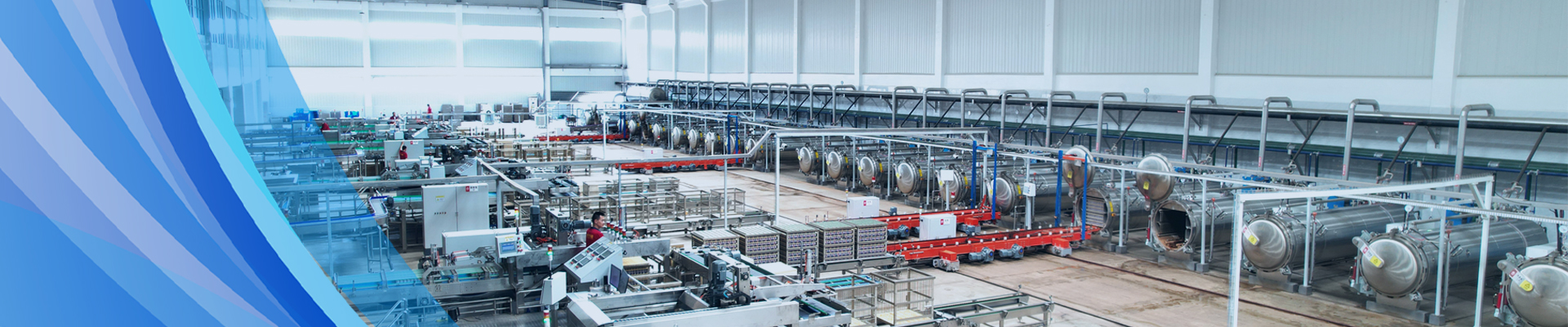

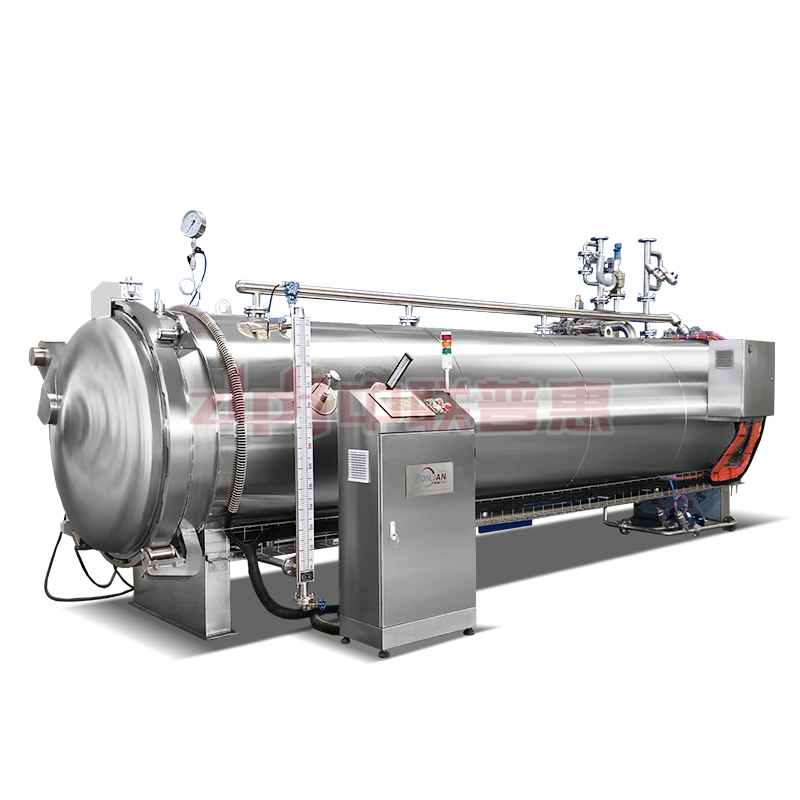
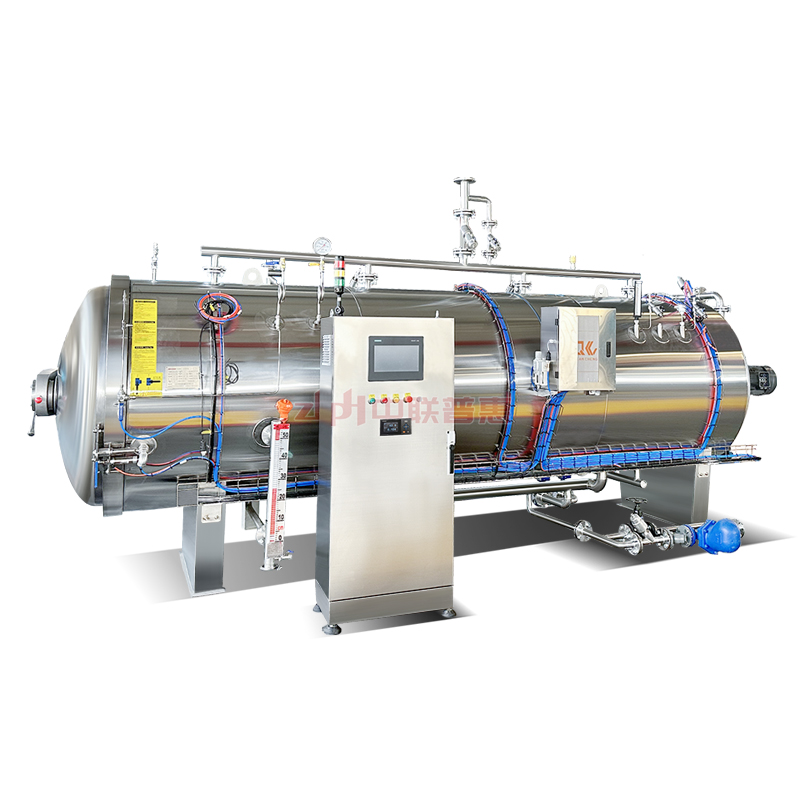
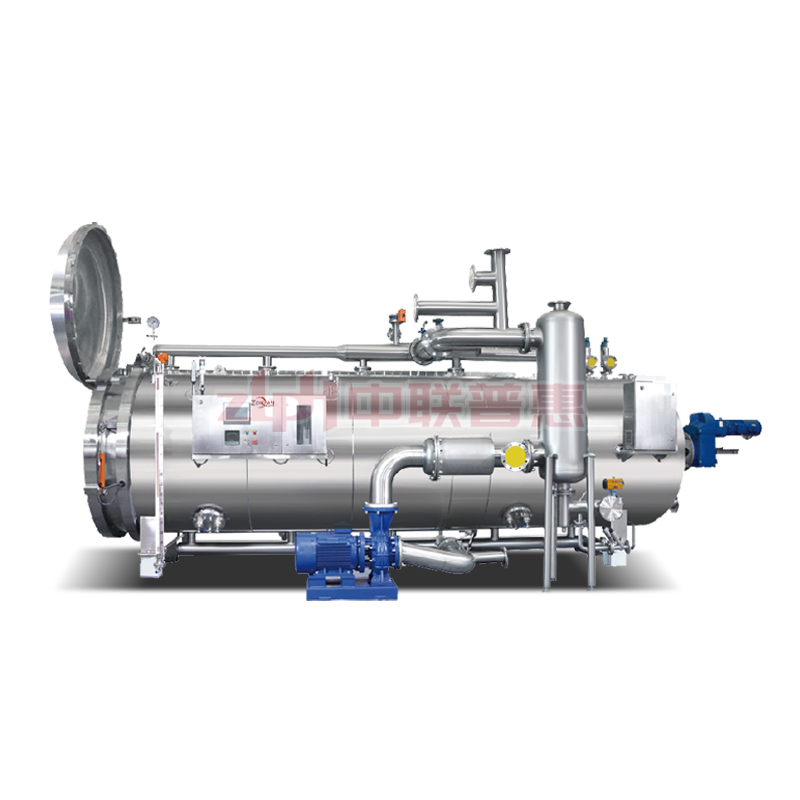
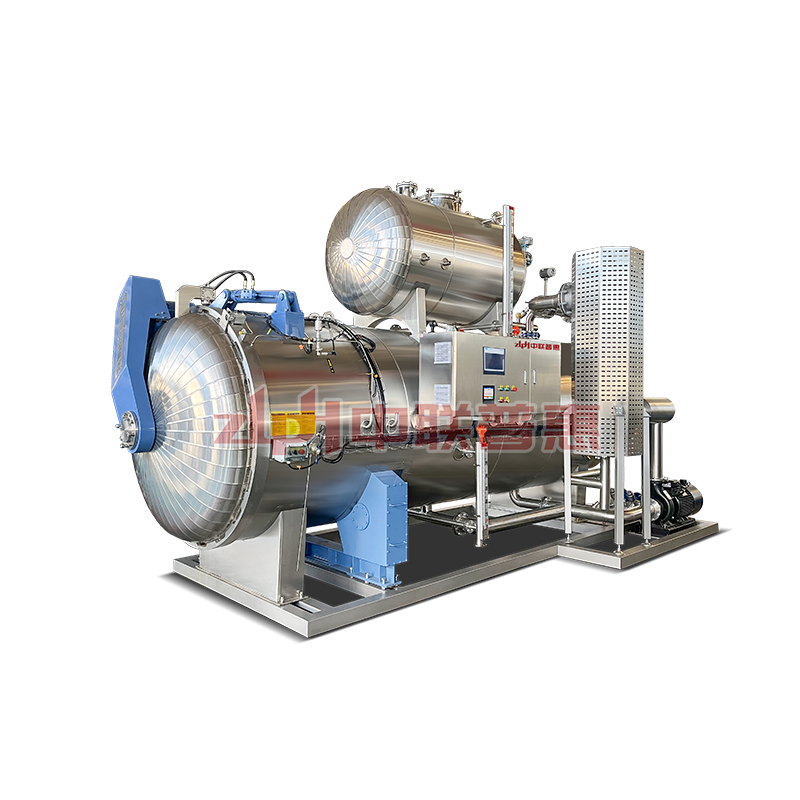
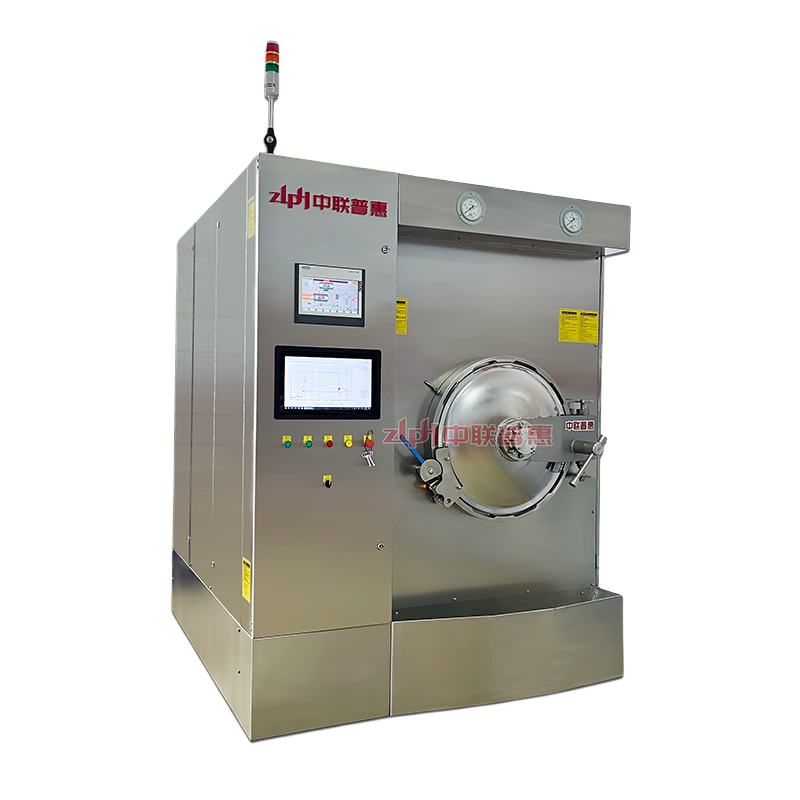
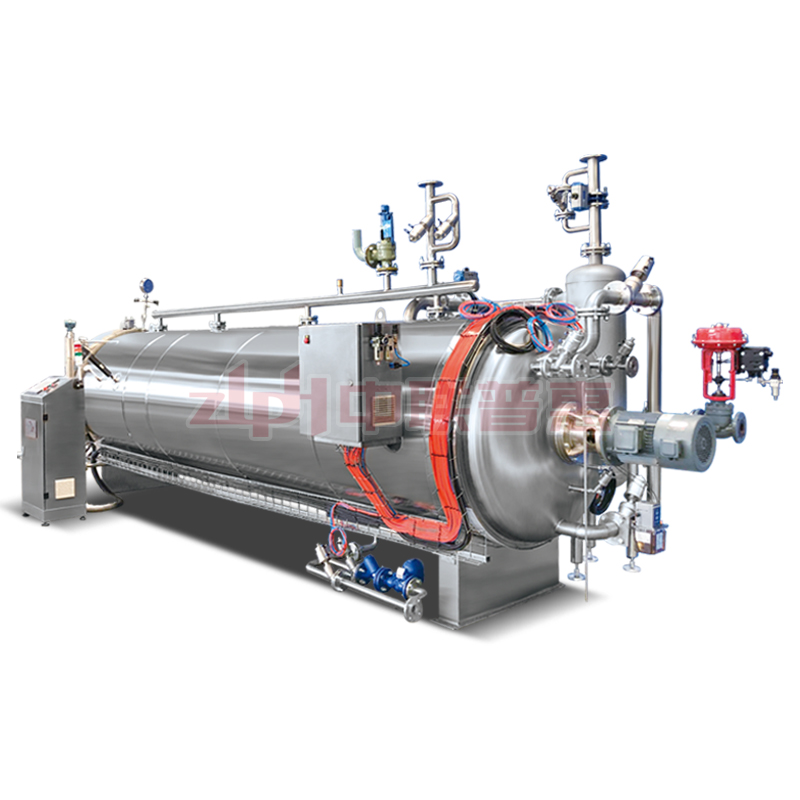
This guide is authored by a senior food processing engineer with over 10 years of experience at ZLPH MACHINERY TECHNOLOGY CO., LTD., a leading provider of industrial sterilization solutions. It addresses a critical challenge faced by global food manufacturers and procurement teams: inconsistent sterilization results in canned or retortable pouch production lines. This issue—manifesting as under-sterilized batches, texture degradation, or safety recalls—is primarily caused by uneven heat distribution, outdated control systems, and improper loading practices. Drawing from 5,000+ global installations and rigorous field validation, we present a proven, step-by-step methodology to eliminate variability, ensure microbial safety, and maintain product quality. In this guide, we dissect root causes across key production scenarios, deliver actionable fixes, share real-world validation data, and outline industry best practices to future-proof your thermal processing operations.

How to Achieve Uniform Heat Distribution in Large-Batch Retort Sterilization?
1. Scenario & Pain Point
In high-volume canning facilities, operators often observe inconsistent lethality (F0 values) across the same batch—some cans meet target F0 while others fall short, risking spoilage or regulatory non-compliance. This inconsistency leads to costly reprocessing, waste, and potential brand damage.

2. Root Cause Analysis
Three primary factors drive this issue: (1) poor circulation design in legacy retorts causing cold spots; (2) manual loading leading to uneven tray stacking that blocks steam/water flow; and (3) lack of real-time temperature mapping during cycles, preventing dynamic adjustments.

3. Step-by-Step Solution
Immediate Fix: Conduct thermal mapping using data loggers to identify cold zones. Reconfigure basket loading patterns to ensure minimum 5cm clearance between trays and vessel walls.
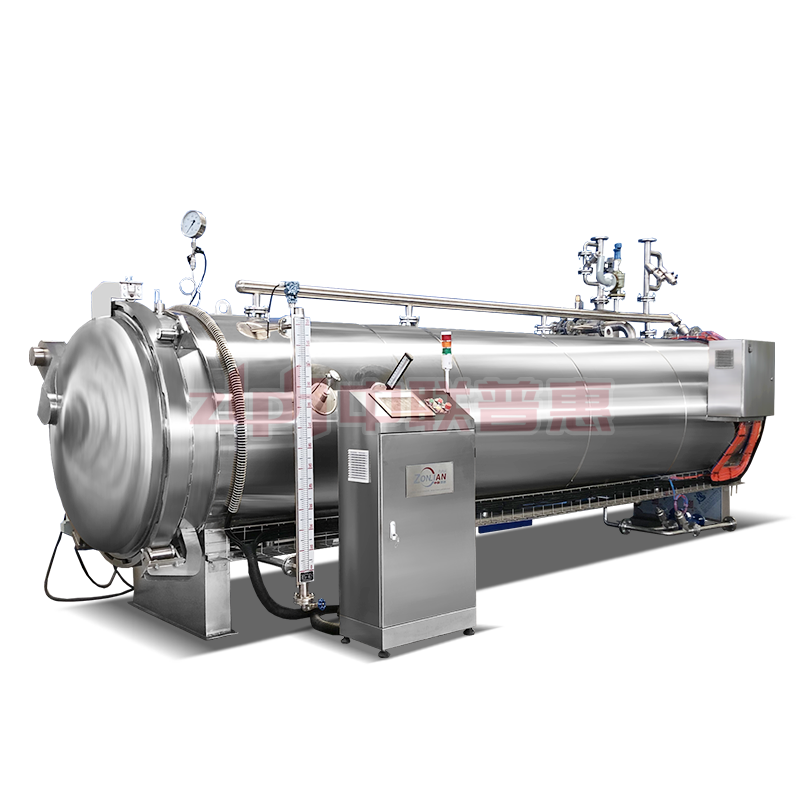
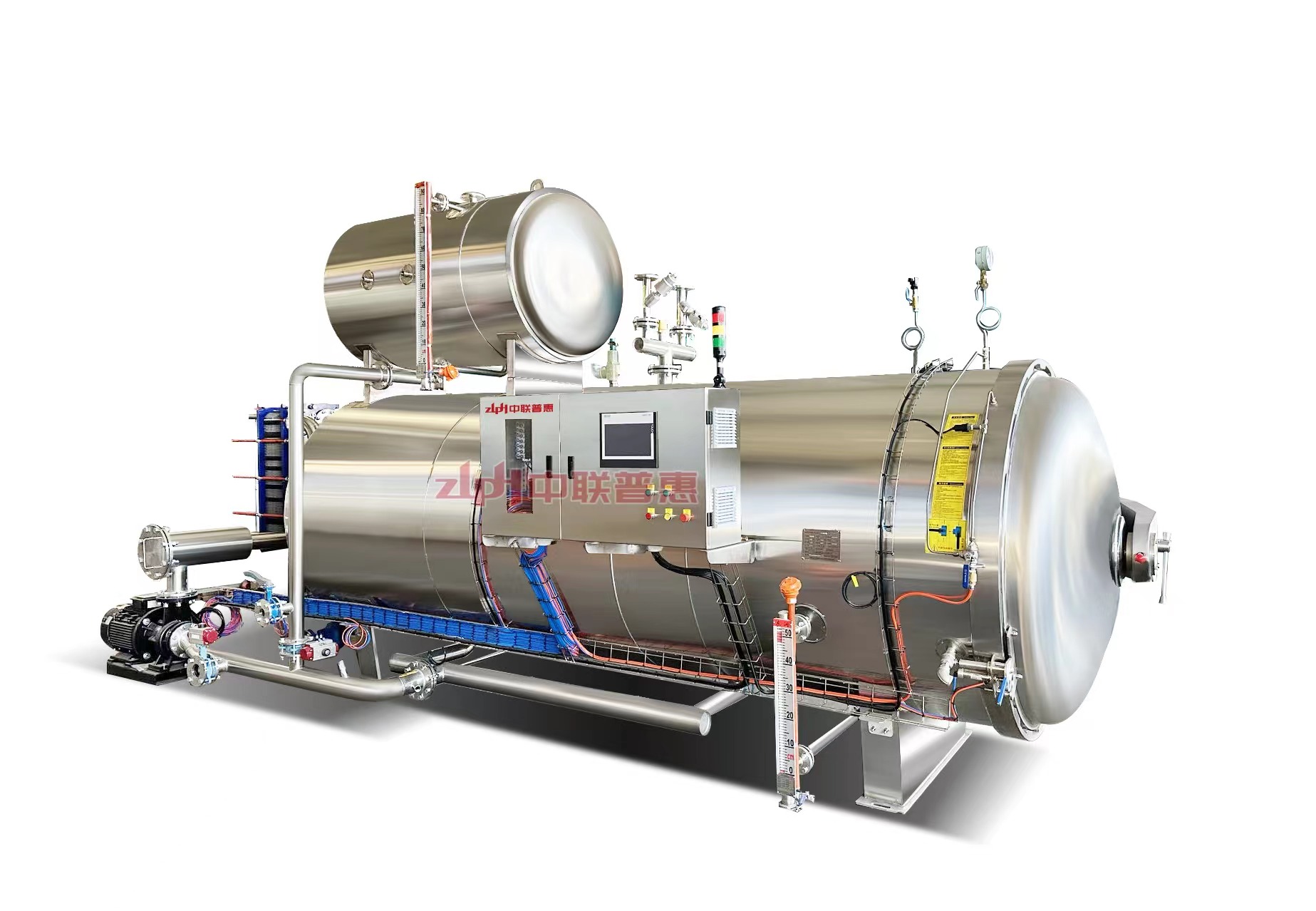
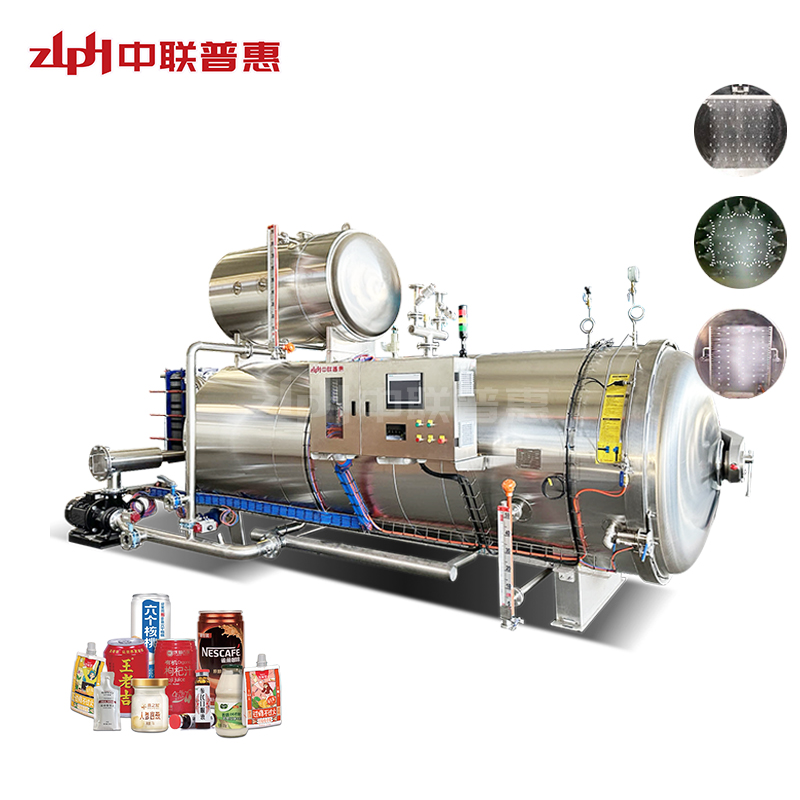
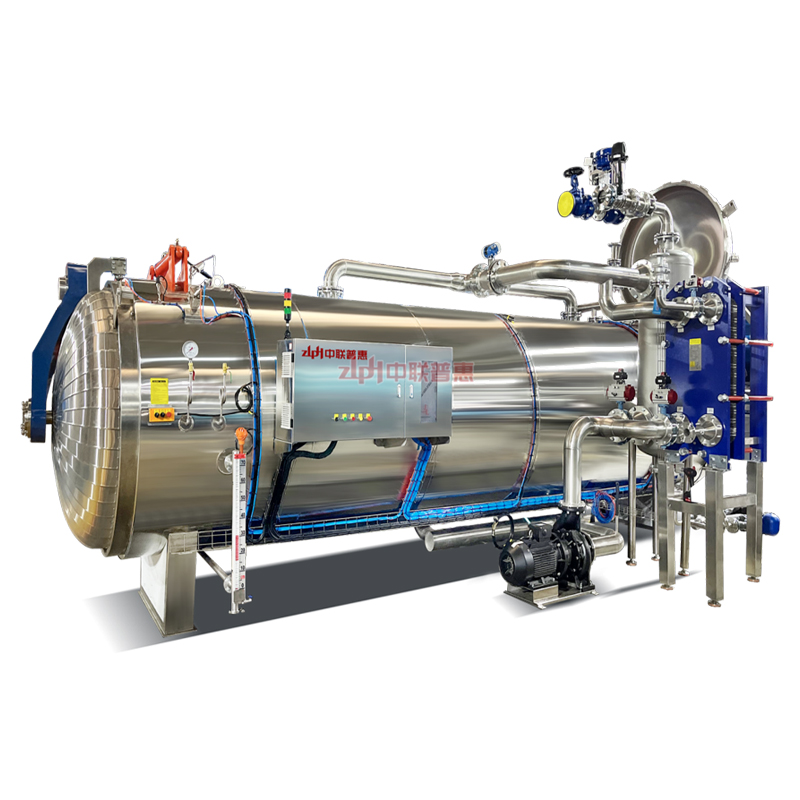
Long-Term Fix: Upgrade to an intelligent water-spray retort with multi-zone nozzles and variable-frequency pumps. ZLPH’s top-opening water spray sterilizer uses CFD-optimized nozzle arrays to deliver ±0.5°C uniformity across 3m³ chambers.
Control Enhancement: Integrate PLC-based adaptive control that adjusts spray pressure and cycle time based on real-time thermocouple feedback from multiple basket positions.

4. Troubleshooting & Pitfall Avoidance
Verify that retort racks are not overloaded beyond 85% capacity. Ensure process water is filtered to <5μm to prevent nozzle clogging. Never skip post-installation thermal validation—even certified equipment requires site-specific calibration.
5. Validation Results
At a Southeast Asian tuna processor, replacing a steam-air retort with ZLPH’s water-spray system reduced F0 deviation from ±8.2 to ±1.3 across 12,000-can batches. Spoilage incidents dropped by 92% within six months.
How to Prevent Product Damage During Automated Loading/Unloading?
1. Scenario & Pain Point
Automated tray handling systems sometimes cause dented cans or torn pouches during transfer into/out of retorts, increasing reject rates by up to 7% and compromising seal integrity.
2. Root Cause Analysis
Root causes include rigid gripper designs incompatible with flexible packaging, excessive acceleration in robotic arms, and misalignment between conveyor and retort rails.
3. Step-by-Step Solution
Deploy servo-controlled loaders with vacuum + soft-grip hybrid end-effectors. ZLPH’s loader-unloader system uses vision-guided alignment and force feedback to handle glass jars, metal cans, and stand-up pouches without deformation. Synchronize motion profiles with retort door opening via Profinet to eliminate timing clashes.
4. Troubleshooting & Pitfall Avoidance
Conduct weekly calibration of gripper pressure sensors. Use wear-resistant polymer guides instead of steel rails for pouch lines. Always validate with worst-case package types (e.g., thin-wall PET trays) during FAT.
5. Validation Results
A pet food manufacturer in Germany reported zero package damage after integrating ZLPH’s automated system, reducing labor costs by 40% while maintaining 99.98% first-pass yield.
Industry Best Practices for Reliable Retort Operations
Based on 6+ years of global deployments, ZLPH recommends this 5-step framework to ensure consistent sterilization performance:
1. Define Worst-Case Conditions
Design cycles for the most heat-resistant pathogen in your product matrix—not average conditions.
2. Validate Thermally
Perform initial and annual thermal mapping per ASTM F2837 standards.
3. Automate Loading
Use guided, sensor-equipped loaders to eliminate human-induced variability.
4. Monitor in Real Time
Deploy IoT-enabled controllers that log T/P/F0 data for every batch and auto-flag deviations.
5. Certify Equipment
Only use retorts with ASME, CE, and EAC certifications to ensure mechanical and process safety compliance.
Frequently Asked Questions (FAQ)
Q: Can I retrofit my old steam retort with modern controls?
A: Yes—ZLPH offers PLC upgrade kits with touchscreen HMI, real-time F0 calculation, and remote diagnostics, extending equipment life by 8–10 years.
Q: What’s the minimum F0 required for low-acid canned foods?
A: FDA mandates F0 ≥ 2.5 for Clostridium botulinum destruction, but many brands target F0 ≥ 5.0 for commercial sterility margin.
Q: Do water-spray retorts consume more energy than steam systems?
A: No—they reduce energy use by 18–25% by eliminating steam condensate losses and enabling faster come-up times.
Q: Are ZLPH retorts compliant for EU market entry?
A: Yes—all units carry CE, EAC, and ASME certifications, meeting Machinery Directive 2006/42/EC and PED 2014/68/EU requirements.
Q: How often should I calibrate temperature sensors?
A: Quarterly for critical control points; ZLPH systems include NIST-traceable calibration ports for quick verification.
Our Expertise & Support
ZLPH MACHINERY TECHNOLOGY CO., LTD. is a globally recognized sterilization solutions provider founded in 2018. Our team includes 21 mechanical designers, 4 sterilization process researchers, and 14 after-sales engineers—all with 10+ years in thermal processing. We hold ASME, CE, EAC, and Malaysia DOSH certifications, and our 15,000m² factory produces retorts deployed in 30+ countries. For complex applications, we offer: (1) on-site thermal validation, (2) custom automation integration, (3) free sample testing, and (4) 24/7 remote support.
Contact Us
Company: ZLPH MACHINERY TECHNOLOGY CO., LTD.
Website: https://www.zlphretort.com/
Email: sales@zlphretort.com
Phone / WhatsApp: +86 15666798389 / +86 13361554016
