

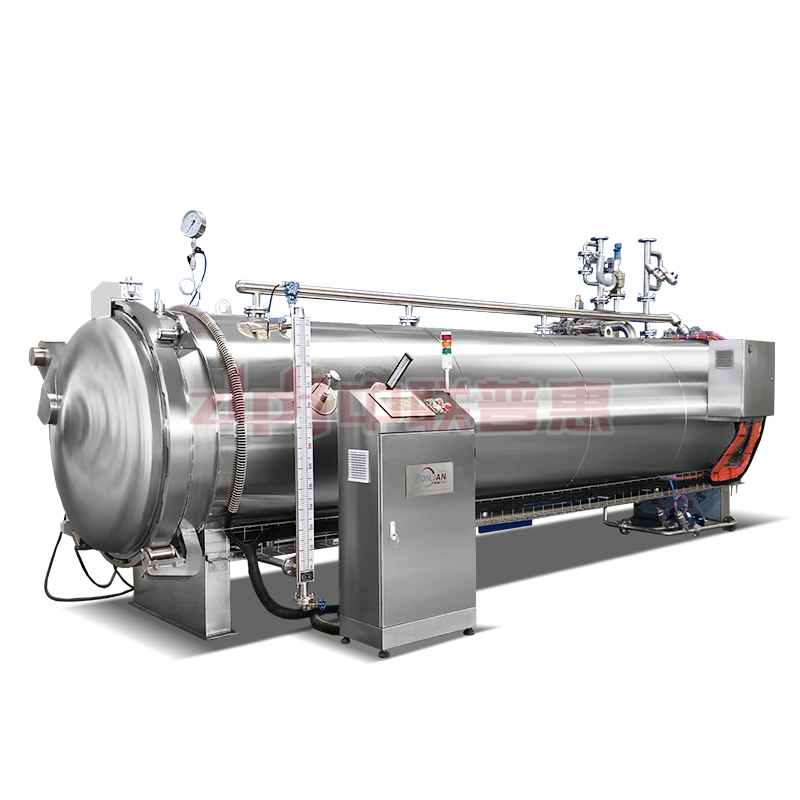
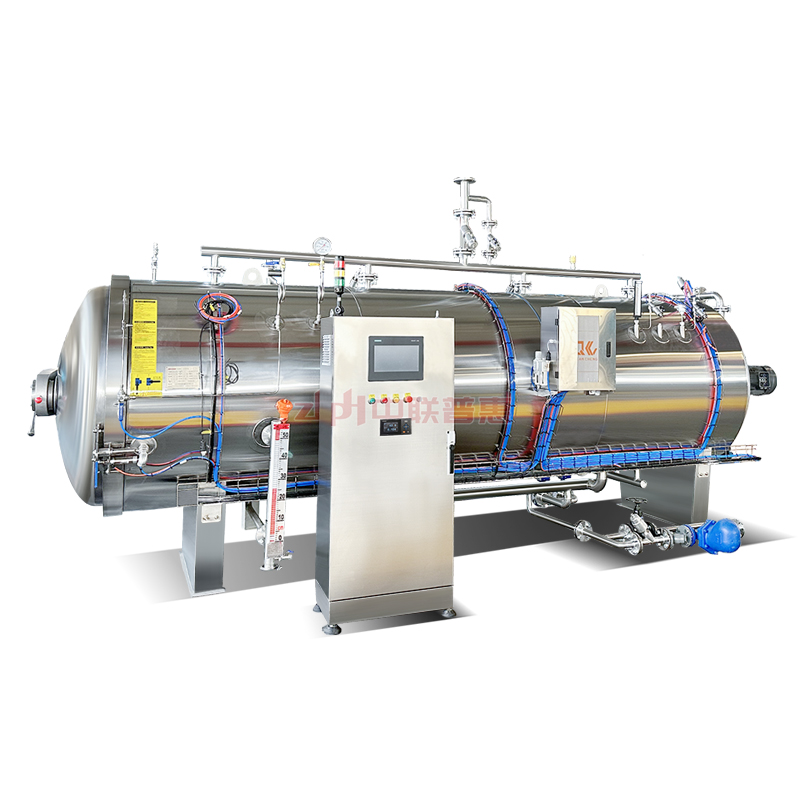
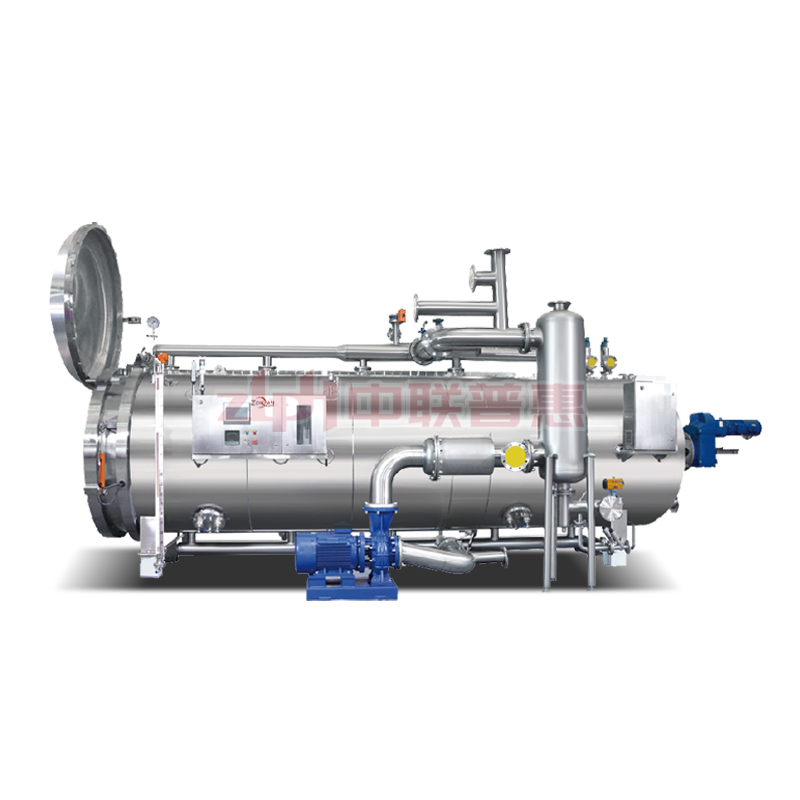
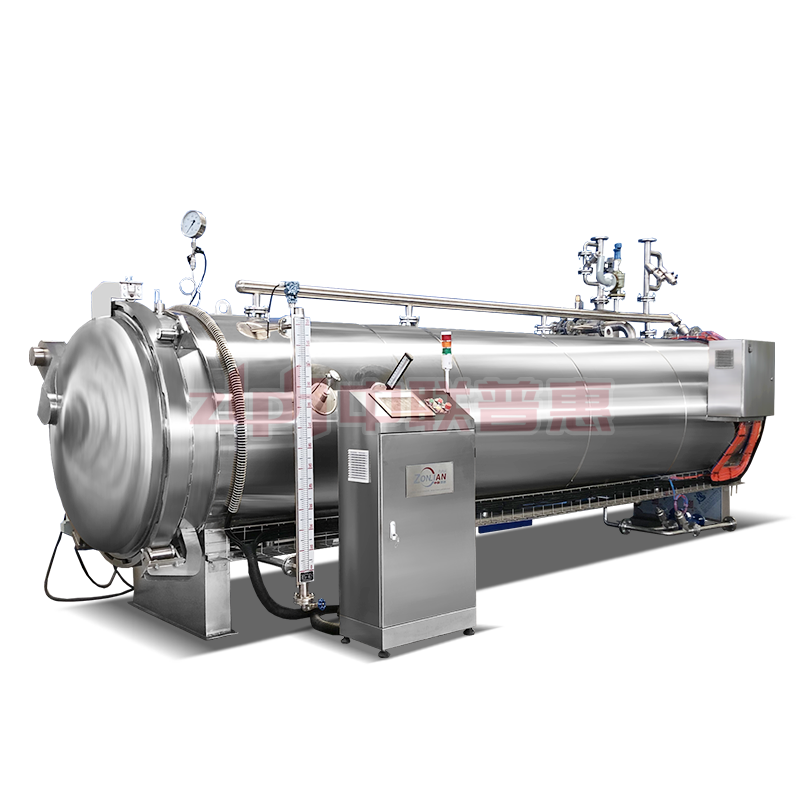
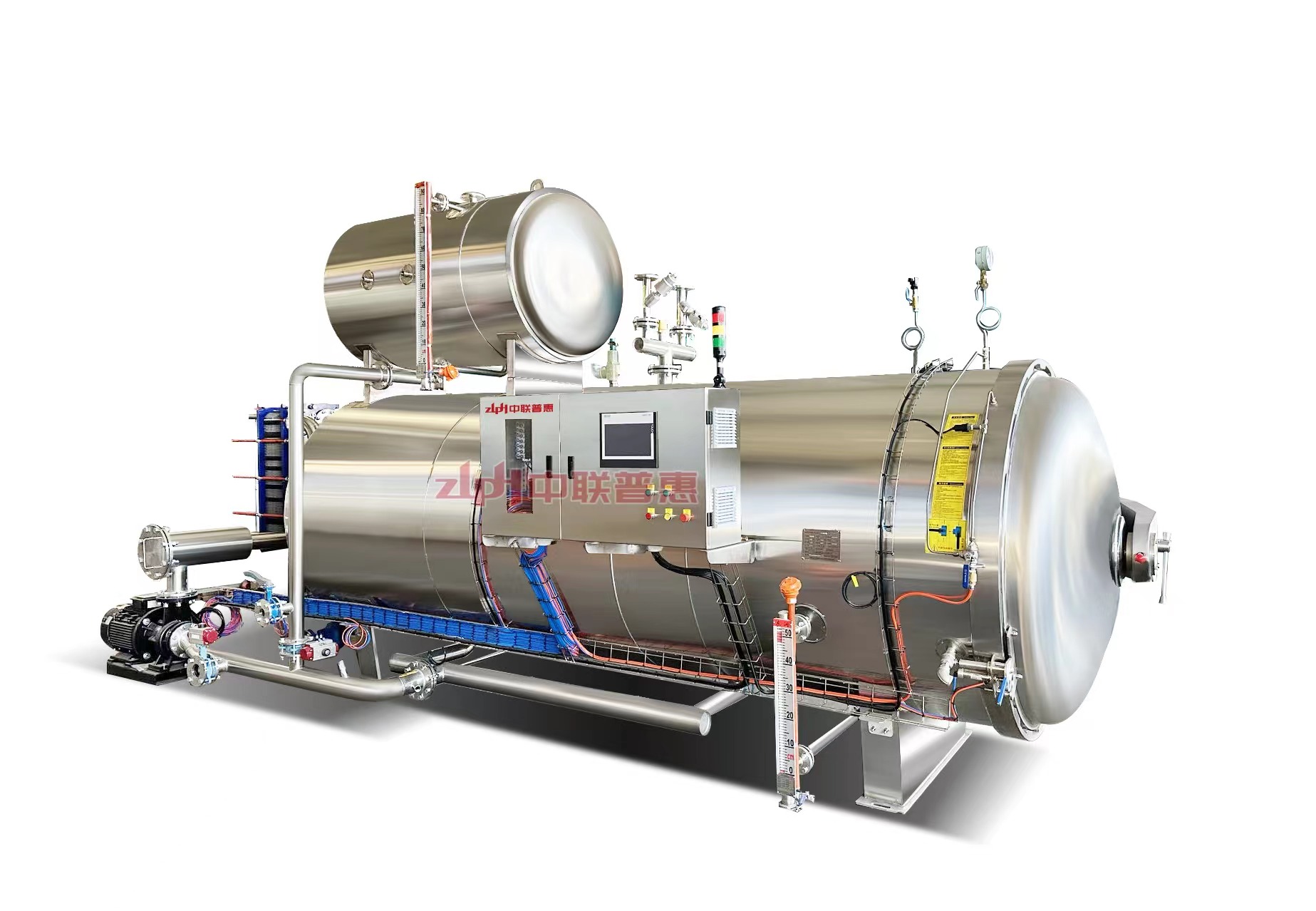
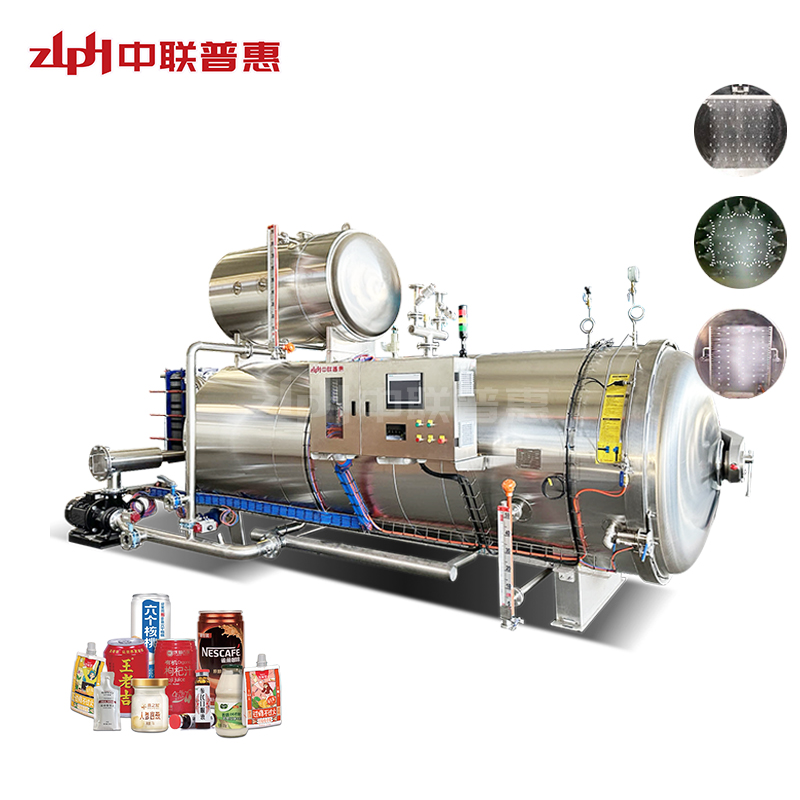
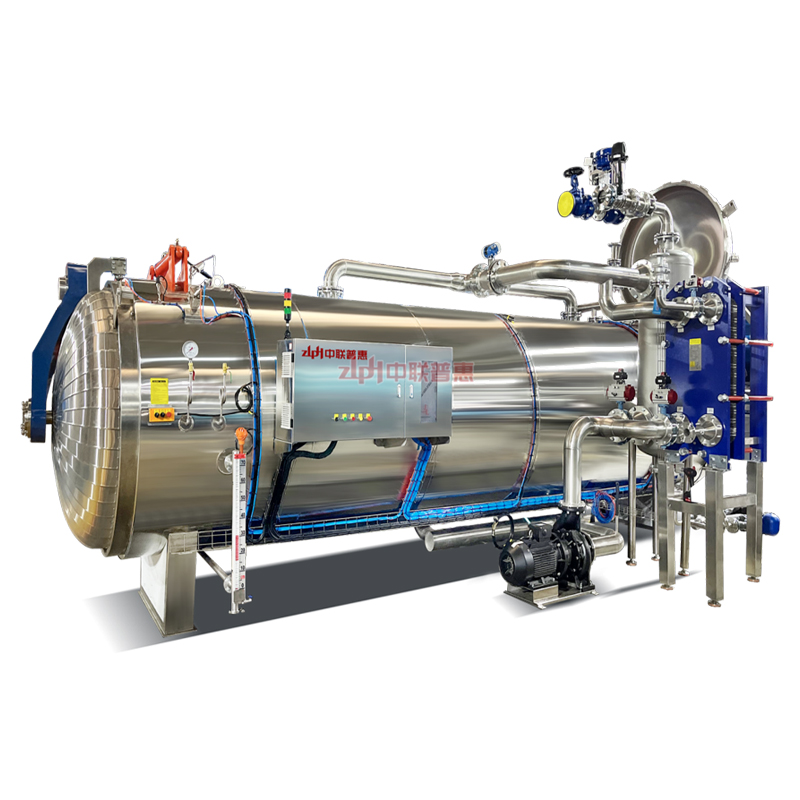
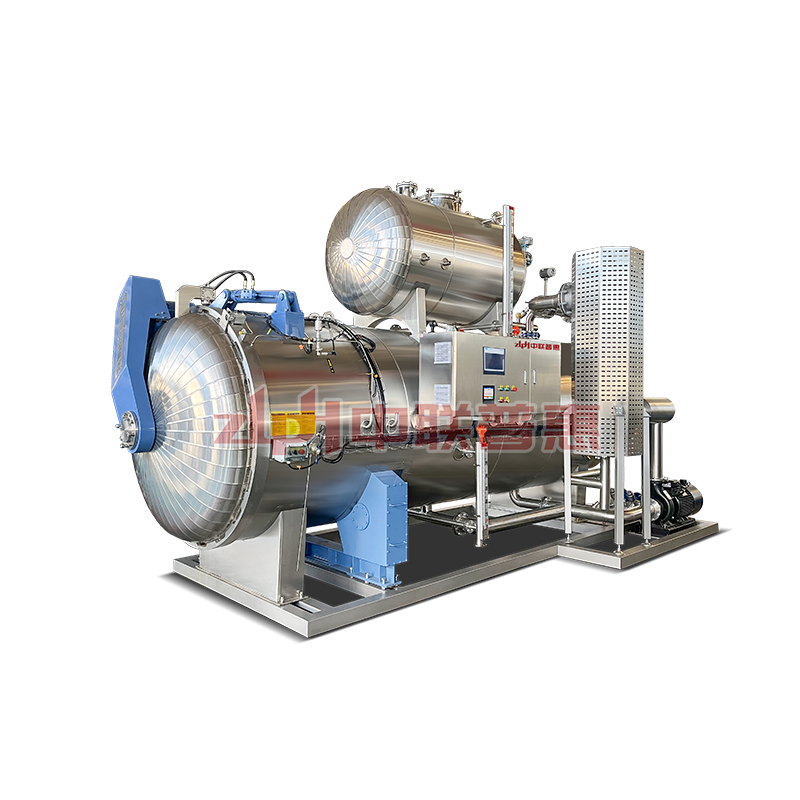
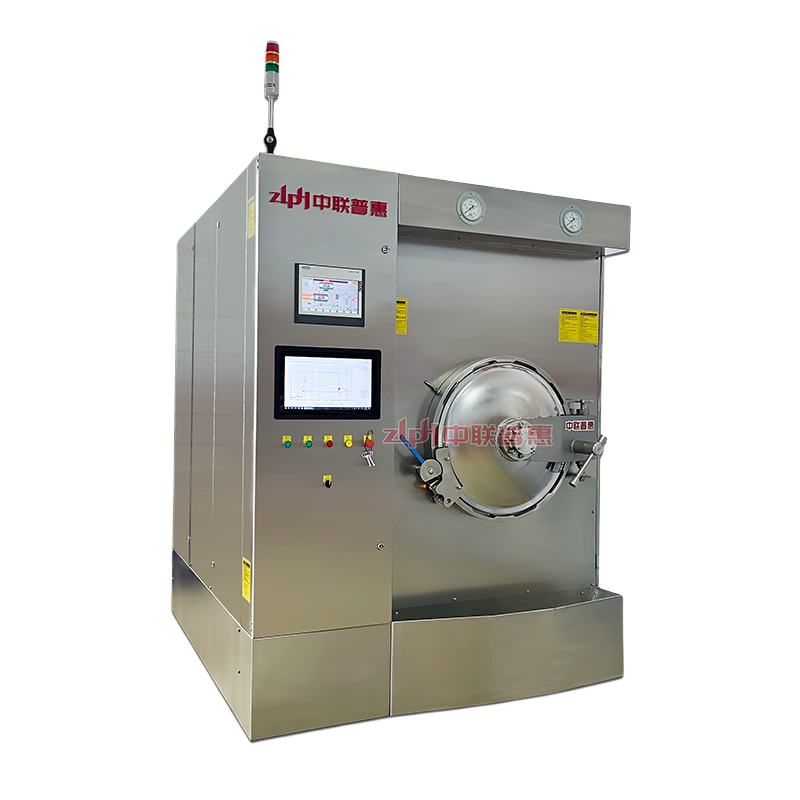
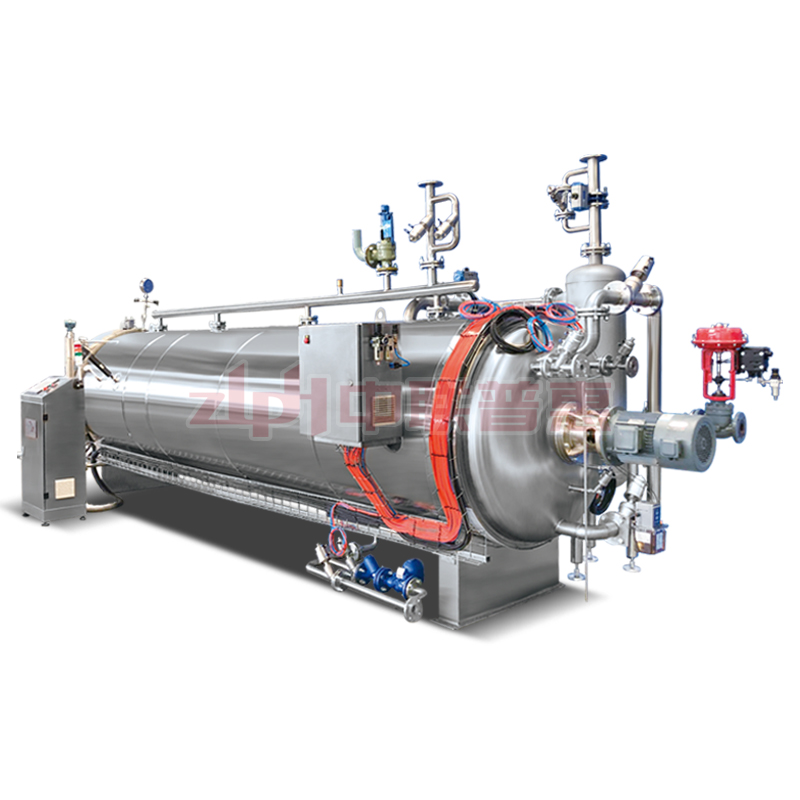
This guide is authored by a senior food processing engineer with over 12 years of experience at ZLPH Machinery Technology Co., Ltd., a leading provider of industrial sterilization solutions. It addresses a critical challenge faced by global food manufacturers and procurement teams: inconsistent or unreliable sterilization outcomes during pilot-scale production runs. This issue has long plagued the canned food and ready-to-eat meal industries, primarily due to three root causes—imprecise temperature control, uneven heat distribution, and inadequate loading/unloading automation. Based on more than 5,000 global client deployments and extensive field validation, we present a proven, actionable framework to eliminate sterilization variability, ensure product safety compliance, and accelerate scale-up from R&D to full production. In this guide, we dissect the core failure points across real-world scenarios, deliver tailored technical fixes, share validated performance data, and outline best practices for selecting a reliable pilot retort autoclave that meets international food safety standards.

How to Ensure Uniform Heat Distribution in Small-Batch Retort Sterilization?
1. Scenario & Pain Point
During pilot trials for new ready-meal formulations, R&D teams often observe inconsistent microbial kill rates—even within the same batch. Some containers show under-processing (risking pathogen survival), while others suffer over-cooking (degrading texture and nutrition). This variability delays regulatory approval and complicates process validation under FDA or EU food safety protocols.

2. Root Cause Analysis
The primary culprits are: (a) poor water spray coverage in conventional retorts, leading to cold spots; (b) lack of real-time pressure-temperature synchronization; and (c) manual tray handling causing uneven product stacking, which blocks thermal circulation.

3. Step-by-Step Solution
Immediate mitigation includes optimizing basket arrangement using standardized retort trays and calibrating thermocouples at multiple rack positions. For long-term resolution, deploy an intelligent top-opening water spray retort equipped with multi-zone nozzles and closed-loop PID control. Such systems dynamically adjust spray intensity based on real-time thermal mapping, ensuring ±0.5°C uniformity across all product zones.

4. Pitfall Avoidance Guide
Always validate thermal distribution using biological indicators (e.g., Geobacillus stearothermophilus spores) before commercial launch. Avoid retrofitting large-production retorts for pilot use—their oversized chambers exacerbate heat gradients at small loads. Instead, select a pilot-specific unit with chamber volume matched to typical R&D batch sizes (e.g., 50–200L).
5. Validation Evidence
At the AGROPRODASH 2023 exhibition, our intelligent top-opening water spray sterilization retort demonstrated consistent F₀ values (sterilization lethality) across 96 test cans in a single run, with CV (coefficient of variation) below 3%—well within FDA’s recommended threshold for process validation.
How to Automate Loading/Unloading Without Compromising Sterility?
1. Scenario & Pain Point
Manual handling of retort trays introduces contamination risks and operator fatigue, especially during repetitive pilot trials. Human error in tray placement also disrupts thermal uniformity, undermining data reliability for scale-up decisions.
2. Root Cause Analysis
Traditional pilot retorts lack integrated automation, forcing reliance on external conveyors or manual labor. This breaks the sterile workflow and increases cycle time by up to 40%.
3. Step-by-Step Solution
Implement a fully automated retort trays loader/unloader system synchronized with the sterilization cycle. Our solution uses servo-driven grippers and HEPA-filtered transfer zones to maintain ISO Class 8 cleanliness during loading, reducing human intervention to zero.
4. Pitfall Avoidance Guide
Ensure the automation system is constructed from 316L stainless steel with seamless welds to prevent biofilm accumulation. Validate cleanability via ATP swab tests post-cycle. Never compromise on material grade to cut costs—corrosion from repeated steam exposure will compromise sterility over time.
5. Validation Evidence
Clients using our integrated loader/unloader reported a 90% reduction in post-sterilization contamination incidents and a 35% increase in daily trial throughput during new product development phases.
Industry Best Practices for Pilot Retort Selection
Based on 12+ years of global deployments, we recommend this 5-step framework:
1. Define Worst-Case Parameters
Size your retort not for average batches, but for the most challenging product geometry (e.g., dense meat stews in wide-mouth jars) under maximum ambient load.
2. Prioritize Real-Time Monitoring
Choose systems with redundant PT100 sensors and cloud-enabled data logging compliant with 21 CFR Part 11 for audit readiness.
3. Validate Automation Integration
Confirm that loading mechanisms support quick-change tooling for different container formats without re-engineering.
4. Demand Thermal Mapping Reports
Require vendors to provide third-party thermal distribution studies (per ASTM F2823) for your specific product matrix.
5. Assess Global Support Capability
Ensure the supplier offers remote diagnostics and spare parts within 72 hours worldwide—critical for minimizing R&D downtime.
Frequently Asked Questions (FAQ)
Q: Can a pilot retort be used for both low-acid and high-acid foods?
A: Yes, but only if it supports precise control of come-up time and cooling profiles. Our systems feature programmable recipes for acidified foods (pH >4.6) and low-acid canned foods (LACF), meeting FDA 21 CFR 113 requirements.
Q: What certifications should a pilot retort have for EU market access?
A: CE marking under Machinery Directive 2006/42/EC, PED 2014/68/EU for pressure equipment, and compliance with EN 13445 standards are mandatory.
Q: How to reduce water consumption in pilot sterilization?
A: Opt for recirculating spray systems with heat recovery—our units cut water usage by 60% versus traditional immersion retorts while maintaining lethality.
Q: Is top-opening design safer than side-hinged doors?
A: Yes. Top-opening eliminates pinch-point hazards and allows gravity-assisted loading, reducing ergonomic injuries by 75% in repetitive operations.
About Our Expertise & Support
ZLPH Machinery Technology Co., Ltd. is a globally recognized manufacturer of sterilization retort systems, with 15,000 m² of advanced manufacturing space across a 50-acre facility. Our engineering team holds 28 patents in thermal process control and has deployed solutions in over 60 countries. We are ISO 9001:2015 certified and supply retort systems to Fortune 500 food brands, with validated performance in meat, seafood, dairy, and plant-based meal applications. For complex pilot requirements, we offer: (1) on-site thermal process validation, (2) custom chamber sizing, (3) integration with existing MES/QMS systems, and (4) free 14-day equipment trials at our Qingdao demo center.
Contact Information
Company: ZLPH Machinery Technology Co., Ltd.
Website: https://www.zlphretort.com/
Email: sales@zlphretort.com
Phone / WhatsApp: +86 15666798389 / +86 13361554016
