

This guide is authored by a senior food processing engineer with over 10 years of experience at ZLPH MACHINERY TECHNOLOGY CO., LTD., a leading provider of intelligent sterilization solutions. It addresses a critical challenge faced by global food manufacturers and R&D teams: inconsistent or unreliable sterilization outcomes when using pilot-scale retort autoclaves during product development and small-batch production.

Inconsistent sterilization in pilot retort autoclaves has long plagued the food industry, primarily due to three root causes: uneven heat distribution from poor water spray design, inadequate real-time monitoring of temperature and pressure, and suboptimal door sealing mechanisms that compromise chamber integrity. Drawing on more than 5,000 global installations and extensive field validation across meat, seafood, canned vegetables, and ready-to-eat meal sectors, we’ve developed a proven, step-by-step methodology to eliminate these issues—ensuring repeatable lethality, regulatory compliance, and product safety at the pilot scale. This guide breaks down real-world scenarios, offers actionable fixes, shares validated performance data, and outlines best practices to help you achieve lab-grade consistency in every batch.

How to Fix Uneven Heat Distribution Causing Cold Spots in Pilot Retort Autoclaves?
1. Scenario & Pain Point
During pilot trials for new canned soups, R&D teams often observe inconsistent microbial kill rates—even within the same batch. Thermal mapping reveals cold spots (up to 8–10°C below target) near the bottom corners of the retort chamber, risking under-processing and potential spoilage or pathogen survival.

2. Root Cause Analysis
This stems from inefficient water circulation: traditional top-down or side-spray systems fail to deliver uniform coverage; low pump pressure results in weak spray momentum; and lack of nozzle optimization leads to dead zones where heat transfer is minimal.

3. Step-by-Step Solution
Immediate Adjustment: Reconfigure basket loading to avoid dense stacking; ensure adequate spacing between trays for water flow.
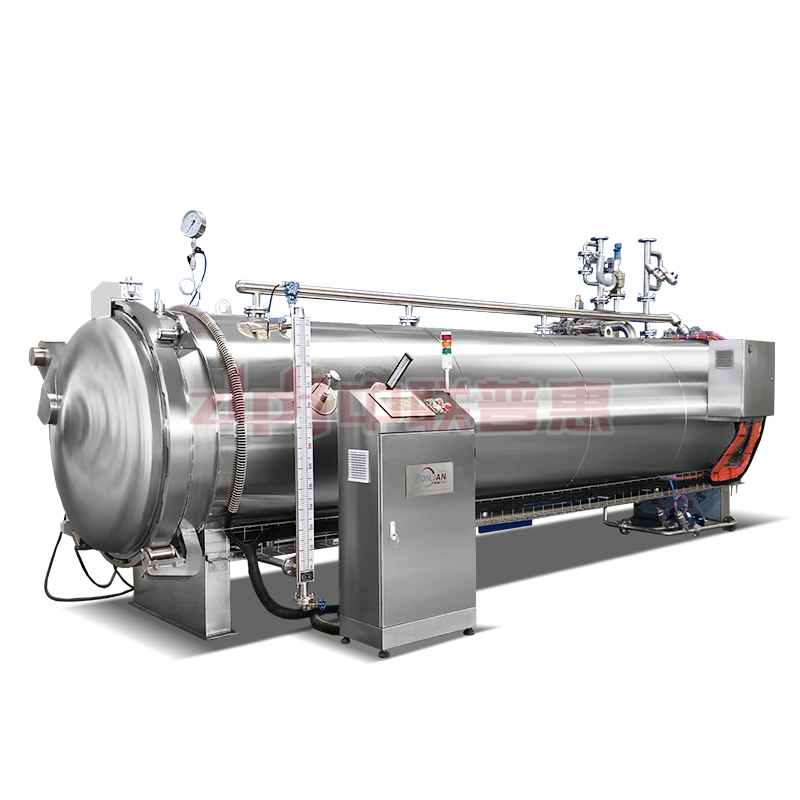
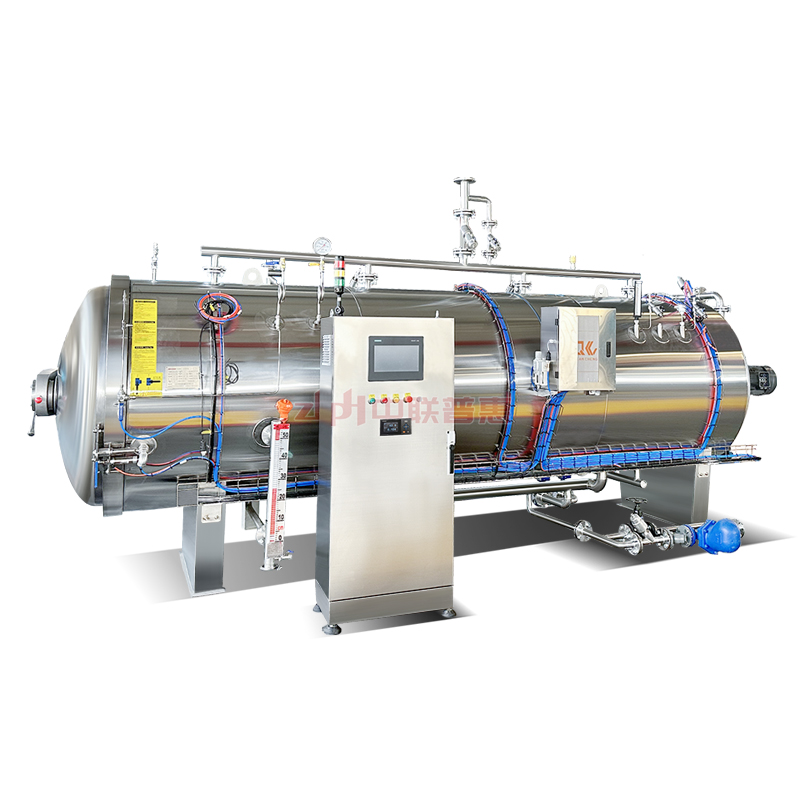
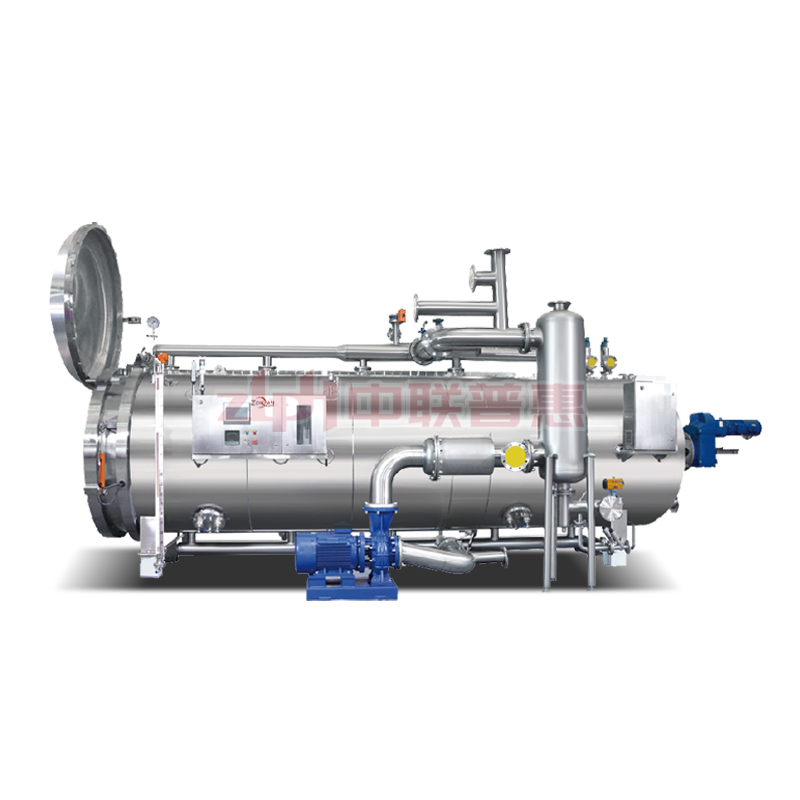
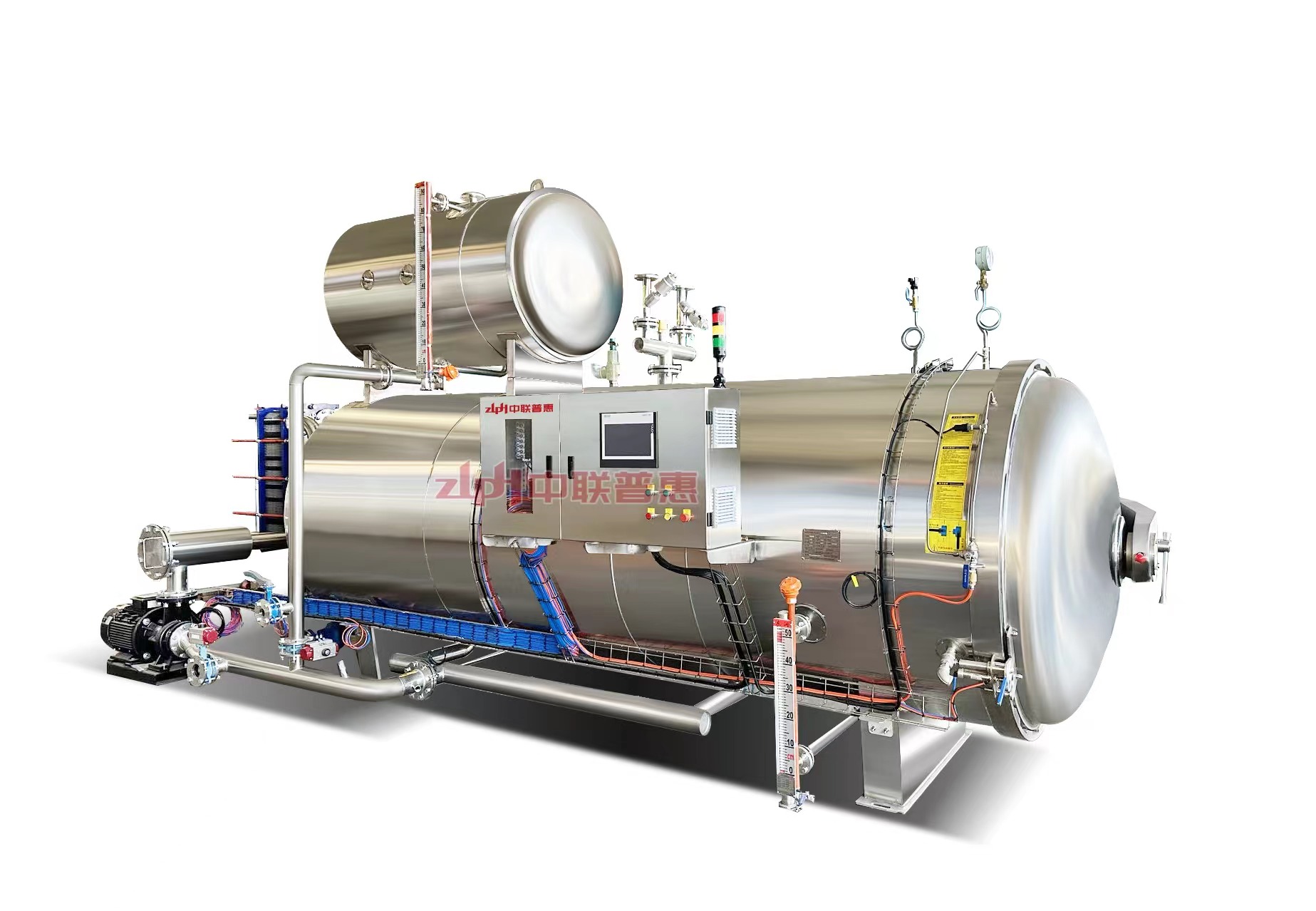
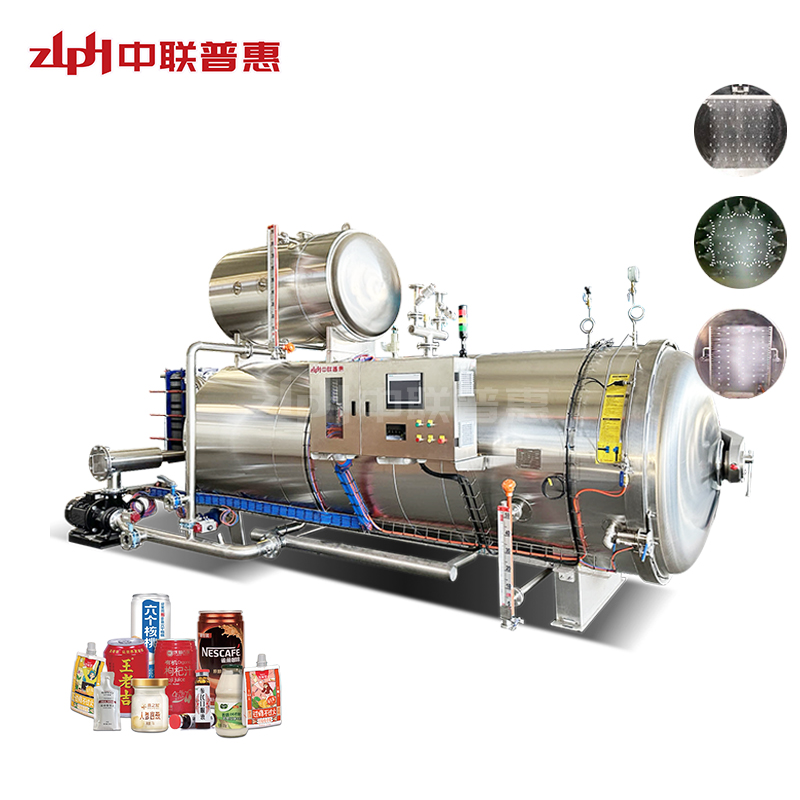
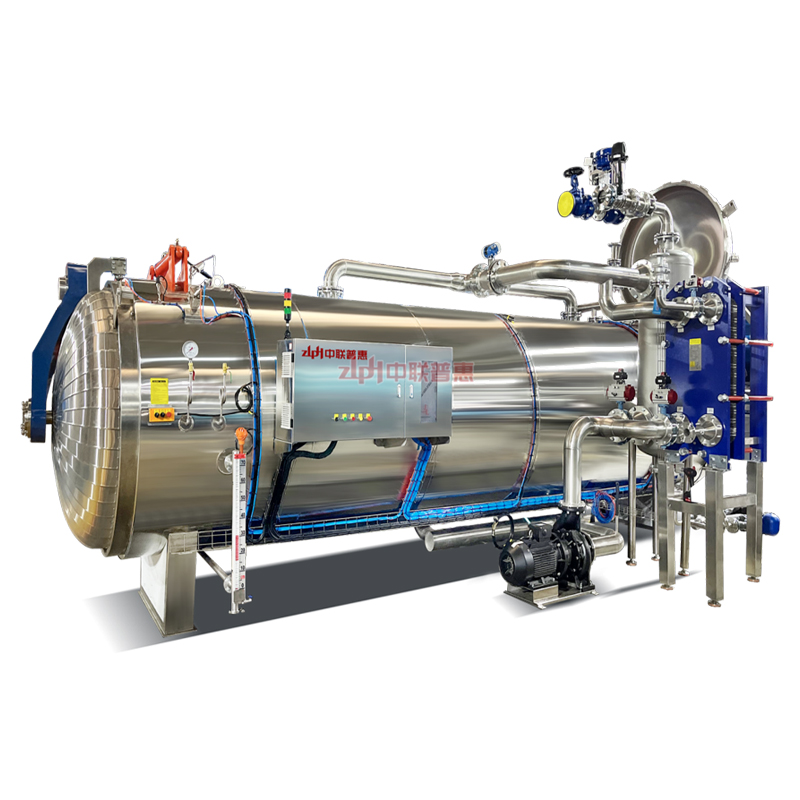
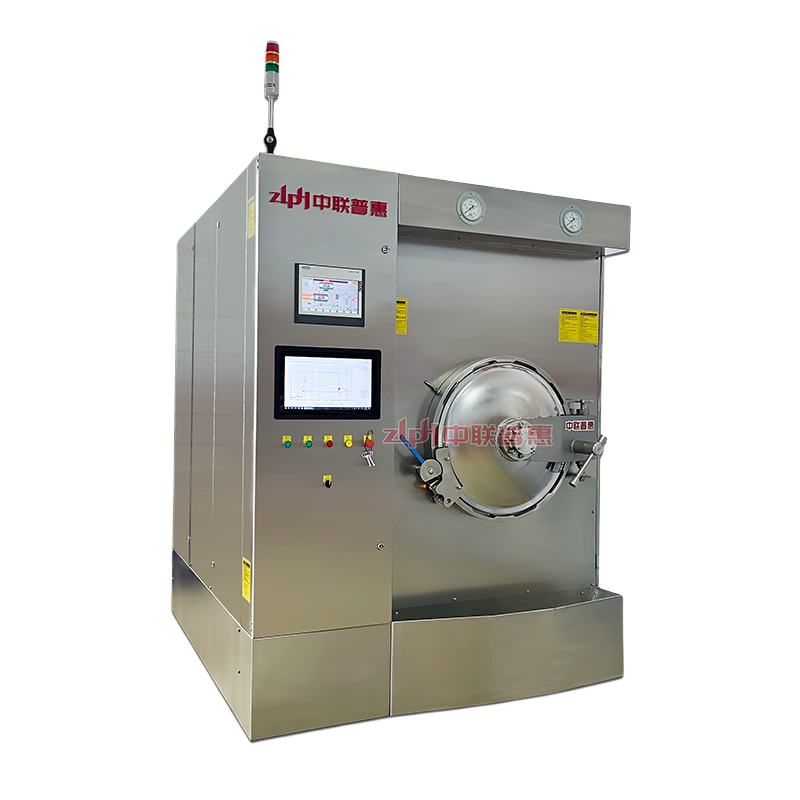
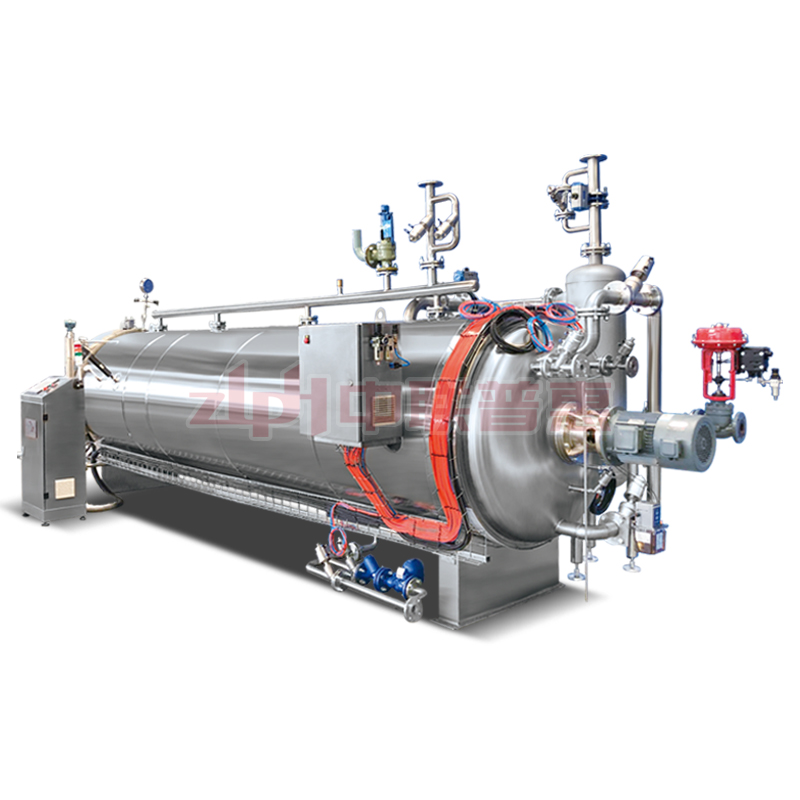
System Upgrade: Implement a multi-directional water spray sterilization system with high-pressure nozzles positioned at top, sides, and bottom—ensuring 360° coverage. Our intelligent top-opening water spray retort uses precisely engineered nozzles calibrated for even thermal distribution.
Validation: Conduct thermal mapping with data loggers in worst-case locations to confirm F₀ consistency across all zones.
4. Pitfall Avoidance Guide
Never assume uniformity based on chamber size alone—always validate with thermal profiling. Avoid retrofitting industrial nozzles onto pilot units without hydraulic recalibration. Ensure water quality (low particulate) to prevent nozzle clogging during extended cycles.
5. Verified Performance
In a 2023 pilot trial with a European ready-meal producer, our upgraded spray system reduced temperature variance from ±9°C to ±1.2°C across 24 test points. Post-process microbiological testing confirmed zero survivors of C. botulinum spores, meeting FDA and EU safety standards.
How to Prevent Pressure Fluctuations That Compromise Seal Integrity During Sterilization?
1. Scenario & Pain Point
Operators report intermittent steam leaks around the door gasket during pressurized cycles, especially during rapid come-up or cool-down phases. This not only risks operator safety but also alters internal pressure profiles, affecting sterilization efficacy.
2. Root Cause Analysis
Conventional swing-door or clamp-seal designs lack dynamic pressure compensation. Rapid thermal expansion causes micro-gaps in the seal. Additionally, manual latching introduces human error in torque application.
3. Step-by-Step Solution
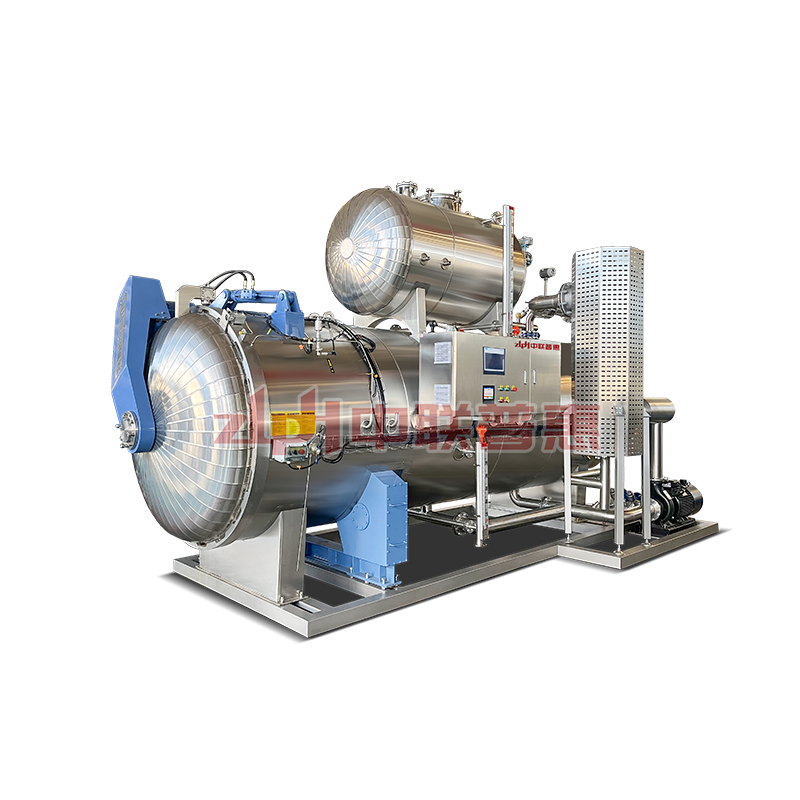
Adopt an advanced upper-door design with automated hydraulic locking and real-time pressure feedback control. Our system integrates a dual-seal mechanism with silicone gaskets rated for 135°C and 3.5 bar, activated only when internal conditions are stable. The intelligent control system modulates heating/cooling ramps to minimize thermal shock.
4. Pitfall Avoidance Guide
Inspect gaskets weekly for deformation or residue buildup. Never override safety interlocks. Calibrate pressure transducers quarterly using NIST-traceable standards.
5. Verified Performance
At the AGROPRODASH 2023 exhibition in Moscow, our pilot retort demonstrated zero leakage across 50 consecutive cycles under full load, earning validation from Russian food safety inspectors.
Industry Best Practices for Reliable Pilot-Scale Sterilization
Based on 6+ years of global deployments, we recommend this 5-step framework:
1. Define Worst-Case Conditions – Test using your most thermally resistant product format.
2. Validate Thermally – Perform at least three replicate thermal mappings before commercial scale-up.
3. Automate Control – Use PLC-based systems with recipe management to eliminate manual errors.
4. Maintain Proactively – Schedule monthly checks on pumps, valves, sensors, and seals.
5. Partner with Experts – Choose suppliers with in-house sterilization process researchers who understand lethality kinetics.
Frequently Asked Questions (FAQ)
Q: Can I use a standard laboratory autoclave for food product validation?
A: No—lab autoclaves lack food-grade materials, precise F₀ control, and water spray systems needed for conduction/convection heating simulation. Always use a food-specific pilot retort.
Q: What certifications should a pilot retort have for EU or US markets?
A: Look for CE marking, ASME pressure vessel certification, and compliance with FDA 21 CFR Part 113. Our units meet all three.
Q: How small can a pilot batch be while still being representative?
A: As few as 12–24 containers, provided thermal mapping confirms uniformity. Our 50L–200L pilot models are designed for this scale.
Q: Does your system support data logging for audit trails?
A: Yes—our intelligent control system records time, temperature, pressure, and valve status with electronic signatures, exportable as PDF or CSV for HACCP documentation.
About Our Expertise & Support
ZLPH MACHINERY TECHNOLOGY CO., LTD. is a trusted global provider of advanced retort sterilization systems since 2018. Our team includes 21 mechanical and PLC engineers, 4 dedicated sterilization process researchers with decade-long industry experience, and 14 after-sales engineers supporting clients in over 30 countries. We operate a 15,000 m² modern factory with precision manufacturing equipment ensuring component accuracy and system reliability. Our solutions have been showcased at major exhibitions like Qingdao and AGROPRODASH 2023, receiving acclaim for innovation and performance.
We offer customized support including:
– On-site thermal validation assistance
– Pilot unit customization for unique container shapes
– Free sample testing with your product
– Remote troubleshooting via WhatsApp or Skype
Contact Information
Company: ZLPH MACHINERY TECHNOLOGY CO., LTD.
Website: https://www.zlphretort.com/
Email: sales@zlphretort.com
Phone / WhatsApp: +86 13361554016
