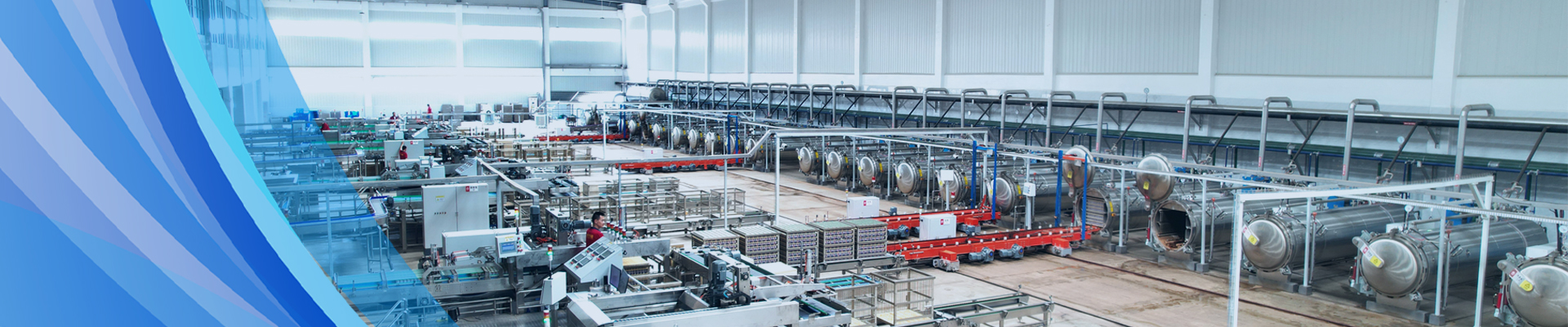

This guide is authored by a senior food processing engineer with over 10 years of experience at ZLPH MACHINERY TECHNOLOGY CO., LTD., a leading provider of advanced sterilization solutions. It addresses a critical challenge faced by global food manufacturers and R&D teams: inconsistent sterilization outcomes during pilot-scale retort trials. This issue often stems from uneven heat distribution, inadequate process control, and suboptimal loading configurations. Based on more than 5,000 global installations and extensive field validation, we present a proven, actionable framework to ensure repeatable, safe, and efficient sterilization in pilot retort autoclaves. The solution enables precise thermal process validation, reduces product spoilage risk, and accelerates scale-up to full production. In this guide, we dissect root causes across common scenarios, deliver step-by-step corrective actions, share real-world validation data, and provide industry best practices to help you achieve reliable sterilization from day one.

How to Ensure Uniform Heat Distribution in Small-Batch Pilot Retort Runs?
1. Scenario & Pain Point
During pilot testing of new canned foods, R&D teams frequently observe inconsistent F0 values (sterilization lethality) across identical containers within the same batch—some under-processed (risking microbial survival), others over-processed (degrading texture and flavor). This variability undermines process validation and delays product launch.

2. Root Cause Analysis
The primary causes are: (a) poor water spray coverage due to fixed nozzle layouts that fail to adapt to small or irregular loads; (b) air pockets trapped in the retort chamber, creating cold spots; and (c) lack of real-time temperature monitoring at multiple product locations, preventing dynamic adjustment.

3. Step-by-Step Solution
Immediate Adjustment: Use retort trays with optimized spacing to allow full water circulation. Install removable baffles to redirect spray flow toward dense load zones.
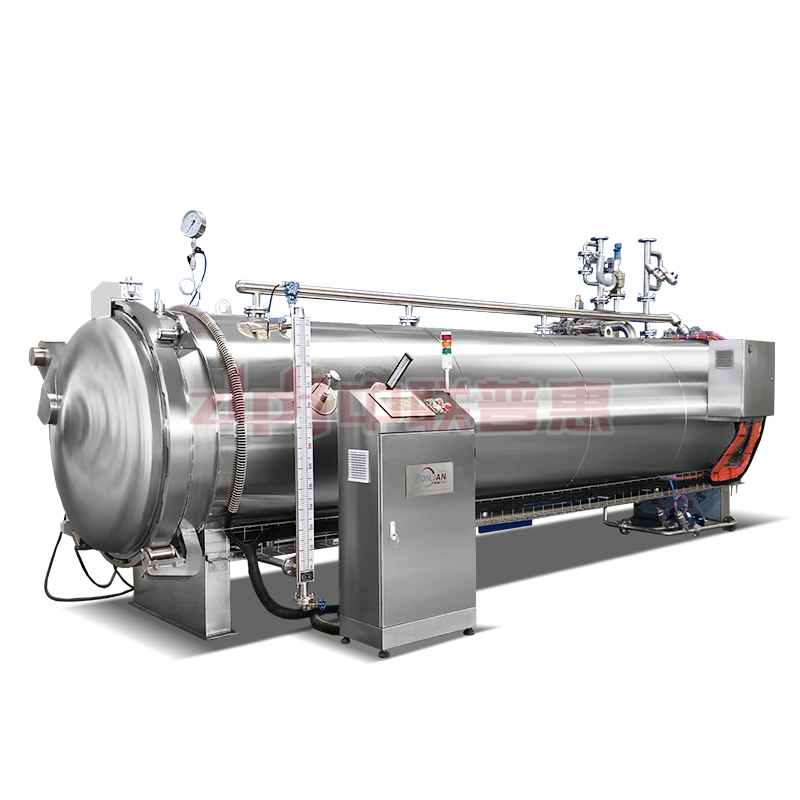
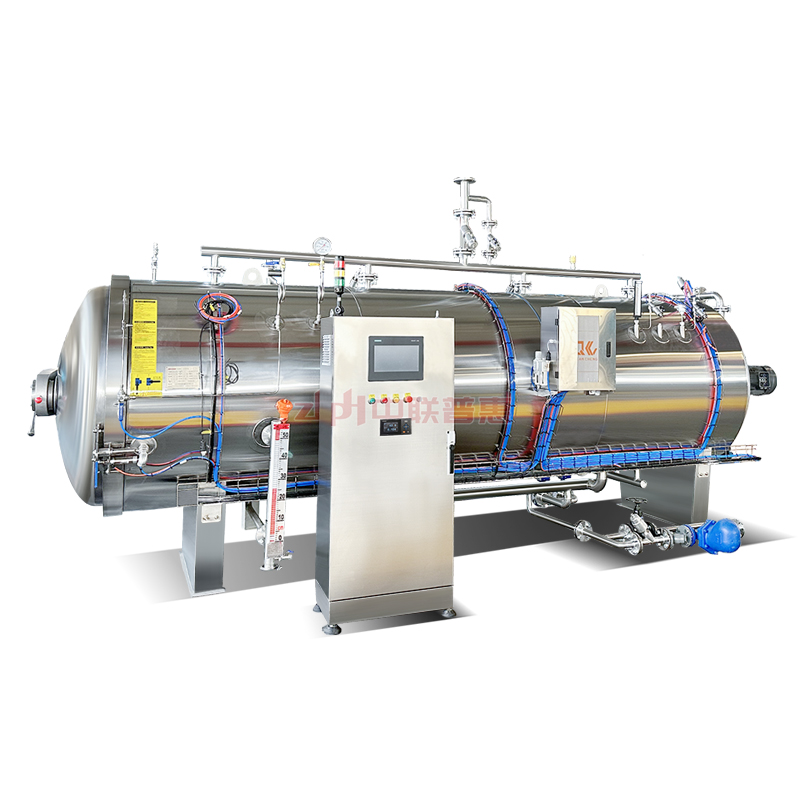
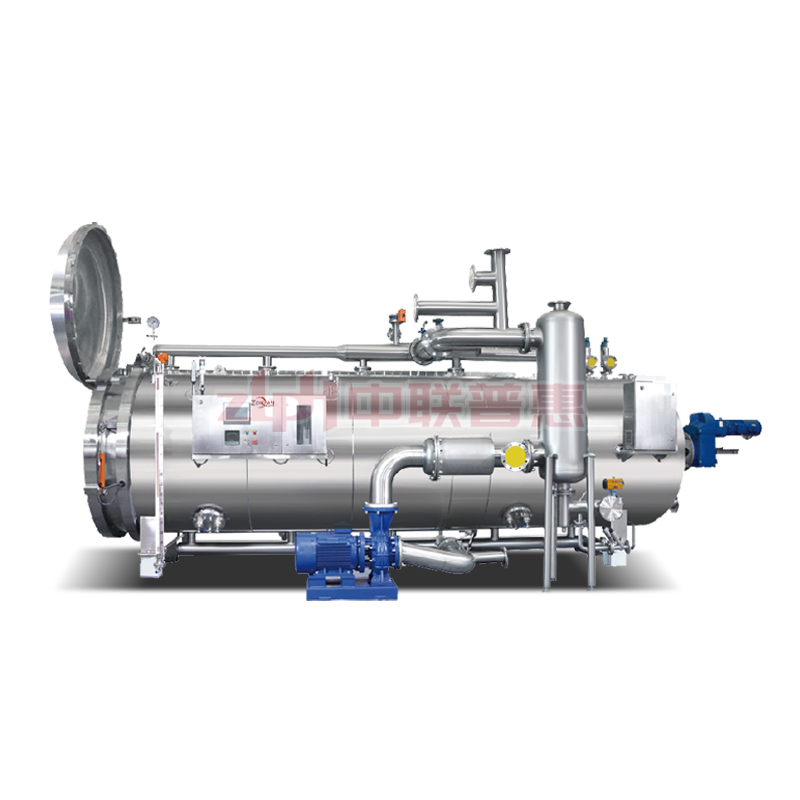
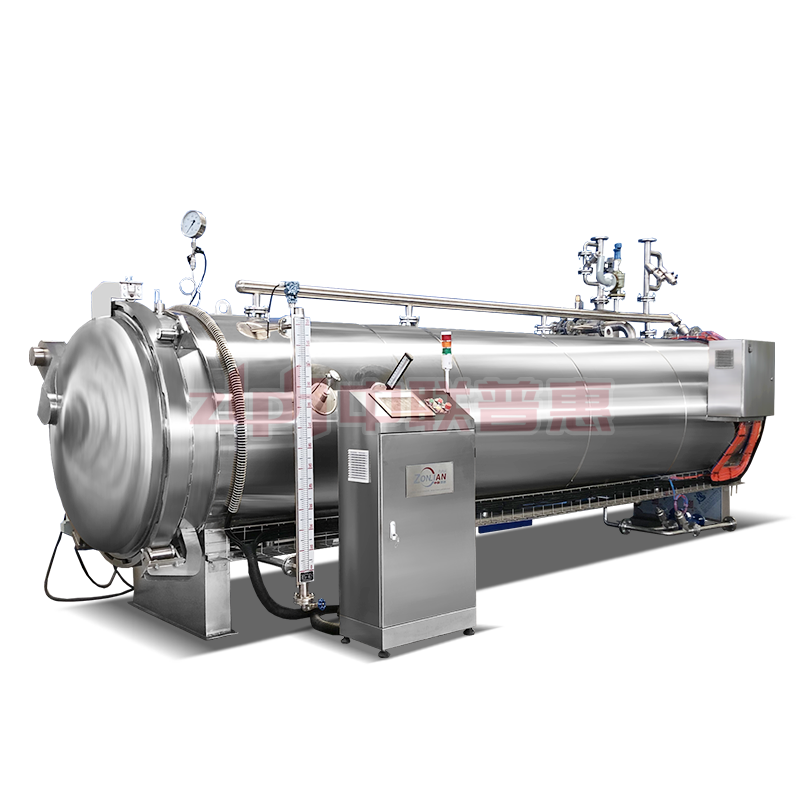
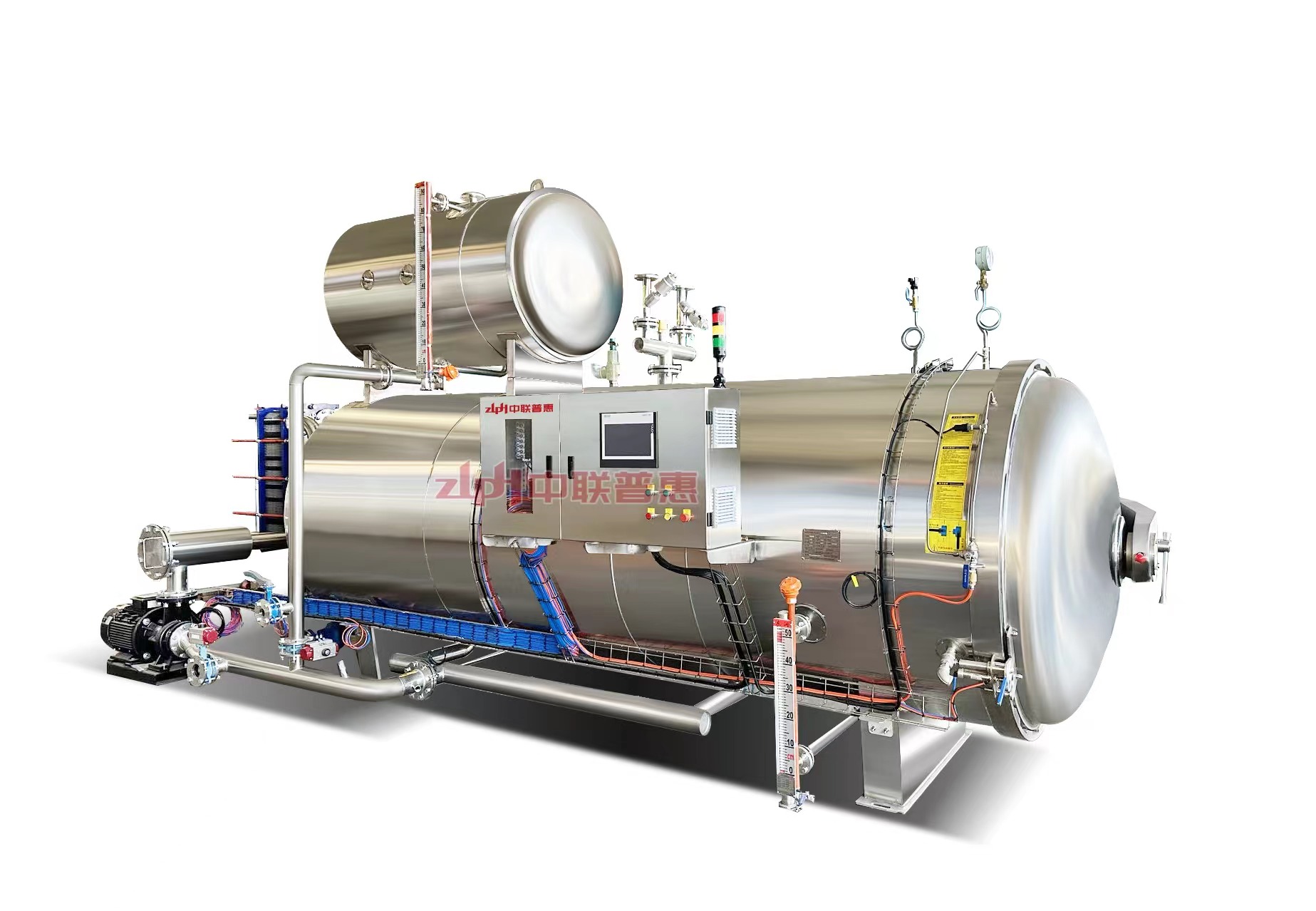
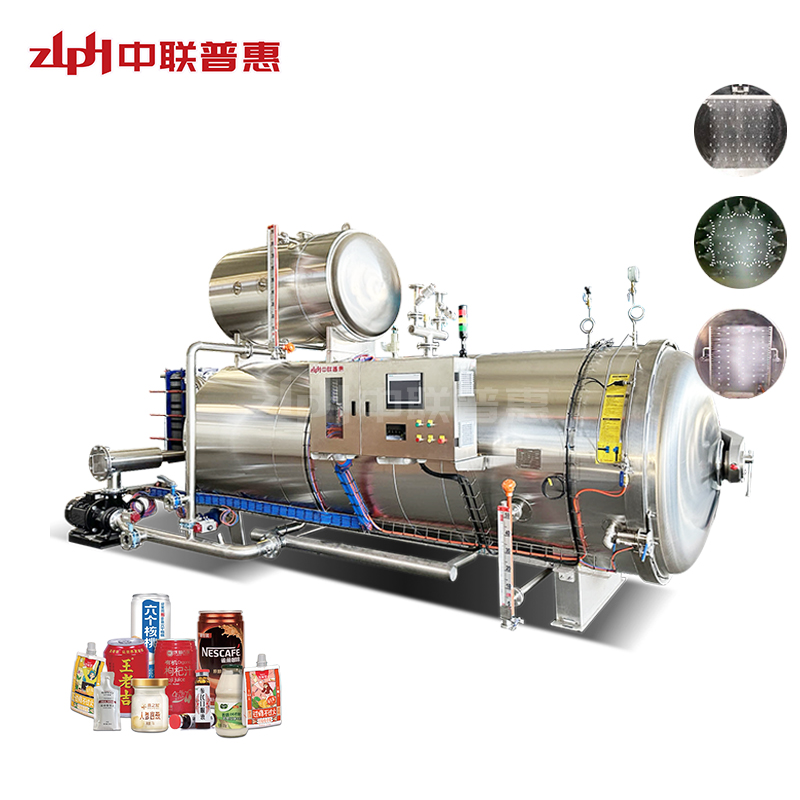
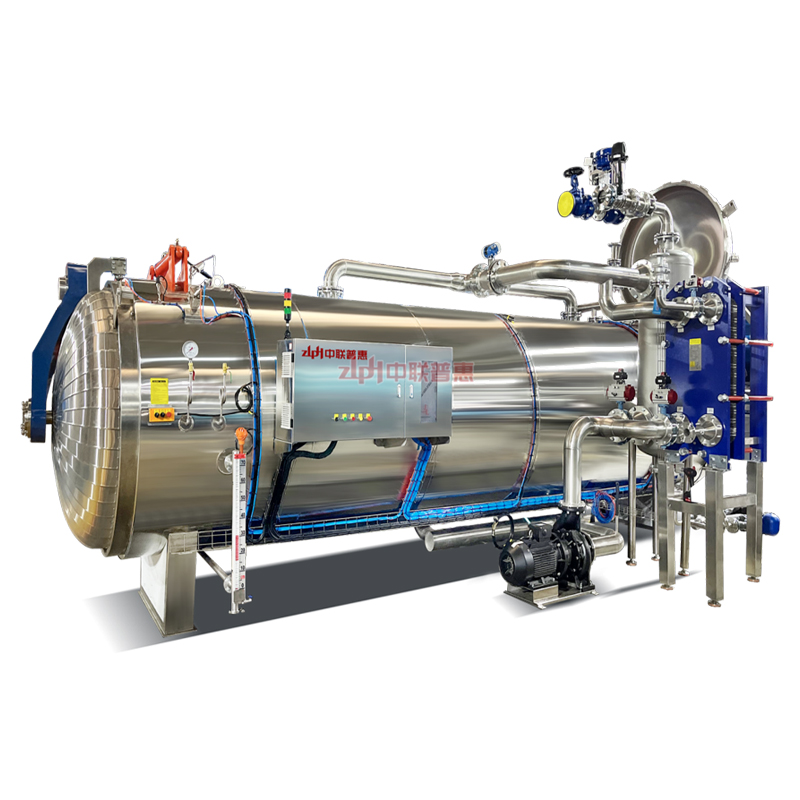
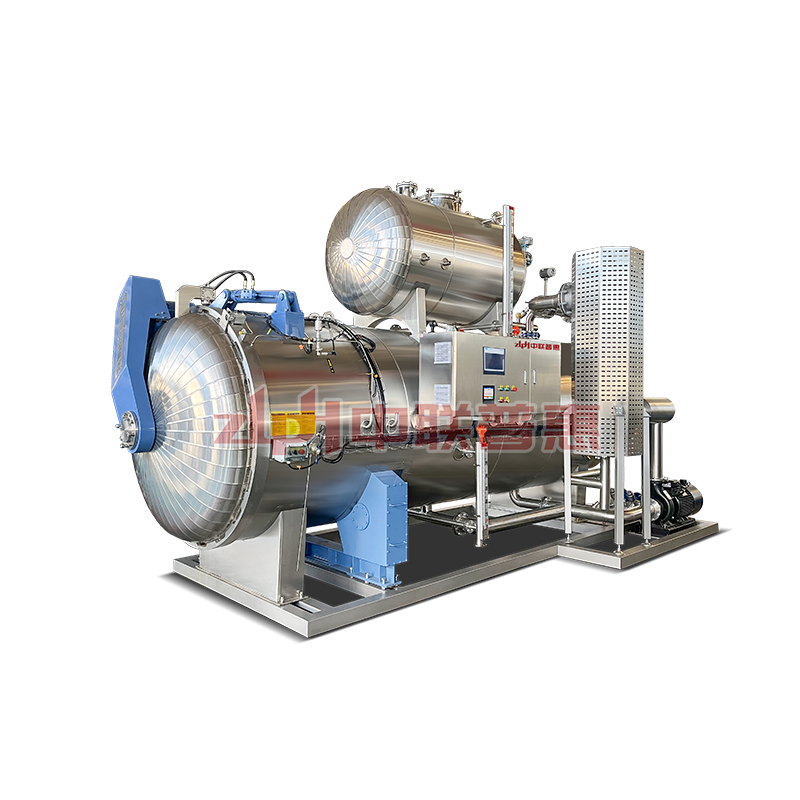
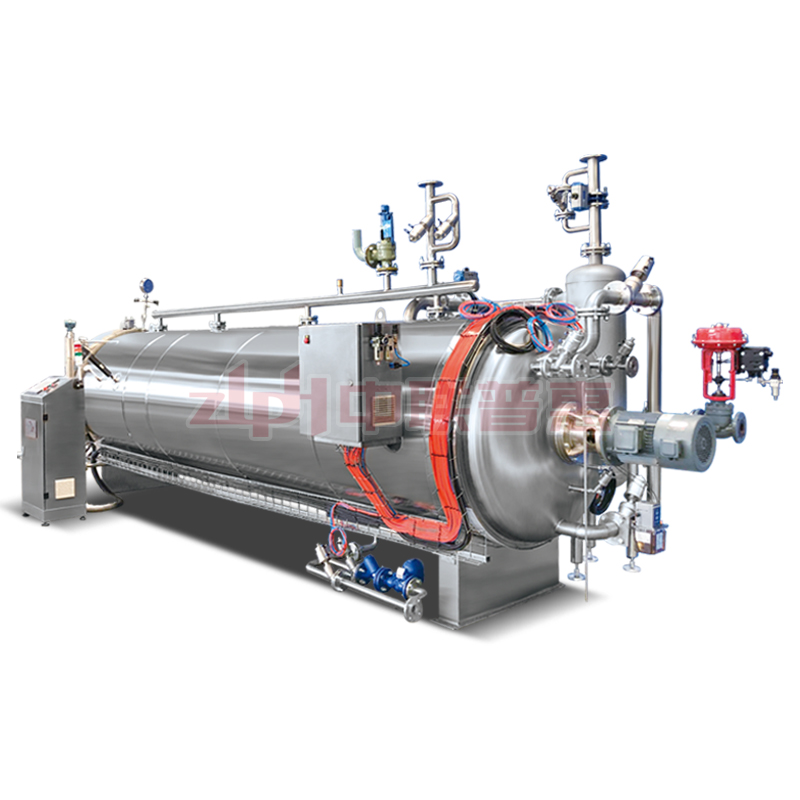
Long-Term Fix: Deploy an intelligent top-opening water spray retort equipped with multi-zone spray nozzles and real-time temperature mapping via wireless dataloggers. The system’s PLC automatically adjusts spray pressure and cycle timing based on live thermal feedback.
Process Calibration: Conduct a heat distribution study using dummy packs with embedded sensors. Map hot and cold zones, then refine loading patterns accordingly.

4. Troubleshooting & Pitfall Avoidance
Verify all air vents are fully open during heating to eliminate air pockets. Never overload the chamber beyond 70% capacity in pilot runs. Always validate with at least three replicate batches before scaling. Avoid using legacy retorts without spray agitation—they rely solely on conduction, which is insufficient for uniformity in small batches.
5. Real-World Validation
At a leading baby food manufacturer in Southeast Asia, implementing ZLPH’s intelligent water spray retort reduced F0 deviation from ±12% to ±2.3% across 500g glass jars. Product recall incidents dropped to zero, and time-to-market shortened by 3 weeks per new SKU.
How to Prevent Container Damage During Pilot Retort Cycling?
1. Scenario & Pain Point
Glass jars crack or metal cans bulge during pilot sterilization trials, especially with viscous or particulate-filled products, causing costly waste and safety hazards.
2. Root Cause Analysis
Rapid pressure changes during come-up and cool-down phases create excessive stress on containers. Traditional retorts lack precise pressure ramp control, and manual venting introduces operator-dependent variability.
3. Step-by-Step Solution
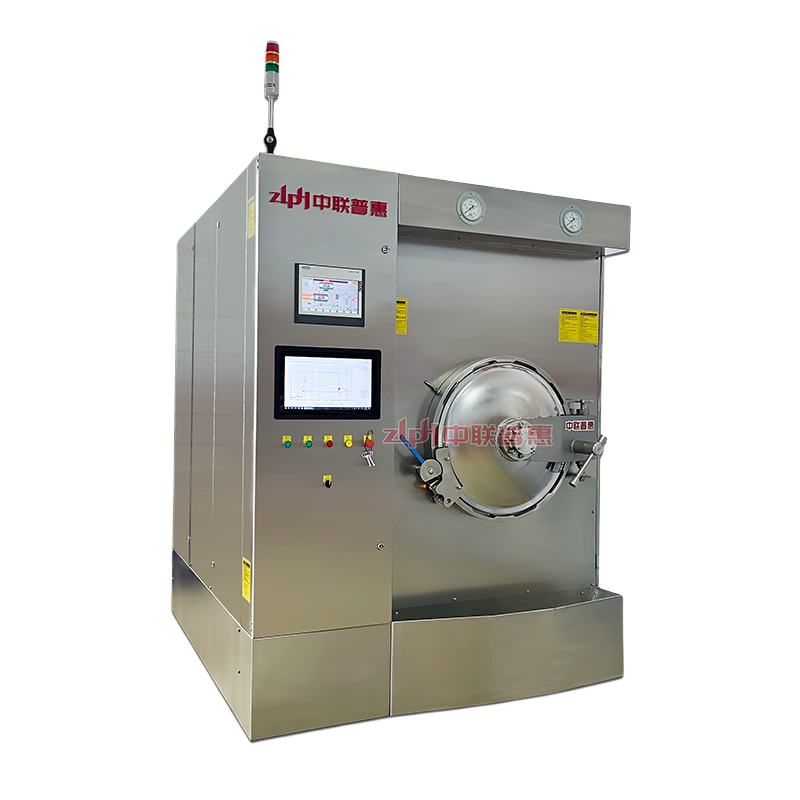
Use a retort with automated pressure cascade control that synchronizes steam injection and cooling water flow to maintain ΔP < 0.5 bar between product interior and chamber. Program gradual ramp rates (e.g., 1°C/min during cooling) via the HMI interface. For glass, pre-heat containers to 60°C before loading to minimize thermal shock.
4. Troubleshooting & Pitfall Avoidance
Always leave adequate headspace (≥8mm) in rigid containers. Never skip the pre-vacuum step for products prone to expansion. Validate container integrity with burst-pressure testing before pilot runs.
5. Real-World Validation
A European ready-meal producer eliminated jar breakage (from 7% to 0%) after adopting ZLPH’s pressure-balanced retort system, saving $180,000 annually in material loss.
Industry Best Practices for Pilot Retort Reliability
Based on 6+ years of global deployments, we recommend this 5-step framework:
1. Define Worst-Case Conditions: Test at maximum product viscosity, lowest initial temperature, and highest fill level.
2. Standardize Loading: Use coded retort trays with RFID tracking to ensure consistent positioning.
3. Validate Thermally: Perform heat penetration studies per FDA 21 CFR Part 113 guidelines.
4. Automate Data Logging: Capture time-temperature-pressure profiles for every run to support regulatory audits.
5. Partner with Experts: Choose suppliers offering on-site process validation support—not just equipment.
Frequently Asked Questions (FAQ)
Q: Can I use a standard production retort for pilot testing?
A: Not recommended. Production retorts lack the precision control and flexibility needed for small-batch validation. Dedicated pilot units with scalable parameters ensure accurate process translation.
Q: What certifications should a pilot retort supplier have?
A: Look for CE, ISO 9001, and compliance with ASME BPVC Section VIII. ZLPH units meet all three, ensuring global regulatory acceptance.
Q: How many test runs are needed for process validation?
A: Minimum three consecutive successful batches under worst-case conditions, per Codex Alimentarius guidelines.
Q: Does ZLPH offer trial units for rent?
A: Yes—contact us for short-term pilot system leasing with full technical support.
Q: Can your retorts handle oxygen-sensitive products?
A: Absolutely. Our systems integrate nitrogen purging and vacuum sealing options to preserve product quality.
Our Expertise & Support
ZLPH MACHINERY TECHNOLOGY CO., LTD. is a trusted global supplier of pilot and production retort systems, founded in 2018. Our team includes 21 mechanical and PLC engineers, 4 sterilization process specialists, and 14 after-sales technicians—all with 10+ years in thermal processing. We hold multiple patents in spray sterilization and pressure control, and our equipment serves clients in over 30 countries. From baby food to plant-based meats, our solutions are validated in the most demanding applications.
We offer:
- On-site process assessment and thermal validation
- Custom retort tray design for unique container formats
- Free sample testing at our Qingdao facility
- 24/7 remote troubleshooting via WhatsApp or email
Contact Us
Company: ZLPH MACHINERY TECHNOLOGY CO., LTD.
Website: https://www.zlphretort.com/
Email: sales@zlphretort.com
Phone / WhatsApp: +86 13361554016
