

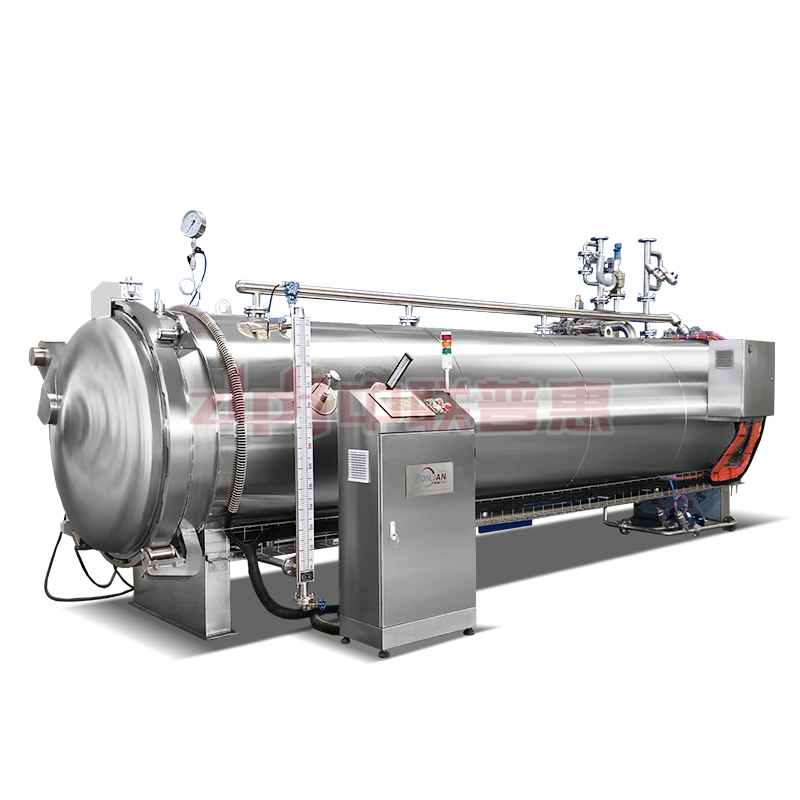
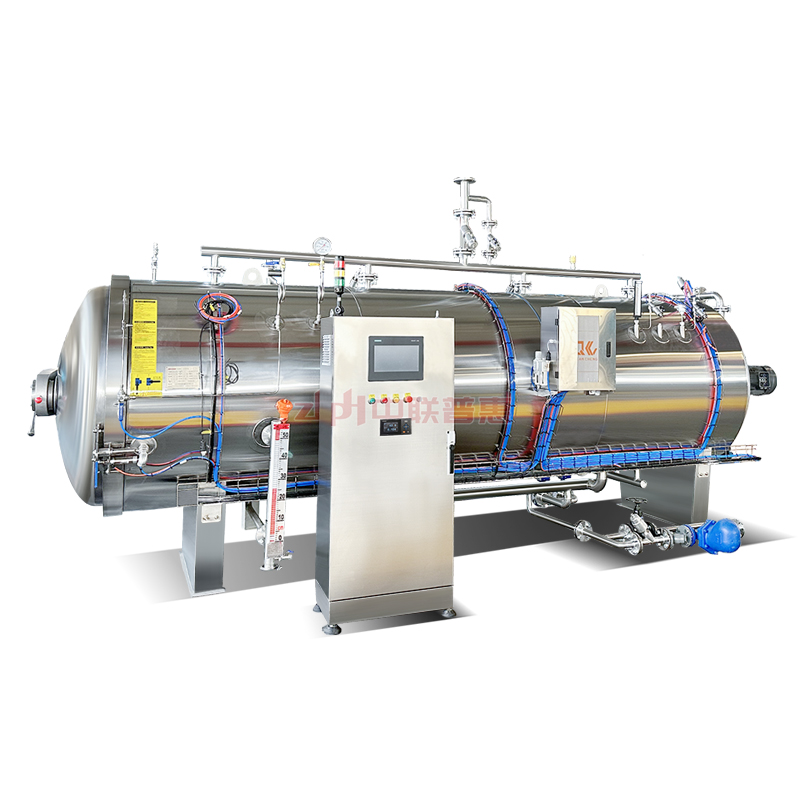
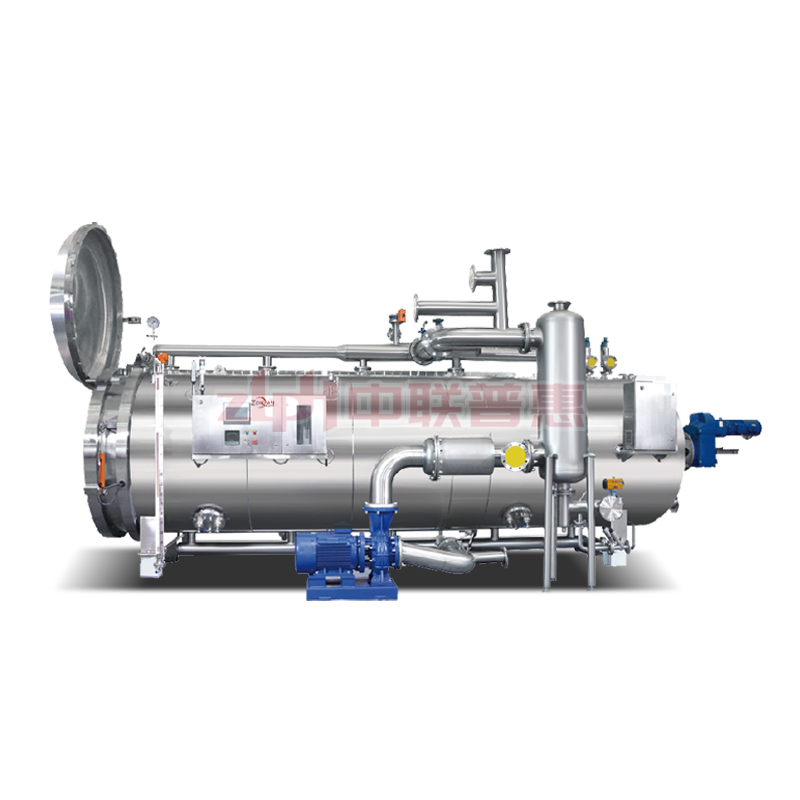
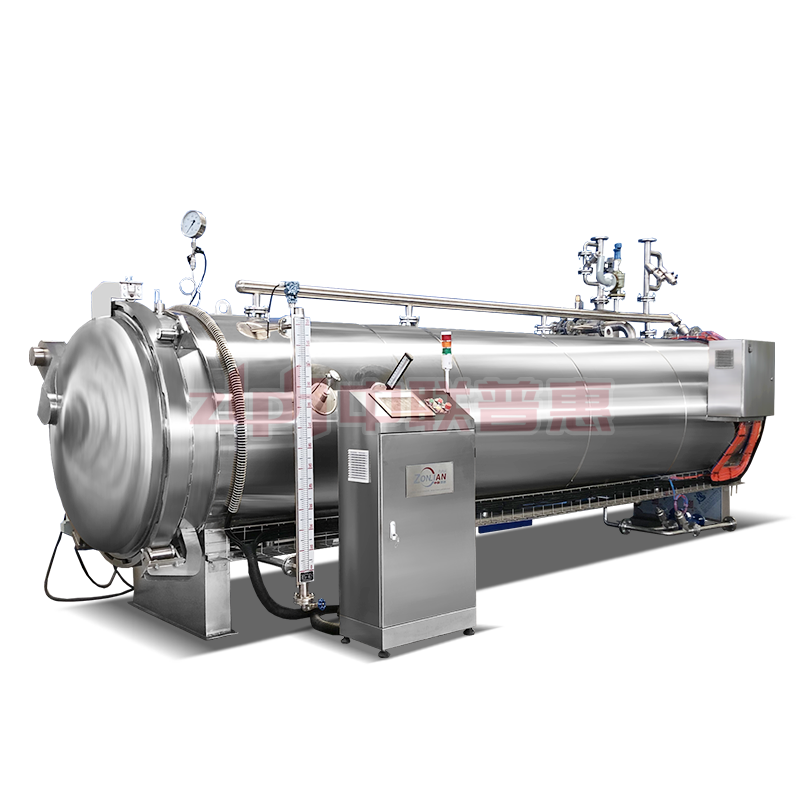
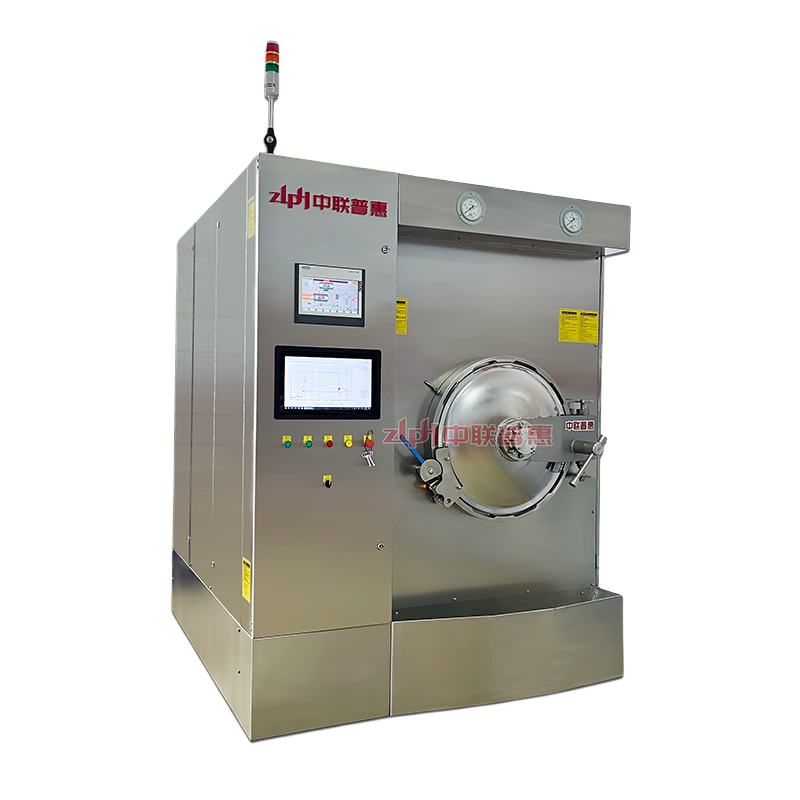
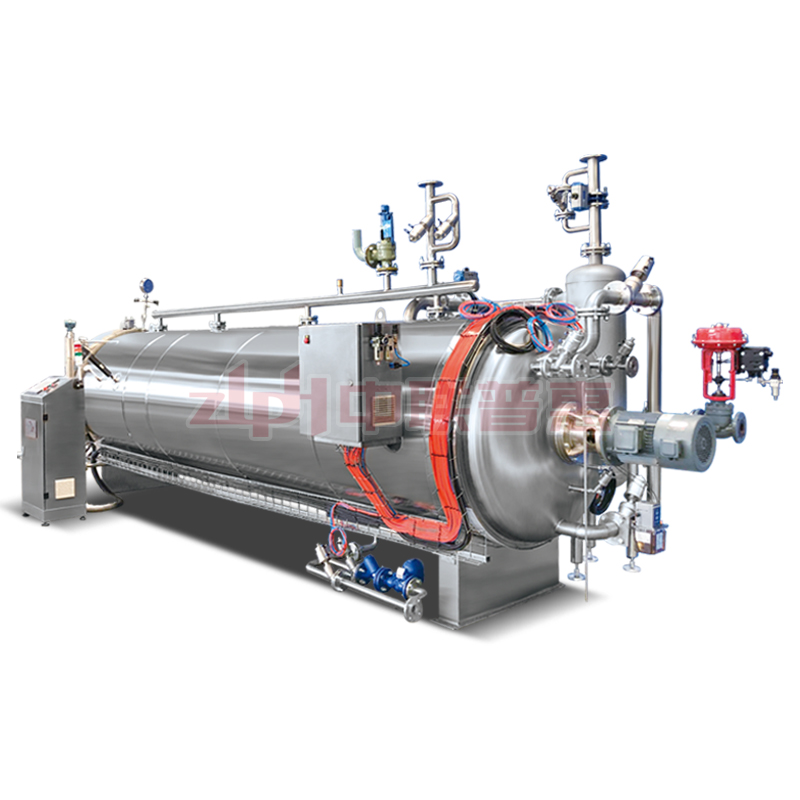
This guide is authored by a senior industrial automation engineer with over 10 years of experience at ZLPH MACHINERY TECHNOLOGY CO., LTD., a leading provider of advanced sterilization solutions. It addresses a critical challenge faced by food processing engineers and procurement teams worldwide: inconsistent or unreliable sterilization outcomes during pilot-scale production runs. This issue often stems from three core factors—imprecise temperature/pressure control, uneven heat distribution, and inadequate equipment validation for small-batch trials. Drawing on more than 5,000 global installations and rigorous R&D validation, we present a proven, step-by-step approach to ensure repeatable, compliant, and efficient sterilization using high-quality Pilot Retort Autoclaves. In this guide, we dissect root causes across key scenarios, deliver actionable fixes, share real-world validation data, and outline best practices to help you achieve microbial safety, product consistency, and regulatory compliance from day one.

How to Ensure Uniform Heat Distribution in Small-Batch Retort Sterilization?
1. Scenario & Pain Point
During pilot testing of ready-to-eat meals in flexible pouches, manufacturers frequently observe under-sterilized zones near the center of the retort basket or overcooked edges. This inconsistency leads to failed microbial validation, product recalls, or excessive energy use—jeopardizing both safety and scalability.

2. Root Cause Analysis
The primary causes include: (a) poor water spray nozzle layout causing cold spots; (b) lack of real-time thermal mapping during cycles; and (c) using large-production retorts for small loads without load compensation algorithms.

3. Step-by-Step Solution
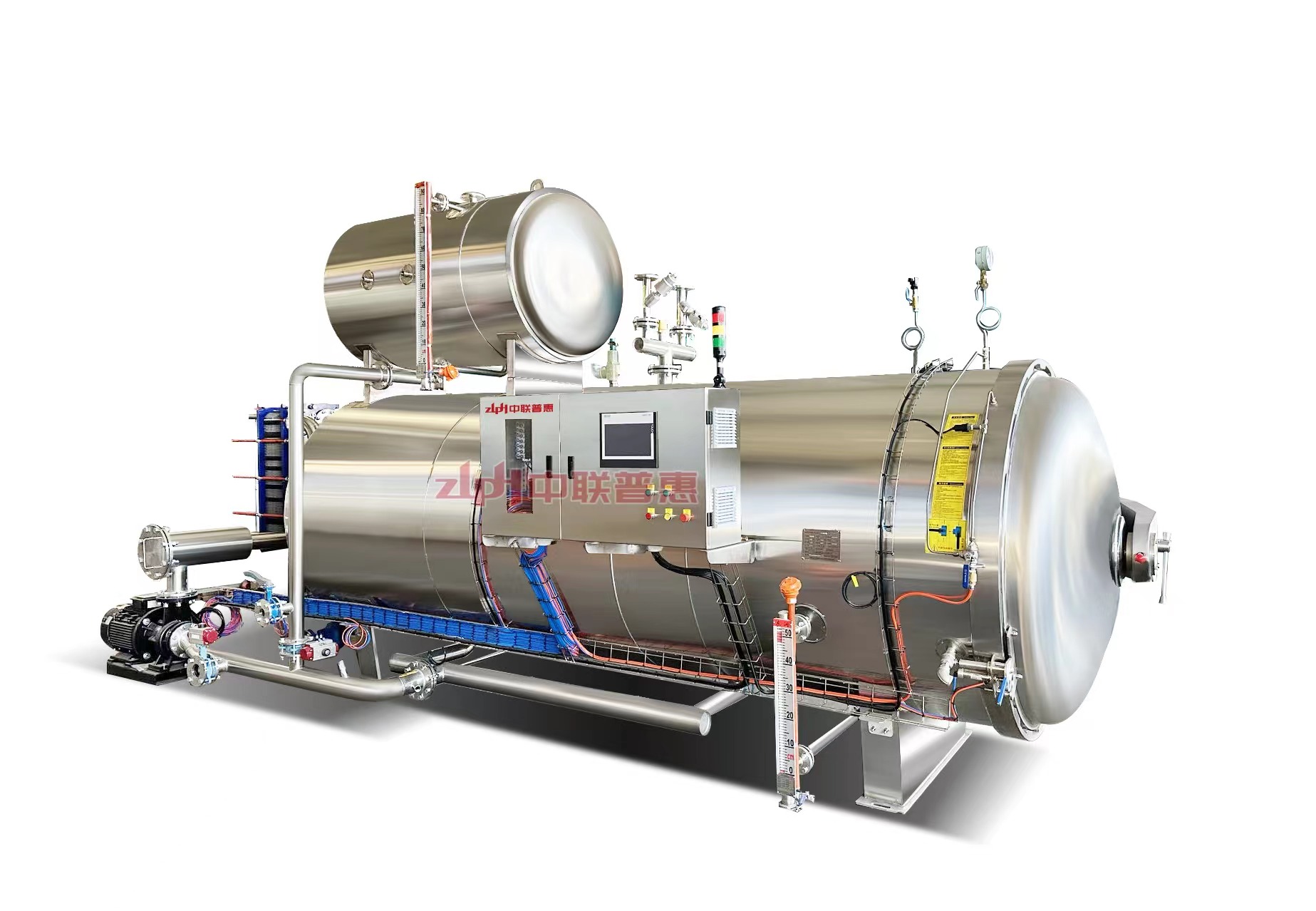
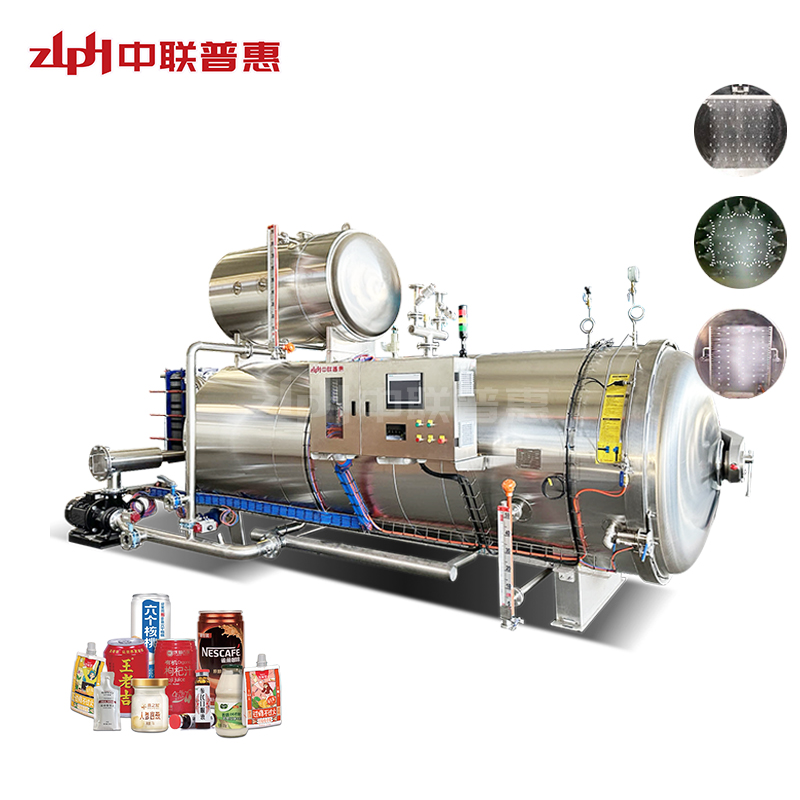
For immediate improvement, reconfigure basket loading to maximize spacing between packages and ensure unobstructed water flow. Long-term, deploy an intelligent top-opening water spray retort equipped with multi-zone nozzles and dynamic flow balancing. Our systems integrate real-time thermal sensors at multiple basket positions, enabling automatic adjustment of spray pressure and cycle duration based on actual heat penetration data.

4. Pitfall Avoidance Guide
Always conduct thermal validation (using data loggers) for every new product format. Never assume cycle parameters from large-scale units apply directly to pilot runs. Avoid static spray systems lacking zone control—they cannot adapt to variable load densities.
5. Validation Evidence
At a European pet food client’s R&D facility, implementing our Pilot Retort with adaptive spray control reduced thermal deviation from ±4.2°C to ±0.8°C across 12 test batches. All lots passed FDA-mandated F₀ validation on first attempt, accelerating time-to-market by 3 weeks.
How to Maintain Precise Pressure Control During Rapid Cooling Phases?
1. Scenario & Pain Point
When rapidly cooling glass-jarred baby food after sterilization, sudden pressure drops cause jar breakage or lid deformation—resulting in 15–30% batch loss during pilot trials.
2. Root Cause Analysis
This stems from: (a) manual or delayed back-pressure regulation; (b) absence of synchronized cooling-water and compressed-air injection; and (c) non-linear pressure decay profiles in basic controllers.
3. Step-by-Step Solution
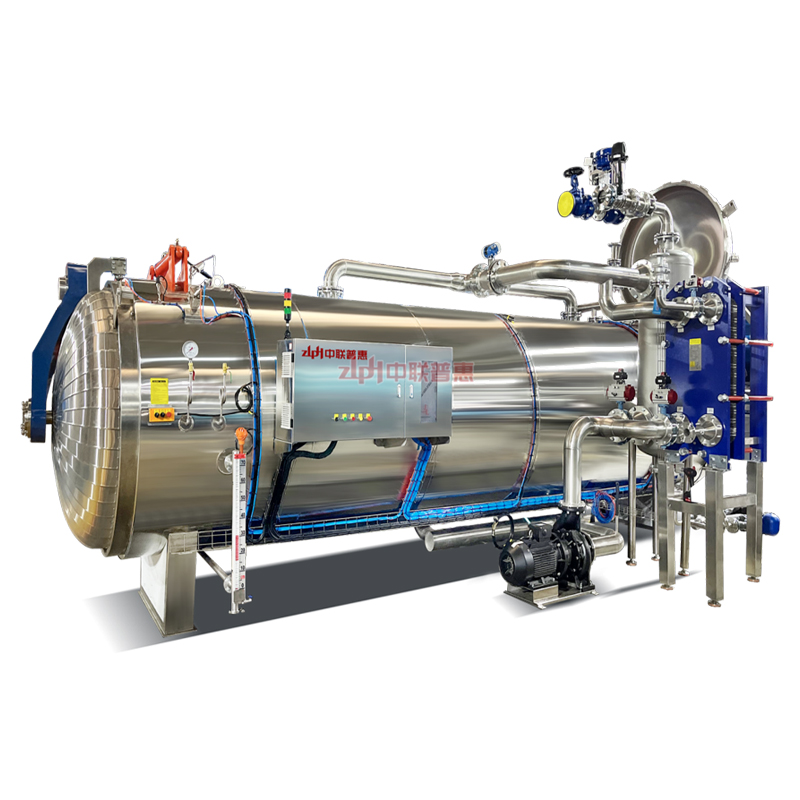
Use a retort with integrated PLC-controlled back-pressure management that dynamically matches internal vessel pressure to product tolerance during cooling. Our intelligent system modulates air and water inflow in real time, maintaining ΔP < 0.5 bar throughout cooldown.
4. Pitfall Avoidance Guide
Never cool below 85°C without active back-pressure support for glass containers. Validate pressure curves against container burst-test data before full runs.
5. Validation Evidence
A Middle Eastern infant nutrition brand reduced jar breakage from 22% to 0.7% after adopting our pressure-stabilized Pilot Retort, saving $180K annually in wasted materials and reprocessing.
Industry Best Practices for Pilot Retort Selection & Operation
Based on 6+ years of global deployments, we recommend this 5-step framework:
1. Define Worst-Case Conditions
Size your pilot retort for the most thermally resistant product format—not the average.
2. Demand Real-Time Process Data
Ensure the system logs temperature, pressure, and flow rates at ≥1Hz for audit-ready validation.
3. Prioritize Modular Design
Choose units with interchangeable baskets and spray manifolds to simulate future production lines.
4. Certify Early
Verify CE, EAC, and ASME certifications upfront to avoid regulatory delays during scale-up.
5. Test Before Committing
Run side-by-side trials with your actual products—don’t rely solely on vendor claims.
Frequently Asked Questions (FAQ)
Q: Can standard production retorts be used for pilot testing?
A: Not recommended. Production units lack the precision control and data granularity needed for R&D validation, often leading to non-scalable results.
Q: What certifications should a Pilot Retort have for EU markets?
A: Mandatory CE marking under PED 2014/68/EU, plus compliance with Machinery Directive 2006/42/EC. Our units also hold ASME and EAC certifications for global flexibility.
Q: How small can batch sizes be in a Pilot Retort?
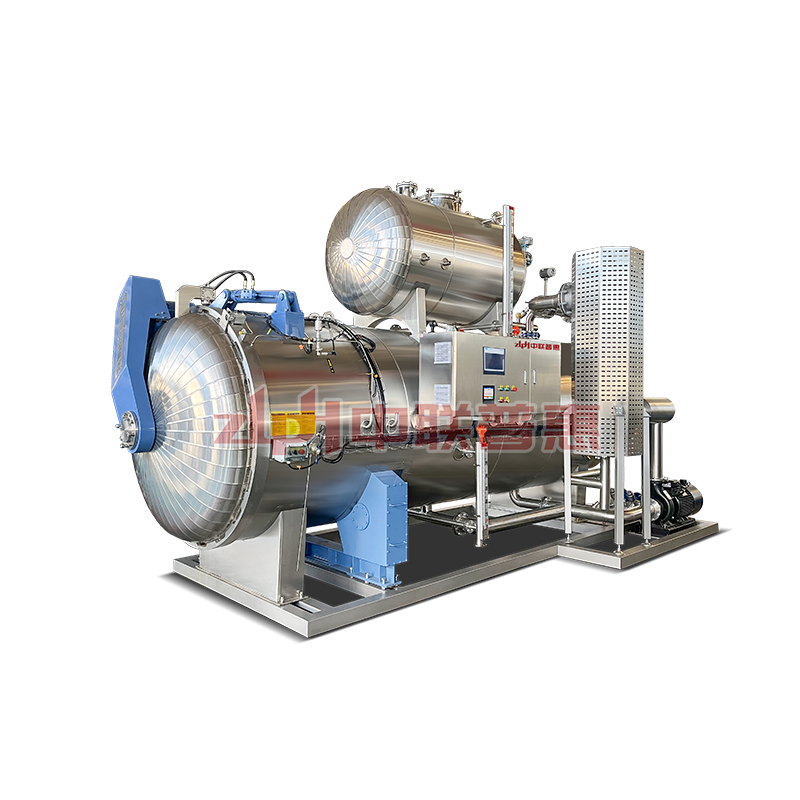
A: Our systems reliably handle loads as small as 3–5 trays while maintaining thermal uniformity through adaptive spray algorithms.
Q: Is remote monitoring possible during sterilization cycles?
A: Yes—our PLC systems offer cloud-connected dashboards for real-time cycle tracking and post-run analytics via secure web access.
Q: Do you support validation documentation for regulatory submissions?
A: Absolutely. We provide IQ/OQ/PQ templates, thermal mapping reports, and FAT/SAT protocols aligned with FDA 21 CFR Part 11 and EU GMP Annex 15.
Our Expertise & Solution Support
ZLPH MACHINERY TECHNOLOGY CO., LTD. has specialized in high-precision sterilization systems since 2018. Our team includes 21 mechanical and PLC engineers, 4 sterilization process scientists, and 14 global after-sales technicians—all with 10+ years in retort automation. We hold ASME, CE, EAC, and Malaysia DOSH certifications, ensuring seamless market entry across 50+ countries. Our Pilot Retorts have been validated in R&D centers for human food, pet nutrition, and pharmaceutical applications—from Moscow to Shanghai.
We offer tailored support including: (1) on-site thermal validation planning; (2) custom basket and tray design; (3) remote commissioning; and (4) free sample testing at our 15,000m² facility. Contact us for a no-obligation process review.
Contact Information
Company: ZLPH MACHINERY TECHNOLOGY CO., LTD.
Website: https://www.zlphretort.com/
Email: sales@zlphretort.com
Phone / WhatsApp: +86 15666798389 / +86 13361554016
