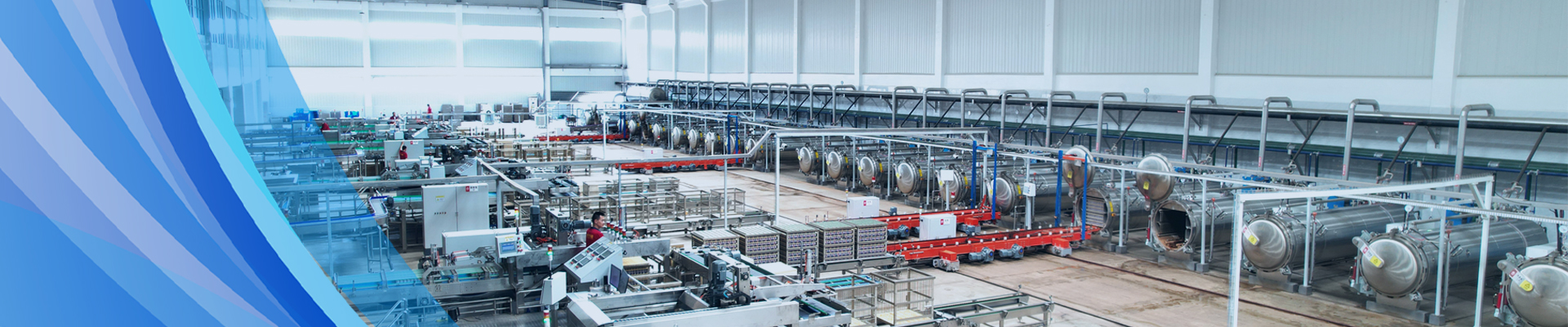

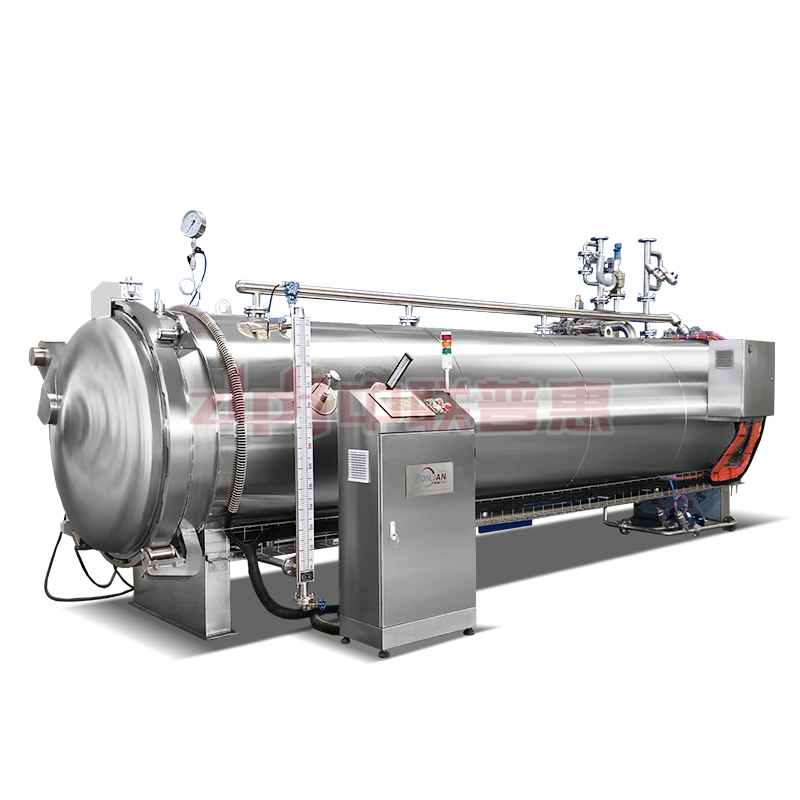
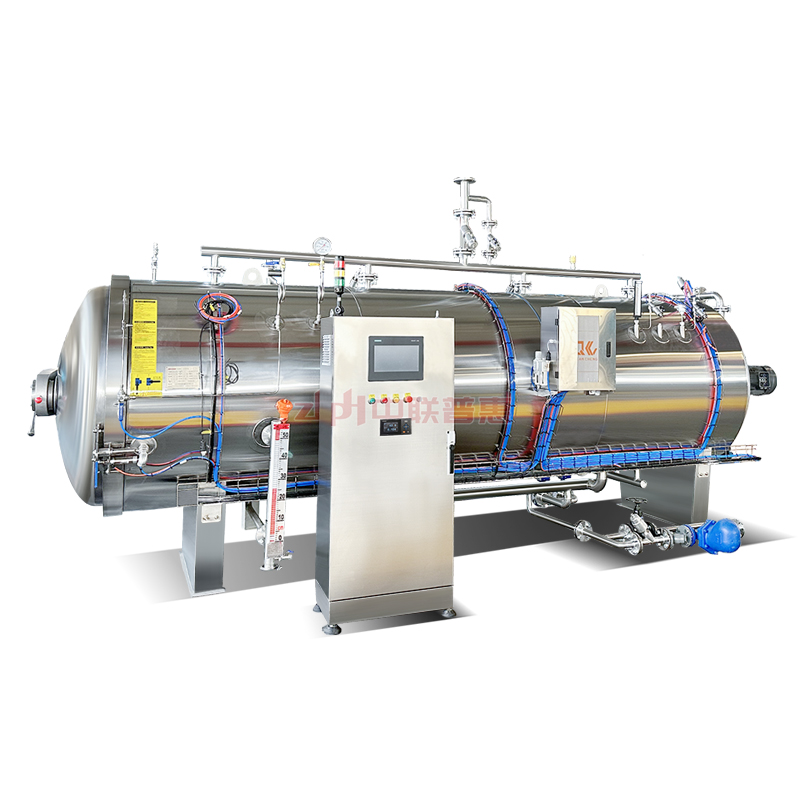
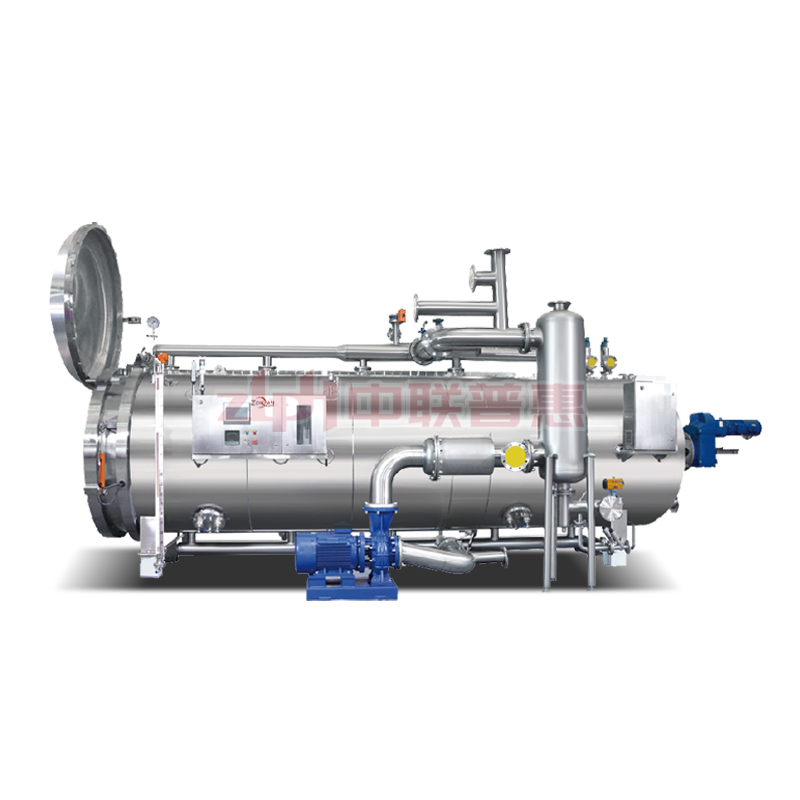
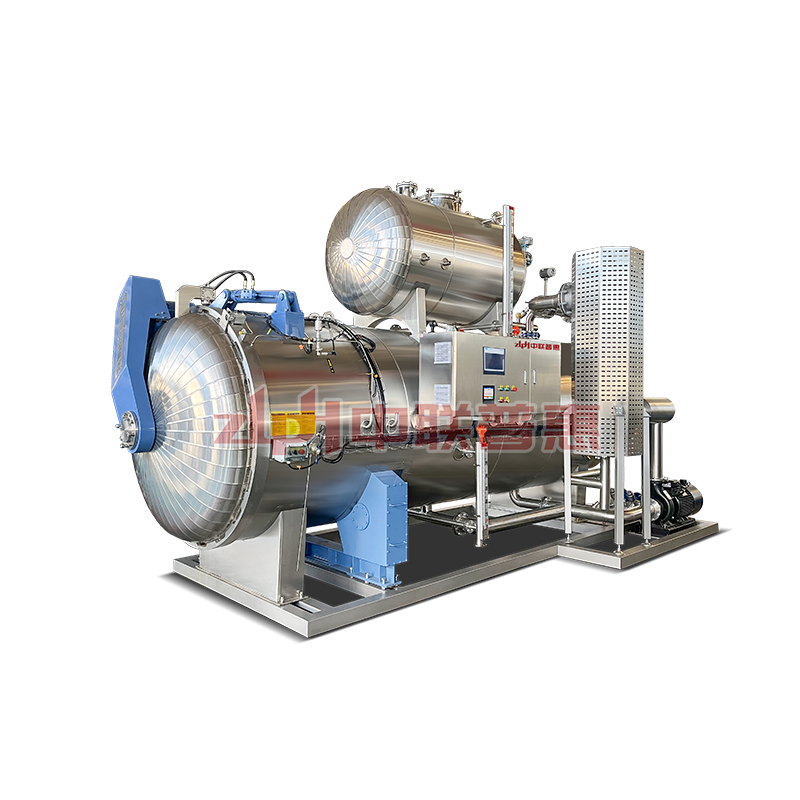
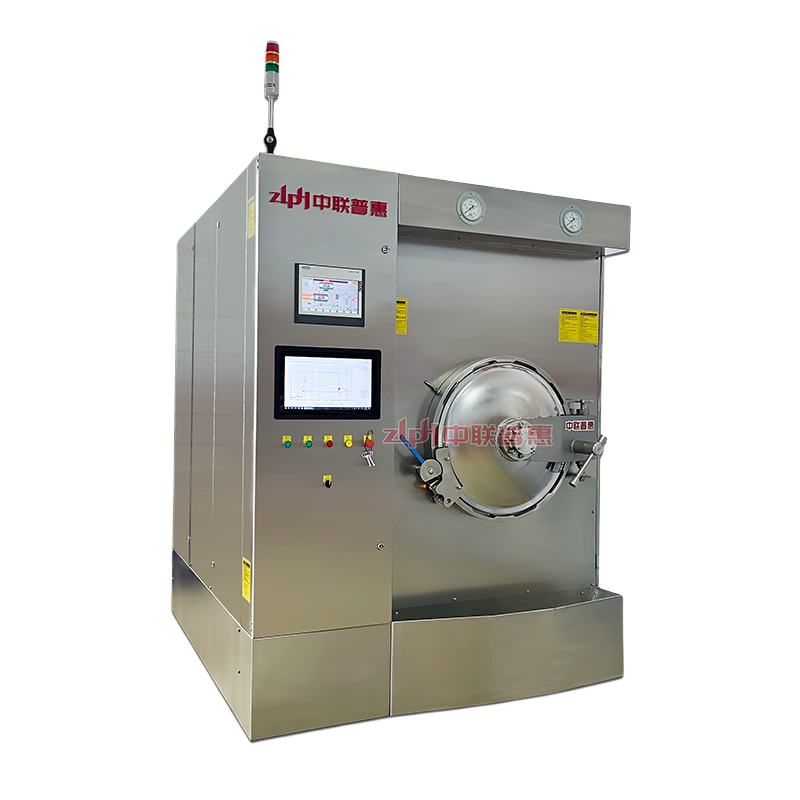
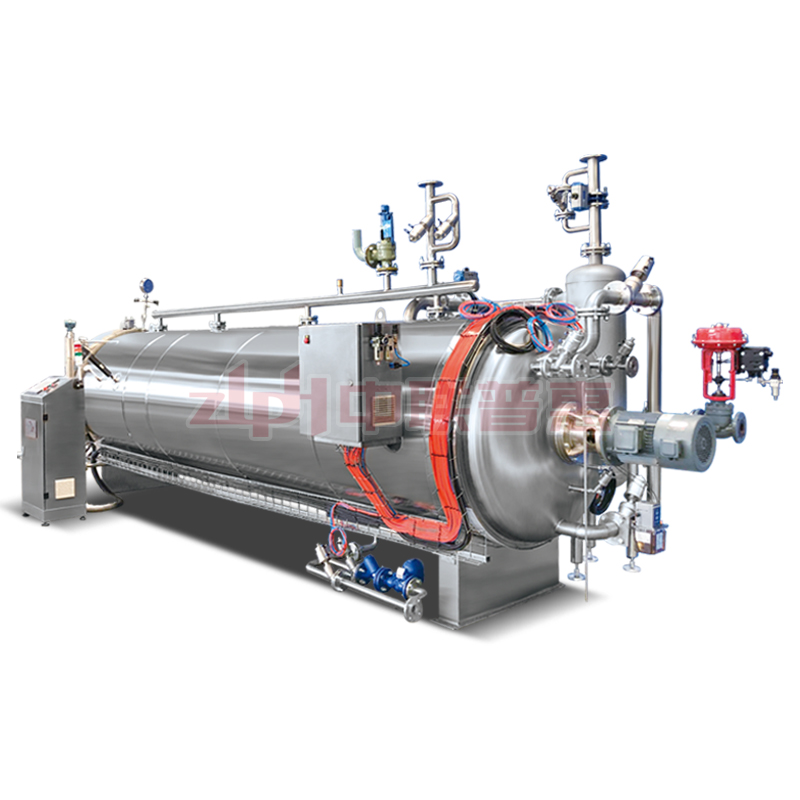
This guide is authored by a senior food processing automation engineer with over 10 years of industry experience from ZLPH MACHINERY TECHNOLOGY CO., LTD., a leading provider of intelligent retort sterilization systems. It addresses a critical challenge faced by global food manufacturers and engineering teams: inconsistent sterilization results during batch or continuous retort processing. This issue—manifesting as under-sterilized products, texture degradation, or pressure/temperature fluctuations—is primarily caused by uneven heat distribution, inadequate process control, and suboptimal equipment design. Drawing on more than 5,000 global installations and rigorous field validation across meat, seafood, ready-to-eat meals, and pet food sectors, we present a proven, actionable framework to eliminate variability, ensure microbial safety compliance, and enhance production efficiency. The following sections dissect root causes by real-world scenario, deliver step-by-step corrective actions, share hard-won implementation insights, and validate outcomes with measurable performance data—all tailored for Retort Autoclave Manufacturing Enterprises operating under stringent international food safety standards.

How to Ensure Uniform Heat Distribution in Water Spray Retort Systems?
1. Scenario & Pain Point
In canned vegetable and ready-meal production lines, operators frequently observe inconsistent sterilization outcomes—some batches pass microbial tests while others fail, despite identical time-temperature settings. Thermal mapping reveals cold spots (up to 8°C below target) near tray corners, leading to potential pathogen survival and product recalls.

2. Root Cause Analysis
Three key factors contribute: (1) Poor spray nozzle layout causing uneven water coverage; (2) insufficient circulation pump capacity failing to maintain consistent flow velocity; (3) lack of real-time temperature monitoring at multiple basket zones, preventing dynamic adjustment.

3. Step-by-Step Solution
Immediate Mitigation: Reconfigure retort trays to ensure adequate spacing between containers; verify nozzle alignment and clean clogged orifices.
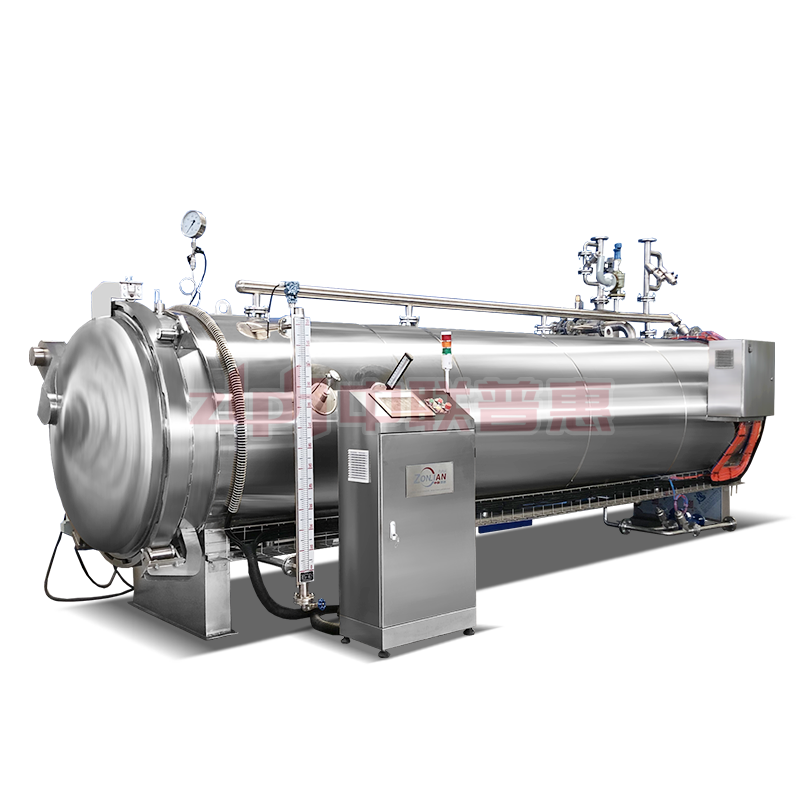
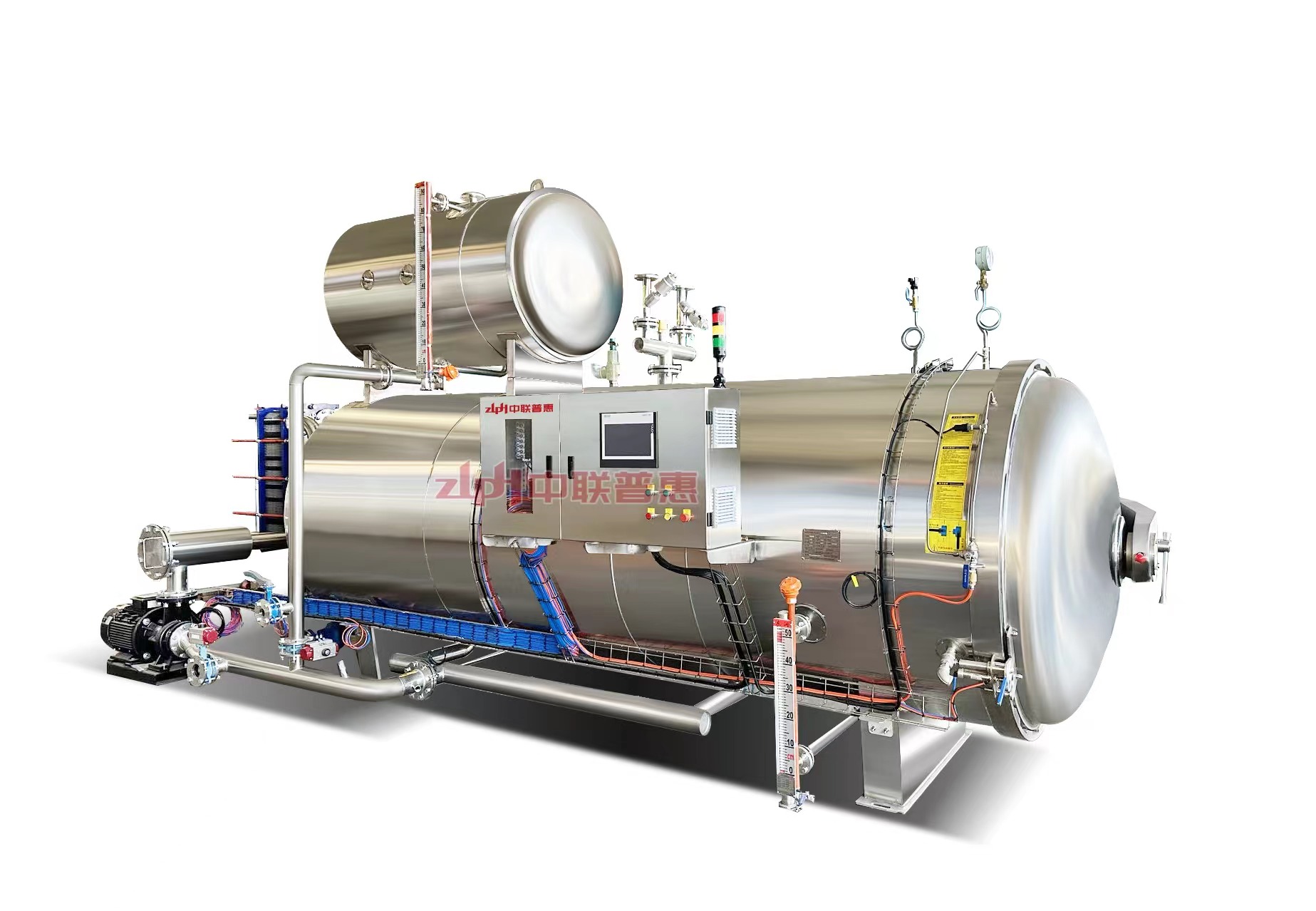
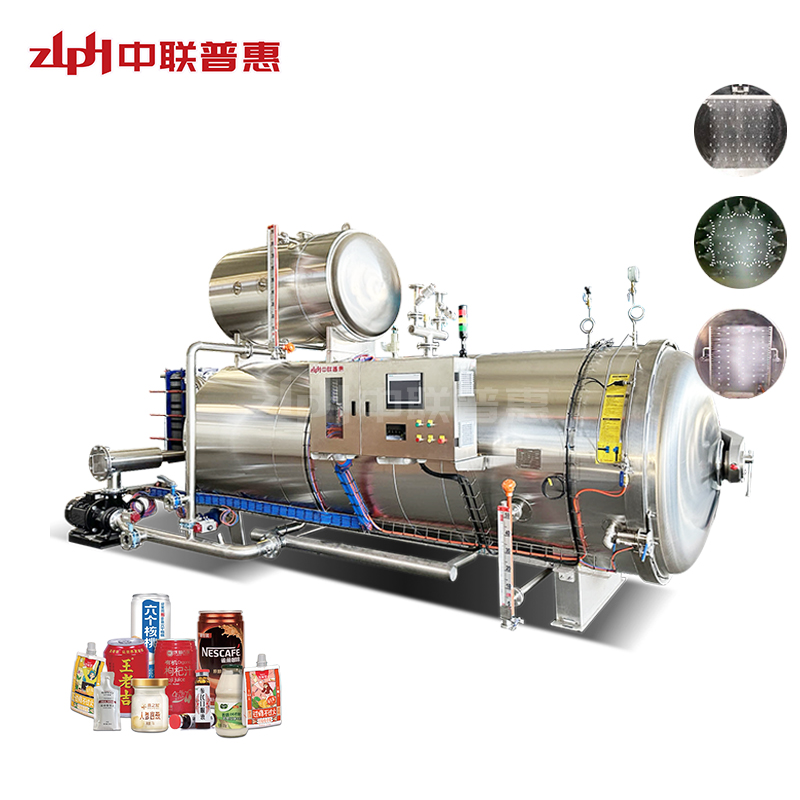
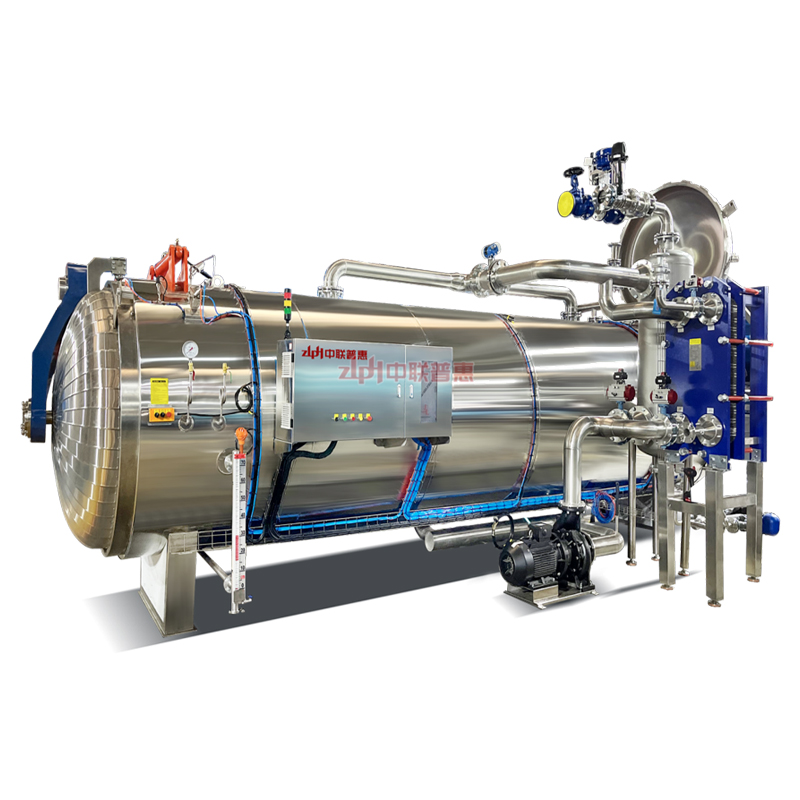
Long-Term Fix: Deploy ZLPH’s intelligent top-opening water spray retort equipped with multi-zone spray arms and variable-frequency pumps, ensuring ±1°C thermal uniformity across the entire chamber. Integrate real-time multi-point temperature sensors linked to an adaptive PLC control system that auto-adjusts spray intensity based on live thermal feedback.
Process Optimization: Conduct thermal validation per FDA 21 CFR Part 113 guidelines using data loggers placed at cold-spot locations to calibrate cycle parameters.

4. Troubleshooting & Pitfall Avoidance
Always perform thermal mapping during commissioning—not just during factory acceptance testing. Avoid using single-point temperature probes for cycle validation. Ensure retort loading patterns match those used during thermal studies to prevent airflow blockage.
5. Verified Performance
At a Southeast Asian ready-meal facility, implementing this solution reduced sterilization variance from ±6°C to ±0.8°C, cutting batch rejection rates by 92% and achieving full compliance with EU microbiological criteria within three months.
How to Prevent Pressure Surges During Rapid Cooling in Retort Autoclaves?
1. Scenario & Pain Point
During rapid cooling of glass-jarred baby food, sudden pressure drops cause container implosion or seal failure, resulting in 15–20% product loss per batch and safety hazards.
2. Root Cause Analysis
Uncontrolled steam condensation during water injection creates vacuum spikes. Legacy systems lack synchronized pressure compensation mechanisms, and manual valve operation introduces human error.
3. Step-by-Step Solution
Install ZLPH’s integrated pressure-balancing system featuring automated air-steam mixing valves and closed-loop pressure control. The system maintains differential pressure ≤0.5 bar between internal chamber and external atmosphere during cooling phases. Pair with predictive cooling algorithms that adjust water inflow rate based on real-time pressure trends.
4. Troubleshooting & Pitfall Avoidance
Never bypass the pressure equalization step to “save time.” Validate cooling curves with pressure transducers at both top and bottom of the retort basket.
5. Verified Performance
A European baby food producer eliminated jar breakage entirely after retrofitting, saving $380,000 annually in waste and downtime.
Industry Best Practices for Reliable Retort Operations
Based on 6+ years of global project execution, ZLPH recommends this 5-step framework for robust retort performance:
1. Define Worst-Case Conditions
Design cycles for the most thermally resistant product format in your portfolio—not the average.
2. Standardize Loading Protocols
Use fixed tray configurations and automated loaders (e.g., ZLPH’s retort tray loader-unloader system showcased at Qingdao Exhibition) to eliminate human variability.
3. Implement Real-Time Monitoring
Deploy IoT-enabled control panels with cloud logging for remote audit readiness and predictive maintenance.
4. Conduct Quarterly Thermal Recertification
Revalidate cold spots every 90 days or after major maintenance.
5. Partner with Certified Suppliers
Choose manufacturers holding ASME, CE, and EAC certifications to ensure mechanical integrity and regulatory compliance.
Frequently Asked Questions (FAQ)
Q: Can standard retorts handle high-viscosity products like sauces or purees?
A: Only if equipped with agitation or forced convection systems. ZLPH’s rotating retort models ensure even heat penetration for viscous matrices without scorching.
Q: What certifications are required for retorts sold in Russia and the EU?
A: EAC certification is mandatory for Eurasian markets; CE marking is required for the EU. ZLPH holds both, plus ASME U-Stamp for pressure vessel compliance.
Q: How often should gaskets and seals be replaced?
A: Every 6–12 months depending on cycle frequency. Use food-grade EPDM materials rated for 135°C+ continuous exposure.
Q: Is manual loading acceptable for small-scale operations?
A: It increases contamination and thermal inconsistency risks. Even small producers benefit from semi-automated tray handling to ensure repeatability.
Q: Can retorts sterilize both metal cans and flexible pouches in the same batch?
A: Not recommended—different heat transfer rates require distinct cycles. Use dedicated chambers or sequential runs with validated changeover protocols.
Our Proven Capability & Support
ZLPH MACHINERY TECHNOLOGY CO., LTD. is a globally recognized retort autoclave manufacturing enterprise established in 2018, with 21 mechanical and PLC engineers, 4 sterilization process specialists, and 14 after-sales technicians—all with 10+ years of industry experience. Our 50-acre facility houses a 15,000 m² workshop with advanced CNC and welding equipment, ensuring precision fabrication of ASME-certified pressure vessels. We hold AAA Credit Enterprise status and serve clients across Asia, Europe, and the Americas, including exhibitor-validated success at AGROPRODASH 2023 in Moscow and Petfair Asia 2023 in Shanghai.
Custom Solution Support Includes:
- On-site thermal process assessment and cycle development
- Integration with existing MES or ERP systems
- Free sample testing with your actual product matrix
- 24/7 remote diagnostics and on-demand engineer dispatch
Contact Information
Company: ZLPH MACHINERY TECHNOLOGY CO., LTD.
Website: https://www.zlphretort.com/
Email: sales@zlphretort.com
Phone / WhatsApp: +86 15666798389 / +86 13361554016
