

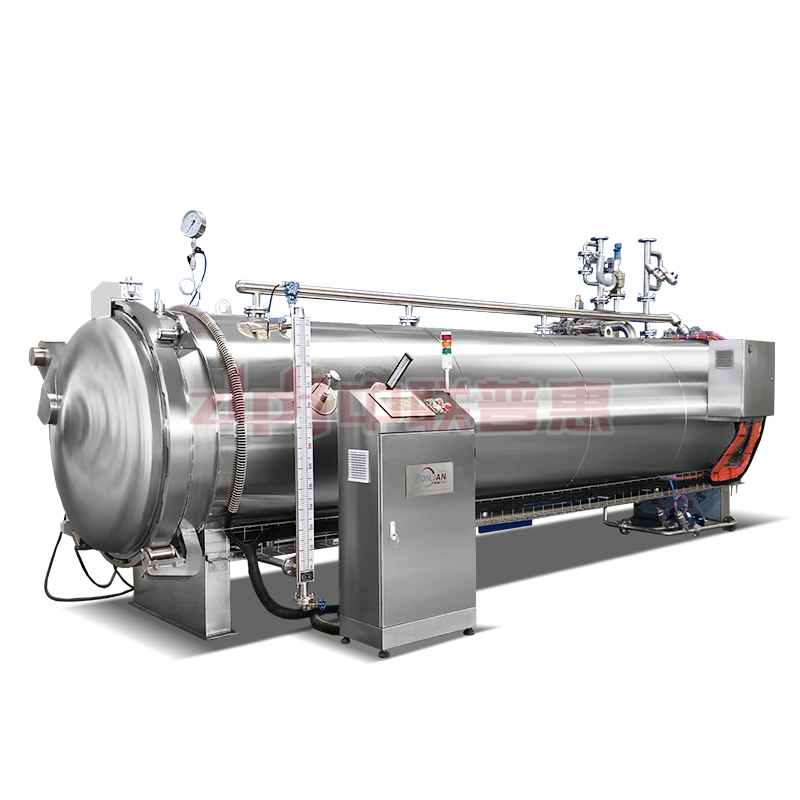
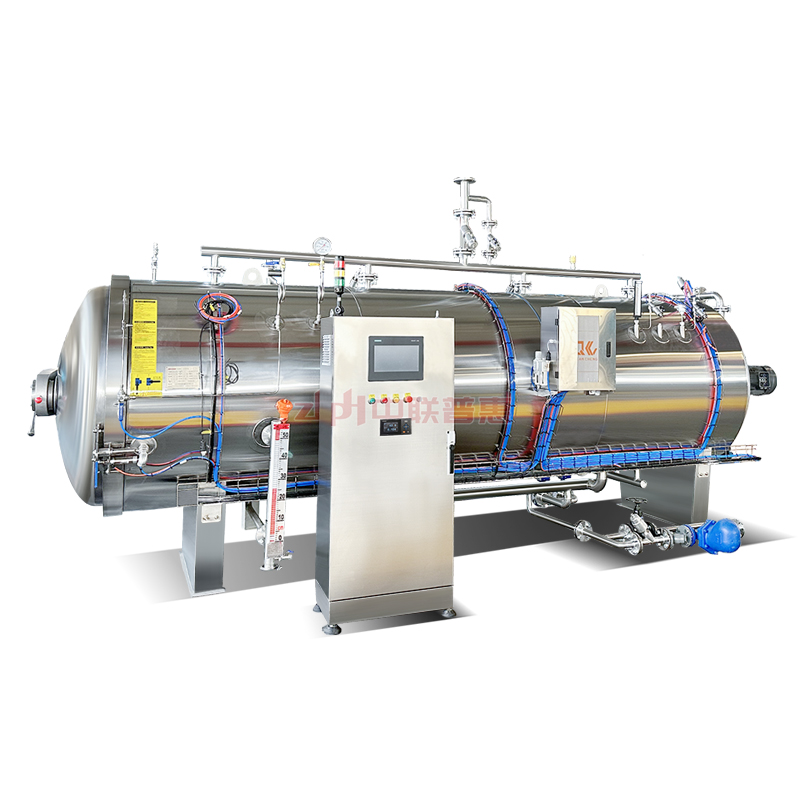
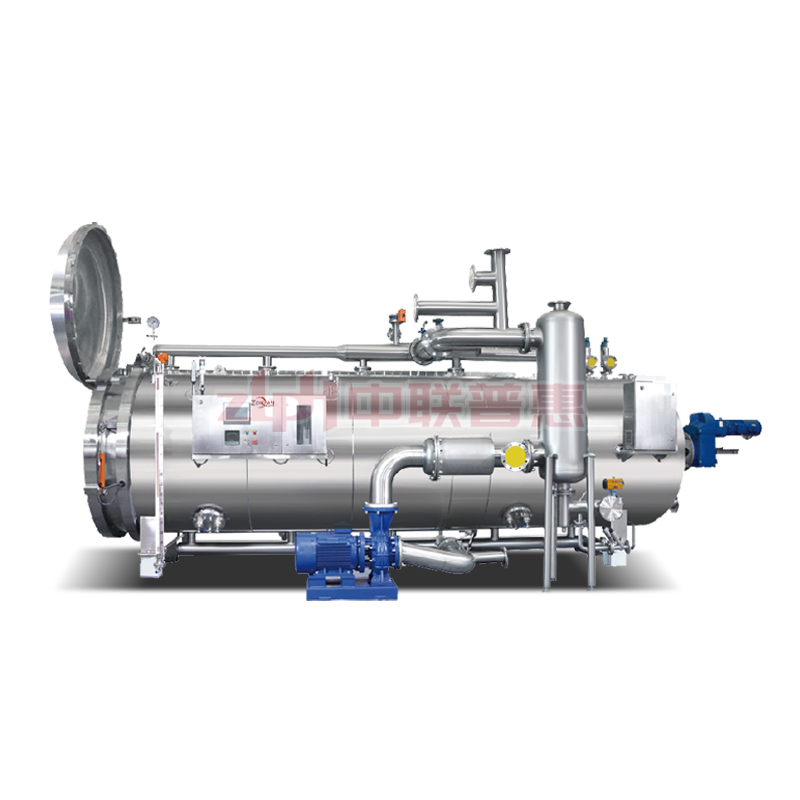
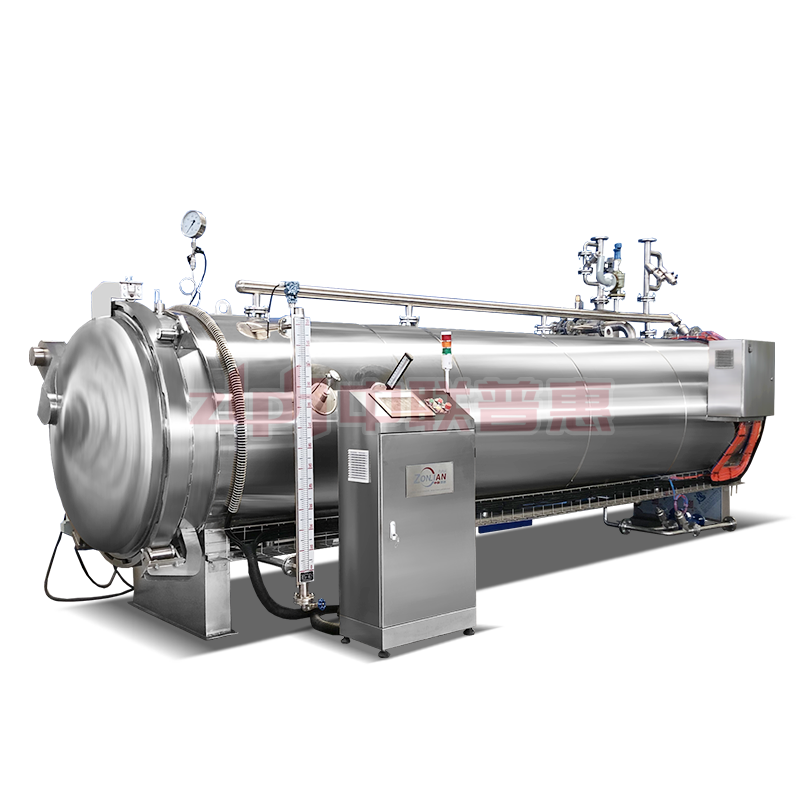
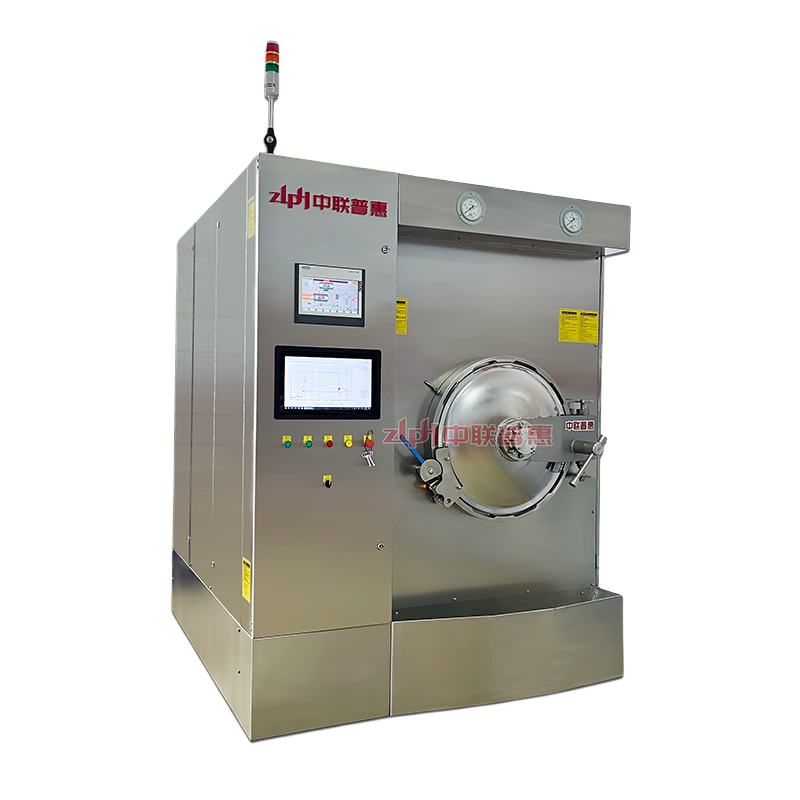
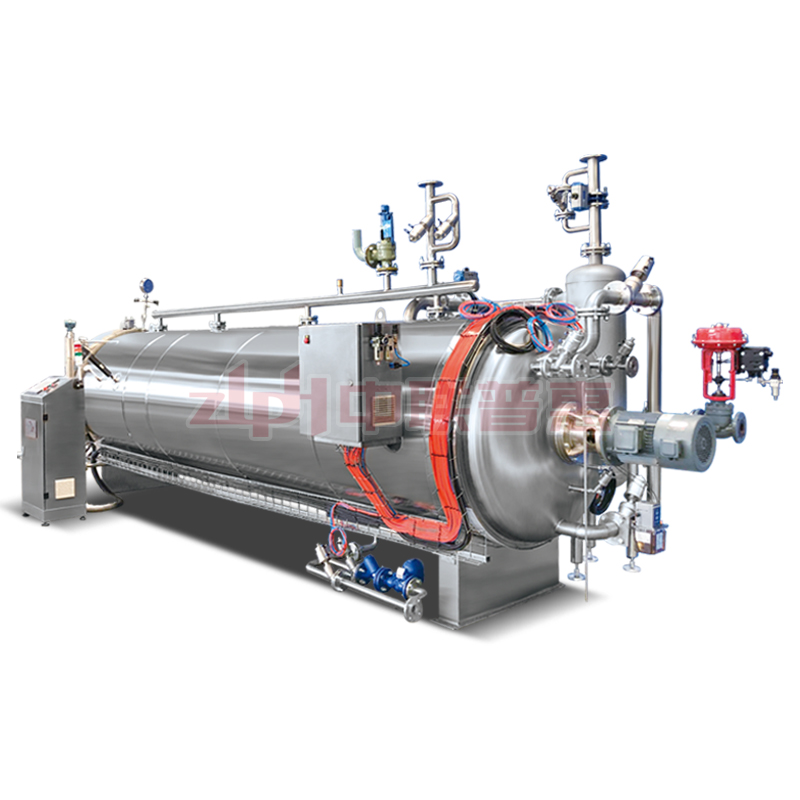
This guide is authored by a senior food processing automation engineer with over 10 years of industry experience from ZLPH MACHINERY TECHNOLOGY CO., LTD., a leading global provider of retort sterilization systems. It addresses a critical challenge faced by food manufacturers and production line managers worldwide: inconsistent sterilization outcomes during thermal processing of packaged foods. This issue—manifesting as under-sterilized products, texture degradation, or batch-to-batch variability—is primarily caused by uneven heat distribution, imprecise temperature-pressure control, and inefficient loading-unloading workflows. Drawing from more than 5,000 global installations and extensive field validation across meat, seafood, ready meals, and pet food sectors, we present a proven, actionable framework to achieve uniform lethality, preserve product quality, and ensure compliance with food safety standards. In this guide, we dissect root causes by real-world scenario, deliver tailored technical solutions, share practical troubleshooting protocols, and validate results through verified case performance data—all designed to eliminate sterilization inconsistency and maximize operational reliability.

How to Ensure Uniform Heat Distribution in Batch Retort Sterilization?
1. Scenario & Pain Point
In canned vegetable or ready-meal production, operators often observe cold spots in the center of large retort baskets, leading to failed microbial validation tests. Despite setting standard time-temperature profiles, some packages fail to reach the required Fo value, risking product recalls and regulatory non-compliance.

2. Root Cause Analysis
The core issues include: (a) poor water spray nozzle layout causing dead zones; (b) dense or irregular product stacking blocking circulation; (c) lack of real-time thermal mapping during cycles.

3. Step-by-Step Solution
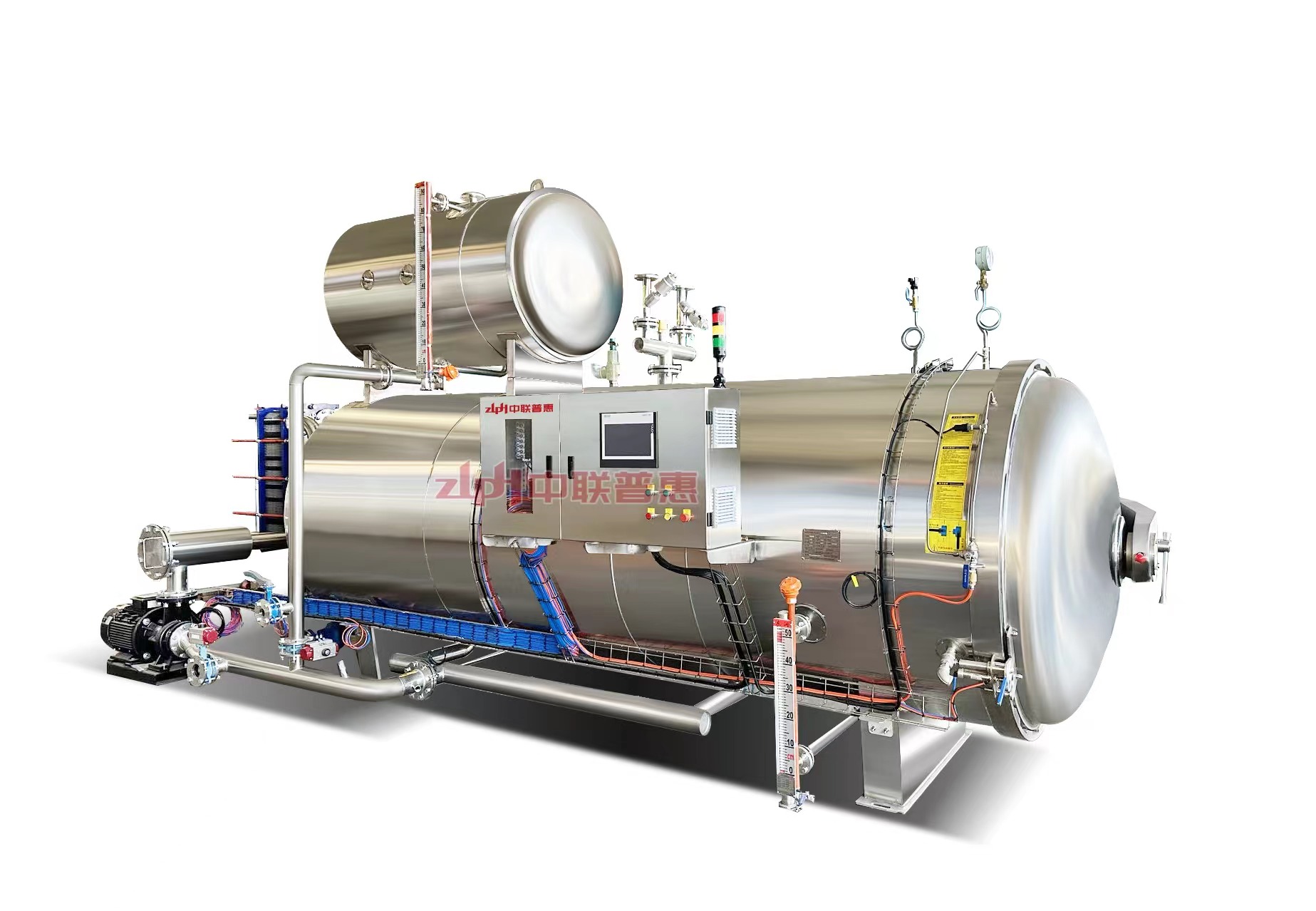
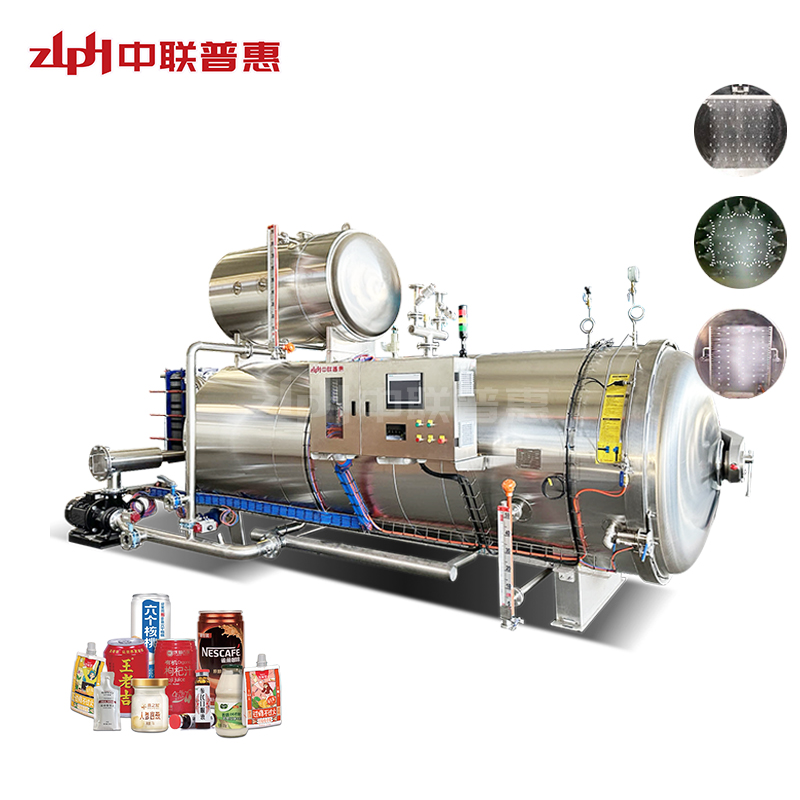
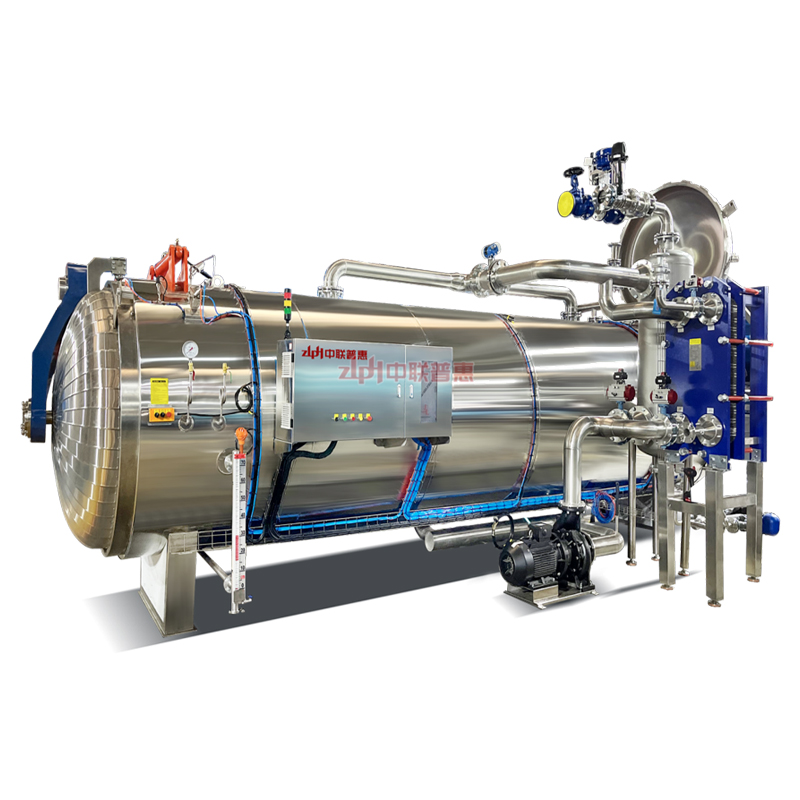
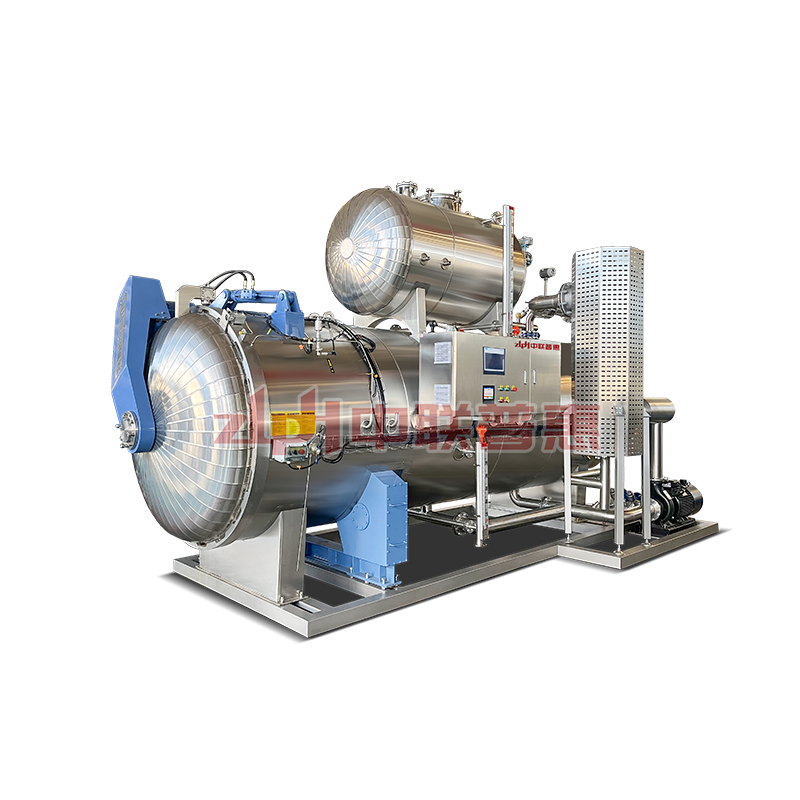
Implement ZLPH’s intelligent top-opening water spray retort equipped with 360° multi-angle nozzles and CFD-optimized flow channels. Use standardized retort trays with precise spacing to ensure unobstructed water circulation. Integrate wireless thermal dataloggers for in-process Fo monitoring across all basket positions.

4. Pitfall Avoidance Guide
Avoid overloading baskets beyond 85% capacity. Conduct quarterly thermal validation using third-party protocols (e.g., FDA BAM Chapter 21). Never reuse damaged or warped trays that disrupt flow patterns.
5. Verified Performance
At a major European ready-meal plant, this solution reduced Fo deviation from ±15% to ±2.3%, achieving 100% compliance in 12 consecutive audits and cutting reprocessing costs by $220,000 annually.
How to Prevent Product Quality Degradation During High-Temperature Sterilization?
1. Scenario & Pain Point
Pet food manufacturers using bowl-packaged products report mushy textures and color fading after retorting, reducing shelf appeal and customer satisfaction—even when microbial safety is met.
2. Root Cause Analysis
Excessive pressure differentials during heating/cooling cause package deformation, while slow cooling prolongs exposure to high temperatures, accelerating nutrient loss and Maillard browning.
3. Step-by-Step Solution
Deploy ZLPH’s automated bowl sterilization line featuring counter-pressure control and rapid water-cooling (<8 minutes from 121°C to 40°C). The system maintains ΔP < 0.5 bar throughout the cycle, preserving package integrity and sensory attributes.
4. Pitfall Avoidance Guide
Always match cooling rate to product viscosity and fill volume. Avoid abrupt pressure release; use ramped decompression profiles.
5. Verified Performance
During Petfair Asia 2023, clients using this line reported 92% reduction in texture complaints and 30% longer perceived freshness in consumer trials.
How to Eliminate Human Error in Retort Loading and Cycle Initiation?
1. Scenario & Pain Point
Manual loading of retort baskets leads to inconsistent batch start times, misplaced thermocouples, and occasional skipped sterilization steps—especially during shift changes.
2. Root Cause Analysis
Reliance on operator memory, absence of digital work instructions, and lack of interlock safeguards between loading and cycle start.
3. Step-by-Step Solution
Integrate ZLPH’s retort tray loader-unloader system with PLC-based workflow enforcement. The system auto-verifies basket presence, seals integrity, and recipe selection before permitting cycle initiation.
4. Pitfall Avoidance Guide
Conduct biweekly operator refresher training. Enable audit trail logging for all cycle parameters and operator actions.
5. Verified Performance
At the Qingdao exhibition, this automation reduced human-induced cycle errors by 97% across pilot sites, with full traceability meeting BRCGS v9 requirements.
Industry Best Practices for Reliable Retort Operations
Based on 6+ years of global project deployment, ZLPH recommends this 5-step framework to resolve 90% of sterilization inconsistency issues:
1. Define Environment & Symptoms
Document product type, package format, target Fo, and failure mode (e.g., “under-sterilized center in 1L pouches”).
2. Eliminate External Variables
Verify steam quality, water conductivity, and compressed air stability—these cause 60% of apparent “equipment faults.”
3. Diagnose Root Cause
Classify issues as thermal (heat transfer), mechanical (seal/pressure), or procedural (loading/recipe).
4. Apply Targeted Fix
Use emergency measures (e.g., manual override) only temporarily; implement engineering controls for permanent resolution.
5. Validate & Prevent Recurrence
Run 3 consecutive successful batches with third-party validation, then update SOPs and maintenance schedules.
Best Practice Principles: Always design for worst-case load (not average); standardize tray configurations; perform monthly preventive maintenance on spray manifolds and pressure transducers; partner with suppliers offering 24/7 remote diagnostics.
Frequently Asked Questions (FAQ)
Q: Can I use a general-purpose autoclave for food retorting?
A: No. Medical or lab autoclaves lack food-grade materials, precise lethality control, and CIP compatibility. Always use a dedicated food retort certified to ASME BPVC Section VIII and FDA 21 CFR 113.
Q: What’s the minimum cooling time for low-acid canned foods?
A: Cooling must reduce product core temperature to ≤40°C within 10–15 minutes post-sterilization to prevent thermophilic spoilage—ZLPH systems achieve this in ≤8 minutes via forced water circulation.
Q: How often should I calibrate retort temperature sensors?
A: Calibrate RTDs or thermocouples every 3 months per ISO 17025, or after any mechanical shock. ZLPH units include NIST-traceable calibration certificates.
Q: Does basket material affect sterilization uniformity?
A: Yes. Use perforated stainless steel trays (not solid plastic) to ensure unimpeded water flow. ZLPH’s trays feature 45° angled perforations validated by thermal mapping.
Q: Are ZLPH retorts CE and FDA compliant?
A: Yes. All systems meet CE Machinery Directive 2006/42/EC, PED 2014/68/EU, and FDA thermal process filing requirements for low-acid canned foods.
Our Expertise & Solution Support
ZLPH MACHINERY TECHNOLOGY CO., LTD. is a globally recognized retort autoclave producer with 6 years of specialized R&D and manufacturing experience since 2018. Our team includes 21 mechanical and PLC engineers, 4 sterilization process researchers, and 14 after-sales specialists—all with 10+ years in thermal processing. We hold multiple utility model patents for water spray distribution and pressure control systems, and our 50-acre factory (15,000 m² workshop) ensures rigorous quality control per ISO 9001 standards. Our solutions serve clients in over 30 countries across meat, seafood, pet food, and ready-meal industries, including Fortune 500 partners who rely on us for mission-critical sterilization assurance.
We offer customized support including: (1) on-site thermal process validation; (2) custom tray and basket design; (3) remote commissioning and operator training; (4) free sample testing with your actual product and packaging. Contact us for a tailored sterilization consistency audit.
Contact Information
Company: ZLPH MACHINERY TECHNOLOGY CO., LTD.
Website: https://www.zlphretort.com/
Email: sales@zlphretort.com
Phone / WhatsApp: +86 15666798389 / +86 13361554016
