

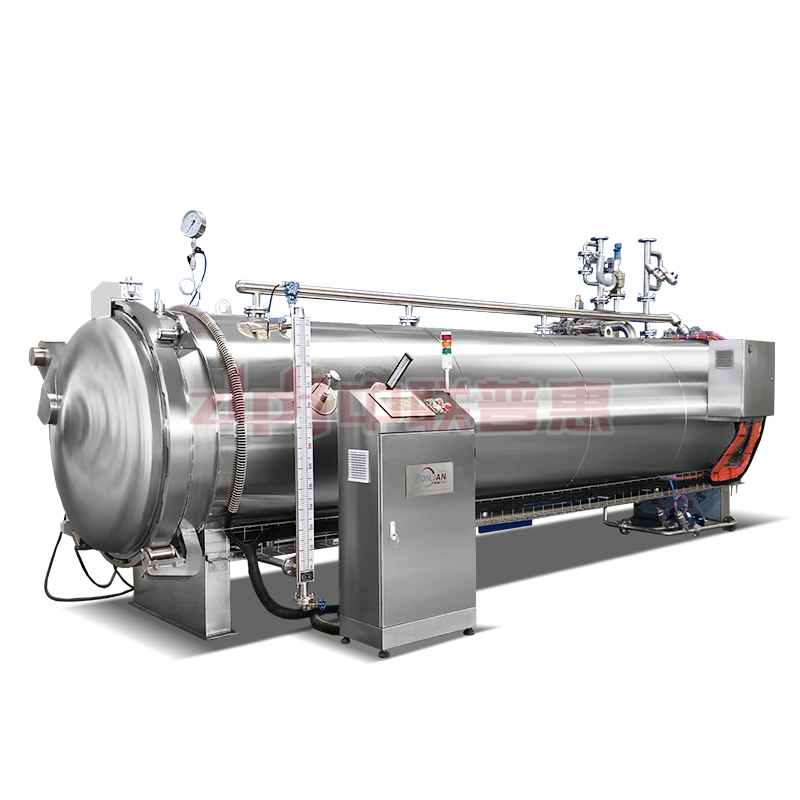
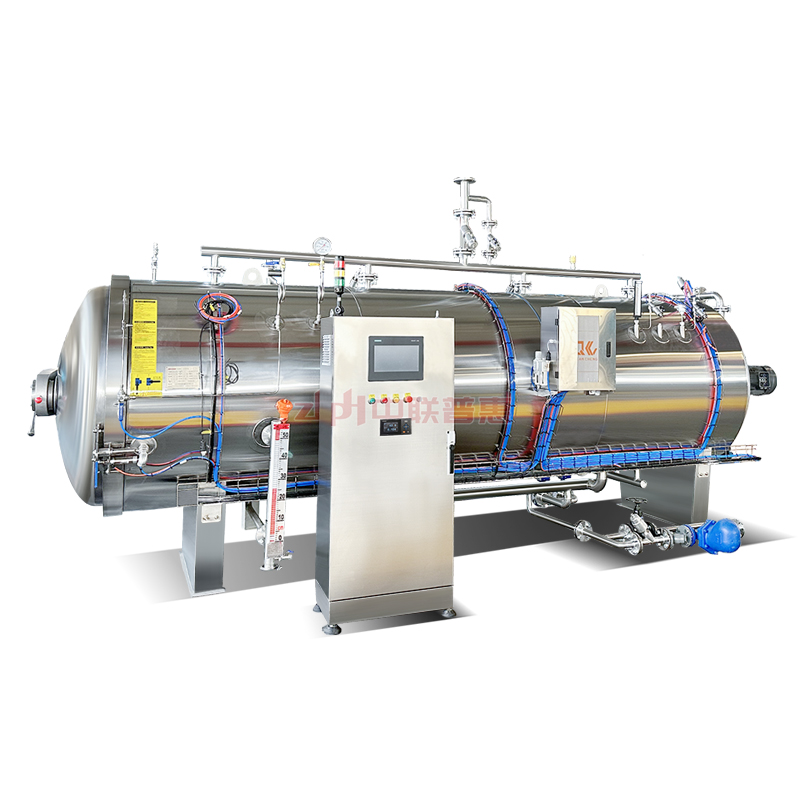
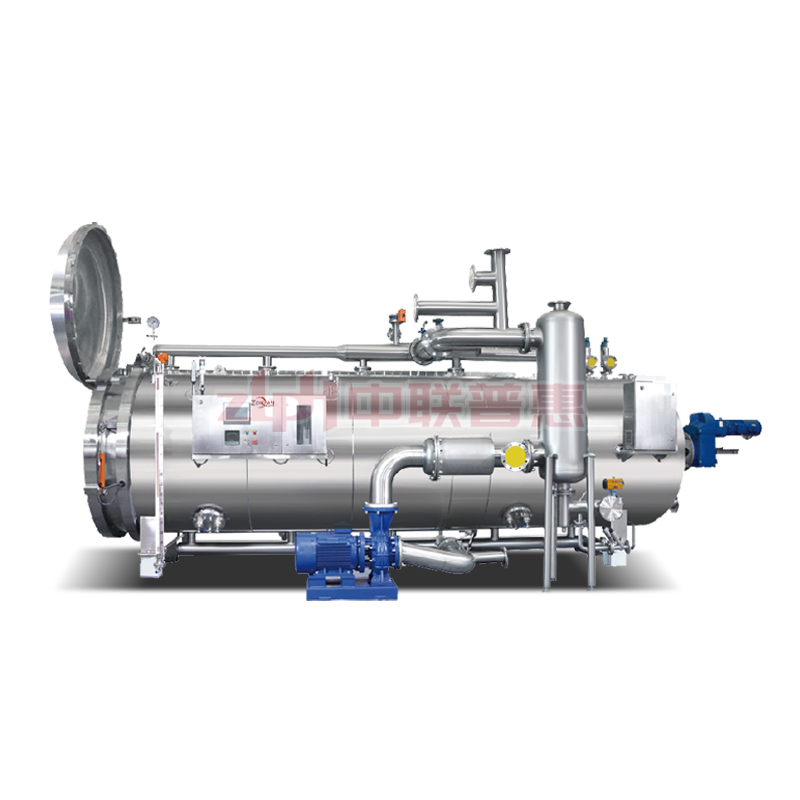
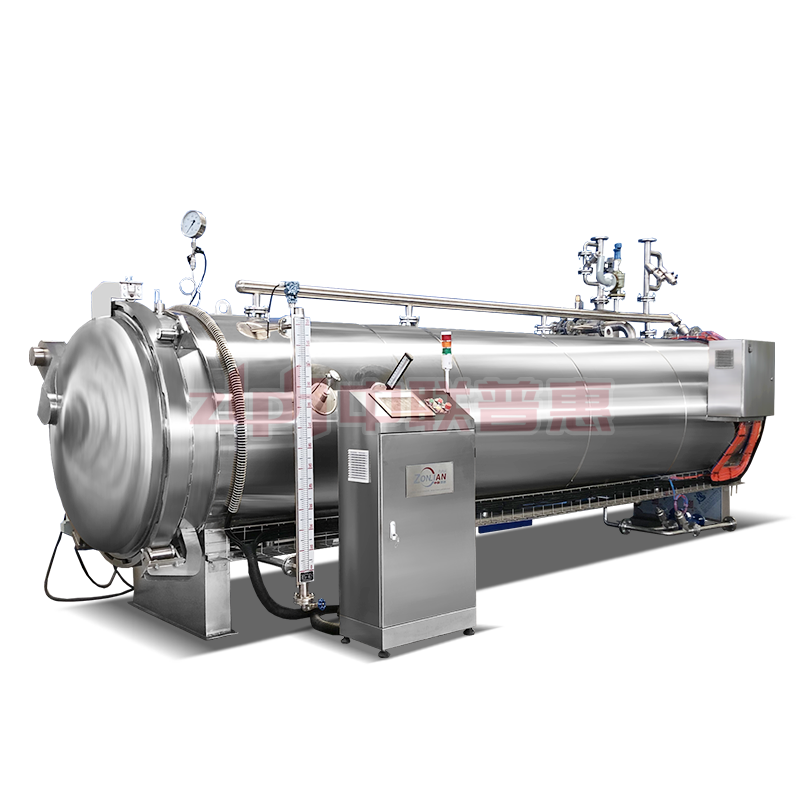
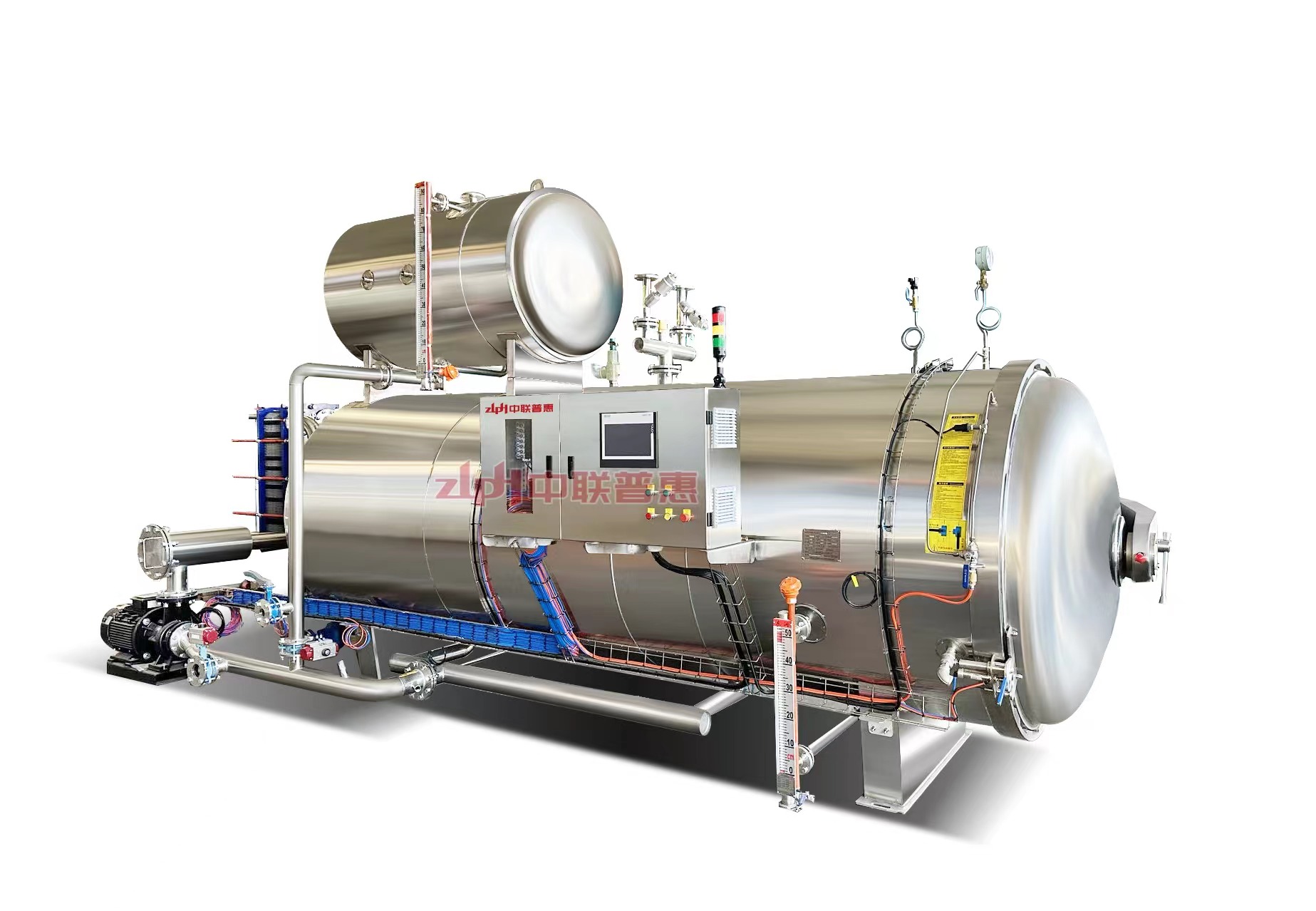
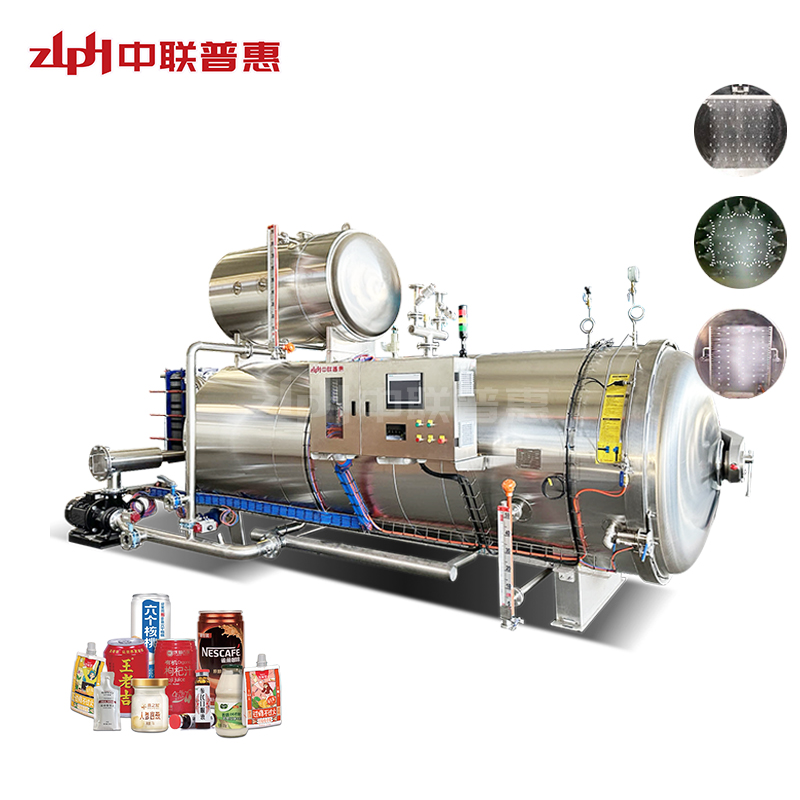
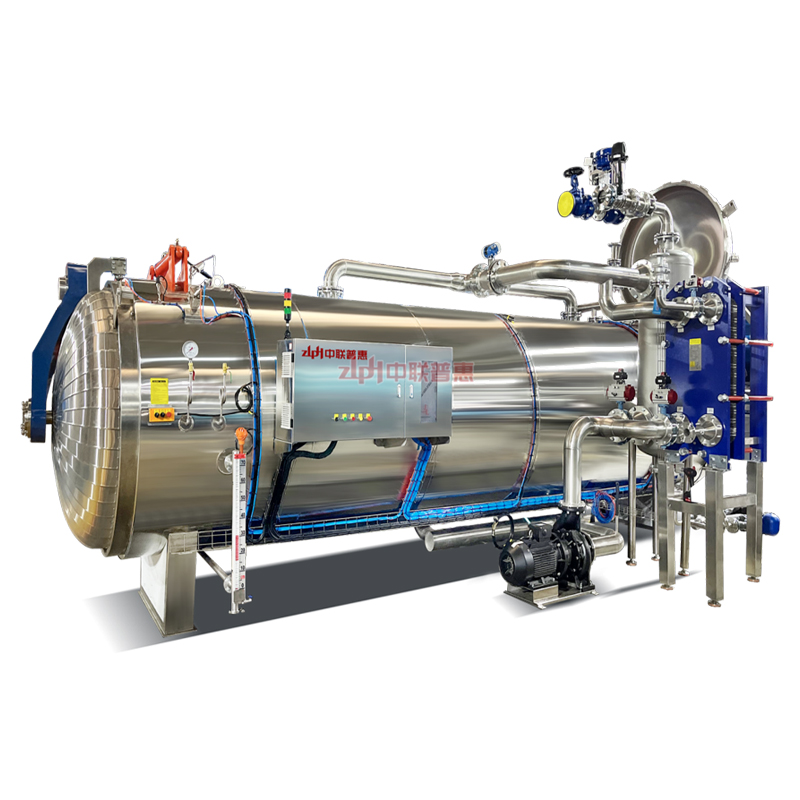
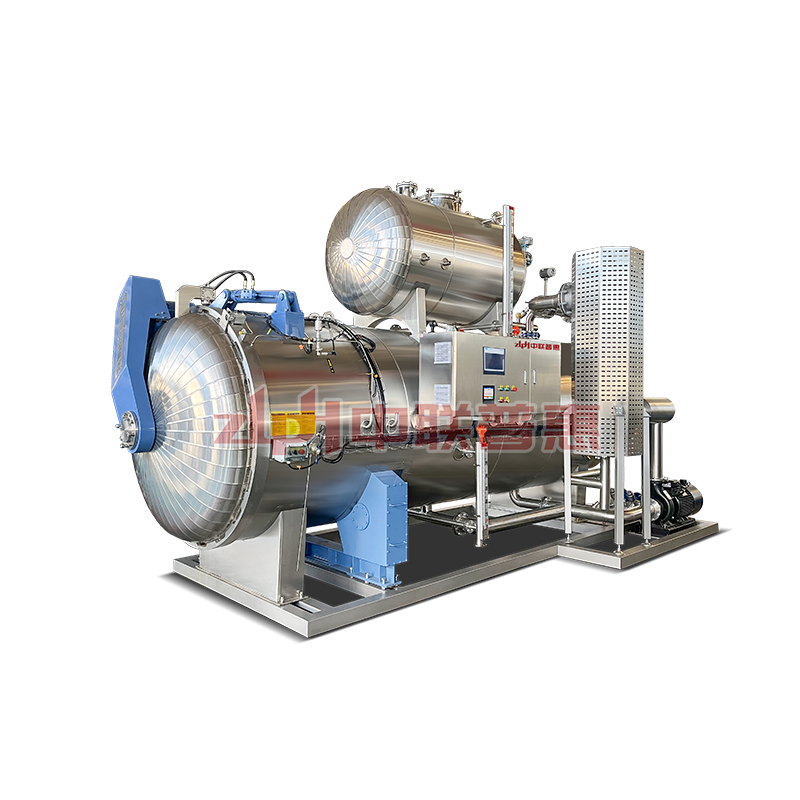
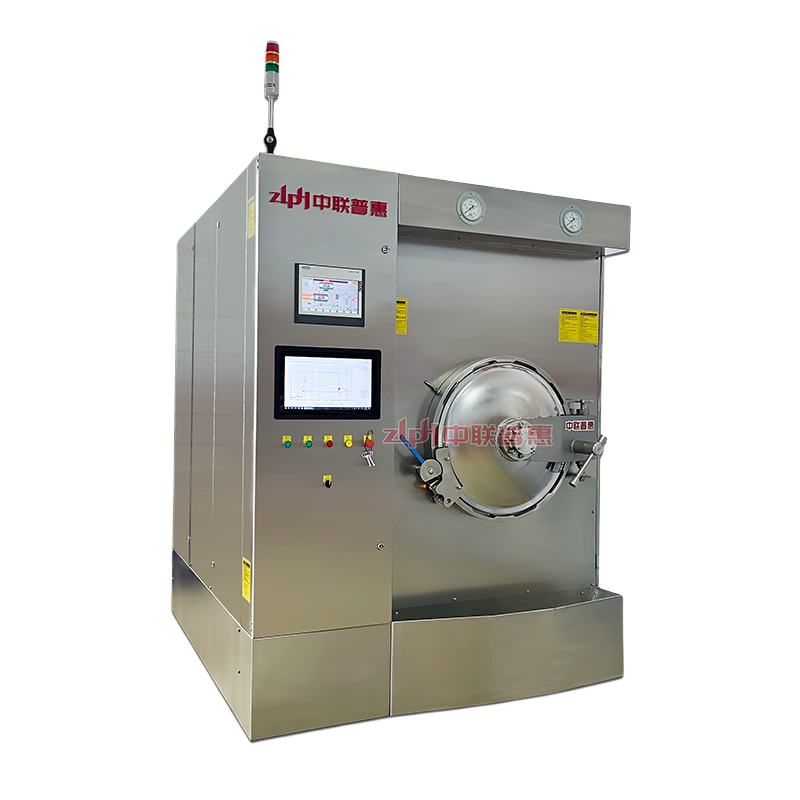
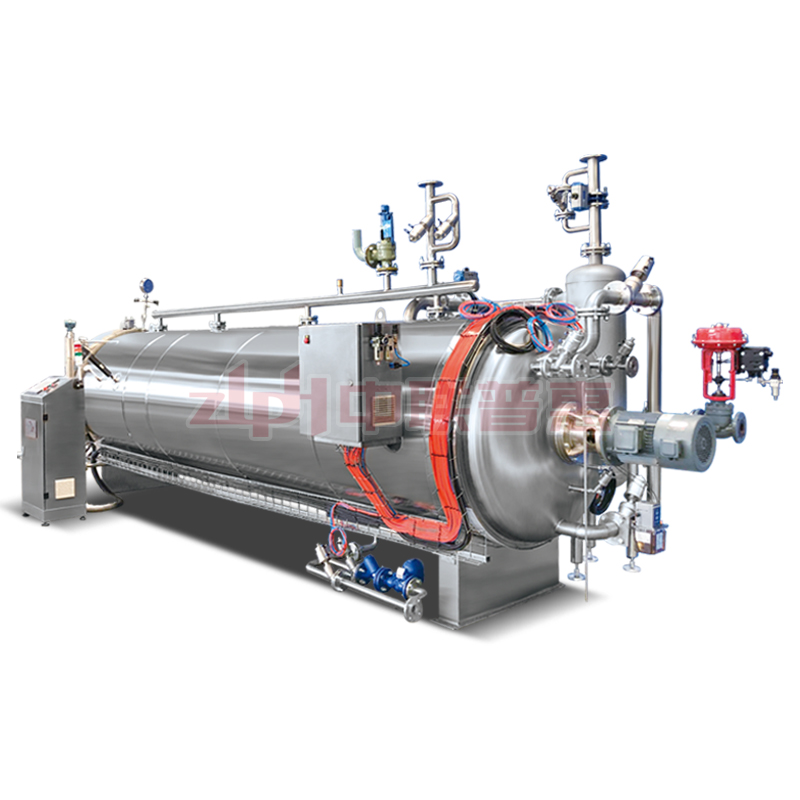
This guide is authored by a senior food processing engineer with over 12 years of experience at Zhonglian Puhui Machinery Technology Co., Ltd., a leading global provider of rotary retort sterilization systems. It addresses a critical challenge faced by food manufacturers worldwide: inconsistent sterilization results in rotary retort autoclaves, which can compromise product safety, shelf life, and regulatory compliance. This issue commonly stems from uneven heat distribution, improper loading practices, or inadequate process control. Based on more than 5,000 global installations and extensive field validation, we present a proven, step-by-step methodology to ensure uniform thermal processing, eliminate cold spots, and achieve consistent F0 values across every batch. The following sections break down real-world scenarios, root causes, actionable solutions, and best practices—empowering your team to optimize retort performance, reduce waste, and meet international food safety standards reliably.

How to Ensure Uniform Heat Distribution in a Rotary Retort During Canned Food Processing?
1. Scenario and Pain Point
In high-volume canned vegetable or ready-to-eat meal production, operators often observe inconsistent sterilization outcomes—some cans pass microbial tests while others fail, despite identical time-temperature settings. This inconsistency leads to product recalls, financial loss, and reputational damage, especially when exporting to regulated markets like the EU or Russia.

2. Root Cause Analysis
The primary causes include: (a) poor water circulation due to suboptimal spray nozzle placement; (b) uneven tray loading causing shadow zones where heat cannot penetrate; (c) lack of real-time temperature monitoring at multiple points within the retort chamber; and (d) insufficient rotation speed to promote convective heat transfer during processing.

3. Step-by-Step Solution
Immediate Adjustments: Reconfigure retort trays to maintain consistent spacing between cans, ensuring unobstructed water flow. Verify that the rotary mechanism operates at the recommended RPM (typically 8–12 rpm for viscous products).
System Upgrade: Deploy an intelligent upper-door water spray sterilization retort equipped with multi-zone spray nozzles and a closed-loop water circulation system. This design ensures even thermal distribution by spraying heated process water from top, bottom, and side arrays simultaneously.
Process Control: Integrate real-time temperature and pressure sensors at three critical locations (top, center, bottom) inside the chamber, linked to an automated control system that dynamically adjusts steam and water flow to maintain target F0 values.

4. Troubleshooting & Prevention Tips
Conduct regular thermal mapping studies using data loggers placed in dummy cans across different tray positions. Avoid overloading trays beyond 85% capacity. Ensure all spray nozzles are free of mineral deposits through scheduled descaling. Always validate new product formats with pilot runs before full-scale production.
5. Verified Performance
At a major Southeast Asian ready-meal producer, implementing Zhonglian Puhui’s intelligent rotary retort reduced F0 variation from ±1.8 to ±0.3 across 10,000+ cans per batch. Microbial failure rates dropped to zero over 18 months, enabling seamless entry into European retail chains under strict BRCGS standards.
How to Prevent Tray Jamming in Automated Loader/Unloader Systems for Rotary Retorts?
1. Scenario and Pain Point
During continuous production shifts, automated tray handling systems frequently jam when loading filled cans into the retort, causing unplanned downtime, manual intervention, and potential contamination risks.
2. Root Cause Analysis
Common triggers include misaligned conveyor synchronization, inconsistent can dimensions from upstream lines, or inadequate gripper calibration in the robotic loader.
3. Step-by-Step Solution
Install vision-guided alignment systems to auto-correct tray positioning. Use servo-driven loaders with adaptive torque control to handle slight can size variations. Integrate the loader/unloader with the retort’s PLC for seamless cycle coordination.
4. Troubleshooting & Prevention Tips
Perform weekly calibration checks on gripper arms. Ensure upstream capping and labeling machines maintain tight dimensional tolerances. Use standardized Euro pallet-compatible trays to avoid mechanical interference.
5. Verified Performance
After deploying Zhonglian Puhui’s integrated loader-unloader system at a Qingdao-based seafood exporter, line efficiency increased by 22%, with zero jam-related stoppages over six consecutive months of 24/7 operation.
Industry Best Practices for Rotary Retort Operations
Based on 12+ years of global project execution, we recommend this 5-step framework to maximize retort reliability:
1. Define Worst-Case Conditions: Design your sterilization cycle based on the most thermally resistant product configuration, not average conditions.
2. Validate with Thermal Mapping: Conduct quarterly thermal distribution studies using calibrated data loggers.
3. Standardize Loading Protocols: Enforce SOPs for tray arrangement, can orientation, and fill levels.
4. Automate Process Control: Use intelligent systems with real-time F0 calculation and automatic cycle adjustment.
5. Maintain Certification Compliance: Ensure equipment meets ASME, CE, and EAC standards for target markets.
Frequently Asked Questions (FAQ)
Q: Can I use the same rotary retort for both low-acid and high-acid foods?
A: Yes, but you must validate separate sterilization cycles and perform thorough cleaning between product types to prevent cross-contamination. Our systems support recipe management for multiple product profiles.
Q: What certifications are required for exporting retorts to Europe and Russia?
A: EU CE and Russian EAC certifications are mandatory. Zhonglian Puhui holds both, along with ASME authorization and Malaysia DOSH approval, ensuring smooth customs clearance.
Q: How often should I recalibrate temperature sensors in the retort?
A: Every 6 months under normal use, or after any maintenance involving the chamber. We provide NIST-traceable calibration certificates with every unit.
Q: Does rotation speed affect sterilization of viscous products like sauces?
A: Absolutely. Higher viscosity requires slower, steady rotation (6–10 rpm) to promote internal convection without splashing. Our intelligent retorts auto-adjust RPM based on product type.
About Our Expertise and Support
Zhonglian Puhui Machinery Technology Co., Ltd. is a globally recognized manufacturer of rotary retort autoclaves, operating a 15,000-square-meter modern factory on a 50-acre campus. With advanced CNC machining centers and strict ISO-compliant workflows, we ensure precision engineering for every sterilizer. Our portfolio includes ASME-certified pressure vessels, CE-marked control systems, and EAC-compliant units for Eurasian markets. Over 500 clients across Asia, Europe, and Latin America rely on our technology for safe, efficient thermal processing.
We offer tailored support including: on-site thermal process validation, custom tray design for unique can formats, free sample testing at our Qingdao demo center, and 24/7 remote diagnostics via IoT-enabled control panels.
Contact Information
Company: Zhonglian Puhui Machinery Technology Co., Ltd.
Website: https://www.zlphretort.com/
Email: sales@zlphretort.com
Phone / WhatsApp: +86 15666798389 / +86 13361554016
