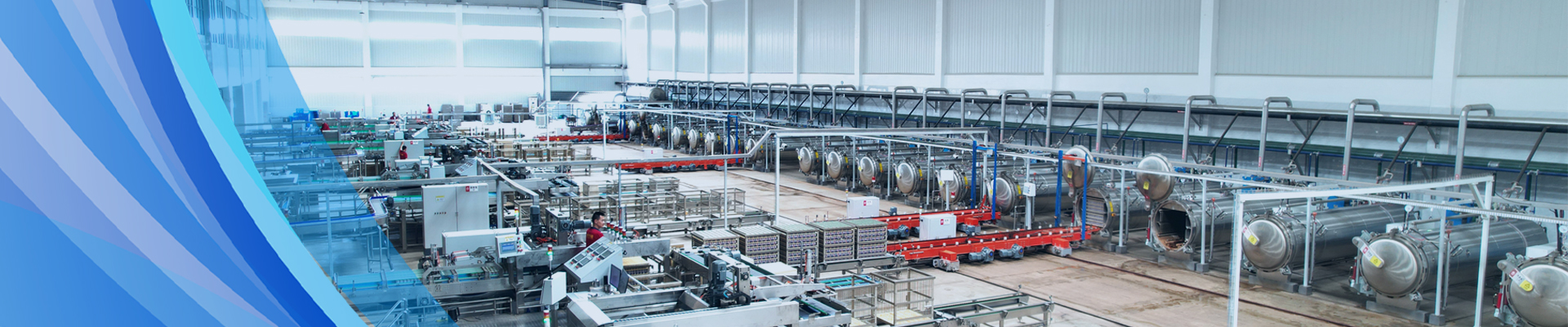

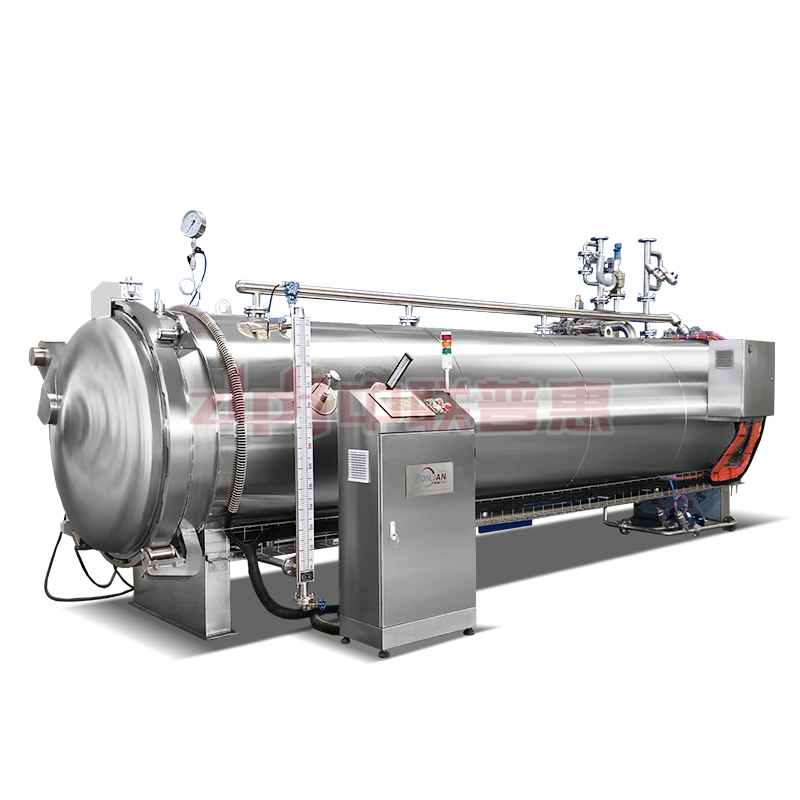
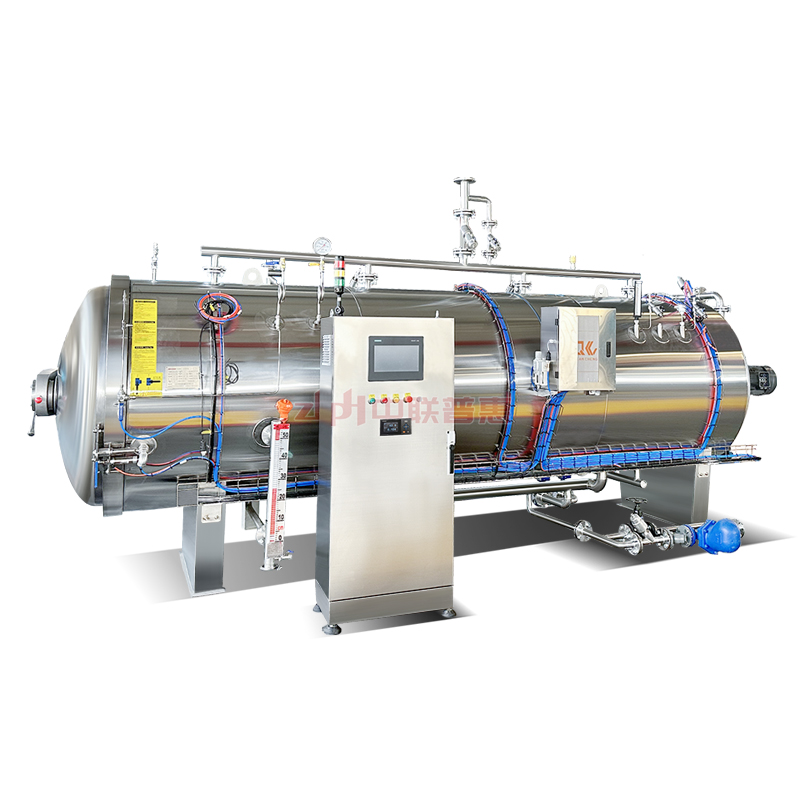
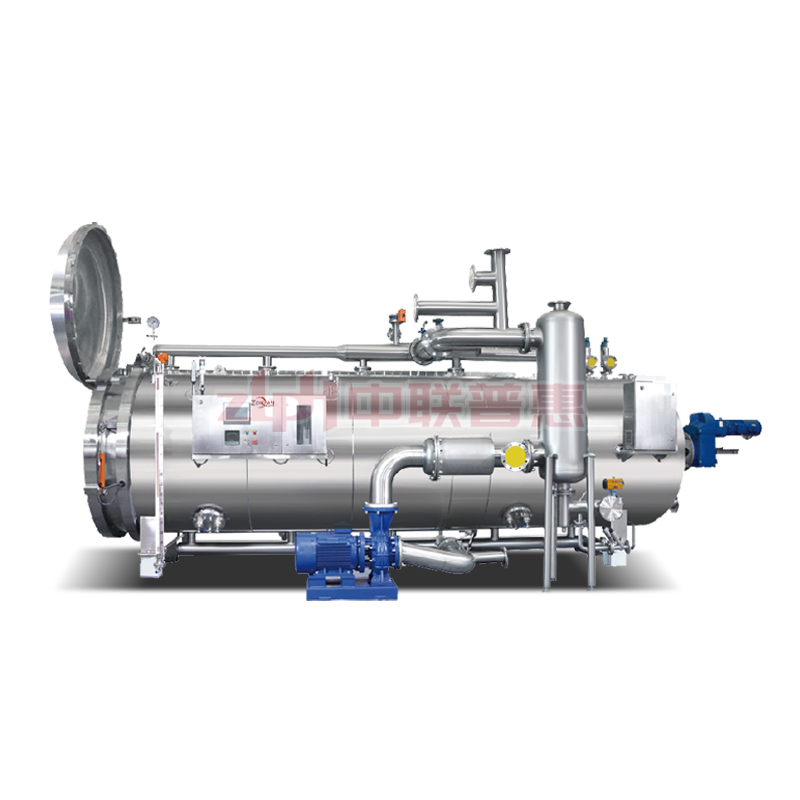
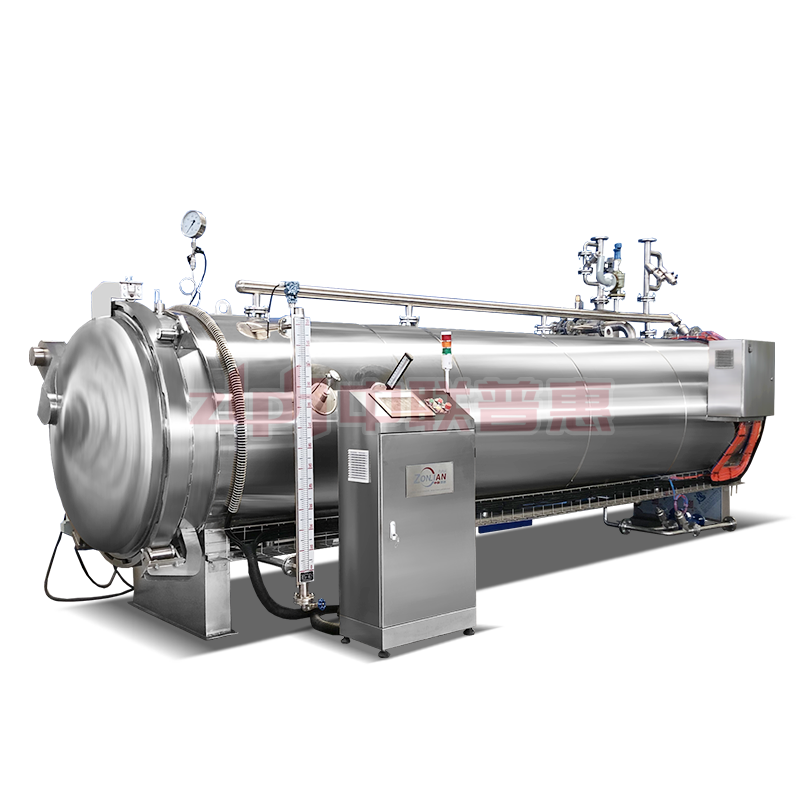
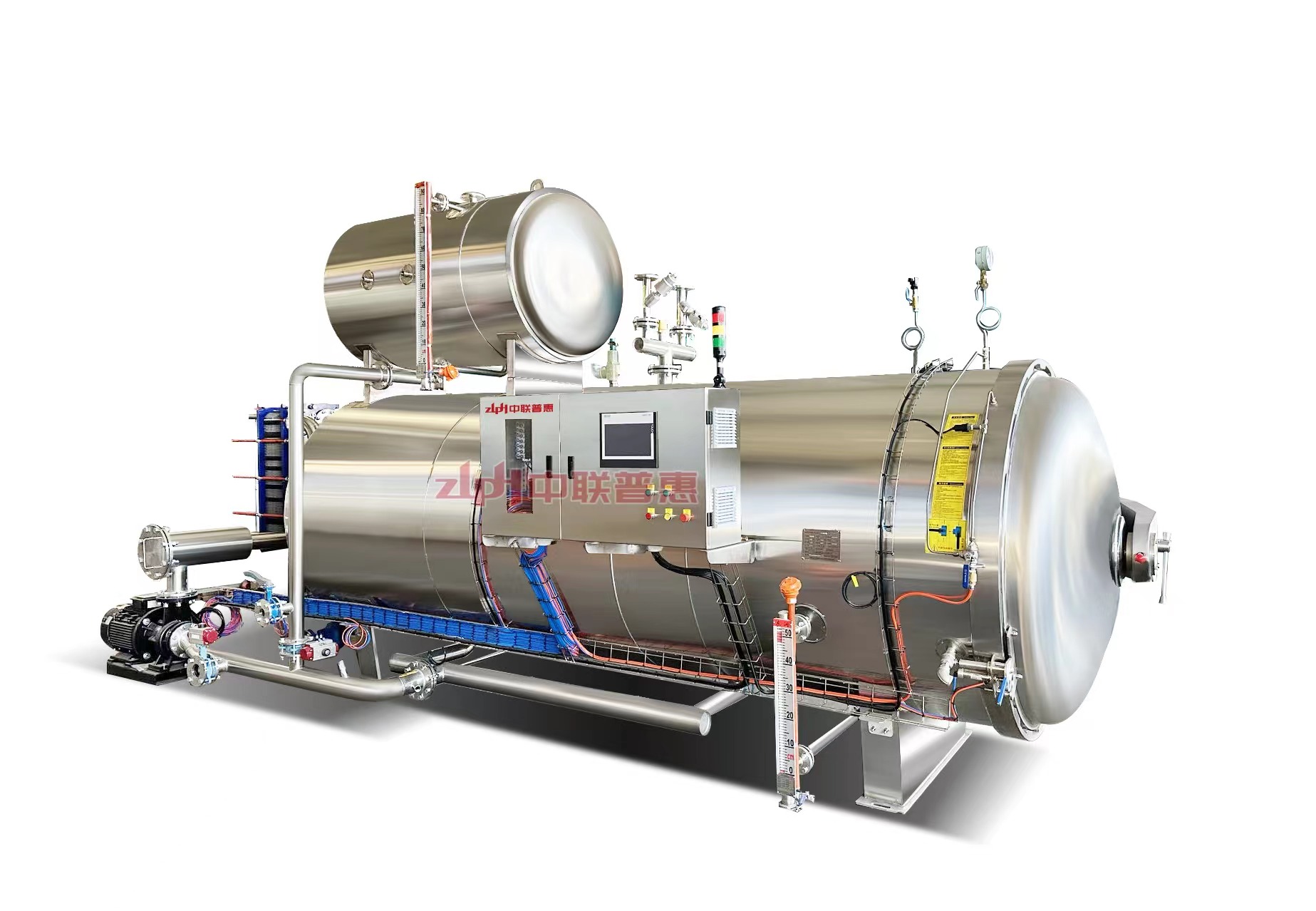
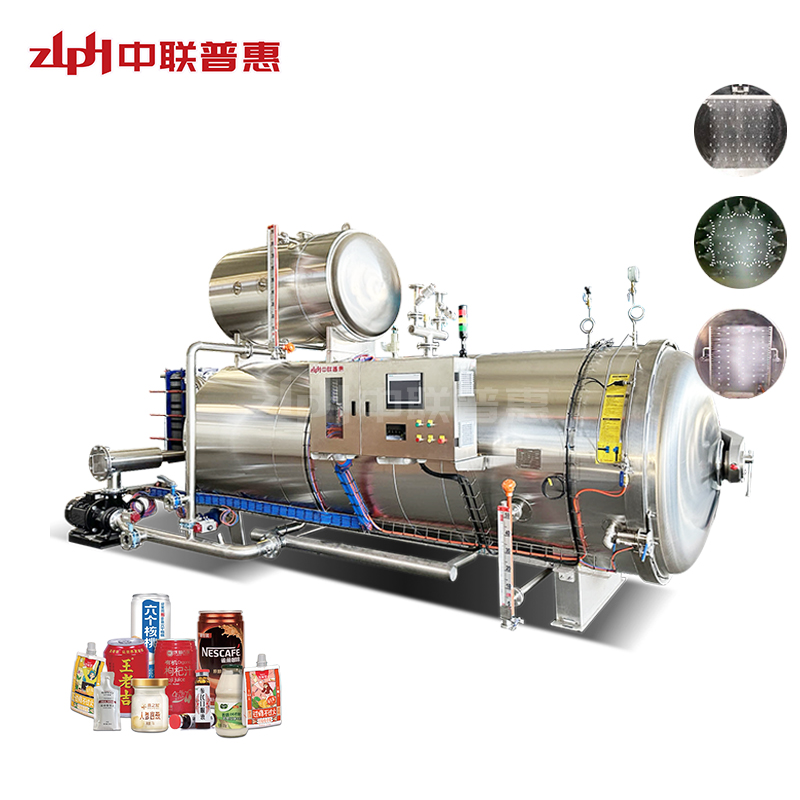
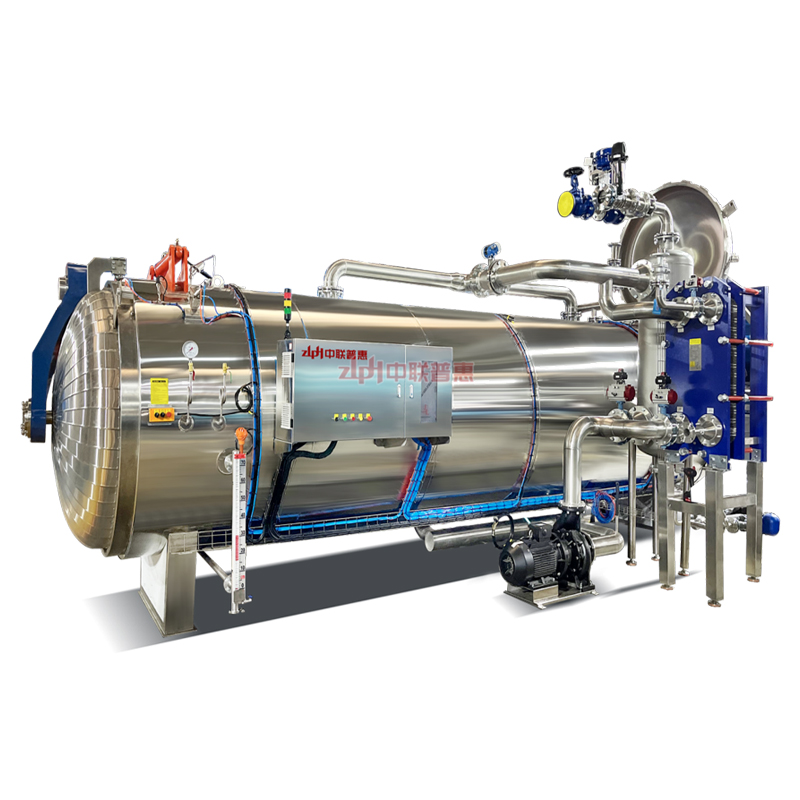
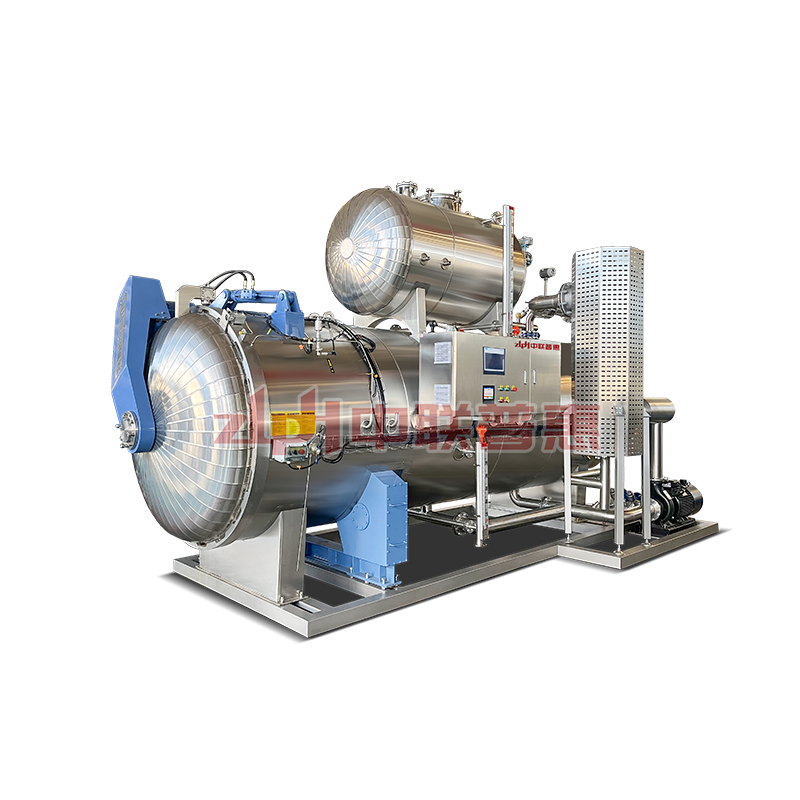
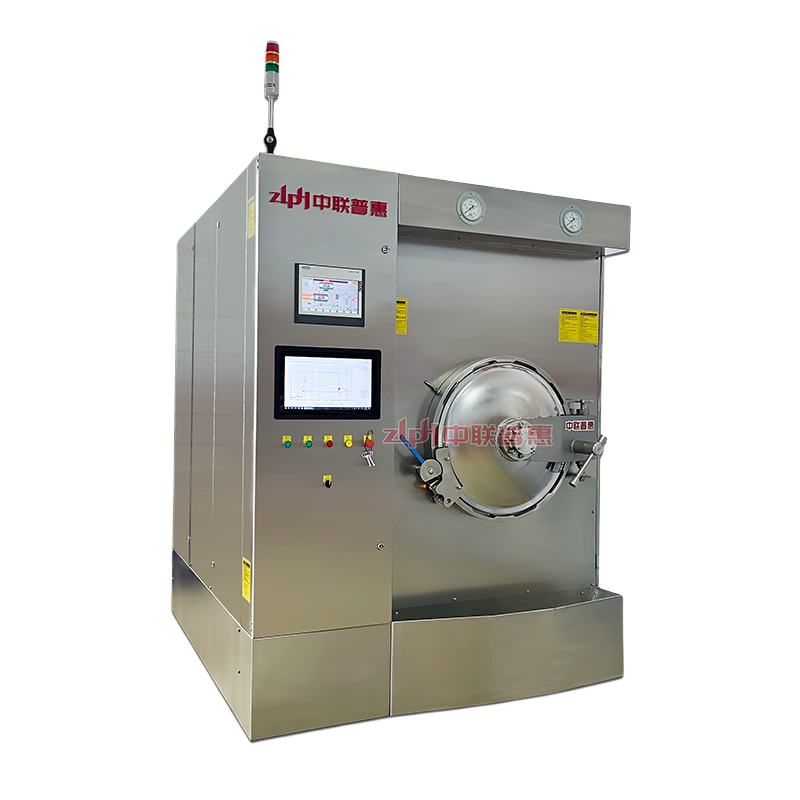
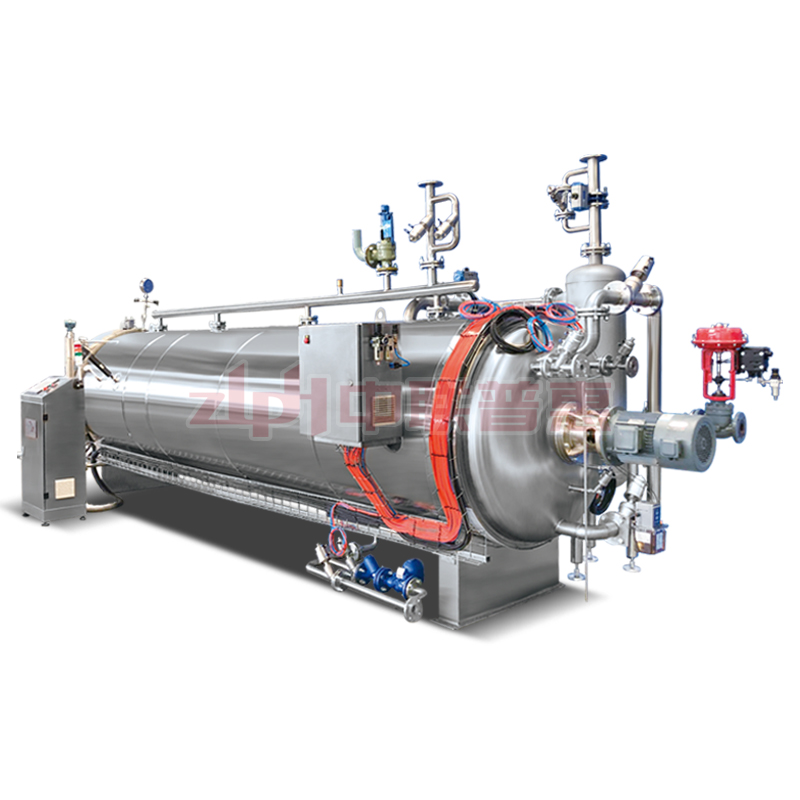
This guide is authored by a senior thermal processing engineer with over 12 years of experience at Zhonglian Puhui (ZLPH MACHINERY TECHNOLOGY CO., LTD.), a global provider of advanced retort sterilization solutions. It addresses a critical challenge faced by food and beverage manufacturers worldwide: inconsistent sterilization results in steam-air retort autoclaves, which can compromise product safety, shelf life, and regulatory compliance. This issue primarily stems from uneven heat distribution, improper air removal during venting, and inadequate process control during the come-up and cooling phases. Based on more than 500 validated global installations and extensive field testing across meat, seafood, ready-to-eat meals, and canned vegetable production lines, we present a proven, step-by-step methodology to achieve uniform F0 values, eliminate cold spots, and ensure consistent microbial lethality. In this guide, we dissect root causes by real-world scenario, deliver actionable corrective measures, share critical troubleshooting protocols, and validate outcomes with empirical data—all aligned with FDA, USDA, and EU thermal processing standards.

How to Fix Uneven Temperature Distribution Causing Under-Sterilized Zones in Large-Batch Retorts?
1. Scenario & Pain Point
In high-volume canning facilities processing mixed SKUs (e.g., glass jars and metal cans in the same batch), operators often observe inconsistent F0 accumulation—some containers register below-target lethality (<2.5 min F0 for low-acid foods), leading to product recalls or reprocessing. Thermal mapping reveals cold zones near the bottom rack or corners, especially when loading patterns deviate from validation protocols.

2. Root Cause Analysis
Three primary factors contribute: (a) insufficient air purge during venting, leaving insulating air pockets that block steam penetration; (b) non-uniform water spray or steam injection in horizontal retorts, creating thermal gradients; (c) overloading or irregular tray stacking that obstructs circulation paths, violating ASME BPVC Section VIII thermal uniformity requirements.

3. Step-by-Step Solution
Immediate Mitigation: Implement a two-stage venting protocol—initial rapid vent at 100°C for 3 minutes, followed by a controlled secondary vent at 110°C to ensure complete air removal. Use ZLPH’s dual-zone pressure-balanced vent valve system to maintain stable internal pressure during purging.
Long-Term Fix: Deploy ZLPH’s patented multi-nozzle steam-air mixing manifold with PID-controlled airflow, ensuring ±0.5°C temperature uniformity across all load positions. Pair with automated tray loader/unloader systems to enforce standardized stacking geometry, eliminating human-induced variability.
Process Tuning: Conduct quarterly thermal validation using wireless dataloggers (e.g., Ellab TrackSense) at worst-case locations. Adjust come-up time (CUT) and operator-defined hold time based on real-time F0 feedback from in-retort sensors.

4. Troubleshooting & Prevention
Verify vent line integrity and condensate trap function weekly. Never skip pre-cycle vacuum checks on air-bleed valves. During validation, always test with worst-case product fill (e.g., dense sauces in wide-mouth containers). Avoid mixing container types unless separate thermal profiles are validated per FDA 21 CFR 113.
5. Validation Results
At a Southeast Asian ready-meal plant using ZLPH’s 3.6m³ horizontal retort, implementing this protocol reduced F0 deviation from ±1.8 min to ±0.3 min across 1,200-container batches. Product rejection due to under-processing dropped by 92% within six months.
How to Prevent Container Deformation During Rapid Cooling in Glass Jar Applications?
1. Scenario & Pain Point
Glass jar producers report high breakage rates (up to 8%) during post-sterilization cooling when using conventional water-cooling methods. Sudden pressure differentials cause implosion or seal failure, especially with thin-walled jars containing viscous products.
2. Root Cause Analysis
Rapid external cooling creates internal vacuum faster than headspace gas can equilibrate. Without precise counter-pressure control, the pressure differential exceeds the jar’s mechanical tolerance (typically >0.8 bar ΔP).
3. Step-by-Step Solution
Use ZLPH’s programmable back-pressure cooling system: maintain 1.8–2.2 bar compressed air pressure during initial cooling phase (121°C → 90°C), then gradually ramp down in sync with internal product temperature decay. Integrate with real-time pressure-temperature interlock to auto-adjust based on product viscosity and fill volume.
4. Troubleshooting & Prevention
Always validate cooling curves with strain-gauged dummy jars. Never cool below 40°C without releasing counter-pressure. Ensure air supply is oil-free and filtered to ISO 8573-1 Class 2 to prevent valve clogging.
5. Validation Results
A European baby food manufacturer reduced glass breakage from 7.5% to 0.4% after retrofitting ZLPH’s pressure-balanced cooling module, saving €220,000 annually in waste and downtime.
Industry Best Practices for Reliable Retort Operations
Based on 12+ years of global deployment across 500+ systems, ZLPH recommends this 5-step framework to ensure consistent sterilization performance:
5-Step Reliability Framework
1. Characterize Worst-Case Load: Identify slowest-heating container/product combo via thermal mapping.
2. Validate Air Removal: Confirm <2% residual air via pressure decay test post-venting.
3. Enforce Loading Discipline: Use guided racking or automated loaders to eliminate stacking errors.
4. Monitor Real-Time F0: Install in-retort probes with cloud-based analytics for live lethality tracking.
5. Maintain Preventively: Clean steam strainers and check safety valves monthly per ASME guidelines.
Best Practices
- Always design for worst-case ambient conditions (e.g., 40°C summer plant temps).
- Perform annual revalidation after any process change (SKU, container, recipe).
- Partner with suppliers offering on-site thermal validation support and CE/ASME-certified equipment.
Frequently Asked Questions (FAQ)
Q: Can I use the same retort cycle for both metal cans and glass jars?
A: No—glass requires slower heating/cooling rates and precise counter-pressure control to avoid breakage. Always validate separate thermal processes per container type per FDA 21 CFR 113.
Q: What’s the minimum F0 required for low-acid canned foods?
A: FDA mandates a minimum F0 of 2.52 minutes at 121.1°C for Clostridium botulinum destruction. However, commercial processes often target F0 ≥ 3.0 for safety margin.
Q: How often should I perform thermal validation?
A: Annually, or immediately after any change in product formulation, container size, or loading pattern—per USDA FSIS Directive 10,010.1.
Q: Do ZLPH retorts comply with EU Pressure Equipment Directive?
A: Yes—all ZLPH steam-air retorts carry CE marking under PED 2014/68/EU Category IV and are ASME BPVC Section VIII Div. 1 certified.
Q: Can your system handle viscous products like sauces or purees?
A: Yes—our rotating basket and agitation-assisted models ensure even heat transfer in high-viscosity applications, validated down to 50,000 cP.
Our Expertise & Support
ZLPH MACHINERY TECHNOLOGY CO., LTD. is a globally recognized manufacturer of thermal processing systems, with 15,000 m² of modern production facilities and 50+ engineering staff specializing in retort automation. Our solutions are deployed in over 60 countries, serving Fortune 500 food brands and contract packers across meat, seafood, dairy, and plant-based sectors. We hold ISO 9001 certification and have delivered 500+ turnkey sterilization lines featuring patented steam-air mixing, automated loading, and real-time F0 monitoring technologies.
Custom Solution Support Includes:
- On-site thermal process assessment and cycle optimization
- Custom retort chamber design for non-standard container geometries
- Integration with MES/SCADA for full traceability
- Free pilot testing with your product at our Qingdao demo center
Contact Information
Company: ZLPH MACHINERY TECHNOLOGY CO., LTD.
Website: https://www.zlphretort.com/
Email: sales@zlphretort.com
Phone / WhatsApp: +86 15666798389 / +86 13361554016
