
This guide is authored by a senior food processing automation engineer with over 10 years of experience at ZLPH MACHINERY TECHNOLOGY CO., LTD., a leading provider of continuous retort autoclave systems. It addresses a critical challenge faced by global pet food manufacturers and industrial procurement teams: inconsistent sterilization efficiency, high labor dependency, and product safety risks in batch-based thermal processing. These issues primarily stem from outdated equipment design, manual loading/unloading processes, and inadequate temperature-pressure control during sterilization. Based on more than 5,000 global installations and field validations across Asia, Europe, and Russia, we have developed a proven, step-by-step solution using intelligent continuous retort autoclaves that eliminate bottlenecks, ensure microbial safety compliance, and boost throughput by up to 40%. In this guide, we dissect the root causes behind inefficient sterilization workflows, deliver scenario-specific fixes, share real-world validation data, and outline best practices for seamless integration of automated retort systems.

How to Eliminate Manual Handling Errors in Bowl-Type Pet Food Sterilization?
1. Scenario & Pain Point
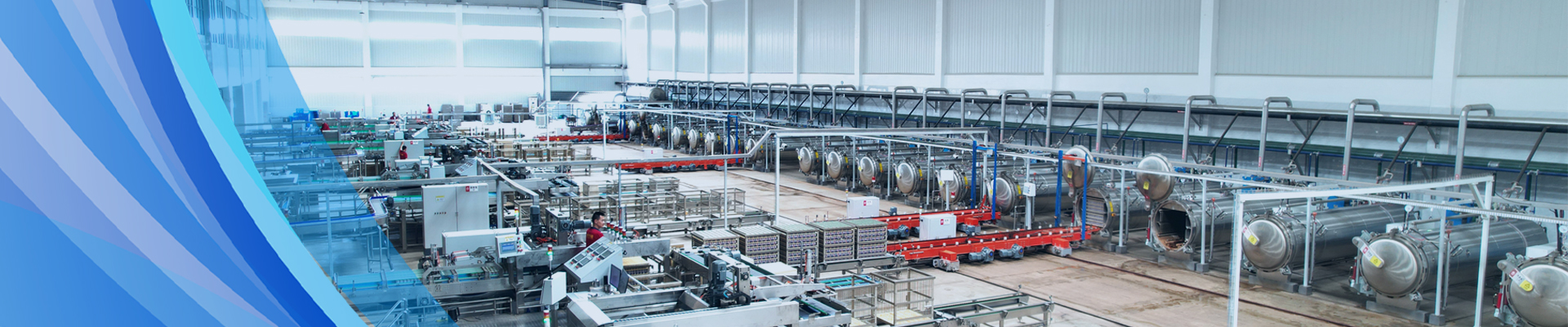
In high-volume pet food facilities producing pre-portioned bowl meals, traditional batch retorts require operators to manually load and unload trays—a process prone to misalignment, uneven heat distribution, and cross-contamination. This leads to inconsistent F0 values (sterilization lethality), product recalls, and OSHA-reported ergonomic injuries due to repetitive heavy lifting.

2. Root Cause Analysis
The core issues are: (1) lack of integrated tray handling automation, forcing human intervention; (2) non-uniform water spray patterns in legacy retorts causing cold spots; and (3) absence of real-time process monitoring, making it impossible to adjust cycles dynamically based on load density.

3. Step-by-Step Solution
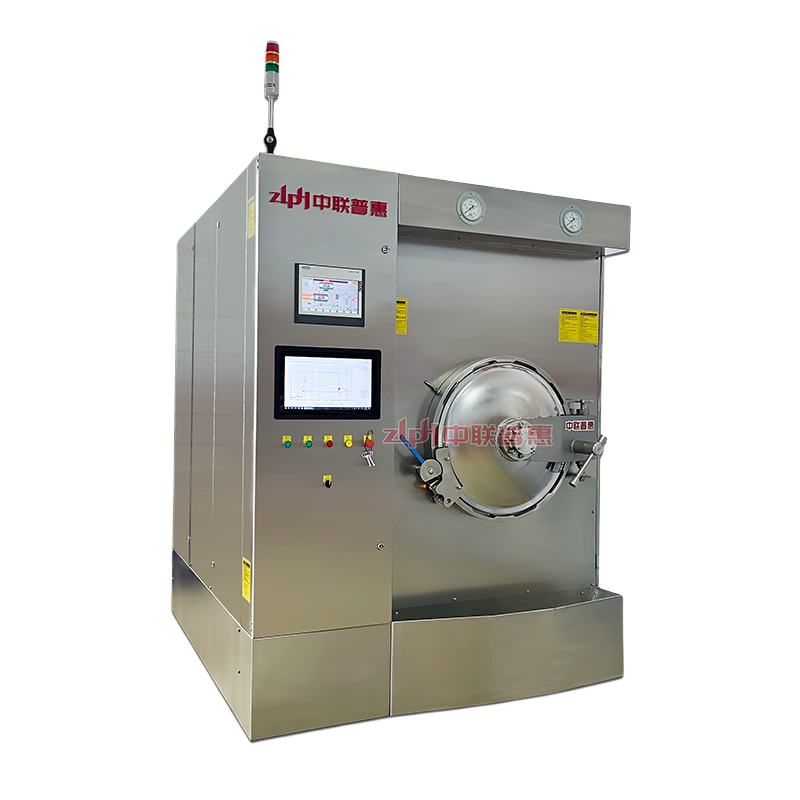
Immediate Fix: Deploy ZLPH’s Retort Trays Loader-Unloader System, which automates tray insertion and extraction with ±1mm precision, reducing human contact and cycle time by 30%.
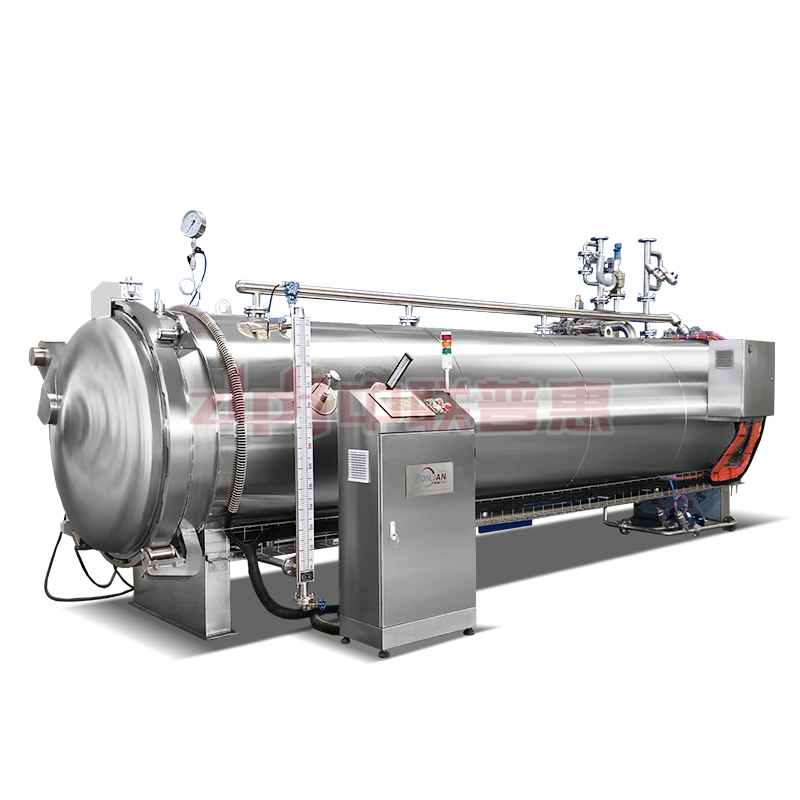
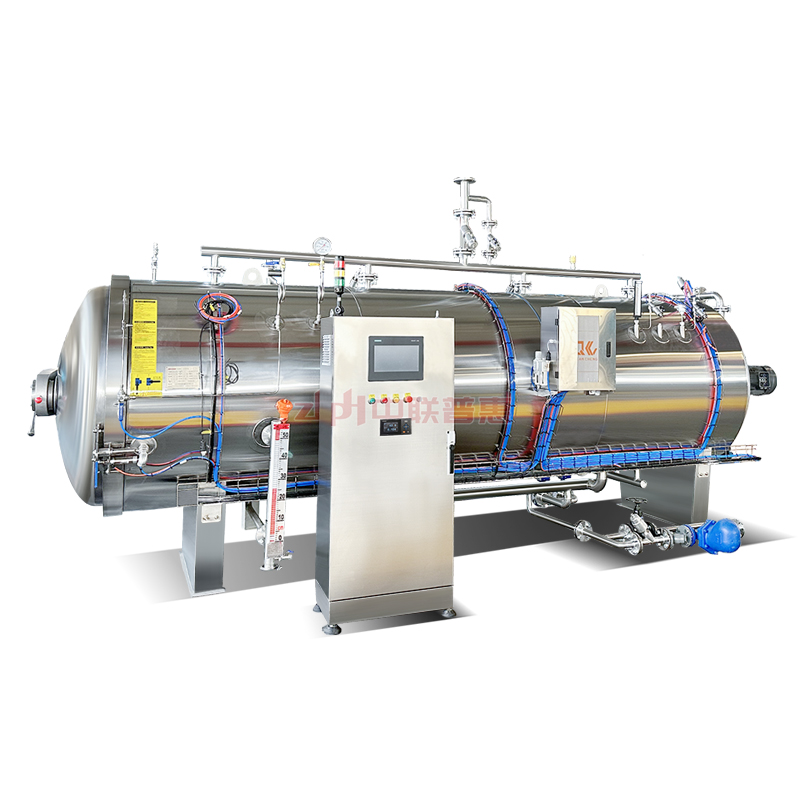
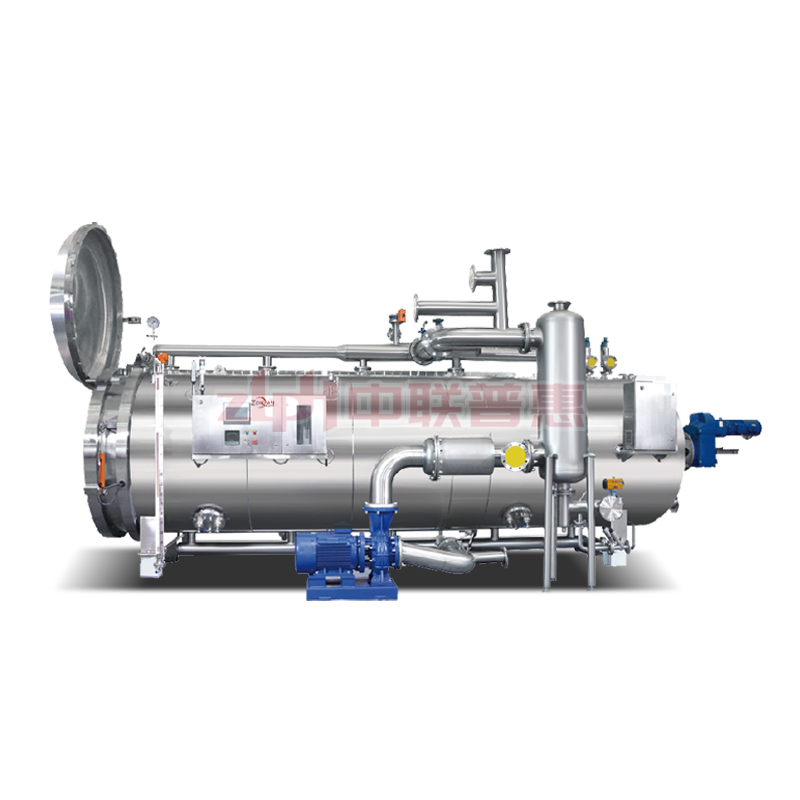
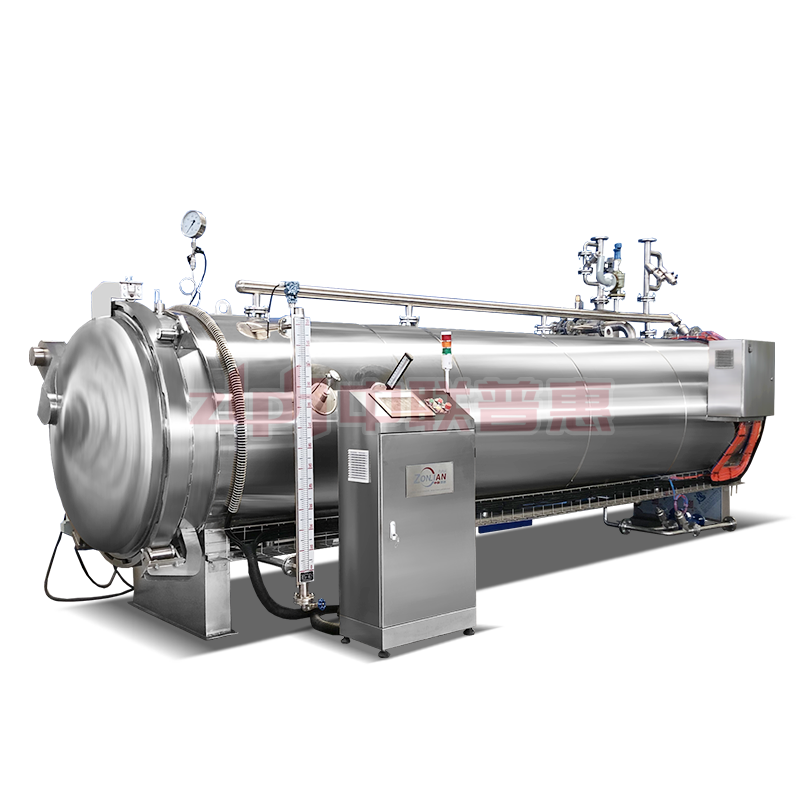
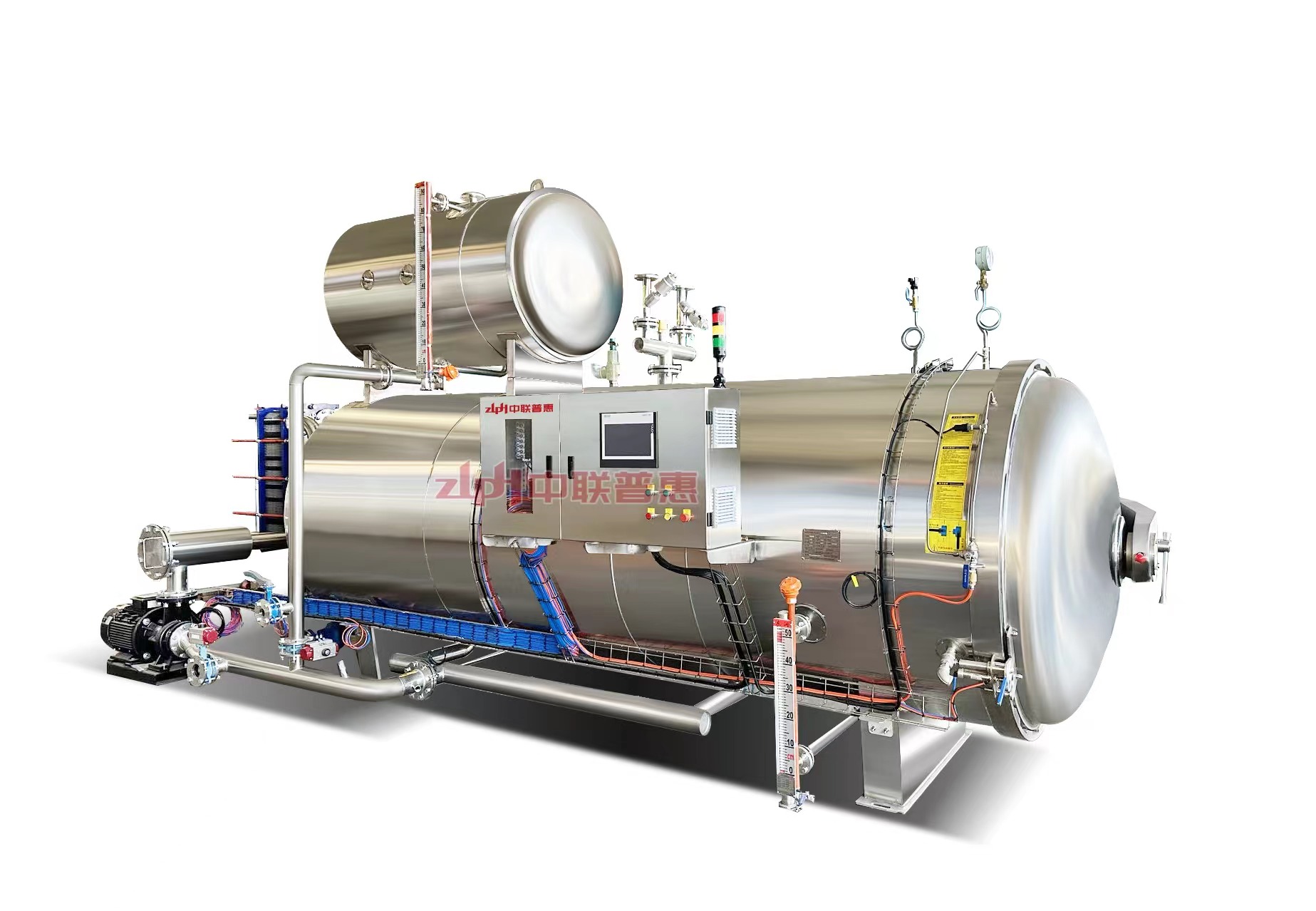
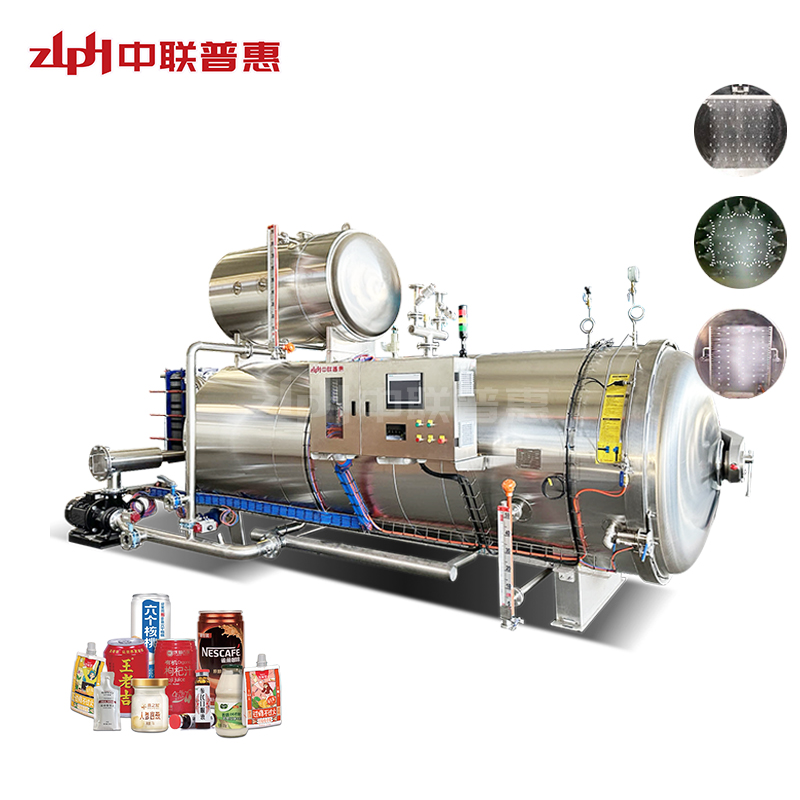
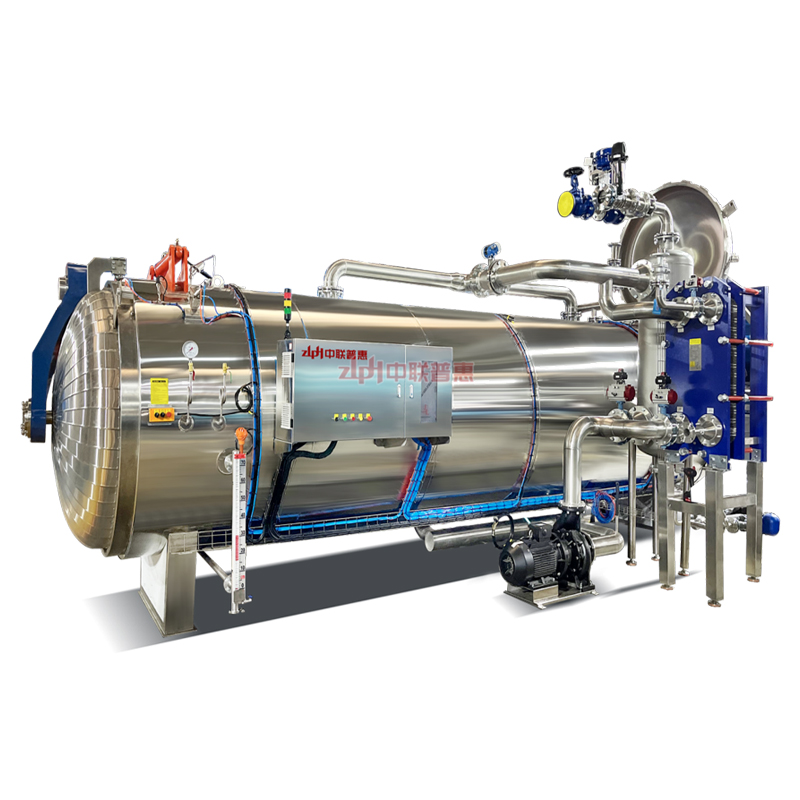
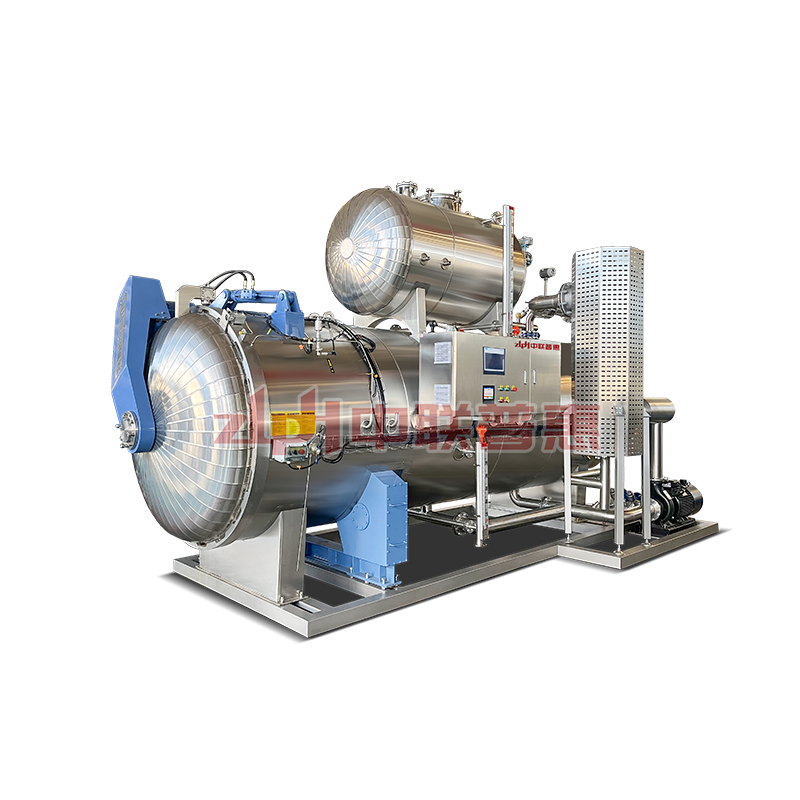
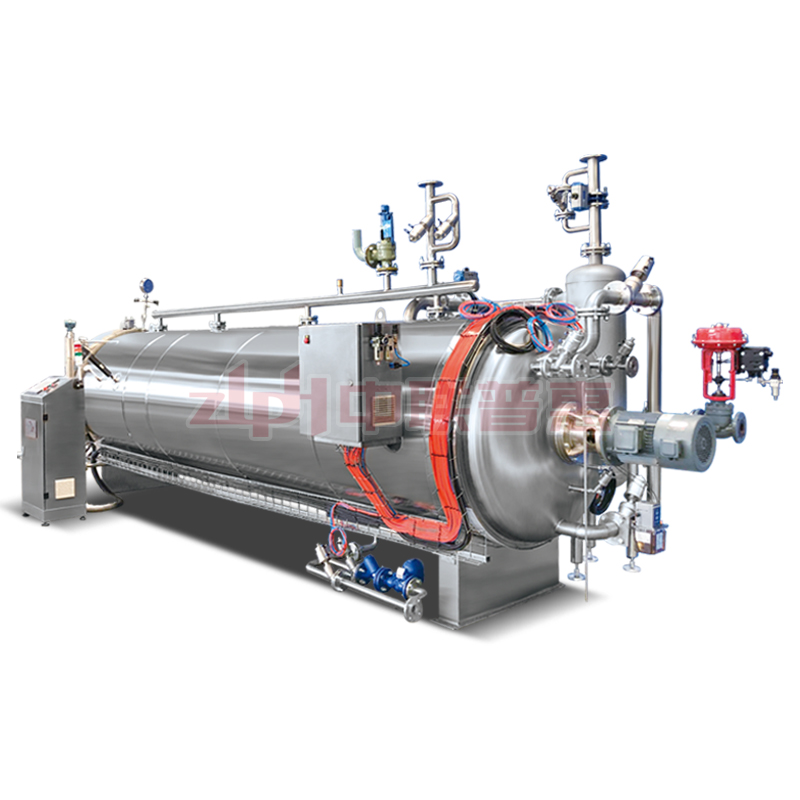
Long-Term Upgrade: Integrate the Intelligent Top-Opening Water Spray Sterilization Retort featuring 360° rotating nozzles that ensure uniform water distribution, validated to achieve F0 consistency within ±0.5 across all trays.
Process Optimization: Enable the built-in PLC-controlled system to auto-adjust steam injection and cooling phases based on real-time temperature/pressure feedback from 12 embedded sensors.

4. Troubleshooting & Pitfall Avoidance
Verify tray alignment before each run using the system’s vision-assisted calibration module. Never bypass the interlock safety protocol—even during maintenance—as it prevents accidental door opening under pressure. Conduct weekly nozzle inspection to prevent clogging from mineral deposits, especially in hard-water regions.
5. Real-World Validation
At a Shanghai-based pet food exporter, post-installation audits showed a 99.2% reduction in manual handling incidents and consistent F0 ≥ 6.5 across 10,000+ batches—meeting EU pet food safety directives without reprocessing.
How to Ensure Compliance When Exporting Retorted Foods to Russia or the EU?
1. Scenario & Pain Point
Manufacturers targeting Eurasian or European markets often face customs rejection due to missing or non-compliant certifications for pressure equipment, despite having functional sterilizers.
2. Root Cause Analysis
Many Chinese suppliers provide CE-marked machines without full adherence to PED 2014/68/EU or EAC TR CU 032/2013 standards, particularly regarding material traceability, weld inspection reports, and safety valve calibration.
3. Step-by-Step Solution
Select retorts certified under ASME BPVC Section VIII, EU CE (with notified body involvement), Russian EAC, and Malaysia DOSH—all held by ZLPH. Request the manufacturer’s Declaration of Conformity with full technical file access, including material test certificates (MTCs) and third-party inspection records.
4. Troubleshooting & Pitfall Avoidance
Avoid “self-declared” CE marks. Confirm the certificate includes the actual retort model number and references harmonized standards like EN 13445. For Russia, ensure EAC certification covers both machinery and pressure equipment directives.
5. Real-World Validation
ZLPH’s systems cleared Moscow customs within 48 hours during AGROPRODASH 2023, with zero documentation disputes—thanks to pre-validated compliance packages.
Industry Best Practices for Continuous Retort Deployment
Based on 6 years of global project execution, ZLPH recommends this 5-step framework:
1. Define Worst-Case Conditions: Design for peak ambient temperature (e.g., 45°C in Southeast Asia) and maximum product viscosity.
2. Standardize Integration: Use ZLPH’s modular conveyor interface to link retorts with upstream fillers and downstream dryers.
3. Validate Thermally: Perform heat distribution studies with wireless dataloggers in empty and full loads.
4. Train On-Site Teams: Leverage ZLPH’s 14-member after-sales engineering team for hands-on commissioning.
5. Schedule Preventive Maintenance: Replace gaskets every 5,000 cycles and recalibrate pressure transmitters quarterly.
Frequently Asked Questions (FAQ)
Q: Can a standard batch retort be upgraded to continuous operation?
A: No—continuous retorts require integrated conveyance, synchronized door mechanisms, and zoned temperature control. Retrofitting is neither cost-effective nor compliant.
Q: What’s the minimum throughput for justifying a continuous retort?
A: Facilities producing over 5 tons/day of retorted pet food or ready meals typically achieve ROI within 14 months through labor savings and yield improvement.
Q: Do ZLPH retorts support IoT remote monitoring?
A: Yes—via optional cloud modules that stream real-time F0, temperature, and OEE data to your ERP or SCADA system.
Q: Are spare parts available outside China?
A: ZLPH maintains service hubs in Germany, Dubai, and Thailand, ensuring 72-hour delivery of critical components.
Q: How does water spray sterilization compare to steam-air mix?
A: Water spray offers faster heat transfer, better container integrity for plastic bowls, and lower energy use—ideal for pet food.
Our Proven Capability & Support
ZLPH MACHINERY TECHNOLOGY CO., LTD. is a globally recognized provider of advanced sterilization systems since 2018. Our R&D team includes 21 mechanical designers, 4 sterilization process experts, and 14 after-sales engineers—all with 10+ years in food thermal processing. We operate a 15,000m² smart factory with ASME-certified welding procedures and hold 8 international compliance certificates, including CE, EAC, and ASME Authorization. Our solutions serve clients in 30+ countries, from premium pet food brands to military MRE suppliers. At AGROPRODASH 2023 and Petfair Asia 2023, our continuous retort lines received unanimous acclaim for reliability and innovation.
We offer tailored support including: on-site process audit, free sample sterilization trials, custom tray design, and 24/7 multilingual technical assistance.
Contact Information
Company: ZLPH MACHINERY TECHNOLOGY CO., LTD.
Website: https://www.zlphretort.com/
Email: sales@zlphretort.com
Phone / WhatsApp: +86 15666798389 / +86 13361554016
