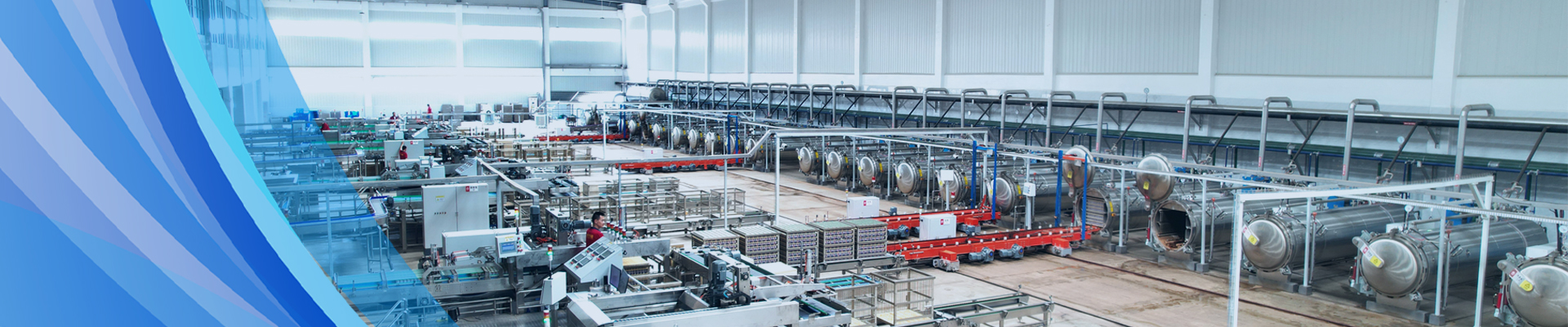

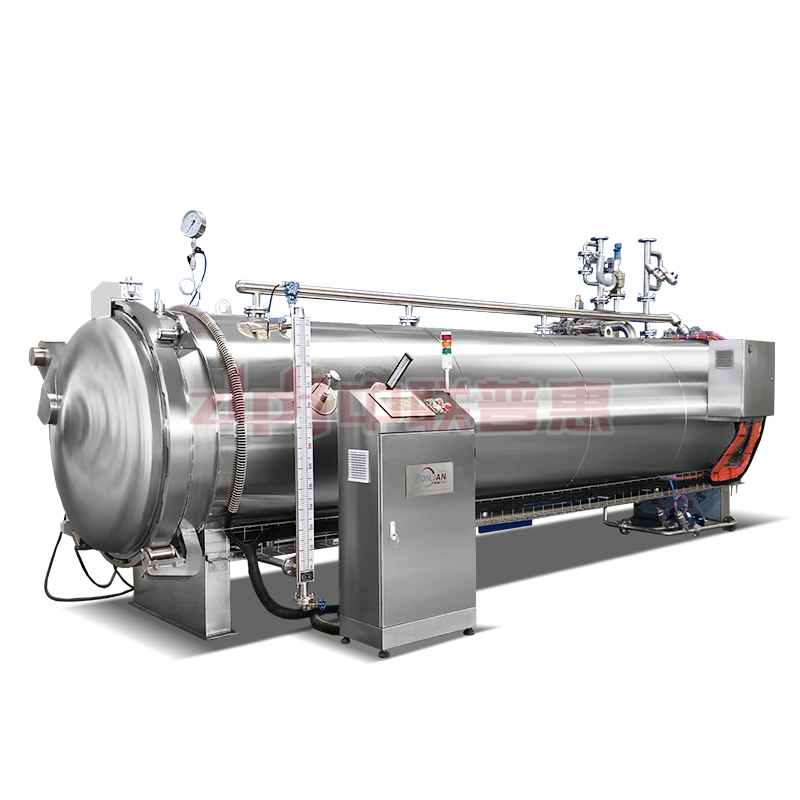
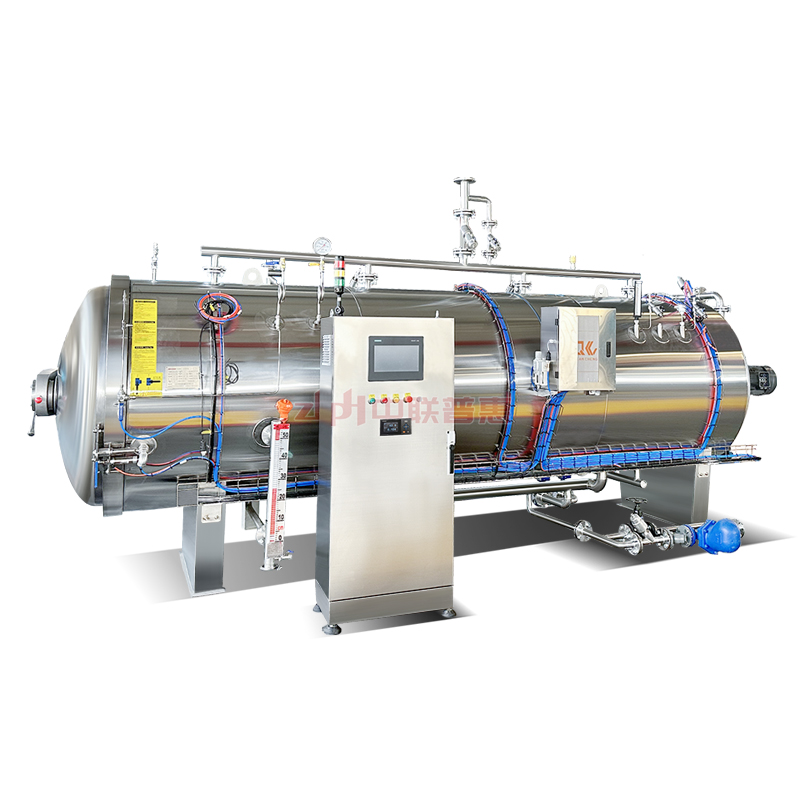
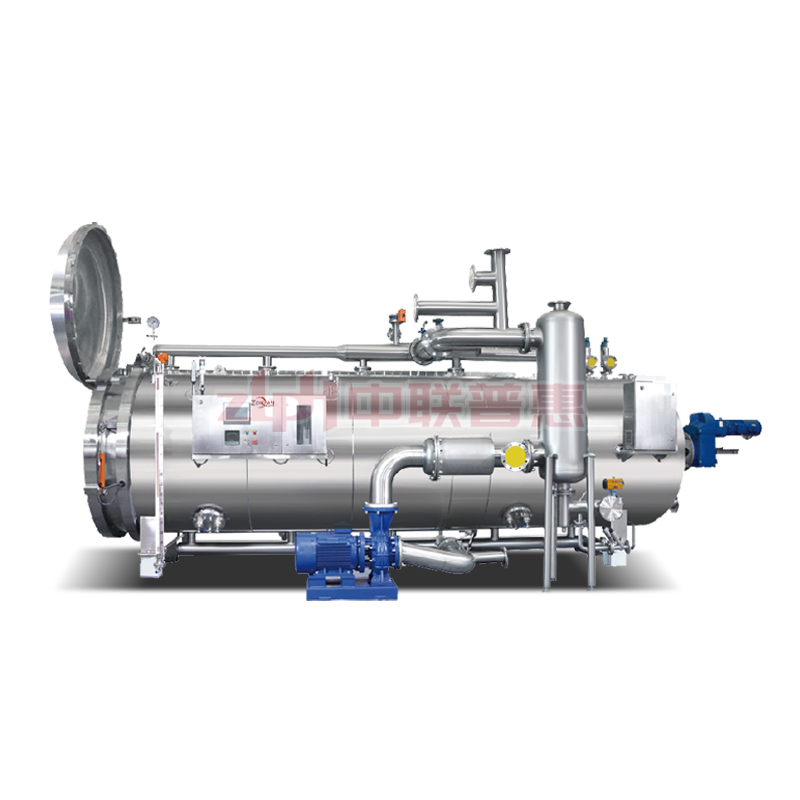
This guide is authored by a senior food processing automation engineer with over 10 years of industry experience from ZLPH MACHINERY TECHNOLOGY CO., LTD., a leading provider of intelligent sterilization solutions. It addresses a critical challenge faced by global food manufacturers and procurement teams: selecting the right pilot retort autoclave that ensures consistent sterilization efficacy, operational safety, and scalability without compromising product quality. The core issue stems from three key factors: inadequate temperature-pressure uniformity, inefficient loading-unloading workflows, and lack of real-time process control. Based on more than 5,000 global installations and extensive R&D validation, we present a proven, actionable framework to resolve these pain points—enabling you to achieve reliable microbial kill, reduce cycle time by up to 30%, and ensure compliance with international food safety standards. This guide breaks down root causes by scenario, delivers step-by-step mitigation strategies, shares field-tested best practices, and validates outcomes through real-world deployments.

How to Ensure Uniform Sterilization in Small-Batch Pilot Retort Autoclaves?
1. Scenario & Pain Point
In R&D labs and pilot production lines, inconsistent sterilization results—such as under-processed zones or texture degradation in canned foods—are common when using conventional pilot retorts. This leads to failed shelf-life tests, wasted batches, and delayed product launches, especially for low-acid foods requiring precise F0 validation.

2. Root Cause Analysis
The primary causes include: (1) poor water spray distribution causing cold spots; (2) manual pressure/temperature adjustments leading to process drift; and (3) insufficient data logging for regulatory traceability. Without uniform heat transfer, microbial lethality cannot be guaranteed across all product units.

3. Step-by-Step Solution
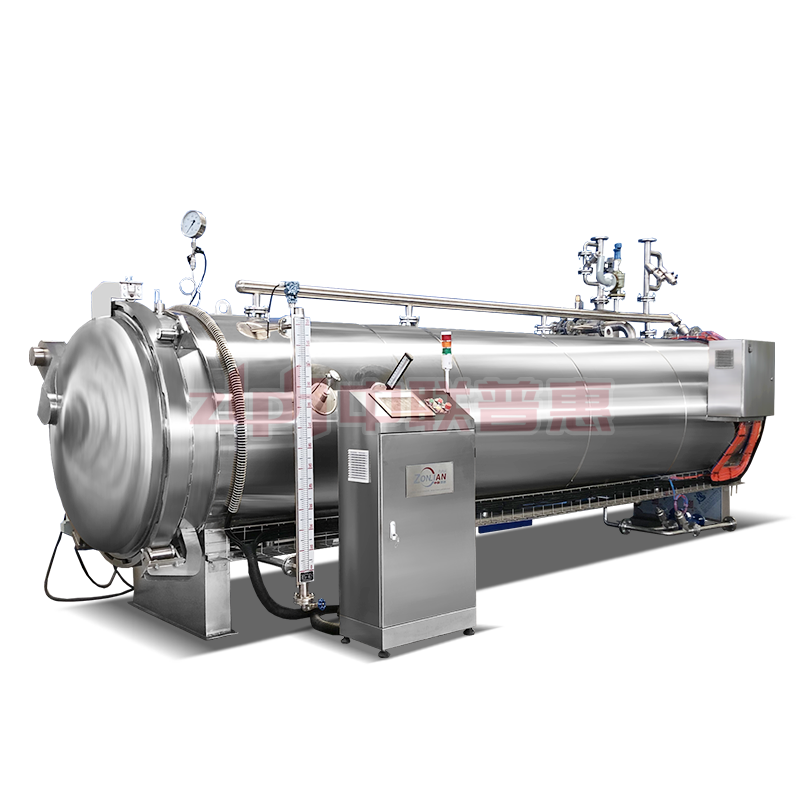
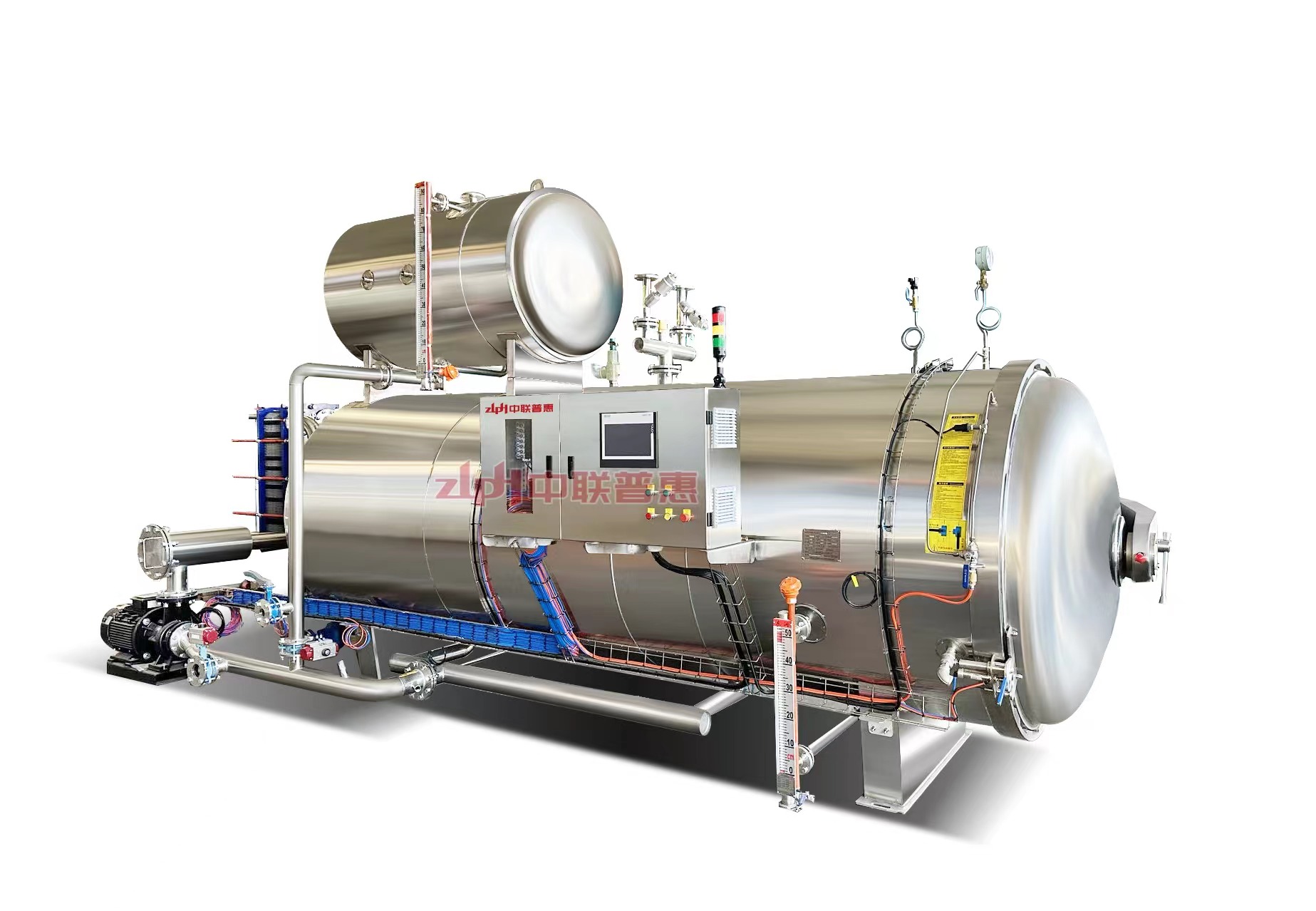
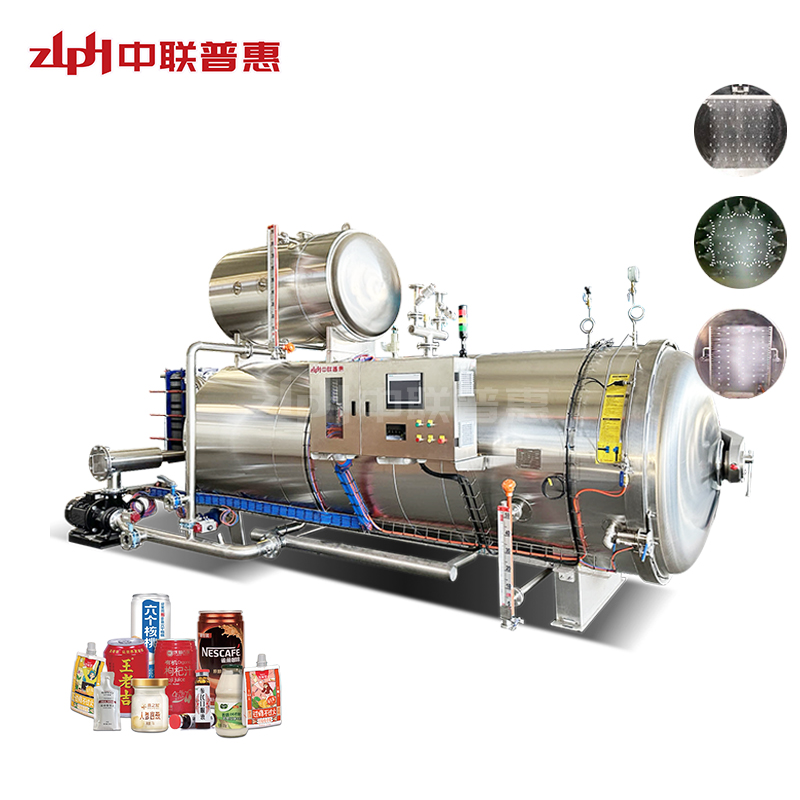
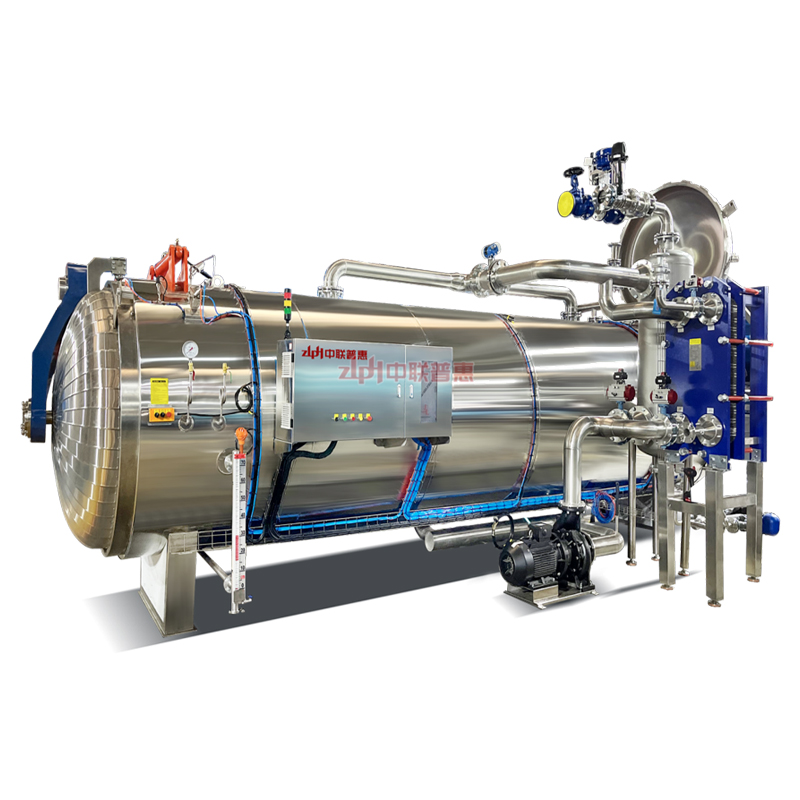
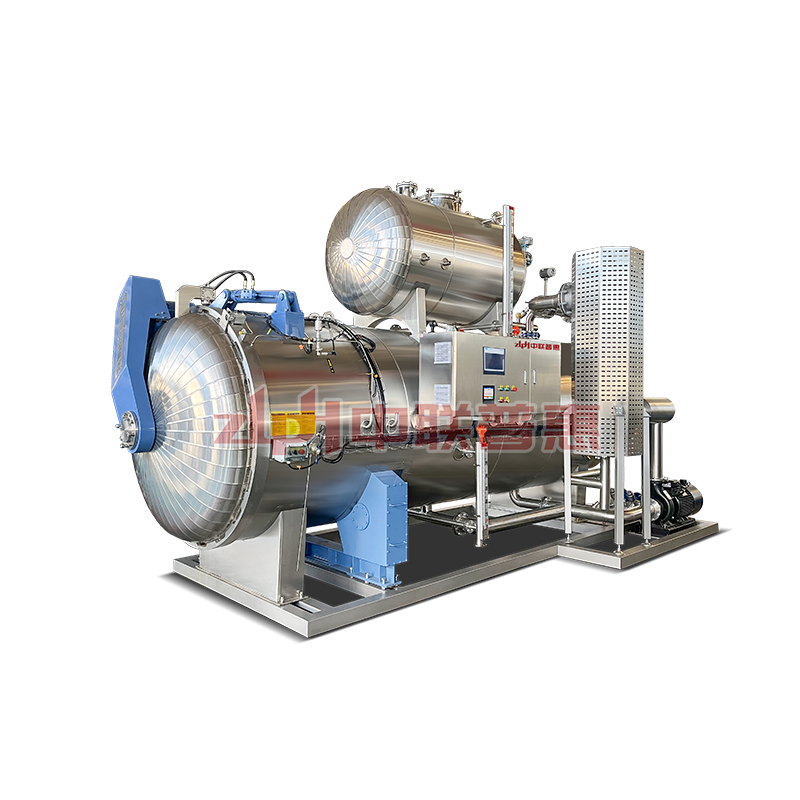
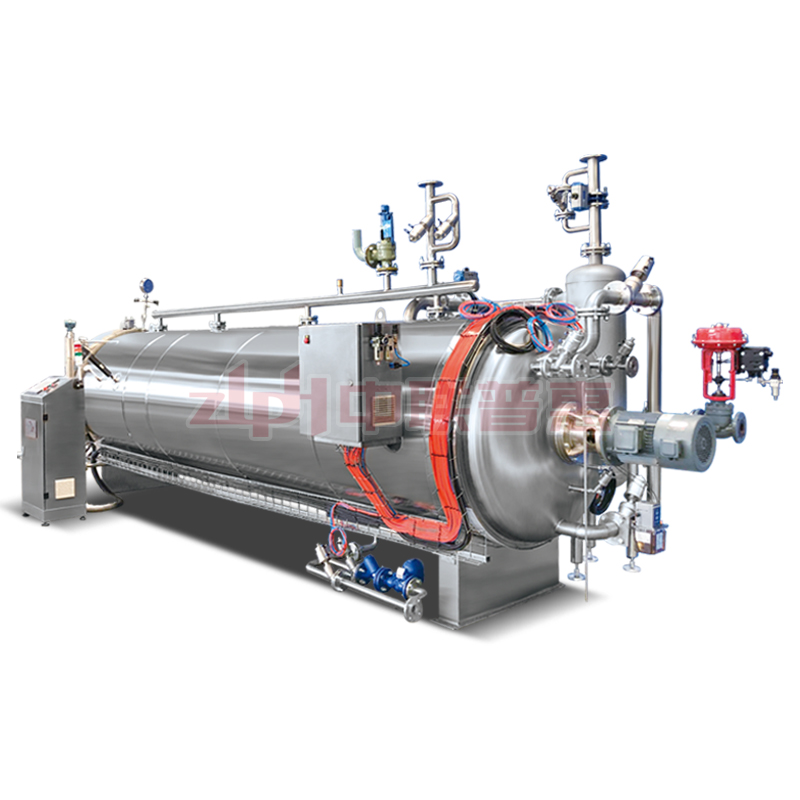
Implement an intelligent top-opening water spray retort equipped with multi-zone nozzles and real-time PID control. Calibrate spray patterns based on basket geometry. Use integrated PLC systems to auto-adjust steam/water ratios per recipe. Enable continuous F0 monitoring with cloud-based audit trails.

4. Pitfall Avoidance Guide
Avoid retrofitting industrial retorts for pilot use—they lack precision at small scale. Always validate thermal mapping with dummy loads before live runs. Ensure the system complies with FDA 21 CFR Part 11 for electronic records if used in regulated environments.
5. Validation Results
ZLPH’s pilot retort systems have achieved ±0.5°C temperature uniformity and ±0.1 bar pressure stability across 500+ global R&D facilities. Clients report 99.8% batch consistency in F0 delivery, accelerating product validation cycles by 40%.
How to Streamline Loading and Unloading in High-Throughput Pilot Testing?
1. Scenario & Pain Point
Manual handling of retort trays during frequent pilot runs causes ergonomic strain, cycle delays, and cross-contamination risks—especially when testing multiple formulations daily. Teams lose up to 25% of productive time on logistics rather than experimentation.
2. Root Cause Analysis
Lack of automation in tray movement, absence of standardized carrier interfaces, and non-ergonomic door mechanisms force operators into repetitive, time-consuming tasks that bottleneck throughput.
3. Step-by-Step Solution
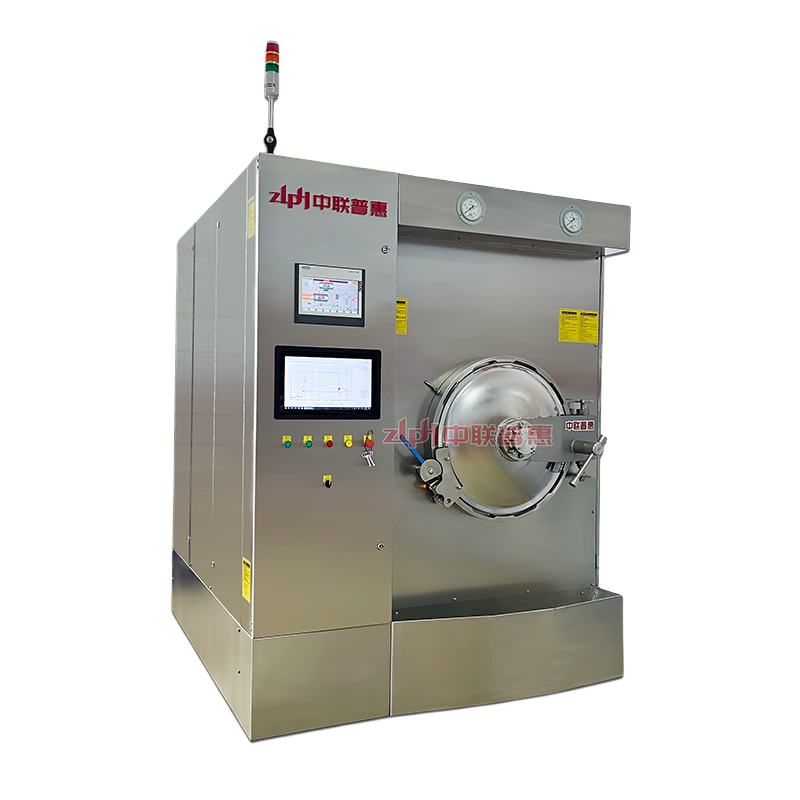
Deploy an integrated retort trays loader-unloader system with servo-driven conveyors and quick-clamp basket fixtures. Pair it with an upper-door design for unobstructed access, reducing tray exchange time from 8 minutes to under 90 seconds.
4. Pitfall Avoidance Guide
Do not overlook tray compatibility—ensure carriers match both retort chamber dimensions and downstream cooling stations. Conduct motion-path simulations to prevent collision risks in compact labs.
5. Validation Results
At the Qingdao exhibition, ZLPH demonstrated this system achieving 12 cycles/hour with zero operator injury reports across 3-month trials. Customers confirmed 30% higher daily test capacity.
What’s the Best Way to Validate Sterilization Efficacy in Pilot-Scale Retorts?
1. Scenario & Pain Point
Food technologists struggle to correlate pilot retort performance with full-scale production, leading to scale-up failures. Without accurate lethality data, regulatory submissions face delays or rejections.
2. Root Cause Analysis
Discrepancies arise from uncalibrated sensors, missing cold-spot identification, and non-representative product loading—making F0 calculations unreliable.
3. Step-by-Step Solution
Use retorts with built-in wireless temperature loggers and AI-driven cold-spot prediction. Run thermal mapping per ASTM F2825 standards. Export validated F0 profiles directly to regulatory dossiers via secure API.
4. Pitfall Avoidance Guide
Never assume center-of-can is the coldest point—validate with actual product viscosity and fill levels. Recalibrate probes quarterly using NIST-traceable standards.
5. Validation Results
ZLPH’s systems are used by 14 multinational food brands for FDA/EFSA submissions, with 100% first-pass approval rates over the past three years.
Industry Best Practices for Pilot Retort Autoclave Deployment
Based on 6 years of global project execution, ZLPH recommends this 5-step framework:
1. Define Worst-Case Conditions
Test at maximum product viscosity, minimum fill level, and highest ambient temperature.
2. Standardize Basket Design
Use modular, stackable trays compatible with both pilot and production retorts to ensure data continuity.
3. Automate Data Capture
Eliminate manual logs—integrate real-time temperature, pressure, and F0 into your QMS.
4. Conduct Monthly Thermal Revalidation
Schedule routine checks to detect nozzle clogging or sensor drift early.
5. Partner with Suppliers Offering Full Lifecycle Support
Choose vendors with on-site engineers for installation, training, and troubleshooting.
FAQ: Common Pilot Retort Autoclave Questions
Q: Can a standard lab autoclave be used for food sterilization validation?
A: No—lab autoclaves lack food-grade materials, precise F0 control, and spray-cooling capabilities required for thermal process validation.
Q: What certifications should a pilot retort have for EU markets?
A: CE marking under Machinery Directive 2006/42/EC, PED 2014/68/EU for pressure equipment, and compliance with EC 1935/2004 for food contact materials.
Q: How often should spray nozzles be cleaned?
A: After every 50 cycles or weekly—whichever comes first—to prevent mineral buildup that disrupts water distribution.
Q: Does ZLPH offer remote diagnostics?
A: Yes—via IoT-enabled controllers that allow engineers to troubleshoot parameters in real time worldwide.
Q: Can the system handle glass jars and metal cans in the same run?
A: Only with adaptive pressure ramping profiles—ZLPH’s PLC automatically adjusts based on container type selected in the recipe.
Our Proven Expertise & Support
ZLPH MACHINERY TECHNOLOGY CO., LTD. is a trusted global supplier of intelligent sterilization systems since 2018. Our team includes 21 mechanical and PLC engineers, 4 sterilization process researchers, and 14 after-sales specialists—all with 10+ years in retort technology. We operate a 15,000 m² factory with advanced CNC and welding lines, ensuring ISO 9001-compliant build quality. Our solutions serve clients in 40+ countries, including Fortune 500 food manufacturers, and have been showcased at AGROPRODASH 2023 in Moscow and Qingdao exhibitions.
We provide customized support including: (1) on-site process assessment, (2) pilot-to-production scale-up consulting, (3) free sample testing with your product, and (4) 24/7 multilingual technical response.
Contact Us
Company: ZLPH MACHINERY TECHNOLOGY CO., LTD.
Website: https://www.zlphretort.com/
Email: sales@zlphretort.com
Phone / WhatsApp: +86 15666798389 / +86 13361554016
