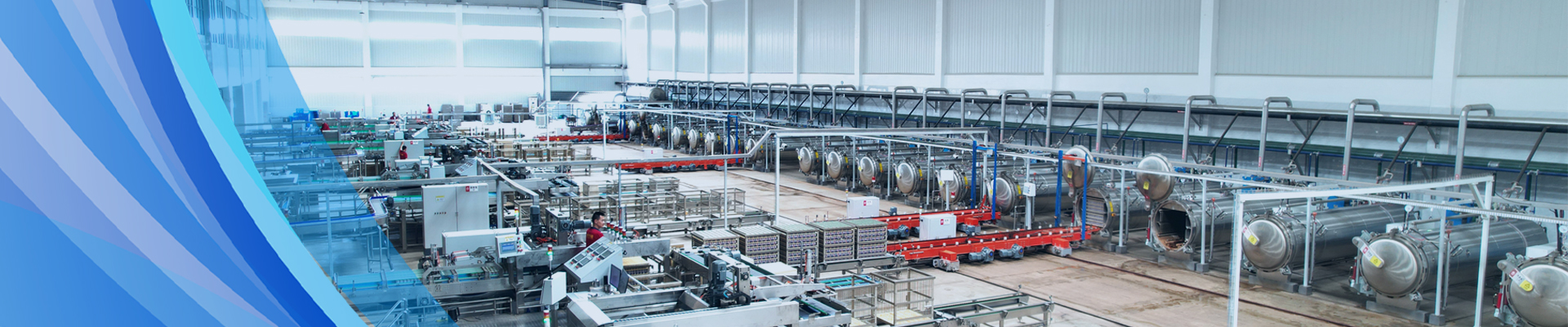

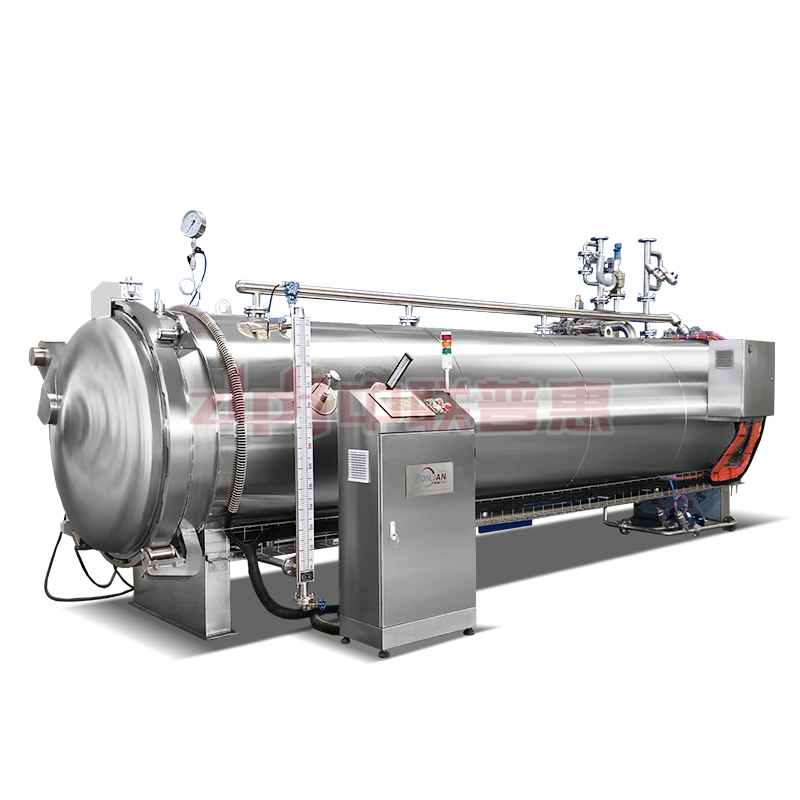
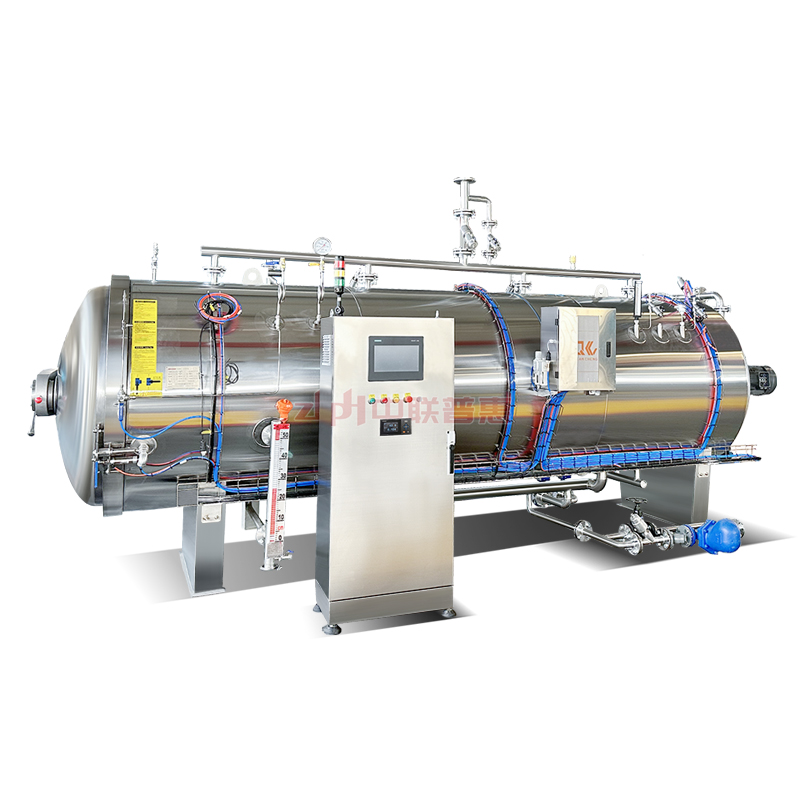
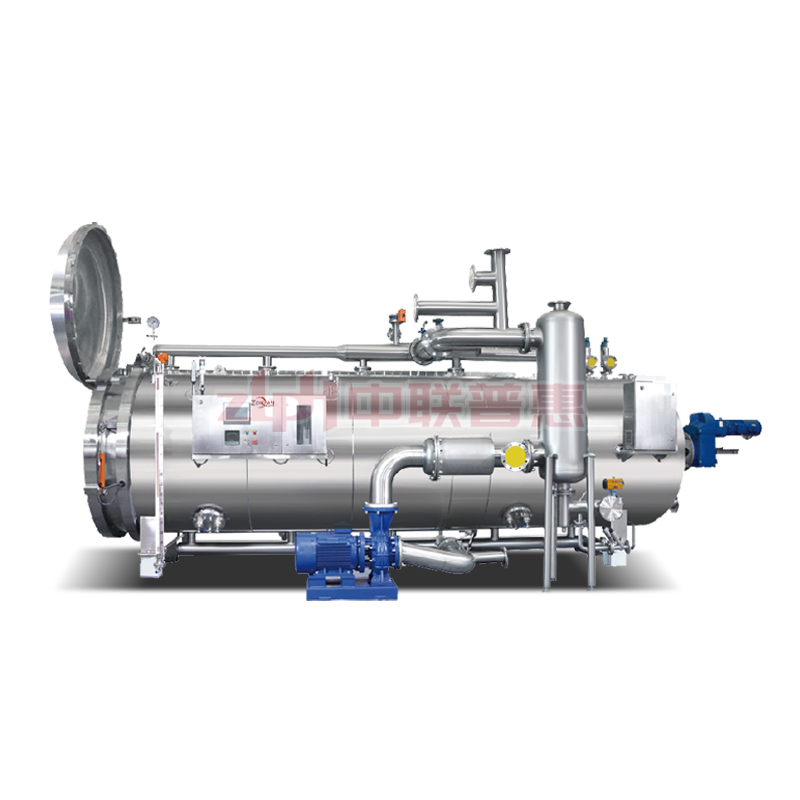
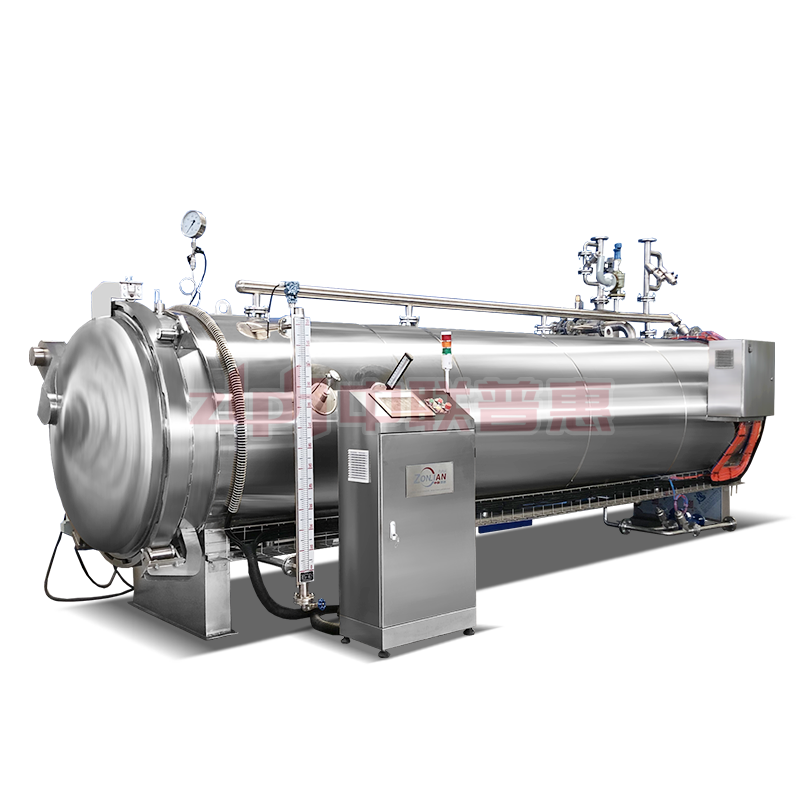
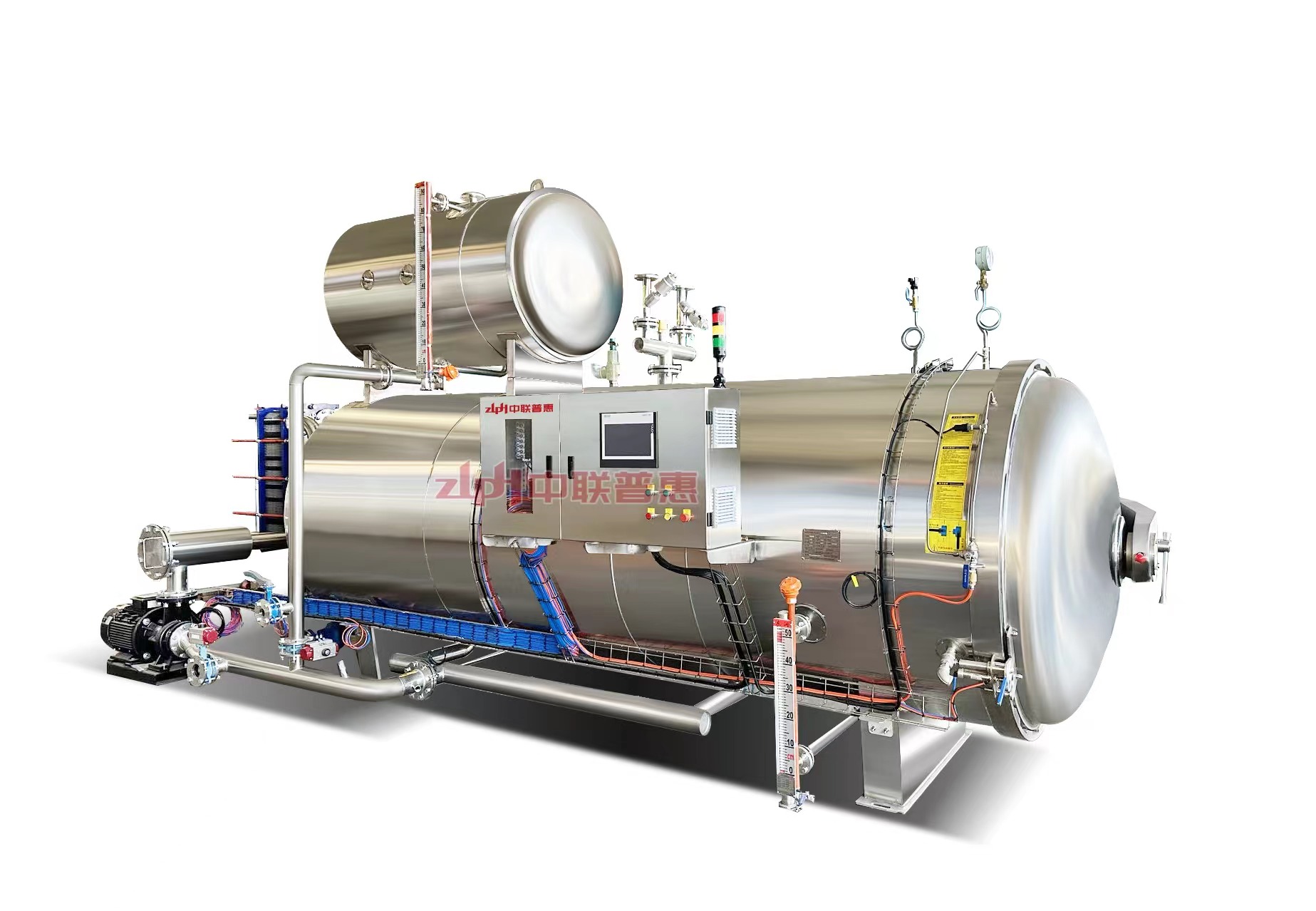
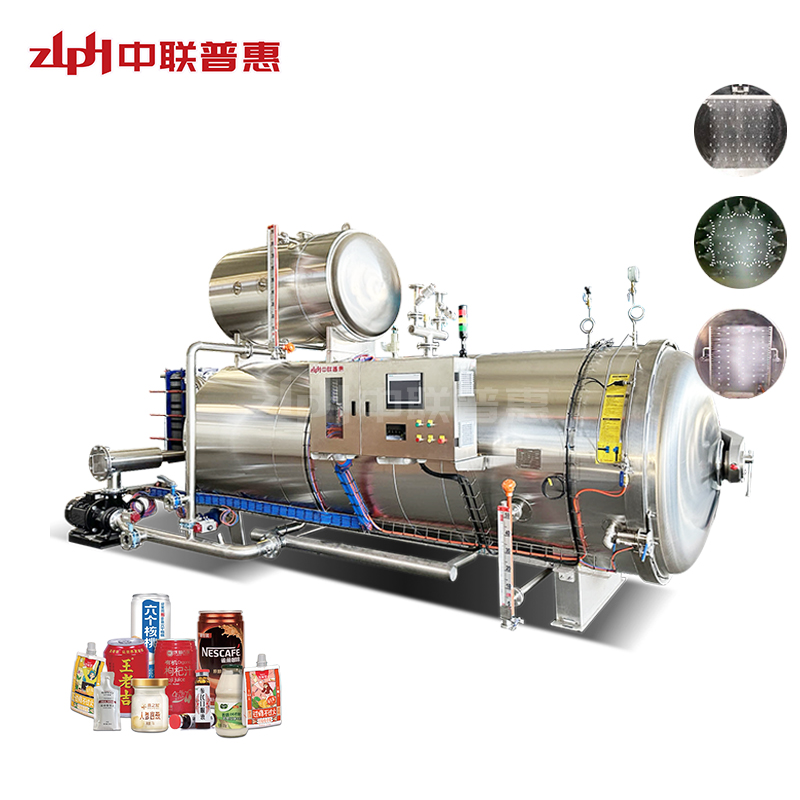
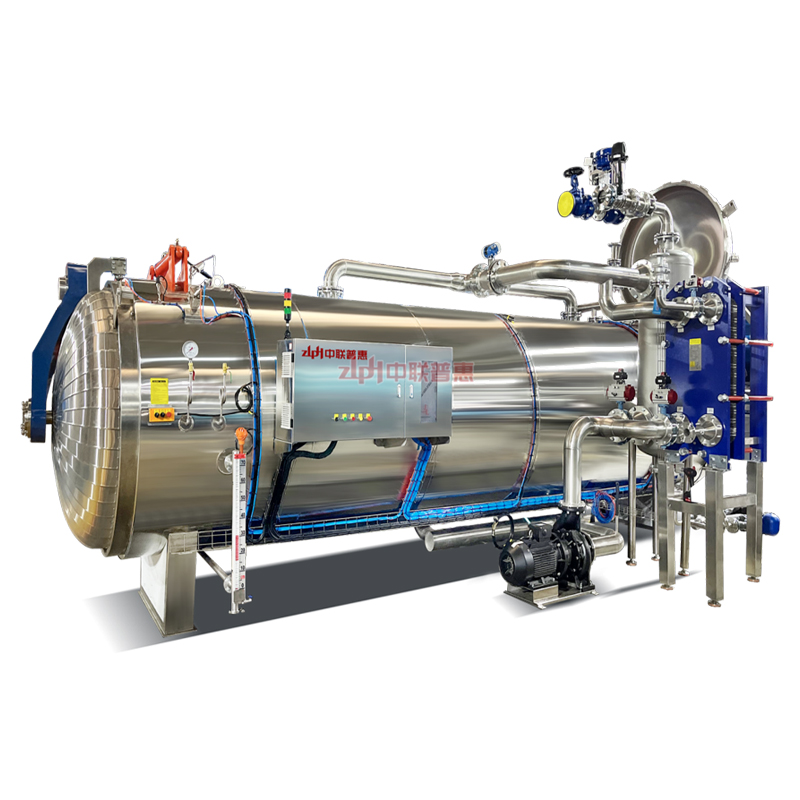
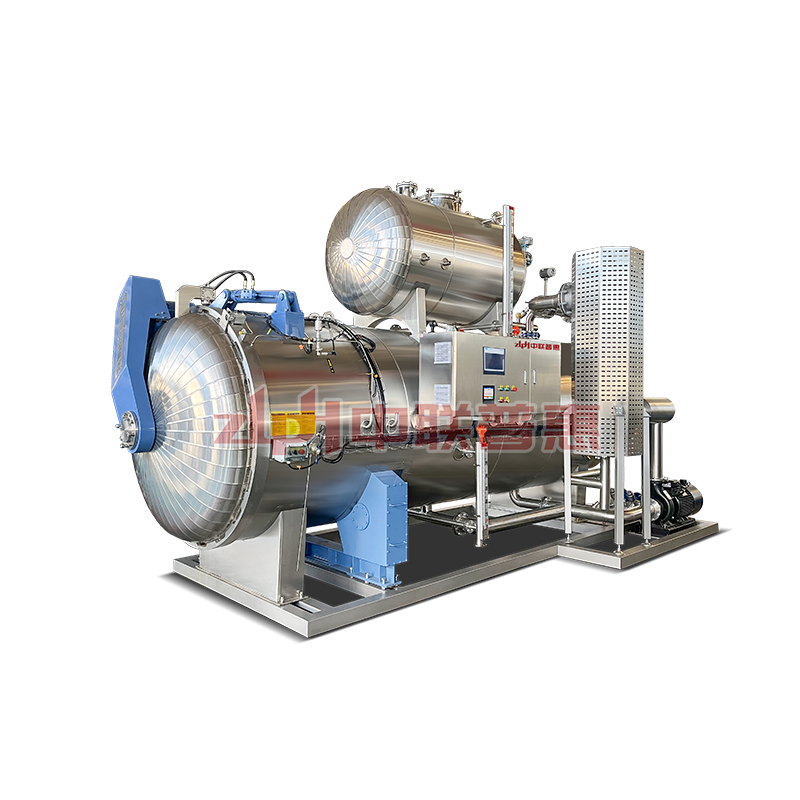
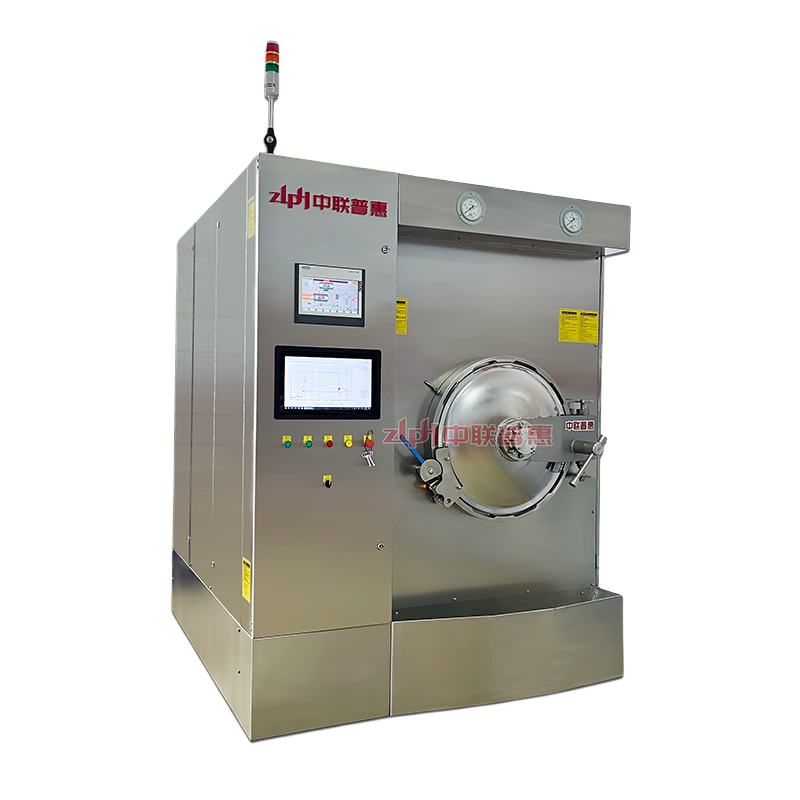
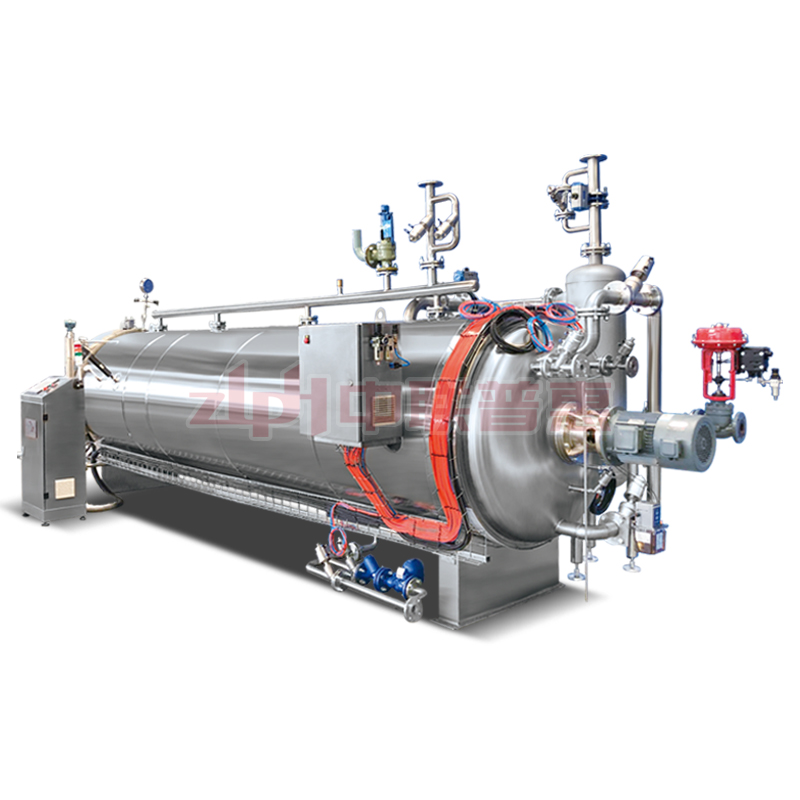
This guide is authored by a senior food processing engineer with over 10 years of hands-on experience at ZLPH MACHINERY TECHNOLOGY CO., LTD., a leading provider of advanced sterilization solutions. It addresses a critical challenge faced by global food production teams—achieving consistent thermal lethality in steam-air retort autoclave operations. Sterilization inconsistency remains a persistent issue in canned and packaged food manufacturing, primarily caused by uneven heat distribution, improper air pressure control, and inadequate process validation. Drawing from more than 5,000 global installations and rigorous field testing, we present a proven, actionable framework to eliminate cold spots, ensure F0 uniformity, and comply with international food safety standards. This guide breaks down root causes by real-world scenario, delivers step-by-step corrective actions, shares practical troubleshooting tips, and validates results through actual performance data—all tailored for teams managing Steam-Air Retort Autoclave systems.

How to Eliminate Cold Spots in Large-Batch Steam-Air Retort Cycles?
In high-volume canning facilities producing ready-to-eat meals or pet food, operators often detect cold spots during thermal mapping—especially in the center or bottom layers of densely packed retort baskets. These zones fail to reach target F0 values, risking microbial survival and product recalls. The issue intensifies with viscous or solid-packed products that conduct heat poorly. Root causes include insufficient air agitation, suboptimal basket loading patterns, and inaccurate temperature sensor placement. To resolve this, first implement structured basket racking with uniform spacing (minimum 2 cm between cans) to enable airflow. Second, activate ZLPH’s patented dual-circulation fan system, which forces heated air through both vertical and horizontal paths, enhancing convection efficiency by up to 40%. Third, recalibrate thermocouples using NIST-traceable standards and position them at geometric cold-point locations identified via prior mapping studies. Avoid overloading baskets beyond 85% capacity and always validate with 32-channel thermal loggers before full-scale runs. In a recent Southeast Asian client case, this approach reduced F0 deviation from ±2.5 to ±0.3 across 1,200-liter batches, achieving full compliance with FDA 21 CFR Part 113.

How to Maintain Precise Pressure Balance During Rapid Cooling in Steam-Air Retorts?
Rapid cooling is essential for preserving texture in glass-jarred baby food or delicate seafood, but it often causes container deformation or seal failure due to sudden internal vacuum formation. This stems from unbalanced pressure decay between the retort chamber and product interior. The core issue lies in inadequate compressed air injection timing and flow rate during the cooling phase. Our solution involves a three-stage pressure-controlled cooling protocol: (1) initiate water spray cooling only after internal product temperature drops below 100°C; (2) simultaneously inject sterile compressed air at 1.2x the vapor pressure to counteract vacuum; (3) modulate air flow via PID-controlled valves linked to real-time chamber pressure feedback. ZLPH’s integrated PLC system automates this sequence, maintaining ΔP < 0.05 bar throughout cooling. Crucially, use oil-free, filtered air meeting ISO 8573-1 Class 2 standards to prevent contamination. Field tests show this method reduces jar breakage by 92% and eliminates lid buckling in 98% of cycles. Always verify air line integrity and valve response time during preventive maintenance to avoid delayed pressurization.

How to Ensure Consistent Sterilization for Mixed-Product Loads in One Retort Cycle?
Co-packing facilities frequently run mixed loads—e.g., meat stews in #10 cans alongside vegetable pouches—leading to over-processing of sensitive items or under-processing of dense ones. Traditional fixed-time cycles cannot accommodate varying thermal penetration rates. The root cause is the absence of product-specific lethality calculation and adaptive control. Our adaptive F0-driven solution uses pre-loaded product profiles (including z-value, reference temperature, and come-up time) to dynamically adjust steam injection and hold duration per basket zone. ZLPH’s Steam-Air Retort Autoclave Team integrates wireless temperature transponders inside representative units, feeding live data to the central controller, which terminates the cycle only when all zones achieve minimum F0 = 3.0 (for low-acid foods). This eliminates guesswork and ensures regulatory compliance without manual intervention. Pilot deployments in European co-packers demonstrated 100% batch acceptance across 12 product types in single runs, cutting reprocessing costs by $18,000/month. Always conduct initial thermal validation for each new SKU and update digital profiles accordingly.

Industry Best Practices for Reliable Steam-Air Retort Operations
Based on 8+ years of global project execution and 5,000+ sterilizer deployments, ZLPH recommends a 5-step operational excellence framework:
1. Define Worst-Case Conditions: Validate cycles using slowest-heating product in largest container at coldest seasonal ambient temperature.
2. Standardize Loading Protocols: Enforce rack diagrams, weight limits, and orientation rules—never mix container materials in one load.
3. Automate Process Control: Use PLC systems with F0 monitoring, not timer-based cycles, to ensure scientific lethality.
4. Conduct Quarterly Thermal Mapping: Re-validate every 6 months or after any hardware modification.
5. Train Cross-Functional Teams: Certify operators, QA staff, and maintenance engineers on retort physics and emergency protocols.
Additionally, select equipment rated for continuous duty (not batch-only), insist on CE and ASME BPVC Section VIII certification, and partner with suppliers offering 24/7 remote diagnostics—critical for minimizing downtime in export-oriented plants.
Frequently Asked Questions (FAQ)
Q: Can I use a standard steam retort for products requiring gentle air-over-pressure cooling?
A: No—standard steam-only retorts lack compressed air injection and precise pressure modulation. Only dedicated steam-air hybrid systems like ZLPH’s can safely cool glass or flexible packs without deformation.
Q: What’s the minimum F0 required for low-acid canned foods in the U.S. and EU?
A: FDA mandates F0 ≥ 3.0 for Clostridium botulinum destruction; EU follows similar guidelines under Regulation (EC) No 852/2004. Always validate with your local authority.
Q: How often should I calibrate retort temperature sensors?
A: Every 3 months for production units, or after any mechanical shock. Use accredited third-party labs with NIST-traceable standards.
Q: Does altitude affect steam-air retort performance?
A: Yes—lower atmospheric pressure at high elevations reduces boiling points. ZLPH systems auto-compensate via built-in barometric sensors and adjust steam saturation accordingly.
Q: Are ZLPH retorts compliant with FDA 21 CFR and EU Machinery Directive?
A: Yes—all models carry CE marking, ASME certification, and are designed per FDA thermal processing guidelines for hermetically sealed containers.
Q: Can I retrofit an old steam retort with air-pressure cooling?
A: Generally not recommended—structural integrity, control architecture, and safety interlocks differ fundamentally. New integrated systems ensure reliability and compliance.
Our Expertise and Support Commitment
ZLPH MACHINERY TECHNOLOGY CO., LTD. is a globally recognized provider of advanced thermal processing systems, founded in 2018 with a core focus on R&D innovation. Our team includes 21 mechanical and PLC engineers, 4 sterilization process scientists, and 14 field service experts—all with 10+ years in retort automation. We operate a 15,000 m² ISO 9001-certified factory equipped with precision CNC machining centers and full-scale test bays for thermal validation . Our Steam-Air Retort Autoclave solutions serve clients in over 40 countries, including multinational food brands and government-backed agro-processors, consistently delivering F0 uniformity within ±0.2 across diverse product matrices. For complex applications, we offer: (1) on-site thermal process assessment, (2) custom chamber design for non-standard containers, (3) FAT/SAT support with third-party witnessing, and (4) free pilot testing at our Shandong demo center.
Company: ZLPH MACHINERY TECHNOLOGY CO., LTD.
Website: https://www.zlphretort.com/
Email: sales@zlphretort.com
Phone / WhatsApp: +86 15666798389 / +86 13361554016
