

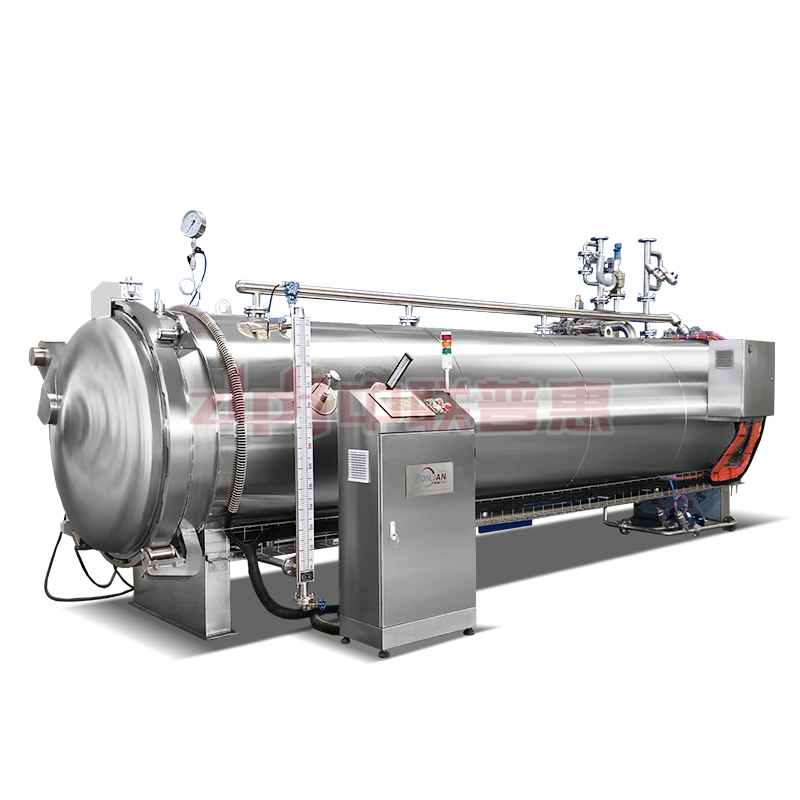
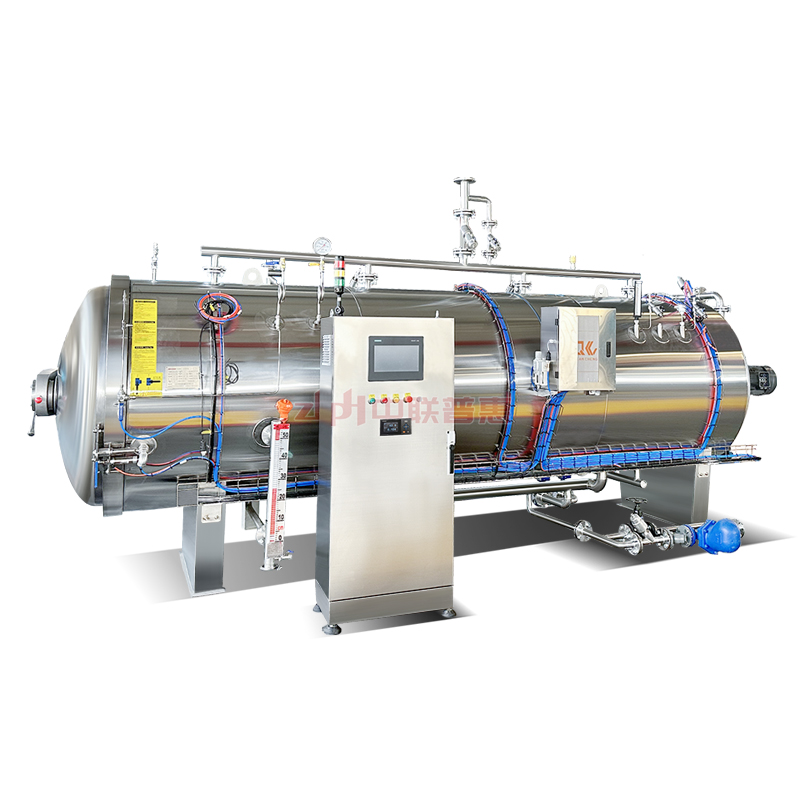
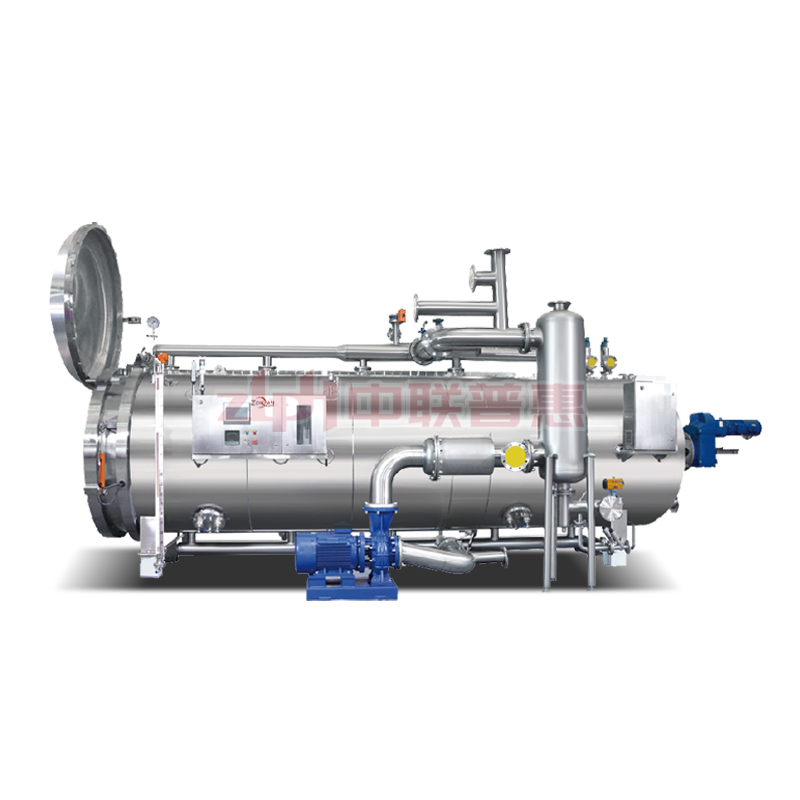
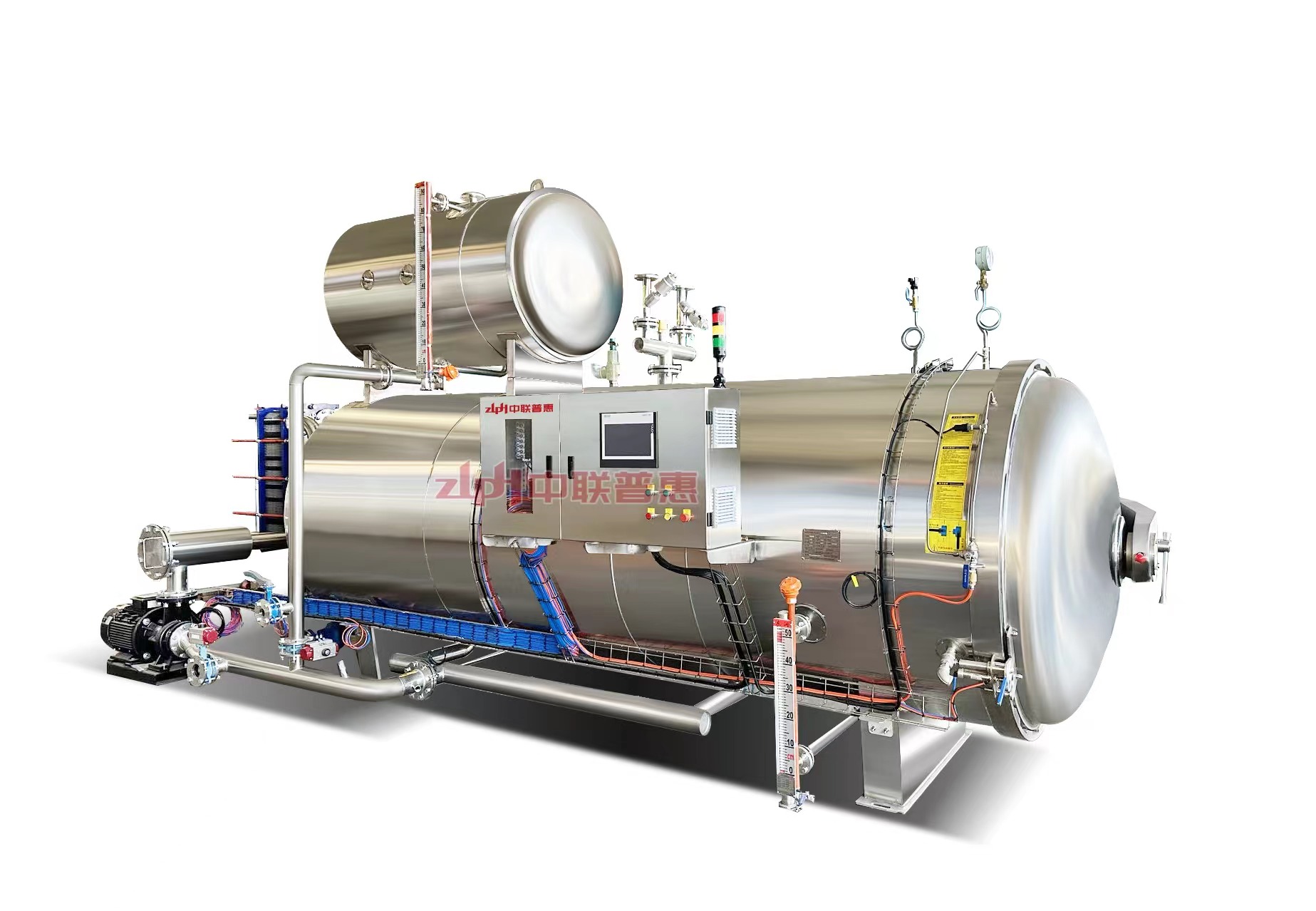
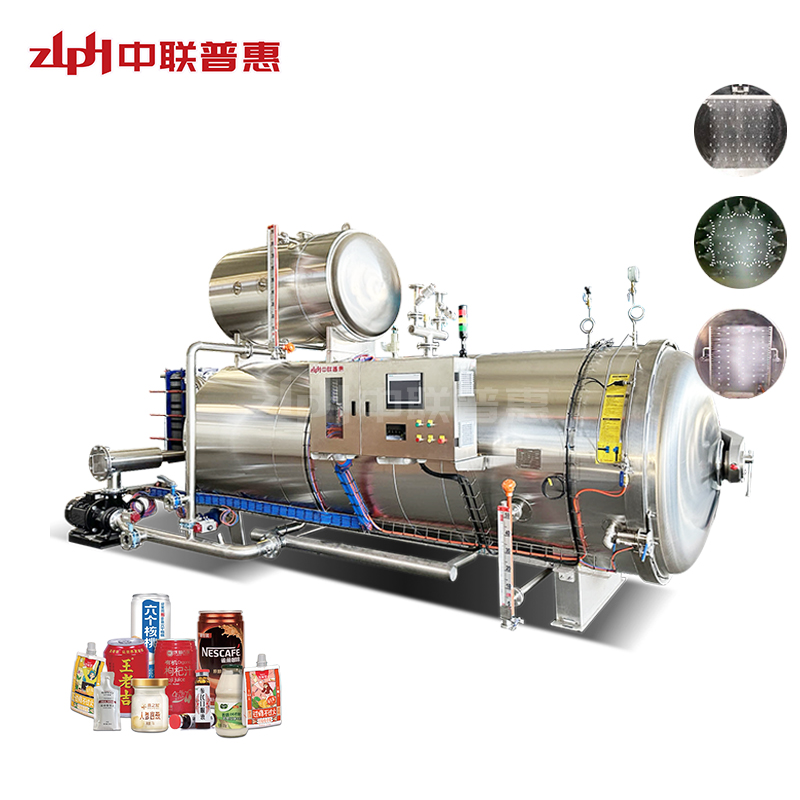
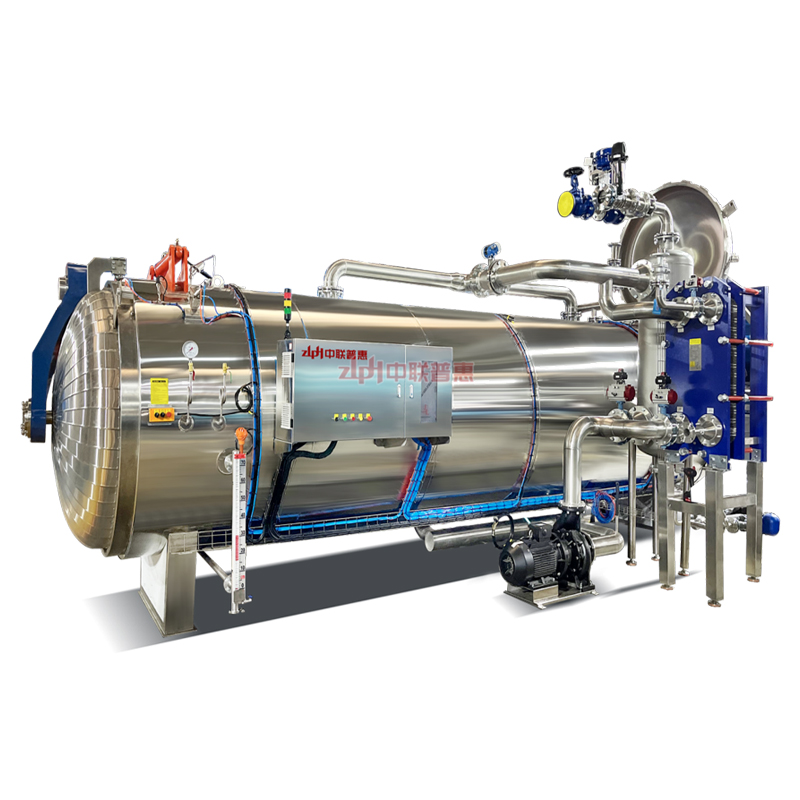
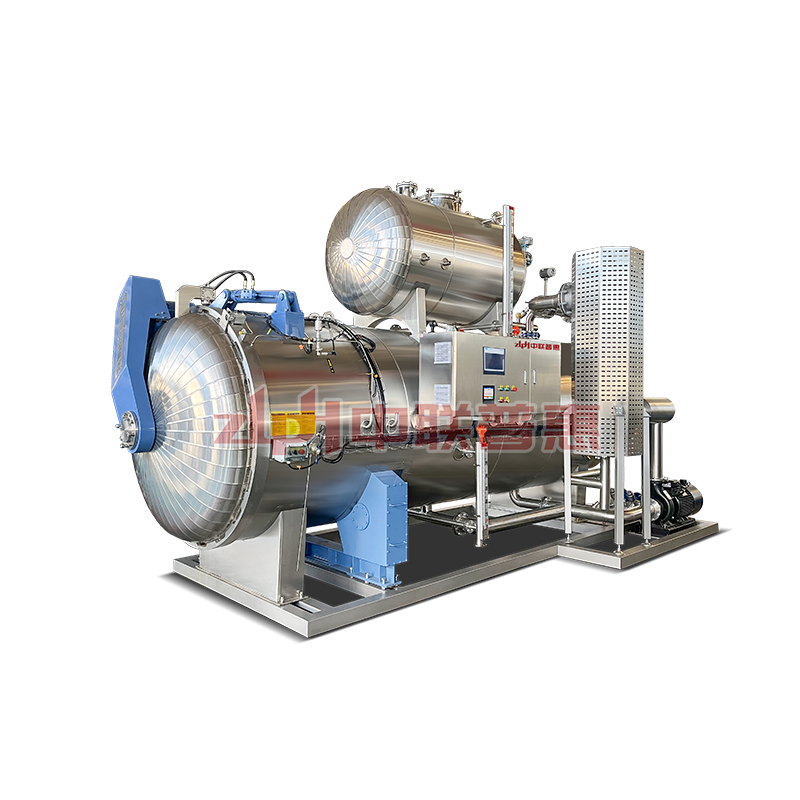
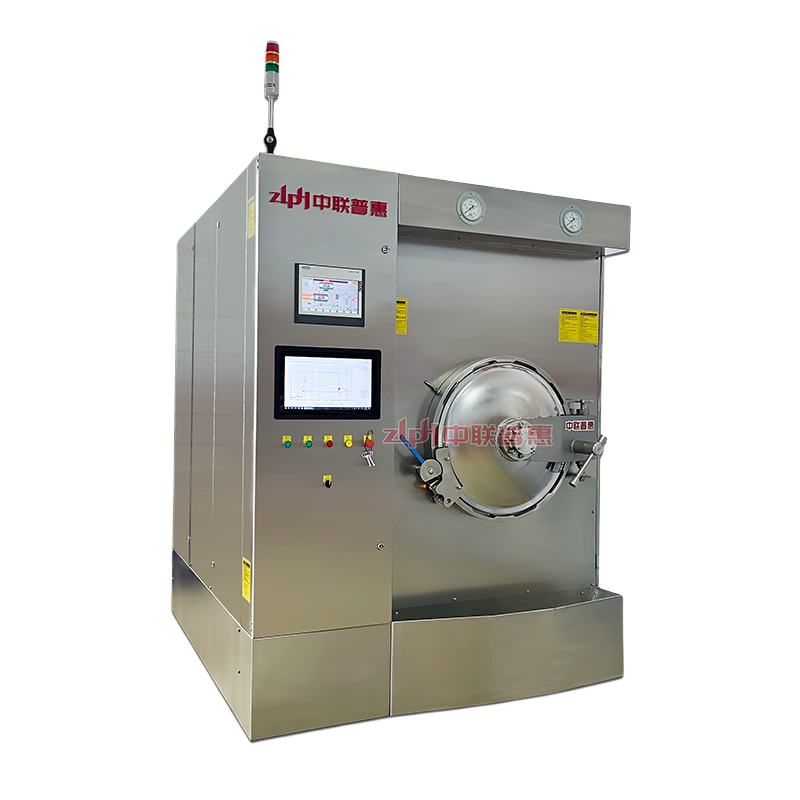
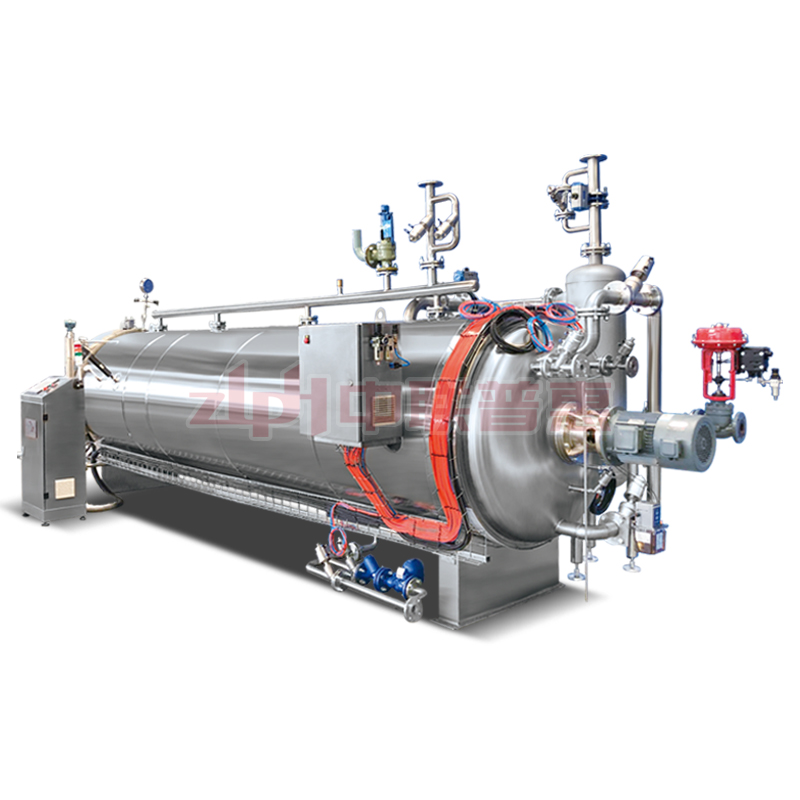
This guide is authored by a senior food processing engineer with over 10 years of experience at ZLPH MACHINERY TECHNOLOGY CO., LTD., a leading Steam-Air Retort Autoclave Manufacturing Enterprise. It addresses a critical challenge faced by global food production managers and process engineers: inconsistent sterilization results in steam-air retort systems. Uneven heat distribution during sterilization—often caused by poor air circulation, inadequate temperature control, or improper loading protocols—can compromise food safety, reduce shelf life, and trigger regulatory non-compliance. Based on more than 5,000 global installations and extensive R&D validation, we present a proven, step-by-step methodology to achieve uniform thermal processing across all product batches. This guide breaks down root causes by real-world scenario, delivers actionable fixes, shares field-tested best practices, and validates outcomes with measurable performance data—all designed to help you eliminate cold spots, ensure F0 consistency, and maintain compliance with international food safety standards.

How to Fix Cold Spots in Large-Batch Canned Vegetable Sterilization?
1. Scenario & Pain Point
In high-volume canned vegetable lines (e.g., corn, green beans), operators frequently observe under-processed units in the center or bottom layers of the retort basket after a standard cycle. Lab tests confirm F0 values below 2.5 in these zones—well under the required minimum of 3.0—posing botulism risks and causing costly batch rejections.

2. Root Cause Analysis
Three primary factors drive this issue: (a) dense product stacking restricts steam-air mixture penetration; (b) insufficient forced convection leads to thermal stratification; and (c) fixed-speed fan systems fail to adapt to varying load densities, resulting in stagnant zones.

3. Step-by-Step Solution
Immediate Adjustment: Reconfigure basket loading with vertical spacing ≥2 cm between cans and avoid overfilling beyond 85% capacity.
Process Optimization: Activate ZLPH’s Adaptive Circulation System (ACS), which uses variable-frequency fans to maintain uniform airflow velocity (≥1.5 m/s) regardless of load density.
Control Enhancement: Implement multi-point temperature monitoring with real-time F0 calculation at top, middle, and bottom zones to dynamically extend hold time until all zones reach target lethality.

4. Troubleshooting & Prevention
Conduct thermal mapping validation every 6 months using data loggers placed in worst-case locations. Never assume uniformity based on chamber air temperature alone—always measure product core temperature. Avoid mixing can sizes in the same batch, as differing thermal masses disrupt equilibrium.
5. Validation Results
At a major European vegetable processor, deploying ACS reduced F0 deviation from ±1.2 to ±0.15 across 1,200-can batches. Zero cold spots were detected in 12 consecutive validation runs, and batch rejection rates dropped by 92% within three months.
How to Prevent Overcooking of Delicate Sauces in Glass Jars?
1. Scenario & Pain Point
Premium pasta sauce producers using glass jars report texture degradation and color loss in edge-positioned units due to localized overheating, even when average F0 targets are met.
2. Root Cause Analysis
Glass has low thermal conductivity, causing slow heat transfer. Combined with excessive air pressure during cooling, rapid surface cooling creates thermal stress while internal temperatures remain high—leading to prolonged effective cook time in jar centers.
3. Step-by-Step Solution
Use ZLPH’s Precision Pressure Ramp Control (PPRC) to gradually reduce pressure during cooling (≤0.3 bar/min), minimizing thermal shock. Pair with steam-air ratio tuning (70% steam / 30% air) to moderate heating rate without sacrificing lethality.
4. Troubleshooting & Prevention
Always validate with actual product—not water simulants—as viscosity and opacity affect heat transfer. Monitor both internal product temp and external jar surface temp to detect gradients.
5. Validation Results
A U.S. organic sauce brand achieved consistent F0=4.0 with <5% texture variance across all positions after implementing PPRC, reducing customer complaints by 88%.
Industry Best Practices for Reliable Retort Performance
Based on 8+ years of global project data, ZLPH recommends this 5-step framework for any steam-air retort operation:
1. Map Thermal Profiles for every new SKU and container type.
2. Standardize Loading Patterns using validated racking templates.
3. Calibrate Sensors Quarterly—pressure, temperature, and flow meters.
4. Log Every Cycle with automated F0 tracking per zone.
5. Train Operators on cold-spot identification and emergency protocols.
Key principles: Always design for worst-case load, not ideal conditions. Use only retorts with CE-certified pressure vessels and ISO 9001-compliant manufacturing. Partner with suppliers offering on-site process validation support.
Frequently Asked Questions (FAQ)
Q: Can I use the same retort cycle for metal cans and glass jars?
A: No—glass requires slower heating/cooling ramps due to thermal shock risk. Always validate separately.
Q: What’s the minimum F0 for low-acid canned foods?
A: FDA and EU regulations require F0 ≥ 3.0 for Clostridium botulinum destruction in pH > 4.6 products.
Q: How often should I perform thermal mapping?
A: At least every 6 months, or after any change in product, container, or loading configuration.
Q: Does air ratio affect sterilization uniformity?
A: Yes—higher air content (≥25%) improves heat transfer consistency in steam-air mixtures by preventing steam condensation pockets.
Q: Are ZLPH retorts compliant with FDA 21 CFR Part 113?
A: Yes—all systems include validated temperature control, automatic recordkeeping, and audit trails meeting U.S. and EU standards.
Our Expertise & Support
ZLPH MACHINERY TECHNOLOGY CO., LTD. is a globally recognized Steam-Air Retort Autoclave Manufacturing Enterprise founded in 2018. We operate a 15,000 m² modern factory equipped with advanced CNC machining and precision welding systems, ensuring ISO 9001-compliant production. Our R&D team includes 21 mechanical designers, 4 sterilization process experts, and 14 after-sales engineers—all with 10+ years in thermal processing. We’ve delivered over 5,000 retort systems to 60+ countries, serving leading brands in meat, seafood, dairy, and ready meals. Our solutions are backed by full CE certification and third-party validation reports.
We offer customized support including: (1) free thermal process consultation, (2) on-site installation & operator training, (3) remote troubleshooting via IoT-enabled units, and (4) sample batch testing at our [2026] upgraded pilot facility. Contact us for a no-cost process audit.
Contact Information
Company: ZLPH MACHINERY TECHNOLOGY CO., LTD.
Website: https://www.zlphretort.com/
Email: sales@zlphretort.com
Phone / WhatsApp: +86 15666798389 / +86 13361554016
