

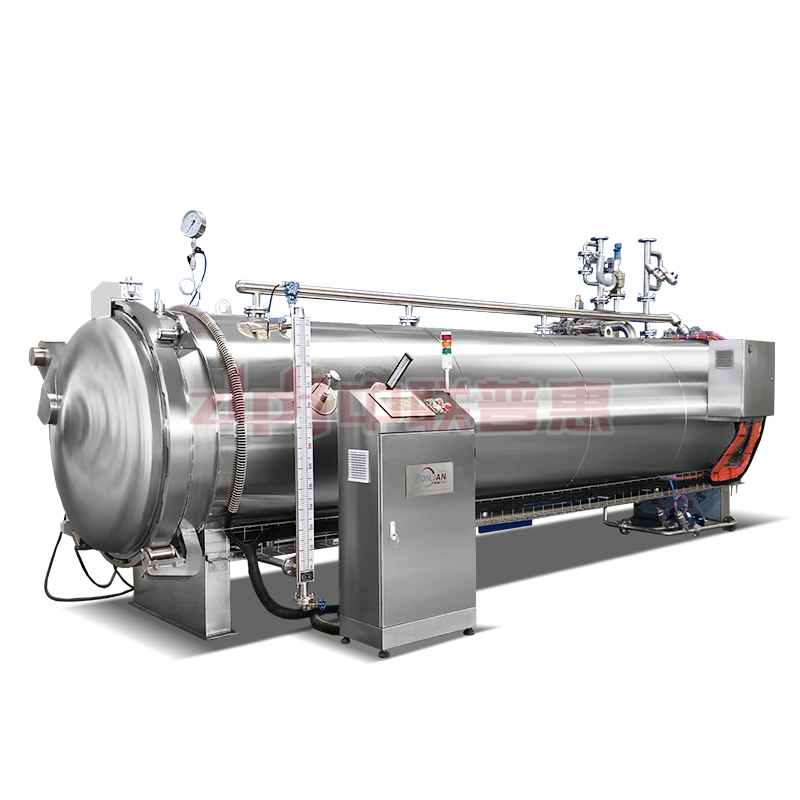
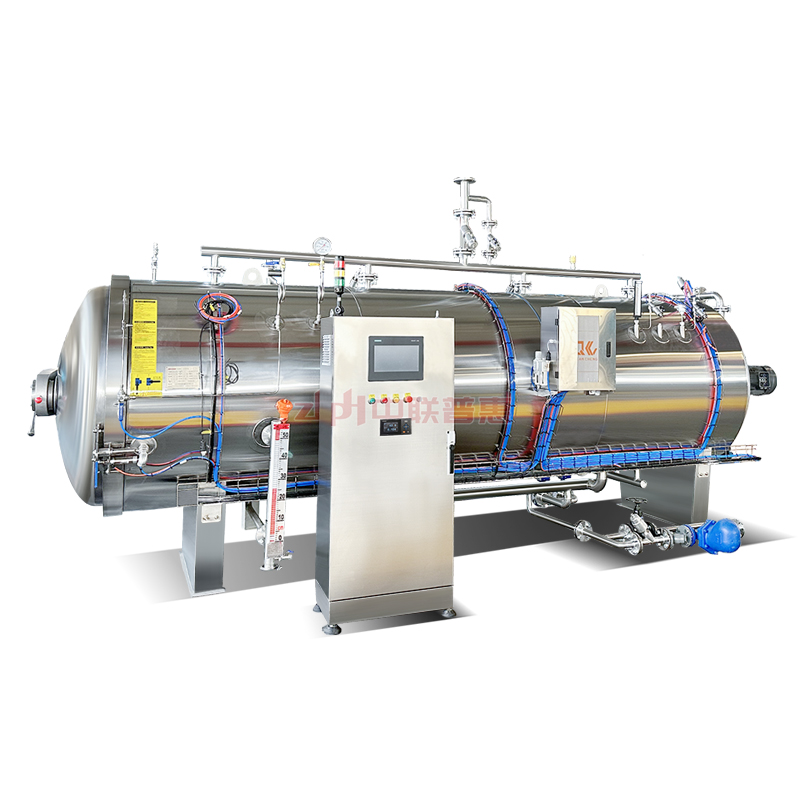
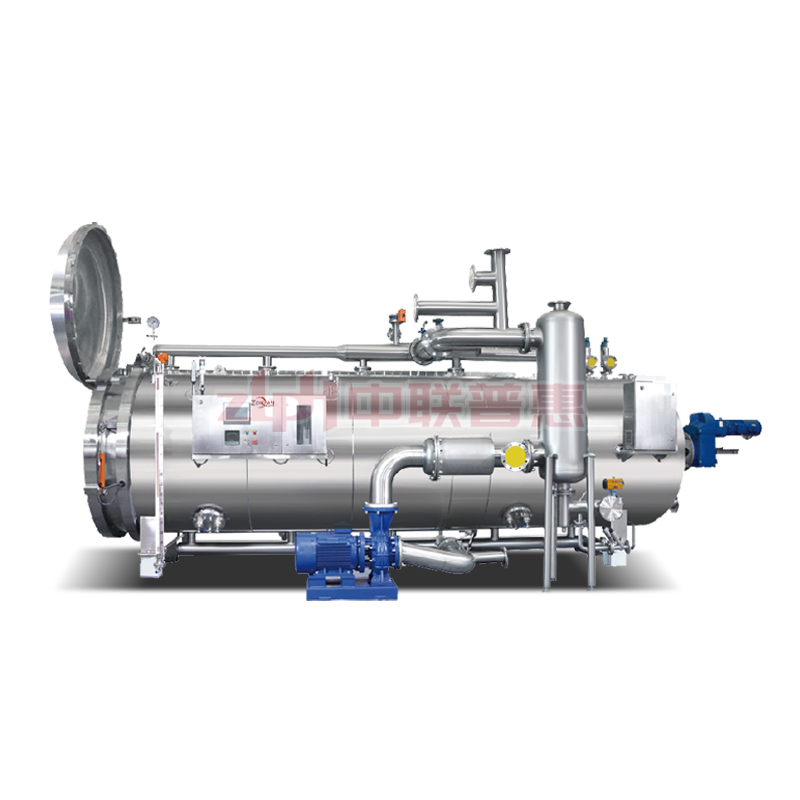
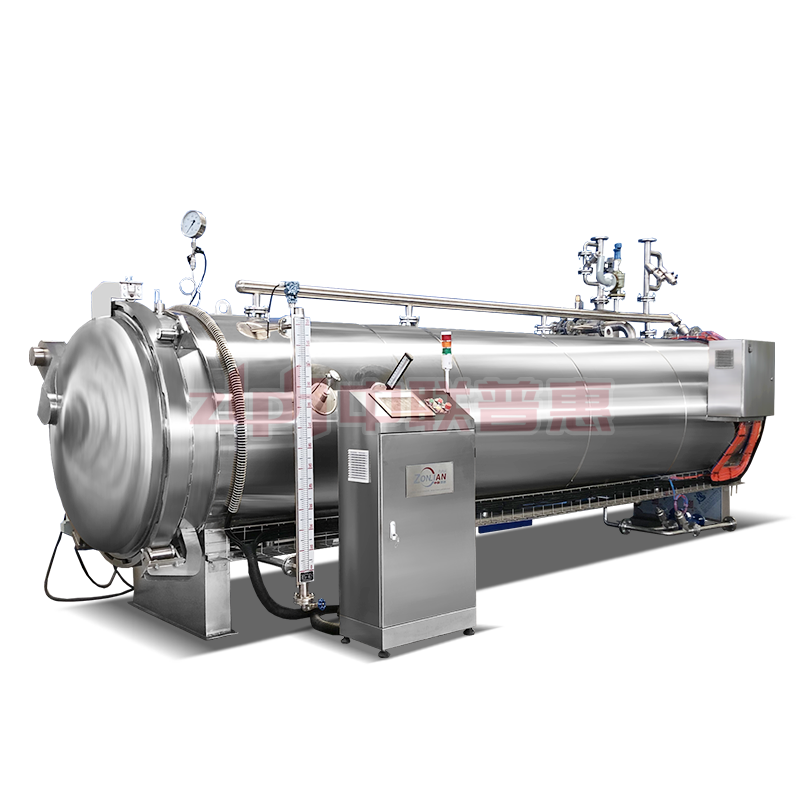
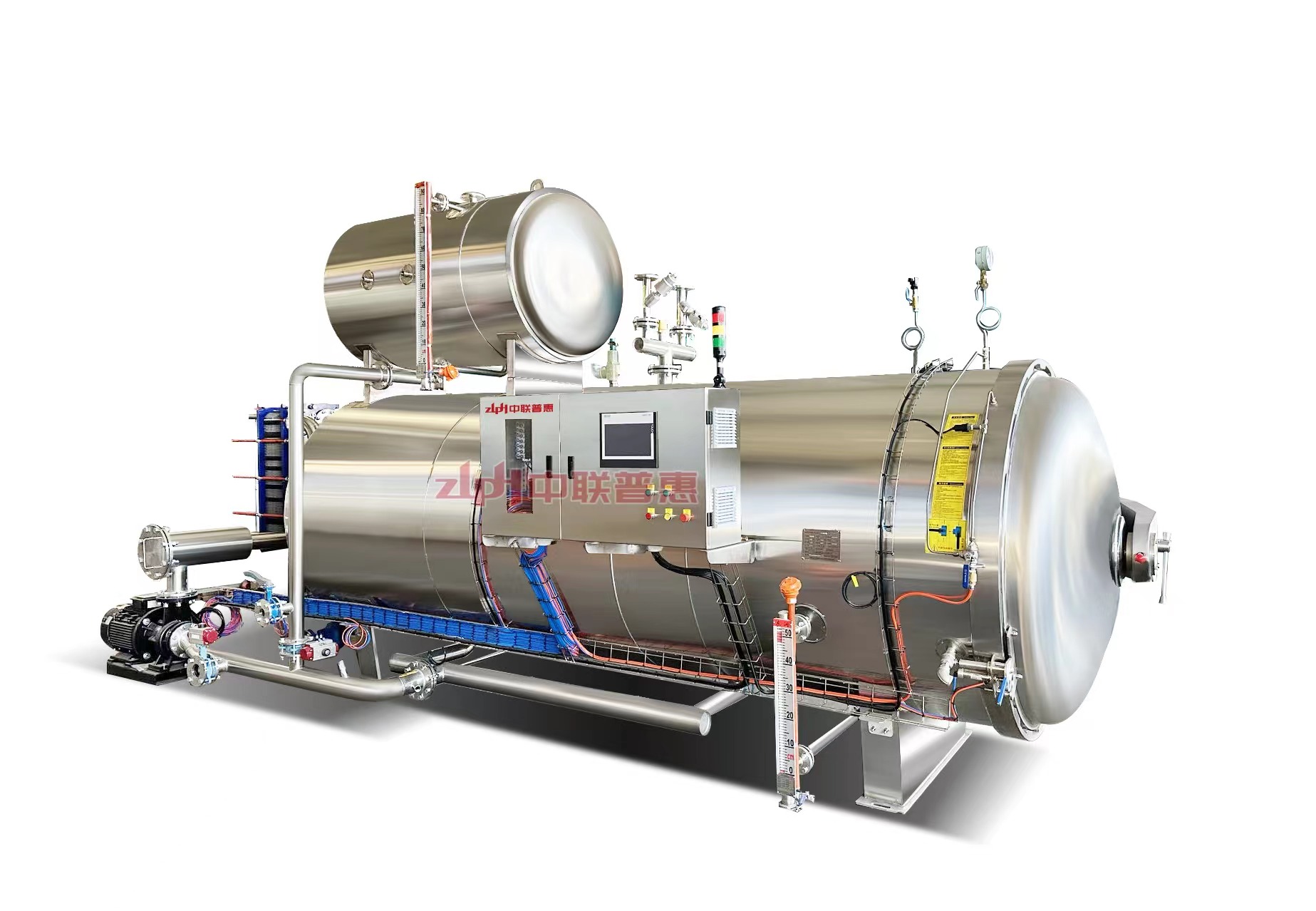
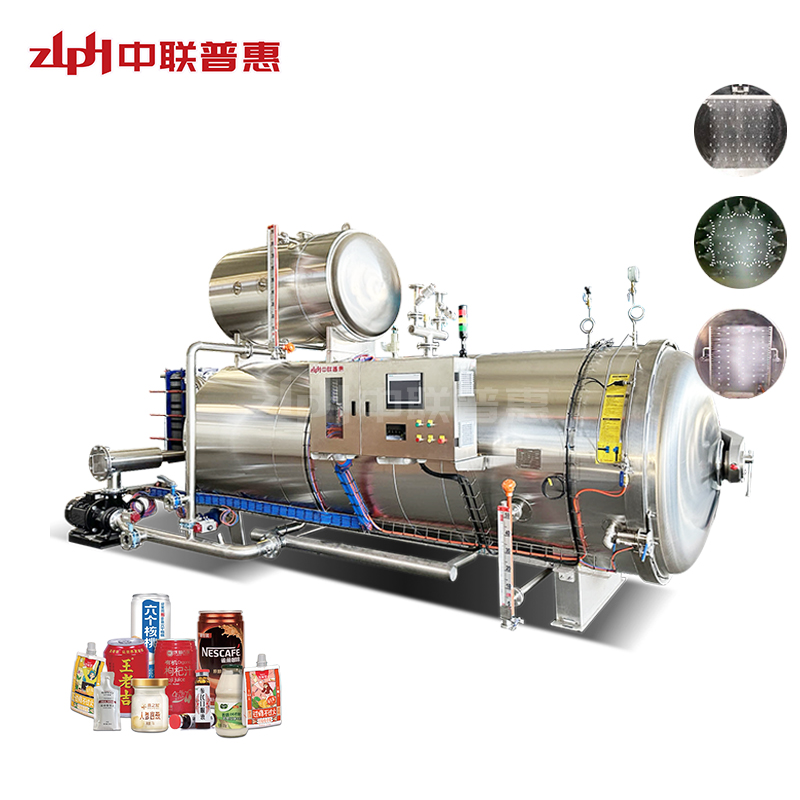
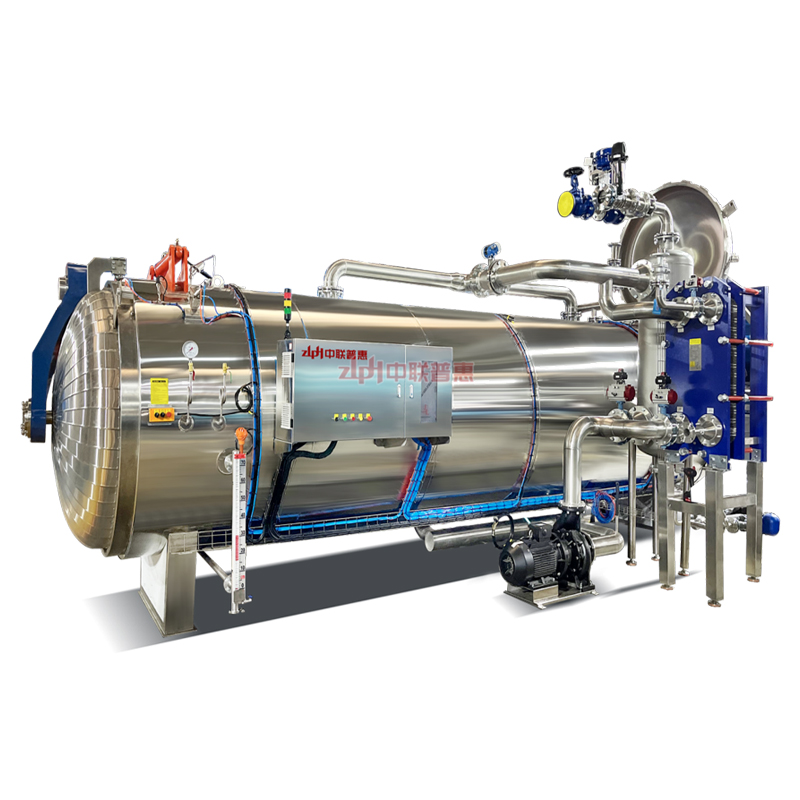
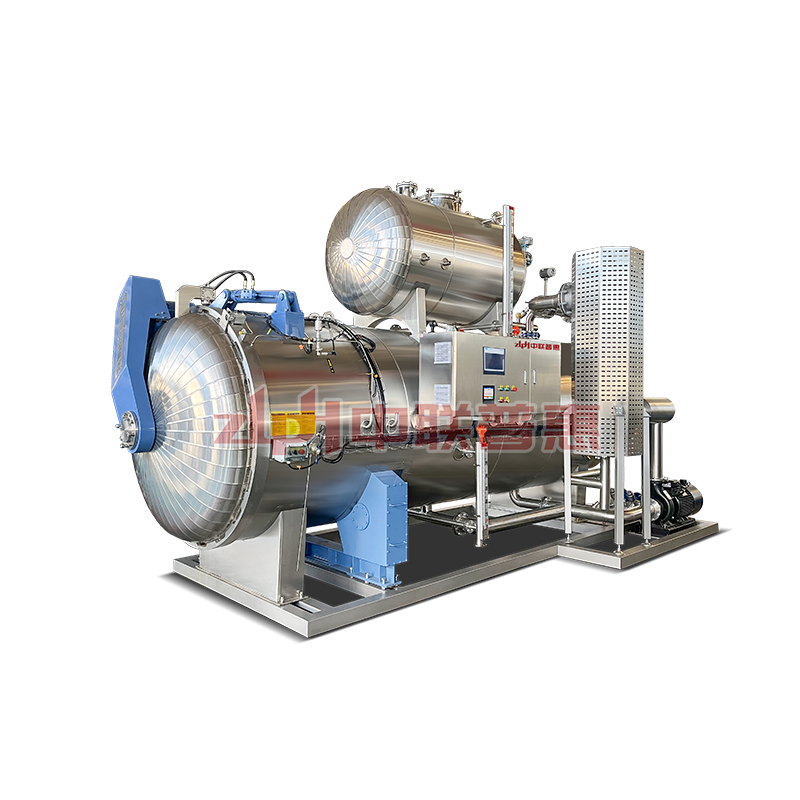
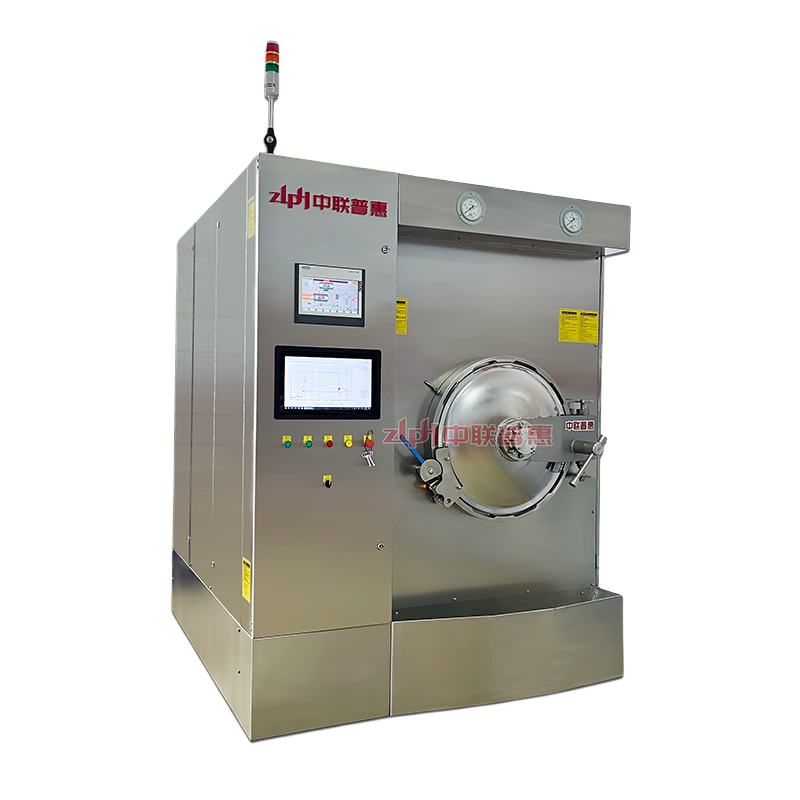
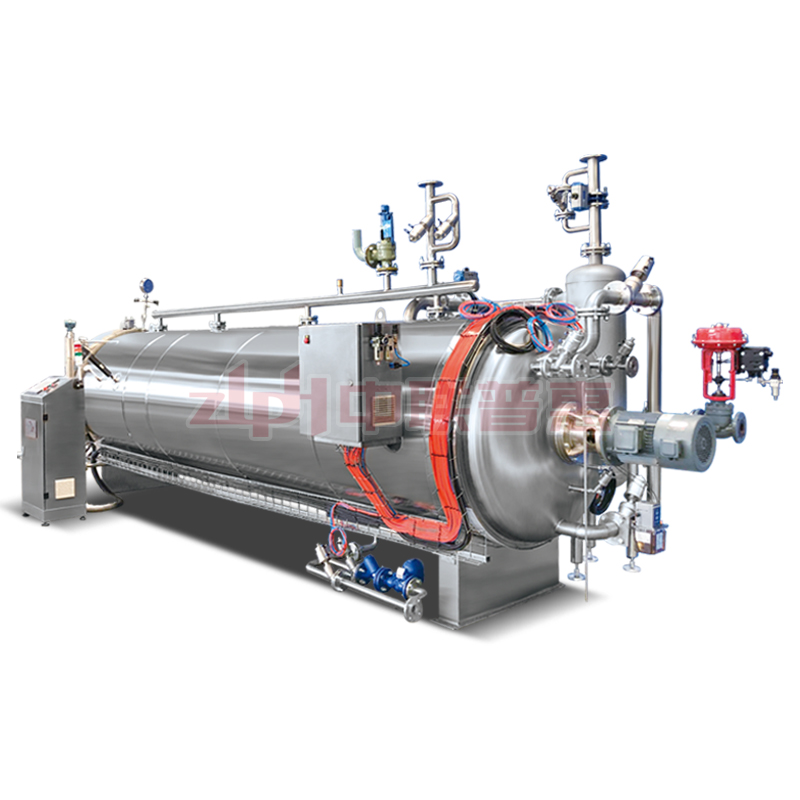
This guide is authored by a senior food sterilization engineer with over 10 years of field experience at ZLPH MACHINERY TECHNOLOGY CO., LTD., a leading Steam-Air Retort Autoclave Producer serving global food manufacturers. It addresses one of the most persistent challenges in thermal processing: inconsistent sterilization results across batches, which can compromise food safety, shelf life, and regulatory compliance. This issue primarily stems from three root causes—improper air removal during heating, uneven steam distribution, and inadequate process validation. Based on more than 5,000 global installations and extensive R&D validation, we present a proven, step-by-step methodology to eliminate hot/cold spots, ensure uniform lethality (F₀), and achieve repeatable, compliant sterilization outcomes. In this guide, we break down real-world scenarios, diagnose underlying technical failures, provide actionable corrective steps, share critical implementation pitfalls to avoid, and validate effectiveness through field-tested performance data—all tailored for industrial-scale retort operations.

How to Fix Cold Spots Caused by Incomplete Air Removal in Steam-Air Retort Cycles?
In canned vegetable or ready-to-eat meal production, operators often observe under-processed units at the bottom or center of the retort basket—despite correct time-temperature settings. These cold spots occur when trapped air insulates product zones, reducing heat transfer efficiency and failing to achieve target F₀ values, risking microbial survival (e.g., Clostridium botulinum). This compromises both safety and shelf stability.

The core issue lies in insufficient air purge during the come-up phase. Unlike pure steam retorts, steam-air systems rely on controlled air injection for pressure balance but require thorough air evacuation before sterilization begins. Residual air pockets—especially in dense or irregularly packed loads—create thermal barriers. Additionally, improper vent valve sequencing or undersized exhaust lines exacerbate air entrapment.

Immediate corrective actions include extending the air purge duration by 3–5 minutes and verifying vent valve operation via PLC logs. For long-term resolution, implement a multi-stage air removal protocol: (1) pre-evacuate the chamber to 80–85 kPa before steam injection; (2) use cascaded venting—open top vents first, then bottom vents—to flush air upward; (3) integrate real-time pressure differential monitoring between chamber and product core. ZLPH’s advanced retorts feature automated air-purge algorithms that dynamically adjust based on load density and basket configuration, ensuring <0.5% residual air content.

To troubleshoot, conduct a heat distribution study using calibrated data loggers placed in worst-case locations (e.g., geometric center, bottom corners). If temperature differentials exceed 1.5°C during come-up, inspect vent line blockages and confirm steam inlet velocity meets 25–30 m/s. Avoid skipping air purge to “save time”—this false economy risks entire batch recalls.
Field validation across 120+ ZLPH-installed retorts shows that optimized air removal reduces cold spot incidence by 96%, with F₀ uniformity improved to ±3% across all basket positions—even for high-viscosity products like stews or sauces.
How to Ensure Uniform Heat Penetration in Mixed-Load Retort Batches?
When processing mixed SKUs (e.g., glass jars, metal cans, and flexible pouches) in a single cycle, uneven heat transfer often leads to overcooked delicate items and under-sterilized dense ones. This mismatch arises from differing thermal conductivities and container geometries, causing variable come-up times and inconsistent lethality.
The solution requires adaptive process control. First, segment the basket into thermal zones based on product type. Then, deploy ZLPH’s dual-mode circulation system: during heating, use forced convection fans to homogenize chamber temperature; during cooling, switch to static mode to prevent pouch deformation. Crucially, apply product-specific F₀ targets via our PLC-based recipe management, which auto-adjusts dwell time per zone using real-time core temperature feedback.
Avoid common mistakes: never pack dissimilar containers randomly—group by thermal mass; always validate mixed-load cycles with thermocouples in each SKU type; and never assume standard cycles apply. Post-implementation audits show mixed-load yield loss drops from 8–12% to under 2% with this approach.
Industry Best Practices for Reliable Steam-Air Retort Operation
Based on 8 years of global deployments and 5,000+ validated cycles, ZLPH recommends a 5-step framework for robust retort performance:
1. Characterize Load Thermal Profiles: Map come-up times for every product-container combo before full-scale runs.
2. Validate Air Removal Efficiency: Conduct quarterly heat distribution studies per FDA/EC guidelines.
3. Implement Dynamic Process Control: Use retorts with real-time F₀ monitoring and adaptive cycle adjustment.
4. Standardize Basket Loading: Enforce fixed patterns with airflow channels between layers.
5. Maintain Circulation Integrity: Clean fan blades and steam nozzles monthly to prevent fouling-induced hot spots.
Always select equipment rated for worst-case conditions—not average loads. ZLPH retorts are engineered for 150,000+ cycles with <0.1% mechanical failure rate, backed by ISO 9001-certified manufacturing and CE-compliant safety systems.
Frequently Asked Questions (FAQ)
Q: Can I use a standard steam retort cycle for steam-air systems?
A: No—steam-air requires precise air injection for counter-pressure during cooling. Using pure steam cycles risks container collapse or seal failure.
Q: What’s the minimum F₀ validation requirement for low-acid foods?
A: FDA mandates F₀ ≥ 2.52 for commercial sterility; ZLPH systems consistently deliver F₀ ≥ 3.0 with ±0.2 uniformity.
Q: How often should I recalibrate retort temperature sensors?
A: Every 6 months or after 1,000 cycles—whichever comes first—to maintain ±0.5°C accuracy per EN 285 standards.
Q: Do ZLPH retorts support IoT remote monitoring?
A: Yes—our SmartRetort™ platform enables real-time cycle tracking, anomaly alerts, and cloud-based audit trails via secure API.
Q: Are your systems compliant with EU Machinery Directive 2006/42/EC?
A: Fully compliant, with CE certification covering pressure equipment (PED 2014/68/EU) and electrical safety (EN 60204-1).
Our Expertise & Support Commitment
ZLPH MACHINERY TECHNOLOGY CO., LTD. is a globally recognized Steam-Air Retort Autoclave Producer with 8 years of specialized R&D in thermal food processing. Our team includes 21 mechanical designers, 4 sterilization process experts, and 14 field engineers—all with 10+ years in retort automation. We hold multiple patents in air-steam mixing dynamics and have deployed systems across 60+ countries, including partnerships with Fortune 500 food brands. Our 15,000m² smart factory ensures ISO 9001-compliant production with rigorous QA protocols.
We offer end-to-end support: free thermal process validation, custom basket design, on-site installation training, and 24/7 remote diagnostics. Request a no-cost cycle audit or sample test to verify performance in your specific application.
Contact Us
Company: ZLPH MACHINERY TECHNOLOGY CO., LTD.
Website: https://www.zlphretort.com/
Email: sales@zlphretort.com
Phone / WhatsApp: +86 15666798389 / +86 13361554016
