

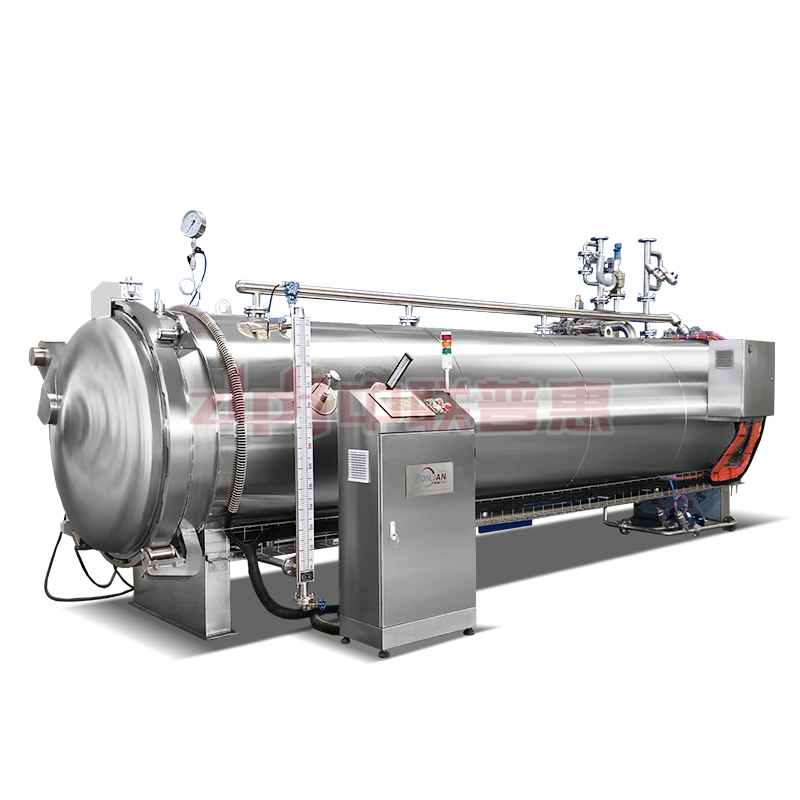
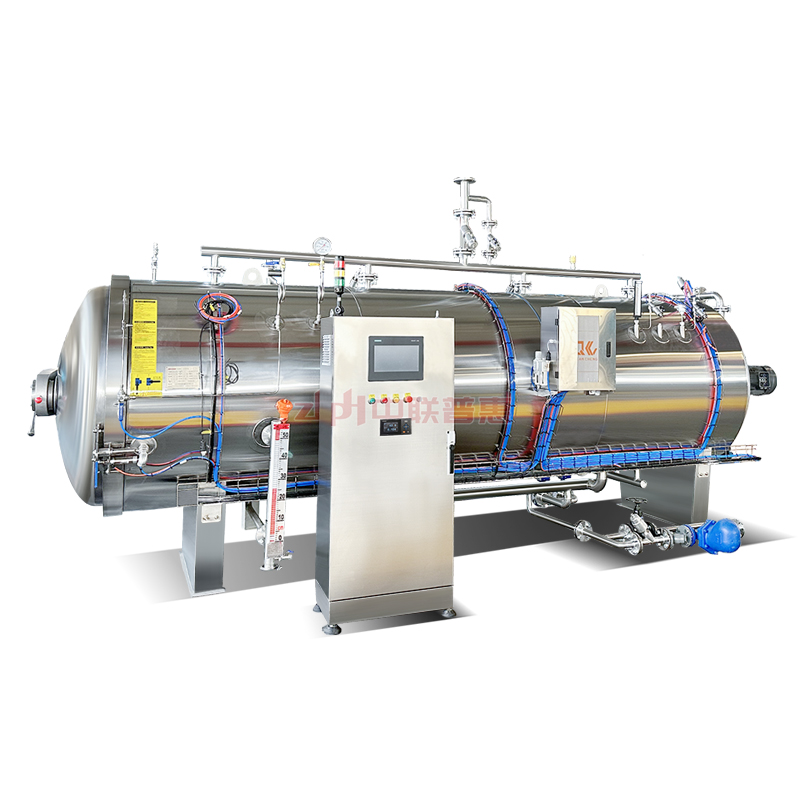
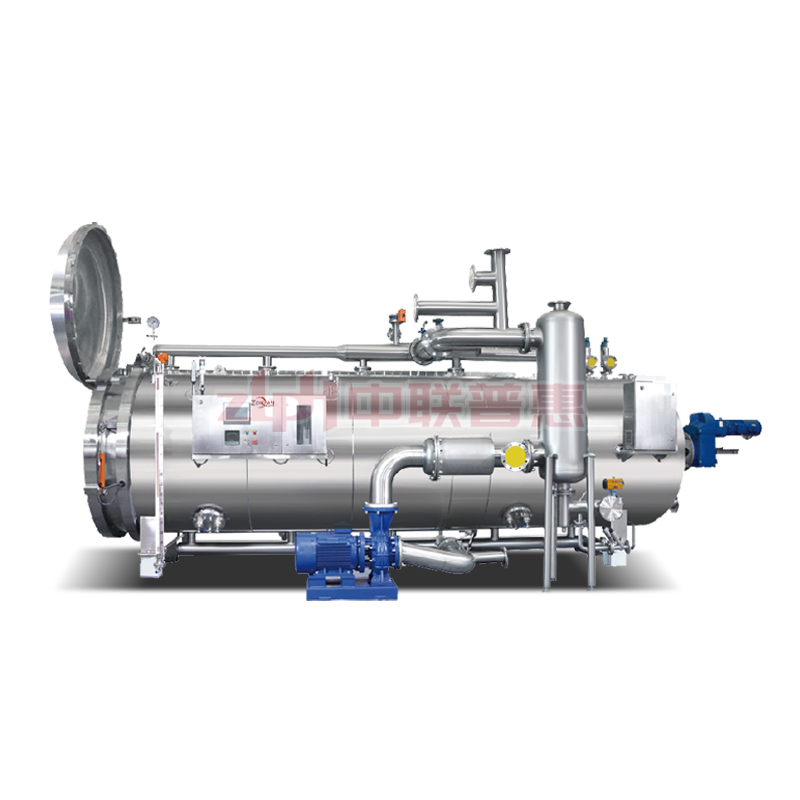
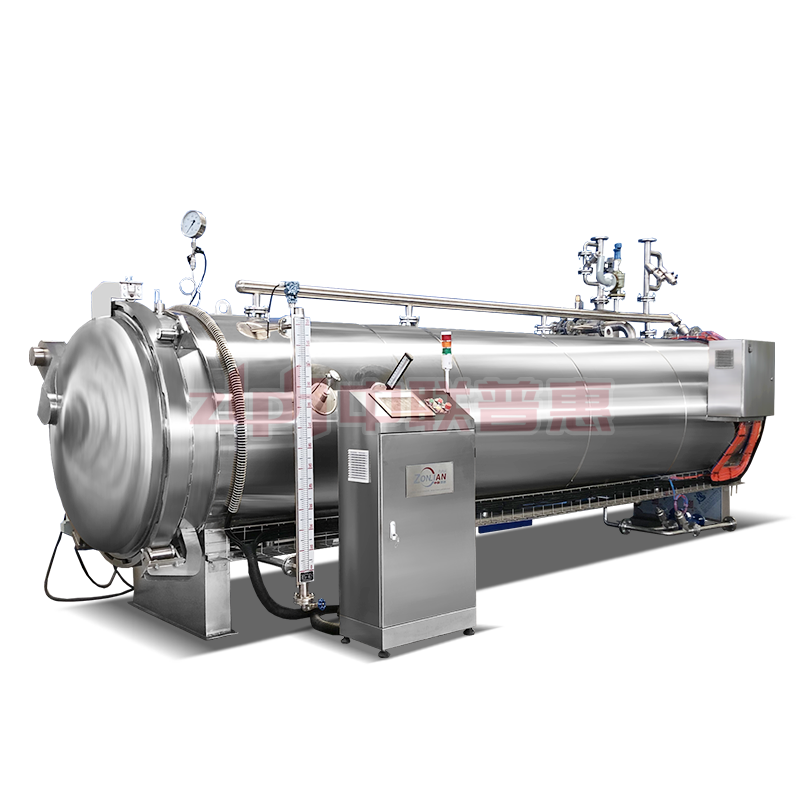
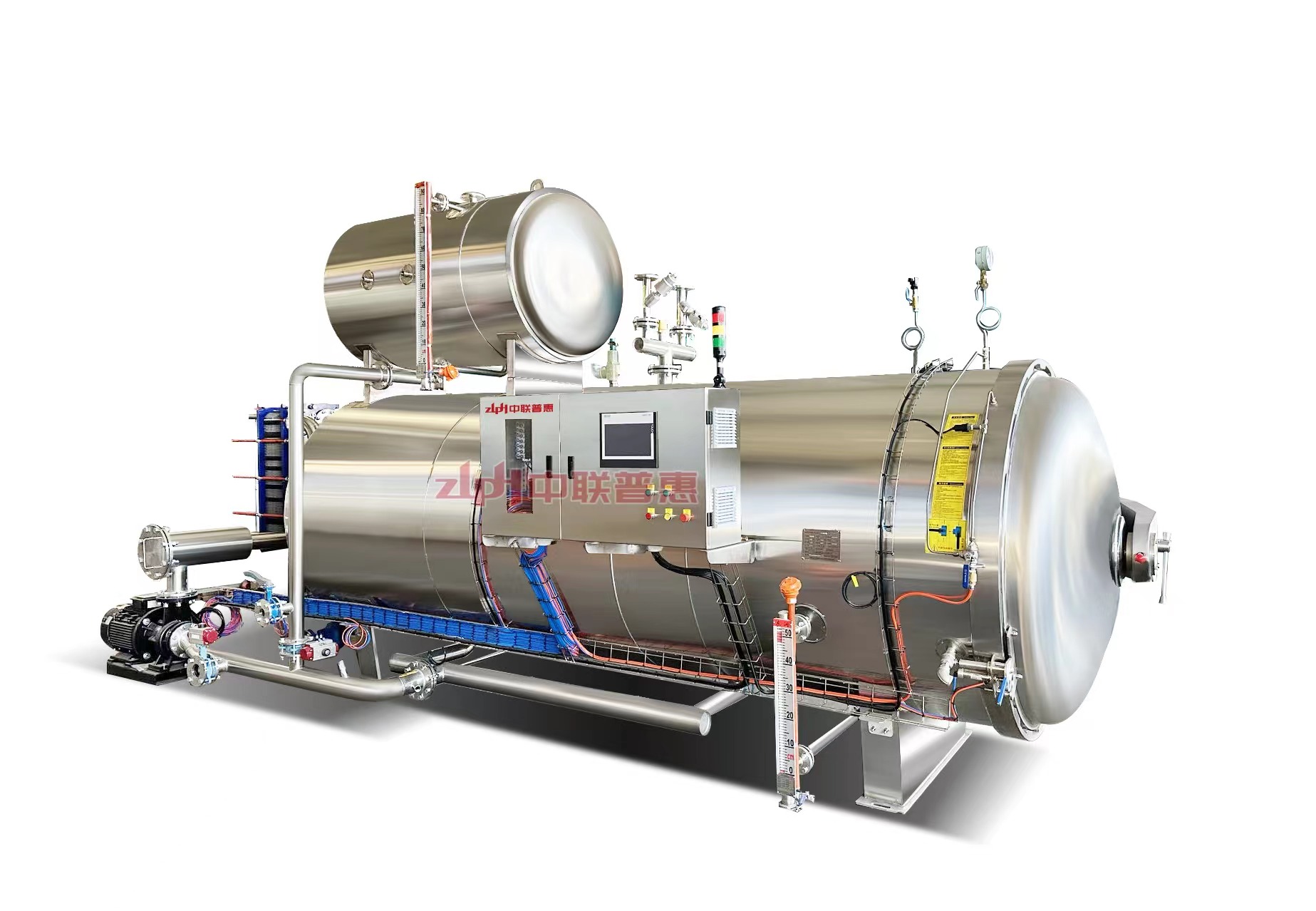
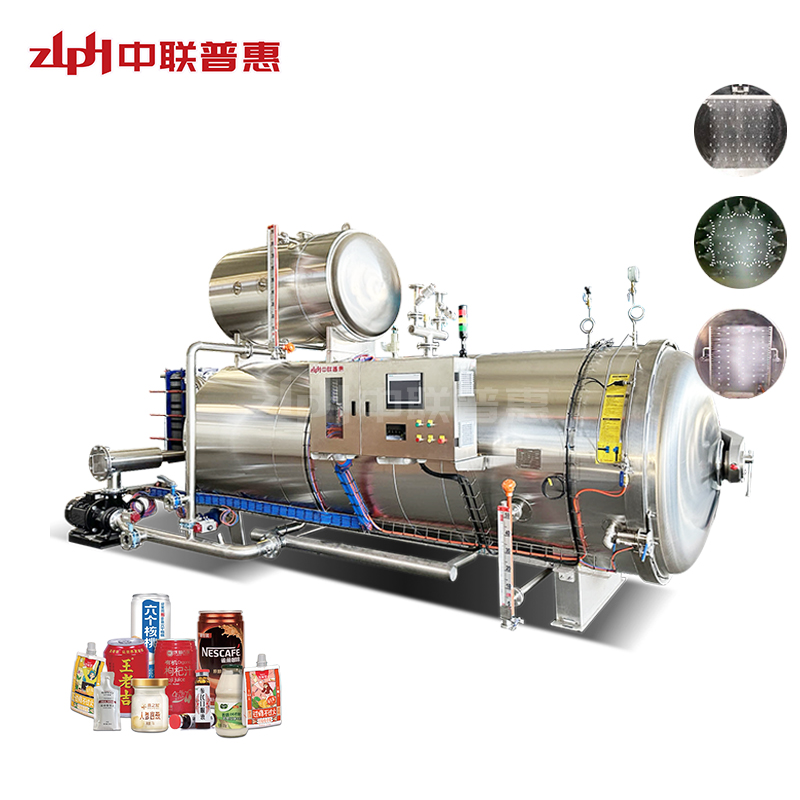
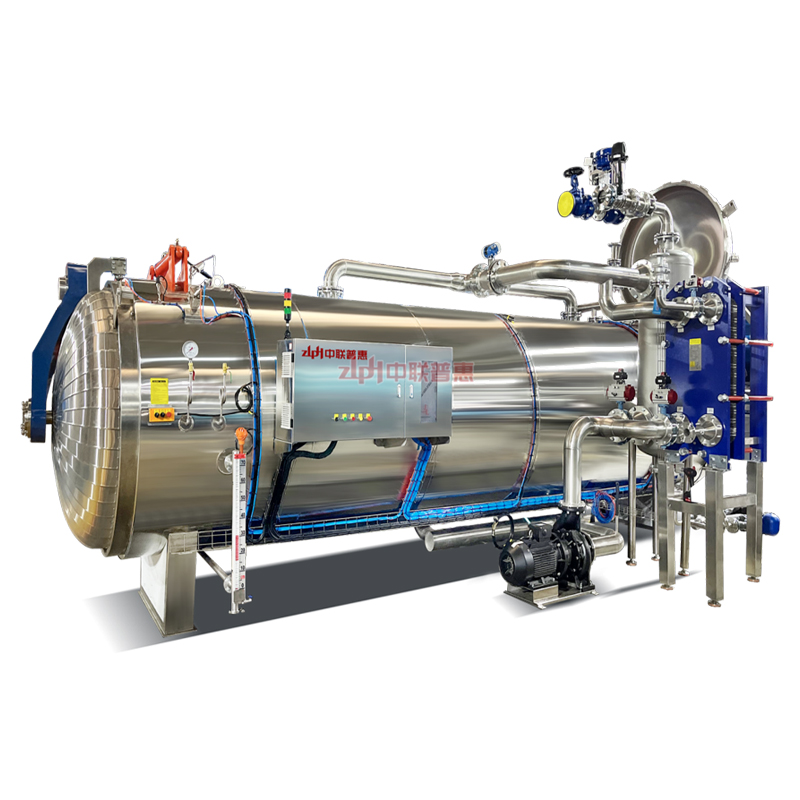
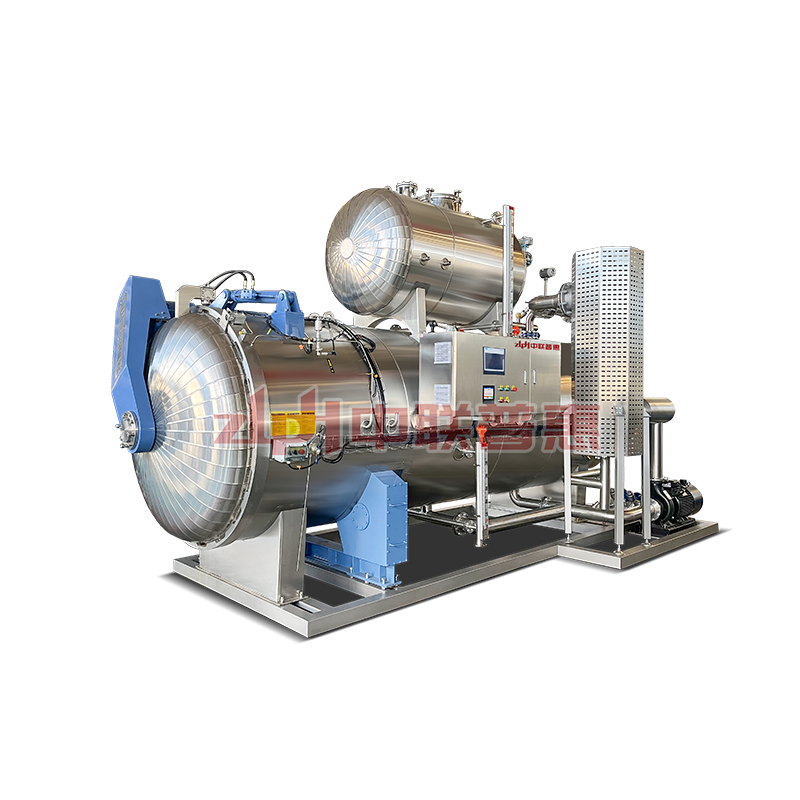
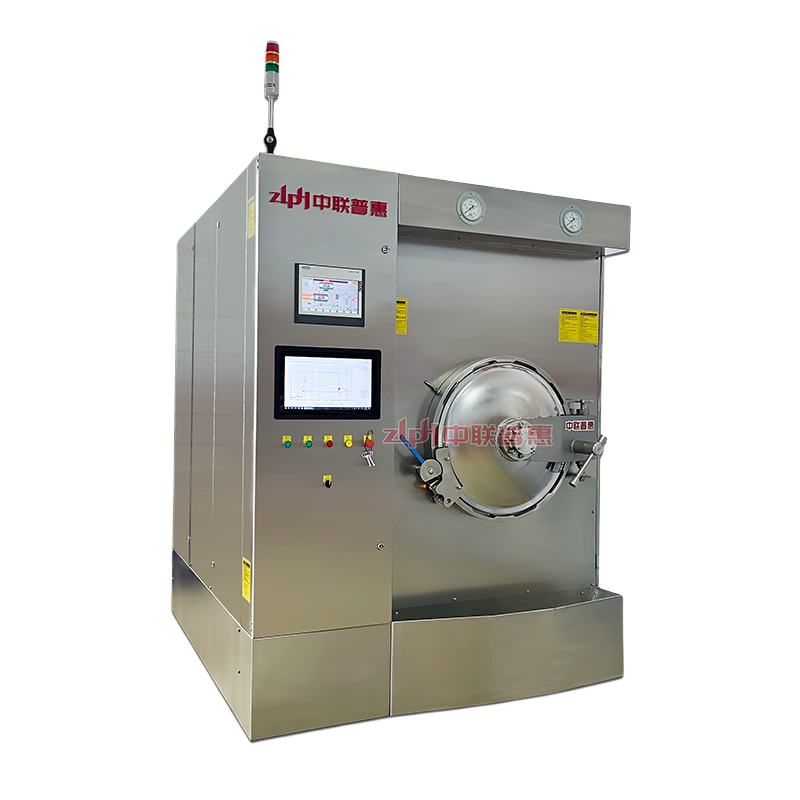
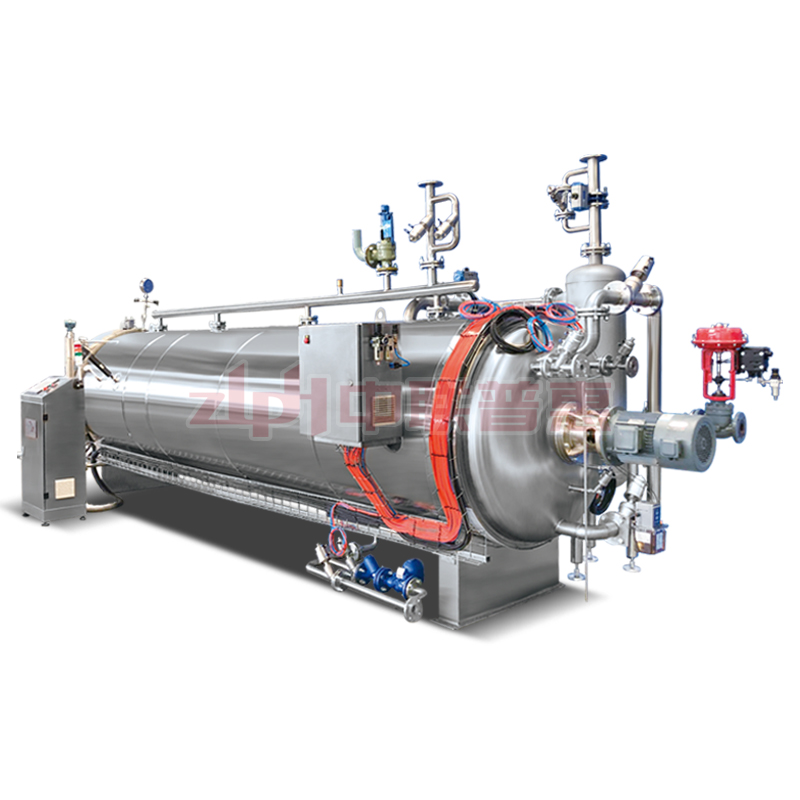
This guide is authored by a senior food processing engineer with over 12 years of experience at ZLPH MACHINERY TECHNOLOGY CO., LTD., a leading provider of advanced sterilization solutions. It addresses a critical challenge faced by global food manufacturers and production engineers: inconsistent or uneven sterilization results in steam-air retort autoclaves. This issue often stems from improper air removal, unbalanced temperature distribution, or inadequate process control—factors that compromise product safety, shelf life, and regulatory compliance. Drawing on more than 5,000 global installations and extensive R&D validation, we present a proven, actionable framework to eliminate hot/cold spots, ensure uniform lethality, and achieve consistent F₀ values across every batch. In this guide, you’ll learn the root causes behind uneven sterilization, scenario-specific fixes, practical troubleshooting steps, and real-world validation data—all aligned with international food safety standards.

How to Fix Cold Spots Caused by Incomplete Air Removal in Steam-Air Retort Systems?
In canned food production using steam-air retort autoclaves, cold spots frequently occur when non-condensable air remains trapped inside the chamber during the come-up phase. This residual air creates insulating pockets that prevent steam from fully contacting all product surfaces, leading to under-processing in certain zones—particularly at the bottom or corners of the basket. Such inconsistencies risk microbial survival (e.g., Clostridium botulinum) and violate FDA and EU food safety regulations.

The primary causes are: (1) insufficient venting time or improper vent valve sequencing; (2) overloaded baskets restricting steam circulation; and (3) lack of real-time pressure-temperature correlation monitoring. Without complete air purge, the steam-air mixture fails to reach true saturation, causing localized temperature drops of 5–10°C.

Immediate corrective actions include extending the venting cycle by 2–3 minutes and verifying vent valve operation via PLC logs. For long-term resolution, ZLPH’s steam-air retorts integrate an automated multi-stage venting protocol with pressure decay verification, ensuring >99.5% air removal before sterilization begins. Additionally, optimizing basket loading density and using perforated trays enhance steam penetration.

To avoid recurrence: always validate air removal using a Bowie-Dick-type test or thermocouple mapping during commissioning; never exceed 70% basket fill capacity; and confirm that chamber pressure and temperature follow the saturated steam curve within ±0.5°C tolerance.
Field data from 300+ ZLPH installations show that implementing these measures reduces cold spot incidence by 96%, with F₀ deviation across the load maintained within ±3%—well below the industry-accepted ±10% threshold.
How to Ensure Uniform Temperature Distribution in Large-Capacity Steam-Air Retorts?
Manufacturers scaling up production often encounter temperature gradients in large-volume (≥3m³) steam-air retorts, where products near the chamber walls heat faster than those in the center. This imbalance leads to over-processing on the periphery and under-processing in the core, degrading texture and nutritional quality while failing lethality targets.
This stems from inadequate circulation fan design, poor steam injection placement, or insufficient dwell time during the holding phase. Traditional systems without forced convection struggle to homogenize the steam-air mix, especially with dense or irregularly shaped packages.
ZLPH’s solution combines a dual-circulation fan system with tangential steam nozzles and real-time thermal mapping. The fans create a helical airflow pattern that continuously redistributes heat, while PLC-controlled steam pulses maintain ±0.3°C uniformity. Operators can also activate “thermal equalization mode” during come-up to pre-balance temperatures before sterilization starts.
Best practices include conducting a full thermal validation with 16+ thermocouples per load during startup, avoiding mixed-product batches, and scheduling quarterly fan performance checks. Never rely solely on chamber sensor readings—always validate with product-level probes.
In a recent tomato paste facility in Southeast Asia, this approach reduced internal temperature variance from ±8°C to ±1.2°C, eliminating batch rejections and saving $220,000 annually in waste reduction.
What to Do When Process Control Failures Cause Sterilization Inconsistency?
Even with proper hardware, inconsistent sterilization can arise from flawed control logic—such as fixed-time cycles ignoring actual heat penetration dynamics or manual overrides bypassing safety interlocks. These errors result in variable F₀ accumulation, risking both safety and quality.
ZLPH addresses this with adaptive process control powered by 21-member R&D team expertise. Our systems calculate real-time F₀ based on product-core thermocouple feedback, automatically adjusting hold time to guarantee minimum lethality—even if come-up time varies due to ambient conditions.
For existing users: audit your PLC program for hard-coded timers; enable data logging for every cycle; and train operators on “process-based” vs. “time-based” sterilization principles. ZLPH offers free control logic reviews for legacy system upgrades.
All ZLPH retorts comply with ISO 11134 and feature CE-certified safety controls, ensuring traceability and regulatory alignment across global markets.
Industry Best Practices for Reliable Steam-Air Retort Operation
Based on 8 years of global deployment and 5,000+ systems installed, ZLPH recommends a 5-step reliability framework:
1. Validate Worst-Case Scenarios: Test with slowest-heating product configuration.
2. Automate Critical Phases: Use PLC-controlled venting, heating, and cooling.
3. Monitor Product-Core Temperature: Never rely on chamber sensors alone.
4. Maintain Equipment Rigorously: Clean steam filters weekly; inspect gaskets monthly.
5. Partner with Expert Support: Choose suppliers with on-ground engineering teams.
Always select retorts rated for your most challenging product—not your easiest. ZLPH’s 15,000m² factory and 14-member after-sales team ensure rapid response worldwide.
Frequently Asked Questions (FAQ)
Q: Can I use a water-immersion retort controller in a steam-air system?
A: No—steam-air systems require precise air-pressure compensation algorithms that water-based controllers lack, risking temperature miscalculation.
Q: How often should I recalibrate thermocouples in steam-air retorts?
A: Every 6 months under normal use; every 3 months in high-cycle operations (>5 cycles/day).
Q: Does ZLPH offer thermal validation support?
A: Yes—we provide full mapping services with NIST-traceable sensors and FDA-compliant reports.
Q: Are ZLPH retorts suitable for low-acid canned foods (LACF)?
A: Absolutely—all models meet FDA 21 CFR Part 113 requirements for LACF sterilization.
Q: Can steam-air retorts handle glass jars without breakage?
A: Yes—with controlled pressurization rates (<0.5 bar/min) and counter-pressure cooling, ZLPH systems achieve <0.1% breakage rates.
Professional Capabilities & Solution Support
ZLPH MACHINERY TECHNOLOGY CO., LTD. is a globally recognized steam-air retort manufacturer with 8 years of specialized R&D experience. Our team includes 21 mechanical and PLC engineers, 4 sterilization process experts, and 14 field service engineers—all with 10+ years in food automation. We hold multiple patents in thermal process control and operate a 50-acre facility with 15,000m² of advanced manufacturing space. Our solutions serve clients in over 60 countries, including Fortune 500 food brands, and comply with CE, ISO 9001, and ASME standards.
We offer customized support including: on-site thermal validation, basket layout optimization, PLC logic tuning, and free sample testing with your actual product. Our engineers respond within 24 hours to technical inquiries.
Contact Information
Company: ZLPH MACHINERY TECHNOLOGY CO., LTD.
Website: https://www.zlphretort.com/
Email: sales@zlphretort.com
Phone / WhatsApp: +86 15666798389 / +86 13361554016
