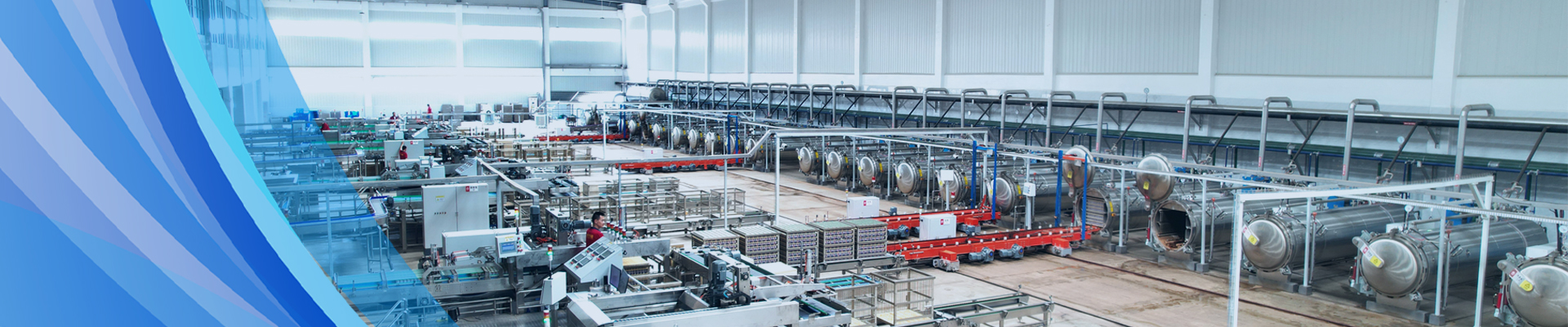

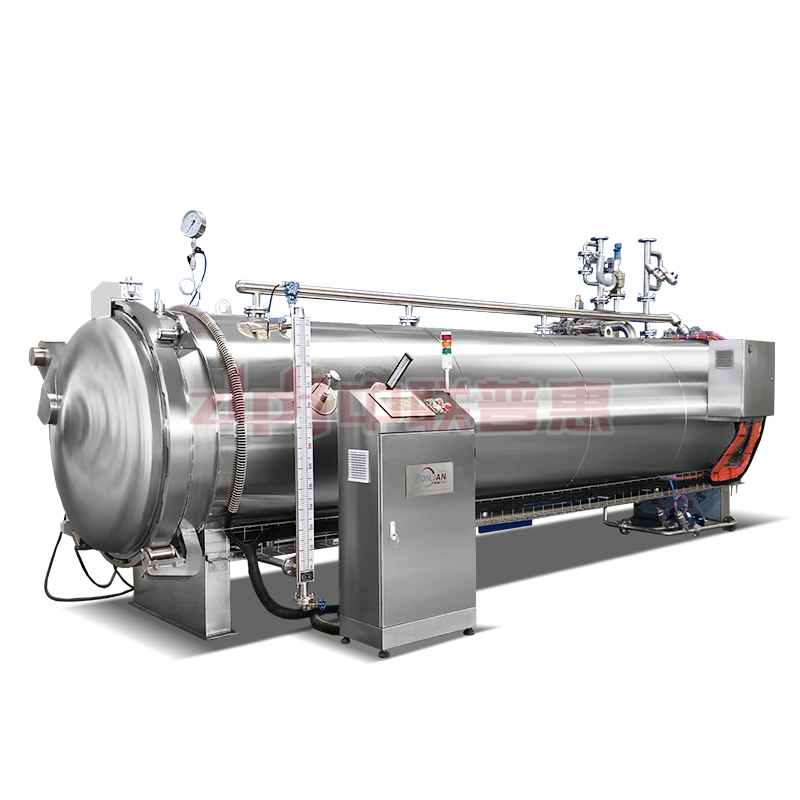
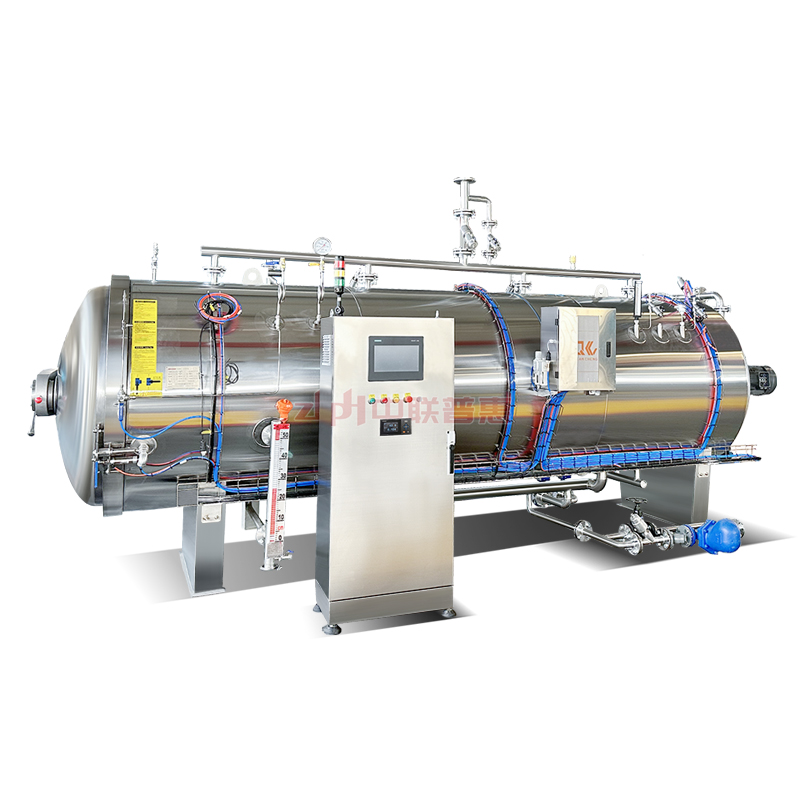
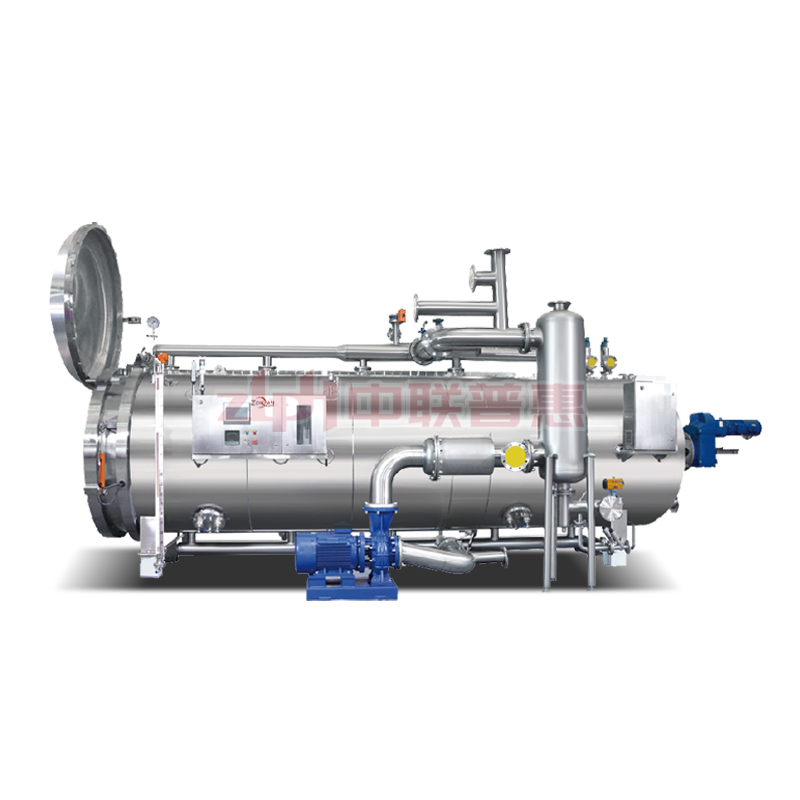
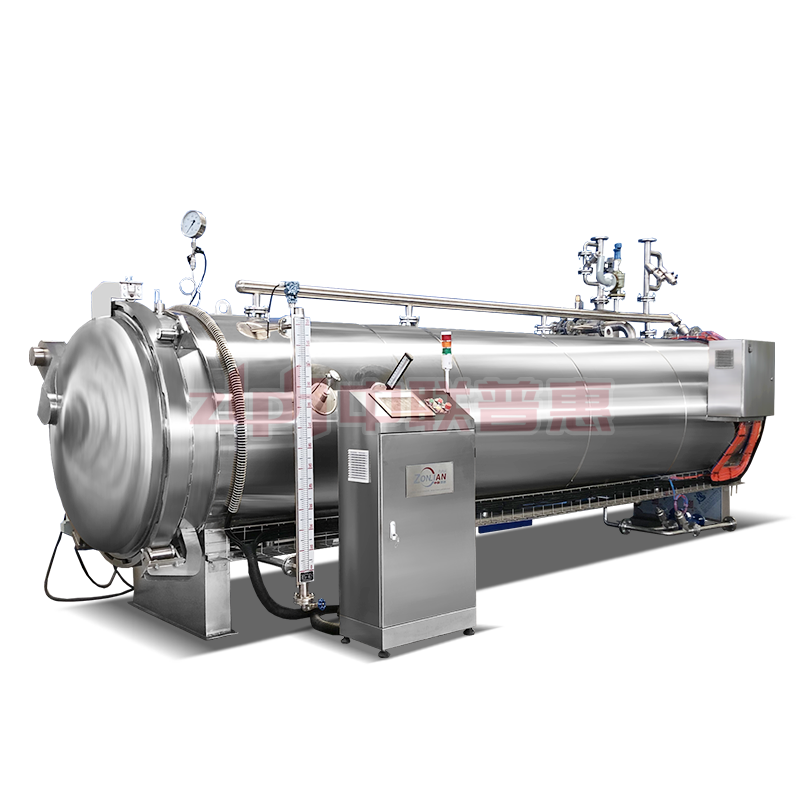
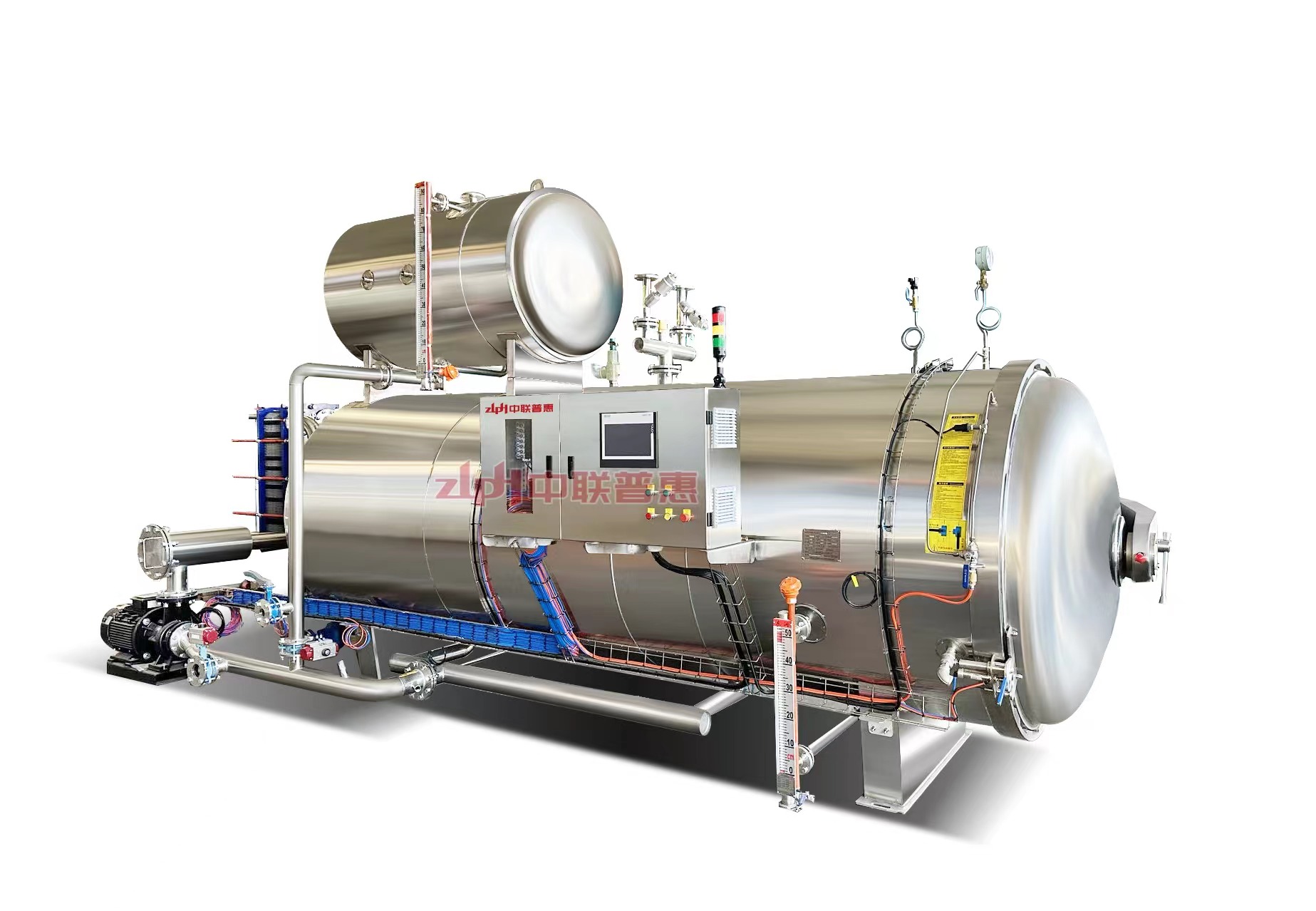
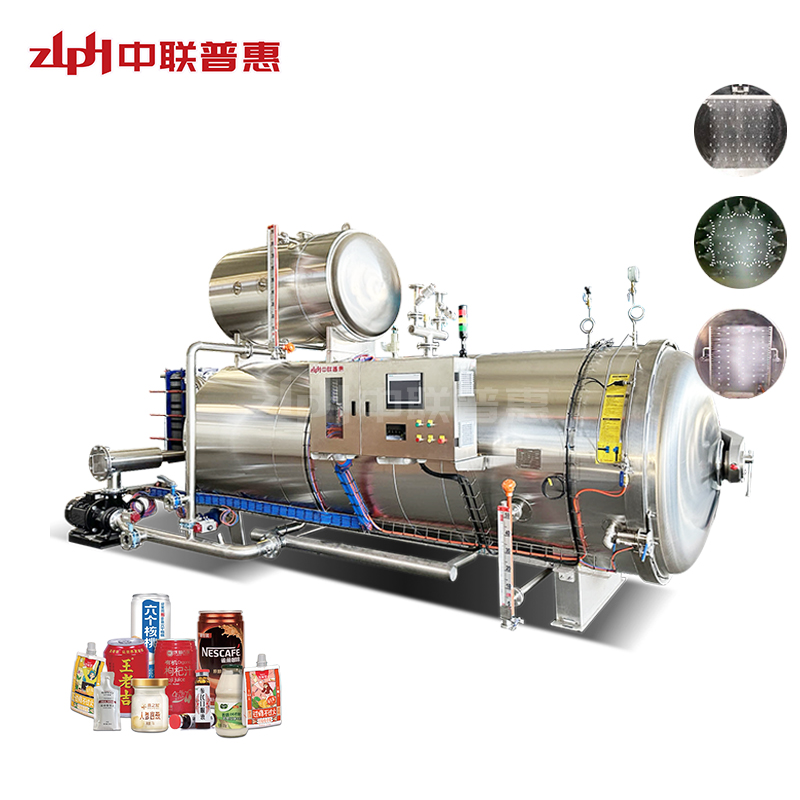
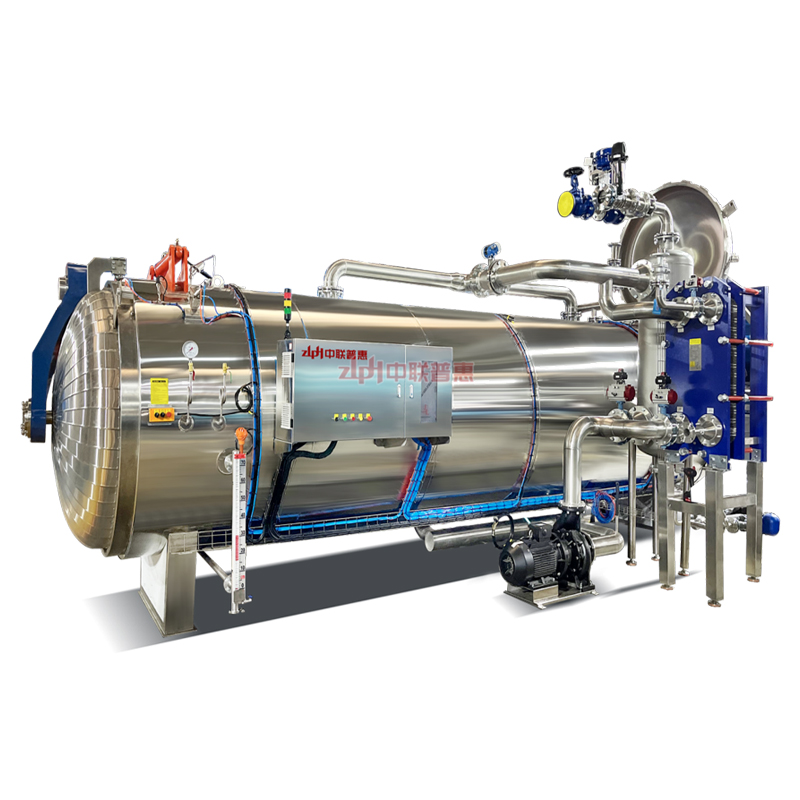
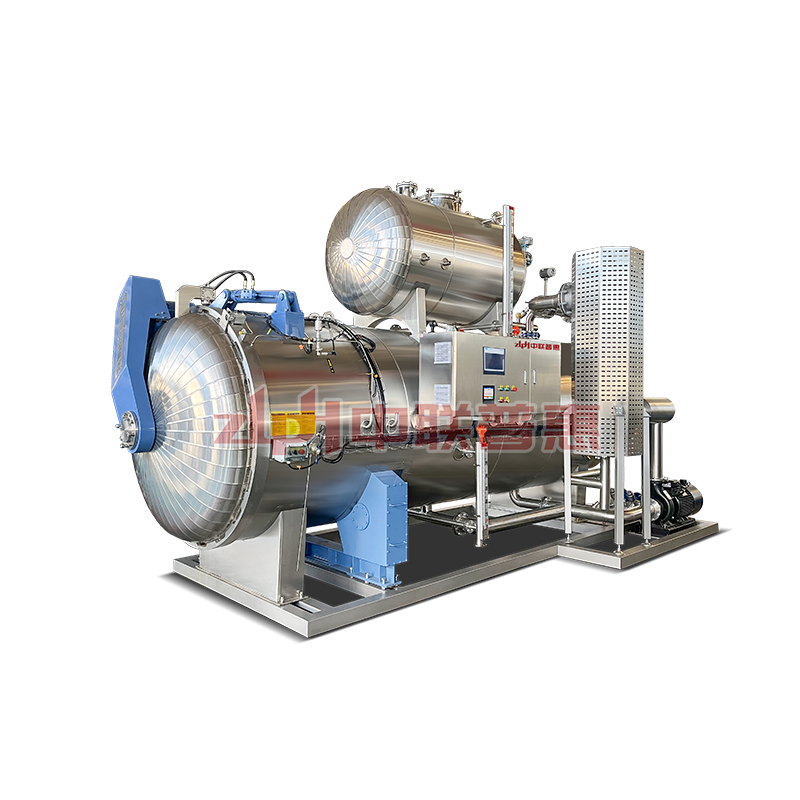
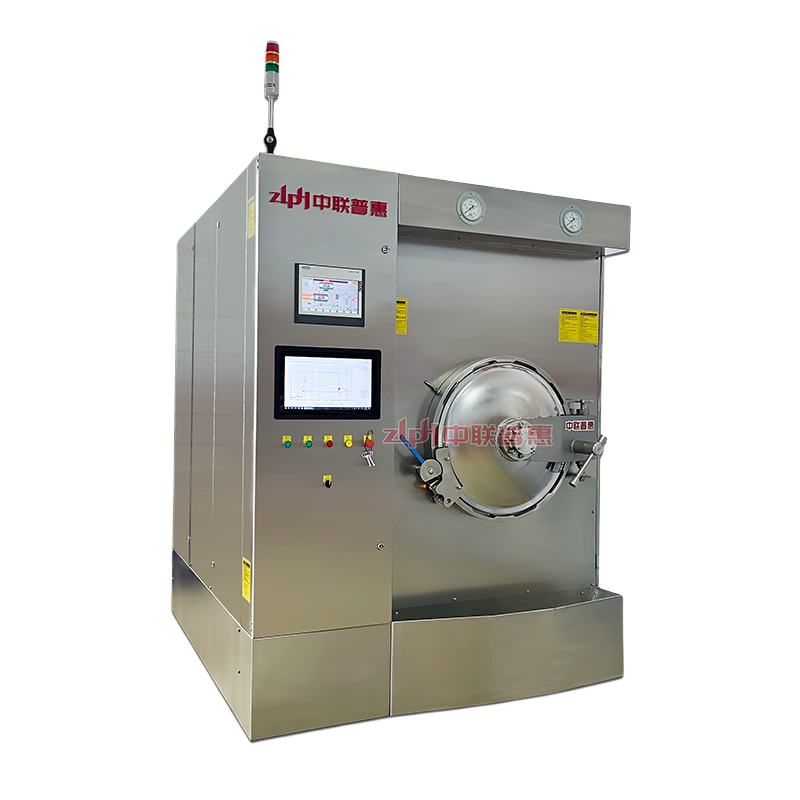
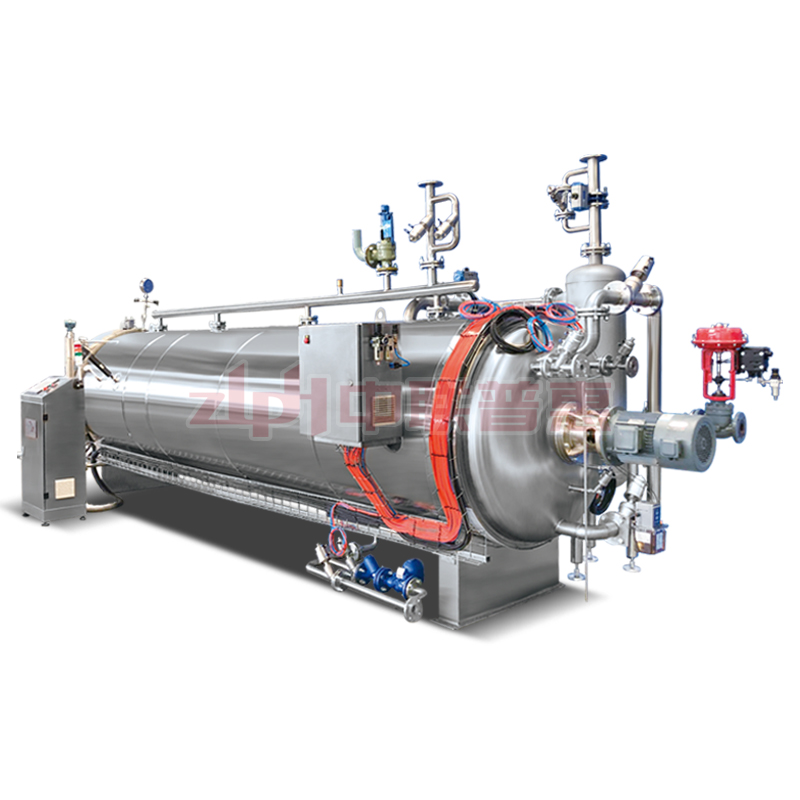
This guide is authored by a senior food processing engineer with over 10 years of experience at ZLPH MACHINERY TECHNOLOGY CO., LTD., a leading global provider of sterilization solutions for the food and beverage industry. It addresses a critical challenge faced by food manufacturers worldwide: inconsistent or inefficient sterilization in canned food production using horizontal retort autoclaves. This issue often stems from uneven heat distribution, inadequate process control, and outdated equipment design—leading to product spoilage, safety risks, and compliance failures. Drawing on more than 5,000 global installations and rigorous field validation, we present a proven, step-by-step methodology to ensure uniform sterilization, regulatory compliance, and operational efficiency. The guide details root causes across common production scenarios, offers actionable mitigation strategies, shares real-world performance data, and outlines best practices for selecting and operating modern horizontal retorts. Whether you're scaling production or upgrading legacy systems, this resource equips you with the technical insights needed to achieve reliable, safe, and efficient thermal processing.

How to Ensure Uniform Sterilization in Large-Batch Canned Vegetable Processing?
In high-volume canned vegetable lines, operators frequently encounter under-sterilized zones—particularly in dense or irregularly packed cans—resulting in microbial survival and shelf-life failure. This is exacerbated by poor water circulation and static loading in conventional horizontal retorts.

The root causes include: (1) inadequate spray nozzle coverage leading to cold spots; (2) lack of real-time temperature monitoring across multiple basket zones; and (3) manual loading causing inconsistent can spacing that blocks heat penetration.

Our step-by-step solution begins with retrofitting or deploying an intelligent water-spray horizontal retort featuring 360° rotating nozzles and multi-zone temperature sensors. Second, implement automated tray loading/unloading systems to standardize can arrangement and eliminate human-induced packing variability. Third, integrate a PLC-based control system that dynamically adjusts spray pressure and cycle time based on real-time thermal feedback from each basket layer.

To avoid pitfalls: never rely on single-point temperature readings; always validate thermal profiles using data loggers during initial runs; and ensure nozzle alignment is checked monthly to prevent clogging or misdirection.
Validated results: At a major European vegetable processor, this approach reduced sterilization variance from ±8°C to ±1.2°C across 12,000-can batches, cutting spoilage rates by 92% and achieving full compliance with FDA and EU microbiological standards.
How to Prevent Overcooking and Texture Degradation in Delicate Canned Seafood?
Seafood producers often sacrifice product quality to meet sterilization requirements—overcooking leads to mushy texture and nutrient loss, especially in fish and shellfish. Traditional steam-air retorts offer poor precision, causing excessive F0 values in sensitive products.
Key factors include: imprecise pressure-temperature coupling, slow response to load changes, and absence of gentle agitation during processing.
The solution involves adopting a water-immersion horizontal retort with precise PID-controlled heating and cooling ramps. Pair this with a soft-agitation system that gently rotates baskets to enhance heat transfer without damaging fragile contents. Additionally, use recipe-based automation to store and replicate optimal cycles for each seafood type (e.g., salmon vs. shrimp).
Avoid common errors: do not use aggressive cooling rates that cause can deformation; calibrate pressure transducers quarterly; and always conduct pilot runs with actual product—not water simulators—for accurate F0 calculation.
Field validation: A Southeast Asian tuna exporter reported a 40% improvement in texture retention and a 30% reduction in energy consumption after switching to our ASME-certified horizontal water-immersion retort, with zero customer complaints over 18 months.
What Certifications Should Horizontal Retort Suppliers Have for Global Export Compliance?
Buyers must verify that suppliers hold internationally recognized certifications to ensure equipment meets safety and regulatory standards across target markets. Key credentials include ASME certification for pressure vessel integrity, CE marking for EU machinery directives, EAC certification for Eurasian Customs Union countries, and DOSH approval for Malaysia.
ZLPH holds all these certifications, along with a Special Equipment Manufacturing License and ISO-compliant quality management documentation. These attestations guarantee that our horizontal retorts comply with local boiler and pressure equipment regulations, reducing import delays and audit risks.
Industry Best Practices for Horizontal Retort Operation
Based on 6+ years of global project deployment and 500+ client installations, we recommend this 5-step framework:
1. Define Worst-Case Conditions: Design your sterilization cycle for the most thermally resistant product configuration, not average loads.
2. Automate Loading & Data Capture: Use robotic loaders and integrated SCADA systems to eliminate human error and ensure traceability.
3. Validate Thermal Uniformity: Conduct mapping studies with wireless data loggers in every basket position before full-scale production.
4. Schedule Preventive Maintenance: Inspect seals, nozzles, and control valves every 500 cycles to maintain performance.
5. Partner with Certified Suppliers: Choose vendors with ASME, CE, and EAC credentials to ensure global compliance and technical support availability.
Frequently Asked Questions (FAQ)
Q: Can older horizontal retorts be upgraded for better sterilization control?
A: Yes—retrofitting with smart PLC controls, multi-zone sensors, and automated spray systems can modernize legacy units, though full replacement often yields better ROI due to energy and labor savings.
Q: What’s the minimum batch size for efficient horizontal retort operation?
A: Our smallest model handles 8 trays per cycle (~500 cans), but optimal efficiency starts at 20+ trays. Automated loaders make small batches viable without manual handling costs.
Q: How does ZLPH ensure consistent performance across different altitudes?
A: Our control systems auto-compensate for atmospheric pressure changes, maintaining precise saturation temperature—critical for operations in high-elevation regions like Mexico City or Denver.
Q: Are horizontal retorts suitable for acidic foods like tomatoes?
A: Absolutely—our stainless steel 304/316 chambers resist corrosion, and water-spray systems prevent localized overheating that accelerates acid degradation.
Q: What’s the typical lead time for a custom horizontal retort?
A: Standard models ship in 60 days; custom configurations (e.g., oversized chambers or dual-basket systems) require 90–120 days with full FAT testing included.
About Our Expertise and Support
ZLPH MACHINERY TECHNOLOGY CO., LTD. is a globally recognized supplier of advanced sterilization systems, founded in 2018 with a core focus on R&D innovation. Our team includes 21 mechanical and PLC engineers, 4 sterilization process specialists, and 14 after-sales technicians—all with 10+ years in the autoclave industry. We hold ASME, CE, EAC, and DOSH certifications, and our 15,000m² factory in China produces 300+ retorts annually for clients in over 40 countries. Our intelligent upper-door water-spray horizontal retorts have been validated at major exhibitions including AGROPRODASH 2023 in Moscow and the Qingdao International Food Tech Expo.
We offer end-to-end support including: (1) on-site process assessment and thermal validation; (2) custom chamber sizing for unique can formats; (3) remote commissioning and operator training; and (4) free sample testing with your actual product to confirm cycle efficacy.
Contact Information
Company: ZLPH MACHINERY TECHNOLOGY CO., LTD.
Website: https://www.zlphretort.com/
Email: sales@zlphretort.com
Phone / WhatsApp: +86 15666798389 / +86 13361554016
