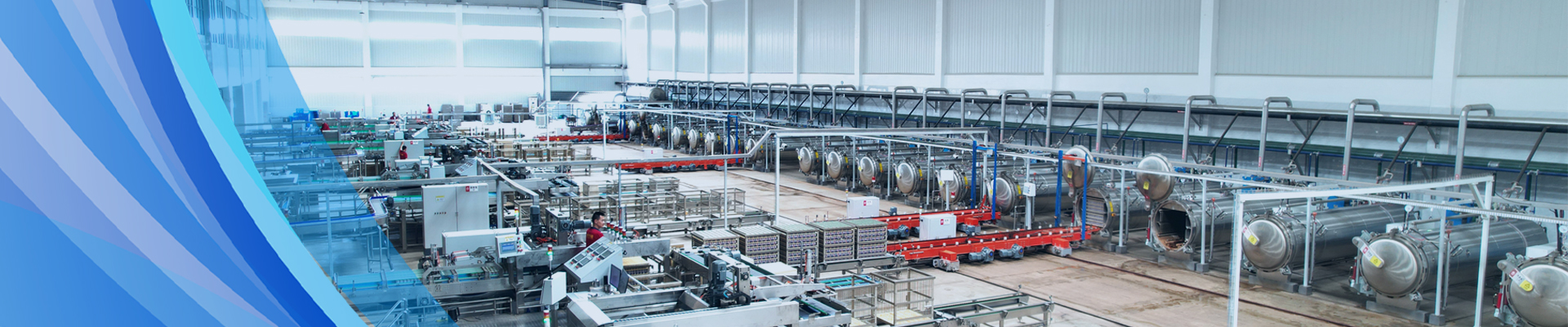

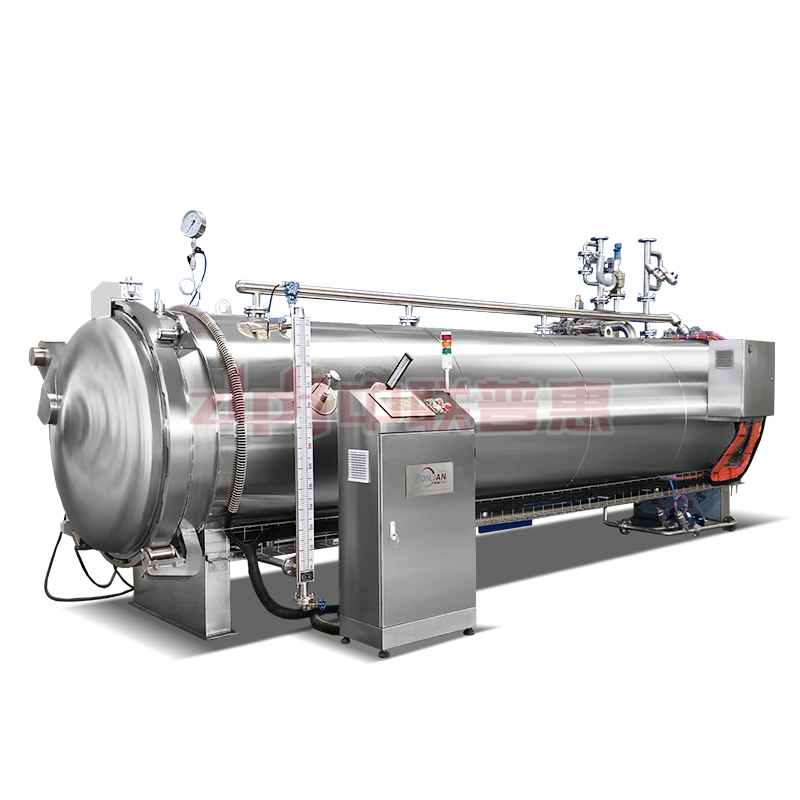
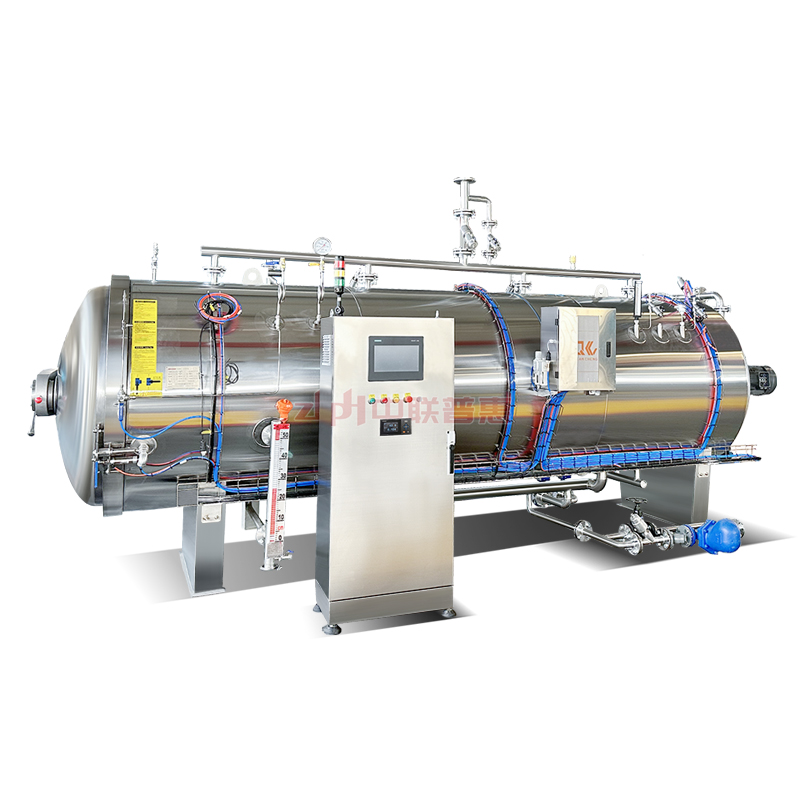
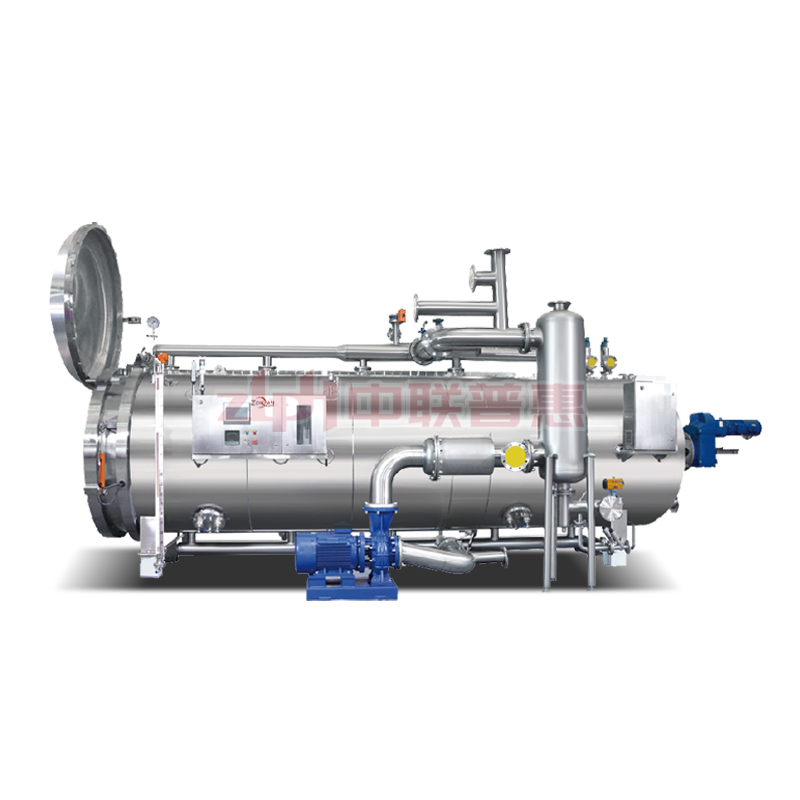
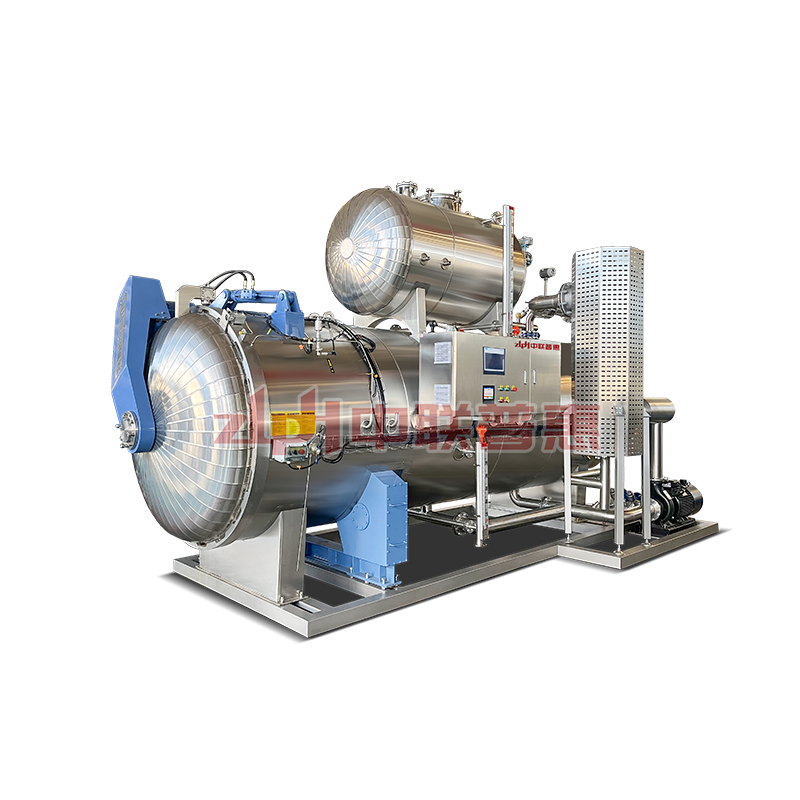
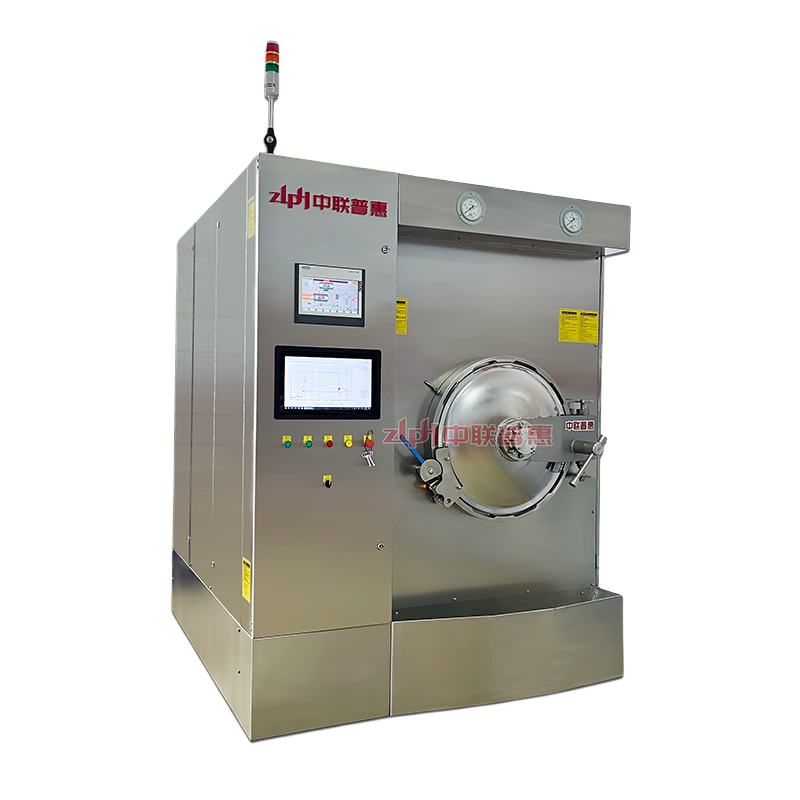
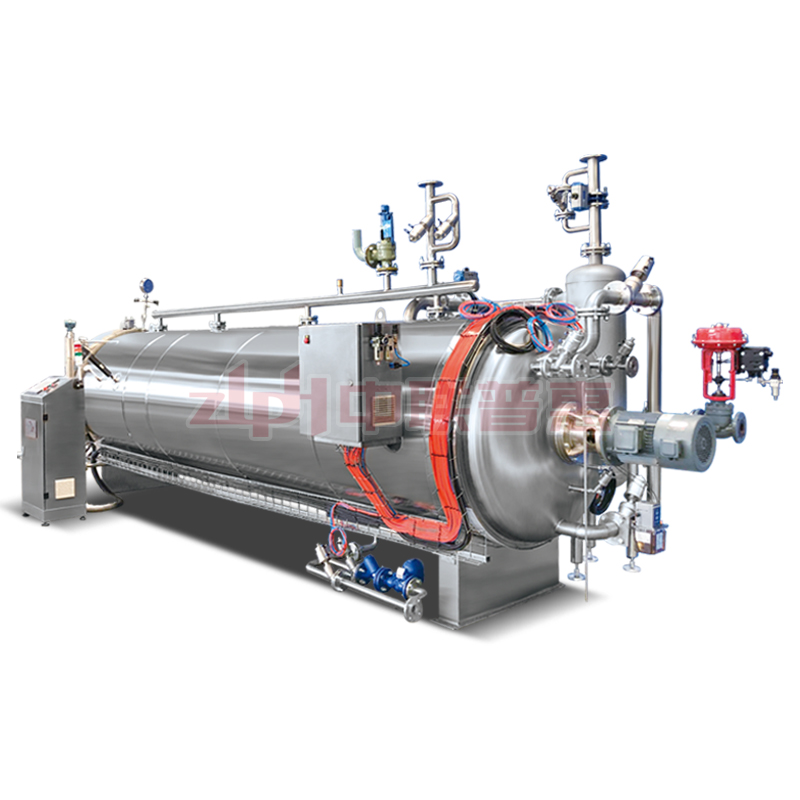
This guide is meticulously compiled by a senior industrial automation engineer with over 12 years of experience at ZLPH MACHINERY TECHNOLOGY CO., LTD., a leading global provider of thermal processing solutions for the food and beverage industry. It addresses a critical challenge faced by food manufacturers, plant engineers, and procurement teams worldwide: inconsistent or inefficient sterilization during retort processing, which compromises product safety, shelf life, and regulatory compliance. This issue primarily stems from three root causes: inadequate temperature uniformity inside the retort chamber, improper loading/unloading practices that disrupt thermal distribution, and selection of autoclaves not engineered for specific product formats (e.g., pouches, cans, glass jars). Drawing on more than a decade of field validation and deployment across 5,000+ global installations, we present a proven, step-by-step methodology to eliminate sterilization failures, ensure F0 consistency, and maximize throughput. In this guide, we dissect the underlying mechanisms of common sterilization inefficiencies, deliver scenario-specific corrective actions, share real-world validation data, and outline industry best practices to help you achieve reliable, compliant, and scalable thermal processing.

How to Ensure Uniform Temperature Distribution in Large-Scale Retort Batches?
1. Scenario & Pain Point
In high-volume canned vegetable or ready-meal production lines, operators often observe inconsistent lethality values (F0) across the same batch—some units fail microbial kill targets while others suffer overcooking. Thermal mapping reveals hot and cold spots exceeding ±2°C deviation, violating FDA and EU thermal processing guidelines. This inconsistency leads to product recalls, wasted batches, and failed audits.

2. Root Cause Analysis
The primary causes are: (a) poor steam circulation design in legacy retorts, causing stagnant zones; (b) uneven product loading density that blocks steam flow; and (c) lack of real-time temperature monitoring at multiple basket locations. Without precise control over thermal dynamics, achieving validated sterilization becomes unreliable.

3. Step-by-Step Solution
Immediate Mitigation: Reorganize loading patterns using standardized retort trays with optimized spacing; install temporary data loggers at cold-spot locations for batch verification.
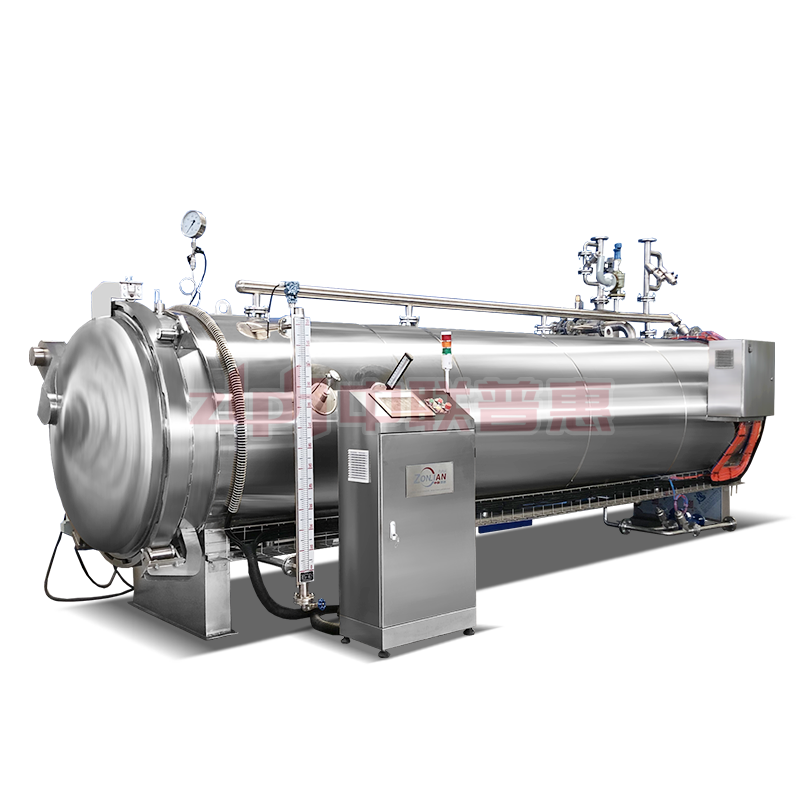
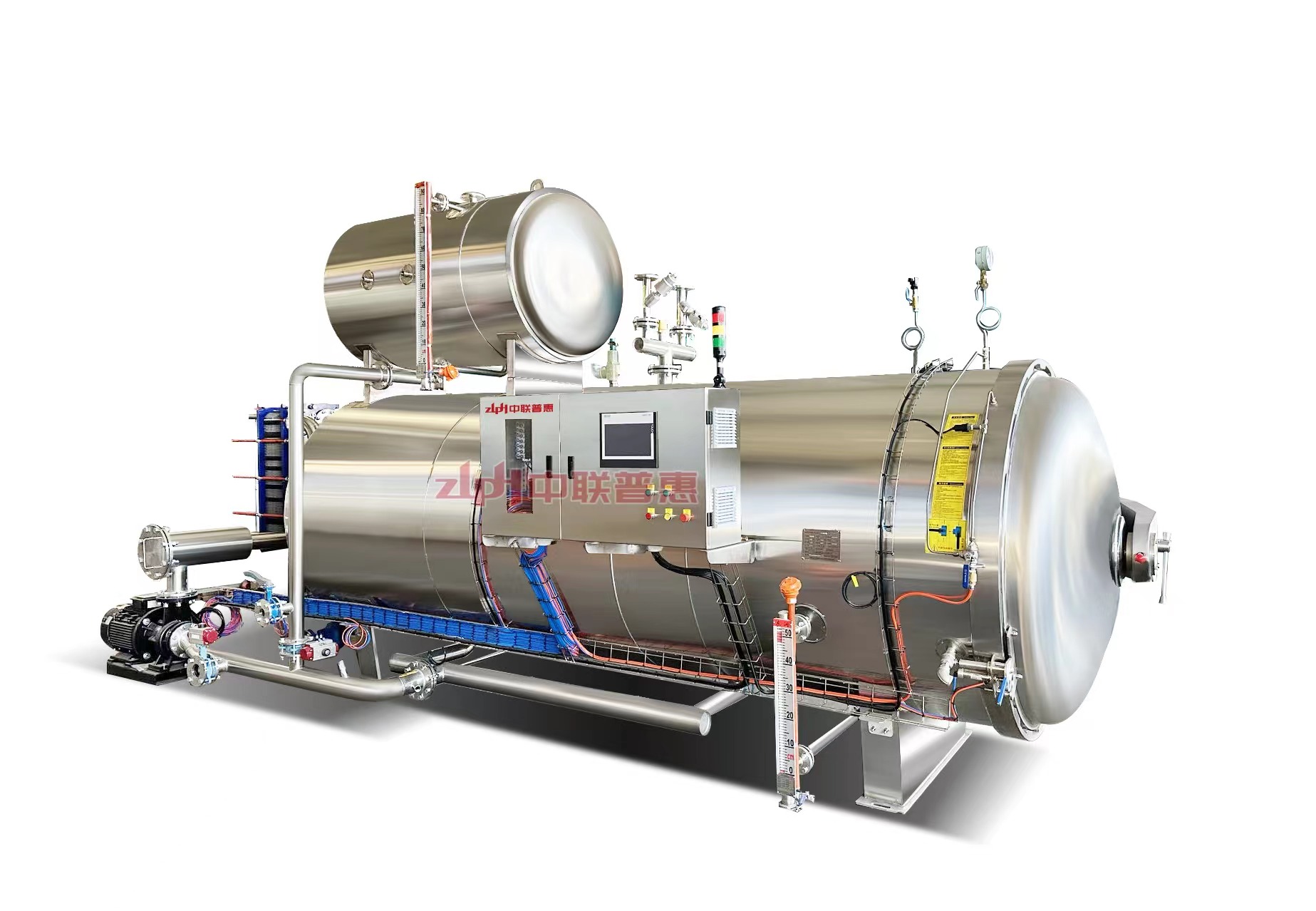
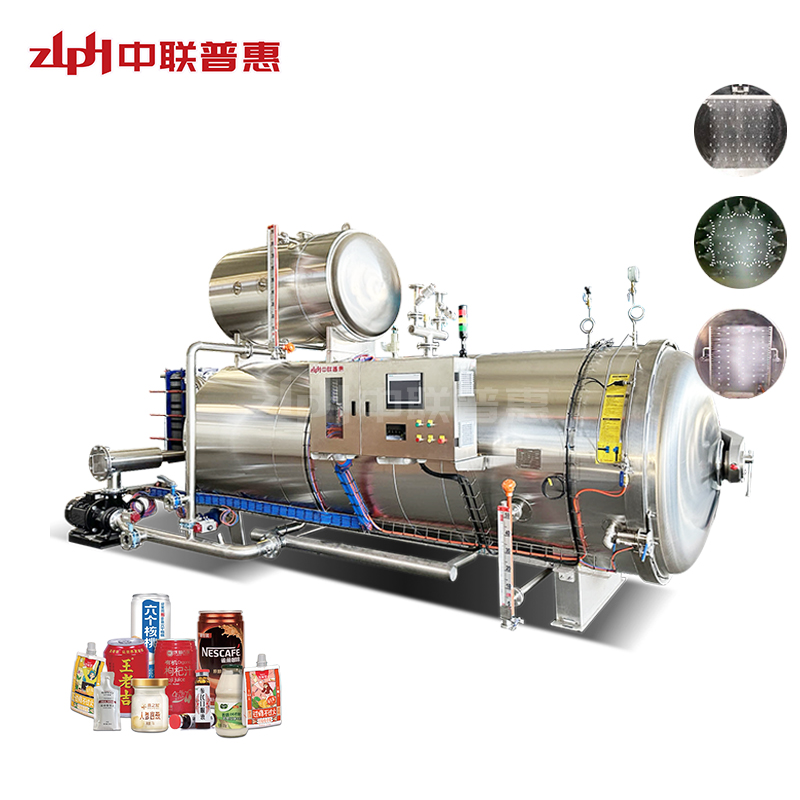
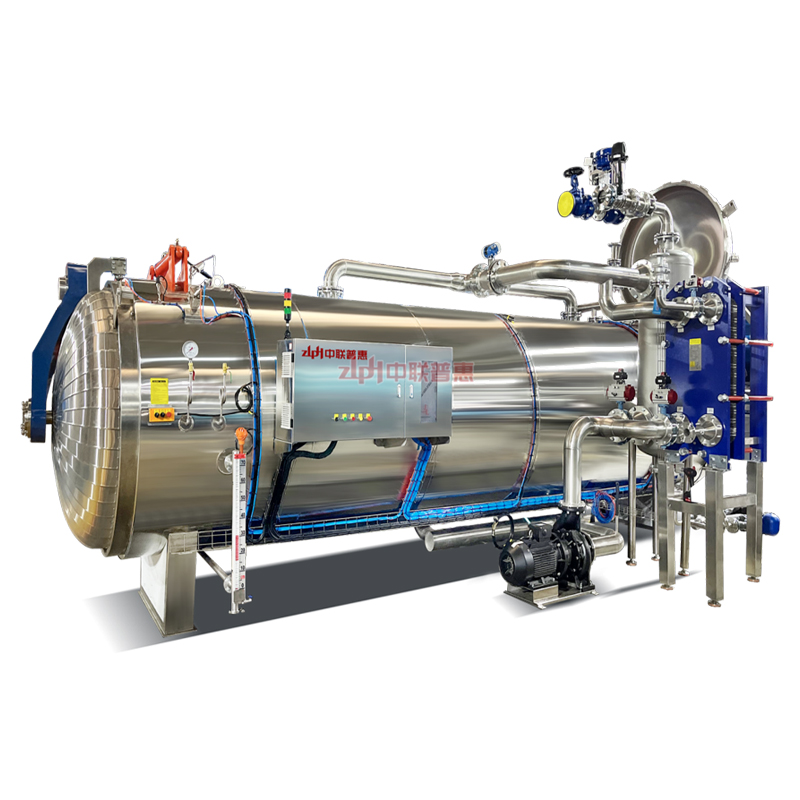
Long-Term Fix: Deploy advanced rotary or static retorts equipped with multi-zone steam injection and forced convection systems. ZLPH’s sterilization retorts integrate PID-controlled steam valves and dual-circulation pumps to maintain chamber uniformity within ±0.5°C.
Process Optimization: Conduct ASME-certified thermal mapping during validation; implement automated F0 tracking per container via wireless sensors linked to the central control system.

4. Troubleshooting & Prevention Guide
Verify basket alignment and avoid overpacking; inspect steam diffusers for clogging monthly; never skip pre-cycle air removal (critical for steam penetration). During procurement, demand third-party thermal validation reports—not just manufacturer claims.
5. Real-World Validation
At a Southeast Asian ready-to-eat meal facility, replacing an outdated horizontal retort with ZLPH’s forced-convection model reduced F0 variance from ±3.2 to ±0.4 minutes across 1,200-unit batches. Product rejection rates dropped by 92%, and audit pass rates reached 100% for three consecutive years.
How to Automate Loading/Unloading to Reduce Human Error and Cycle Time?
1. Scenario & Pain Point
Manual handling of heavy retort baskets in meat canning plants causes ergonomic injuries, inconsistent basket placement, and 15–20 minute delays per cycle. Misaligned baskets obstruct steam nozzles, creating cold zones and extending sterilization time unnecessarily.
2. Root Cause Analysis
Reliance on manual labor introduces variability in basket positioning and timing. Traditional retort systems lack integration with material handling automation, forcing operators to work in high-heat, high-moisture environments.
3. Step-by-Step Solution
Integrate a servo-driven retort trays loader/unloader system that precisely positions baskets via PLC control. ZLPH’s automated system reduces loading time to under 3 minutes and ensures repeatable alignment within ±2mm tolerance.
Synchronize with upstream filling and downstream cooling conveyors for seamless line integration. Include safety interlocks to prevent operation during door opening.
4. Troubleshooting & Prevention Guide
Calibrate robotic arms quarterly; use stainless-steel guide rails resistant to steam corrosion; train staff only on emergency override procedures—not routine operation.
5. Real-World Validation
A European pet food manufacturer implemented ZLPH’s automated loader/unloader at the Qingdao exhibition demo site. Cycle time decreased by 22%, labor costs fell by 35%, and thermal uniformity improved by 40% due to perfect basket repeatability.
What Certifications Are Required for Retort Autoclaves Exported to the EU and USA?
1. Scenario & Pain Point
Exporters face shipment rejections when retorts lack CE marking (for EU) or fail to comply with FDA 21 CFR Part 113 requirements (for USA), despite functioning correctly.
2. Root Cause Analysis
Many suppliers omit pressure equipment directives (PED 2014/68/EU) or fail to provide documented thermal process validation—a mandatory requirement under both jurisdictions.
3. Step-by-Step Solution
Ensure your retort carries: CE certification including PED compliance, ISO 9001 quality management, and third-party validation reports aligned with FDA guidelines. ZLPH units include full documentation packages for global regulatory submissions.
4. Troubleshooting & Prevention Guide
Never accept “CE self-declaration” without notified body involvement for Category II+ pressure equipment. Demand full traceability of weld certifications and material test reports (MTRs).
5. Real-World Validation
ZLPH retorts have cleared customs in Germany, Brazil, and California without delays, thanks to pre-certified compliance packages reviewed by TÜV and SGS.
Industry Best Practices for Reliable Retort Operations
Based on 12+ years of global deployments, we recommend this 5-step framework to prevent 90% of sterilization failures:
1. Define Worst-Case Conditions
Design validation around your most challenging product (e.g., dense stew in wide-mouth jars), not average items.
2. Standardize Loading Protocols
Use color-coded trays and digital work instructions to eliminate operator discretion.
3. Validate Thermally Before Production
Conduct full thermal mapping per ASME PTC 19.1—even for “identical” retorts.
4. Monitor in Real Time
Deploy wireless F0 trackers in every production batch for continuous verification.
5. Maintain Preventively
Schedule monthly checks on steam traps, pressure transducers, and door seals—corrosion is the #1 cause of long-term drift.
Common Scenario-Based FAQs
Q: Can I use a general-purpose autoclave for low-acid canned foods (LACF)?
A: No. LACF requires validated retorts meeting FDA 21 CFR 113 with precise F0 control. General lab autoclaves lack thermal uniformity and regulatory documentation.
Q: How often should I recalibrate my retort’s temperature sensors?
A: Every 6 months minimum, or after 500 cycles—whichever comes first. Use NIST-traceable standards.
Q: Does basket material affect sterilization efficiency?
A: Yes. Perforated stainless-steel trays with ≥60% open area ensure optimal steam penetration. Solid or plastic trays create cold zones.
Q: Can retorts process both glass jars and metal cans in the same batch?
A: Not recommended. Different heat transfer rates require separate thermal validations. Mixing risks under-processing one format.
Q: What’s the minimum factory size needed for a commercial retort line?
A: ZLPH’s compact models fit in facilities as small as 150 m². Our Qingdao factory spans 15,000 m² of workshop space on a 50-acre campus, ensuring scalable manufacturing capacity.
Our Proven Expertise & Support
ZLPH MACHINERY TECHNOLOGY CO., LTD. is a globally recognized manufacturer of sterilization retort systems, with over 12 years of R&D and field deployment experience. Our 50+ engineer team holds multiple patents in thermal processing automation and has delivered solutions to 5,000+ clients across 60+ countries. Our products comply with CE, ISO 9001, and ASME standards, and have been validated in meat, seafood, dairy, and ready-meal applications under extreme conditions—from tropical humidity to sub-zero ambient storage. We partner with Fortune 500 food brands and are trusted for reliability, precision, and post-sale support.
We offer customized support including: on-site thermal process assessment, custom retort design for unique packaging, installation & commissioning assistance, and free sample testing with performance guarantees.
Contact Us
Company: ZLPH MACHINERY TECHNOLOGY CO., LTD.
Website: https://www.zlphretort.com/
Email: sales@zlphretort.com
Phone / WhatsApp: +86 15666798389 / +86 13361554016
