
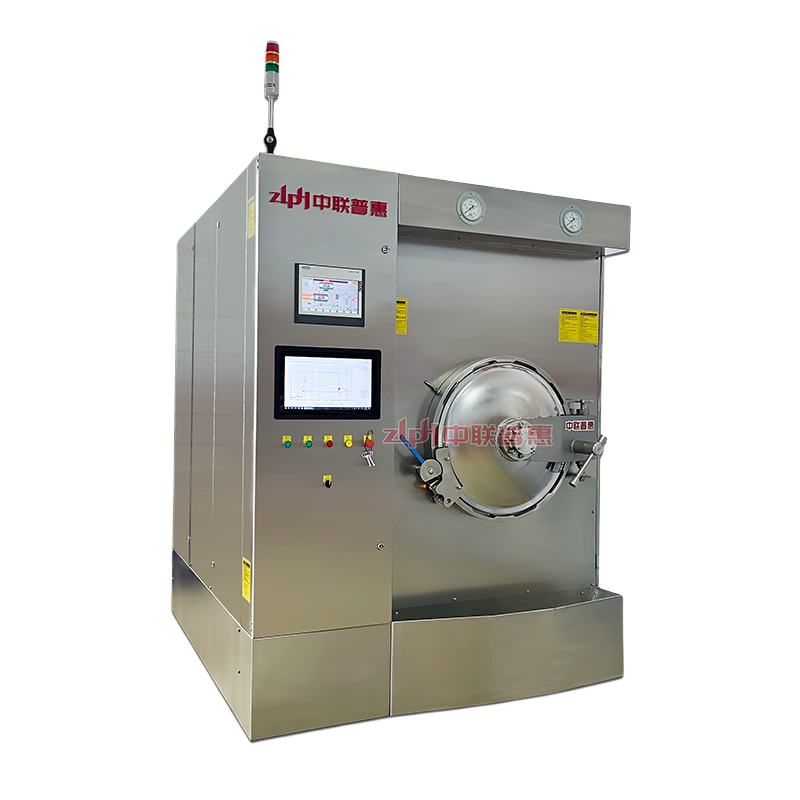
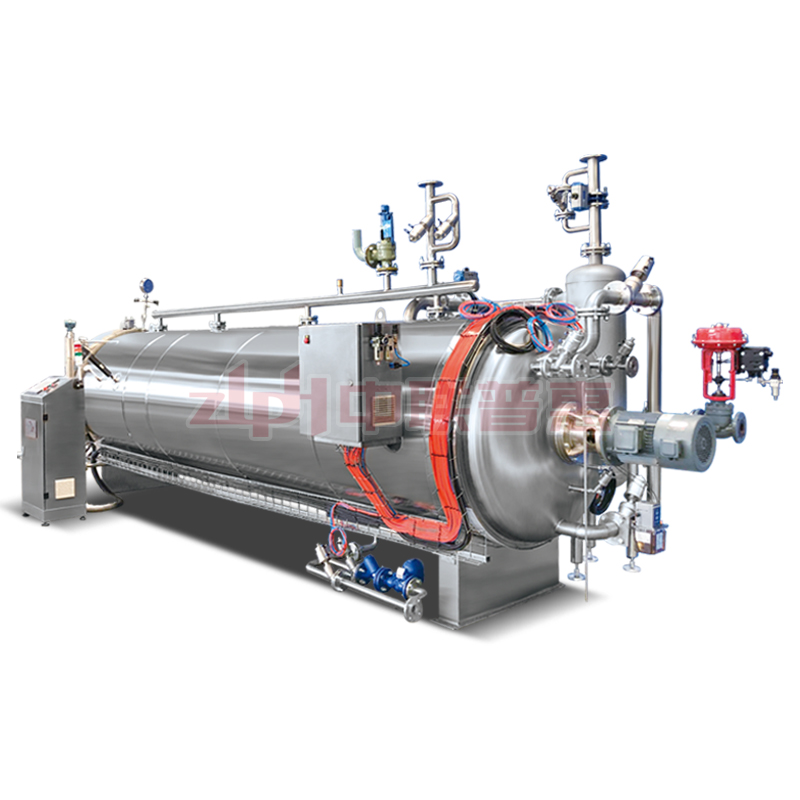
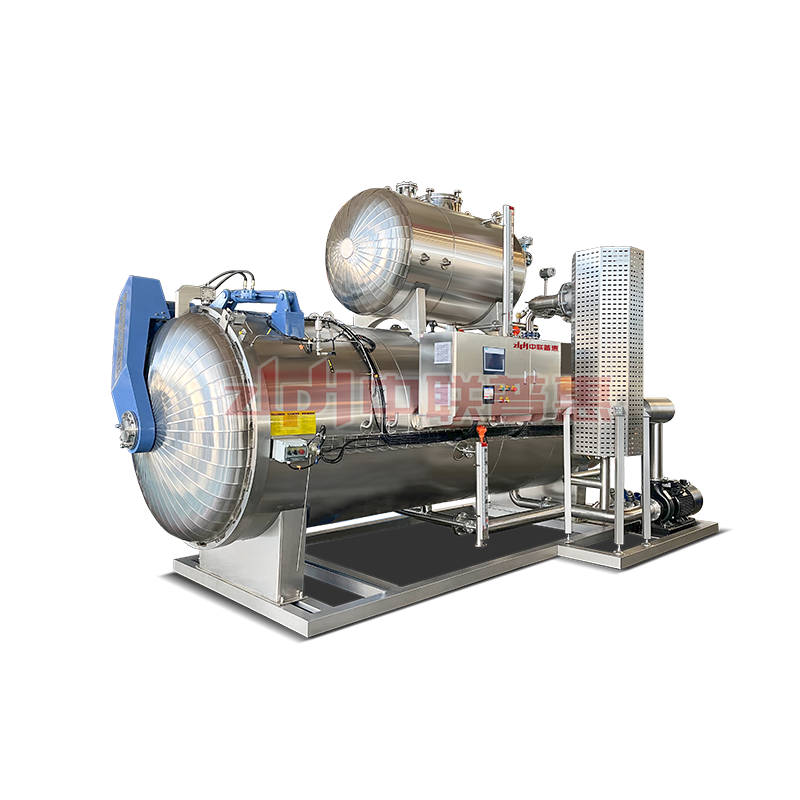
The Complete Guide to Retort Autoclaves: Operation, Applications & Best Practices
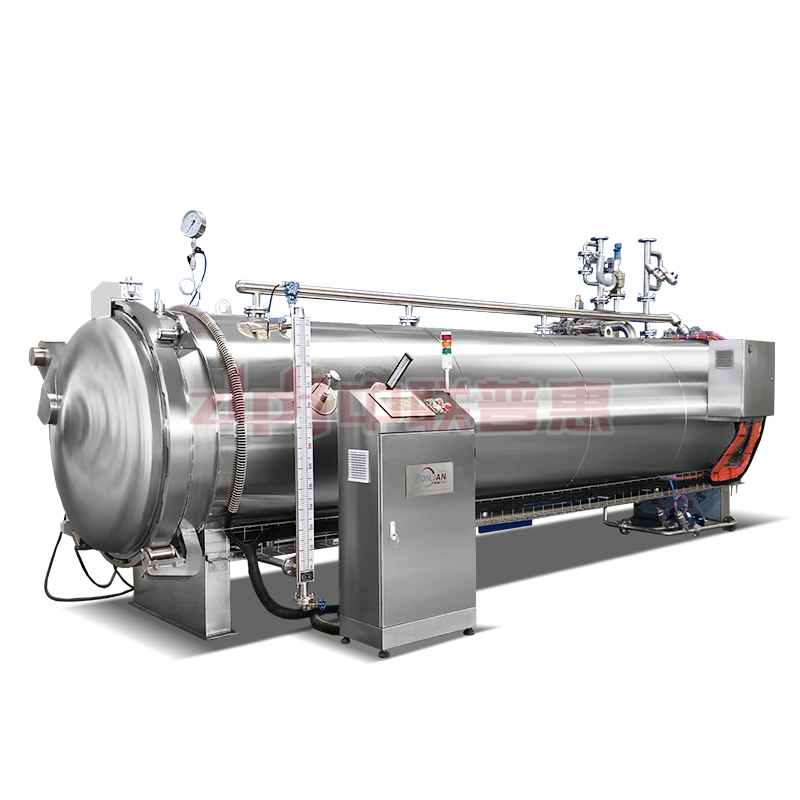
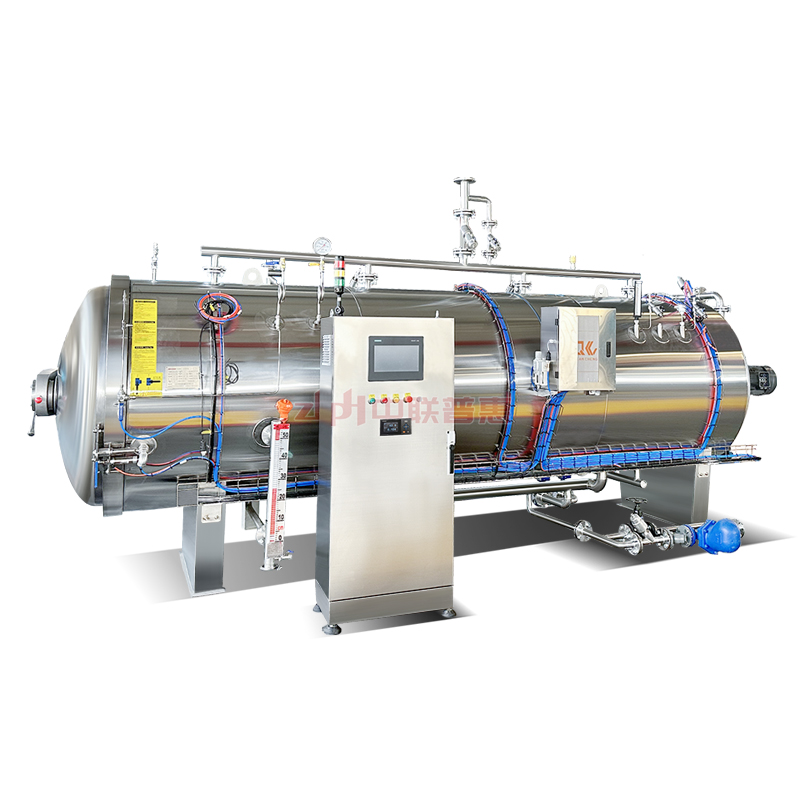
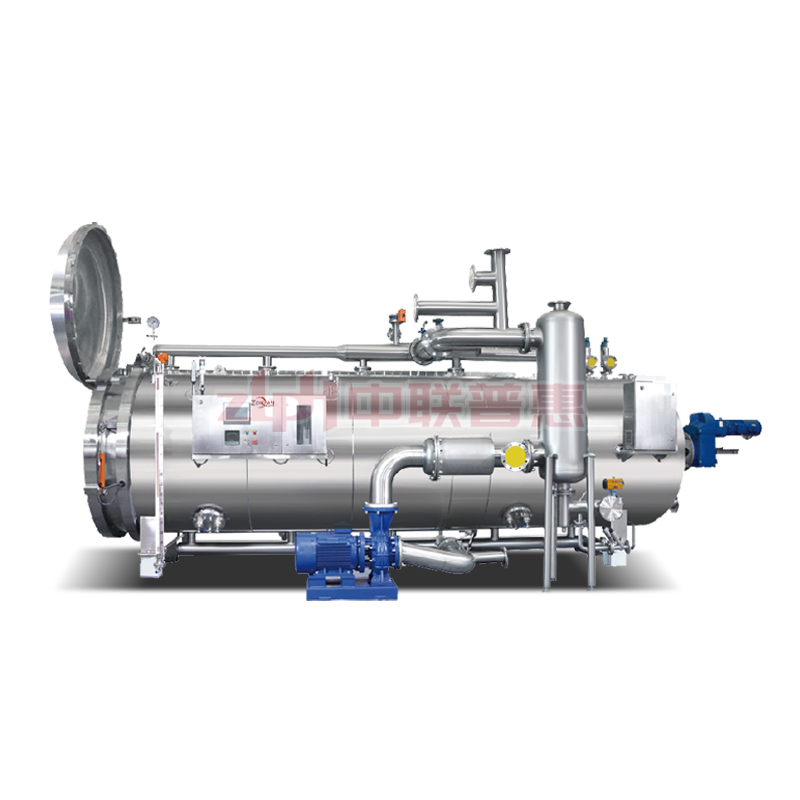
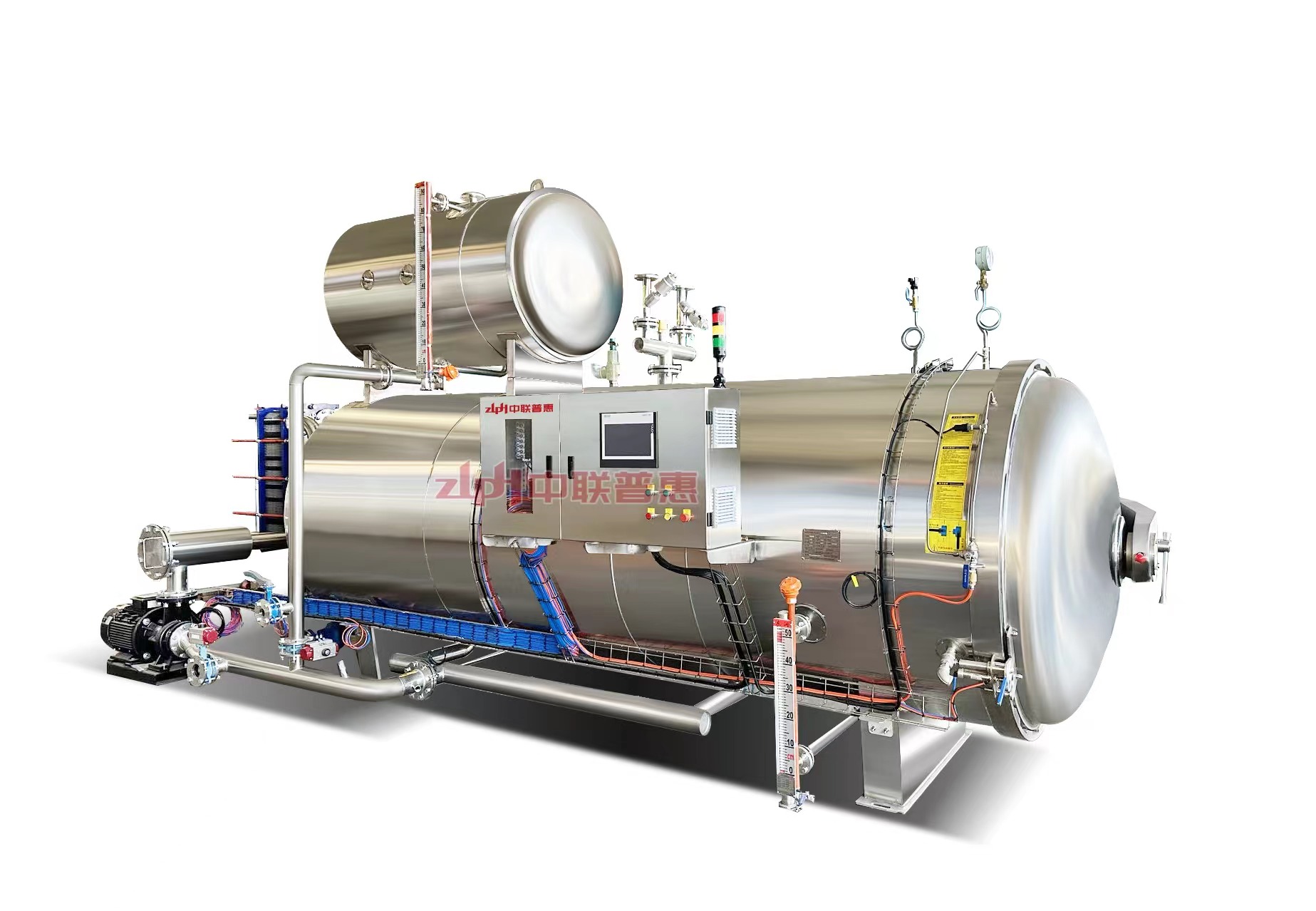
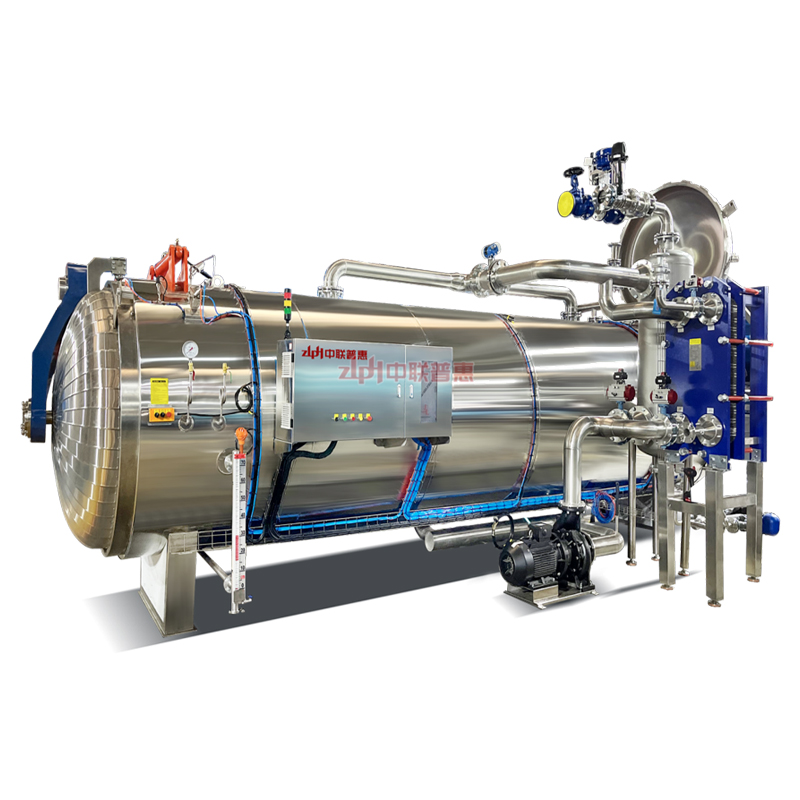
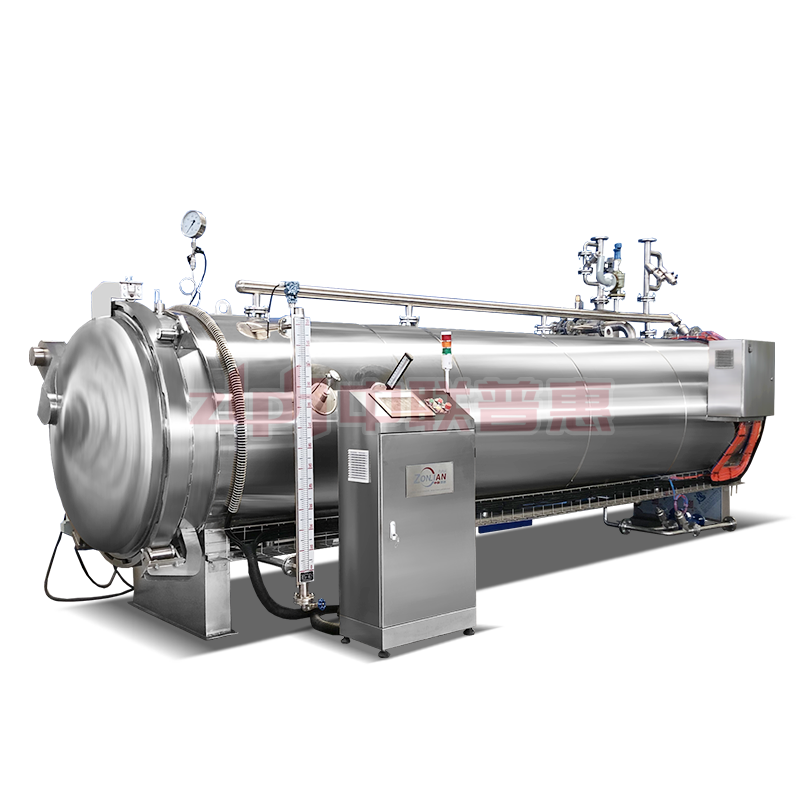
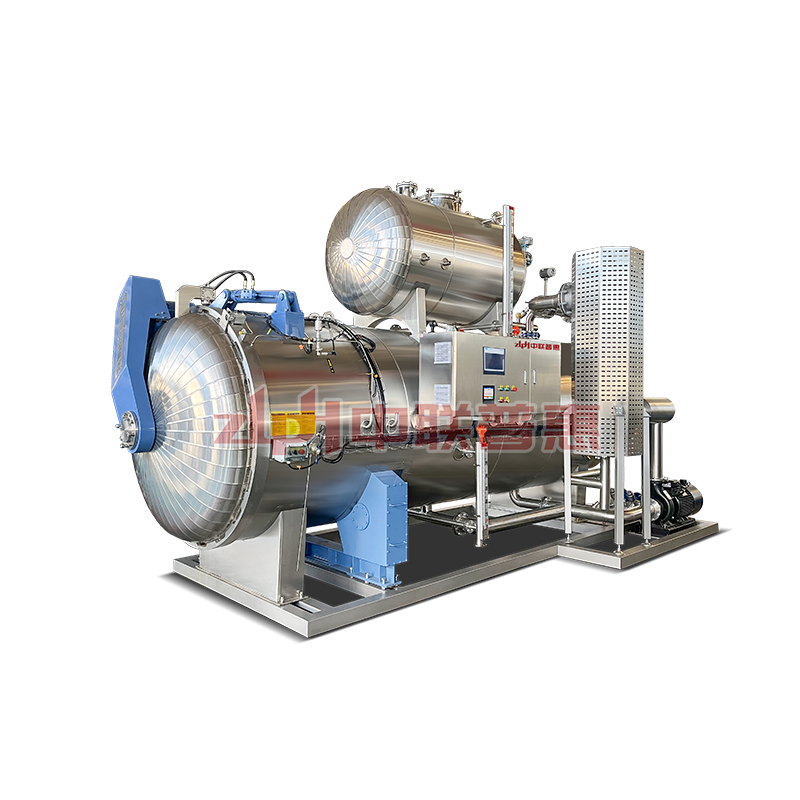
As a core equipment in the modern food processing industry, the retort autoclave effectively kills microorganisms through high-temperature and high-pressure environments, playing an irreplaceable role in extending food shelf life and ensuring food safety. Mastering the correct usage methods and understanding the applicable product range for this essential food retort machine are crucial for food production enterprises seeking to optimize their thermal processing operations. The modern retort packaging machine represents a sophisticated evolution of traditional sterilization methods, incorporating advanced control systems and safety features that make commercial sterilization more reliable than ever before.
Before initiating any sterilization cycle, comprehensive equipment inspection represents the first critical step in proper retort autoclave operation. Technicians must verify that all pressure gauges, temperature sensors, and safety valves remain within their valid calibration periods, while simultaneously ensuring that sealing gaskets show no signs of wear or damage. When loading products into the retort machine, operators should arrange items neatly within sterilization baskets, maintaining recommended inter-product spacing of 2-3 centimeters to ensure optimal thermal penetration throughout the entire batch. The development of modern food retort machine designs has incorporated visual loading guides and automated spacing systems that help maintain consistent product arrangement from batch to batch. After proper loading, securing the sterilization vessel represents the final preparatory step—the door of the retort canning machine must be firmly closed with confirmation that all locking mechanisms engage properly to maintain pressure integrity throughout the sterilization cycle.
2.2 Parameter Configuration Methodology
Setting appropriate sterilization parameters represents the most critical technical aspect of retort autoclave operation. Processing formulas must be carefully tailored to specific product characteristics—for instance, canned meat products typically require protocols such as "15-30-15" at 121°C (representing heating, holding, and cooling phases respectively). Contemporary retort machine systems, including advanced models like the Dingtai Sheng fully automated unit, allow presetting of multiple program configurations that can be easily recalled during operation, ensuring consistent application of validated processes for each product type. This programmability represents a significant advancement in food retort machine technology, reducing operator error while maintaining precise adherence to scientifically validated sterilization protocols. The sophisticated retort canning machine interface allows quality managers to establish customized thermal processing profiles for diverse product lines, with the system automatically adjusting pressure and temperature parameters throughout each phase of the sterilization cycle.
2.3 Heating Phase Execution
Initiation of the heating phase in a modern retort autoclave typically involves activating the system via control panel interface, with many contemporary units featuring simple "Run" command initiation. During this phase, the retort machine automatically fills the heating chamber with processing media (water or steam) while progressively elevating temperature toward the predetermined setpoint. The intelligent food retort machine monitors temperature ascent rates, automatically adjusting heat input to prevent overshooting while ensuring timely achievement of target conditions. This phase represents the first critical transition in the retort canning machine cycle, during which proper heat distribution must be established throughout the entire product load. Advanced retort packaging machine designs incorporate multi-zone heating elements and strategically positioned temperature sensors that provide real-time feedback to the control system, enabling precise modulation of thermal input during this critical phase.
2.4 Constant Temperature Sterilization Maintenance
Upon reaching target temperature, the retort autoclave enters the constant-temperature sterilization phase, during which pressure typically stabilizes automatically within the 0.12-0.15 MPa range. Throughout this critical period, operators must continuously monitor temperature fluctuations, ensuring deviations never exceed the critical threshold of ±0.5°C. Modern retort machine systems incorporate sophisticated data logging capabilities that automatically record temperature-time curves throughout the entire sterilization process, providing essential documentation for quality traceability and regulatory compliance. The advanced food retort machine represents a significant improvement over earlier generations of equipment, featuring automated compensation systems that immediately adjust heating inputs when temperature deviations are detected. During this sterilization maintenance phase, the retort canning machine must maintain both temperature and pressure within exceptionally narrow tolerances to ensure consistent microbial inactivation while preserving product quality attributes. The precision engineering of contemporary retort packaging machine designs enables this delicate balance through sophisticated control algorithms that continuously analyze multiple sensor inputs and modulate system parameters accordingly.
2.5 Pressure Reduction and Cooling Implementation
Following completion of the sterilization holding period, the retort autoclave initiates controlled cooling through specialized pressure reduction methodologies. Modern systems typically employ reverse-pressure cooling technology: introducing cold water into the sterilization chamber while simultaneously injecting compressed air to maintain balanced pressure differentials, thereby preventing container distortion or rupture caused by sudden internal-external pressure imbalances. The sophisticated retort machine carefully manages this critical transition phase, gradually reducing temperature while maintaining pressure equilibrium throughout the cooling process. The advanced food retort machine incorporates multiple cooling rate options that can be customized according to specific product characteristics and packaging materials. Only when product core temperatures decrease below 40°C can items be safely unloaded from the retort canning machine, a parameter continuously monitored through strategically positioned temperature probes within representative sample containers. The entire cooling sequence in a modern retort packaging machine represents a carefully engineered process designed to preserve container integrity while rapidly reducing product temperature to levels suitable for subsequent handling and labeling operations.
3. Comprehensive Product Applications for Retort Technology
3.1 Traditional Canned Food Processing
Canned meat, poultry, and seafood products represent the most traditional and extensive application area for retort autoclave technology. Products such as canned braised pork belly and tuna require rigorous sterilization at 121°C for durations exceeding 50 minutes to ensure complete inactivation of heat-resistant bacterial spores. The modern retort machine provides precisely controlled environments that maintain these stringent conditions consistently throughout large production batches. Due to their naturally high acidity, canned fruits and vegetables can undergo milder sterilization protocols at 105-115°C, a flexibility enabled by advanced food retort machine programming capabilities. The development of specialized retort canning machine configurations for acidic products has enabled processors to optimize thermal treatment specifically for these more heat-sensitive commodities, minimizing quality degradation while ensuring safety. Contemporary retort packaging machine systems for canned goods incorporate specialized basket designs that accommodate various can sizes and shapes while ensuring uniform heat penetration regardless of container geometry.
3.2 Flexible Packaging Applications
The rapidly expanding category of retortable flexible packaging—including products like high-temperature-resistant packaged soy sauce-braised beef, seasoned eggs, and ready-to-eat meals—has driven significant innovation in retort autoclave design. Processing these products requires particular attention to packaging material specifications, which must demonstrate validated high-temperature resistance and seal integrity verified through rigorous testing protocols. When sterilizing flexible packages in a retort machine, specialized tray systems should be employed to prevent stacking-related pressure points that could compromise pouch integrity during processing. The advanced food retort machine configurations for flexible packaging incorporate specialized racking systems that provide uniform support while allowing complete media circulation around each individual pouch. Modern retort canning machine designs for flexible packaging have evolved to address the unique challenges posed by these materials, including specialized pressure control systems that prevent pouch expansion during processing while maintaining precise temperature uniformity. The sophisticated retort packaging machine represents a complete system solution for flexible packaging sterilization, incorporating specialized loading configurations, customized process protocols, and gentle handling mechanisms that preserve pouch integrity throughout the thermal processing cycle.
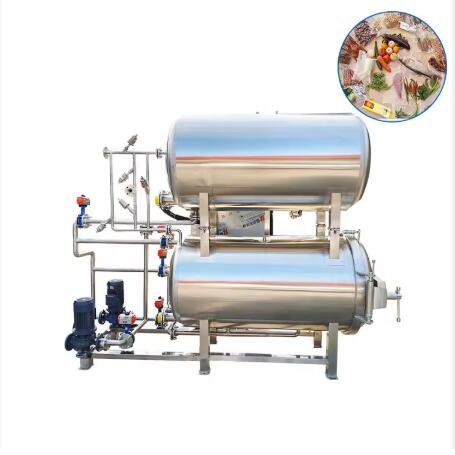
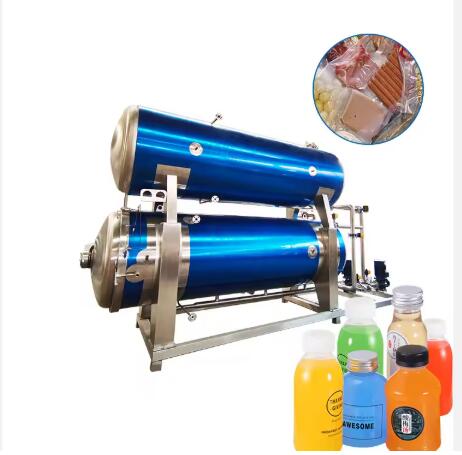
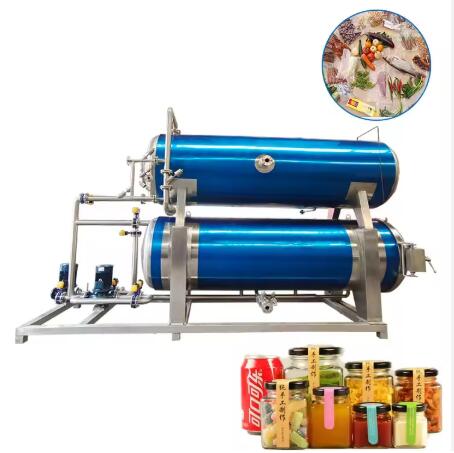
3.3 Dairy, Beverage, and Specialty Product Sterilization
Plant-based protein beverages (such as neutral pH soy milk and walnut milk), dairy drinks, and certain children's nutritional products represent increasingly important applications for retort autoclave technology. These products can achieve commercial sterility through precisely controlled retort processing, enabling ambient temperature shelf stability for 6-12 months without refrigeration. The modern retort machine provides the precise temperature control necessary to preserve delicate flavor profiles and nutritional components while ensuring complete microbial safety. Specialized food retort machine configurations for beverage products incorporate gentle agitation systems that promote uniform heat distribution while minimizing particulate settlement during processing. The advanced retort canning machine designs for liquid products feature specialized container restraint systems that prevent excessive movement during processing while ensuring complete medium contact with all container surfaces. Contemporary retort packaging machine systems for beverages represent highly specialized equipment configurations optimized for high-volume processing of liquid products in glass, plastic, or composite containers, incorporating features specifically designed to address the unique thermal transfer characteristics of various packaging formats.
4. Critical Operational Considerations for Retort Systems
4.1 Thermal Distribution Validation Protocols
Before commissioning new equipment, every retort autoclave must undergo comprehensive thermal distribution validation using multi-point temperature monitoring systems with probe recorders positioned throughout the sterilization chamber. This testing identifies potential "cold spots" within the retort machine where heat penetration may be less efficient, enabling process adjustments to ensure all products receive adequate thermal treatment. Regular re-validation of the food retort machine represents an essential component of quality assurance programs, typically conducted annually or following any significant equipment modifications. The sophisticated retort canning machine designs of contemporary systems facilitate this validation through strategically positioned access ports for temperature monitoring equipment and automated data collection systems that streamline the validation process. Modern retort packaging machine manufacturers often provide comprehensive validation support services, including protocol development, equipment installation qualification, and ongoing performance verification to ensure consistent sterilization effectiveness throughout the equipment's operational lifespan.
4.2 Packaging Integrity Assessment
Since inadequate sealing represents the primary cause of post-sterilization contamination, rigorous packaging integrity verification constitutes an essential prerequisite for successful retort autoclave processing. Each production batch should include statistically sampled containers subjected to comprehensive seal testing before undergoing sterilization in the retort machine. The advanced food retort machine incorporates monitoring systems that can detect pressure anomalies potentially indicative of packaging failures during the sterilization cycle itself. Modern retort canning machine designs often include in-process leak detection capabilities that identify compromised containers before they proceed through the complete sterilization cycle, preventing potential cross-contamination incidents. The comprehensive retort packaging machine system approach integrates packaging quality verification directly with thermal processing operations, creating a seamless quality assurance continuum from packaging formation through final sterilization.
4.3 Personnel Qualification Requirements
Operating a retort autoclave requires specialized training and certification, with technicians typically required to hold validated equipment operation credentials demonstrating comprehensive understanding of pressure vessel safety protocols. During active sterilization cycles, retort machine operators must maintain continuous monitoring presence, with strict prohibitions against unattended operation during critical process phases. Contemporary food retort machine designs incorporate comprehensive data recording systems that automatically document operational parameters at predetermined intervals (typically every 30 seconds), creating complete batch records for quality documentation and regulatory compliance. The sophisticated retort canning machine interface provides operators with intuitive visualization of all critical process parameters while incorporating multiple alert systems that immediately notify personnel of any deviation from established protocols. Modern retort packaging machine systems represent the convergence of mechanical engineering and digital control technologies, requiring operators to develop competencies in both traditional thermal processing principles and contemporary automation system management.
4.4 Systematic Maintenance Regimens
Implementing comprehensive maintenance protocols ensures consistent performance and operational safety for retort autoclave systems. Daily procedures should include thorough cleaning of filtration screens and inspection of basic operational parameters, while weekly maintenance typically focuses on verification of water level controllers and safety system functionality. Monthly maintenance regimens for the retort machine generally involve lubrication of moving components and comprehensive inspection of sealing systems, with annual professional evaluation conducted by certified technical specialists. The advanced food retort machine incorporates automated maintenance tracking systems that schedule service activities based on actual operational hours and cycle counts rather than simple calendar intervals. Modern retort canning machine designs facilitate maintenance through modular component configurations and readily accessible service points that minimize equipment downtime during routine servicing. The comprehensive retort packaging machine maintenance approach extends beyond basic mechanical upkeep to include regular calibration of all instrumentation, verification of control system algorithms, and performance testing to ensure continued compliance with originally validated processing parameters.
Integrating Technology with Operational Excellence
Proper utilization of retort autoclave technology requires not only technical proficiency in equipment operation but, more fundamentally, the establishment of comprehensive food safety management systems based on scientific principles and validated processes. Enterprises should develop customized operational manuals specifically tailored to their unique product characteristics and equipment configurations, supplemented by regular process validations and ongoing personnel training programs. The continuing evolution of intelligent retort machine technology—incorporating IoT-enabled remote monitoring capabilities, AI-driven predictive maintenance algorithms, and automated fault detection systems—continuously enhances the controllability, safety, and efficiency of thermal processing operations. The advanced food retort machine represents a cornerstone technology in contemporary food production, enabling the safe, large-scale manufacturing of shelf-stable products while preserving nutritional quality and sensory attributes. As the global demand for convenient, safe, and nutritious food products continues to expand, the sophisticated retort canning machine and its continuous technological advancements will remain essential to meeting these consumer needs while ensuring the highest standards of food safety and quality. The future development of retort packaging machine systems will undoubtedly incorporate even greater levels of automation, precision control, and sustainability features, further solidifying retort technology's central position in the global food processing infrastructure while addressing evolving consumer expectations and regulatory requirements.
