
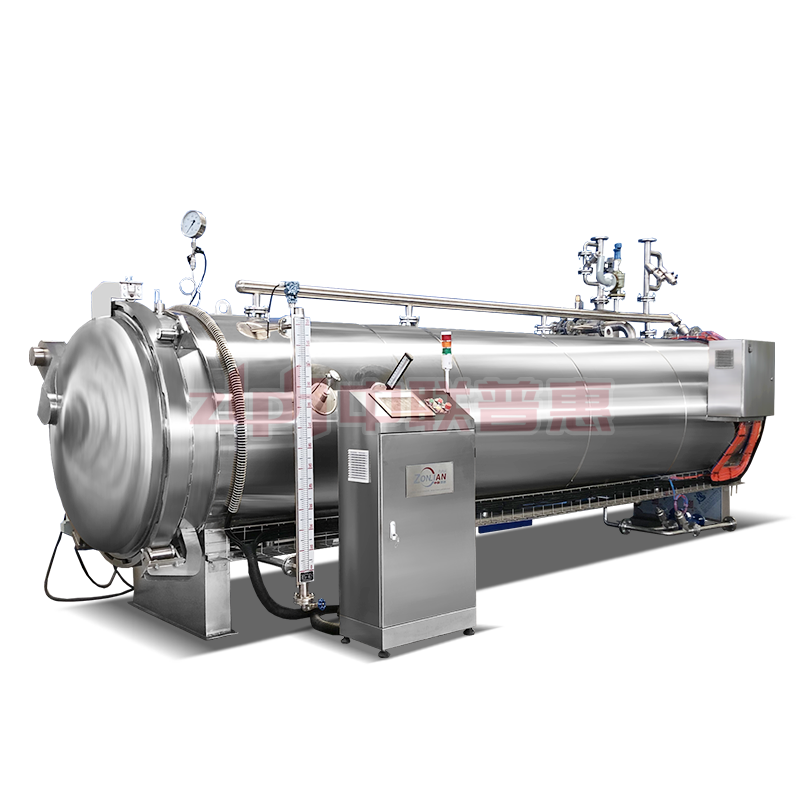
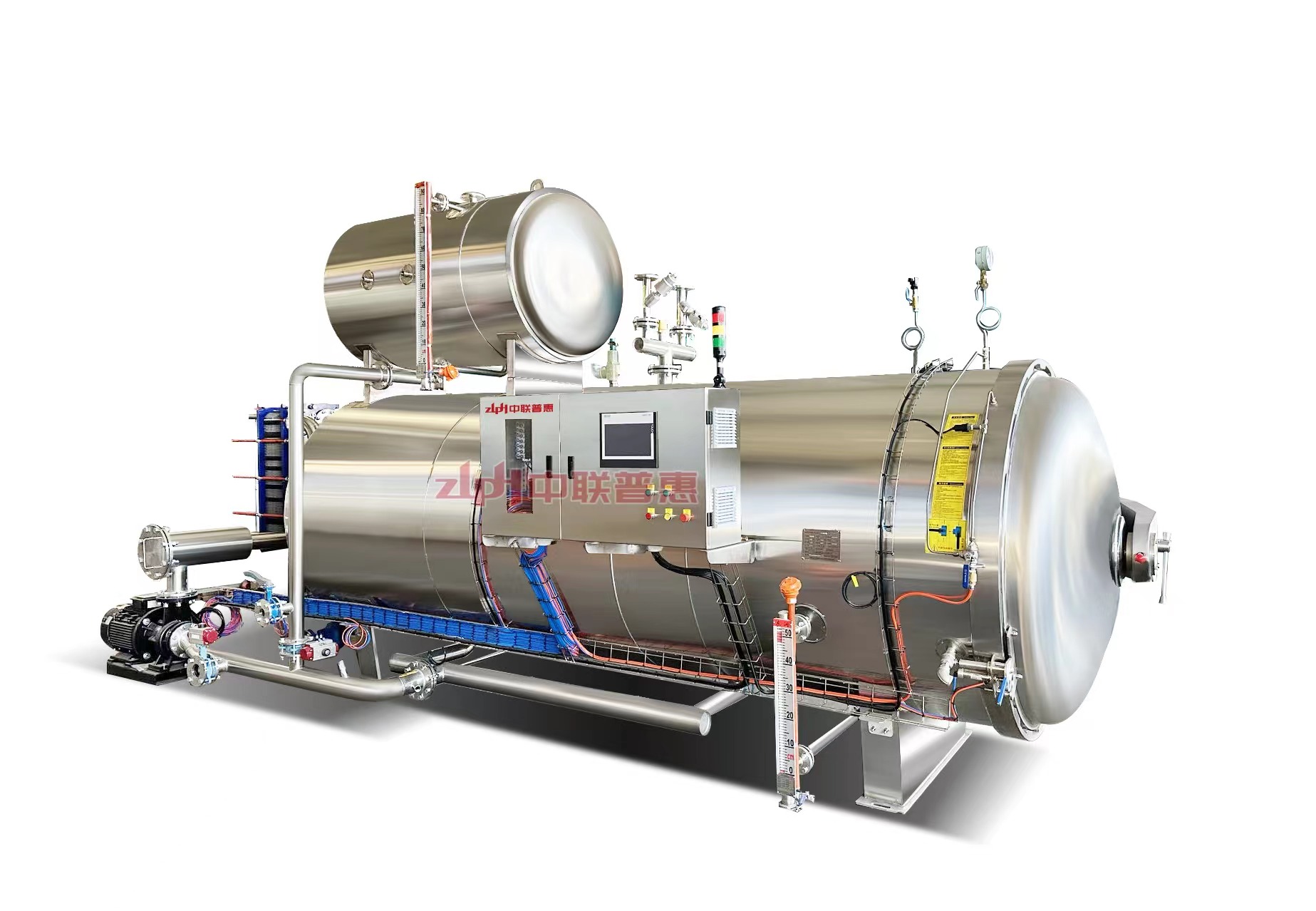
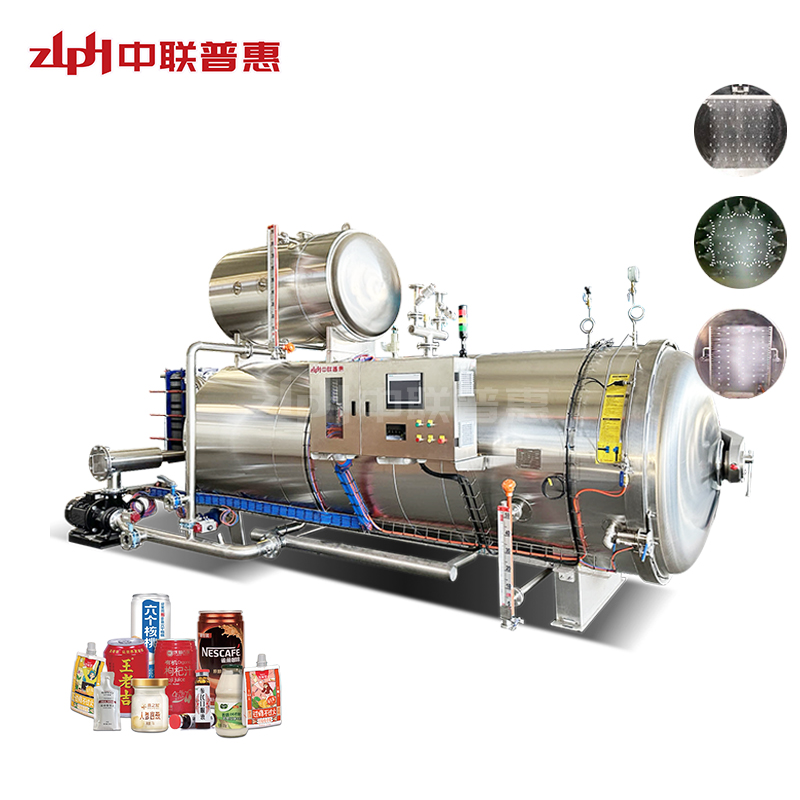
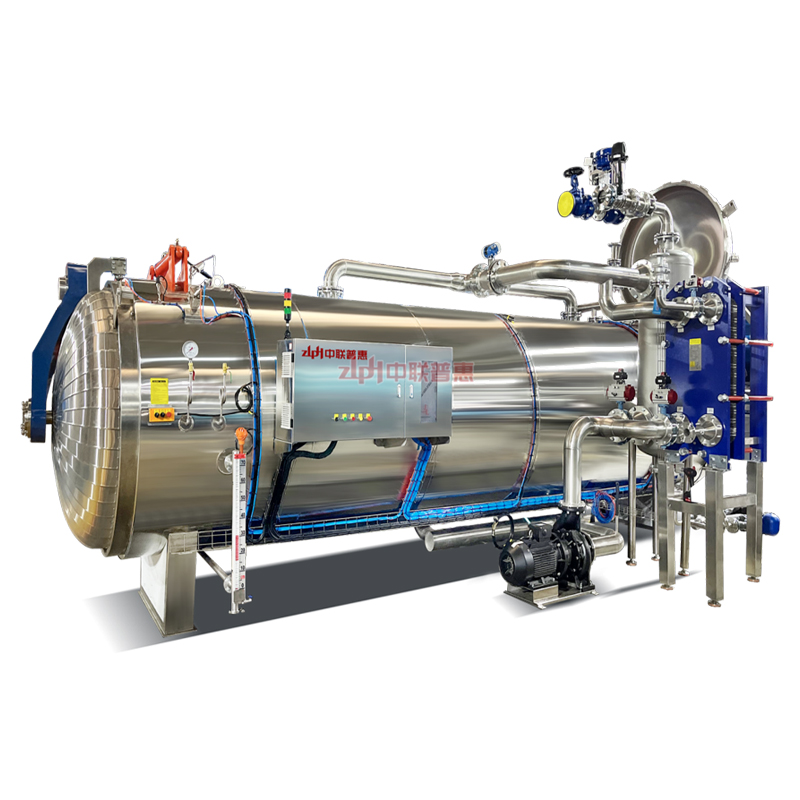
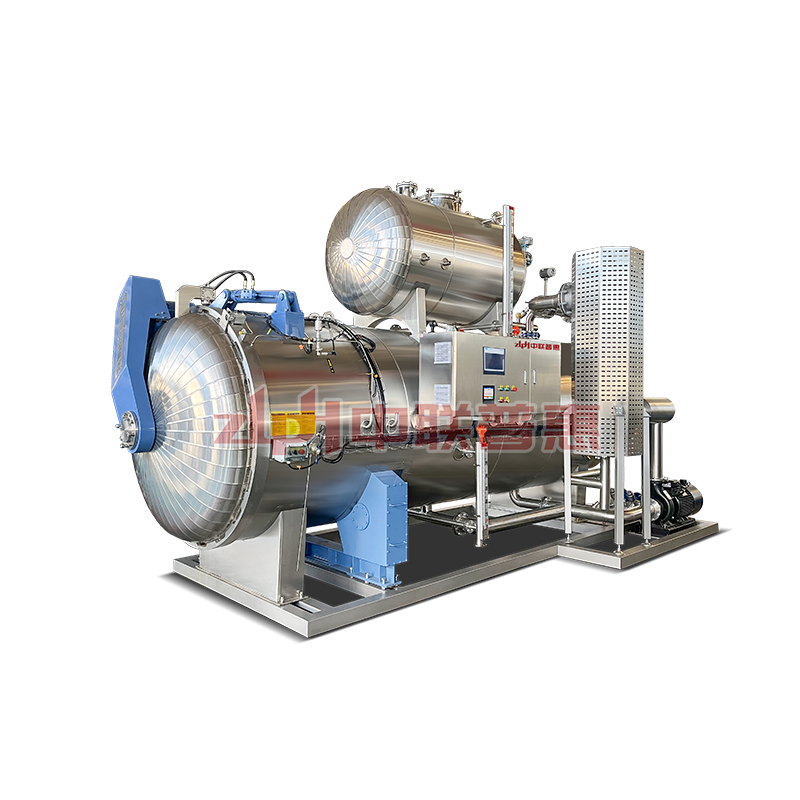
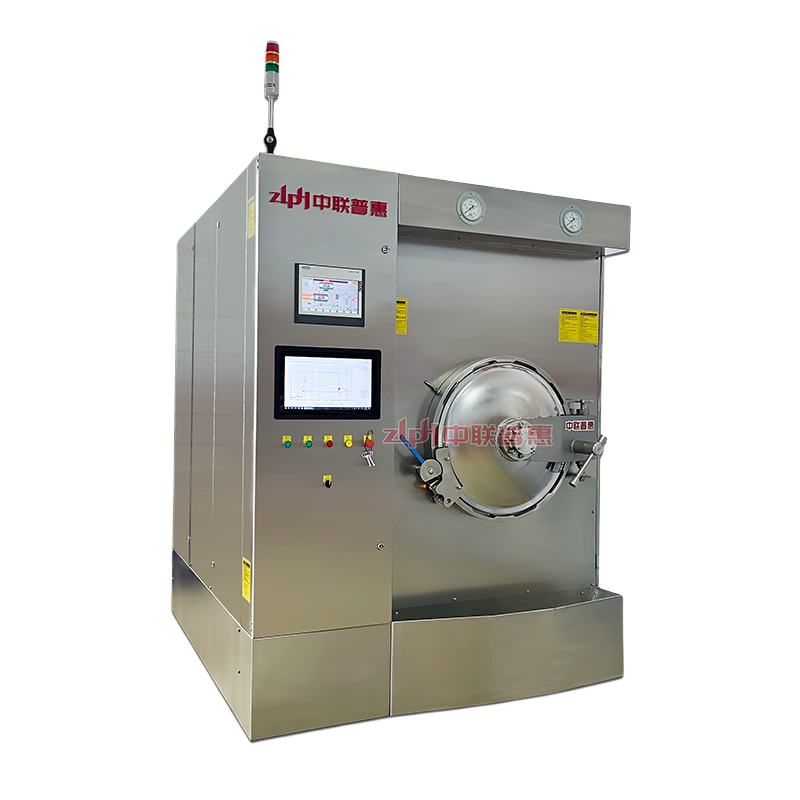
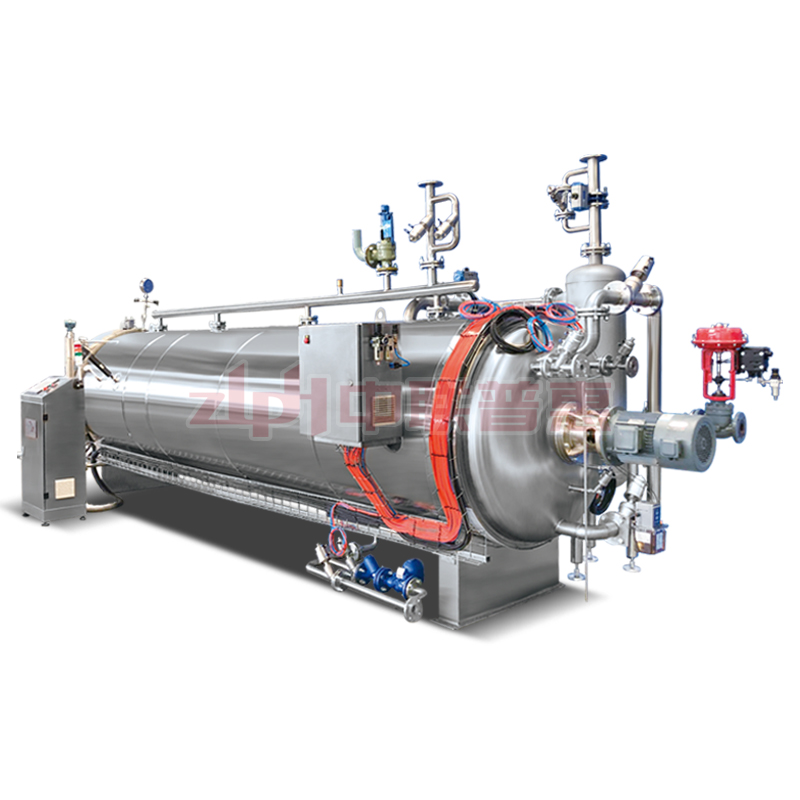
This guide is authored by a senior food processing engineer with over 10 years of experience at ZLPH MACHINERY TECHNOLOGY CO., LTD., a leading Chinese manufacturer specializing in horizontal retort autoclaves and automated sterilization systems. It addresses a critical challenge faced by global food and pet food producers: inconsistent or incomplete sterilization in batch retort processes, which risks product safety, shelf-life stability, and regulatory compliance. This issue commonly stems from uneven heat distribution, poor process control, and suboptimal loading practices. Based on more than 5,000 global installations and rigorous field validation across diverse product formats—from canned vegetables to pet food bowls—ZLPH has developed a proven, step-by-step methodology to ensure uniform thermal lethality, maximize throughput, and maintain food quality. In this guide, we break down the root causes by real-world scenario, provide actionable solutions, share troubleshooting best practices, and validate results with measurable outcomes—all aligned with international food safety standards.

How to Ensure Uniform Sterilization Across All Cans in a Horizontal Retort?
1. Scenario & Pain Point
In large-scale canning operations, manufacturers often observe inconsistent F0 values (sterilization lethality) between top/bottom layers or front/back zones of the retort basket. This leads to under-processed units (safety risk) or over-processed ones (texture/nutrient loss), causing batch rejection, recalls, or customer complaints.

2. Root Cause Analysis
Three primary factors contribute: (1) inadequate water circulation due to poor spray nozzle layout; (2) dense or irregular product loading blocking thermal flow; (3) lack of real-time temperature/pressure monitoring per zone, preventing dynamic adjustment during the cycle.

3. Step-by-Step Solution
Immediate Fix: Reorganize loading patterns using standardized retort trays with optimized spacing; verify spray bar alignment.
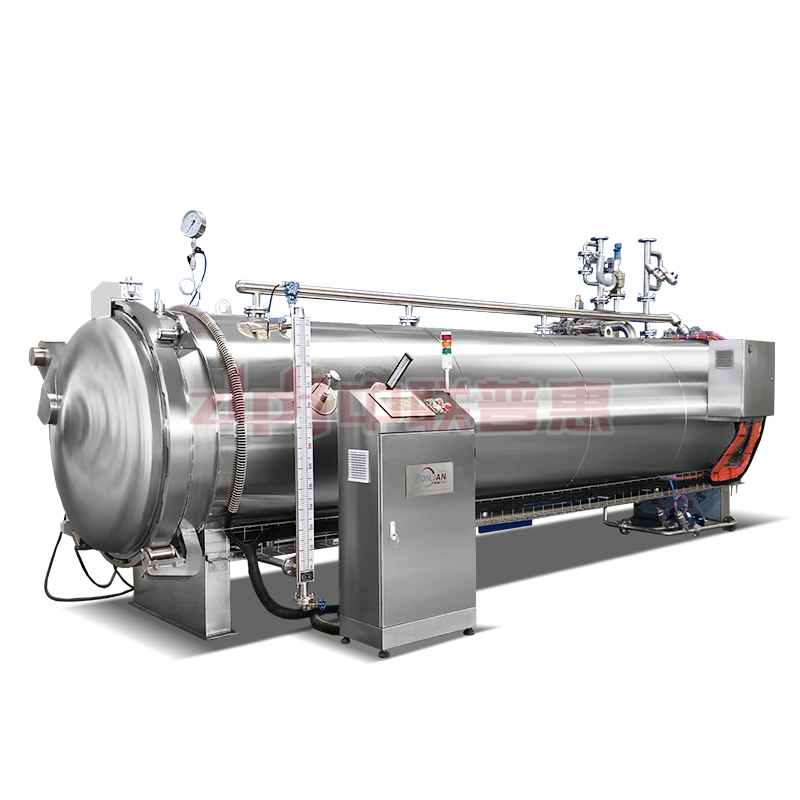
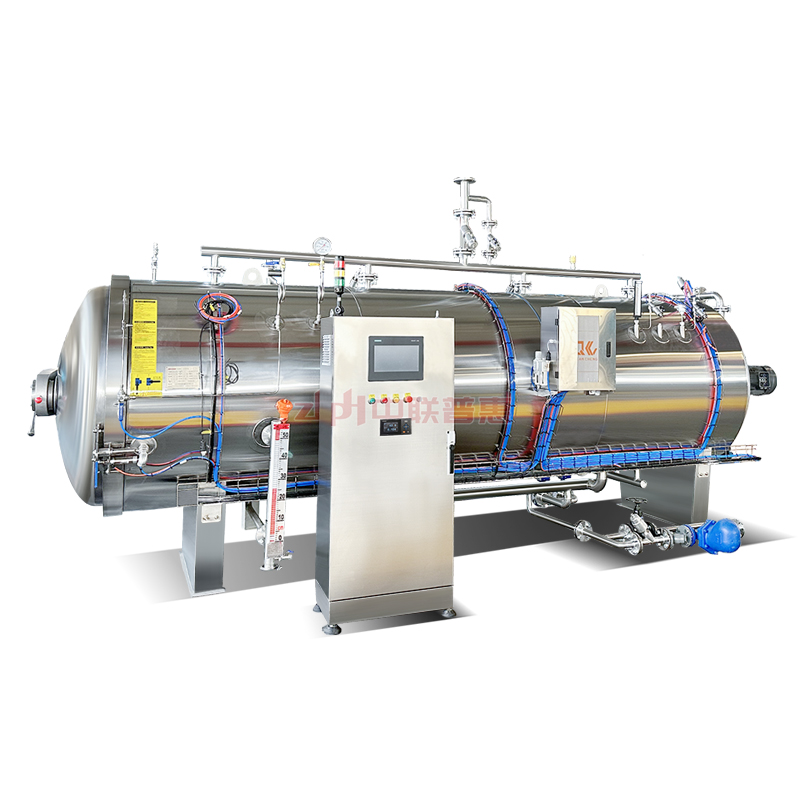
Long-Term Fix: Deploy ZLPH’s intelligent water-spray horizontal retort with multi-zone nozzles and PLC-controlled circulation pumps, ensuring ±0.5°C temperature uniformity across the chamber.
Process Tuning: Integrate wireless dataloggers during validation runs to map cold spots; adjust ramp-up/cool-down rates accordingly.

4. Troubleshooting & Prevention
Always conduct heat distribution studies per FDA/ISO 11138 guidelines before full production. Avoid stacking cans directly—use perforated trays. Never skip post-cycle cooling calibration, as residual heat can skew F0 calculations.
5. Validation Result
At a Southeast Asian tuna processor, implementing ZLPH’s system reduced F0 variance from ±8 to ±1.2 across 1,200 cans per batch, cutting waste by 92% and achieving consistent commercial sterility.
How to Automate Loading/Unloading Without Compromising Sterilization Efficiency?
1. Scenario & Pain Point
Manual loading of heavy retort baskets causes labor strain, inconsistent stacking, and cycle delays. Yet, many automated systems disrupt thermal uniformity due to metal tray interference or slow transfer speeds.
2. Root Cause Analysis
Generic automation lacks integration with retort thermal dynamics. Non-perforated trays block water jets, while slow robotic arms extend come-up time, reducing overall lethality.
3. Step-by-Step Solution
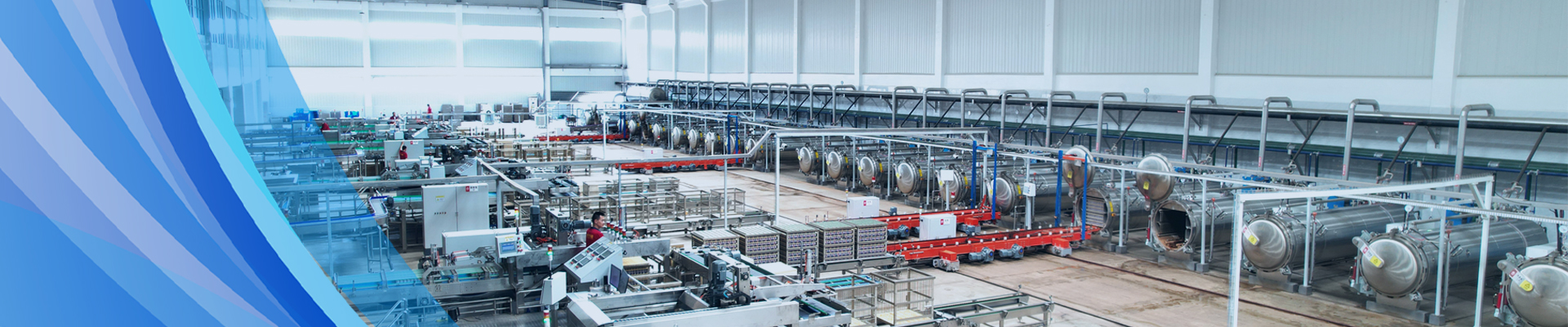
Adopt ZLPH’s integrated retort tray loader/unloader system, featuring food-grade stainless steel perforated trays and synchronized robotic arms that complete loading in <90 seconds. The system communicates directly with the retort PLC to trigger cycle start only when optimal basket positioning is confirmed.
4. Troubleshooting & Prevention
Ensure tray design matches product dimensions—gaps >5mm cause shifting; gaps <2mm restrict flow. Conduct weekly alignment checks on robotic arms to prevent basket misplacement.
5. Validation Result
At the Qingdao exhibition, this system demonstrated 40% faster turnaround and zero thermal deviation across 200 test cycles, earning high praise from buyers for reliability and efficiency.
What Certifications Should a Chinese Horizontal Retort Supplier Have for Global Compliance?
1. Scenario & Pain Point
Importers in EU, Russia, or ASEAN regions face customs delays or rejections if retorts lack region-specific certifications, even if technically sound.
2. Root Cause Analysis
Many Chinese suppliers only hold domestic licenses, lacking ASME, CE, or EAC—critical for pressure vessel compliance.
3. Step-by-Step Solution
Partner with suppliers like ZLPH, which holds ASME Certificate of Authorization, EU CE, Russian EAC, Malaysia DOSH, and Special Equipment Production License—ensuring seamless market entry.
4. Troubleshooting & Prevention
Always request certification copies during RFQ stage. Verify certificate validity via issuing body portals (e.g., EU NANDO database).
5. Validation Result
ZLPH’s certified equipment has cleared customs in 30+ countries without delay, supporting clients’ rapid go-to-market strategies.
Industry Best Practices: 5-Step Framework for Retort Reliability
Based on 6+ years of global deployments, ZLPH recommends this universal framework:
1. Map Thermal Profile: Conduct heat distribution study under worst-case load.
2. Standardize Loading: Use validated tray designs and stacking protocols.
3. Automate Control: Implement PLC with real-time T/P monitoring and auto-adjustment.
4. Validate Continuously: Run quarterly F0 audits with dataloggers.
5. Maintain Proactively: Clean spray nozzles monthly; inspect gaskets biweekly.
Best practice: Always size retorts for peak capacity +20% buffer to avoid rushed cycles during demand spikes.
Frequently Asked Questions (FAQ)
Q: Can a standard horizontal retort handle both metal cans and plastic bowl pet food?
A: Only if equipped with adaptive spray pressure and cooling control. ZLPH’s dual-mode retorts switch profiles automatically via HMI, validated for both formats.
Q: What’s the minimum footprint for a fully automated retort line?
A: ZLPH’s compact design fits within 12m x 6m, including loader, retort, and unloader—ideal for retrofitting existing plants.
Q: How to verify F0 accuracy without opening every can?
A: Use wireless dataloggers placed in dummy cans at cold-spot locations during validation runs—no product destruction needed.
Q: Is upper-door design better than side-door for horizontal retorts?
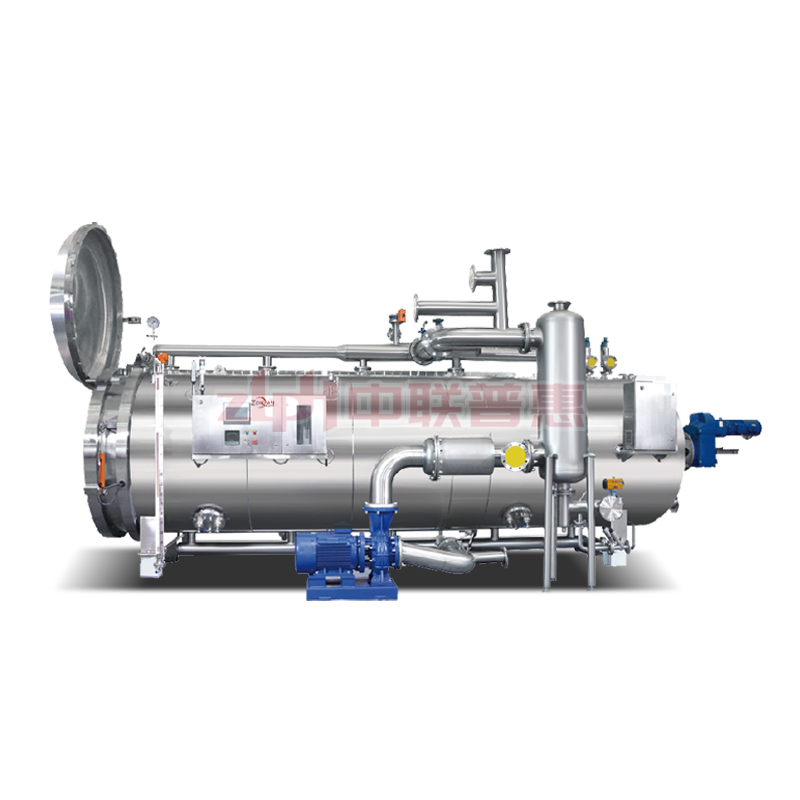
A: Yes—for faster loading and safer operation. ZLPH’s intelligent upper-door model reduces operator exposure and cycle time by 25%.
Our Expertise & Support
ZLPH MACHINERY TECHNOLOGY CO., LTD. is a technology-driven leader in sterilization systems since 2018, with 21 mechanical/PLC engineers, 4 sterilization process experts, and 14 after-sales technicians—all with 10+ years in the industry. Our 50-acre factory houses 15,000㎡ of advanced workshops, producing ASME/CE/EAC-certified retorts deployed in 30+ countries. We offer:
- On-site thermal process validation
- Custom tray & automation integration
- Free sample testing with your product
- 24/7 remote technical support
Contact Us
Company: ZLPH MACHINERY TECHNOLOGY CO., LTD.
Website: https://www.zlphretort.com/
Email: sales@zlphretort.com
Phone / WhatsApp: +86 15666798389 / +86 13361554016
