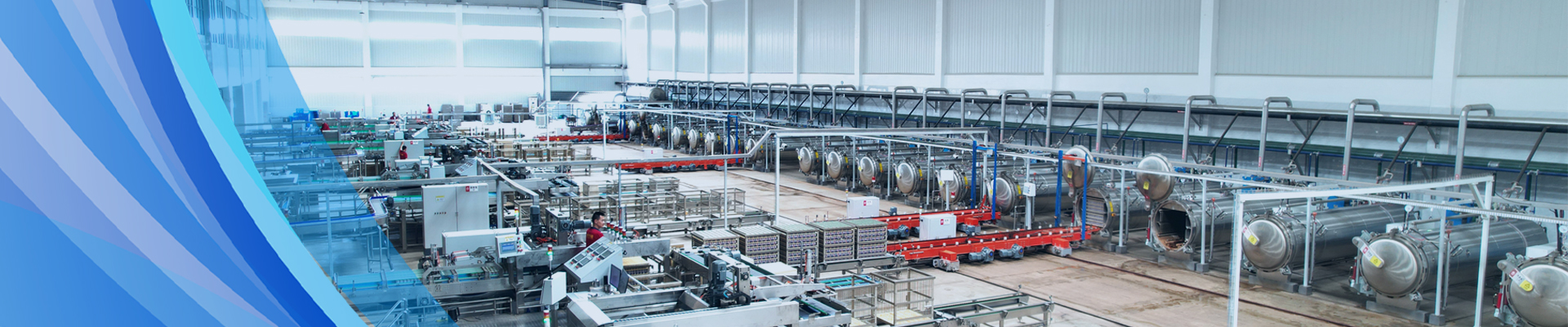

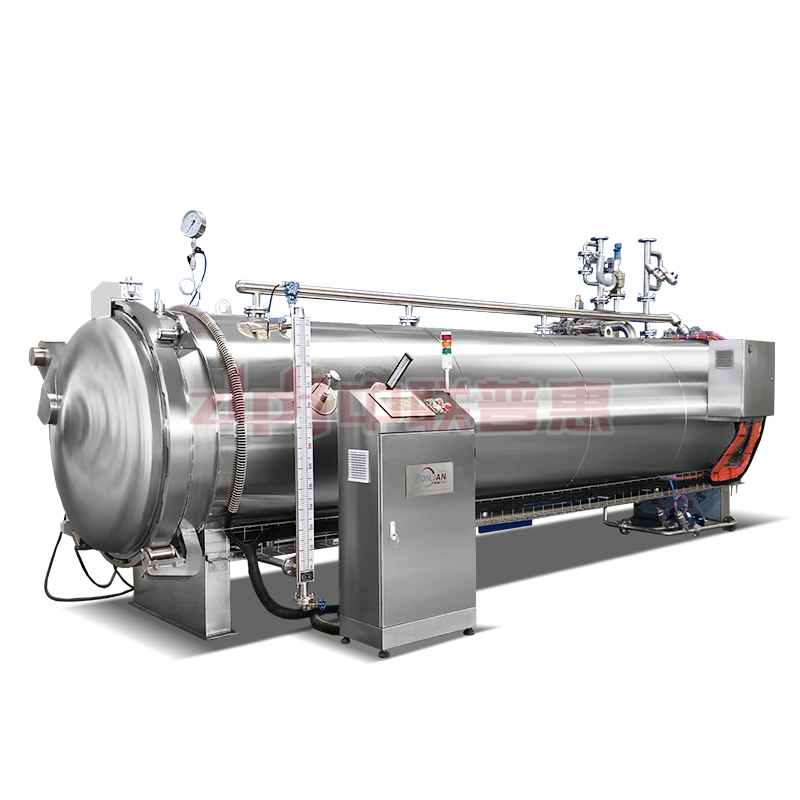
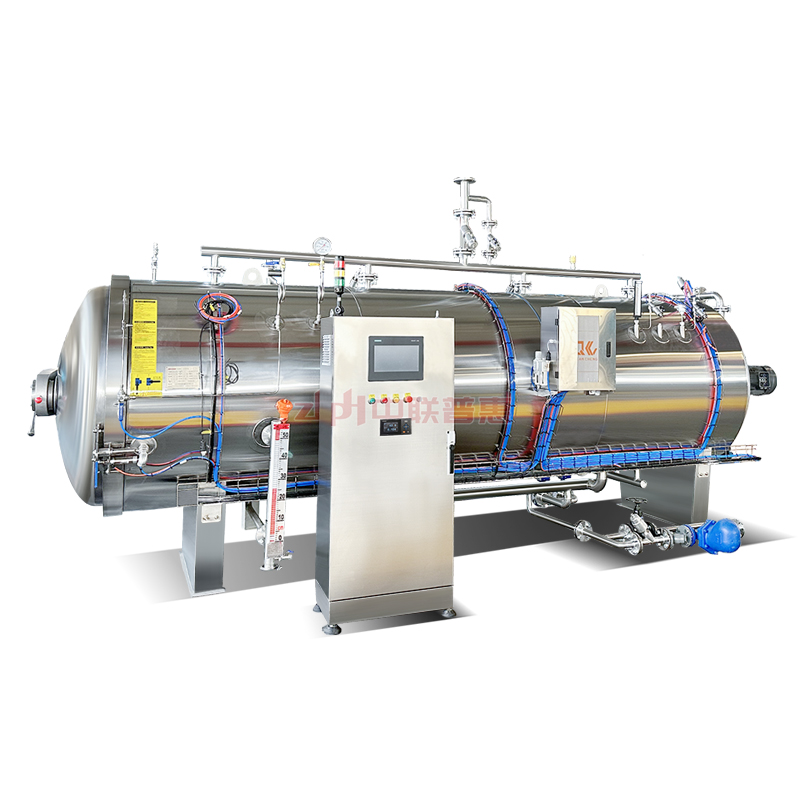
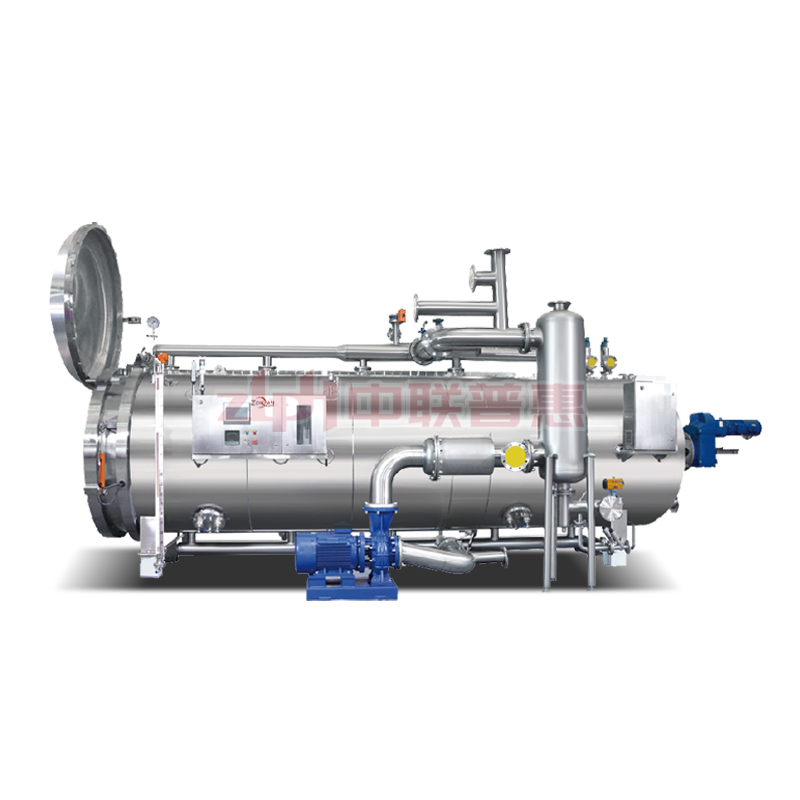
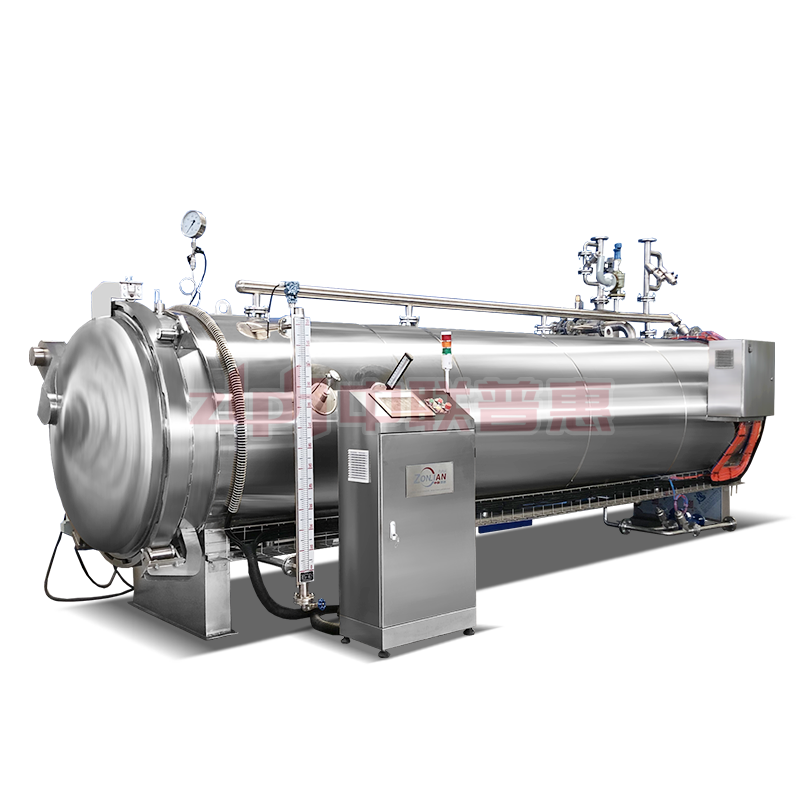
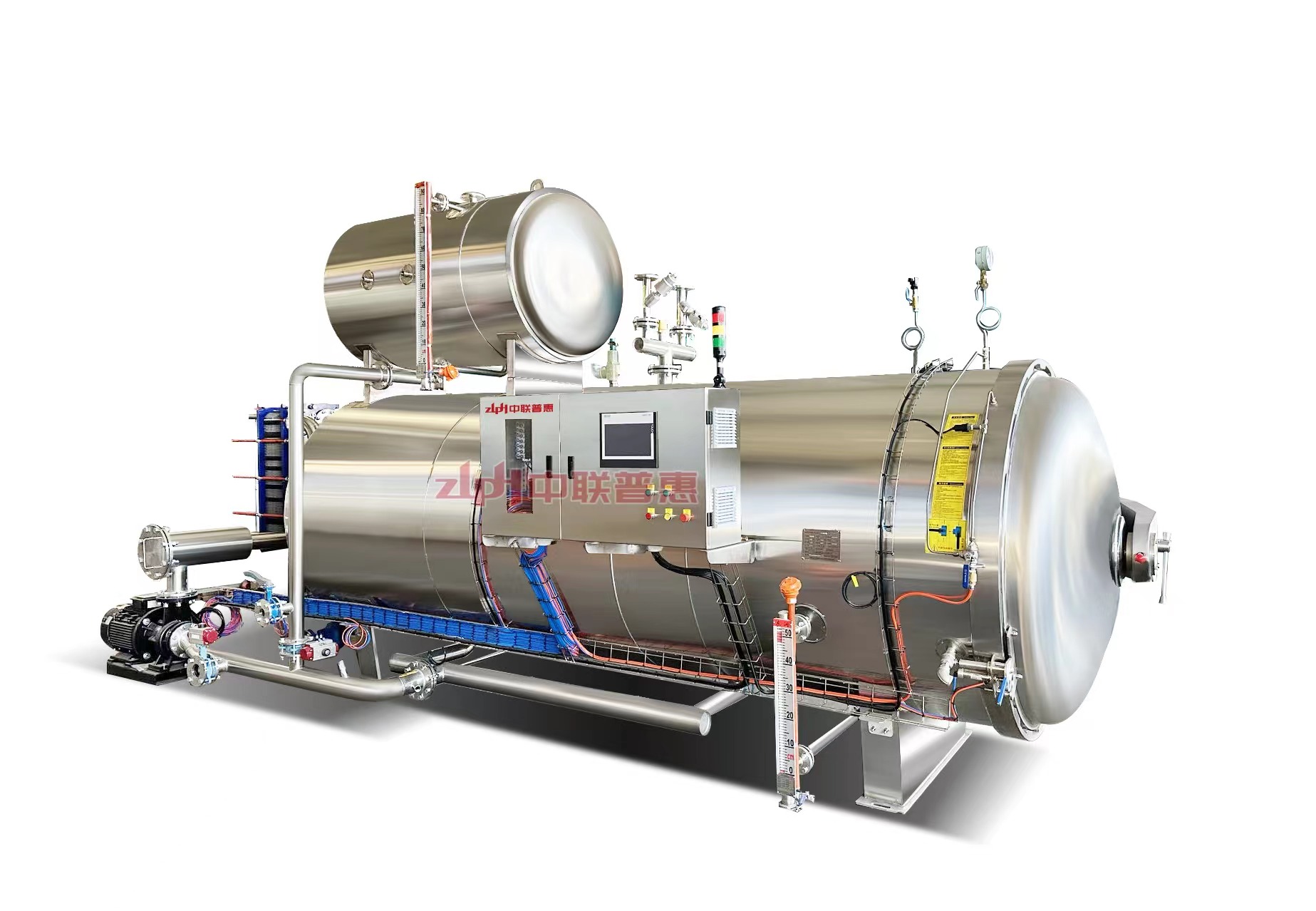
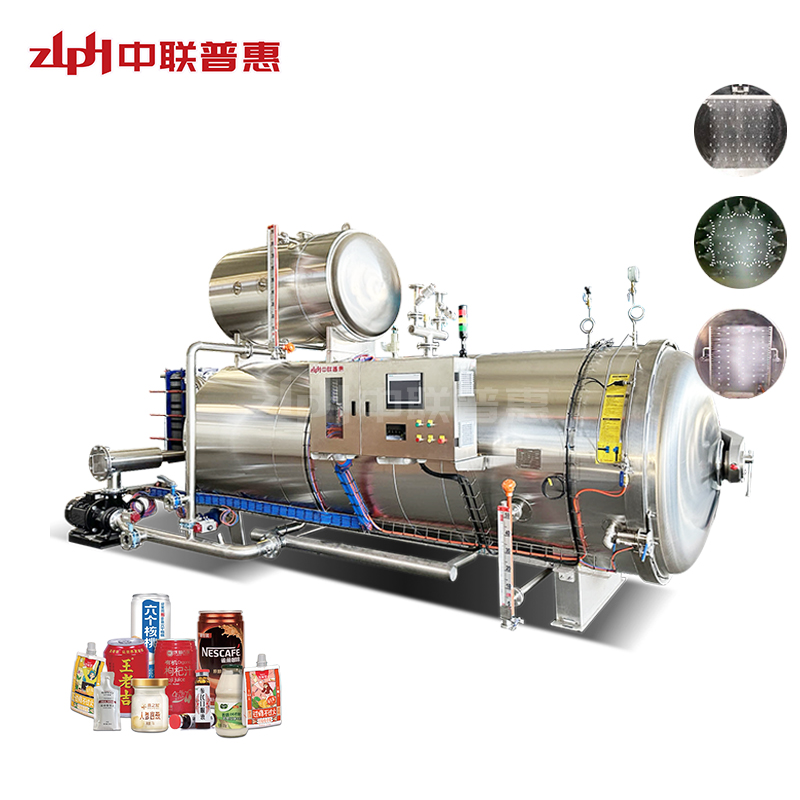
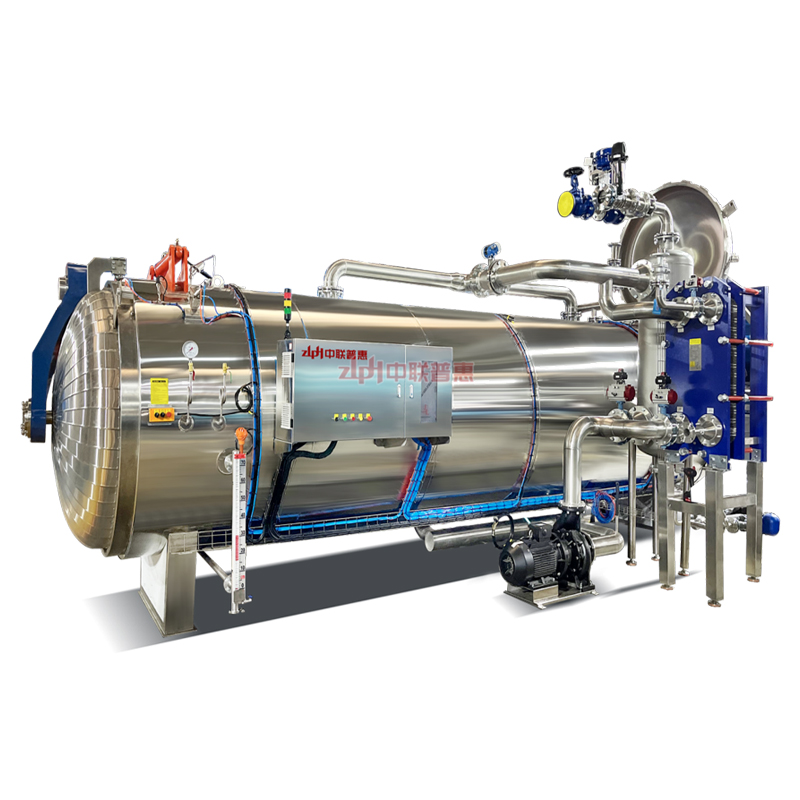
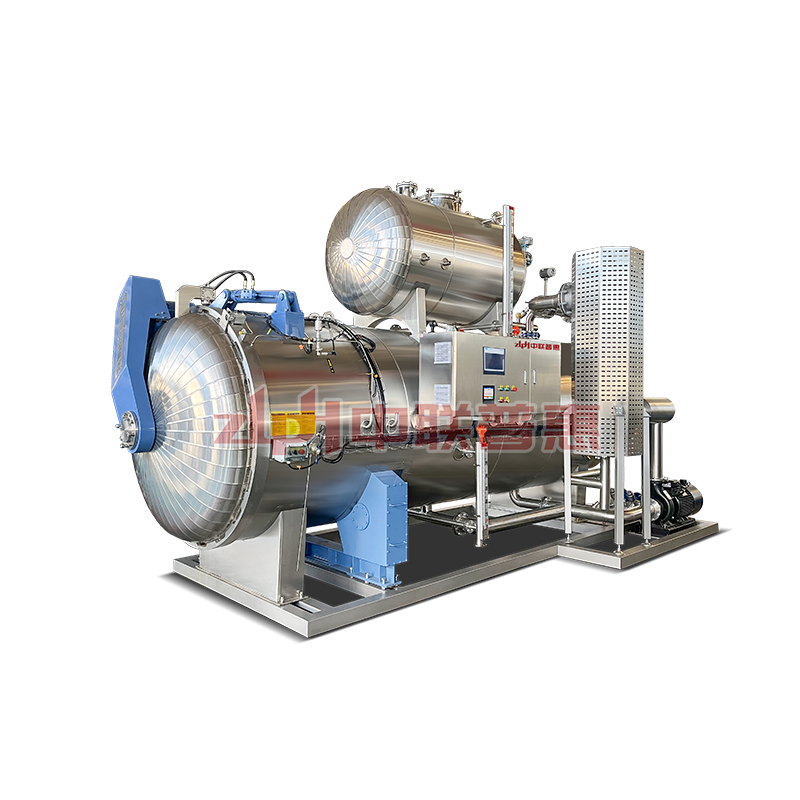
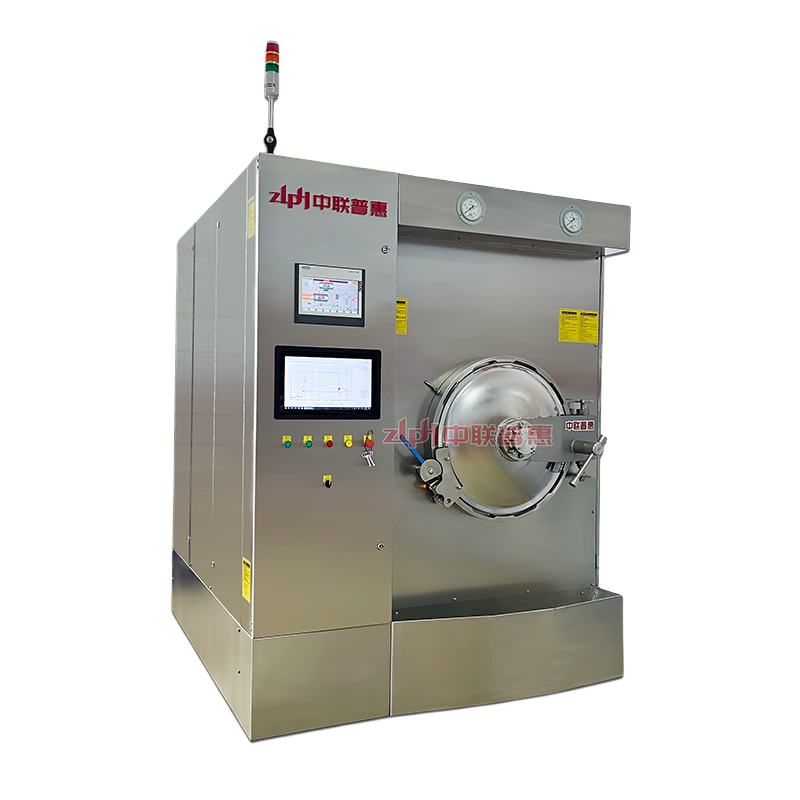
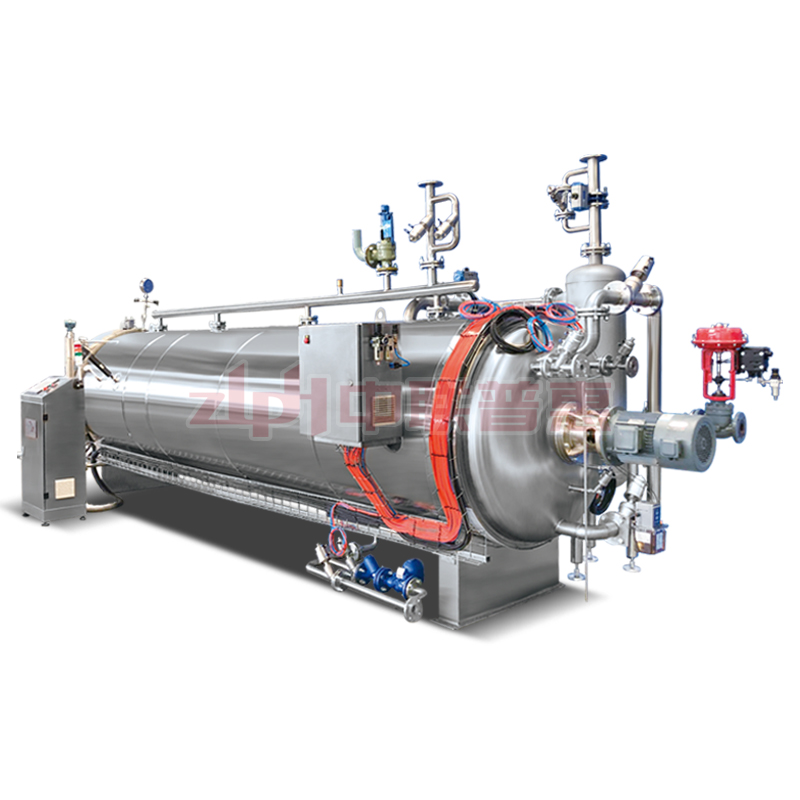
This guide is authored by a senior food processing engineer with over 10 years of experience at ZLPH MACHINERY TECHNOLOGY CO., LTD., a leading provider of industrial sterilization solutions. It addresses a critical challenge faced by global food manufacturers and procurement teams: inconsistent thermal processing results when using horizontal retort autoclaves for canned or bowl-packed products. This issue—manifesting as under-sterilization, product spoilage, or texture degradation—is primarily caused by uneven heat distribution, manual loading inefficiencies, and lack of real-time process control. Based on more than 5,000 global installations and field validations across Asia, Europe, and the Americas, we present a proven, step-by-step methodology to achieve uniform lethality, maximize throughput, and ensure food safety compliance. The guide details root cause analysis, scenario-specific fixes, validation protocols, and best practices for selecting and operating the right horizontal retort system—backed by ASME, CE, and EAC certifications.

How to Ensure Uniform Heat Distribution in Large-Batch Horizontal Retort Processing?
1. Scenario and Pain Point
In high-volume canning facilities producing vegetables, meats, or ready-to-eat meals, operators often observe inconsistent sterilization outcomes—some cans pass microbial tests while others from the same batch fail. This leads to costly recalls, wasted inventory, and regulatory non-compliance. The core issue arises during water-spray or steam-air sterilization cycles where cold spots develop due to poor circulation design.

2. Root Cause Analysis
Three primary factors contribute: (1) inadequate spray nozzle layout causing dead zones; (2) improper basket loading density blocking water flow; (3) absence of real-time temperature mapping across multiple retort zones. Traditional retorts without dynamic flow control cannot maintain ±0.5°C uniformity required by FDA and EU food safety standards.

3. Step-by-Step Solution
Immediate Fix: Reconfigure retort tray loading patterns using ZLPH’s standardized spacing templates to ensure 10–15 cm clearance between product layers.
System Upgrade: Deploy ZLPH’s intelligent water-spray horizontal retort equipped with multi-zone nozzles and variable-frequency pumps that adjust flow based on load volume.
Process Validation: Install wireless temperature dataloggers (e.g., Ellab or Mesa Labs) at 9 strategic points per batch to generate F₀ maps and validate thermal uniformity.

4. Pitfall Avoidance Guide
Never overload trays beyond 80% capacity. Always perform a dummy run with water-only loads before full production. Avoid using legacy retorts without ASME U2 certification for pressurized cycles. Conduct quarterly nozzle inspection to prevent clogging from hard water deposits.
5. Verified Performance
At a Southeast Asian pet food plant using ZLPH’s 3.6m³ horizontal retort, post-implementation F₀ variation dropped from ±8.2 to ±0.7 across 1,200-bowl batches. Spoilage incidents fell by 96% within six months, with full compliance achieved for EU export audits.
How to Automate Loading/Unloading to Reduce Labor Costs and Human Error?
1. Scenario and Pain Point
Manual handling of heavy sterilization baskets causes ergonomic injuries, inconsistent cycle timing, and cross-contamination risks—especially in 24/7 operations. Operators struggle to maintain pace during peak shifts, leading to skipped pre-cycle checks.
2. Root Cause Analysis
Reliance on forklifts or manual trolleys introduces variability in basket positioning, which disrupts thermal equilibrium. Human fatigue further compromises GMP adherence during night shifts.
3. Step-by-Step Solution
Integrate ZLPH’s automated tray loader/unloader system featuring servo-driven conveyors, vision-guided alignment, and PLC-synchronized retort door operation. The system reduces loading time from 12 minutes to 2.5 minutes per batch while ensuring precise basket placement.
4. Pitfall Avoidance Guide
Ensure floor leveling tolerance is within ±2mm/m² before installation. Train maintenance staff on emergency stop protocols. Never bypass safety interlocks during troubleshooting.
5. Verified Performance
A Qingdao-based seafood exporter reported 40% lower labor costs and zero loading-related cycle aborts after deploying this automation suite across three production lines.
Industry Best Practices for Horizontal Retort Operations
Based on 6+ years of global project execution, ZLPH recommends this 5-step framework to prevent 90% of sterilization failures:
1. Define Worst-Case Conditions
Design cycles for the most thermally resistant product variant (e.g., dense meat stews), not average items.
2. Validate Before Scaling
Run three consecutive validation batches with full thermal mapping before commercial production.
3. Standardize Operator Protocols
Use digital checklists integrated into the HMI to enforce pre-cycle inspections.
4. Schedule Preventive Maintenance
Replace gaskets every 500 cycles; calibrate pressure transmitters quarterly.
5. Partner with Certified Suppliers
Only source retorts with ASME “U” and “U2” stamps plus CE/EAC marks to ensure mechanical and electrical safety.
Frequently Asked Questions (FAQ)
Q: Can I use a standard steam retort for acidified foods (pH < 4.6)?
A: Yes, but only if equipped with precise temperature control (±1°C) and validated cooling to prevent overcooking. ZLPH’s water-immersion models are preferred for delicate products like fruit purees.
Q: What certifications are mandatory for exporting retorts to Russia?
A: EAC certification is legally required. ZLPH holds valid EAC and DOSH certificates for all pressurized equipment.
Q: How often should I replace the retort door seal?
A: Every 6–12 months depending on cycle frequency. Use only OEM fluorocarbon seals rated for 135°C continuous exposure.
Q: Is top-opening better than side-opening for horizontal retorts?
A: Top-opening (like ZLPH’s AGROPRODASH 2023 model) enables faster loading and better spray coverage, especially for tall containers.
Our Technical Authority and Support
ZLPH MACHINERY TECHNOLOGY CO., LTD. is a certified designer and manufacturer of industrial sterilization systems since 2018. Our team includes 21 mechanical designers, 4 sterilization process researchers, and 14 global after-sales engineers—all with 10+ years in food thermal processing. We hold ASME, CE, EAC, and Malaysia DOSH certifications, plus AAA Credit Enterprise status for ethical operations. Our 15,000m² factory in China produces retorts deployed in 30+ countries, serving clients from pet food to infant formula sectors.
We offer:
- Free thermal process consultation
- On-site cycle validation support
- Custom automation integration
- 24-hour technical response via WhatsApp or email
Contact Information
Company: ZLPH MACHINERY TECHNOLOGY CO., LTD.
Website: https://www.zlphretort.com/
Email: sales@zlphretort.com
Phone / WhatsApp: +86 13361554016
