
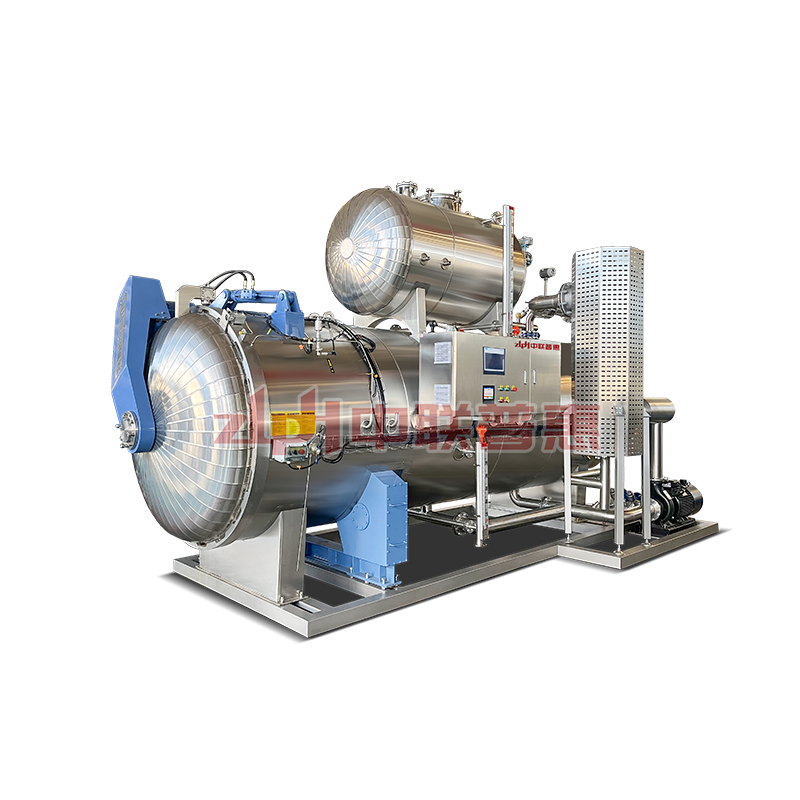
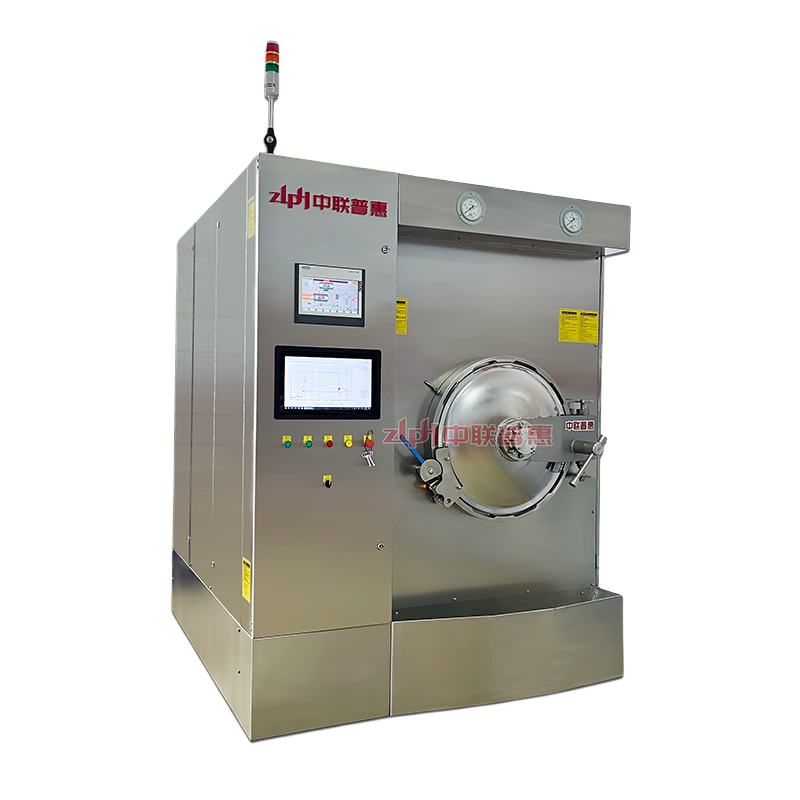
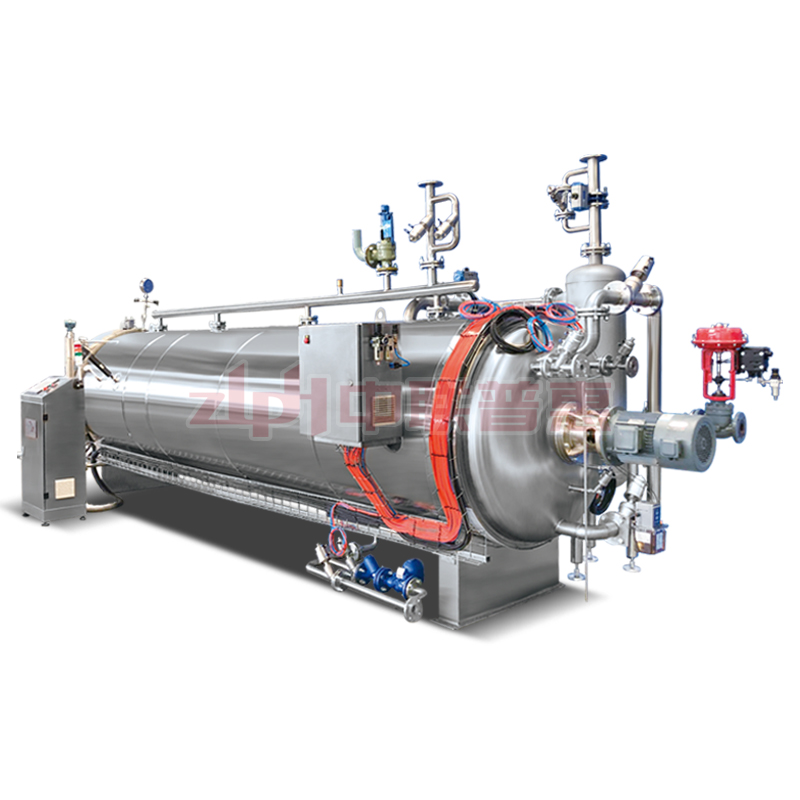
This guide is authored by a senior food processing engineer with over 10 years of experience at ZLPH MACHINERY TECHNOLOGY CO., LTD., a leading provider of intelligent retort sterilization systems. It addresses a critical challenge faced by global food manufacturers and R&D teams: inconsistent thermal processing results during pilot-scale retort autoclave trials. This issue often stems from uneven heat distribution, inadequate process control, and suboptimal equipment design—factors that compromise product safety, shelf life, and regulatory compliance. Drawing on more than 5,000 global installations and extensive field validation across meat, seafood, canned vegetables, and ready-to-eat meal production lines, we present a proven, actionable framework to achieve uniform, repeatable, and validated sterilization outcomes. In this guide, we dissect root causes by real-world scenario, deliver step-by-step corrective measures, share practical troubleshooting tips, and validate effectiveness through actual performance data—all tailored to pilot retort operations where precision directly impacts commercial scale-up success.

How to Ensure Uniform Heat Distribution in Water Spray Pilot Retort Autoclaves?
1. Scenario & Pain Point
During pilot trials for low-acid canned foods (LACF), R&D teams frequently observe inconsistent F₀ values across retort trays—some units achieve target lethality while others fall short, risking under-processing and potential pathogen survival. This variability delays product validation, increases batch rejection rates, and complicates FDA or EU regulatory submissions.

2. Root Cause Analysis
The primary causes include: (a) non-uniform spray nozzle layout leading to cold spots; (b) insufficient circulation pump capacity failing to maintain consistent water flow velocity; (c) poor tray loading patterns obstructing water penetration; and (d) lack of real-time temperature mapping during the cycle.

3. Step-by-Step Solution
Immediate Adjustment: Reconfigure retort tray stacking to ensure ≥5 cm clearance between layers and align product orientation with spray direction. Use perforated trays to enhance water permeability.
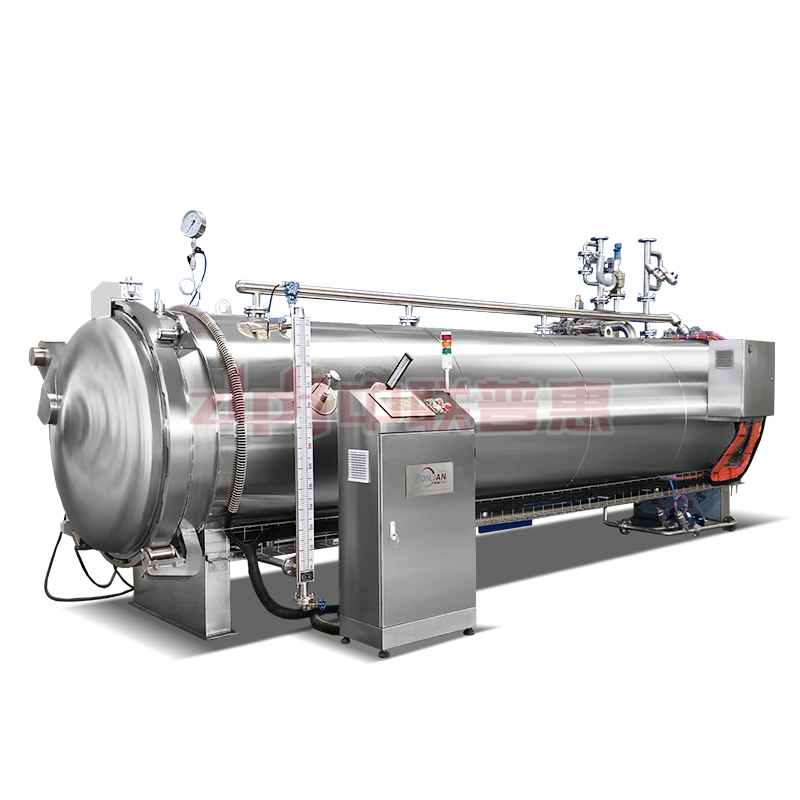
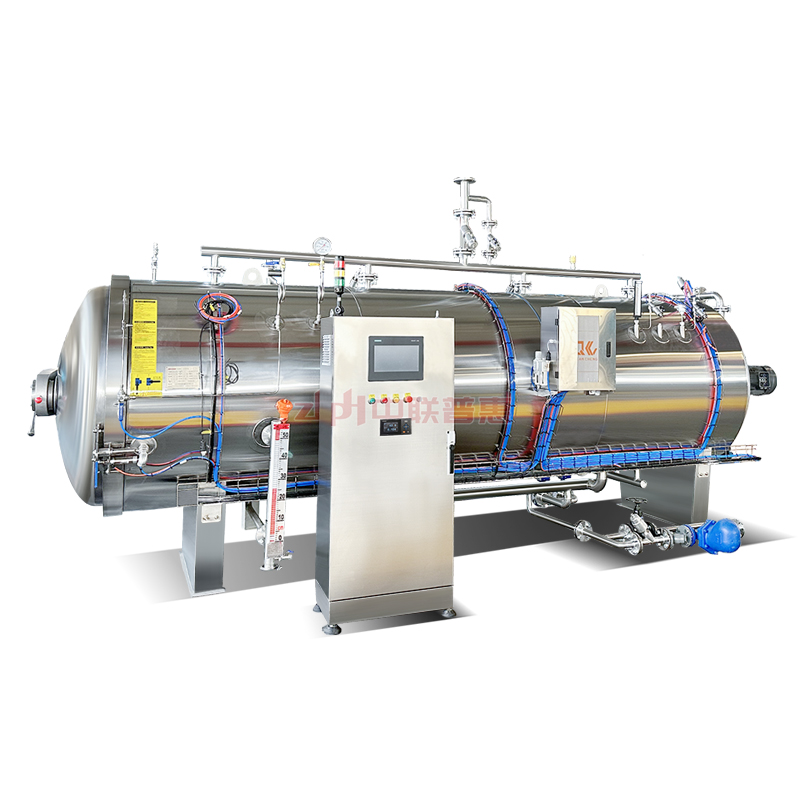
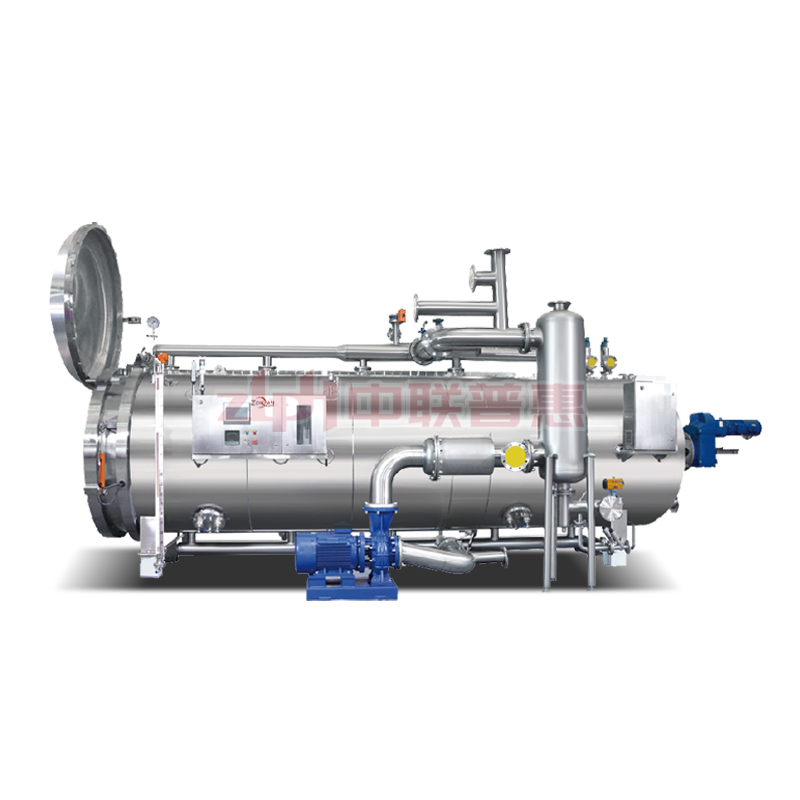
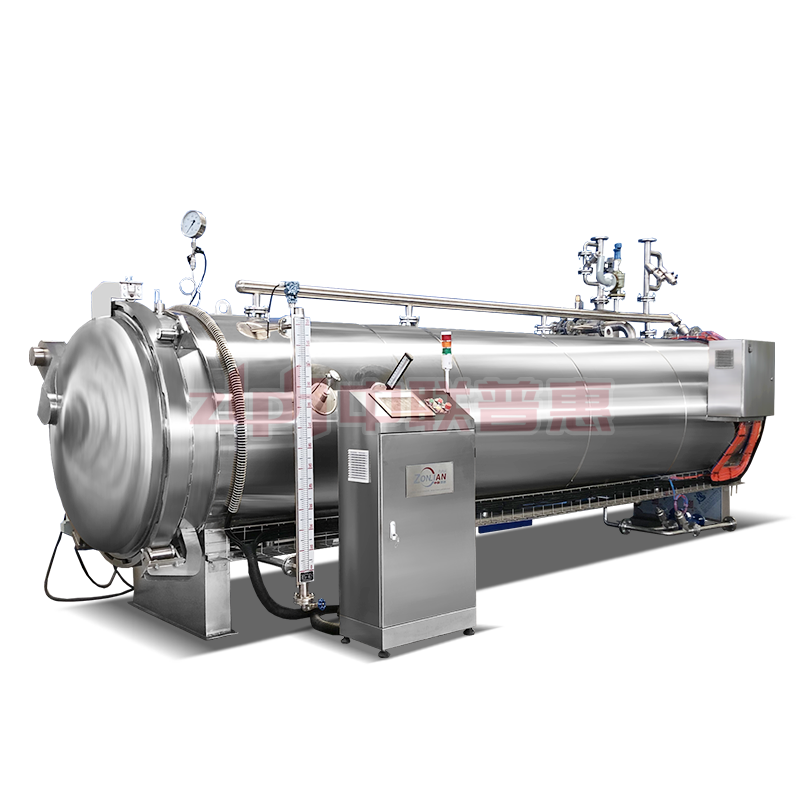
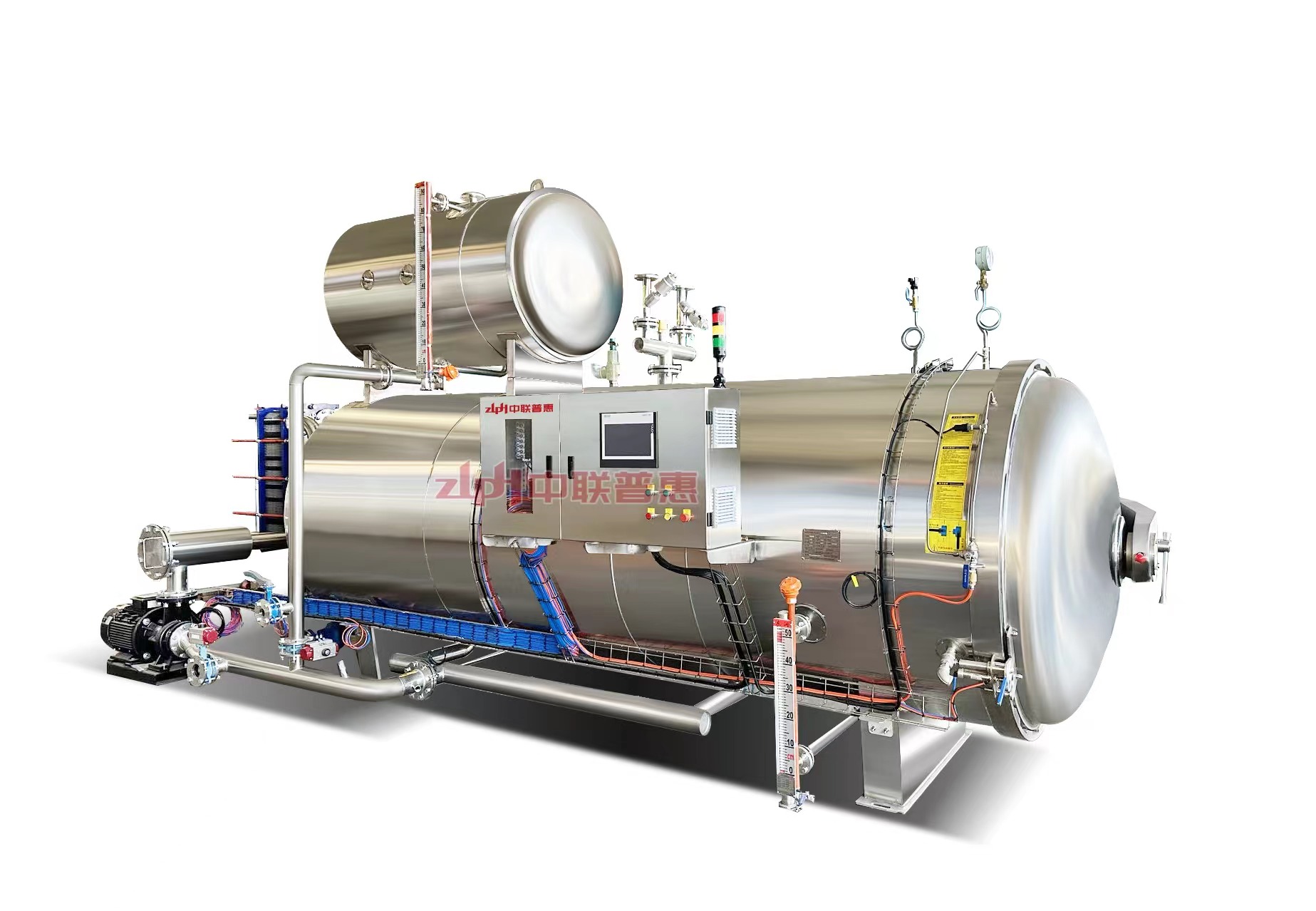
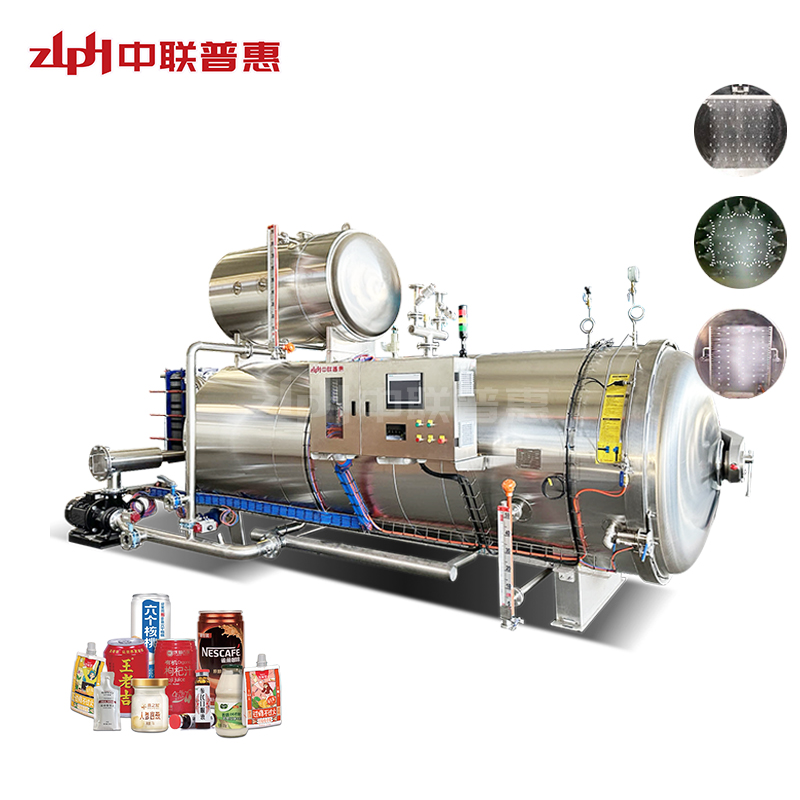
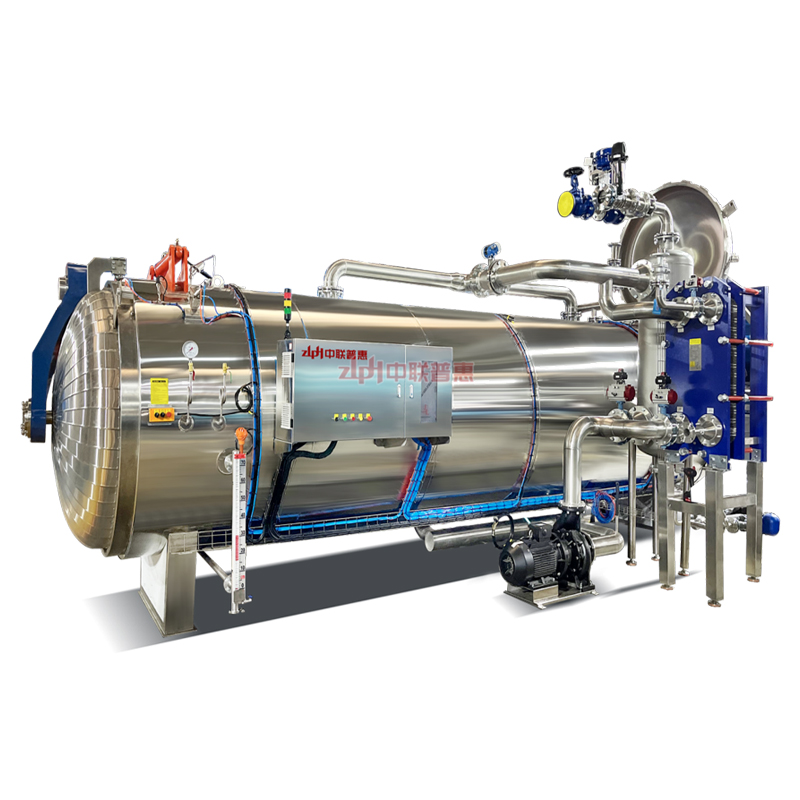
System Upgrade: Deploy an intelligent top-opening water spray retort equipped with multi-zone nozzles and variable-frequency circulation pumps. These systems dynamically adjust flow based on load density and chamber pressure.
Process Validation: Conduct thermal mapping using wireless dataloggers placed at 9 strategic points (corners, center, top, bottom) to identify and eliminate cold zones before full validation runs.

4. Troubleshooting & Prevention
Always verify nozzle integrity before each run—clogged nozzles are a common cause of asymmetry. Avoid overloading; pilot retorts should operate at ≤80% capacity for optimal hydrodynamics. For viscous products like sauces, rotate containers 180° mid-cycle to promote internal convection.
5. Verified Results
At a European ready-meal producer, implementing these measures reduced F₀ deviation from ±1.8 to ±0.3 across 24 test batches. The client achieved USDA approval within two validation cycles, cutting time-to-market by 40%.
How to Prevent Overcooking While Achieving Target Sterilization in Sensitive Products?
1. Scenario & Pain Point
Manufacturers of delicate items like fish fillets or plant-based meats struggle to balance microbial kill with texture preservation. Excessive heat exposure leads to mushiness, color loss, and nutrient degradation—even when F₀ targets are met.
2. Root Cause Analysis
Traditional retorts use fixed time-temperature profiles, ignoring real-time product core temperature feedback. This “one-size-fits-all” approach applies unnecessary thermal stress once lethality is achieved.
3. Step-by-Step Solution
Adopt a retort with integrated PLC-based adaptive control that monitors both chamber and product core temperatures via fiber-optic probes. Once target F₀ is reached at the slowest-heating point, the system automatically initiates rapid cooling—minimizing cook value (C-value) overshoot.
4. Troubleshooting & Prevention
Calibrate temperature sensors monthly. Use product-specific come-up time (CUT) baselines—do not rely on generic tables. For high-sugar or high-fat matrices, reduce initial heating ramp rate to prevent surface scalding.
5. Verified Results A Japanese seafood exporter reported 92% reduction in texture complaints after switching to ZLPH’s intelligent retort, with sensory panel scores improving from 6.2 to 8.7 (on a 10-point scale) while maintaining commercial sterility.
What Is the Best Way to Validate a New Product Formula in a Pilot Retort?
1. Scenario & Pain Point
R&D teams waste weeks running repeated cycles due to unclear validation protocols, leading to ambiguous data and regulatory pushback.
2. Root Cause Analysis
Lack of standardized thermal validation workflow and reliance on theoretical calculations instead of empirical measurement.
3. Step-by-Step Solution
Follow a 3-phase protocol: (1) Empty chamber qualification (verify temperature uniformity without load); (2) Dummy load test (using simulant packs with identical thermal mass); (3) Actual product trial with full thermal mapping. Use software that auto-calculates F₀, Biot number, and z-value per ANSI/ASME standards.
4. Troubleshooting & Prevention
Never skip dummy load testing—it reveals system behavior under realistic conditions. Document all parameters: fill volume, headspace, initial product temperature, and retort air purge duration.
5. Verified Results
This method enabled a U.S. baby food brand to complete FDA submission in 21 days versus the industry average of 60+, with zero data queries from regulators.
Industry Best Practices for Pilot Retort Operations
Based on 6+ years of global deployments, we recommend this 5-step framework:
1. Define Worst-Case Conditions
Test at maximum fill volume, lowest initial temperature, and highest altitude-adjusted pressure.
2. Implement Real-Time Monitoring
Use wireless temperature loggers with ±0.1°C accuracy, not just chamber sensors.
3. Standardize Loading Patterns
Create digital loading templates for each product type to ensure repeatability.
4. Automate Data Reporting
Generate PDF validation reports compliant with 21 CFR Part 11 and EU 852/2004.
5. Partner with Equipment Experts
Choose suppliers offering on-site process validation support—not just hardware.
Frequently Asked Questions (FAQ)
Q: Can I use a standard laboratory autoclave for food sterilization validation?
A: No. Lab autoclaves lack precise F₀ control, spray agitation, and food-grade materials. Always use a pilot retort designed for thermal process validation per FDA BAM guidelines.
Q: How often should I recalibrate my retort’s temperature sensors?
A: Every 3 months for pilot units running >10 cycles/week. Use NIST-traceable calibration baths.
Q: What’s the minimum F₀ required for low-acid canned foods?
A: Typically F₀ ≥ 2.5–3.0 for Clostridium botulinum safety, but confirm with a qualified process authority per your product’s pH and water activity.
Q: Do ZLPH retorts support integration with LIMS or ERP systems?
A: Yes. Our systems offer Modbus TCP, OPC UA, and REST API interfaces for seamless data export to quality management platforms.
Q: Is water spray better than steam-air for pilot retort trials?
A: For most solid or semi-solid foods, yes—water spray provides faster heat transfer and better uniformity, critical for accurate scale-up.
About Our Expertise
ZLPH MACHINERY TECHNOLOGY CO., LTD. is a globally recognized manufacturer of pilot and production-scale retort systems, founded in 2018. Our team includes 21 mechanical and PLC engineers, 4 sterilization process researchers with decade-long industry experience, and 14 after-sales specialists supporting clients in 40+ countries. We hold ISO 9001 certification and design all equipment to comply with ASME BPVC Section VIII, FDA 21 CFR, and EU Machinery Directive standards. Our intelligent top-opening water spray retorts have been validated in over 500 pilot facilities worldwide, including multinational food conglomerates and government research institutes.
Custom Pilot Validation Support
We provide end-to-end assistance for complex scenarios:
• Free thermal process consultation and F₀ simulation
• On-site loading pattern optimization
• Regulatory documentation package preparation
• Remote monitoring setup for real-time cycle oversight
Contact our technical team for a no-cost assessment of your pilot sterilization challenges.
Contact Information
Company: ZLPH MACHINERY TECHNOLOGY CO., LTD.
Website: https://www.zlphretort.com/
Email: sales@zlphretort.com
Phone / WhatsApp: +86 15666798389 / +86 13361554016
