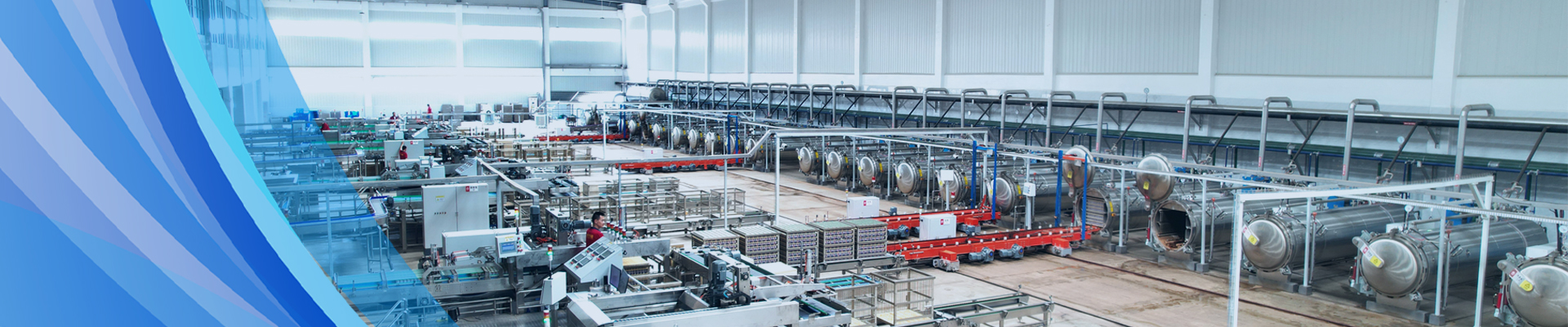

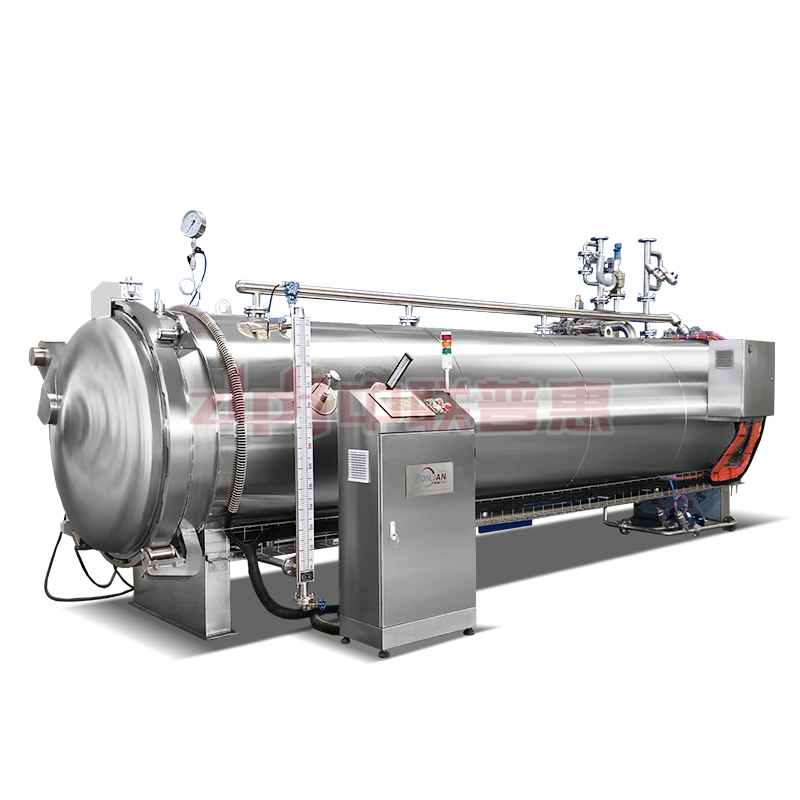
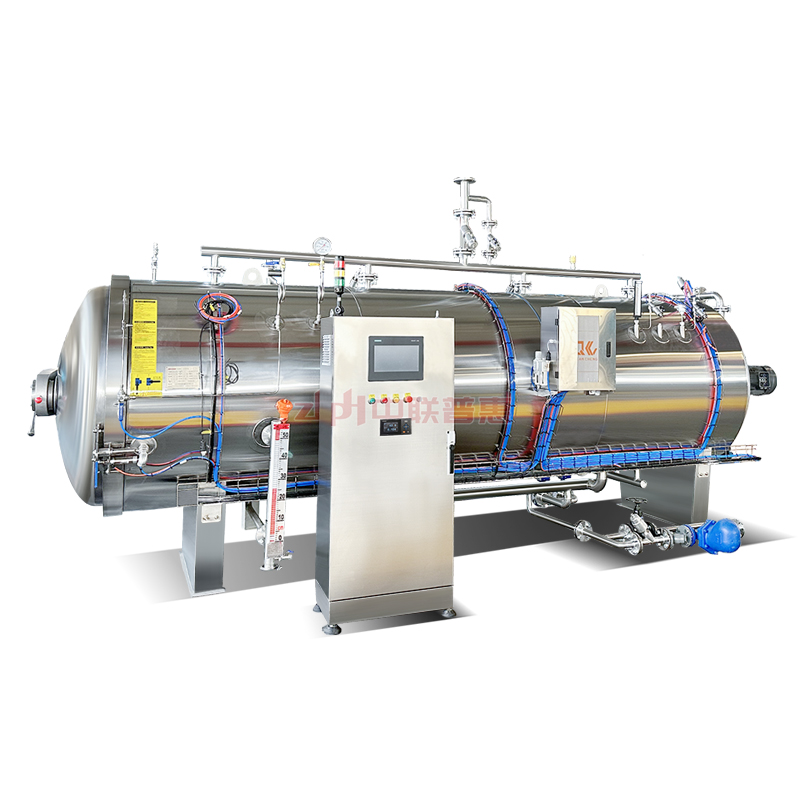
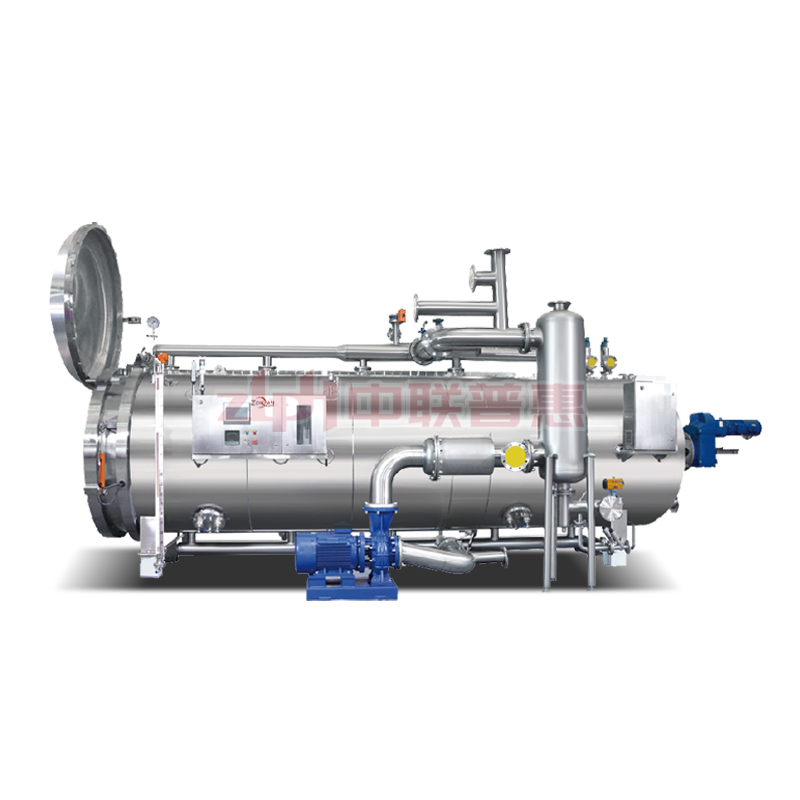
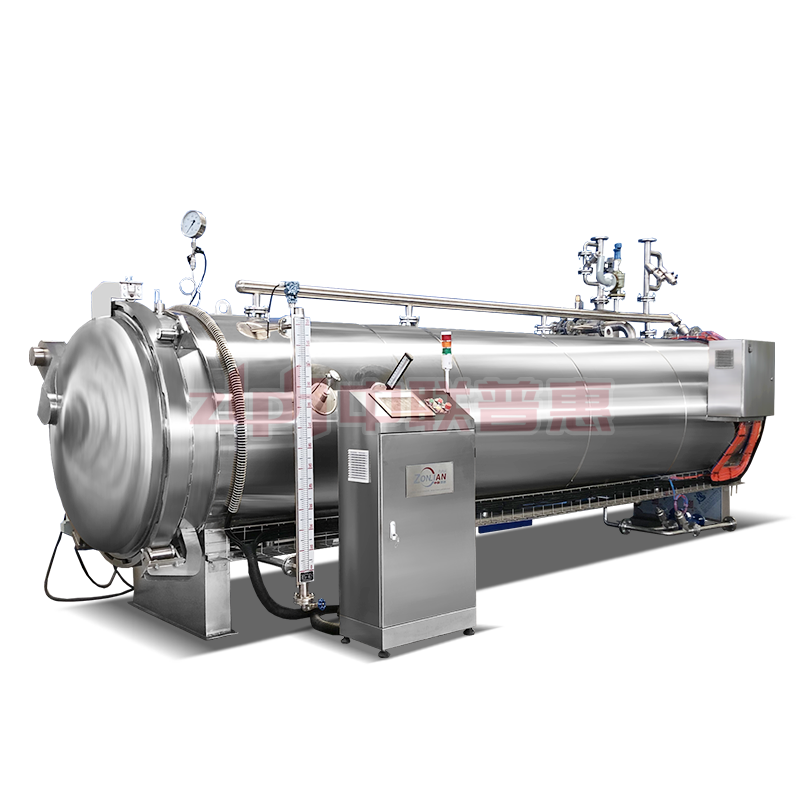
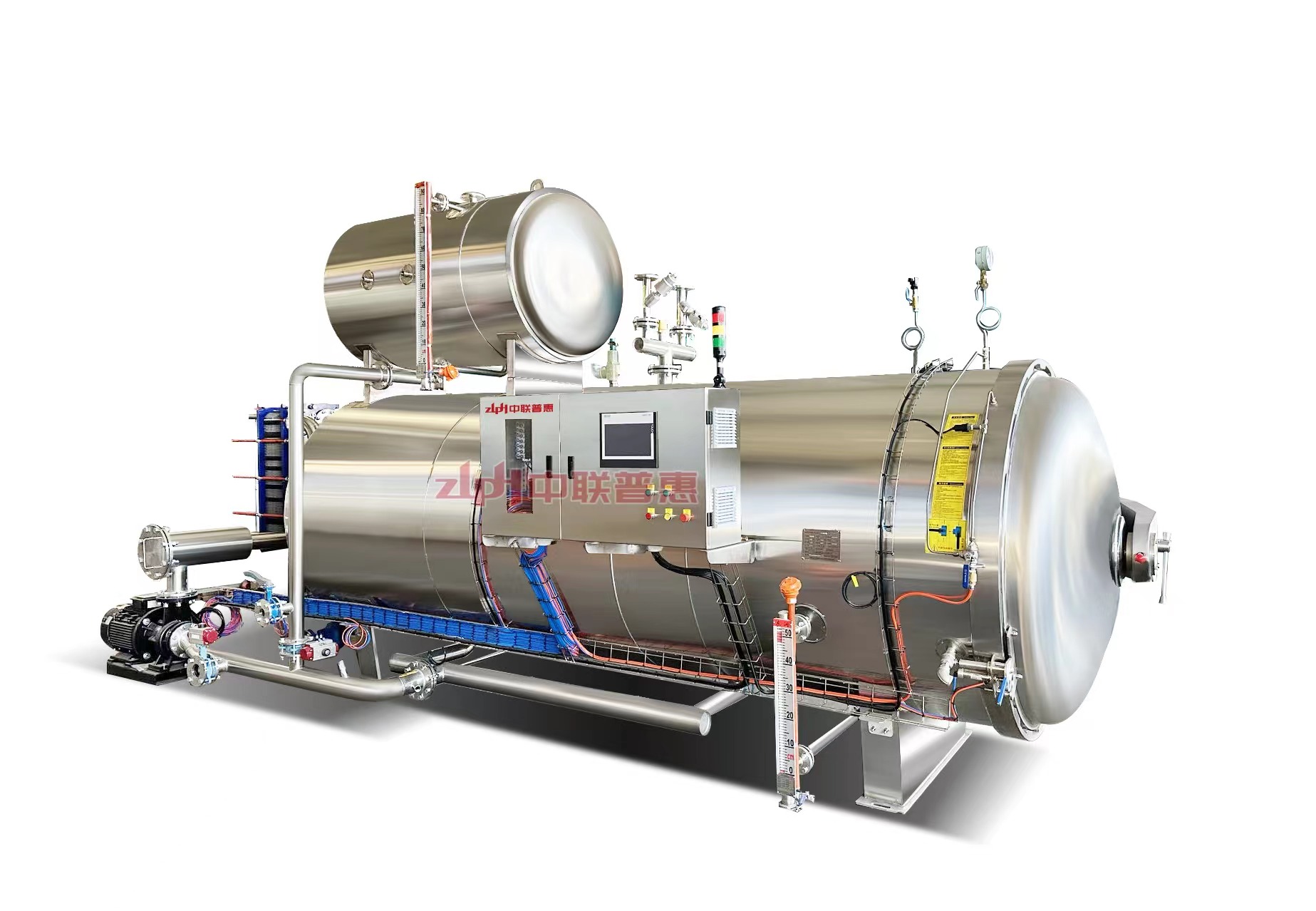
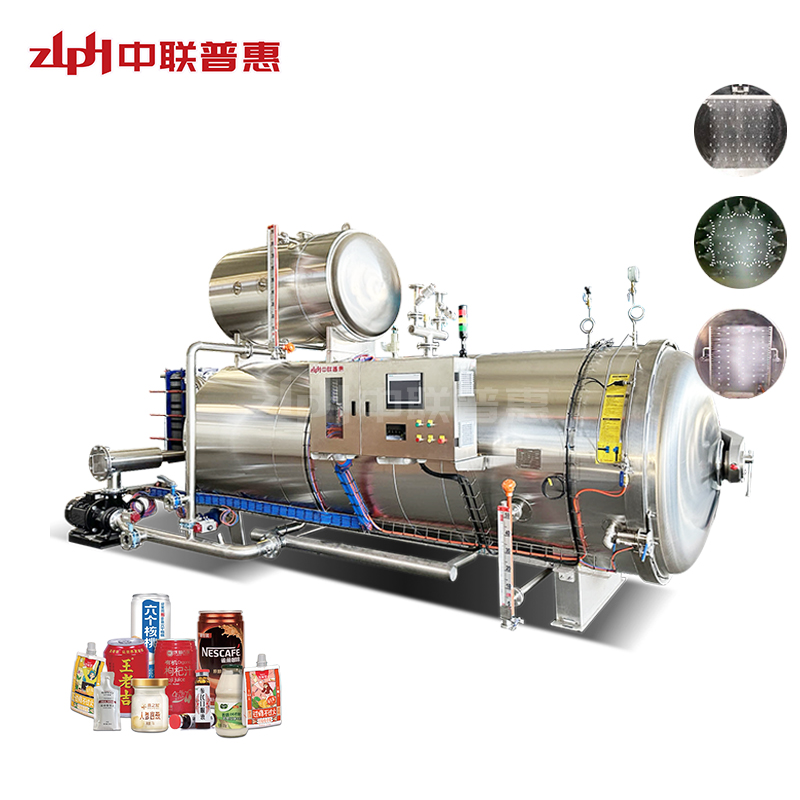
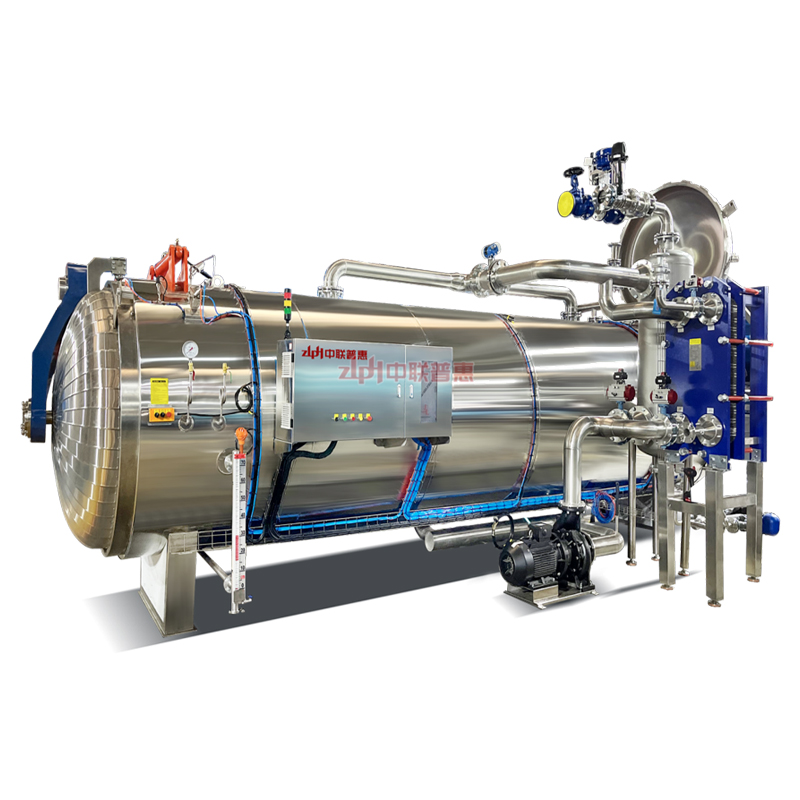
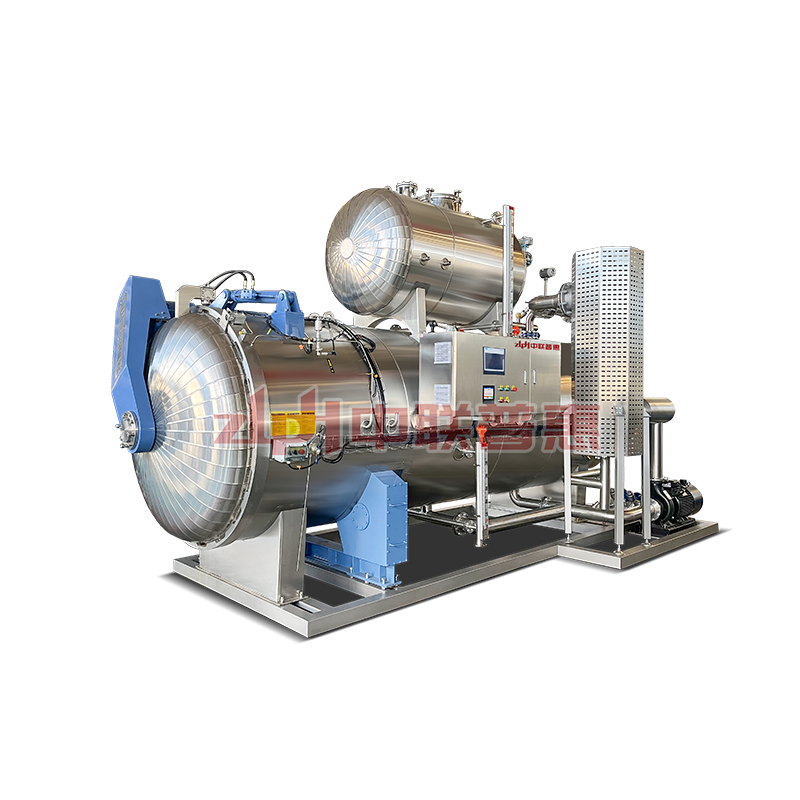
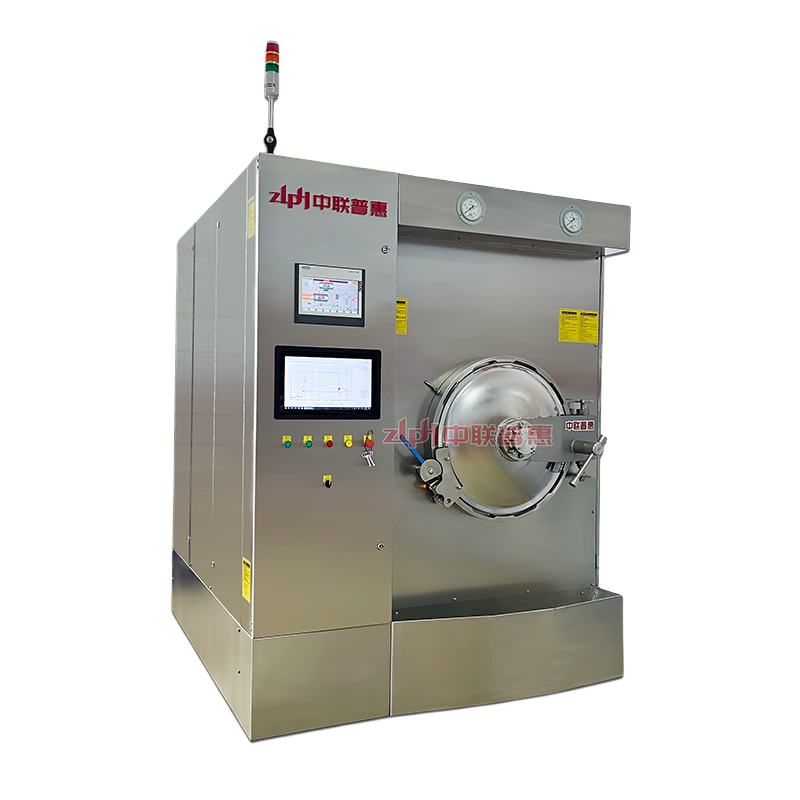
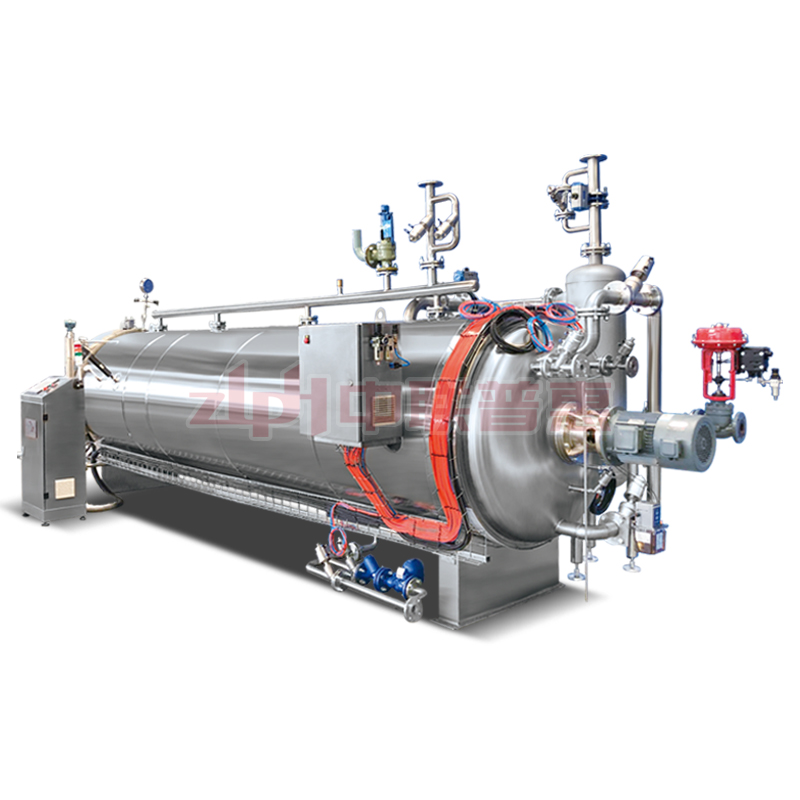
This guide is authored by a senior food processing engineer with over 10 years of experience at ZLPH MACHINERY TECHNOLOGY CO., LTD., a globally recognized provider of advanced sterilization solutions. It addresses a critical challenge faced by food manufacturers worldwide: inconsistent thermal distribution and unreliable sterilization results in steam-air retort autoclaves. This issue often stems from poor temperature uniformity, inadequate pressure control, and suboptimal loading practices—leading to under-processing (safety risks) or over-processing (quality degradation). Based on more than 5,000 global installations and rigorous validation across diverse food categories—from canned meats to ready-to-eat meals—we’ve developed a proven, step-by-step methodology to ensure consistent, safe, and high-quality sterilization outcomes. In this guide, we’ll break down the root causes by real-world scenario, provide actionable fixes, share field-tested best practices, and validate results with measurable performance data—all tailored to help you achieve compliance, efficiency, and product excellence.

How to Ensure Uniform Temperature Distribution in Large-Batch Steam-Air Retort Cycles?
1. Scenario & Pain Point
In high-volume canning facilities producing shelf-stable soups or sauces, operators frequently observe cold spots in the retort chamber—especially in bottom-center zones—resulting in failed F₀ validation tests. This inconsistency forces batch reprocessing, increases energy consumption, and risks regulatory non-compliance due to potential pathogen survival.

2. Root Cause Analysis
Three primary factors contribute: (1) insufficient air agitation during heating/cooling phases, causing stratification; (2) improper basket loading density that blocks steam circulation; and (3) lack of real-time multi-point temperature monitoring to detect thermal gradients during the cycle.

3. Step-by-Step Solution
Immediate Adjustment: Optimize basket spacing—maintain ≥5 cm between cans and ≥10 cm from chamber walls—and use perforated trays to enhance airflow. System Upgrade: Deploy a steam-air retort equipped with forced convection via high-efficiency circulation fans and a water spray system that ensures even heat transfer across all load zones. Process Control: Integrate a multi-channel temperature mapping system (e.g., 12+ probes per load) to validate thermal uniformity in real time and auto-adjust steam/air ratios.

4. Pitfall Avoidance Guide
Never overload baskets beyond 70% capacity. Always pre-validate thermal profiles using dummy loads before full production. Avoid using solid-bottom trays—they trap cold air pockets. Confirm that your retort’s control system logs temperature/pressure data continuously for audit compliance.
5. Validation & Results
At a Southeast Asian ready-meal producer, implementing ZLPH’s intelligent top-opening steam-air retort with water spray and real-time monitoring reduced thermal deviation from ±4.2°C to ±0.8°C. F₀ consistency improved by 92%, eliminating reprocessing and cutting cycle time by 18%.
How to Prevent Can Deformation During Rapid Cooling in Steam-Air Retorts?
1. Scenario & Pain Point
When cooling glass jars or thin-walled metal cans after sterilization, sudden pressure drops cause implosion or lid buckling—damaging up to 5–7% of output in some facilities.
2. Root Cause Analysis
Rapid external cooling without synchronized internal pressure compensation creates a vacuum inside containers. Standard retorts lack precise back-pressure control during the cooling phase.
3. Step-by-Step Solution
Use a retort with an integrated compressed air injection system that maintains counter-pressure (typically 1.5–2.5 bar) during water-spray cooling. Program a staged cooling ramp: slow initial cooldown (≤1.5°C/min) followed by faster cooling once internal pressure stabilizes.
4. Pitfall Avoidance Guide
Never initiate full-intensity cooling immediately after sterilization. Always match cooling rate to container material specs. Validate pressure curves alongside temperature profiles.
5. Validation & Results
A European baby food manufacturer reduced container damage from 6.3% to 0.4% after adopting ZLPH’s pressure-balanced cooling protocol, saving over $220,000 annually in waste reduction.
Industry Best Practices for Steam-Air Retort Reliability
Based on 8+ years of global deployments, ZLPH recommends this 5-step framework to ensure consistent sterilization performance:
1. Define Worst-Case Conditions: Design cycles for the densest product load and lowest thermal conductivity item in your portfolio.
2. Validate Thermally: Conduct heat distribution and heat penetration studies per FDA 21 CFR Part 113 and EN 13409 standards.
3. Automate Monitoring: Use PLC-based systems with real-time F₀ calculation and automatic cycle adjustment.
4. Maintain Proactively: Inspect gaskets, valves, and spray nozzles weekly; calibrate sensors monthly.
5. Partner with Experts: Choose suppliers with in-house process engineers who offer on-site validation support—not just equipment sales.
Frequently Asked Questions (FAQ)
Q: Can I use a standard steam-only retort for products requiring gentle handling?
A: No—steam-only systems lack precise pressure control during cooling, risking container damage. Steam-air retorts with regulated back-pressure are essential for delicate products like glass jars or pouches.
Q: What certifications should a steam-air retort have for EU and Russian markets?
A: Look for CE (EU), EAC (Eurasian Customs Union), and ASME certification for pressure vessel safety—ZLPH holds all three, plus Malaysia DOSH and Special Equipment Production License.
Q: How often should I recalibrate temperature sensors in my retort?
A: Every 3 months under normal use; monthly in high-cycle operations. ZLPH retorts include self-diagnostic alerts for sensor drift.
Q: Does ZLPH offer on-site thermal validation support?
A: Yes—our team of 14 after-sales engineers provides global commissioning, mapping, and regulatory documentation assistance.
Q: Can your retorts handle both rigid cans and flexible pouches?
A: Absolutely—our water spray system and programmable pressure profiles are validated for metal cans, glass, PET trays, and stand-up pouches.
Our Expertise & Support Commitment
ZLPH MACHINERY TECHNOLOGY CO., LTD. is a technology-driven sterilization solutions provider founded in 2018, with 21 mechanical and PLC engineers, 4 dedicated sterilization process researchers, and 14 global after-sales technicians—all with 10+ years in the industry. Our 15,000 m² smart factory in China produces ASME-certified retorts compliant with CE, EAC, and DOSH standards. We’ve delivered 5,000+ systems across 60+ countries, including turnkey lines showcased at major exhibitions like AGROPRODASH.
We offer customized support including: (1) free thermal process consultation, (2) on-site load validation, (3) operator training, and (4) sample machine testing at our Qingdao demo center—where clients recently praised our retort loader-unloader system for boosting throughput by 35%.
Contact Us
Company: ZLPH MACHINERY TECHNOLOGY CO., LTD.
Website: https://www.zlphretort.com/
Email: sales@zlphretort.com
Phone / WhatsApp: +86 15666798389 / +86 13361554016
