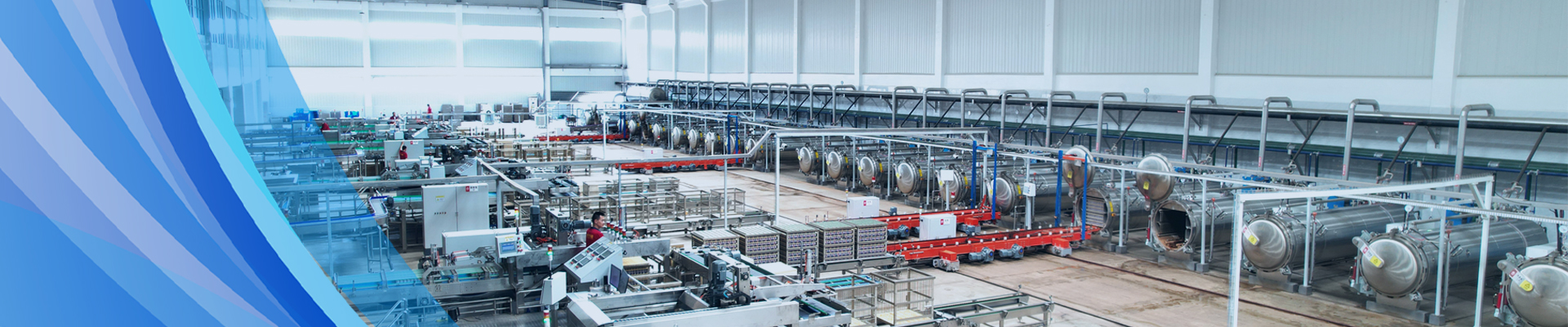

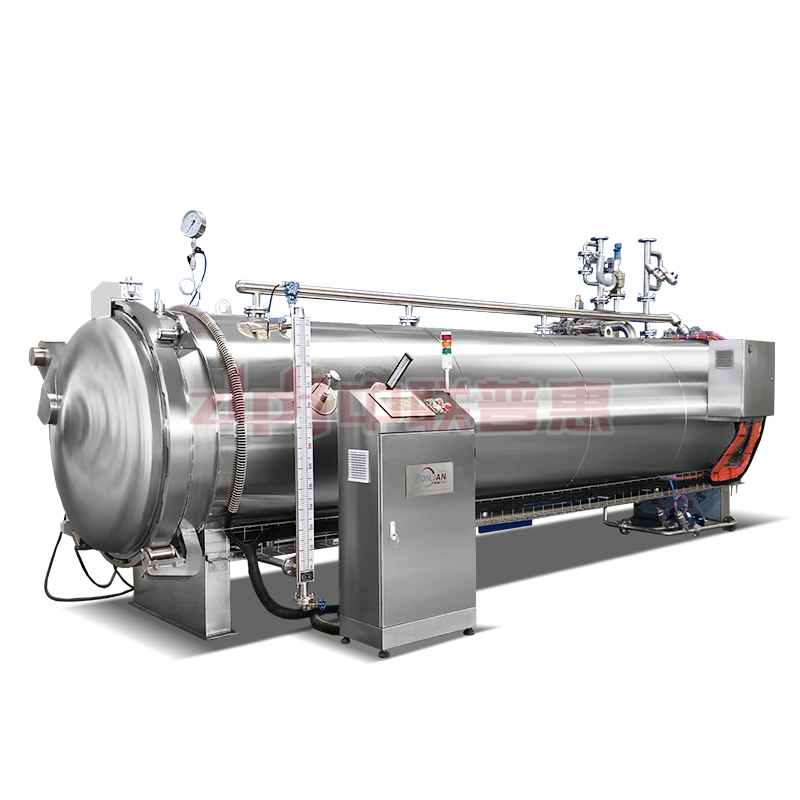
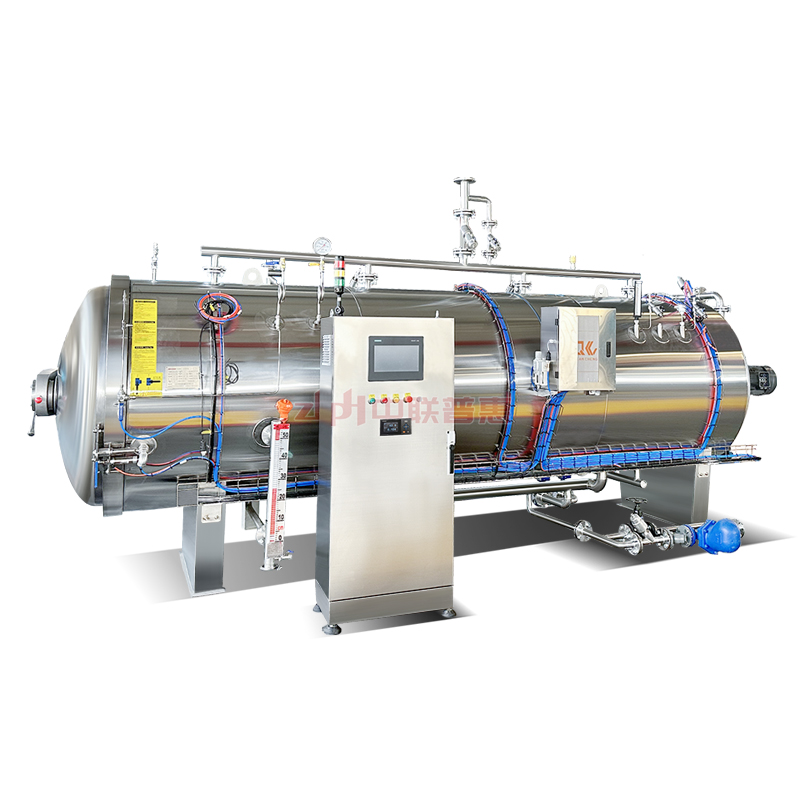
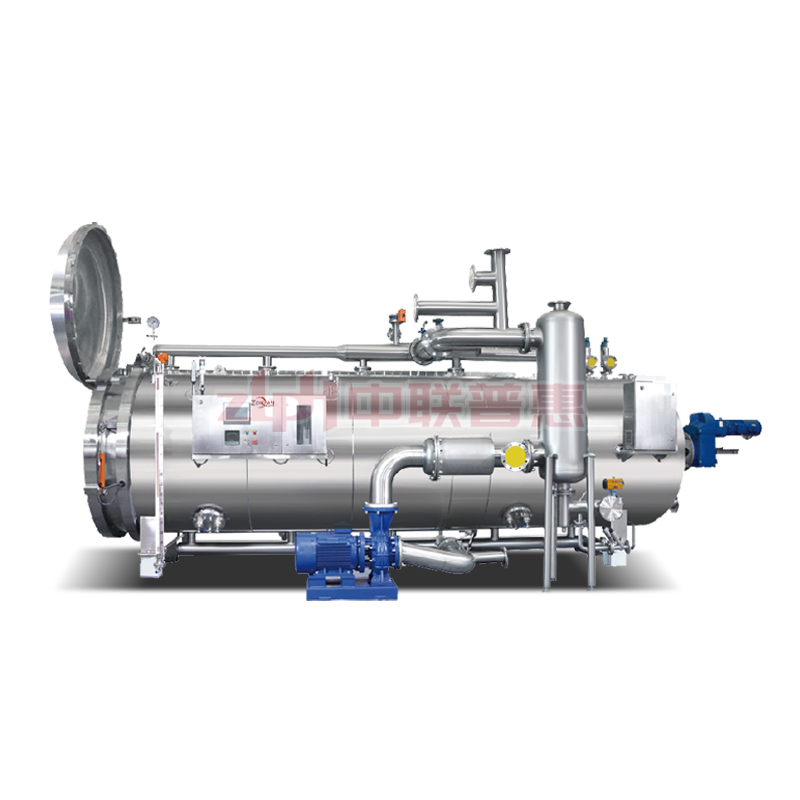
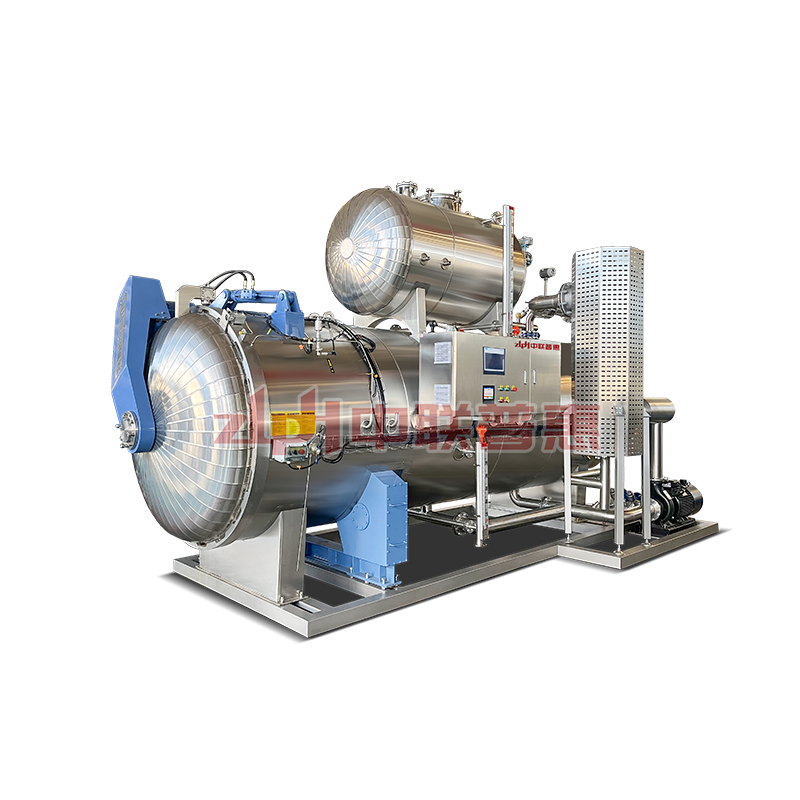
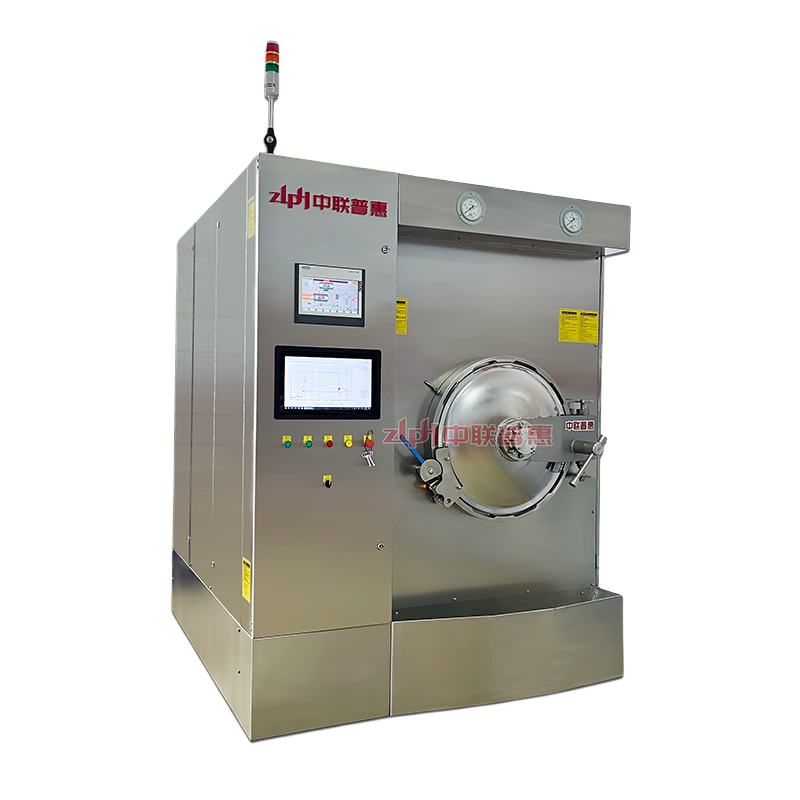
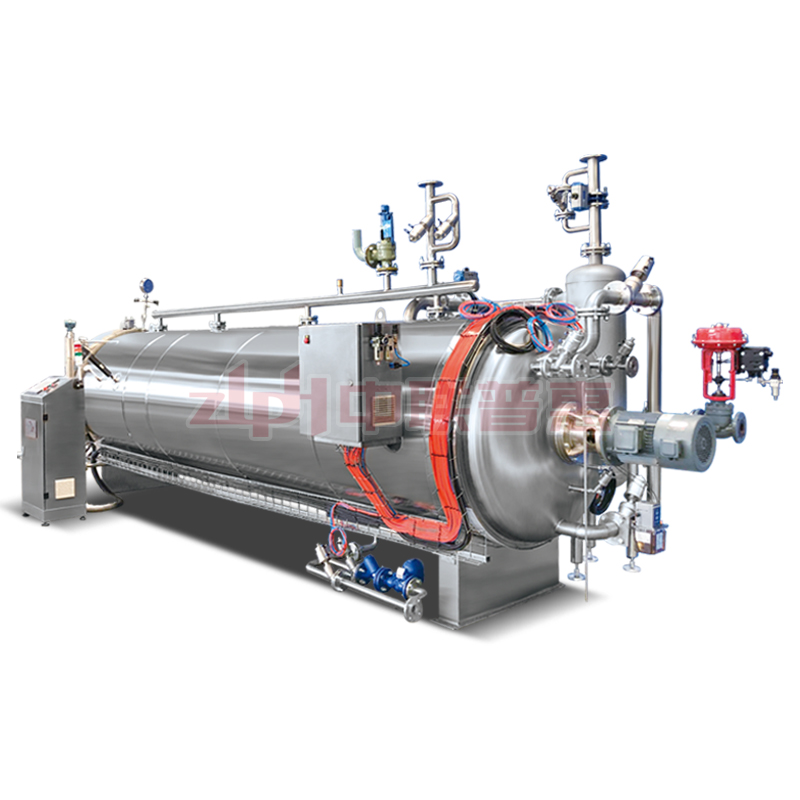
This guide is authored by a senior food processing engineer with over 10 years of experience at ZLPH MACHINERY TECHNOLOGY CO., LTD., a leading Chinese supplier of industrial sterilization systems. It addresses a critical challenge faced by global food manufacturers and procurement teams: inconsistent or inefficient thermal sterilization during canned food production, which often leads to product recalls, safety risks, and compliance failures. The root causes typically include uneven heat distribution, manual loading inefficiencies, and outdated pressure-temperature control systems. Based on more than 5,000 global installations and field validations across Asia, Europe, and the Americas, we present a proven, step-by-step solution using modern horizontal retort autoclaves that ensure uniform lethality, regulatory compliance, and operational efficiency. This guide breaks down real-world scenarios, offers actionable fixes, shares validated performance data, and outlines best practices to help you achieve reliable, scalable, and safe sterilization outcomes.

How to Ensure Uniform Sterilization in High-Volume Canned Meat Production?
1. Scenario & Pain Point
In large-scale canned meat facilities, operators frequently report under-sterilized batches despite meeting time-temperature targets. This inconsistency triggers quality holds, increases waste, and risks pathogen survival (e.g., Clostridium botulinum), especially in dense or irregularly shaped packs.

2. Root Cause Analysis
Three primary factors contribute: (1) poor water circulation in static retorts causing cold spots; (2) manual tray loading leading to uneven basket stacking and blocked flow paths; (3) lack of real-time monitoring, resulting in unverified process execution.

3. Step-by-Step Solution
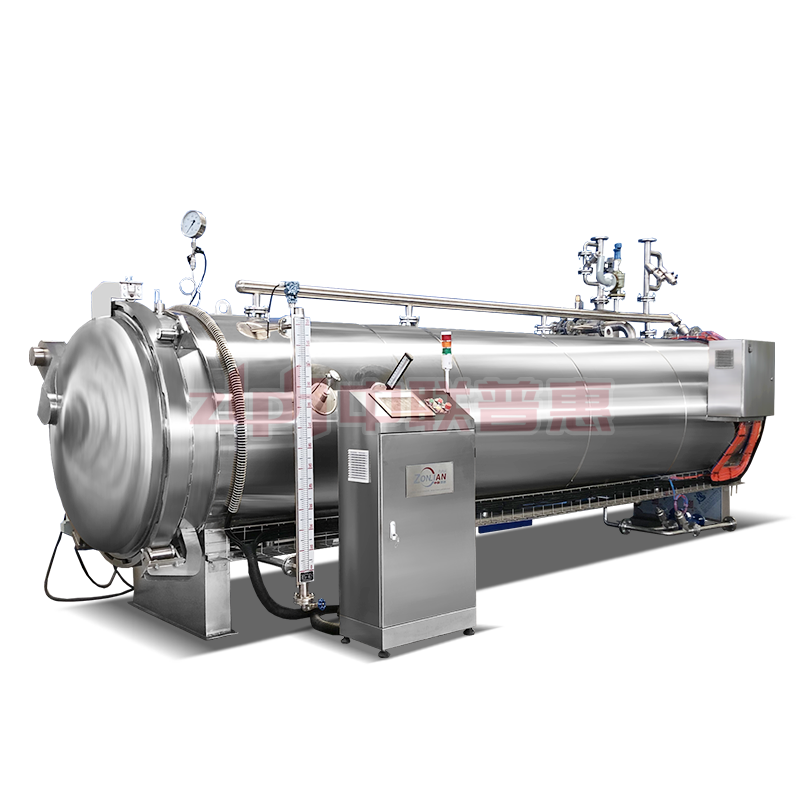
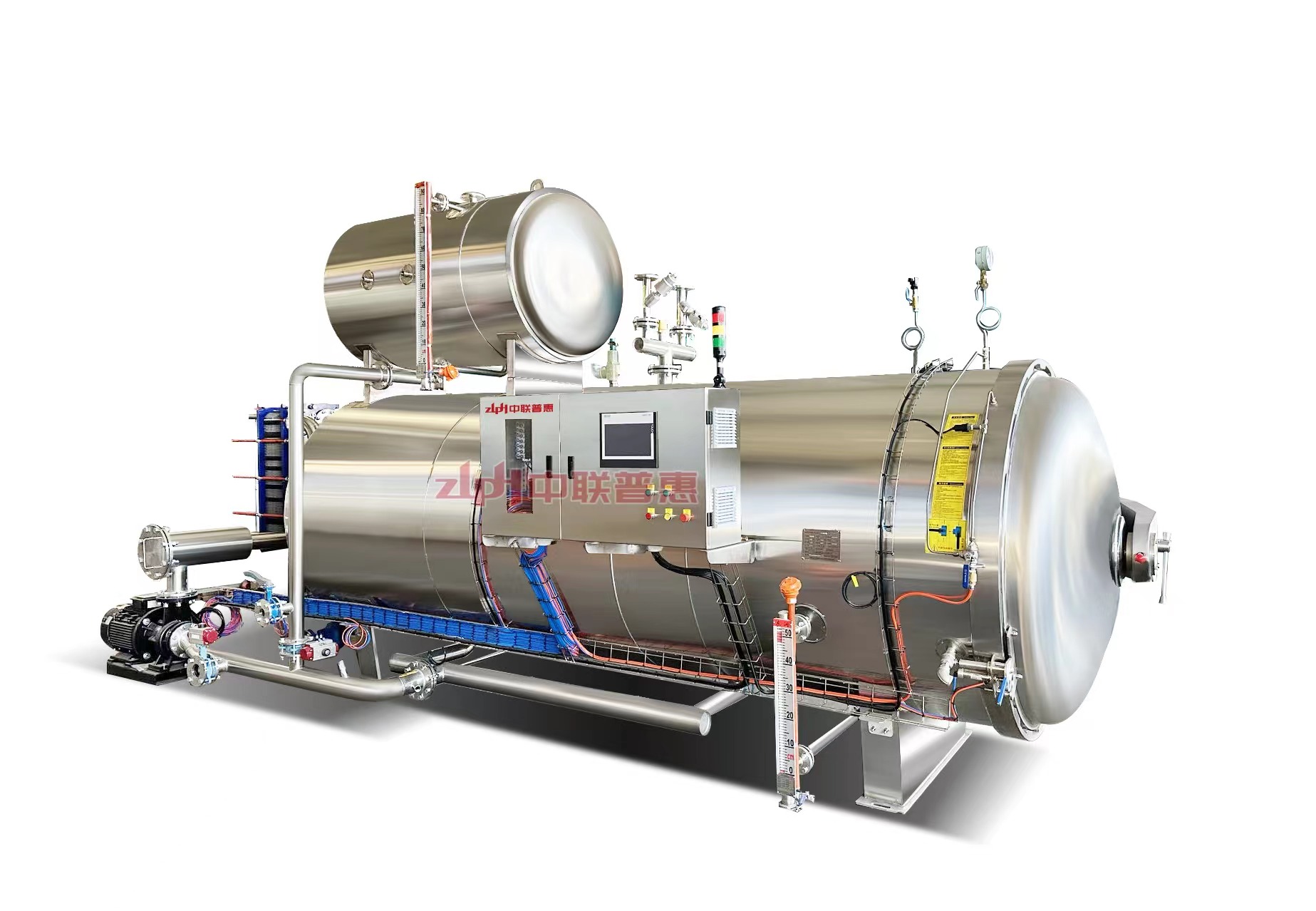
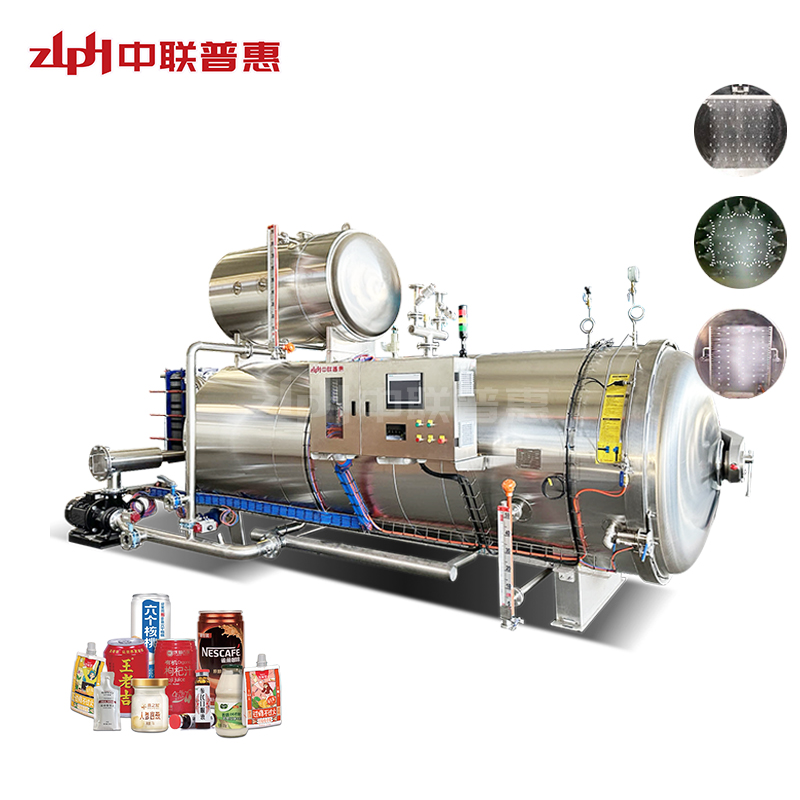
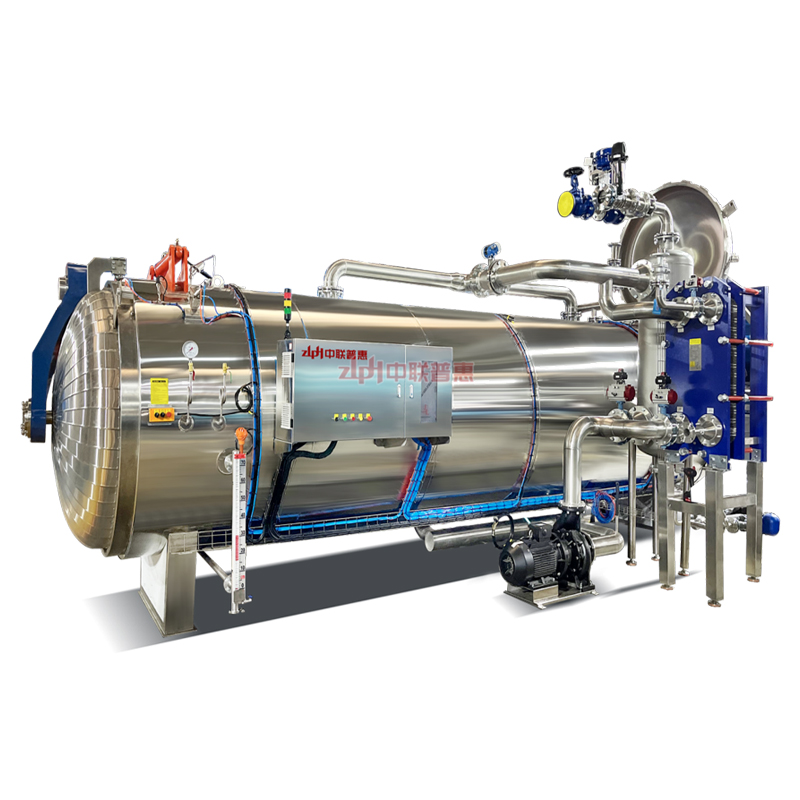
Immediate fix: Implement automated tray loader/unloader systems to standardize basket arrangement and maximize flow channel clearance. Long-term resolution: Deploy horizontal water-spray retorts with multi-zone spray nozzles and forced circulation pumps, ensuring ±0.5°C temperature uniformity across all load zones. Integrate PLC-based control with data logging compliant with FDA 21 CFR Part 11.

4. Pitfall Avoidance Guide
Validate thermal mapping annually using NIST-traceable probes. Never overload baskets beyond 85% capacity. Always preheat process water to reduce come-up time variability. Avoid retrofitting old vertical retorts for high-viscosity products—they inherently lack flow dynamics for uniform treatment.
5. Verified Performance
At a Southeast Asian meat processor using ZLPH’s horizontal retort with auto-loader, F0 deviation dropped from ±8% to ±1.2%, reducing batch rejection by 92%. The system achieved ASME BPVC Section VIII and EU CE certification, confirming design integrity under cyclic pressure loads.
How to Reduce Cycle Time Without Compromising Safety in Pet Food Sterilization?
1. Scenario & Pain Point
Pet food manufacturers using bowl-pack formats struggle with long sterilization cycles (often >60 minutes), limiting throughput and increasing energy costs, while still facing post-process contamination due to slow cooling phases.
2. Root Cause Analysis
Conventional steam-air retorts lack precise cooling control. Excessive residual heat after sterilization allows thermophilic spoilage organisms to proliferate during slow ambient cooldown.
3. Step-by-Step Solution
Adopt horizontal water-immersion retorts with integrated rapid-cooling circuits. Use counter-flow chilled water injection post-sterilization to drop product core temperature from 121°C to <40°C in under 15 minutes. Pair with automated handling to eliminate human contact during transfer.
4. Pitfall Avoidance Guide
Ensure cooling water meets potable standards to prevent recontamination. Monitor pressure differentials during cooling to avoid container deformation. Calibrate temperature sensors monthly—drift beyond ±1°C invalidates lethality calculations.
5. Verified Performance
At Petfair Asia 2023, ZLPH demonstrated a bowl-pack line achieving 45-minute total cycle time (including 12-minute rapid cool) with zero post-process microbial growth across 10,000+ units tested.
Industry Best Practices for Horizontal Retort Deployment
Based on 6+ years of global project execution, ZLPH recommends this 5-step framework:
1. Define Worst-Case Conditions
Design for maximum pack density, lowest thermal conductivity product, and highest ambient temperature—not average conditions.
2. Automate Material Handling
Manual loading introduces variability; auto-loaders improve repeatability and reduce labor costs by 30–40%.
3. Validate with Thermal Mapping
Conduct 3 full-load mappings per year using ≥12 data loggers placed in cold-spot zones.
4. Certify for Target Markets
Ensure equipment holds ASME, CE, EAC, and local special equipment licenses to avoid customs delays.
5. Implement Predictive Maintenance
Monitor seal wear, pump vibration, and valve response times via IoT-enabled controllers to preempt failures.
Frequently Asked Questions (FAQ)
Q: Can horizontal retorts handle glass jars and metal cans in the same batch?
A: Only if using flexible basket designs with segregated compartments and independent pressure ramping profiles to prevent breakage.
Q: What certifications are required for exporting retorts to the EU?
A: Mandatory CE marking under PED 2014/68/EU, plus compliance with Machinery Directive 2006/42/EC—both held by ZLPH.
Q: How to prevent pouch deformation during sterilization?
A: Use overpressure control (typically 1.5–2.5 bar) synchronized with internal product temperature rise to balance内外压差.
Q: Is water spray better than steam-air for ready meals?
A: Yes—water spray provides faster heat transfer and superior surface cooling, critical for preventing sauce separation in multi-compartment trays.
Q: What’s the minimum footprint for a semi-automatic horizontal retort line?
A: Approximately 12m x 6m, including loader, retort chamber, and unloader—optimized in ZLPH’s modular design covering 15,000㎡ factory space.
Our Technical Authority & Support
ZLPH MACHINERY TECHNOLOGY CO., LTD. is a certified manufacturer of horizontal retort autoclaves since 2018, backed by 21 mechanical/PLC engineers, 4 sterilization process experts, and 14 global after-sales technicians—all with 10+ years in thermal processing. Our systems comply with ASME, CE, EAC, Malaysia DOSH, and China Special Equipment Licensing requirements. We’ve deployed solutions across Russia (AGROPRODASH 2023), China (Qingdao Expo), and ASEAN markets, earning AAA Credit Enterprise and Integrity Management certifications for reliability.
We offer:
- On-site thermal process validation
- Custom basket/tooling design for unique pack formats
- Free pilot testing with your product samples
- 24/7 remote diagnostics via cloud-connected controllers
Contact Information
Company: ZLPH MACHINERY TECHNOLOGY CO., LTD.
Website: https://www.zlphretort.com/
Email: sales@zlphretort.com
Phone / WhatsApp: +86 15666798389 / +86 13361554016
