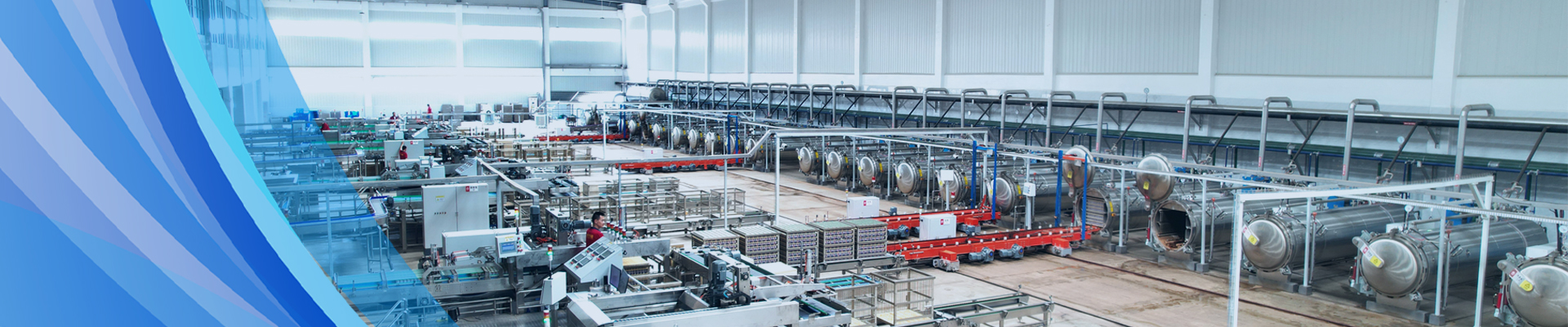

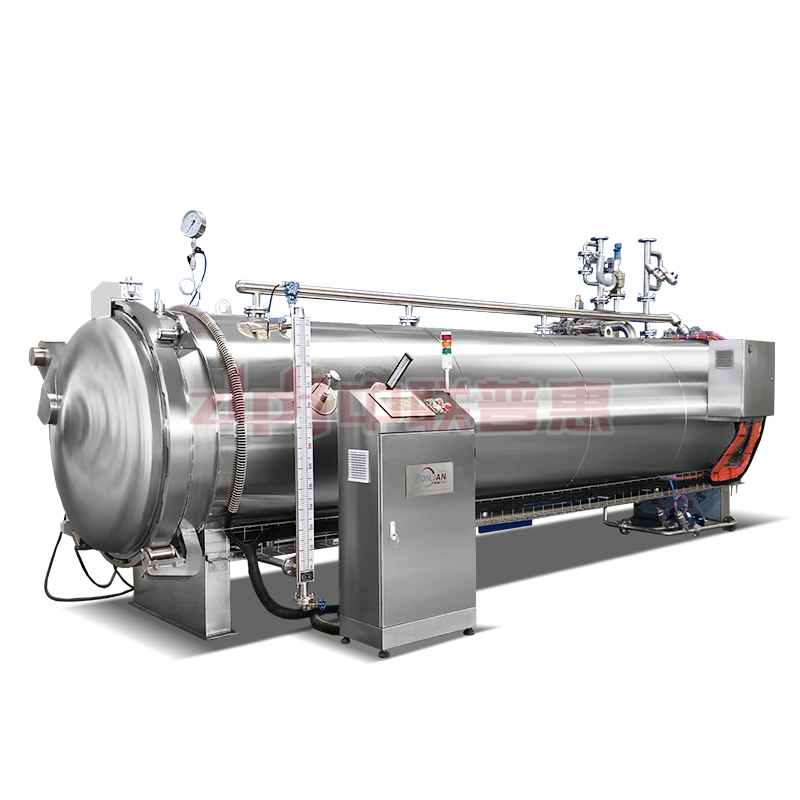
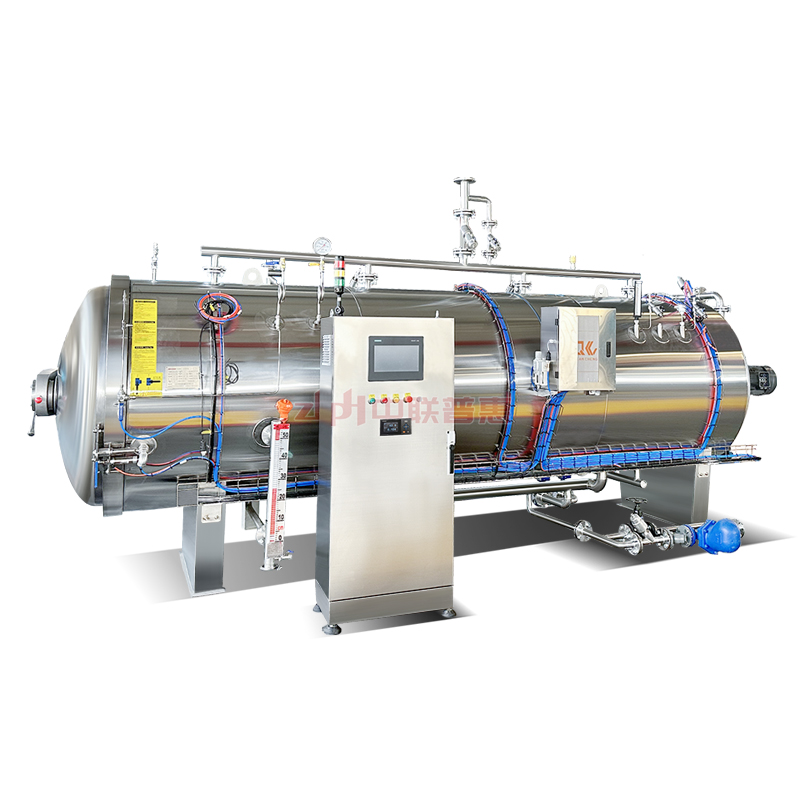
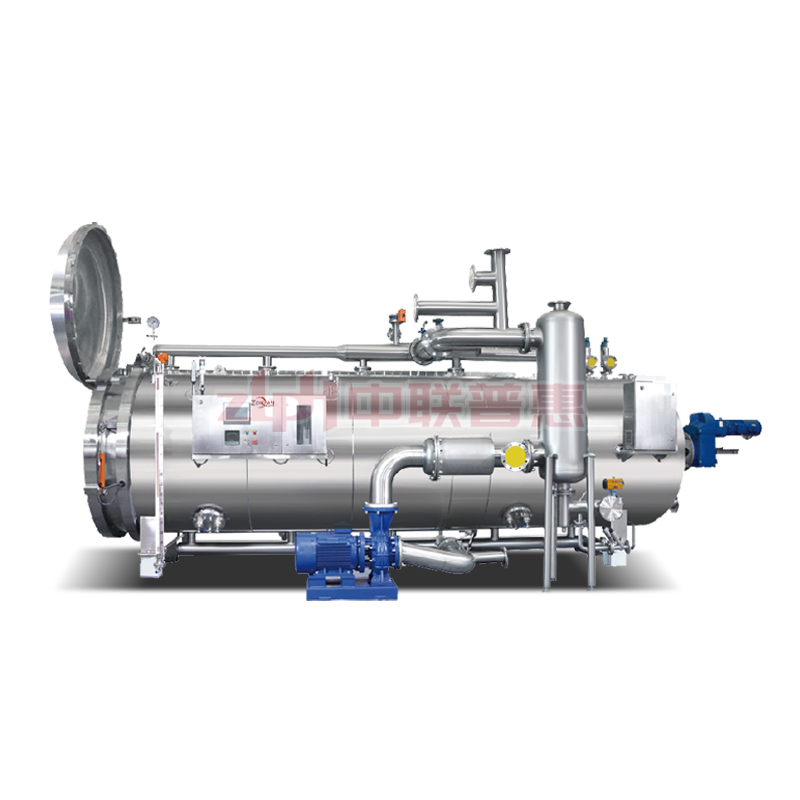
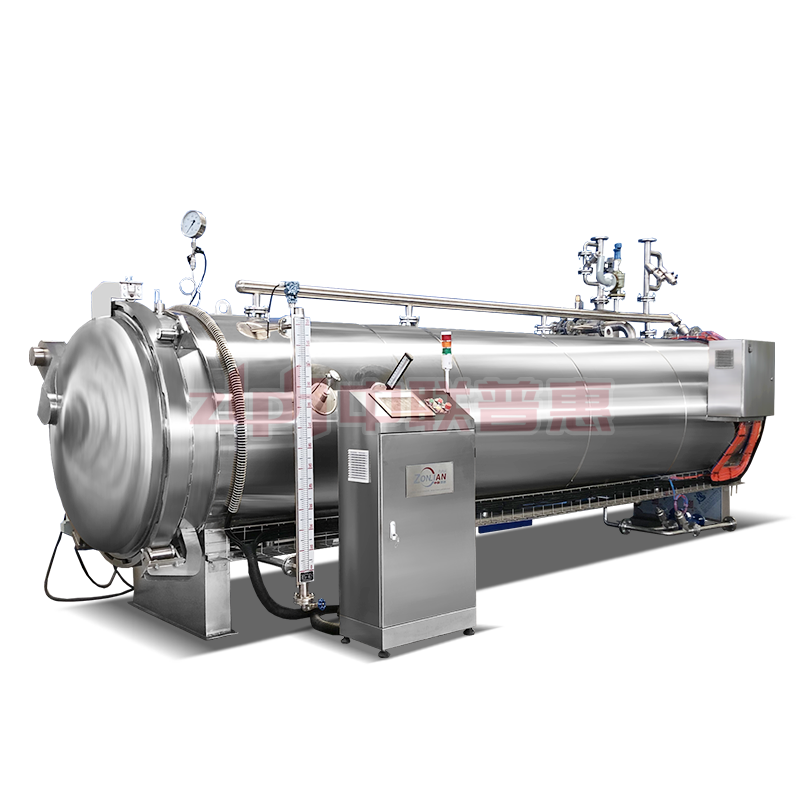
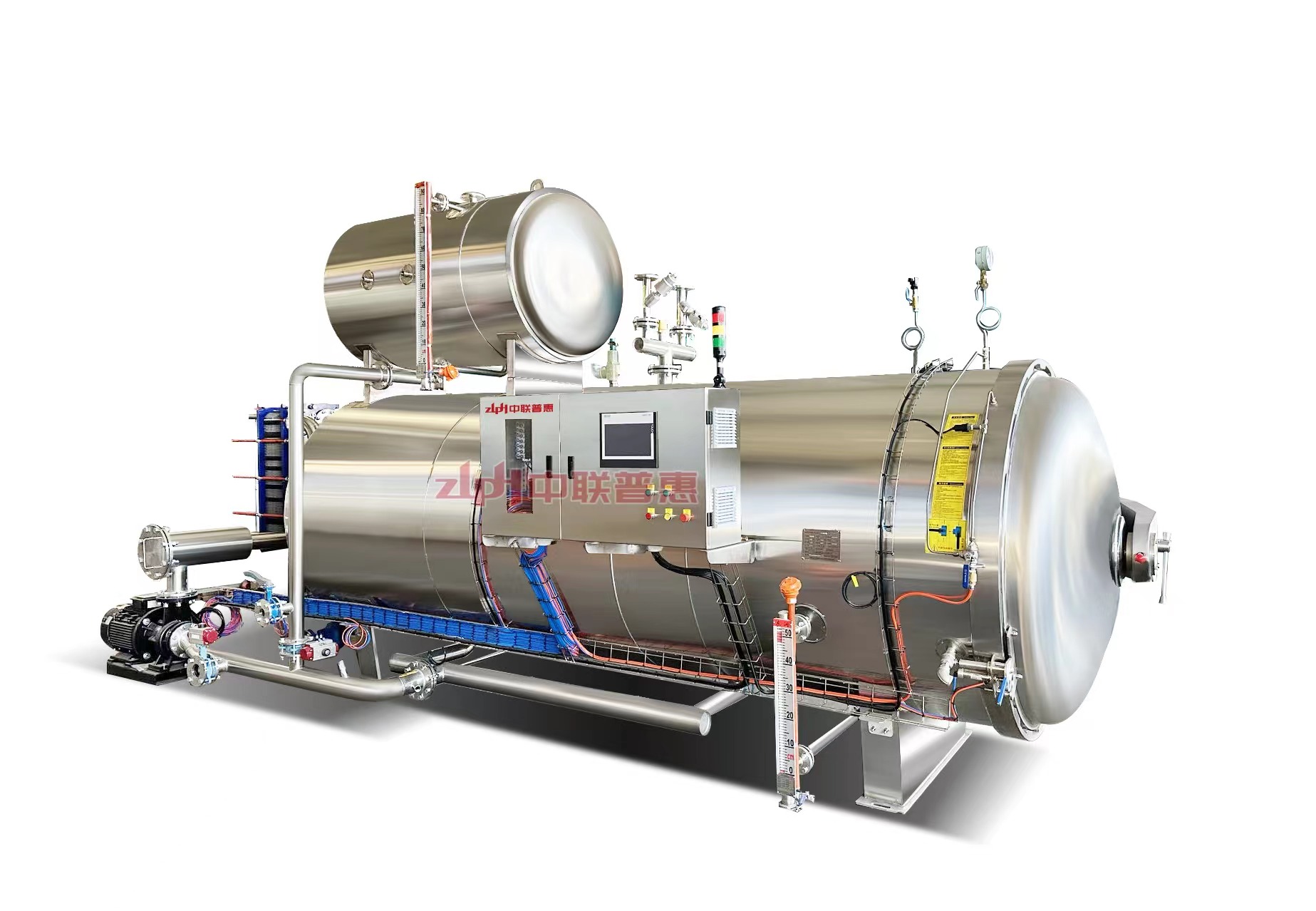
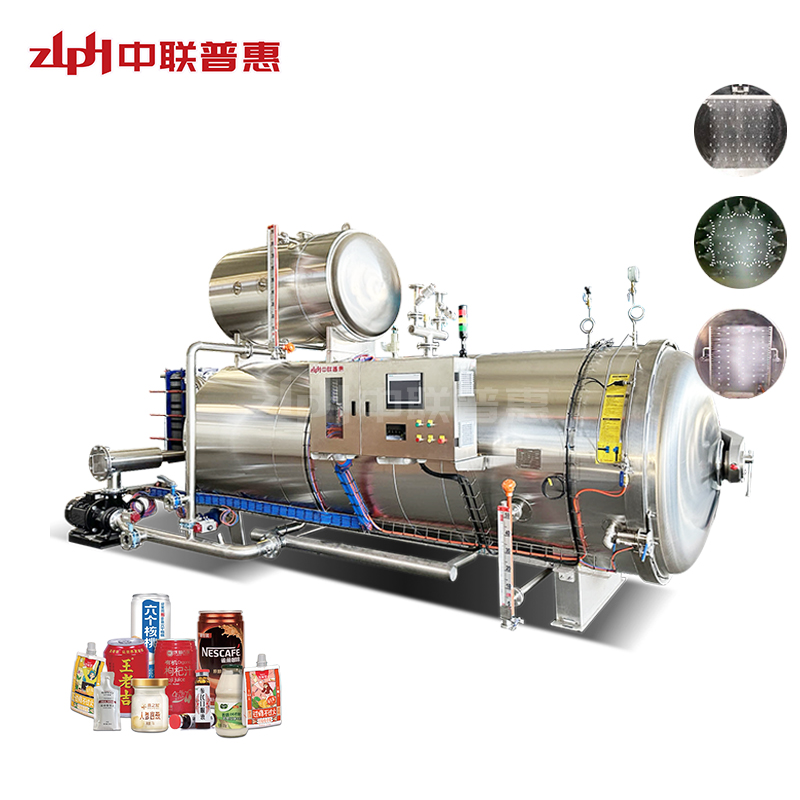
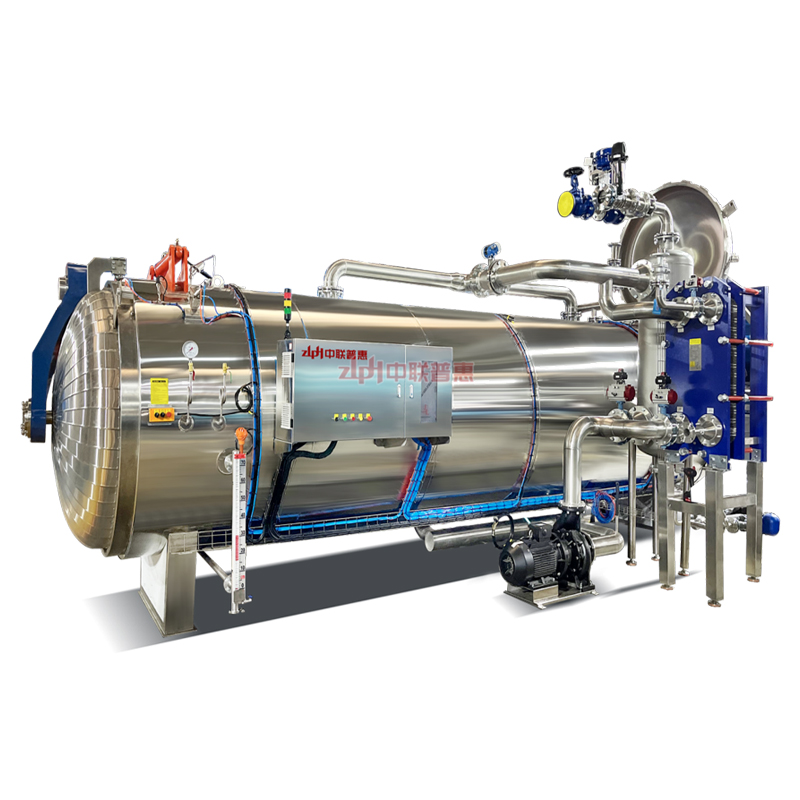
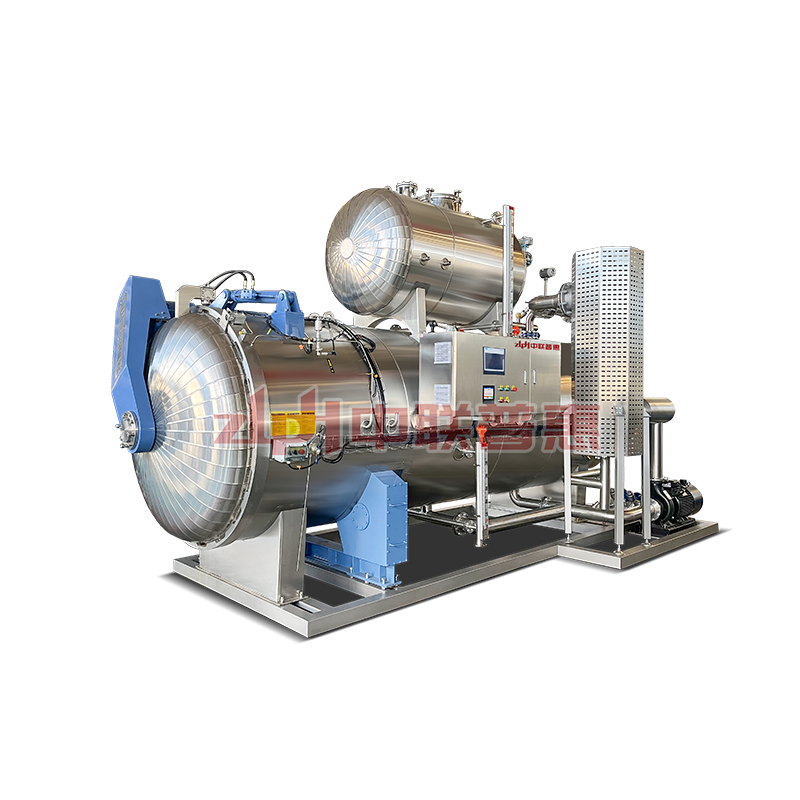
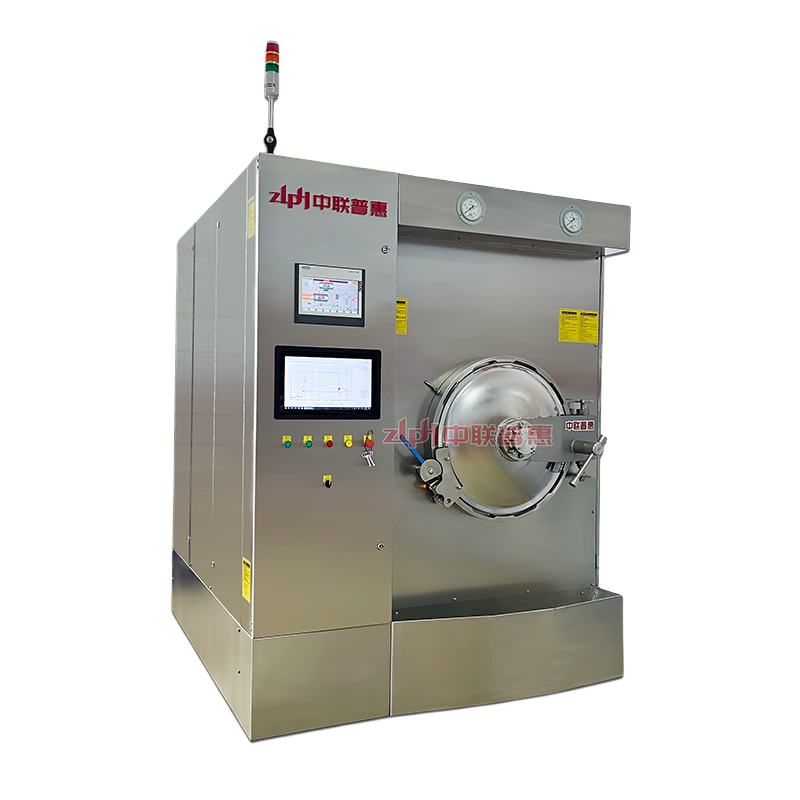
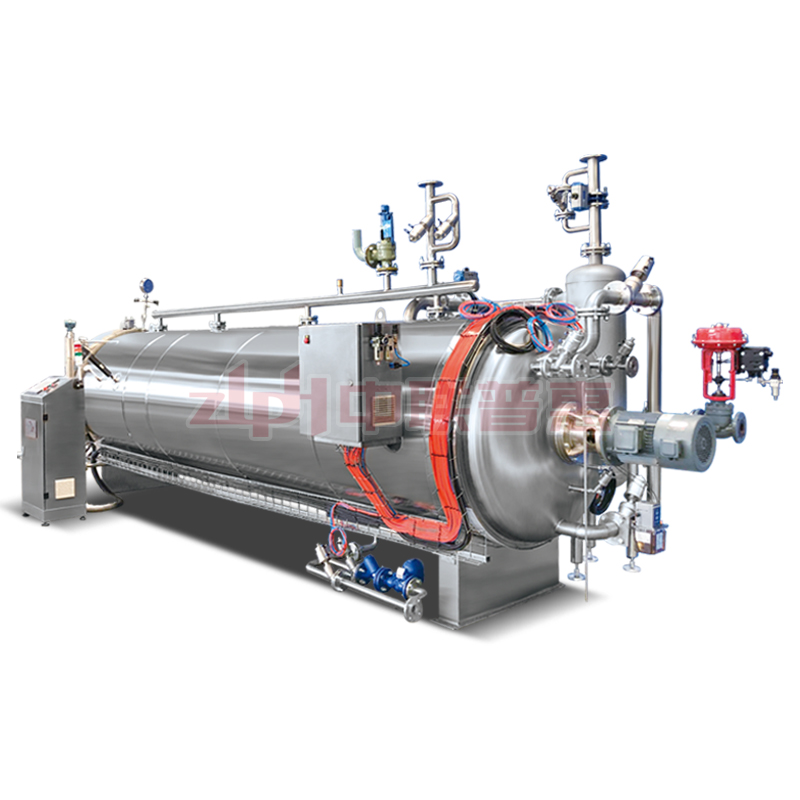
This guide is authored by a senior food processing engineer with over 10 years of experience at ZLPH MACHINERY TECHNOLOGY CO., LTD., a leading global provider of sterilization solutions. It addresses a critical challenge faced by food manufacturers worldwide: inconsistent or inefficient sterilization in high-volume production lines using horizontal retort autoclaves. This issue often stems from uneven heat distribution, manual loading inefficiencies, and lack of real-time process control—leading to product spoilage, safety risks, and compliance failures. Based on more than 5,000 global installations and field validations across meat, seafood, canned vegetables, and ready-to-eat meals, we present a proven, step-by-step solution that ensures uniform sterilization, maximizes throughput, and meets international food safety standards. In this guide, we break down root causes by scenario, deliver actionable fixes, share real-world validation data, and outline best practices to future-proof your thermal processing operations.

How to Ensure Uniform Sterilization in Large-Batch Canned Food Production?
1. Scenario & Pain Point
In large-scale canning facilities, operators frequently report under-sterilized zones in the center of retort baskets or inconsistent F0 values across batches. This leads to product recalls, regulatory non-compliance (especially under FDA or EU regulations), and wasted raw materials. The problem intensifies during peak seasons when cycle times are rushed.

2. Root Cause Analysis
Three primary factors contribute: (1) poor water circulation design causing thermal dead zones; (2) overloaded or unevenly stacked trays disrupting flow dynamics; and (3) absence of real-time temperature mapping across multiple basket positions.

3. Step-by-Step Solution
Immediate Fix: Reorganize tray loading using standardized patterns with adequate spacing between cans. Install flow-directing baffles inside the retort chamber.
Long-Term Fix: Deploy a horizontal retort with a multi-nozzle water spray system that ensures 360° coverage and turbulent flow. Integrate multi-point RTD sensors (minimum 6 per basket) linked to an intelligent PLC controller for dynamic F0 monitoring.
Optimization: Calibrate spray pressure and rotation speed based on product fill volume and viscosity to maintain Reynolds number >4,000 for turbulent flow.

4. Troubleshooting & Pitfall Avoidance
Validate thermal uniformity via third-party heat distribution studies before full-scale production. Never assume uniformity based on single-point temperature readings. Avoid overloading beyond 85% of chamber capacity. Always use ASME-certified vessels to prevent pressure-related inconsistencies.
5. Real-World Validation
At a major Southeast Asian tuna cannery, implementing ZLPH’s intelligent water spray horizontal retort reduced F0 deviation from ±8 minutes to ±1.2 minutes across 12,000 cans per batch. Spoilage rates dropped by 92%, and the facility passed its first BRCGS audit without non-conformities.
How to Automate Loading/Unloading to Reduce Labor Costs and Cycle Time?
1. Scenario & Pain Point
Manual handling of heavy retort trays causes ergonomic injuries, slows cycle turnover (often >45 minutes per load/unload), and introduces human error in tray alignment—leading to seal failures or uneven sterilization.
2. Root Cause Analysis
Reliance on forklifts or manual carts lacks precision. No synchronization between retort door operation and tray movement creates bottlenecks.
3. Step-by-Step Solution
Integrate an automated tray loader/unloader system with servo-driven rails and vision-guided positioning. Synchronize it with the retort’s upper-door mechanism via industrial Ethernet (e.g., PROFINET). Use barcode scanning to auto-verify batch IDs during loading.
4. Troubleshooting & Pitfall Avoidance
Ensure floor leveling tolerance <±2mm/m to prevent rail misalignment. Conduct weekly calibration of gripper force to avoid tray deformation. Never bypass safety interlocks during maintenance.
5. Real-World Validation At the Qingdao exhibition, ZLPH demonstrated a fully automated system that cut loading/unloading time to under 8 minutes per cycle while eliminating manual handling injuries. Customers reported 30% higher OEE (Overall Equipment Effectiveness) within three months of deployment.
Industry Best Practices for Horizontal Retort Operations
Based on 6+ years of global project execution, ZLPH recommends this 5-step framework for reliable sterilization:
1. Define Worst-Case Conditions
Design for maximum product load, lowest thermal conductivity, and highest ambient temperature—not average conditions.
2. Validate Thermal Performance
Conduct heat penetration and distribution studies per ASTM F2837 or EN 13409 standards before commercial runs.
3. Standardize SOPs
Document loading patterns, cycle parameters, and maintenance checks. Train operators using digital work instructions.
4. Implement Predictive Maintenance
Monitor pump vibration, seal wear, and valve response time via IoT sensors to avoid unplanned downtime.
5. Choose Certified Equipment
Only use retorts with ASME U2 stamp, CE, and EAC certifications to ensure global market access and insurance compliance.
Frequently Asked Questions (FAQ)
Q: Can a standard vertical retort be replaced with a horizontal one without revalidating the entire process?
A: No. Horizontal retorts have different fluid dynamics and heat transfer profiles. A full thermal validation (heat distribution + heat penetration) is required per FDA 21 CFR Part 113.
Q: What certifications should I verify when sourcing a horizontal retort for the EU market?
A: Ensure CE marking under PED 2014/68/EU, compliance with EN 13409 for sterilizers, and ASME BPVC Section VIII Div. 1 or U2 for pressure integrity.
Q: How does water spray sterilization compare to steam-air mix in terms of energy efficiency?
A: Water spray systems reduce energy use by 18–25% because they eliminate the need for compressed air and enable faster cooling via direct water quenching.
Q: Is automatic tray handling compatible with existing factory layouts?
A: Yes. ZLPH’s modular loader/unloader systems are designed for retrofit installation with minimal footprint changes, requiring only 3.5m clearance on one side of the retort.
Q: What’s the typical ROI for upgrading to an intelligent horizontal retort?
A: Most customers achieve ROI in 14–18 months through reduced labor, lower spoilage, faster cycles, and avoided recall costs.
Our Expertise & Support
ZLPH MACHINERY TECHNOLOGY CO., LTD. is a globally recognized specialist in horizontal retort autoclaves, founded in 2018 with a 21-member R&D team including mechanical designers, PLC engineers, and sterilization process experts. We hold ASME, CE, EAC, and Malaysia DOSH certifications, ensuring compliance across North America, Europe, Russia, and ASEAN markets. Our 15,000 m² smart factory in China produces over 300 retort systems annually, serving clients in 40+ countries—including Fortune 500 food producers. At AGROPRODASH 2023 in Moscow, our intelligent top-opening water spray retort received acclaim for its operational efficiency and food safety performance.
We offer end-to-end support:
• On-site thermal process validation
• Custom automation integration
• Free sample testing with your product
• 24/7 remote troubleshooting via WhatsApp or email
Contact Us
Company: ZLPH MACHINERY TECHNOLOGY CO., LTD.
Website: https://www.zlphretort.com/
Email: sales@zlphretort.com
Phone / WhatsApp: +86 13361554016
