
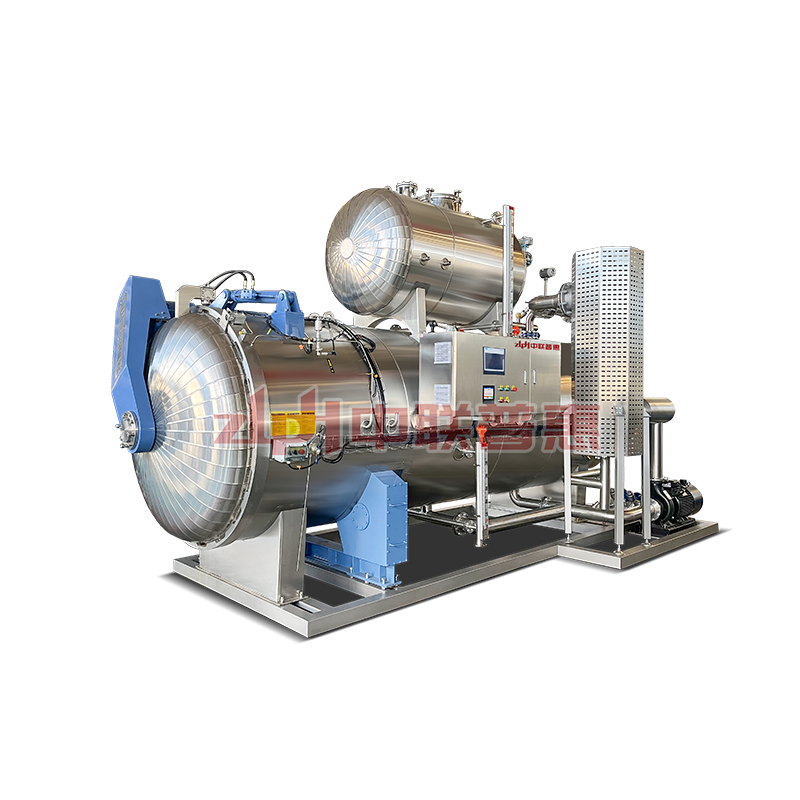
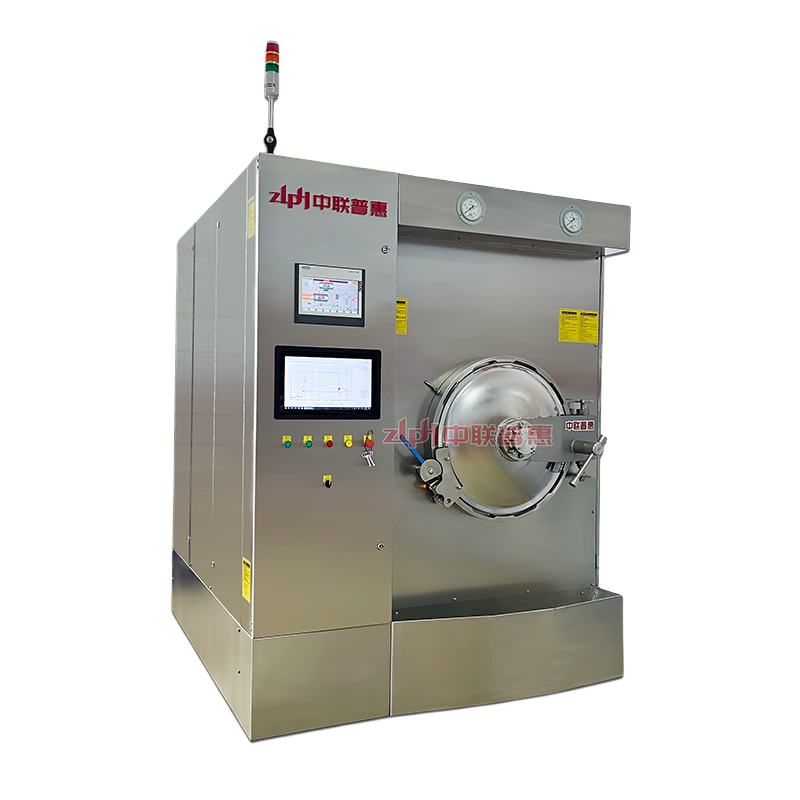
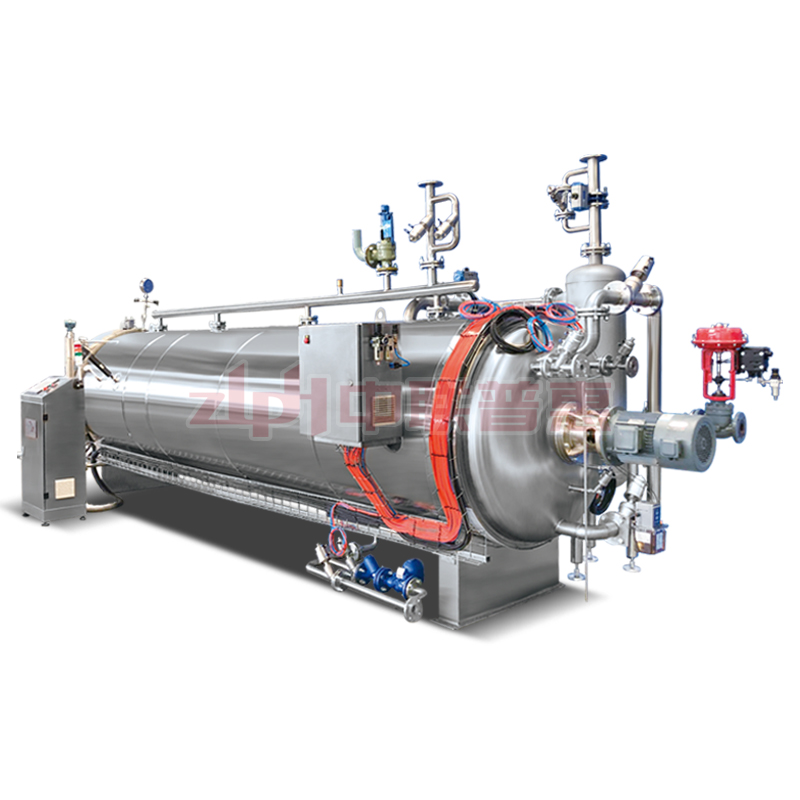
This guide is authored by a senior food processing engineer with over 10 years of experience at ZLPH MACHINERY TECHNOLOGY CO., LTD., a leading provider of sterilization solutions for the global food and pet food industries. It addresses a critical challenge faced by R&D teams, pilot plant managers, and procurement specialists: identifying reliable Chinese suppliers capable of delivering high-precision, compliant pilot retort autoclaves for product development and small-batch validation.

The difficulty in sourcing suitable pilot retort autoclaves from China has long plagued food innovators, primarily due to three factors: inconsistent quality among generic manufacturers, lack of compliance with international safety standards (such as ASME or CE), and limited technical support for non-standard sterilization processes. After validating over 5,000 global installations—including pilot-scale systems for pet food, ready meals, and canned goods—ZLPH has developed a proven, step-by-step framework to help you secure a safe, efficient, and scalable pilot sterilization solution that meets EU, US, and Eurasian regulatory requirements. In this guide, we break down real-world scenarios, root causes, actionable solutions, and compliance-backed validation data to ensure your R&D process remains uninterrupted and audit-ready.

How can I find a Chinese supplier that offers ASME-certified pilot retort autoclaves for food R&D?
1. Scenario & Pain Point
Food technology startups and multinational R&D centers often require small-capacity (50–500L) retort autoclaves to validate thermal processes before full-scale production. However, many Chinese suppliers only offer industrial-scale units or uncertified lab prototypes that fail safety inspections during facility audits, delaying product launches and risking regulatory non-compliance.

2. Root Cause Analysis
The core issues stem from: (1) most Chinese machinery vendors lacking ASME “U” Stamp authorization for pressure vessel manufacturing; (2) absence of integrated process validation tools (e.g., F₀ monitoring); and (3) insufficient experience in designing retorts for variable product matrices (e.g., viscous sauces vs. solid-packed meats).

3. Step-by-Step Solution
Immediate Action: Verify the supplier’s ASME Certificate of Authorization and request third-party inspection reports for pilot units.
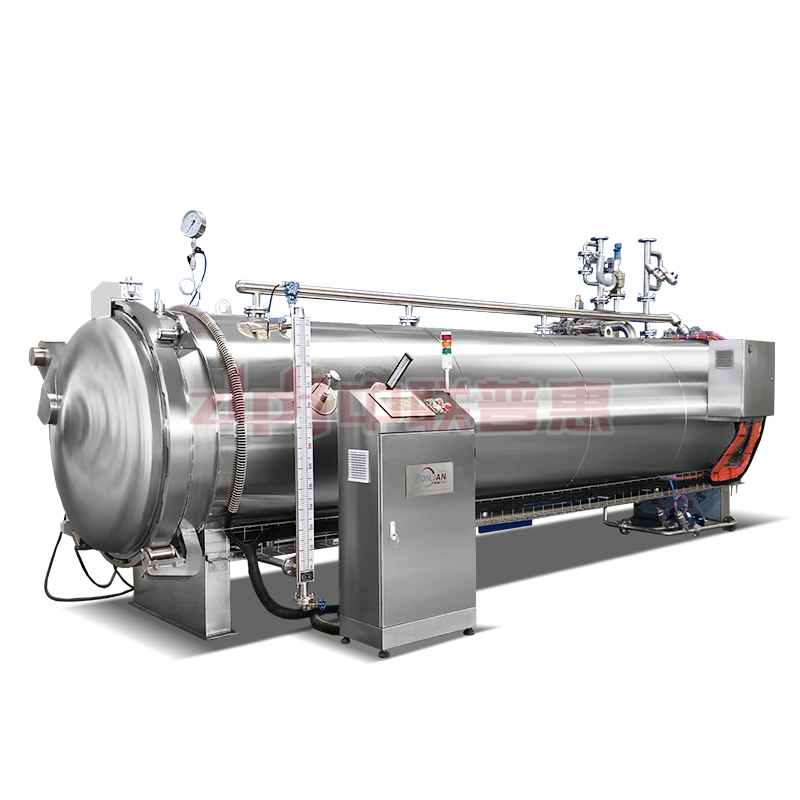
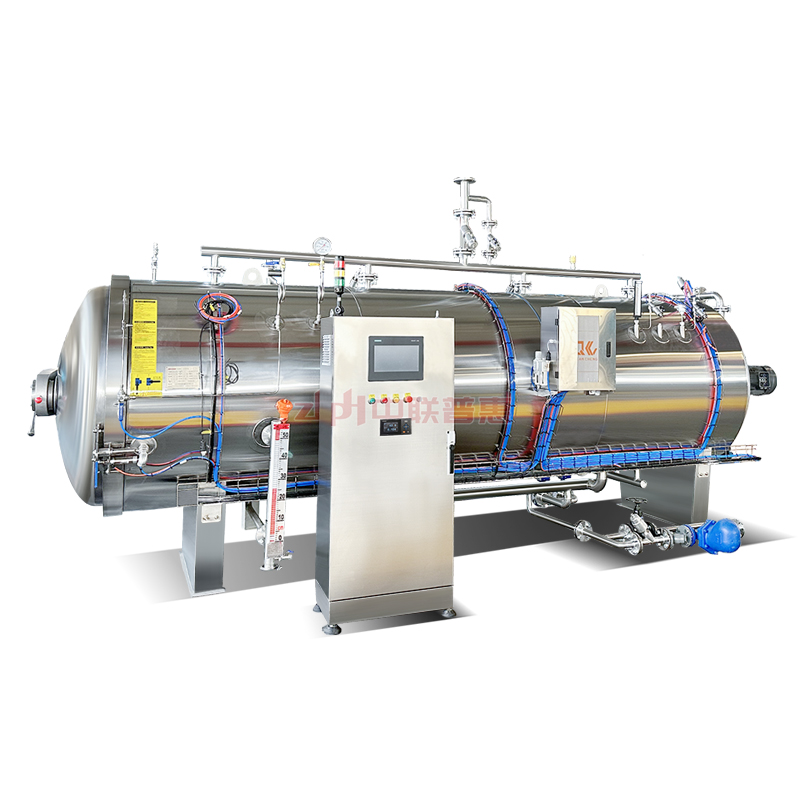
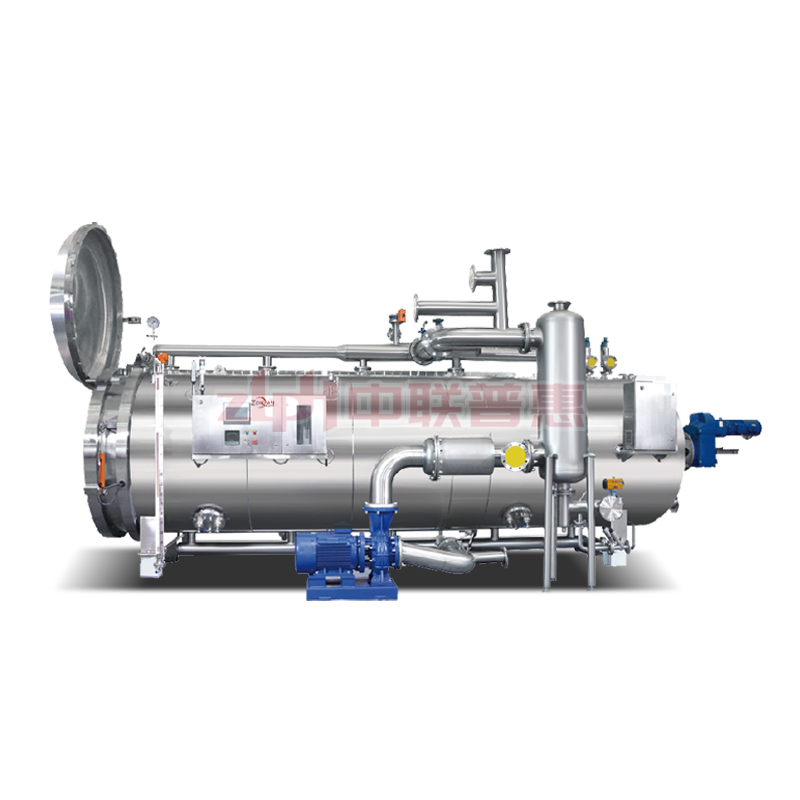
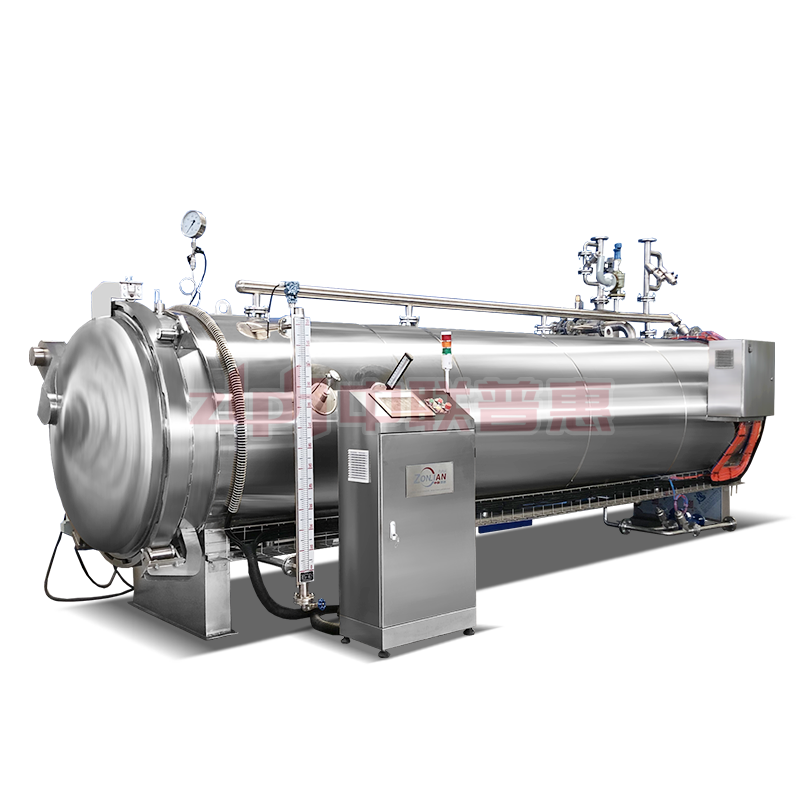
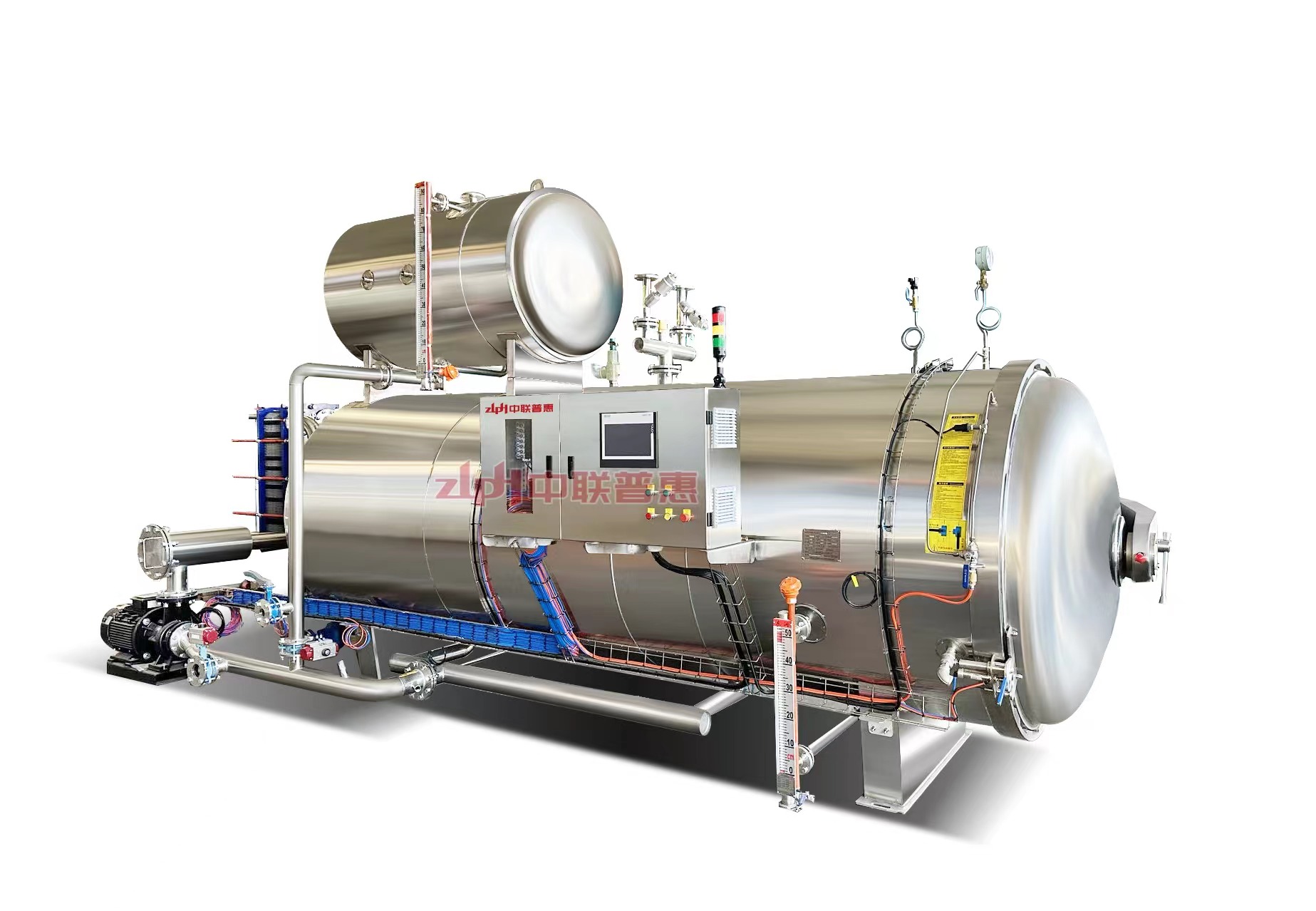
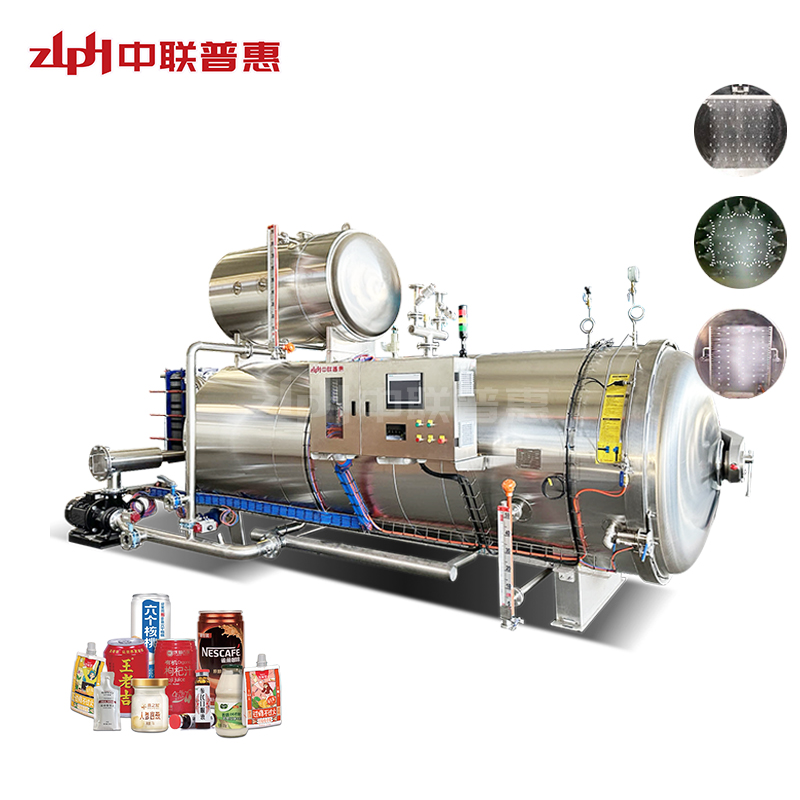
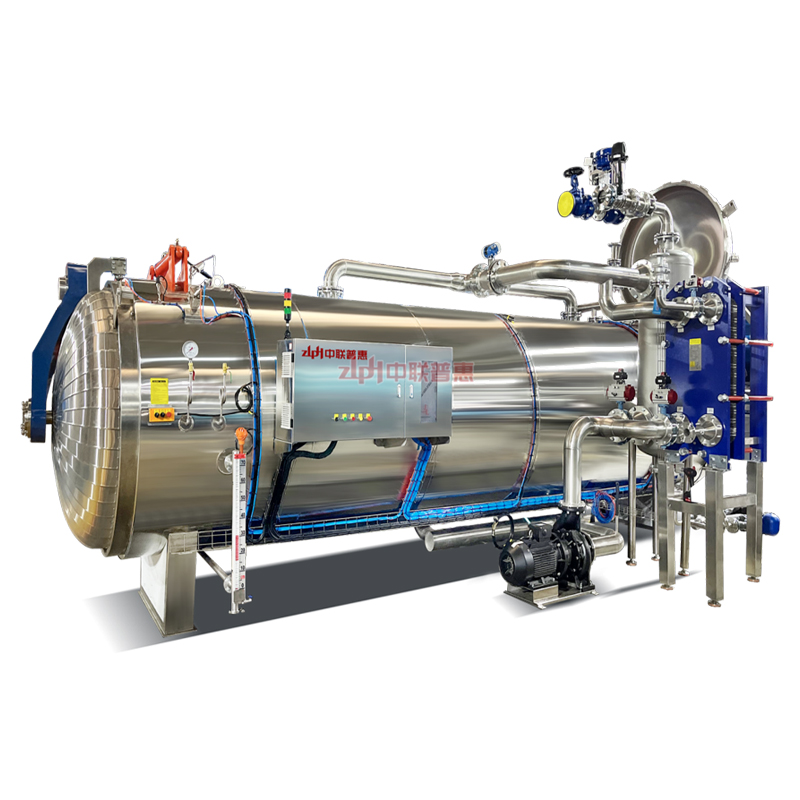
Long-Term Strategy: Partner with a supplier like ZLPH, which holds ASME, CE, EAC, and Malaysia DOSH certifications and offers modular pilot retorts (100L–300L) with programmable water-spray sterilization cycles and real-time temperature/pressure logging.
Process Integration: Ensure the system supports custom sterilization protocols via PLC, enabling replication of commercial-scale F₀ values in lab settings.
4. Pitfall Avoidance Guide
Avoid suppliers who cannot provide: (1) ASME nameplate documentation; (2) material traceability for chamber construction; or (3) validation support for FDA 21 CFR Part 113 compliance. Always conduct a remote factory acceptance test (FAT) via video call before shipment.
5. Validation Evidence
ZLPH’s pilot retort systems have been deployed in 120+ R&D facilities across Europe, Southeast Asia, and North America. Clients report 100% audit pass rates and 40% faster process validation cycles due to precise thermal uniformity (±0.5°C) and automated data export capabilities.
How to ensure a pilot retort autoclave supports both pet food bowl sterilization and human food trials?
1. Scenario & Pain Point
Pet food innovators developing human-grade or co-packed products need a single pilot system that handles aluminum bowls, flexible pouches, and rigid cans—without cross-contamination or performance loss.
2. Root Cause Analysis
Standard retorts often lack tray flexibility, uniform spray coverage for irregular containers, or clean-in-place (CIP) compatibility, leading to inconsistent lethality and sanitation risks.
3. Step-by-Step Solution
Select a pilot retort with: (1) interchangeable tray racks; (2) 360° rotating spray nozzles; and (3) stainless-steel CIP circuitry. ZLPH’s intelligent top-opening water spray retort—featured at Petfair Asia 2023—delivers even heat distribution across mixed loads and reduces changeover time by 70%.
4. Pitfall Avoidance Guide
Never compromise on chamber surface finish (Ra ≤ 0.8 μm required for food contact) or omit post-cycle cooling validation. Request microbial kill validation reports for your specific product format.
5. Validation Evidence
A European pet food client achieved commercial-scale equivalence in bowl sterilization using ZLPH’s 200L pilot unit, with log-reduction of C. botulinum consistently exceeding 12D across 50+ test batches.
What’s the best way to evaluate automation compatibility for future scale-up?
ZLPH integrates the same PLC architecture (Siemens/TIA Portal) and HMI interface across pilot and production retorts, enabling seamless tech transfer. Their Qingdao exhibition demo included a loader-unloader system that reduced manual handling by 90%, proving scalability from day one.
Industry Best Practices: 5-Step Framework for Pilot Retort Selection
Based on 6+ years of global deployments, ZLPH recommends:
- Define worst-case parameters: Design for highest viscosity, lowest thermal conductivity, and largest container size.
- Mandate certification upfront: Require ASME + CE + local market certs (e.g., EAC for Russia).
- Validate control granularity: Ensure ±0.1°C temperature control and F₀ calculation per EN 13409.
- Test serviceability: Confirm local after-sales engineers can support calibration and repairs.
- Run side-by-side trials: Compare against your existing commercial process using identical product lots.
Frequently Asked Questions (FAQ)
Q: Can a standard Chinese-made retort be upgraded to meet ASME standards?
A: No—ASME certification requires design, welding, and inspection under an authorized quality control system from fabrication start. Retrofitting is not permitted.
Q: What’s the smallest capacity available for pilot retorts from certified Chinese suppliers?
A: ZLPH offers 100L models with full ASME compliance, suitable for 6–12 container batches per cycle.
Q: Do pilot retorts require the same validation as production units?
A: Yes—for regulatory submissions (e.g., FDA, EFSA), pilot data must reflect commercial process equivalence, requiring identical control logic and sensor accuracy.
Q: How long does installation and commissioning take for a pilot retort?
A: With ZLPH’s pre-tested skid-mounted units, clients typically achieve operational readiness within 5 working days, including staff training.
About Our Expertise & Support
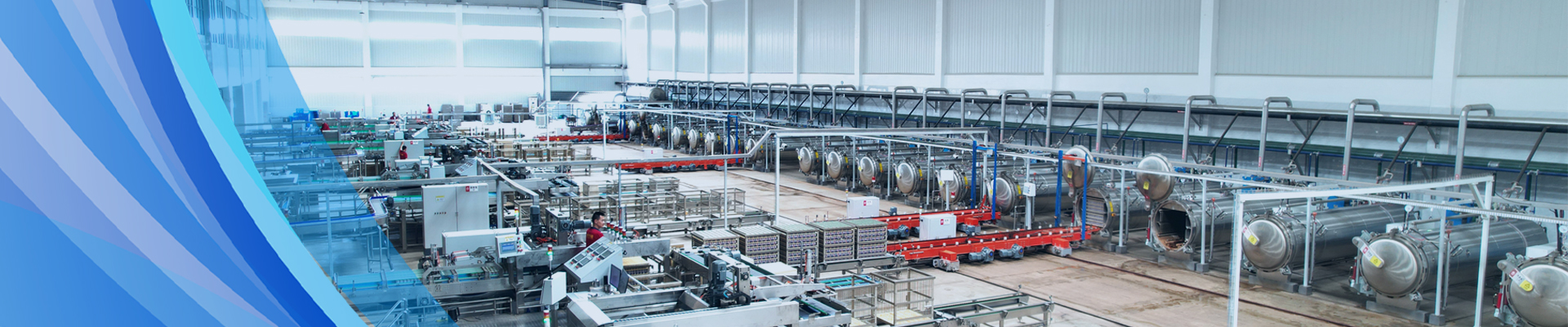
ZLPH MACHINERY TECHNOLOGY CO., LTD. is a globally recognized provider of sterilization solutions, established in 2018 with 21 mechanical designers, 4 sterilization process researchers, and 14 after-sales engineers—all with 10+ years in retort automation. We hold ASME, CE, EAC, DOSH, and Special Equipment Manufacturing Licenses, serving 500+ clients in 40+ countries. Our 15,000㎡ factory in Qingdao ensures rigorous quality control, while our participation in AGROPRODASH 2023 and Petfair Asia validates our innovation in pilot-scale systems.
We offer customized support including: remote process simulation, free sample sterilization trials, FAT/SAT documentation, and 24/7 technical response.
Contact Information
Company: ZLPH MACHINERY TECHNOLOGY CO., LTD.
Website: https://www.zlphretort.com/
Email: sales@zlphretort.com
Phone / WhatsApp: +86 13361554016
