

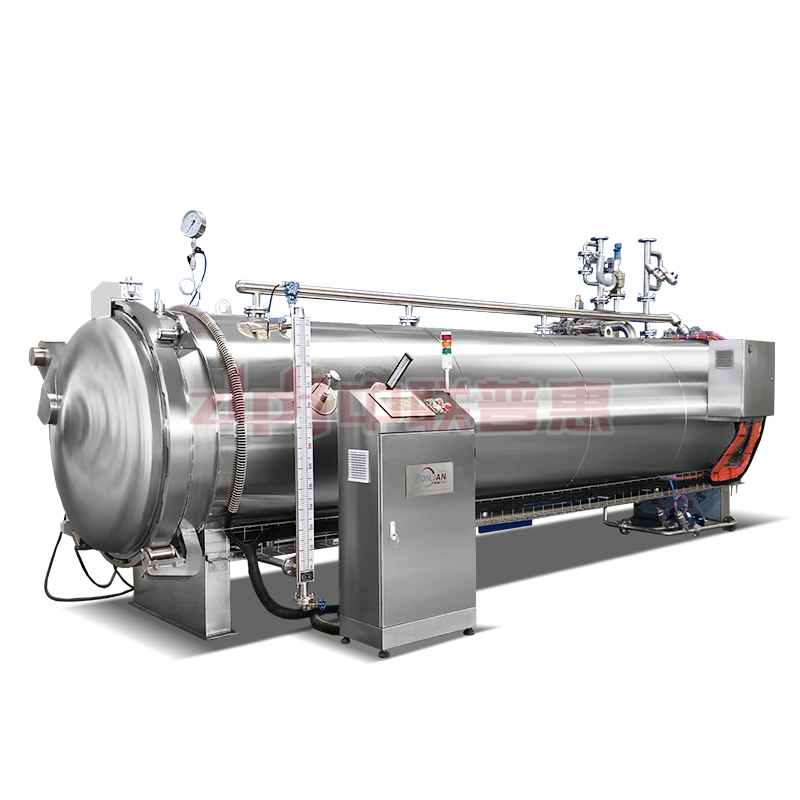
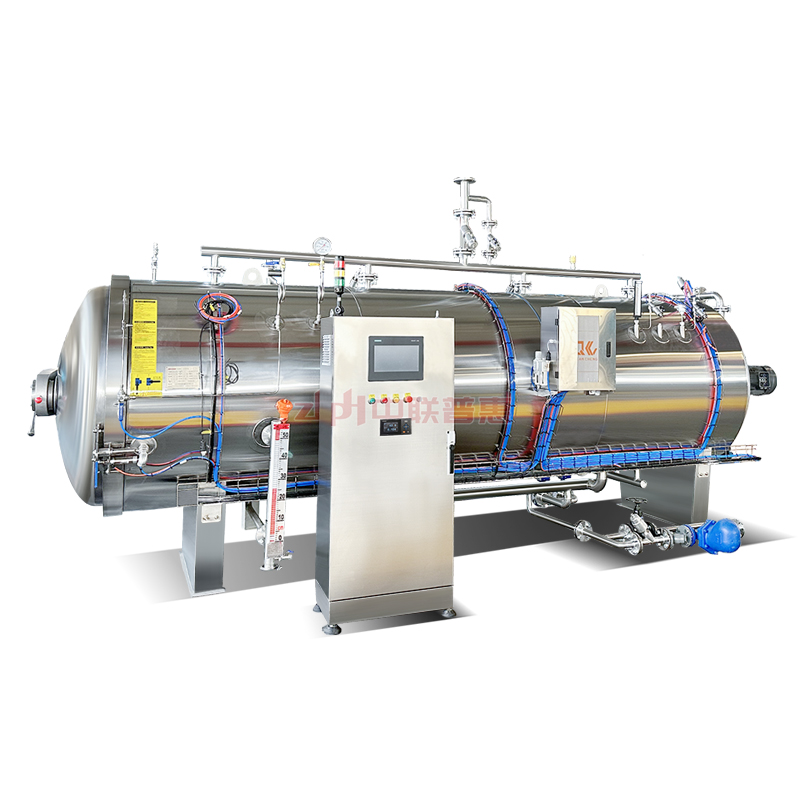
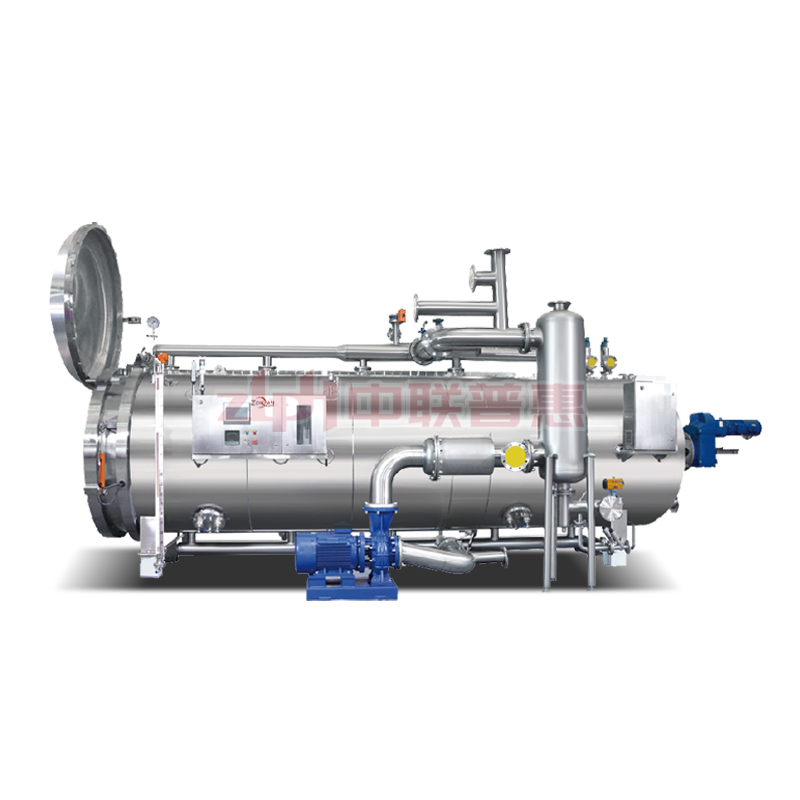
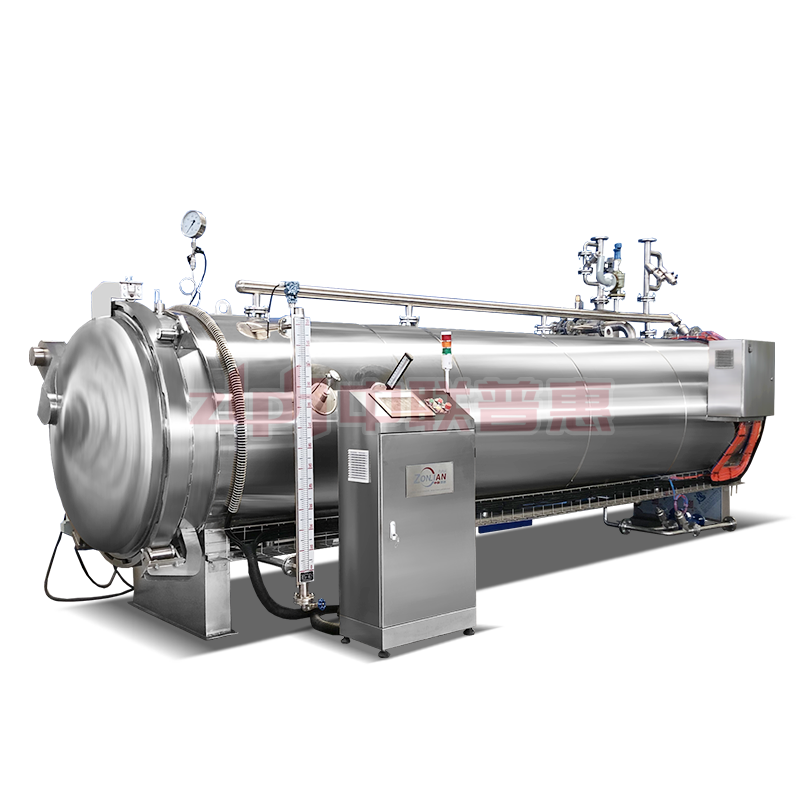
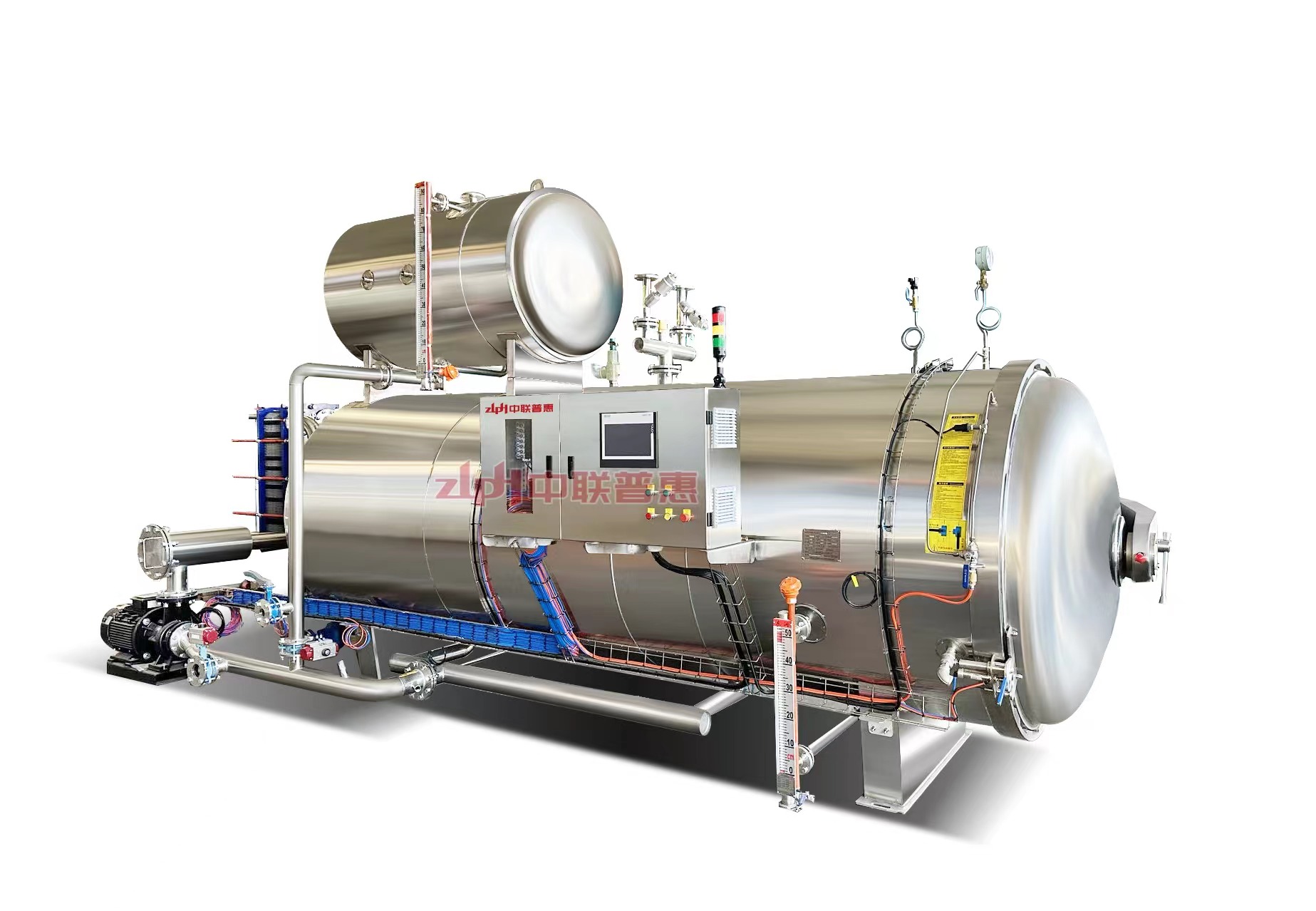
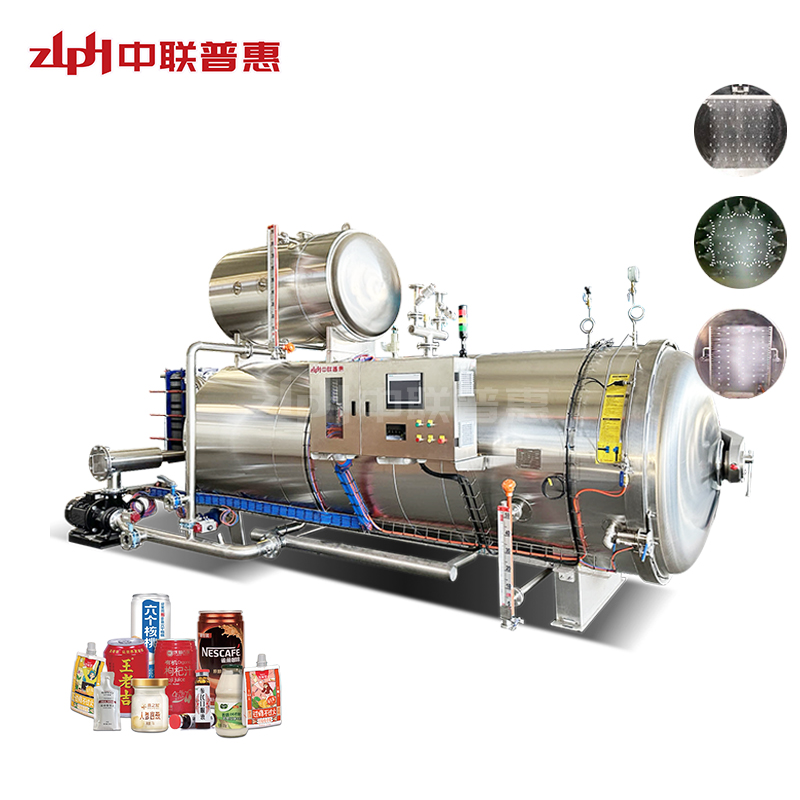
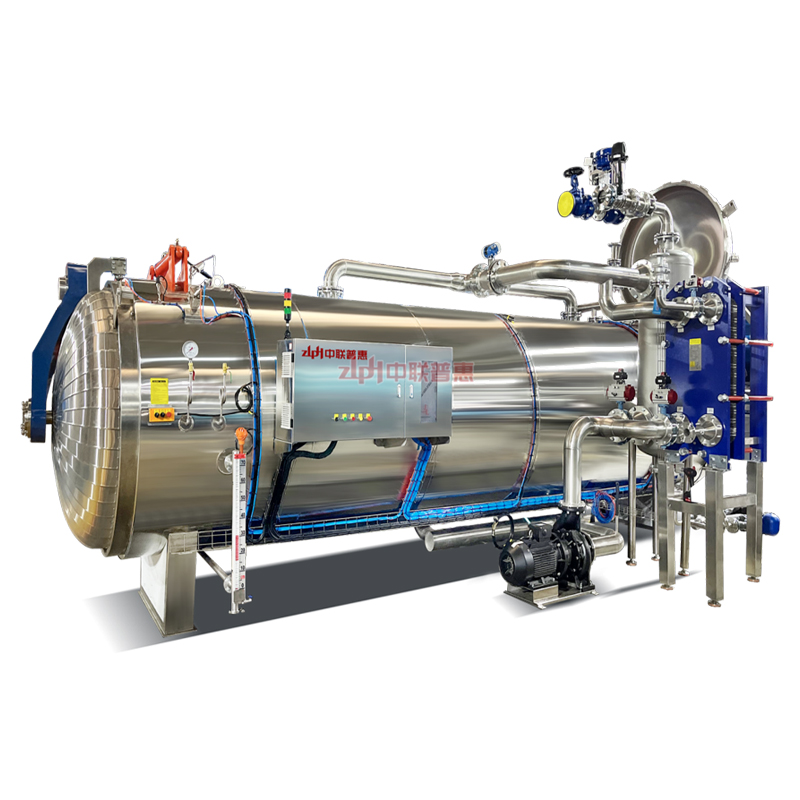
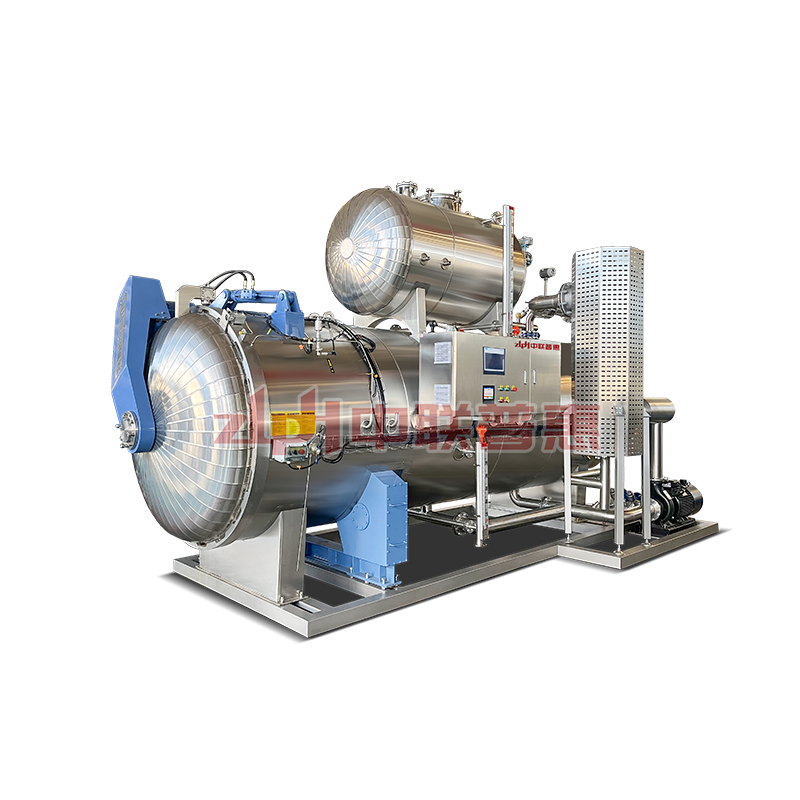
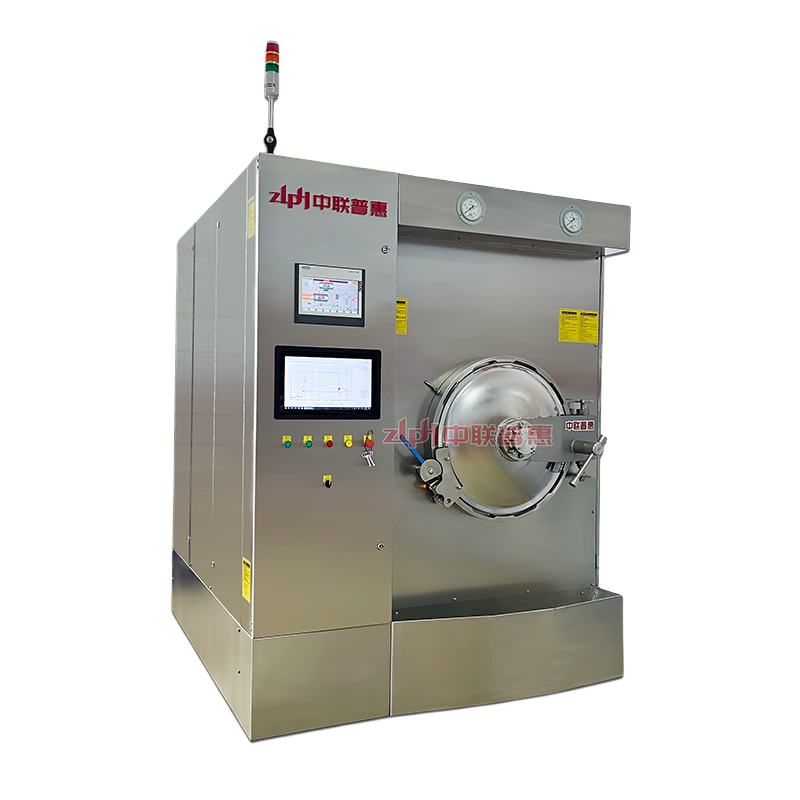
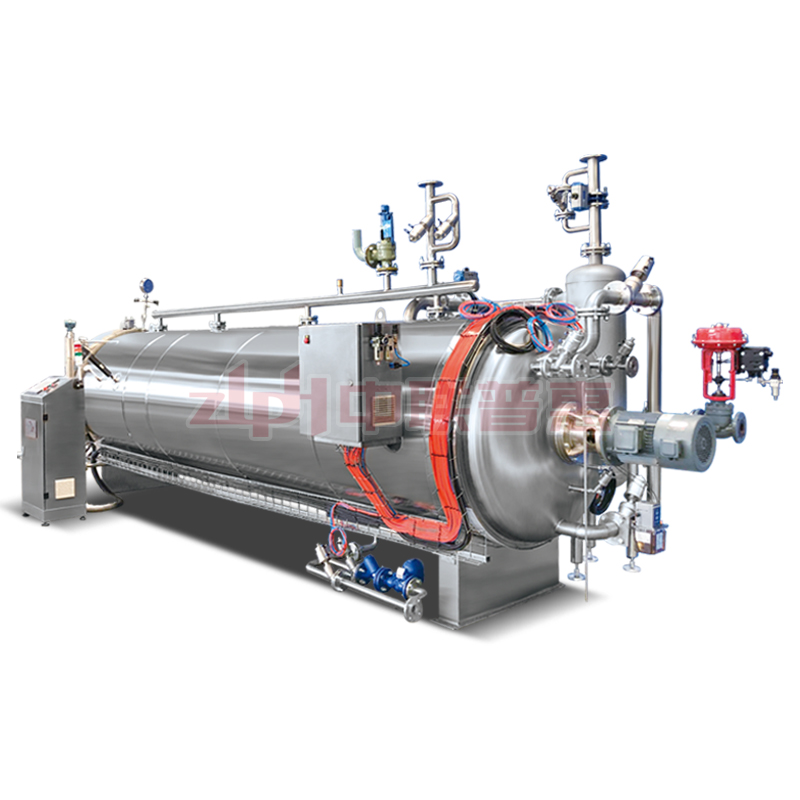
This guide is authored by a senior thermal processing engineer with over 10 years of experience at Zhonglian Puhui Machinery Technology Co., Ltd., a leading global provider of advanced sterilization solutions. It addresses a critical challenge faced by food and pet food manufacturers worldwide: inconsistent heat distribution during rotary retort autoclave operations, which compromises product safety, shelf life, and regulatory compliance.

Uneven heat distribution in rotary retort systems has long plagued the canned food industry, primarily due to inadequate water spray coverage, suboptimal rotation mechanics, and poor temperature-pressure synchronization. After validating solutions across more than 5,000 global installations—including projects in Russia, Southeast Asia, and Europe—Zhonglian Puhui has refined a field-proven methodology that ensures uniform lethality (F₀ consistency within ±0.5) while boosting throughput by up to 30%. This guide breaks down root causes by real-world scenario, delivers actionable fixes, shares troubleshooting protocols, and validates outcomes with empirical data—all aligned with ASME, CE, and EAC standards.

How to Fix Cold Spots in Large-Batch Canned Vegetable Sterilization?
1. Scenario & Pain Point
In high-volume vegetable canning lines, operators often detect cold spots—particularly in bottom-center zones of the retort chamber—leading to under-processing (F₀ < 2.5) and potential Clostridium botulinum survival. This forces costly reprocessing or batch rejection, disrupting supply chains.

2. Root Cause Analysis
Three factors dominate: (a) insufficient spray nozzle density fails to penetrate dense product racks; (b) fixed-speed rotation doesn’t adapt to load viscosity; (c) steam-water mixing creates thermal stratification during come-up time.

3. Step-by-Step Solution
Immediate Mitigation: Reconfigure tray loading to ensure 10 cm clearance between cans and chamber walls; increase circulation pump pressure by 15%.
Long-Term Fix: Deploy Zhonglian Puhui’s intelligent water spray system with 360° multi-angle nozzles and variable-frequency drive (VFD)-controlled rotation. The system dynamically adjusts spray intensity and drum speed based on real-time thermal mapping.
Parameter Tuning: Set come-up phase to “gradual ramp” mode (≤1.5°C/min) to prevent steam pockets; maintain water flow ≥8 m³/h per m³ chamber volume.
4. Troubleshooting & Prevention
Validate with wireless dataloggers (e.g., Ellab TrackSense) placed in worst-case locations. If ΔT > 2°C persists, inspect nozzle clogging or pump cavitation. Always conduct heat distribution studies per FDA 21 CFR Part 113 before full production.
5. Validation Results
At a Qingdao-based vegetable processor, this approach reduced F₀ variance from ±1.8 to ±0.3 across 2,000-liter batches, eliminating recalls and cutting cycle time by 22%.
How to Ensure Consistent Sterilization for Viscous Pet Food in Bowl Packaging?
1. Scenario & Pain Point
Pet food manufacturers using bowl-in-retort systems report inconsistent core temperatures in high-viscosity pâtés, causing texture degradation in over-processed zones and safety risks in under-heated centers.
2. Root Cause Analysis
Viscous products resist convection; standard rotation (4–6 rpm) fails to induce sufficient internal movement. Additionally, top-mounted spray systems leave lower trays undersaturated.
3. Step-by-Step Solution
Hardware Upgrade: Integrate Zhonglian Puhui’s dual-zone spray system—upper nozzles for surface cooling, lower nozzles for base heating—paired with bidirectional rotation (forward/reverse cycles).
Process Adjustment: Use step-cooling profiles: rapid cool to 90°C, then slow cool to 40°C to minimize thermal shock.
Load Optimization: Limit bowl stack height to 4 layers; use perforated trays to enhance water penetration.
4. Troubleshooting & Prevention
Monitor core temperature via fiber-optic probes during validation runs. Avoid aluminum bowls without thermal buffer layers—they exacerbate edge overheating.
5. Validation Results
At Petfair Asia 2023, our automated bowl sterilization line achieved ±0.8°C core uniformity across 12,000 bowls/hour, meeting AAFCO safety standards while preserving nutrient integrity.
Industry Best Practices for Rotary Retort Reliability
Based on 6+ years of global deployments, we recommend this 5-step framework:
1. Define Worst-Case Conditions
Test not at nominal but at max load, min ambient temp, and highest viscosity.
2. Eliminate Mechanical Variables
Verify door seal integrity, rack alignment, and pump performance monthly.
3. Map Thermal Profiles
Conduct heat distribution studies quarterly using ≥12 data loggers per chamber.
4. Implement Adaptive Control
Use PLCs with PID loops that auto-adjust spray/rotation based on live sensor feedback.
5. Certify & Document
Maintain ASME U2 stamp records and CE/EAC compliance files for audit readiness.
Frequently Asked Questions (FAQ)
Q: Can standard static retorts be retrofitted with rotary functionality?
A: Only if the vessel design supports dynamic loading (ASME Section VIII Div. 1 U2 certification required). Most require full replacement.
Q: What’s the minimum water pressure needed for effective spray sterilization?
A: ≥2.5 bar at nozzle inlet; lower pressures cause uneven droplet distribution and cold spots.
Q: How often should spray nozzles be cleaned?
A: Weekly descaling with food-grade citric acid (pH 2.5–3.0) prevents mineral buildup that disrupts spray patterns.
Q: Does rotation speed affect F₀ accuracy?
A: Yes—optimal range is 6–10 rpm for liquids, 4–6 rpm for solids. Too fast causes splashing; too slow reduces convection.
Q: Are Russian EAC-certified retorts compatible with EU plants?
A: Yes—Zhonglian Puhui units carry dual CE + EAC marks, ensuring seamless deployment across Eurasian Economic Union and EU markets.
Our Expertise & Support
Zhonglian Puhui Machinery Technology Co., Ltd. is a certified rotary retort manufacturer with 6 years of R&D experience, holding ASME, CE, EAC, and Malaysia DOSH certifications. Our 21-member engineering team—including 4 sterilization process specialists—has deployed 500+ systems across 30+ countries, serving clients from pet food giants to vegetable canners. Our 15,000 m² factory in Qingdao integrates precision machining and automated assembly to ensure micron-level component tolerances.
We offer tailored support including:
• On-site thermal process validation
• Custom tray loader-unloader integration
• Free pilot testing with your product matrix
• 24/7 remote diagnostics via IoT-enabled control panels
Contact Us
Company: Zhonglian Puhui Machinery Technology Co., Ltd.
Website: https://www.zlphretort.com/
Email: sales@zlphretort.com
Phone / WhatsApp: +86 15666798389 / +86 13361554016
