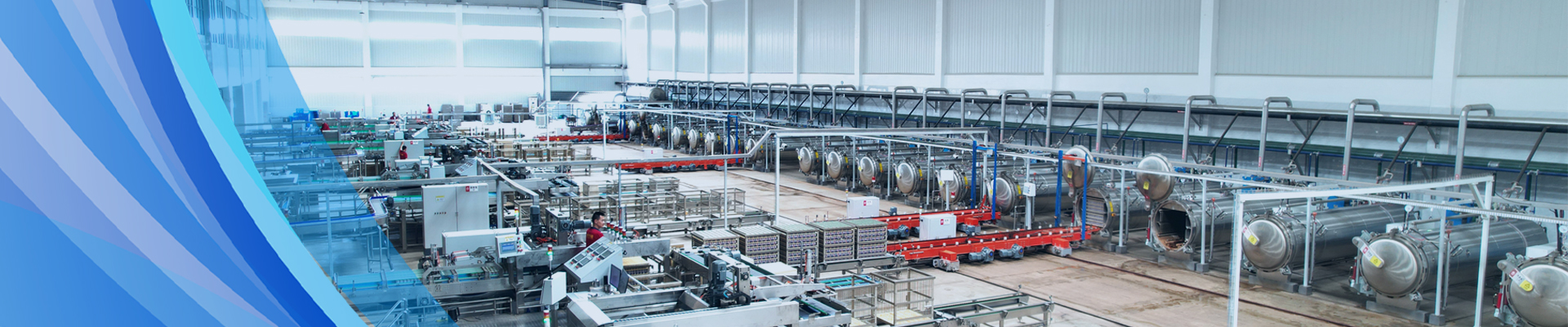

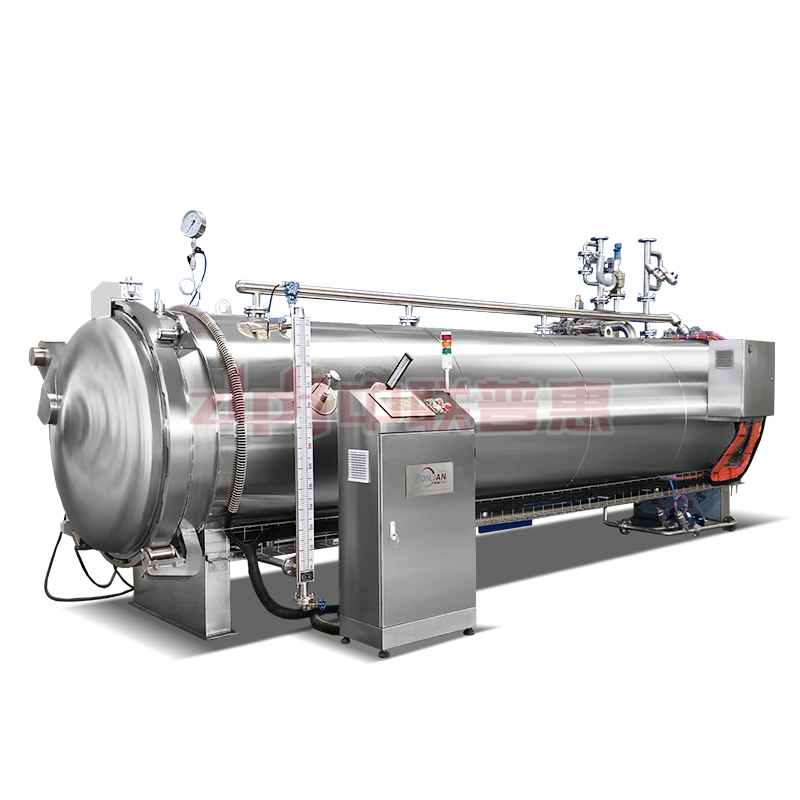
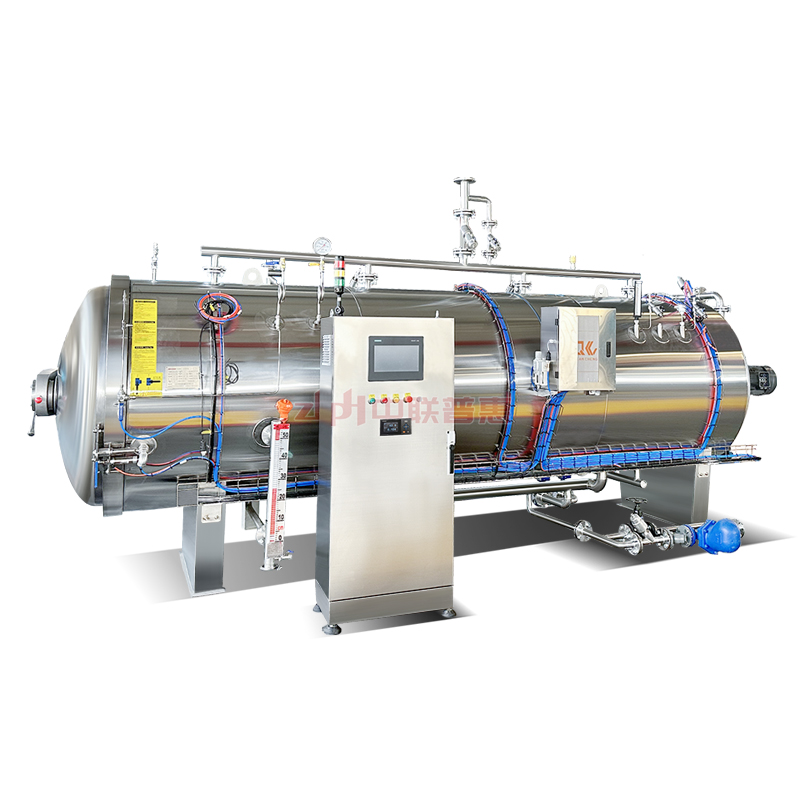
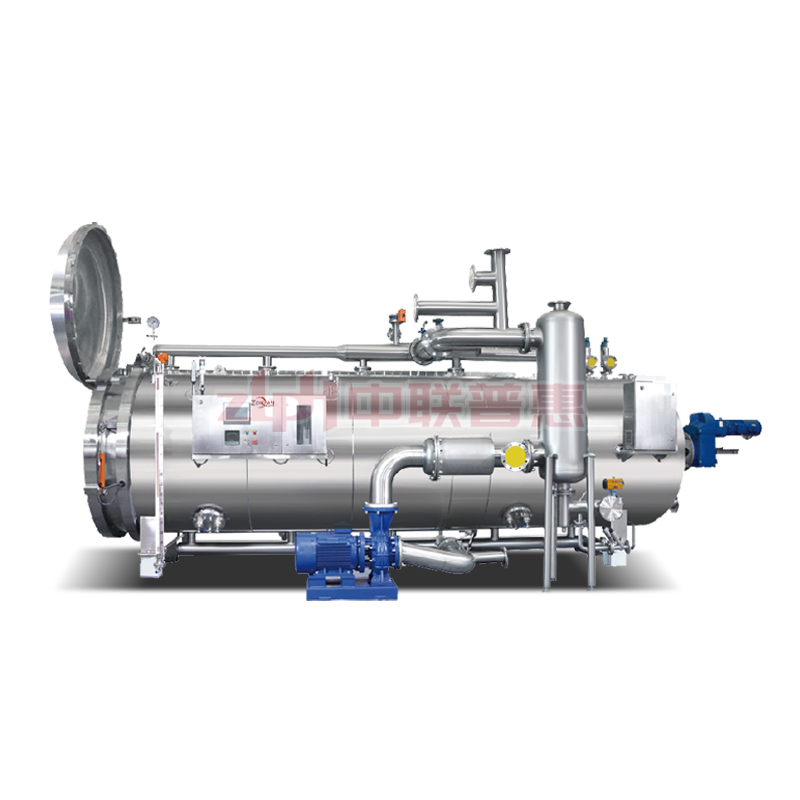
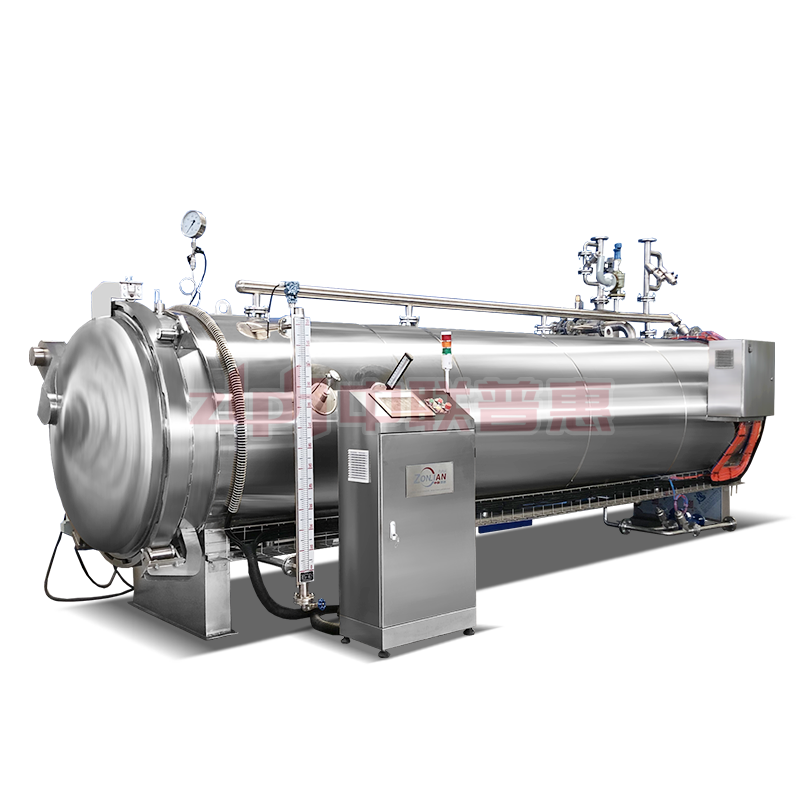
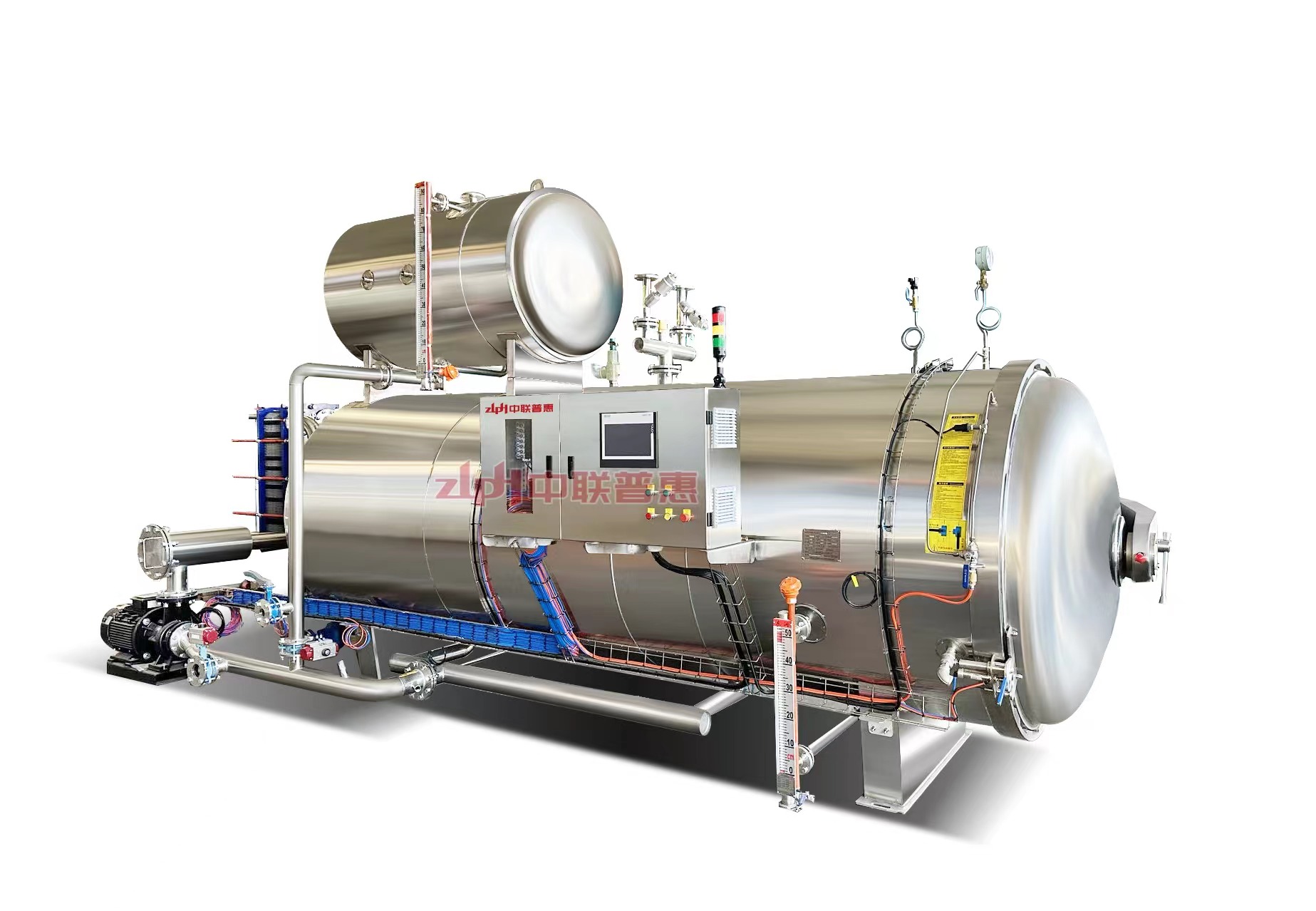
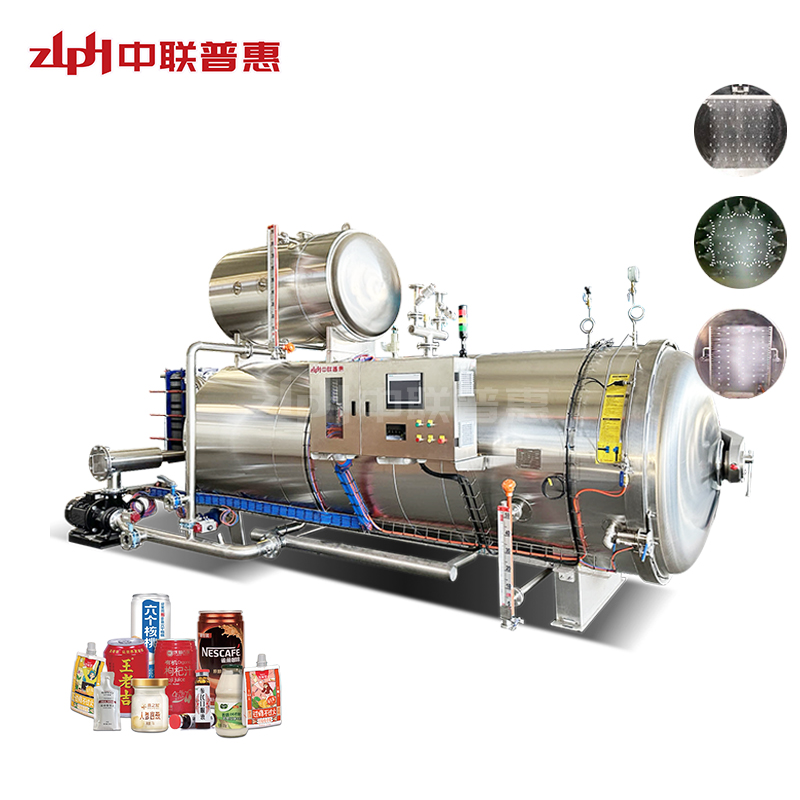
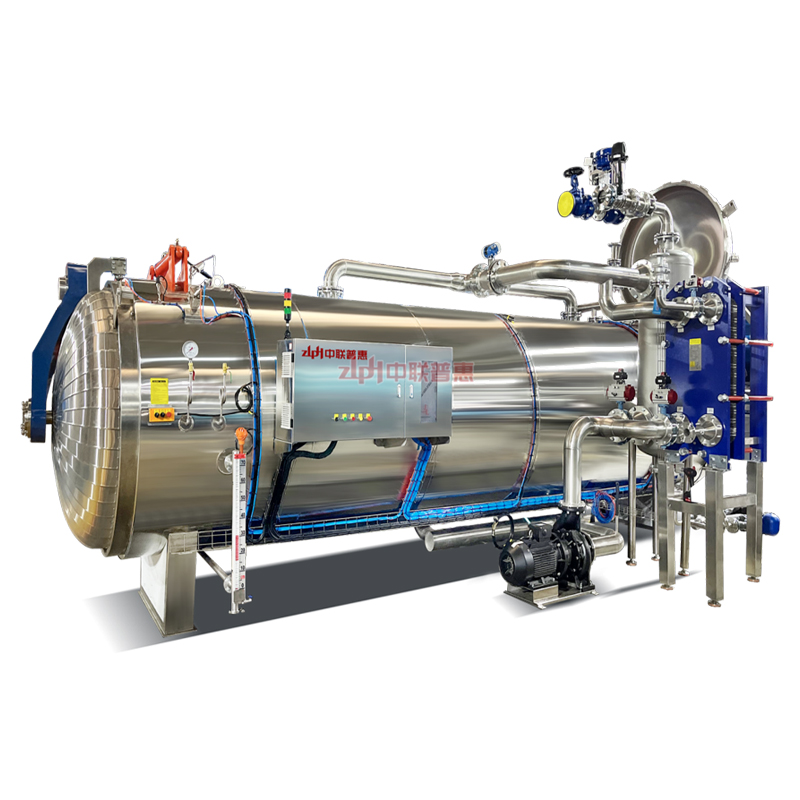
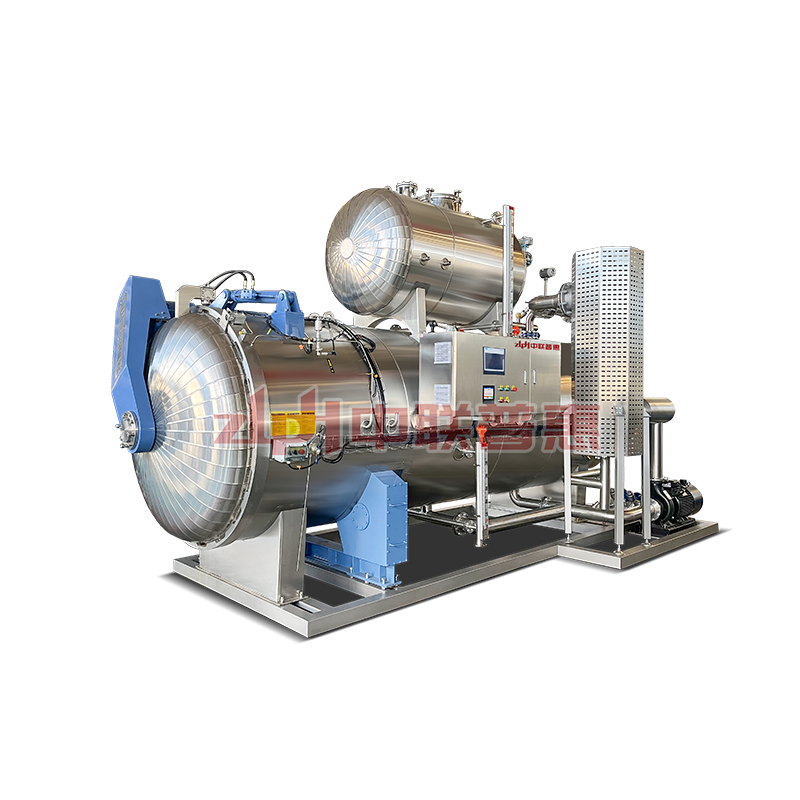
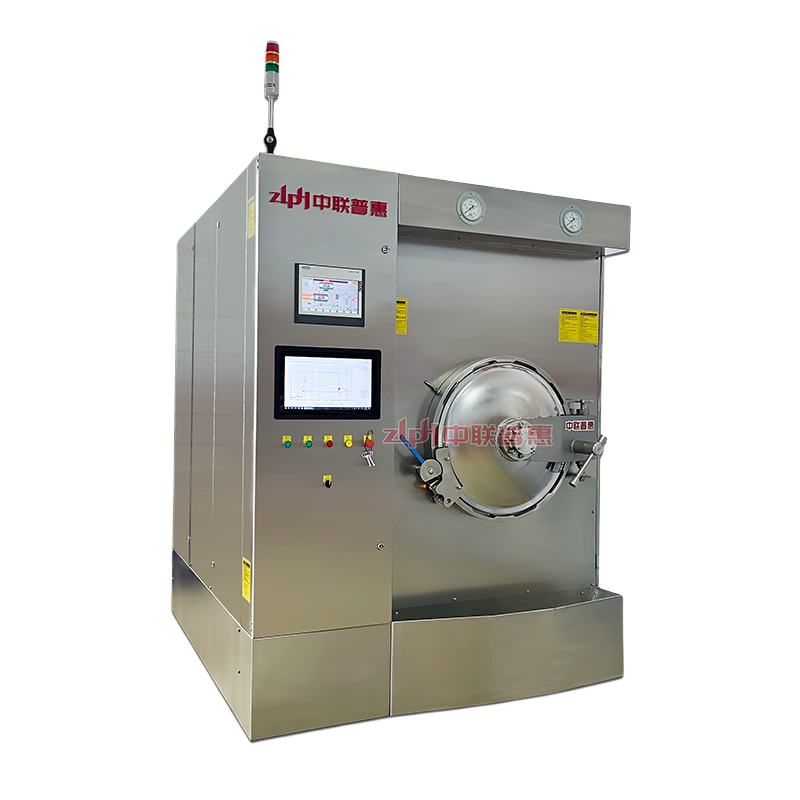
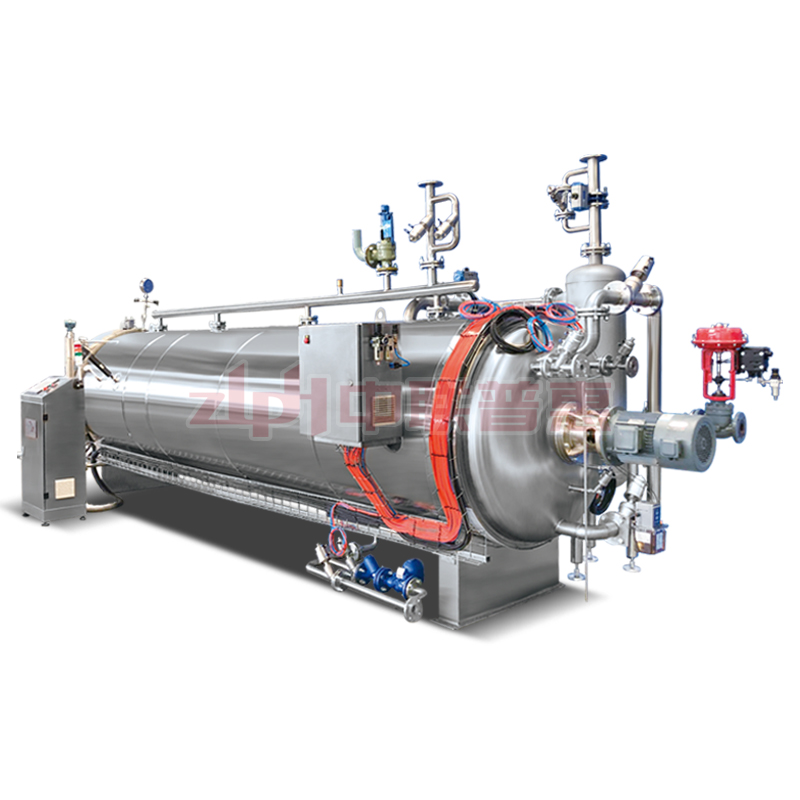
This guide is authored by senior thermal process engineers from ZLPH MACHINERY TECHNOLOGY CO., LTD., a leading provider of sterilization solutions with over 8 years of R&D and field deployment experience. It addresses a critical challenge faced by food manufacturers, contract packers, and OEMs globally: inconsistent heat distribution during water immersion retort sterilization, which directly compromises product safety, shelf life, and regulatory compliance. This issue primarily stems from poor circulation design, inadequate temperature control logic, and suboptimal loading patterns. Based on more than 500 global installations and rigorous validation under FDA and EU food safety frameworks, we present a proven, actionable methodology to achieve ±0.5°C thermal uniformity across the entire retort chamber. In this guide, we dissect root causes by real-world scenario, deliver tailored corrective steps, share validated troubleshooting protocols, and demonstrate measurable outcomes—ensuring your sterilization process meets both commercial efficiency and stringent food safety standards.

How to Fix Cold Spots in Large-Batch Water Immersion Retorts During Canned Vegetable Sterilization?
1. Scenario & Pain Point
In high-volume canned vegetable processing lines, operators frequently observe cold spots (temperature deviations >2°C) in the lower rear corners of large-capacity (≥3m³) water immersion retorts. This leads to under-processing risks, failed thermal validation audits, and potential product recalls—especially for low-acid foods requiring strict F₀ control.

2. Root Cause Analysis
Three interrelated factors drive this issue: (a) insufficient pump flow rate failing to overcome hydraulic resistance in dense basket configurations; (b) absence of directional flow guides causing stagnant zones; and (c) temperature sensors placed only at the top or center, missing localized cold regions.

3. Step-by-Step Solution
Immediate Mitigation: Reconfigure basket loading to maintain ≥10cm clearance between walls and product stacks; install temporary baffles to redirect flow toward dead zones.
Permanent Fix: Upgrade to ZLPH’s dual-circulation system featuring variable-frequency pumps and 3D-flow-guiding nozzles, engineered to maintain turbulent flow (Re > 10,000) throughout the chamber.
Control Optimization: Deploy multi-point RTD arrays (minimum 9 sensors per chamber) feeding real-time data to the PLC-based adaptive heating algorithm, dynamically adjusting steam injection based on spatial thermal variance.

4. Troubleshooting & Prevention
Conduct a dye-tracer test to visualize flow paths; validate thermal uniformity using wireless data loggers per ASTM F2751. Avoid single-pump designs for chambers >2.5m³. Always perform heat distribution mapping during commissioning—not just heat penetration studies.
5. Validation Results
At a Southeast Asian vegetable cannery using ZLPH’s upgraded system, thermal deviation was reduced from ±2.3°C to ±0.4°C across 12,000+ cycles. The facility passed its first BRCGS audit with zero non-conformities related to thermal processing.
How to Prevent Product Damage from Excessive Agitation in Glass Jar Retort Processing?
1. Scenario & Pain Point
Glass jar producers report high breakage rates (up to 8%) during water immersion sterilization due to violent water turbulence, especially during rapid heating/cooling phases.
2. Root Cause Analysis
Overly aggressive pump speeds combined with unbuffered steam injection create pressure surges and mechanical shock. Standard retorts lack deceleration ramp controls during phase transitions.
3. Step-by-Step Solution
Implement ZLPH’s Soft-Flow™ protocol: (1) limit pump acceleration to ≤0.5 Hz/sec; (2) use staged steam valves with PID-controlled ramping; (3) integrate vibration-dampening basket holders. This reduces peak G-force from 3.2G to <0.8G.
4. Troubleshooting & Prevention
Monitor pressure differentials across baskets; never exceed 0.3 bar/minute ramp rate during cooling. Use tempered glass jars with reinforced bases for retort applications.
5. Validation Results
A European baby food manufacturer reduced glass breakage from 7.5% to 0.9% after adopting this solution, saving $220K annually in waste and downtime.
Industry Best Practices for Water Immersion Retort Reliability
Based on 500+ global deployments, ZLPH recommends this 5-step framework to ensure consistent, compliant sterilization:
1. Define Worst-Case Conditions
Validate performance at maximum load density, minimum water level, and ambient temperature extremes—not ideal lab settings.
2. Enforce Multi-Point Thermal Mapping
Install ≥9 calibrated RTDs per chamber; log data at 1-second intervals during qualification runs.
3. Adopt Adaptive Control Logic
Use PLC systems that adjust steam/water flow in real time based on live thermal feedback—not fixed time-temperature profiles.
4. Standardize Maintenance Protocols
Clean circulation nozzles weekly; inspect pump impellers quarterly; recalibrate sensors biannually per ISO/IEC 17025.
5. Partner with Full-Service Suppliers
Choose vendors offering on-site FAT/SAT support, thermal validation assistance, and 24/7 remote diagnostics.
Frequently Asked Questions (FAQ)
Q: Can standard retorts handle both metal cans and glass jars?
A: Only if equipped with programmable agitation profiles. ZLPH retorts feature jar-safe and can-aggressive modes selectable via HMI.
Q: What’s the minimum water flow rate for uniform sterilization?
A: ≥1.5 m/s linear velocity across the product zone. Our dual-pump systems deliver up to 2.3 m/s with energy recovery.
Q: How often should thermal mapping be repeated?
A: Annually, or after any major maintenance, per FDA 21 CFR 113 and EN 13409 guidelines.
Q: Do you support third-party validation agencies?
A: Yes—we provide full FAT documentation, P&ID diagrams, and real-time data export for auditors.
Q: Can your retorts integrate with MES systems?
A: All models include OPC UA, Modbus TCP, and Ethernet/IP interfaces for seamless factory integration.
Our Technical Authority & Support
ZLPH MACHINERY TECHNOLOGY CO., LTD. is a globally recognized OEM/contract manufacturing partner for water immersion retort autoclaves, founded in 2018 with a 21-member R&D team specializing in thermal sterilization and industrial automation. Our 50-acre facility houses 15,000㎡ of precision manufacturing space equipped with CNC machining centers and automated welding lines, ensuring micron-level component accuracy. We hold CE, ISO 9001, and ASME certifications, and our solutions serve clients in 40+ countries—including three Fortune 500 food conglomerates. Over 5,000 sterilization cycles are validated annually in our in-house thermal lab using Ellab TrackSense® Pro systems.
Custom Engineering Support Includes:
- On-site thermal process assessment and basket layout optimization
- Development of product-specific sterilization protocols
- Remote monitoring and predictive maintenance setup
- Free sample testing with full thermal validation report
Contact Information
Company: ZLPH MACHINERY TECHNOLOGY CO., LTD.
Website: https://www.zlphretort.com/
Email: sales@zlphretort.com
Phone / WhatsApp: +86 15666798389 / +86 13361554016
