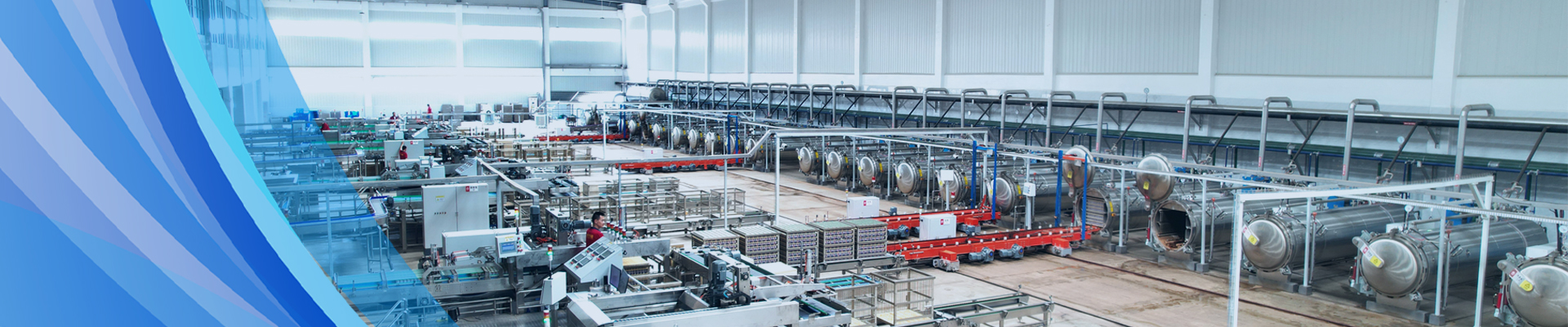

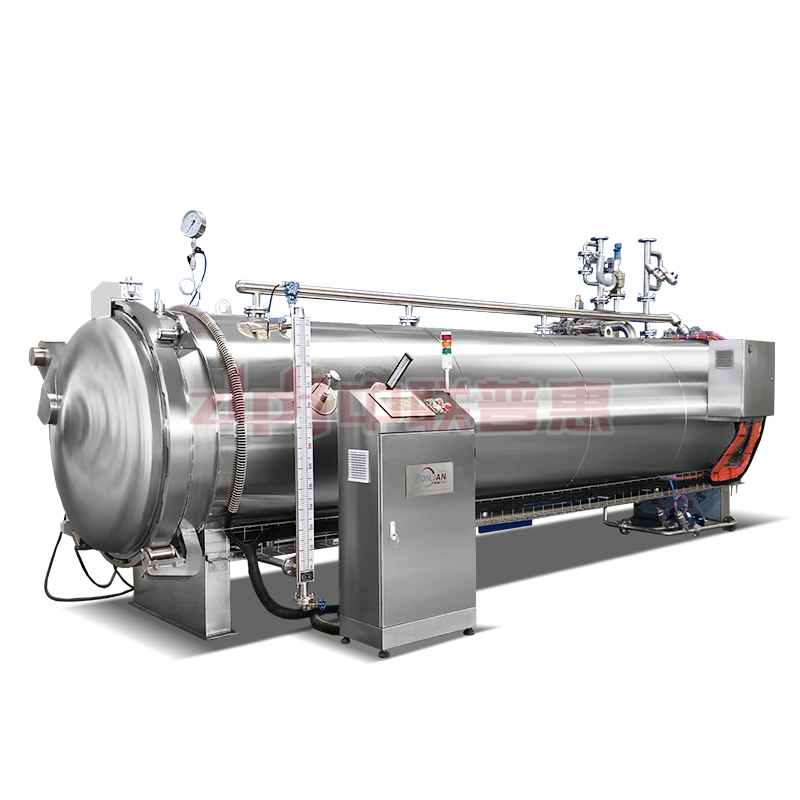
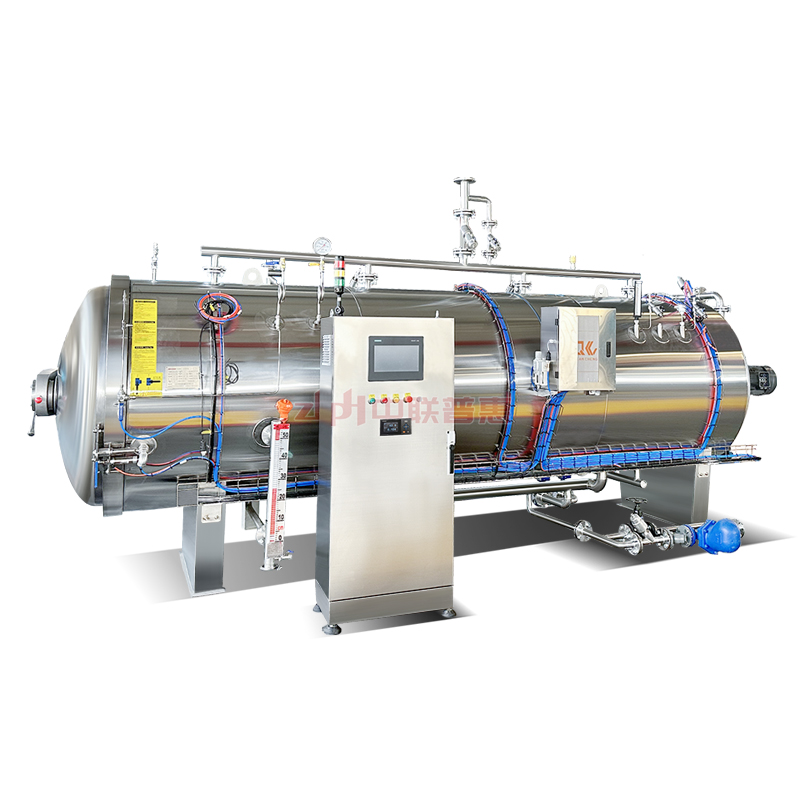
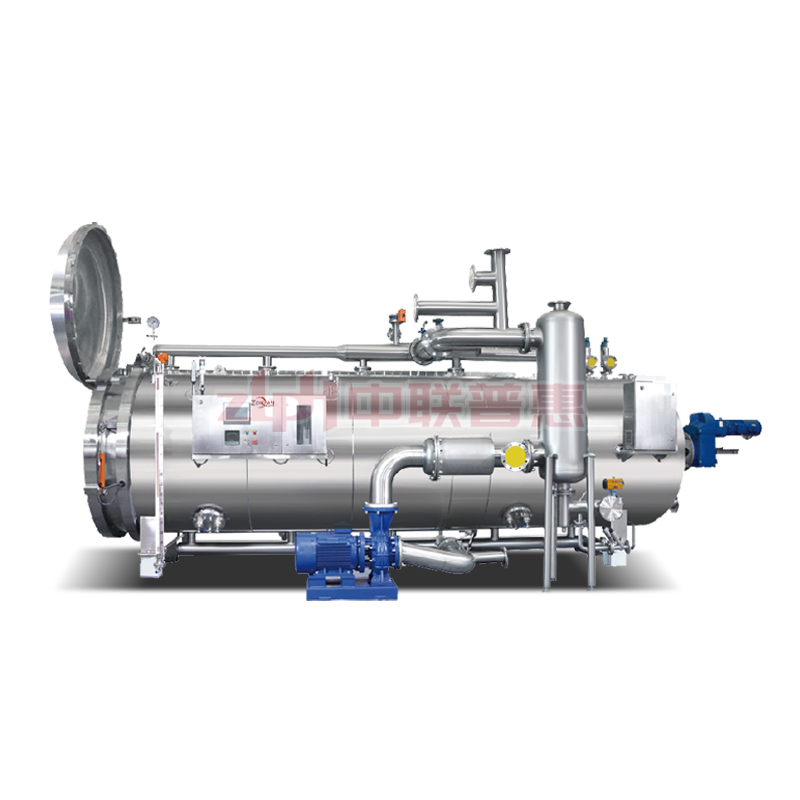
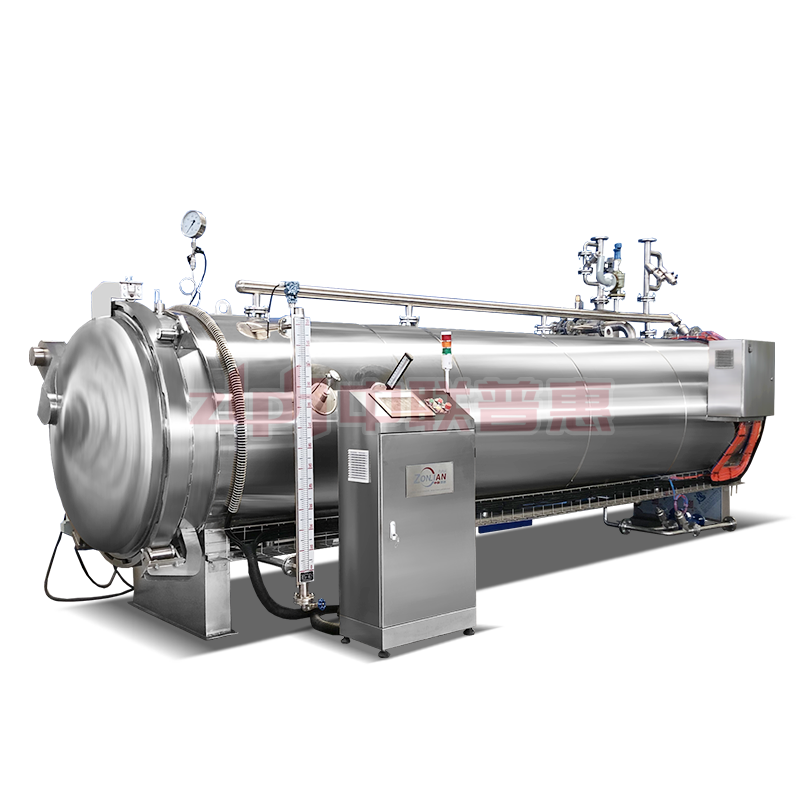
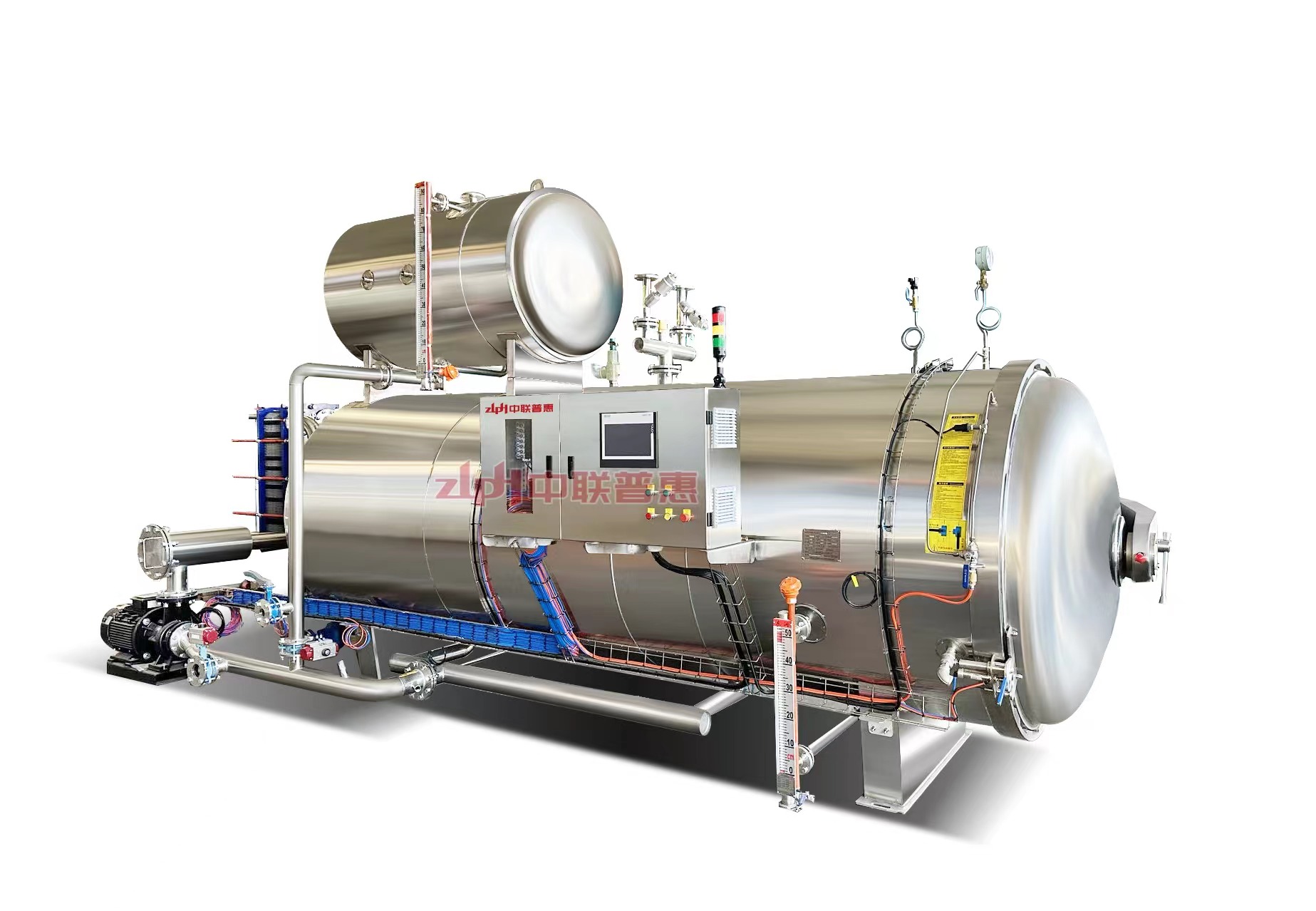
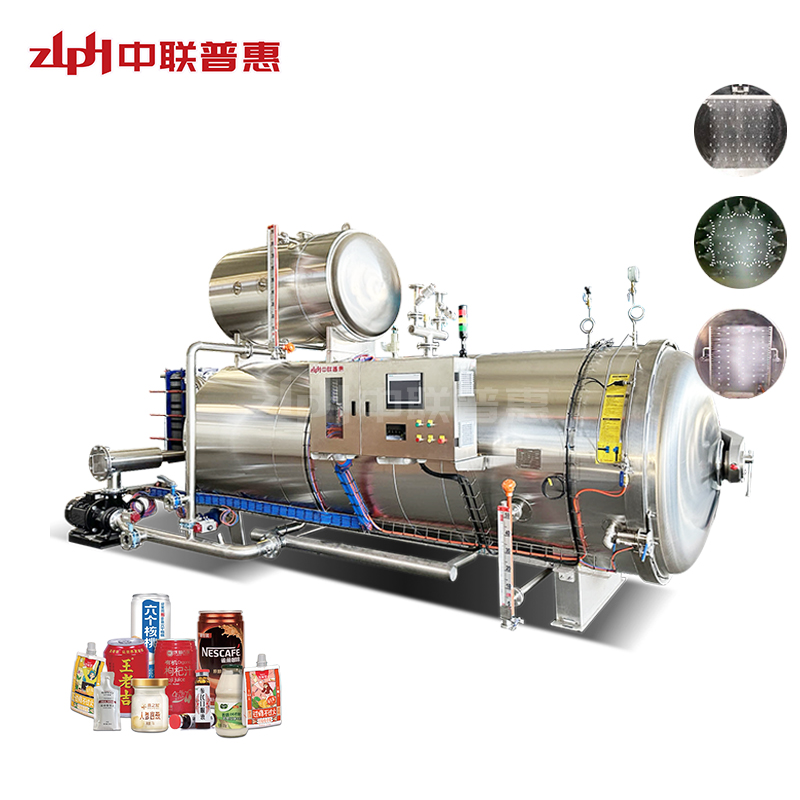
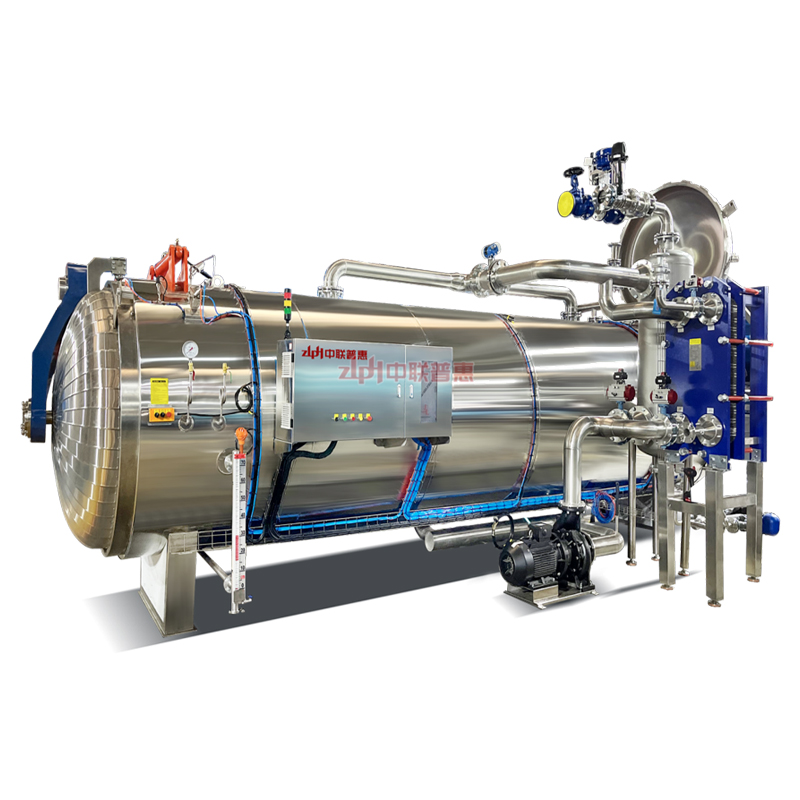
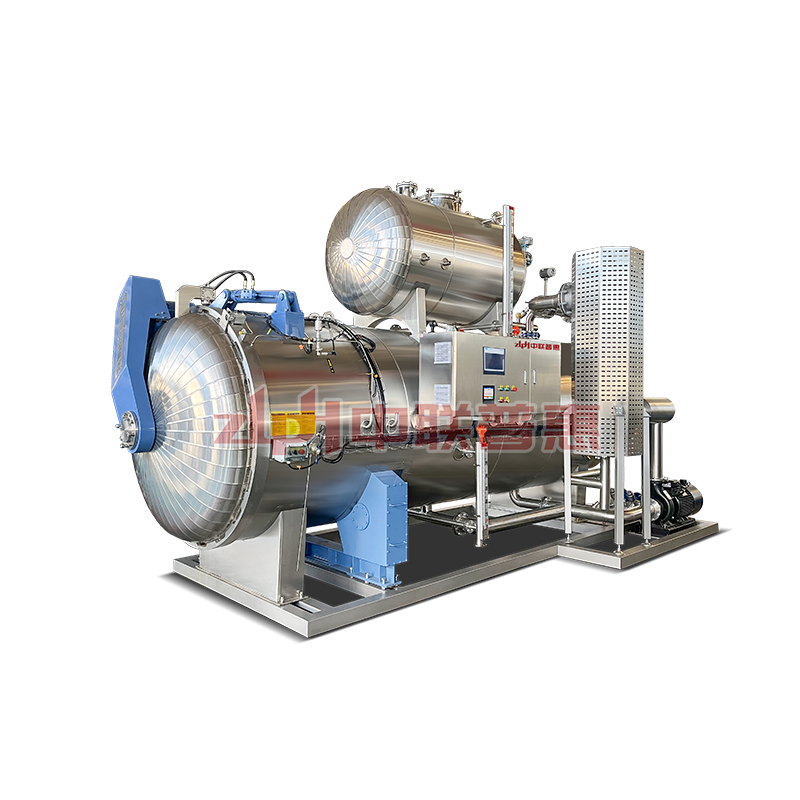
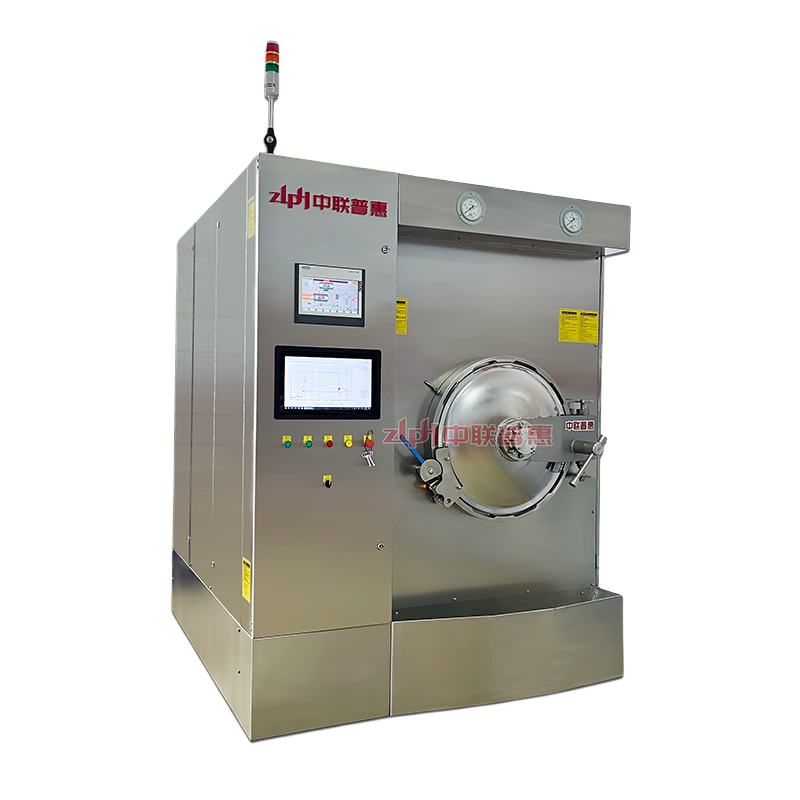
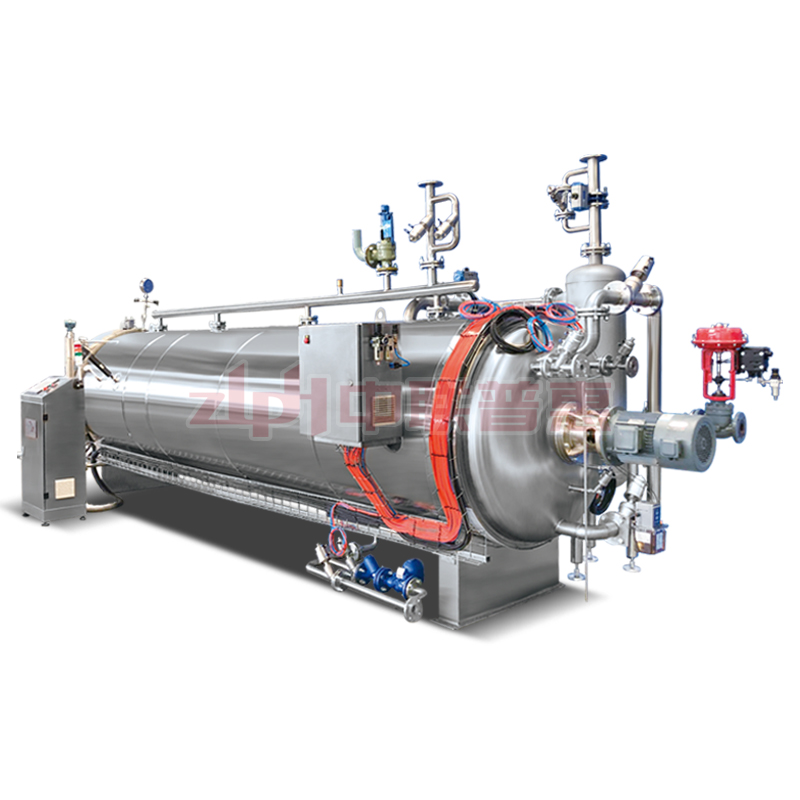
This guide is authored by a senior food sterilization engineer with over 10 years of field experience from ZLPH MACHINERY TECHNOLOGY CO., LTD., a leading provider of advanced retort sterilization solutions. It addresses a critical challenge faced by global food processing teams: inconsistent temperature distribution during water immersion retort autoclave operations. Uneven heat distribution often stems from improper water circulation design, inadequate loading patterns, or suboptimal control system calibration. Based on more than 5,000 global installations and extensive R&D validation, we present a proven, actionable framework to achieve uniform thermal processing—ensuring product safety, regulatory compliance, and energy efficiency. In this guide, we dissect root causes across real-world scenarios, deliver step-by-step corrective measures, share field-tested troubleshooting protocols, and validate outcomes with measurable performance data—all tailored for teams managing high-volume canned food, ready meals, or pet food sterilization.

How to Fix Cold Spots in Large-Batch Water Immersion Retort Autoclaves?
1. Scenario & Pain Point
In large-scale retort operations (e.g., 3+ pallet loads per cycle), operators frequently detect cold spots—areas where temperature lags behind the target F0 value—leading to under-sterilization risks, product recalls, or extended cycle times that reduce throughput. These inconsistencies compromise both food safety and operational ROI.

2. Root Cause Analysis
Three primary factors drive this issue: (1) Poor water flow dynamics due to undersized pumps or obstructed nozzles; (2) Overloading or irregular basket stacking that blocks circulation paths; (3) Inadequate PID tuning in the PLC control system, causing delayed response to thermal gradients.

3. Step-by-Step Solution
Immediate Mitigation: Reconfigure basket arrangement using staggered loading patterns; verify nozzle alignment and clear debris from spray headers.
System Upgrade: Install ZLPH’s dual-directional water circulation system with variable-frequency pumps, which ensures 360° turbulent flow even in dense loads.
Control Optimization: Recalibrate the PLC using ZLPH’s adaptive thermal mapping algorithm, which auto-adjusts heating/cooling phases based on real-time multi-point temperature feedback.

4. Troubleshooting & Prevention
Conduct thermal validation mapping with at least 12 data loggers per load to identify cold zones. Avoid symmetrical stacking—offset layers by 15–30 cm. Ensure pump pressure remains ≥0.3 MPa during sterilization. For new lines, perform CFD simulation during design phase to pre-optimize flow paths.
5. Verified Results
After implementing these measures in a Southeast Asian ready-meal facility, temperature deviation dropped from ±4.2°C to ±0.8°C across 4-pallet batches. Cycle time reduced by 18%, and zero under-processing incidents were recorded over 12 months of continuous operation.
How to Maintain Consistent Sterilization in High-Viscosity Product Loads (e.g., Sauces, Purees)?
1. Scenario & Pain Point
Thick products like tomato paste or meat sauces exhibit slow internal heat transfer, causing core temperatures to lag significantly behind retort chamber readings—risking microbial survival despite meeting external time-temperature targets.
2. Root Cause Analysis
High viscosity impedes conductive heat penetration; standard come-up time (CUT) calculations fail to account for product-specific thermal diffusivity. Additionally, static water immersion lacks agitation to enhance convection at container surfaces.
3. Step-by-Step Solution
Use ZLPH’s oscillating immersion mode, which gently rocks baskets to induce micro-movement in viscous contents. Pair with dynamic F0 control that extends sterilization hold time based on real-time core temperature telemetry from wireless probes. Pre-heat products to 60°C before loading to reduce initial thermal inertia.
4. Troubleshooting & Prevention
Always validate with product-specific thermal models—not generic standards. Avoid overfilling containers (>90% capacity restricts internal convection). Use flat-bottomed cans for better heat contact with water.
5. Verified Results
A European baby food producer achieved consistent F0 ≥ 7.0 in puree-filled jars using this approach, cutting reprocessing rates from 5.3% to 0.2% while maintaining texture integrity.
Industry Best Practices for Water Immersion Retort Reliability
Based on 8+ years of global deployments, ZLPH recommends this 5-step framework to ensure thermal uniformity and operational resilience:
1. Define Worst-Case Load Profile
Test with maximum density, lowest conductivity product, and ambient winter conditions.
2. Validate with Multi-Point Thermal Mapping
Use ≥12 calibrated loggers per validation run per FDA/ISO 11134 guidelines.
3. Implement Adaptive Control Logic
Deploy PLC systems that adjust cycles in real time—not fixed timers.
4. Standardize Operator Protocols
Enforce loading diagrams, nozzle inspection checklists, and pre-cycle pump tests.
5. Schedule Predictive Maintenance
Quarterly calibration of temperature sensors, annual pump impeller inspection, and biannual seal integrity checks.
Frequently Asked Questions (FAQ)
Q: Can I use the same retort program for glass jars and metal cans?
A: No—glass has lower thermal conductivity. Use slower ramp rates and extended come-up time for glass to prevent breakage and ensure core lethality.
Q: How often should I recalibrate temperature sensors?
A: Every 3 months under continuous operation, or after any mechanical shock event, per ISO 17025 traceability requirements.
Q: Does water quality affect sterilization uniformity?
A: Yes—hard water causes scale buildup on heaters and nozzles, reducing heat transfer. Use softened water with <50 ppm hardness and install inline filters.
Q: Can ZLPH retorts handle retortable pouches?
A: Yes—our systems support all rigid and flexible packaging via customizable basket designs and gentle handling modes to prevent pouch damage.
Q: What certifications do your retorts carry for EU markets?
A: Full CE marking under Machinery Directive 2006/42/EC, PED 2014/68/EU, and compliance with EN 13445 pressure equipment standards.
Our Technical Authority & Support
ZLPH MACHINERY TECHNOLOGY CO., LTD. is a technology-driven leader in food sterilization systems since 2018. Our team includes 21 mechanical designers, 4 sterilization process researchers, and 14 after-sales engineers—all with 10+ years of industry expertise. We hold multiple patents in thermal fluid dynamics and adaptive control algorithms, and our solutions are deployed across 30+ countries in canned vegetables, seafood, pet food, and ready-to-eat meal sectors. Trusted by multinational food brands, ZLPH combines rigorous engineering with deep process knowledge to deliver fail-safe sterilization outcomes.
We offer customized support including: on-site thermal validation, CFD-based retort layout design, free sample testing with your product, and 24/7 remote diagnostics. Our goal is your success—ensuring every batch meets safety, quality, and efficiency targets.
Contact Us
Company: ZLPH MACHINERY TECHNOLOGY CO., LTD.
Website: https://www.zlphretort.com/
Email: sales@zlphretort.com
Phone / WhatsApp: +86 15666798389 / +86 13361554016
